Navigating social interactions can be quite a challenge for children with Autism Spectrum Disorder (ASD), right? Many parents find themselves on the lookout for effective strategies to support their little ones. In this article, we’ll explore ten impactful techniques that can help foster positive social interactions. Our goal is to empower caregivers and professionals alike to enhance communication skills and build meaningful connections.
But what happens when traditional methods just don’t seem to work? It’s worth considering innovative approaches that could open up new pathways for social engagement and growth in children with ASD. Let’s explore this together!
At Rori Behavioral Innovations, we understand that navigating the world of can feel overwhelming for parents. That’s why we take a data-driven approach, focusing on . Through thorough assessments, our clinicians identify specific areas where kids may need a little extra help in their .
We use engaging methods like:
as in children with ASD and enhancing their communication skills. Research shows that ! Kids who participate in intensive ABA therapy often experience .
By concentrating on , we ensure that every child receives the support they need to thrive in social settings. Let’s explore this journey together! We’re here to !
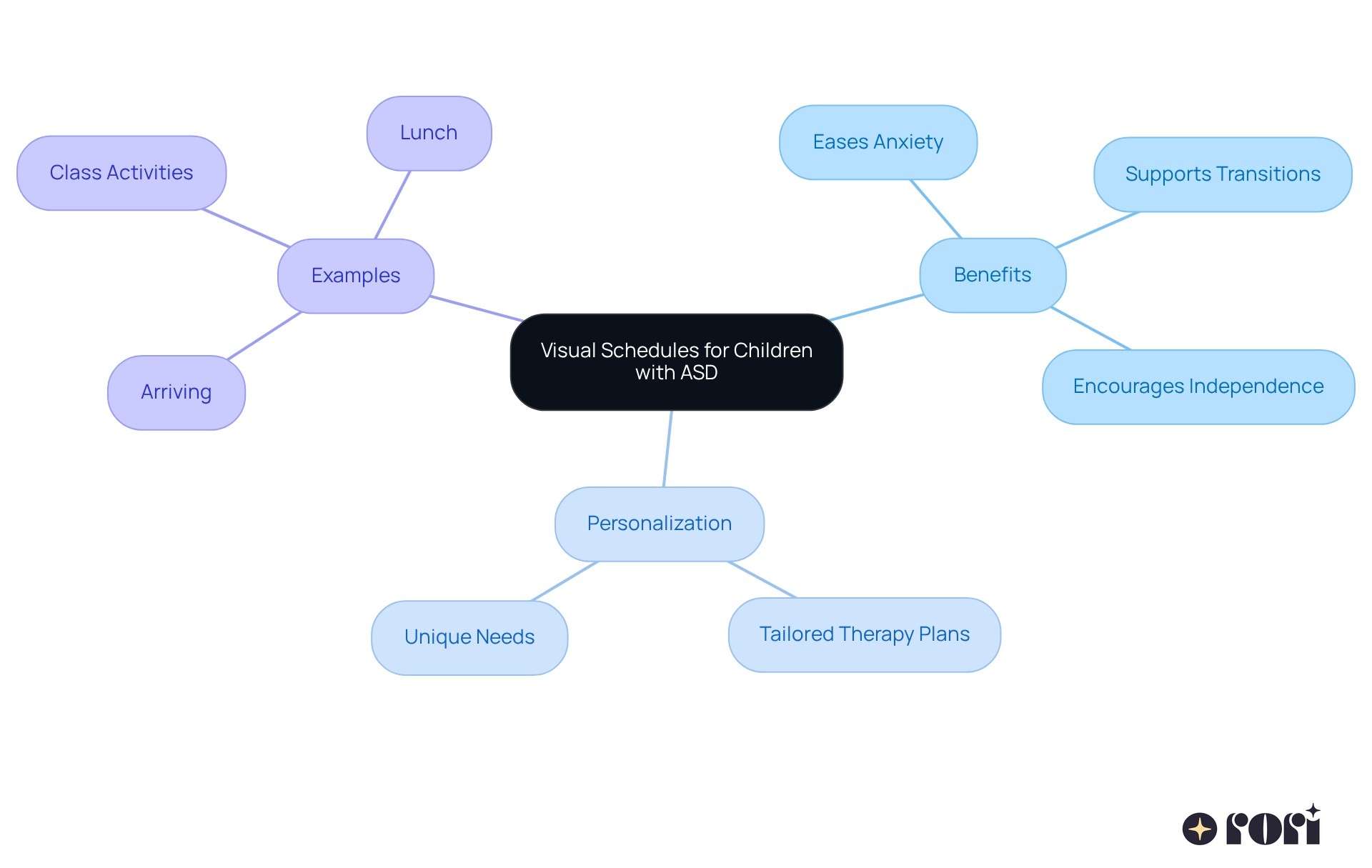
are a fantastic tool that uses images or symbols to show , helping kids understand what to expect throughout the day. This predictability can really ease anxiety and helps young ones get ready for transitions, which is super important in .
At Rori Care, we believe in with tailored to each child's unique needs. For instance, imagine a visual schedule that outlines a school day - like arriving, engaging in class activities, and enjoying lunch. This not only independently but also encourages .
By giving kids a over their daily activities, we empower them to thrive. So, let’s explore this together! If you’re curious about how can make a difference, we’re here to help you every step of the way!
is all about giving rewards or praise right after a desired behavior happens. This little boost can really help make that behavior more likely to happen again! For example, if a young person strikes up a conversation with a peer, offering some verbal praise or a small treat can really reinforce that positive action. Not only does this method encourage , but it also helps in social situations.
Now, imagine this: participating in with trained therapists is among the in children with asd. It’s a great way to utilize in children with asd to improve communication and relationships among peers. Plus, when parents are equipped with knowledge about , they can effectively . This creates a unified approach at home that enhances the therapeutic work being done.
And let’s not forget, this education empowers families to make informed decisions, leading to and a happier family dynamic. So, let’s explore this together! We’re here to !

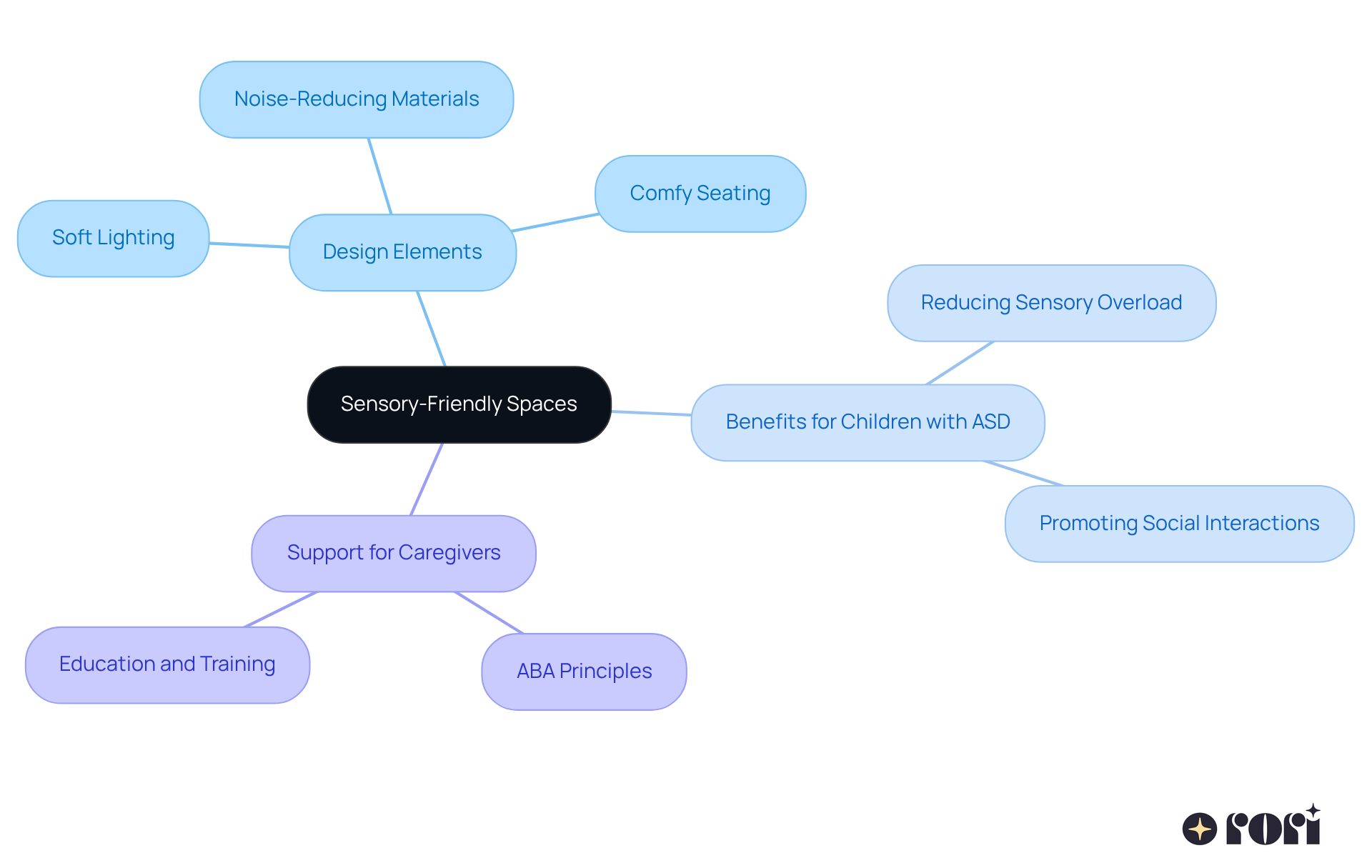
are designed to help reduce , creating a calming space for individuals with autism. Imagine a cozy corner with soft lighting, noise-reducing materials, and comfy seating - sounds nice, right? These spaces can serve as in children with ASD, helping young individuals feel more at ease during social gatherings and allowing them to focus on without the distraction of overwhelming sensory input.
At Rori Care, our clinical leadership team is all about and . We empower caregivers with , which can make a world of difference. This education not only boosts providers' ability to support their children’s behavioral goals but also leads to better outcomes and a more .
Let’s explore this together! If you’re a parent navigating these challenges, know that you’re not alone. We’re here to help you every step of the way!
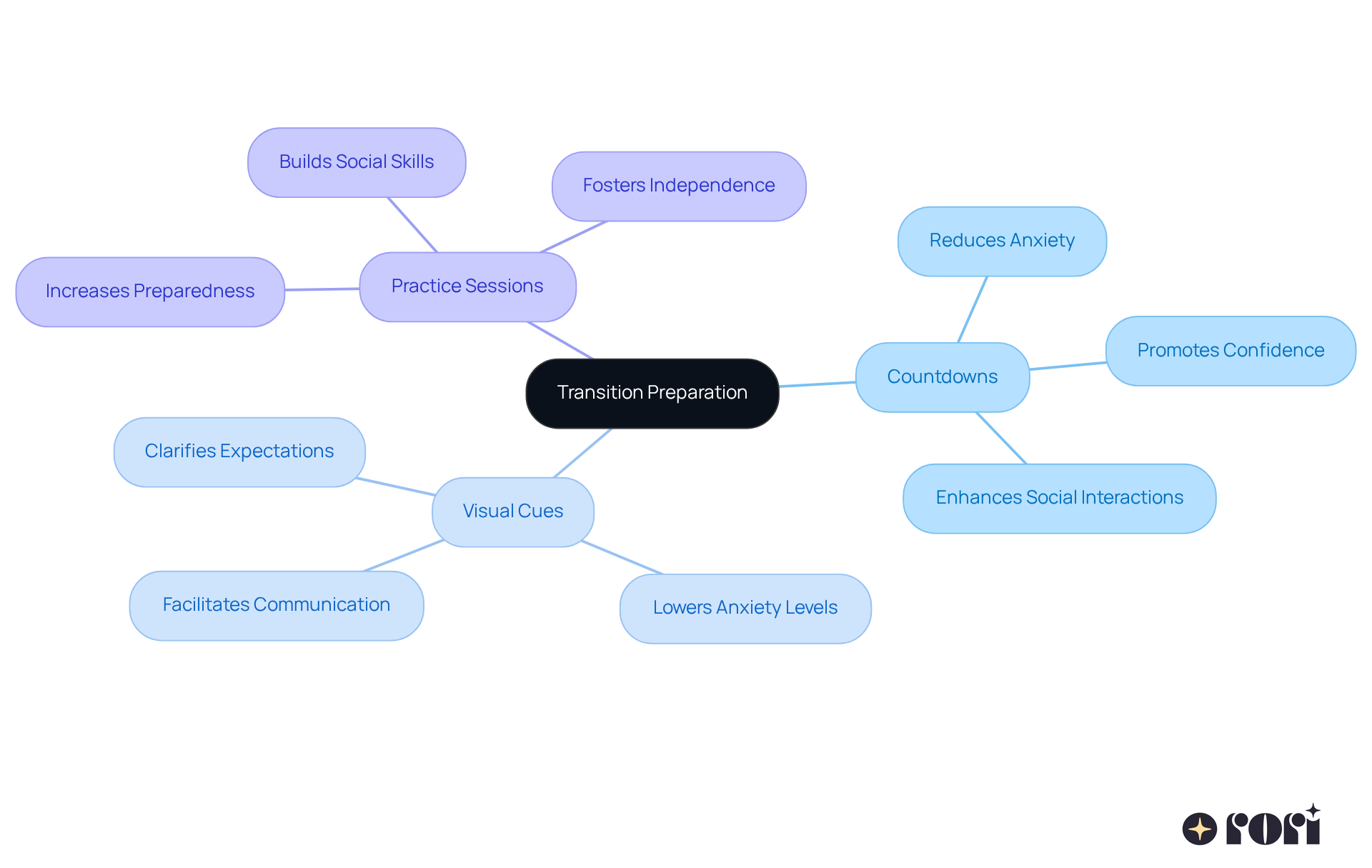
is so important for helping individuals with ASD manage changes in their routine or environment. It can really help ! Techniques like countdowns, visual cues, and are considered , as they can make transitions smoother. For instance, before a playdate, guardians can outline the and even practice greetings. This way, the child feels more prepared and confident for the upcoming social interaction.
This proactive approach not only fosters a sense of security but also employs , boosting their confidence and readiness to engage with peers. By equipping caregivers with , they can provide the right support at home, complementing professional interventions and promoting consistency. include the use of , which can clarify expectations and lessen anxiety, making interactions more manageable.
As psychologists highlight, can help , leading to better interactions with others and a greater sense of independence. This ultimately helps them thrive in various environments. Plus, when caregivers are educated, they can make informed decisions that contribute to improved behavioral outcomes. It really reinforces the importance of these strategies!
To maximize effectiveness, caregivers should consistently apply these techniques and keep an eye on their child's progress. This ensures a . Let’s explore this together and see how we can make transitions easier for our kids!
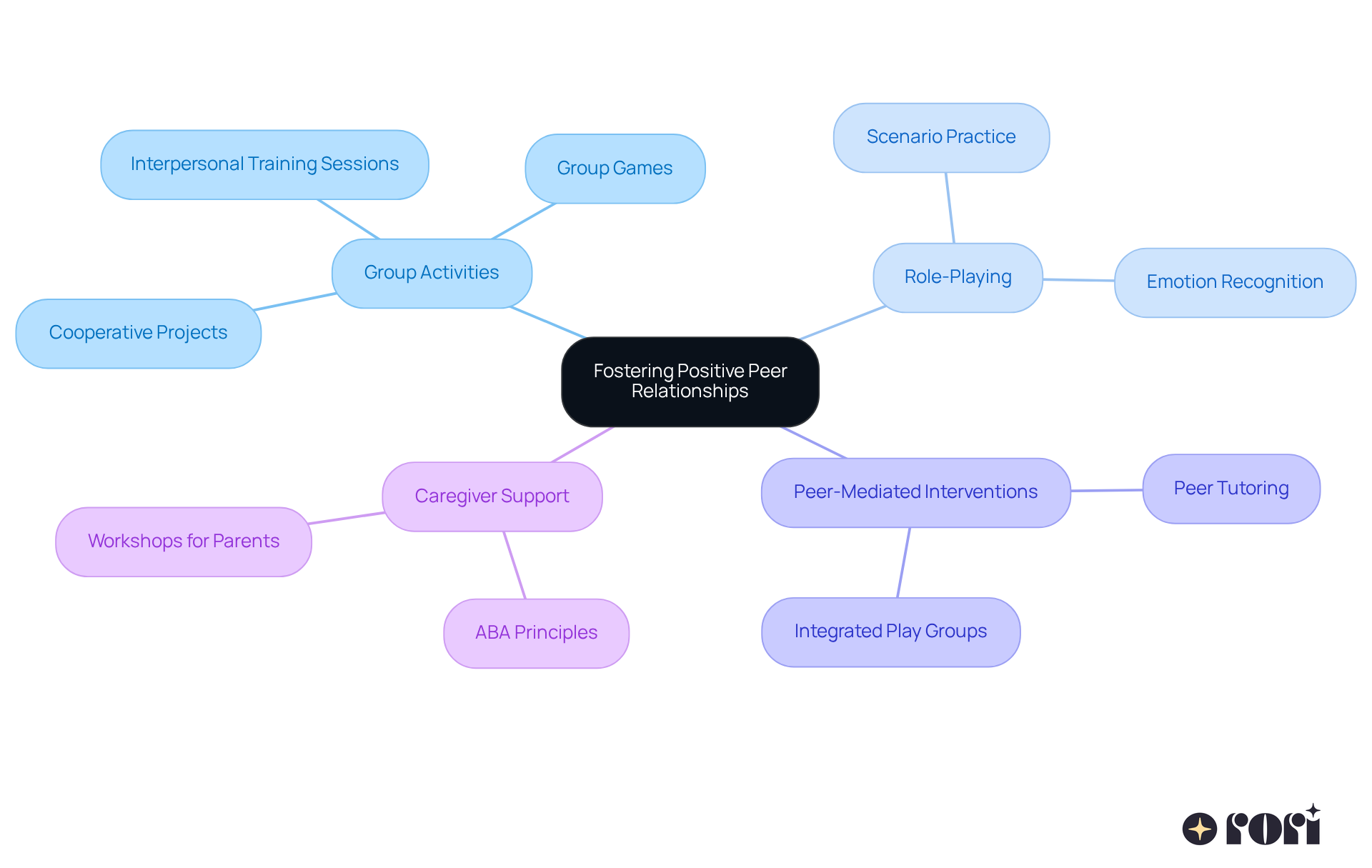
Building positive peer relationships takes some thought and effort, especially when it comes to giving young people chances to connect with each other. At Rori Care, our clinical leadership team truly values neurodiversity and is committed to helping children thrive. This commitment shines through in our .
Think about it: activities like group games, cooperative projects, and interpersonal training sessions are effective techniques for promoting in children with ASD, providing fantastic opportunities for kids to practice in a supportive setting. For instance, role-playing and not only boost communication skills but also nurture empathy and perspective-taking-both crucial for meaningful interactions. Plus, organizing can really strengthen those bonds, leading to lasting friendships and improved .
Recently, we’ve seen great success at Rori Care with initiatives that implement . By using , we utilize effective techniques for promoting in children with ASD to enhance their . We also empower caregivers with , helping them support their children’s behavioral goals through informed choices and data collection.
Ultimately, creating is key to . This way, kids can build the confidence and skills they need for effective community engagement. Let’s explore this together! We’re here to help you every step of the way!
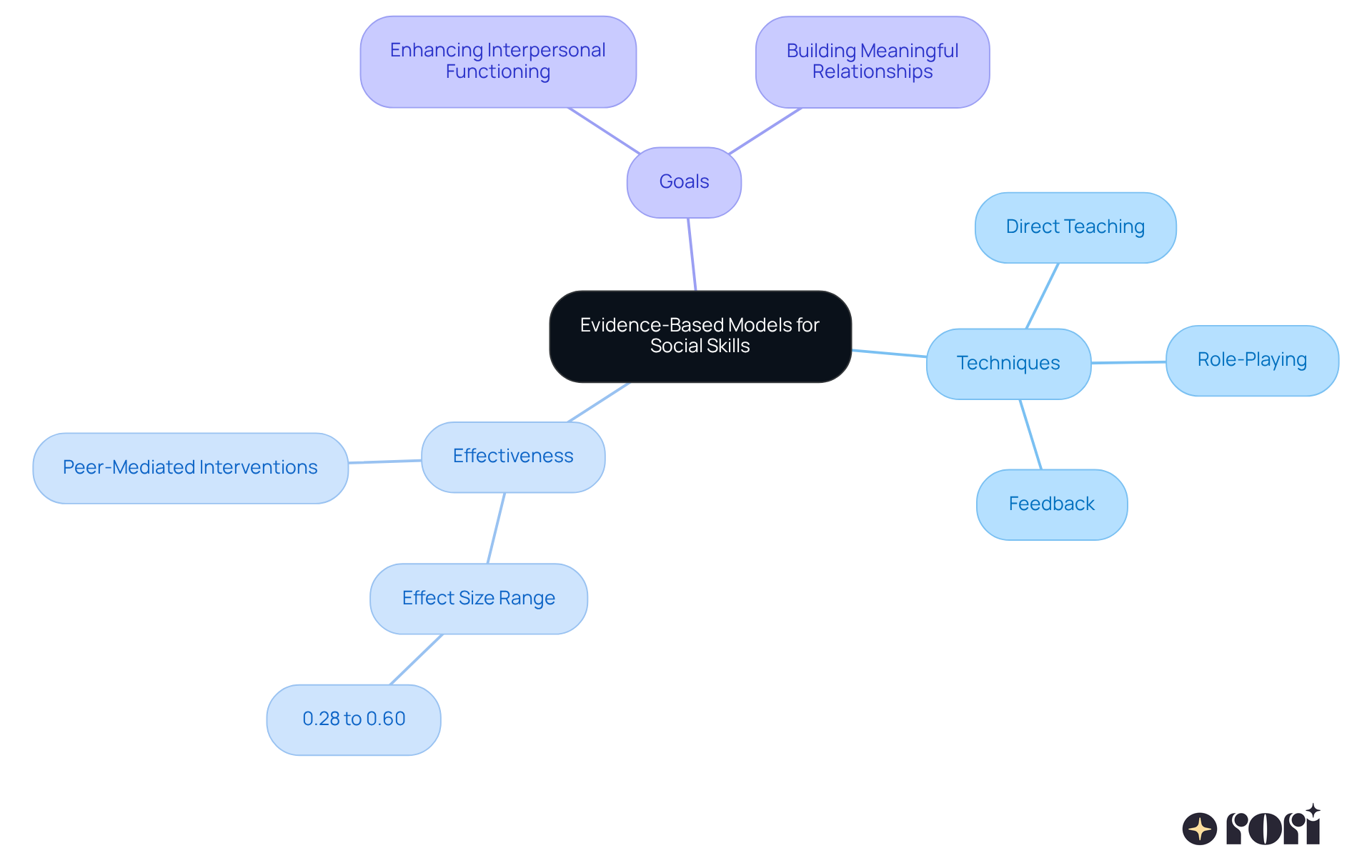
When it comes to helping our kids with autism spectrum disorder (ASD), evidence-based frameworks for (SST) can be a game changer. These organized programs and peer-mediated strategies employ direct teaching, role-playing, and feedback as effective techniques for in children with ASD. Studies have shown that these methods can lead to significant improvements in communication and , making them vital components of .
For instance, a meta-analysis revealed that SST interventions yield a small to moderate effect size, ranging from 0.28 to 0.60. This shows just how effective they can be in enhancing skills like communication, reciprocity, and joint attention. Plus, , where children with ASD engage with typically developing peers, have shown promising results in boosting interpersonal behavior. Research suggests that these collaborative approaches are in children with ASD, while also sharpening and uplifting the overall quality of life for everyone involved.
As Fatimah S Alahmari pointed out, the main goal of SST is to enhance and equip individuals with effective techniques for in children with ASD to build meaningful relationships. This really underscores the importance of for our youth with ASD. So, let’s explore this together! If you’re a parent navigating these waters, know that you’re not alone, and there are resources out there to help you every step of the way!
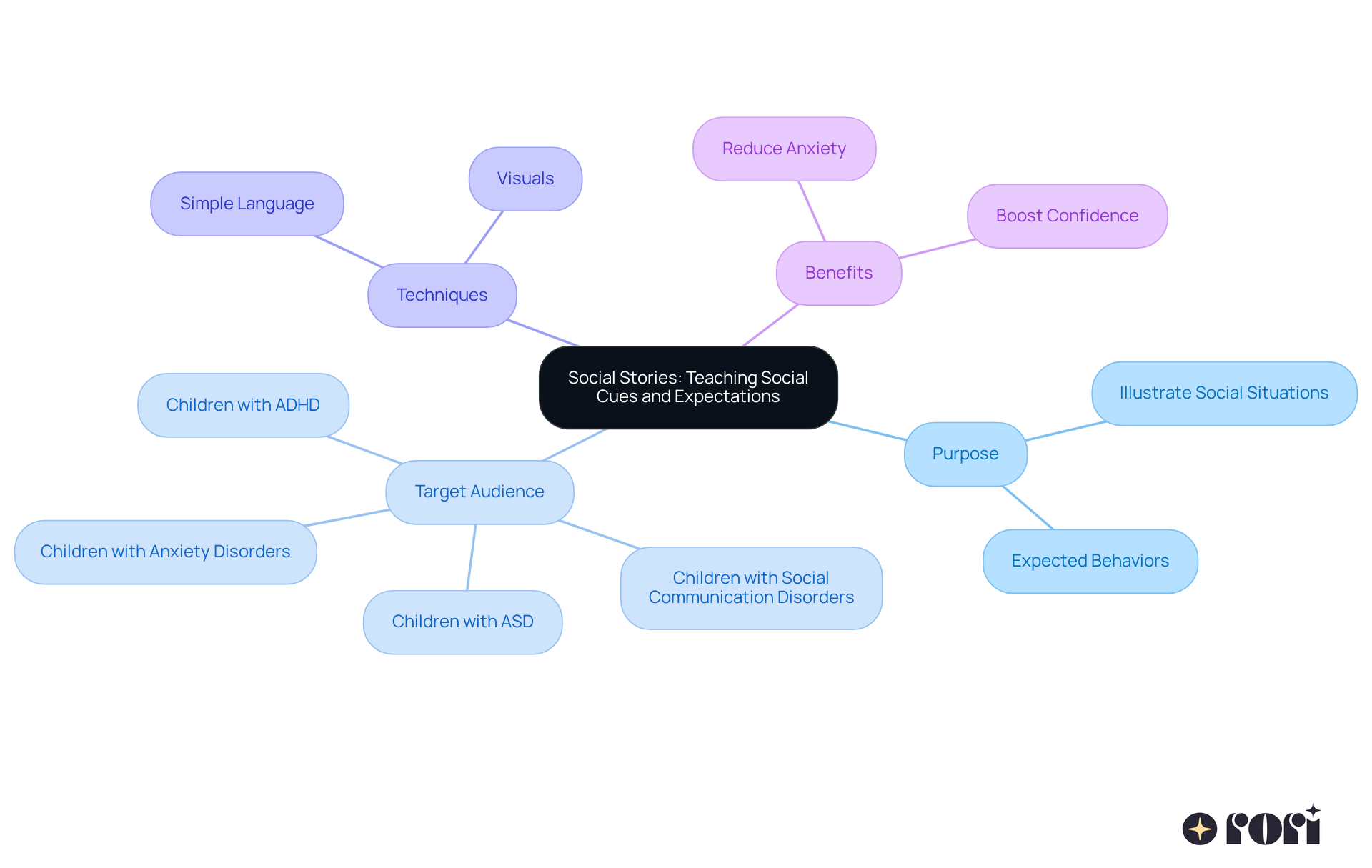
Social tales are short stories designed to illustrate specific and the expected behaviors within them. Using simple language and visuals, these tales help kids grasp and appropriate responses. For instance, a story about going to a birthday party can explain what to expect, how to say hello, and how to join in on games. This approach has been identified as one of the , significantly reducing anxiety and boosting confidence in social settings.
Recent studies reveal that are among the , as they enhance kids' understanding of . Educators have noticed that these stories not only clarify what’s expected but also serve as , ADHD, Social Communication Disorders, and Anxiety Disorders, helping them . This ultimately fosters .
At Rori Care, we’re passionate about . That’s why we incorporate into our programs. Our clinical leadership team, made up of skilled and caring professionals, is dedicated to ensuring that caregivers feel educated and empowered to support their children’s growth. Let’s explore this together!
At Rori Care, we understand that parenting can be a challenge, especially when it comes to supporting your child’s development. That’s why our focus on right at home. This way, you can reinforce the skills your child learns during therapy sessions. It’s a comprehensive and compassionate approach that not only boosts your child’s learning but also builds a between you and the therapists.
When you , you’re providing steady support and motivation. This involvement can lead to in children with ASD, which can improve and for your little one. Plus, as you learn more about , you’ll feel empowered to make informed choices that positively impact your child’s progress.
And let’s be honest, seeing those can really lighten the mood at home! It often leads to better family dynamics and less stress for everyone involved. So, let’s explore this journey together! We’re here to help you every step of the way!

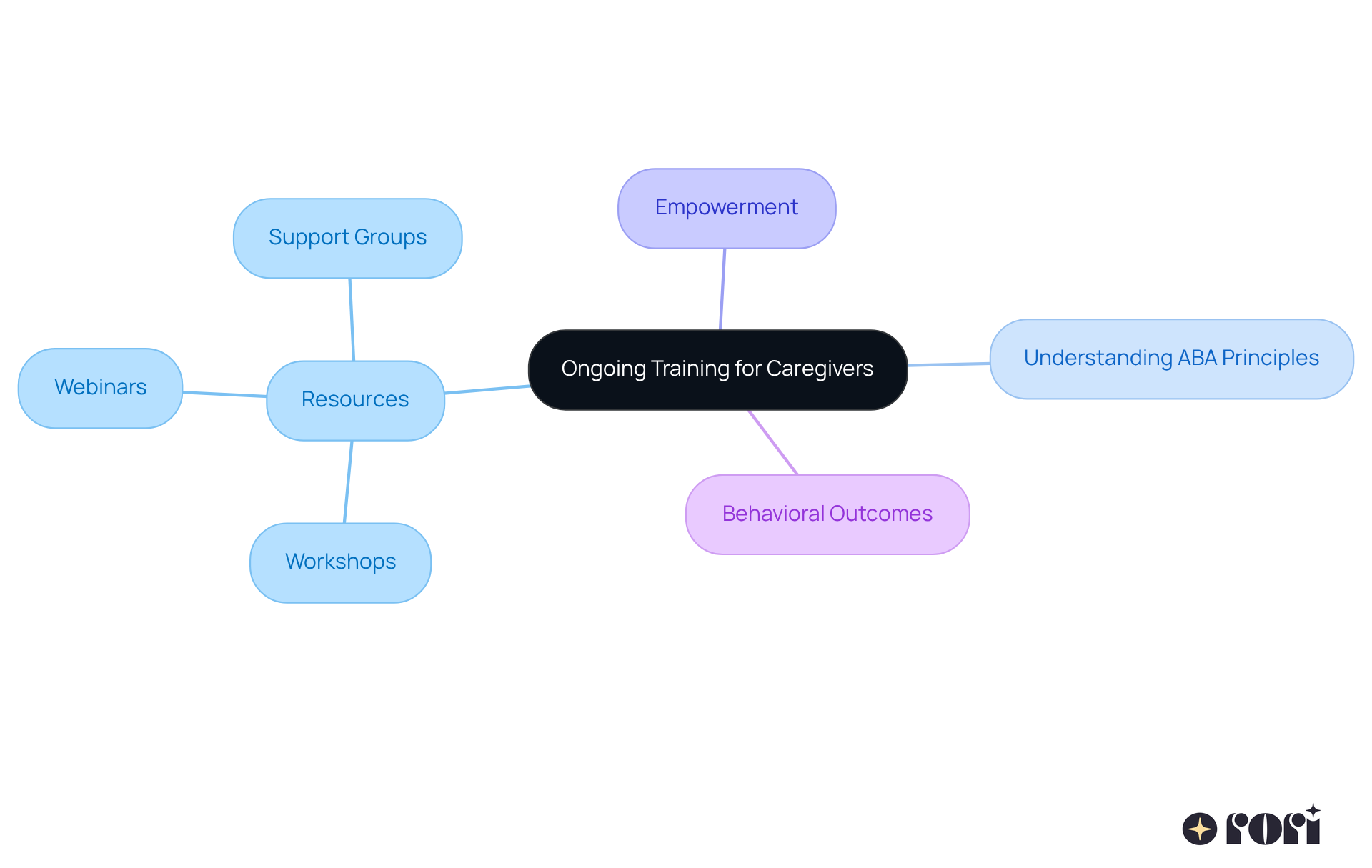
Continuous education for parents and guardians is essential for successfully applying in children with ASD. Think about it: workshops, webinars, and , offering . By staying informed and connecting with other families and experts, you can sharpen your skills and adapt your methods to meet your child's evolving needs.
This ongoing education gives caregivers a deeper . It empowers you to . Plus, being actively involved and aligned with therapeutic strategies often leads to , utilizing in children with ASD and .
Let’s explore this together! Your journey as a caregiver is unique, and we’re here to !
Promoting positive social interactions in children with autism spectrum disorder (ASD) is quite the journey! It’s a multifaceted adventure that calls for tailored strategies and a supportive environment. The techniques we’ve explored, from personalized ABA therapy to visual schedules and positive reinforcement, really highlight how important it is to cater to each child’s unique needs. By embracing these methods, caregivers can create a space where children feel empowered to engage socially and develop those essential communication skills.
Let’s take a moment to reflect on some key insights.
In summary, enhancing social skills in children with ASD is not just achievable; it’s truly transformative! By actively engaging in these strategies, caregivers can nurture an environment that promotes meaningful connections and independence. The importance of these techniques is immense; they’re vital for the well-being and development of children with autism. So, let’s take action together! Families and professionals alike can collaborate and implement these effective strategies, ensuring every child has the chance to thrive socially. We’re here to help you every step of the way!
What is Rori Care's approach to ABA therapy?
Rori Care employs a data-driven approach to ABA therapy, focusing on individualized strategies tailored to each child's unique needs through thorough assessments.
What techniques does Rori Care use to promote social skills development?
Rori Care uses engaging methods such as role-playing, interpersonal narratives, and organized play to enhance positive social interactions and communication skills in children with ASD.
How does Rori Care personalize therapy plans?
Therapy plans at Rori Care are personalized by assessing each child's specific needs and incorporating tools like visual schedules to help them understand daily routines.
What are visual schedules and how do they help children with ASD?
Visual schedules use images or symbols to depict daily tasks, helping children understand what to expect throughout the day, which reduces anxiety and aids in transitions.
How does positive reinforcement work in social settings?
Positive reinforcement involves giving rewards or praise immediately after a desired behavior occurs, which encourages that behavior to happen again, such as praising a child for initiating a conversation.
What role do parents play in supporting their children's behavioral goals at Rori Care?
Parents are educated about ABA principles and strategies, which enables them to effectively support their children's behavioral goals and create a unified approach at home.
How can Rori Care's methods lead to better behavioral outcomes?
By empowering families with knowledge and involving them in the therapeutic process, Rori Care enhances the effectiveness of therapy, leading to improved behavioral outcomes and a happier family dynamic.