Understanding and nurturing social skills in children with autism isn’t just important; it’s a way to enrich their interactions in a world that can feel overwhelming. 🌍 In this article, we’ll explore ten effective techniques that can truly change how children on the autism spectrum connect with others. It’s all about personalized approaches in ABA therapy that make a difference.
But let’s be real - what challenges do parents face when trying to implement these strategies? 🤔 How can you ensure your child thrives in social settings? By diving into these techniques, you might just find the key to a brighter, more connected future for your little one. Let’s explore this together!
At Rori Behavioral Innovations Inc., we understand that navigating the world of ABA therapy can be a bit overwhelming for parents. That’s why we take a data-driven approach, focusing on that cater to the unique skills of each young person. By conducting , our clinicians can pinpoint the specific challenges each child faces, which enables us to develop tailored strategies that include , thereby promoting .
This personalized approach not only boosts your child’s engagement but also helps them grasp . Imagine your child feeling more confident in their interactions! It’s all about enhancing their social skills using in a way that feels natural and supportive. We’re here to ! Let’s explore this journey together!
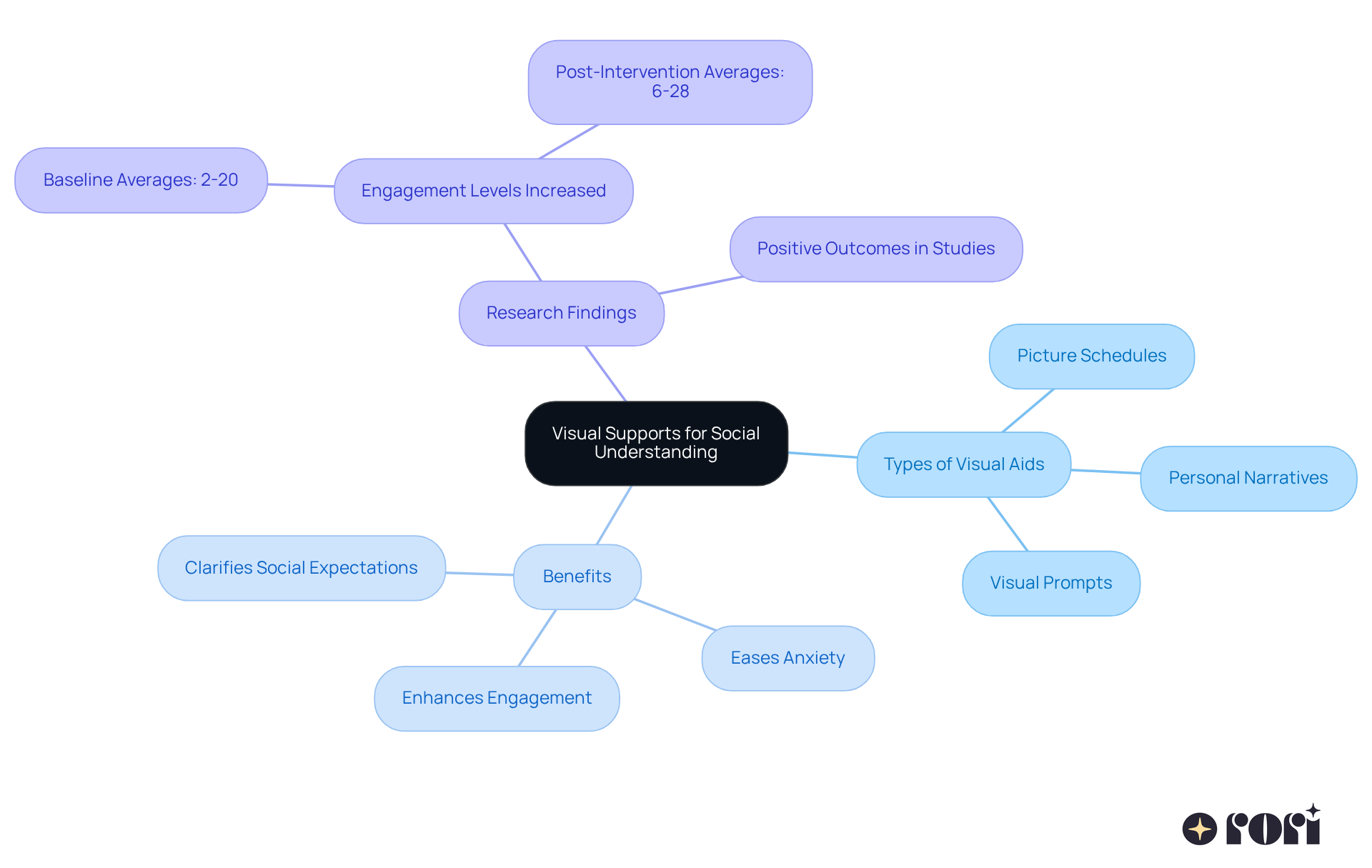
like picture schedules, personal narratives, and visual prompts are such helpful tools for kids with autism! They really help clarify social expectations and show concrete examples of what appropriate behaviors look like. For instance, and understand the flow of , which can really ease anxiety and make it easier for them to engage with their peers.
Research shows that using can lead to some impressive improvements in social engagement. In one study, kids who used these aids saw their conversation engagement levels jump from baseline averages of 2-20% to 6-28% during interventions! Additionally, these , which enhances their role as effective techniques for teaching to children on the autism spectrum.
By breaking down complex social tasks into smaller, manageable steps, these resources empower young individuals to . Ongoing research continues to explore how impact social understanding, highlighting their role in among youth with autism.
So, let’s explore this together! If you’re a parent looking for ways to support your child, consider incorporating into your routine. We’re here to help you every step of the way!
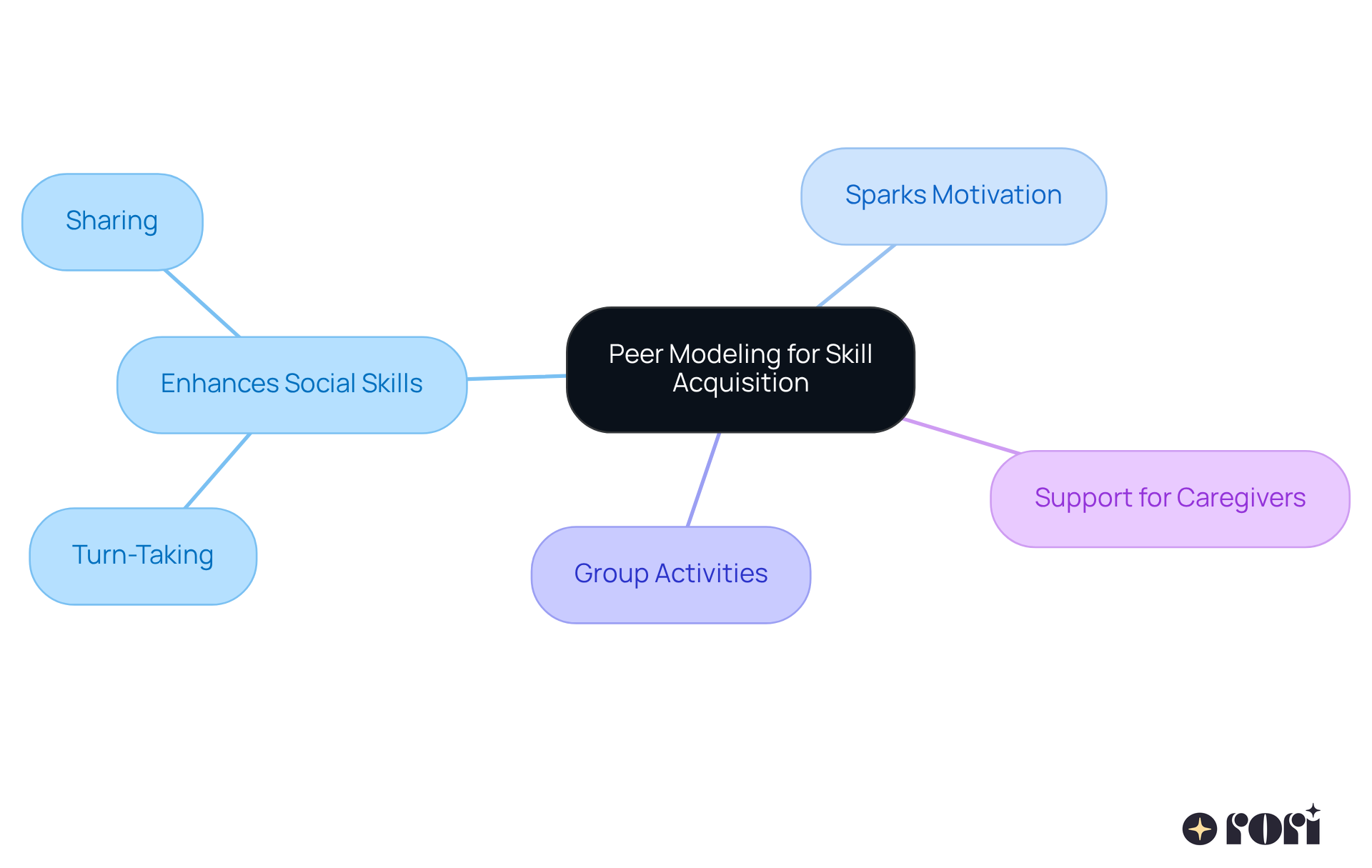
Peer modeling is a fantastic way to help individuals with autism connect with their typically developing peers. By observing and imitating , they can really thrive! This approach not only enhances but also sparks motivation within the community. For instance, during fun group activities like games or role-playing, a young person can learn just by watching a peer engage in these actions. It’s a wonderful way to grasp those important social norms!
At Rori Care, our clinical leadership team is all about celebrating neurodiversity and . Through our focused on , led by our , we’re and connections among youth. These sessions utilize by . Plus, we equip caregivers with the knowledge and tools they need to effectively support their children’s behavioral goals, ensuring a well-rounded approach to development. Let’s explore this together!
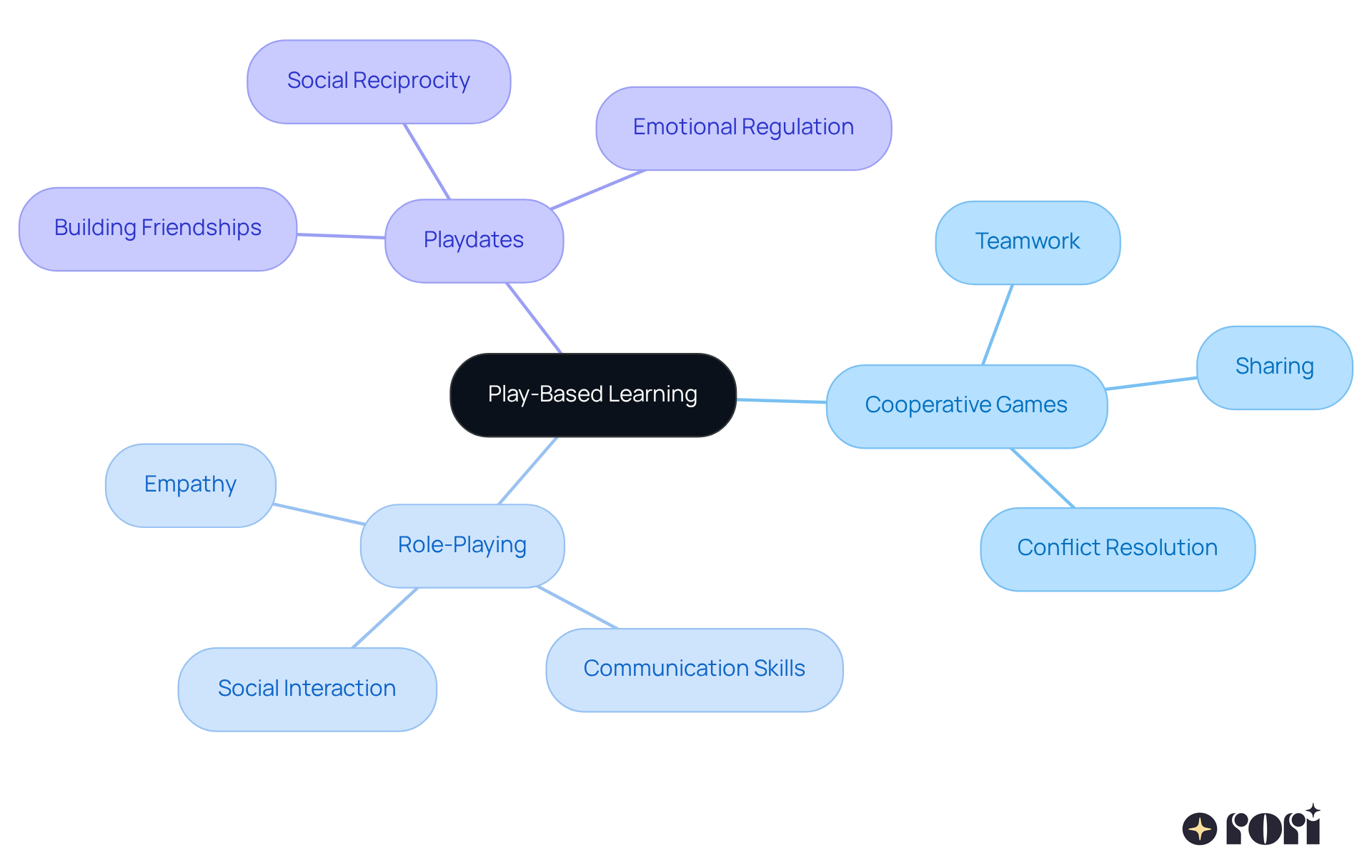
creates a lively space for kids to build their while having a blast! Engaging in not only helps kids connect with their peers but also . Think about it: games that require teamwork teach kids vital skills like sharing, collaboration, and resolving conflicts - .
Research shows that these fun, collaborative activities are among the to children on the autism spectrum. They provide through all-important reciprocal interactions. As Ralph Waldo Emerson wisely said, 'It is a happy talent to know how to play,' reminding us of the true value of play in learning.
And here’s the thing: educators emphasize that play isn’t just a break from serious learning; it’s actually a and develop essential life skills. So, let’s explore this together! What experiences have you had with ? We’re here to help you every step of the way!
are crafted stories that utilize effective techniques for to children on the autism spectrum, helping them navigate different . They use simple language and engaging visuals to clarify what to expect, which can really help . For instance, a story about going to a birthday party might outline what happens, like greeting the host, playing games, and saying goodbye. This not only prepares kids for the experience but also builds their .
Recent studies show that these are among the , as they can significantly ease anxiety in social settings. By tailoring these stories to reflect a child’s unique interests and experiences, parents can . This way, kids feel understood and supported as they learn to . Let’s explore this together and see how we can make these narratives work for your child!

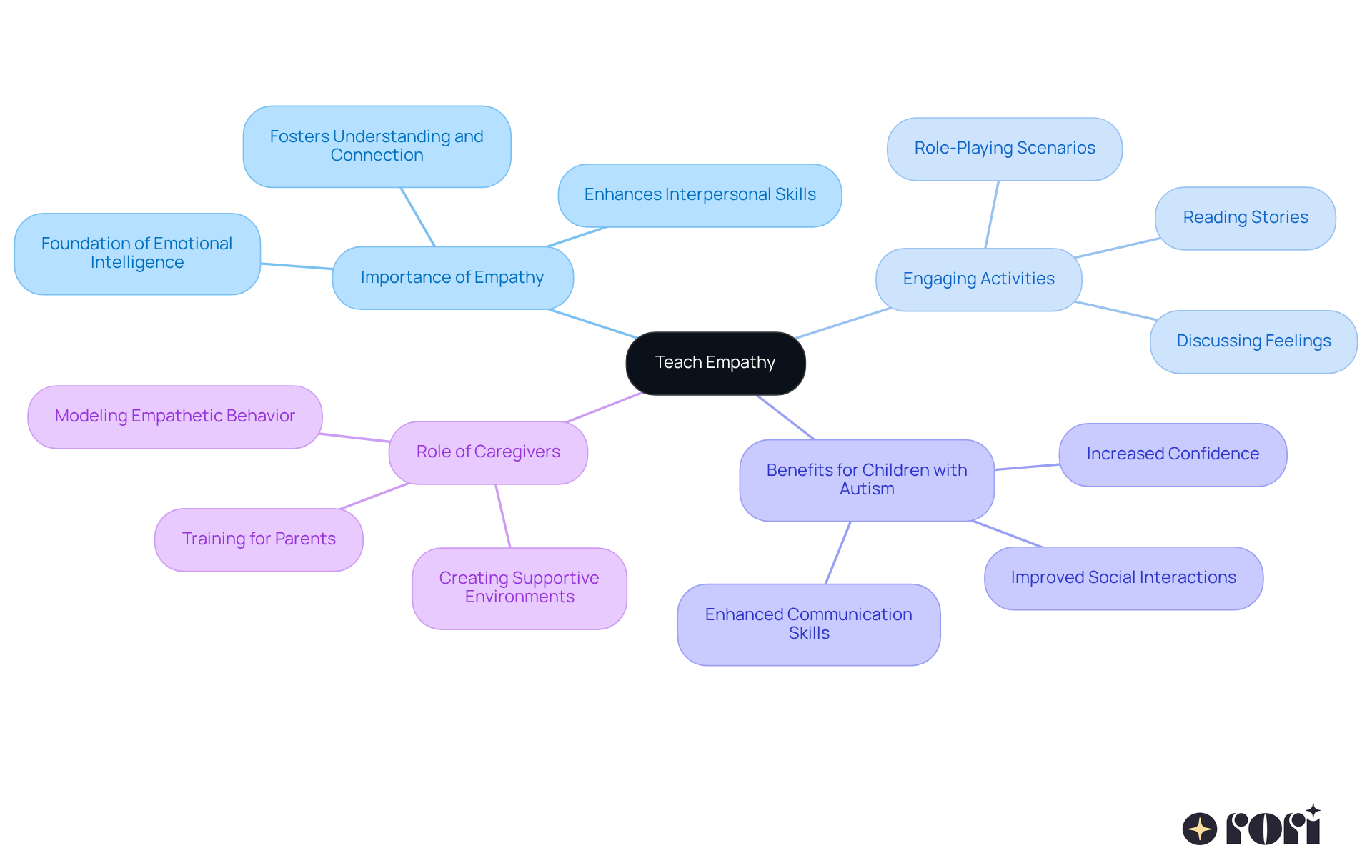
is so important for helping young people understand and connect with the feelings of others. It’s a key part of building those all-important ! Engaging activities like talking about feelings, role-playing different scenarios, and reading stories that highlight emotional experiences can really boost empathetic responses.
For example, when you encourage a young person to think about how they might feel in a certain situation, it helps them consider others' perspectives. This, in turn, enhances their ability to connect emotionally with their peers. Isn’t that a wonderful way to foster understanding?
Research shows that children with autism who participate in (SST) benefit from effective techniques for teaching , which leads to significant improvements in their social interactions. Empathy plays a crucial role in these developments. Effective interventions often utilize , including , where typically developing peers model appropriate behaviors, creating a supportive learning environment.
And let’s not forget about the ! is essential, as it equips them with strategies to and at home. Specialists emphasize that empathy isn’t just a skill; it’s a vital part of that can truly transform relationships.
Brené Brown beautifully puts it, "Empathy has no script. There is no right way or wrong way to do it." This highlights how essential it is for individuals with autism to develop this ability for better relationships. So, let’s explore this together and see how we can support our kids in this journey!
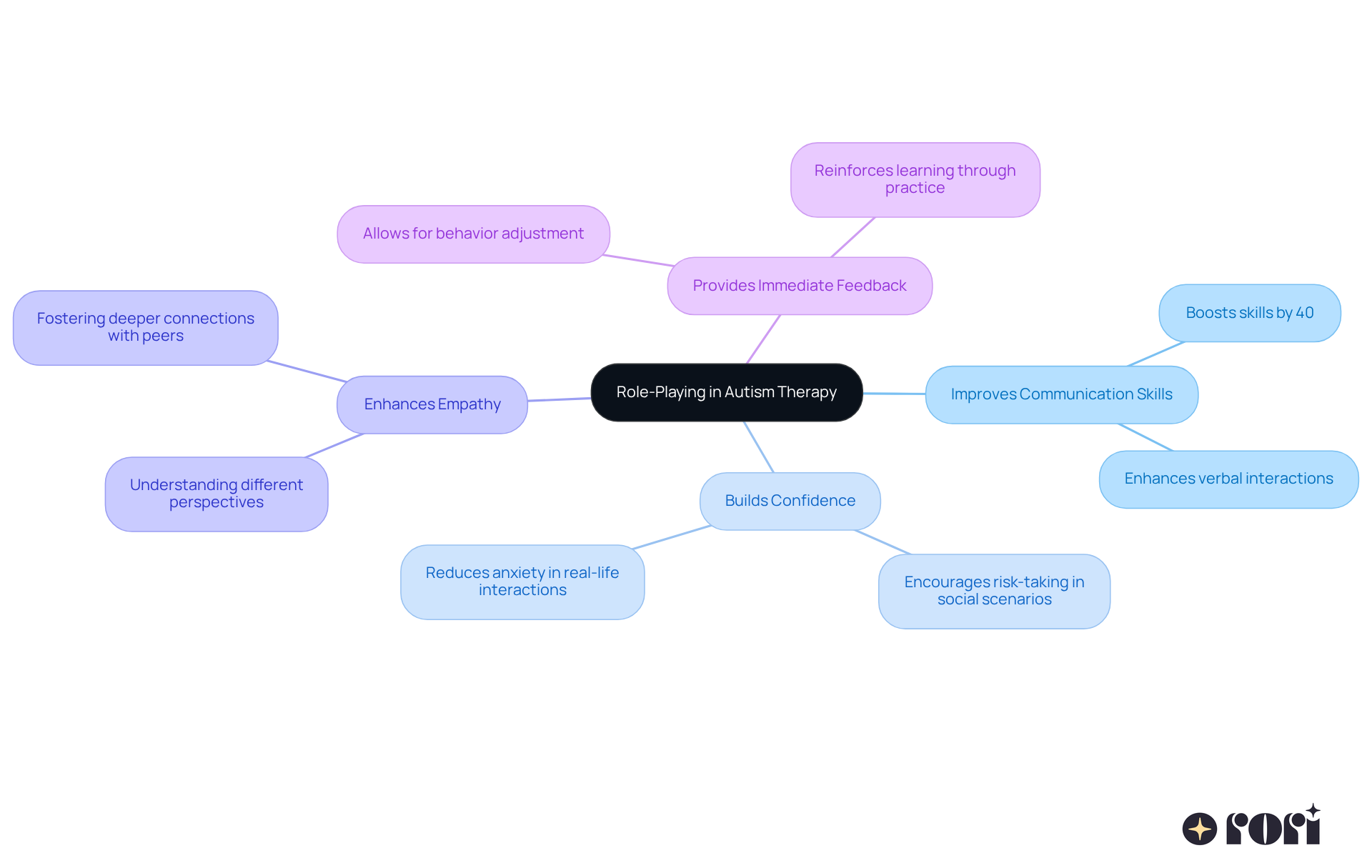
is a fantastic tool in autism therapy! It gives kids a chance to act out different social situations and practice their responses in a safe space. Imagine your child introducing themselves or asking to join a game - these scenarios can really help them build those essential needed for real-life interactions.
Research shows that can boost by up to 40%! That’s a significant improvement that can make navigating social situations much easier. Plus, this , laying a strong foundation for future social encounters.
Experts have noticed that engaging in helps kids understand different perspectives and enhances their empathy. This can lead to . By simulating real-life interactions, children receive immediate feedback, allowing them to adjust their behaviors and responses effectively. This ongoing cycle of practice and feedback is crucial for and .
So, let’s explore this together! If you’re looking for , incorporating could be a wonderful addition to your toolkit. We’re here to help you every step of the way!
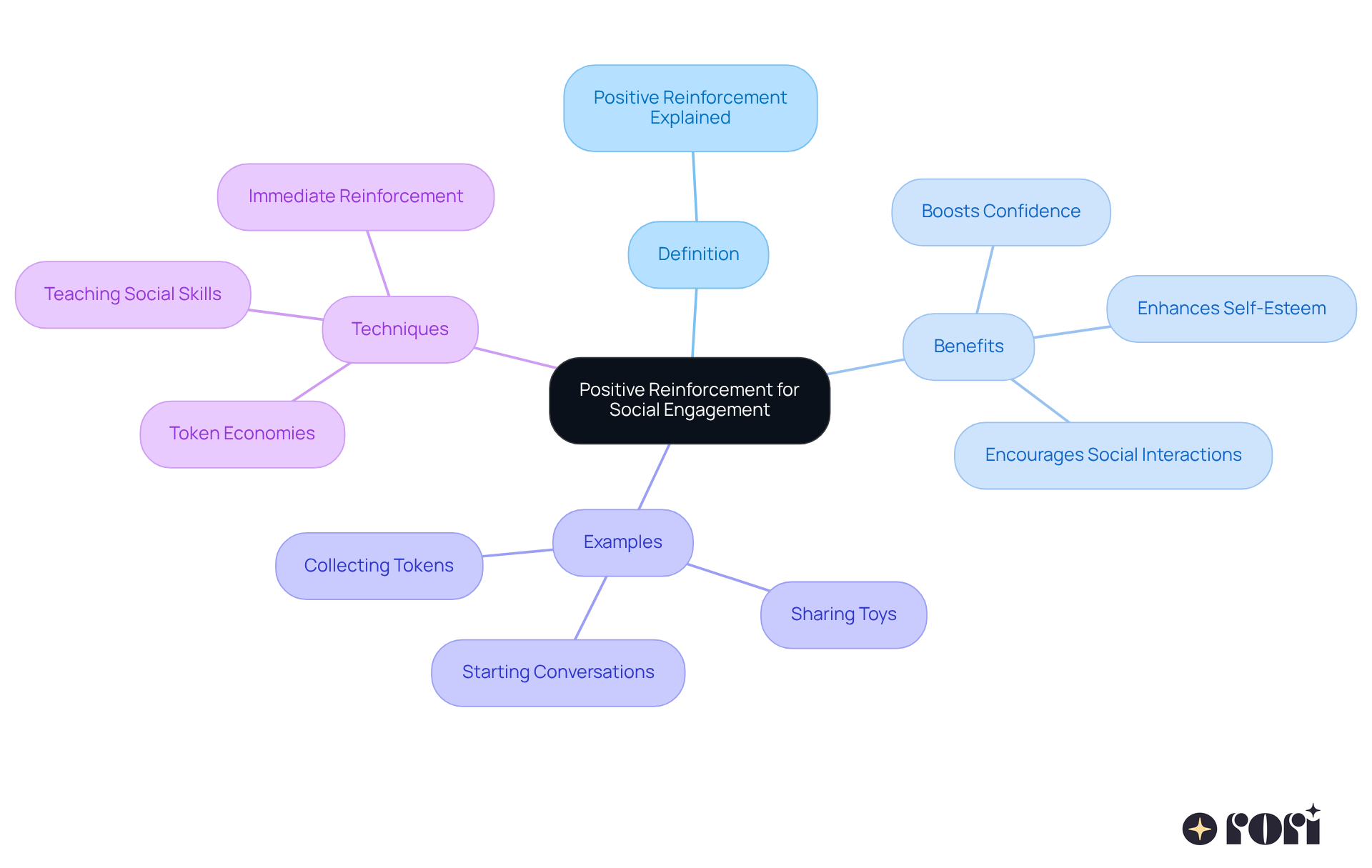
is such a powerful strategy! It’s all about giving rewards or praise when a young one shows those desired social behaviors. For example, when a child shares a toy or starts a conversation, a little praise or a small reward can really strengthen that behavior. This approach not only encourages kids to engage socially but also helps them grasp the .
Research shows that can significantly boost a child’s confidence, making them more eager to join in social situations. but also enhance their self-esteem, making learning a lot more enjoyable.
Think about , for instance! Kids can earn tokens for , which they can then exchange for rewards. It’s a fun way to track their achievements! Current data even suggests that effective techniques for , including , improve interpersonal skills by rewarding specific behaviors, leading to more frequent and meaningful interactions.
By incorporating , caregivers and educators can create a that promotes development and encourages young individuals to thrive in their social engagements. Let’s explore this together and see how we can make a difference!
is so important for helping kids with autism feel at ease. Think about it: , lower noise levels, and fun can really make a difference! By creating a cozy environment, we can utilize to children on the autism spectrum, enabling them to focus better on their interactions and practice their skills without the stress of overwhelming .
And here’s where comes in. It tailors to each child’s unique needs, making those environments even more effective. can be considered to children on the autism spectrum! They allow kids to with their peers, while offers to children on the autism spectrum, ensuring that parents are equipped to support their child’s growth.
Let’s explore this together! By creating these , we can help our little ones thrive.
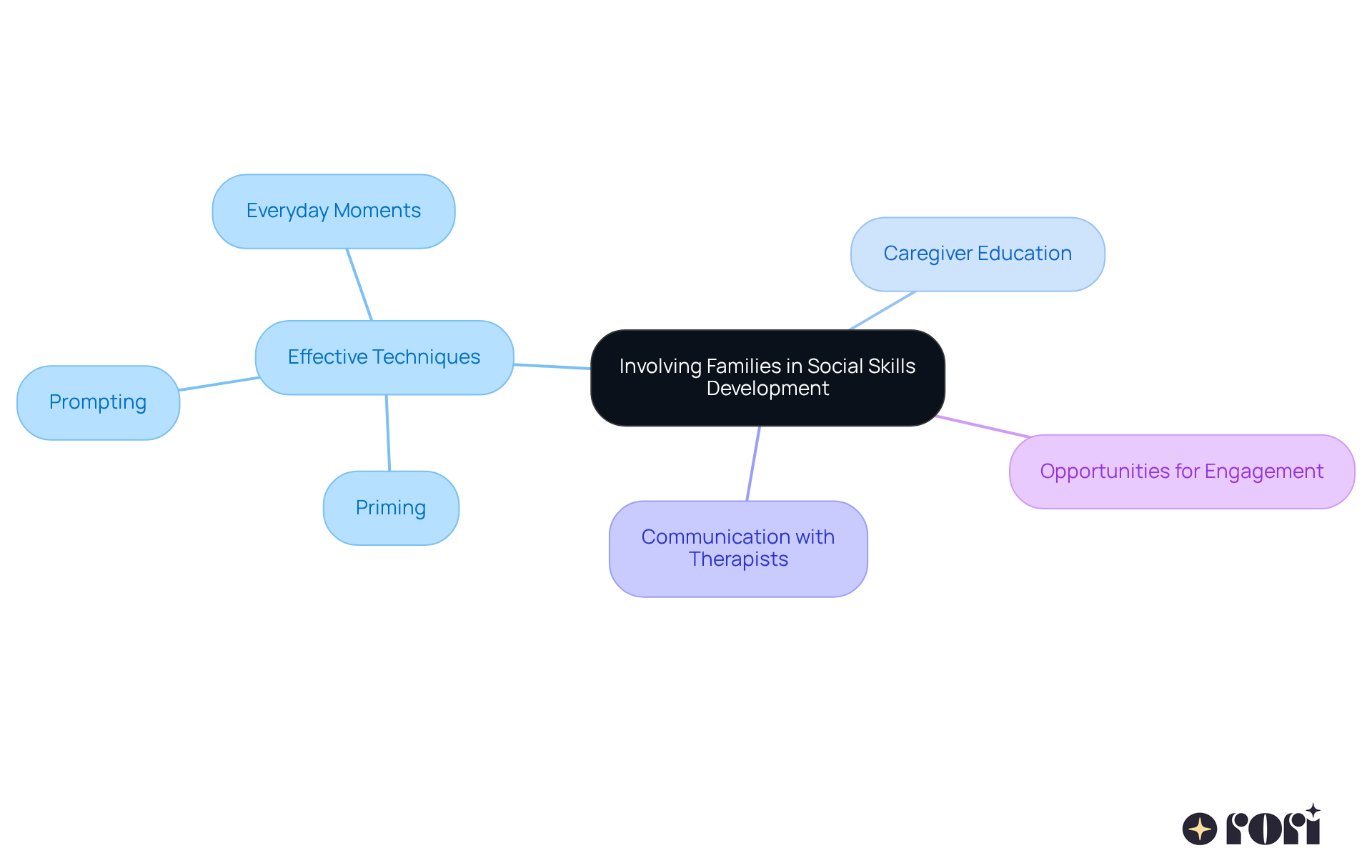
is so important for ! Parents can really make a difference by using during everyday moments, such as chatting during mealtimes or setting up playdates. By demonstrating and creating opportunities for engagement, families help little ones and feel more confident in different social settings.
And let’s not forget about ! It’s key in this journey, giving parents the tools and . When parents consistently use to children on the autism spectrum, such as priming and prompting, it can significantly boost kids’ interactions with others.
Keeping the lines of communication open between therapists and families is essential, too. It ensures everyone is on the same page when it comes to supporting the child’s social development. To really , parents are encouraged to to implement that cater to their child’s unique needs. Let’s explore this together!
Teaching social skills to children with autism can feel like a big task, but it’s all about finding the right approach that fits each child’s unique needs. By using personalized strategies, caregivers and educators can create a warm environment that helps kids build confidence and enjoy meaningful social interactions.
There are some fantastic techniques that really work!
Ultimately, enhancing social skills in children with autism is a team effort. Families, educators, and therapists all play a part in this journey. By actively using these techniques at home and in therapy, families can reinforce social skills and create a supportive network that empowers their children. Embracing these strategies can lead to wonderful improvements in communication and relationships, paving the way for a brighter future filled with positive interactions.
So, let’s explore this together! Remember, you’re not alone in this journey, and we’re here to help you every step of the way!
What is Rori Care's approach to ABA therapy?
Rori Care utilizes a data-driven approach to ABA therapy, focusing on personalized treatment plans that cater to the unique skills of each child. This involves conducting thorough assessments to identify specific challenges and developing tailored strategies to teach social skills to children on the autism spectrum.
How does Rori Care enhance social skills in children?
Rori Care enhances social skills by employing effective techniques tailored to each child's needs, which promotes positive social interactions and helps children grasp community norms and expectations, ultimately boosting their confidence in social situations.
What role do visual supports play in social skills development?
Visual supports, such as picture schedules and visual prompts, help clarify social expectations and provide concrete examples of appropriate behaviors. They can ease anxiety, aid in understanding social interactions, and significantly improve social engagement levels in children with autism.
How effective are visual aids for children with autism?
Research indicates that visual aids can lead to significant improvements in social engagement. For example, children using visual aids saw their conversation engagement levels increase from baseline averages of 2-20% to 6-28% during interventions.
What is peer modeling and how does it benefit children with autism?
Peer modeling involves individuals with autism observing and imitating positive behaviors from typically developing peers in everyday settings. This approach enhances social skills, motivates participation, and helps children learn essential skills like turn-taking and sharing.
How does Rori Care support caregivers in the development of their children?
Rori Care empowers caregivers by providing knowledge and tools related to ABA principles. They offer group therapy sessions focused on interpersonal skills, enhancing communication and connections among youth while ensuring caregivers can effectively support their children's behavioral goals.