Understanding and supporting emotional regulation in children with autism can feel like a winding road for many parents. It’s a journey that, while daunting, is so important for the well-being of these young individuals. In this article, we’ll explore ten effective strategies that can empower you as a parent or caregiver to help foster emotional regulation. These practical tools and insights can truly make a difference in your child’s life.
So, how can you navigate the complexities of emotional expression and regulation in children with autism? What specific techniques can you use to create a nurturing environment? Let’s dive in together and discover some helpful approaches!
At Rori Behavioral Innovations, we understand that every child is unique, and that’s why we take a . Our are designed to meet the specific of each young individual. Our clinicians utilize as effective ways to , helping to improve mood regulation and making it easier for kids to manage their feelings and reactions in various situations.
This personalized support doesn’t just benefit the children; it also encourages families to get involved in their child’s development. Together, we create a nurturing environment that promotes growth and learning. Studies show that , with in building resilience and social skills for individuals with autism.
We believe in the power of continuous evaluation and data collection. This ensures that therapy remains adaptable to each child’s evolving needs, optimizing the effectiveness of our support strategies. So, if you’re looking for a way to help your child thrive, let’s explore this together! We’re here to !

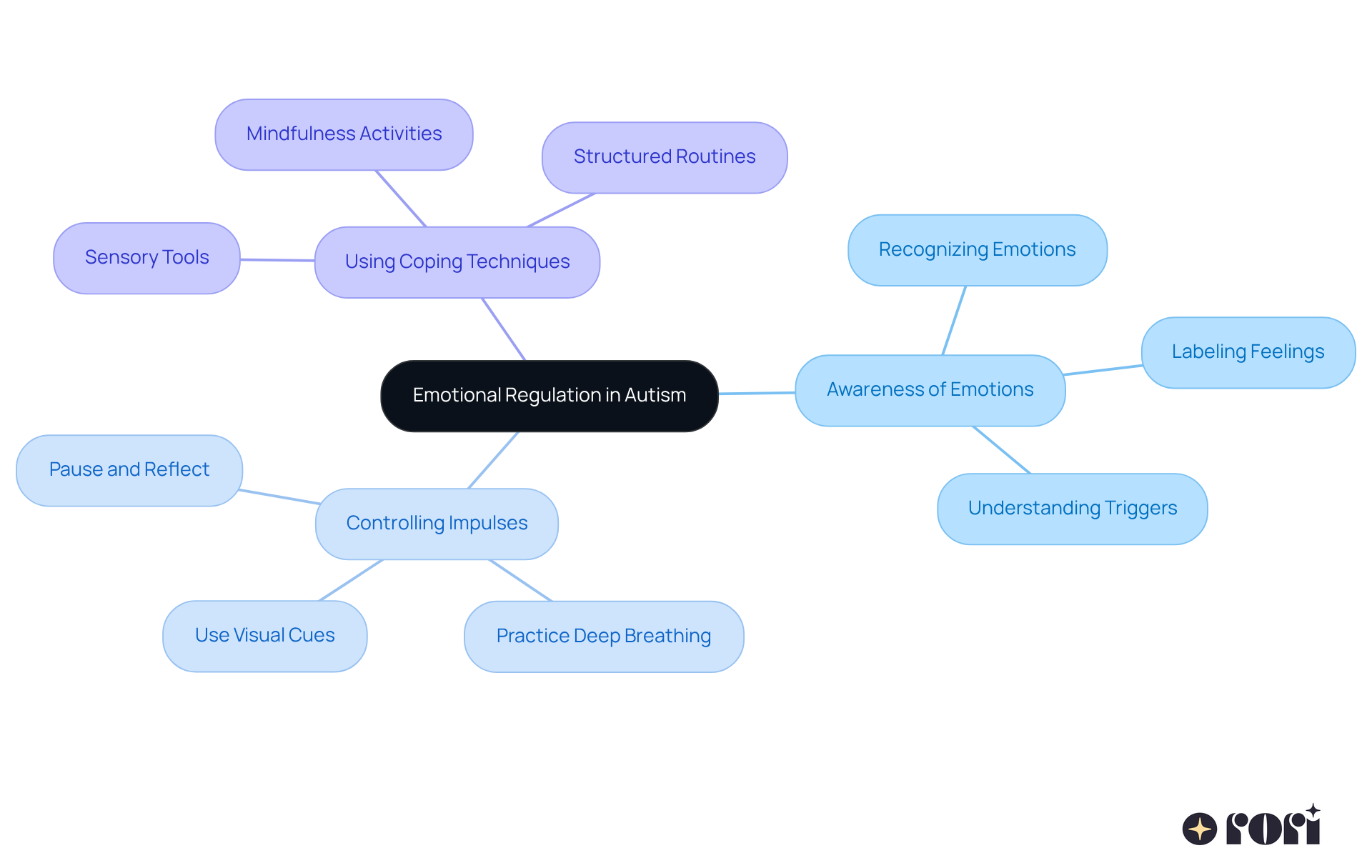
Managing feelings is all about how we handle and react to our emotions in a way that feels right in social situations. For parents of children on the autism spectrum, discovering in children on the autism spectrum can be a real challenge. Sensory processing differences and varying awareness of feelings can make it tough.
Understanding the key aspects of , including:
is crucial for parents and caregivers seeking effective ways to in children on the autism spectrum. By recognizing these elements, you can better support your child by implementing in children on the autism spectrum.
Let’s explore this together! By sharing experiences and tips, we can create a supportive community where everyone feels understood. Remember, you’re not alone in this journey!
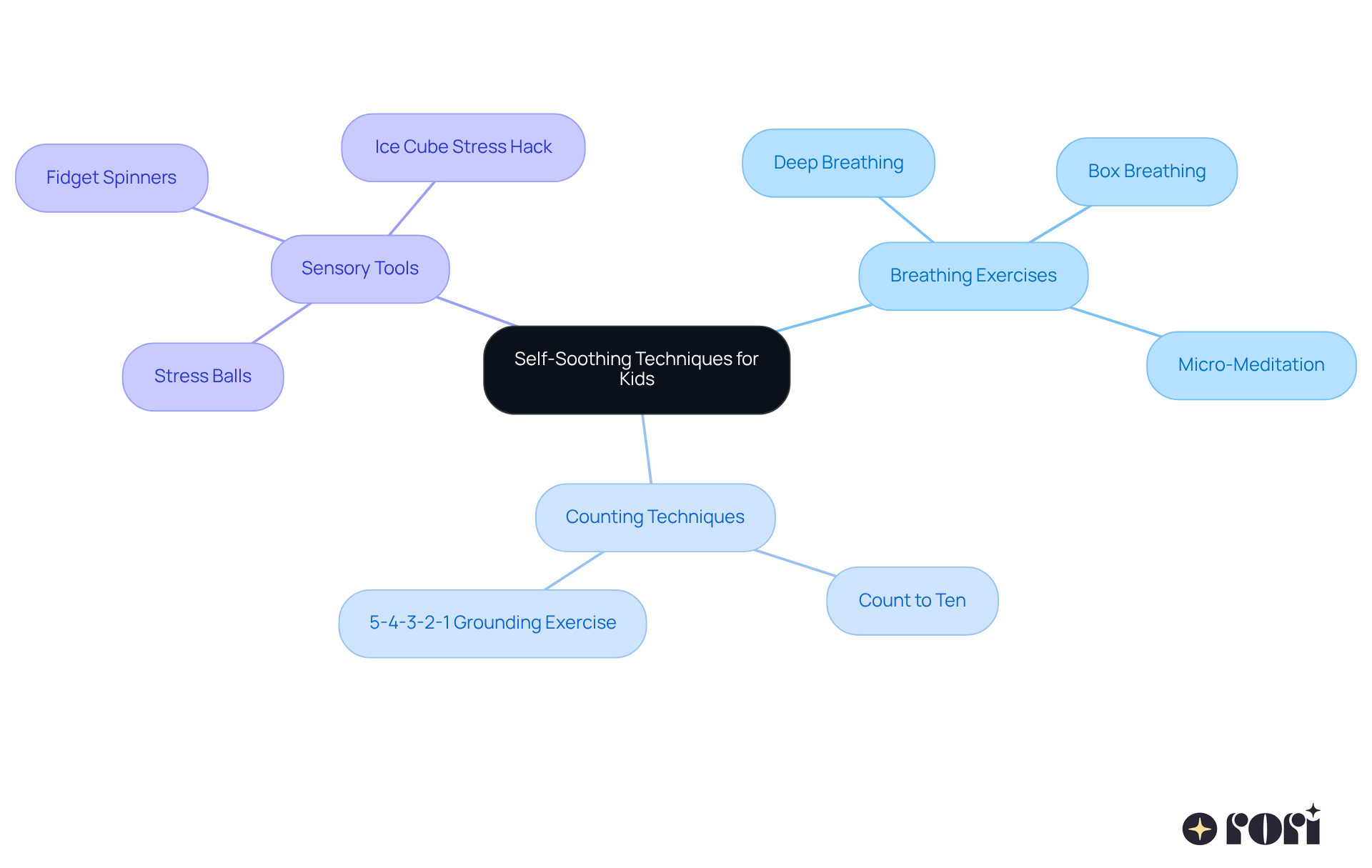
Parents, let’s talk about something that can really help our kids: ! Simple things like , counting to ten, or using like stress balls and fidget spinners can make a world of difference. These methods are considered effective ways to support , as they help young ones recognize when they’re feeling overwhelmed and provide them with the tools they need to manage those feelings.
When we consistently encourage these techniques, we’re not just ; we’re also helping our kids become more independent. Isn’t that what we all want? Studies show that can significantly , making them a key part of their . Plus, experts highlight that sensory tools are in children on the autism spectrum, as they can help soothe anxious feelings and provide our youngsters with .
So, why not give these techniques a try? Let’s explore this together and see how we can support our kids in managing their feelings!
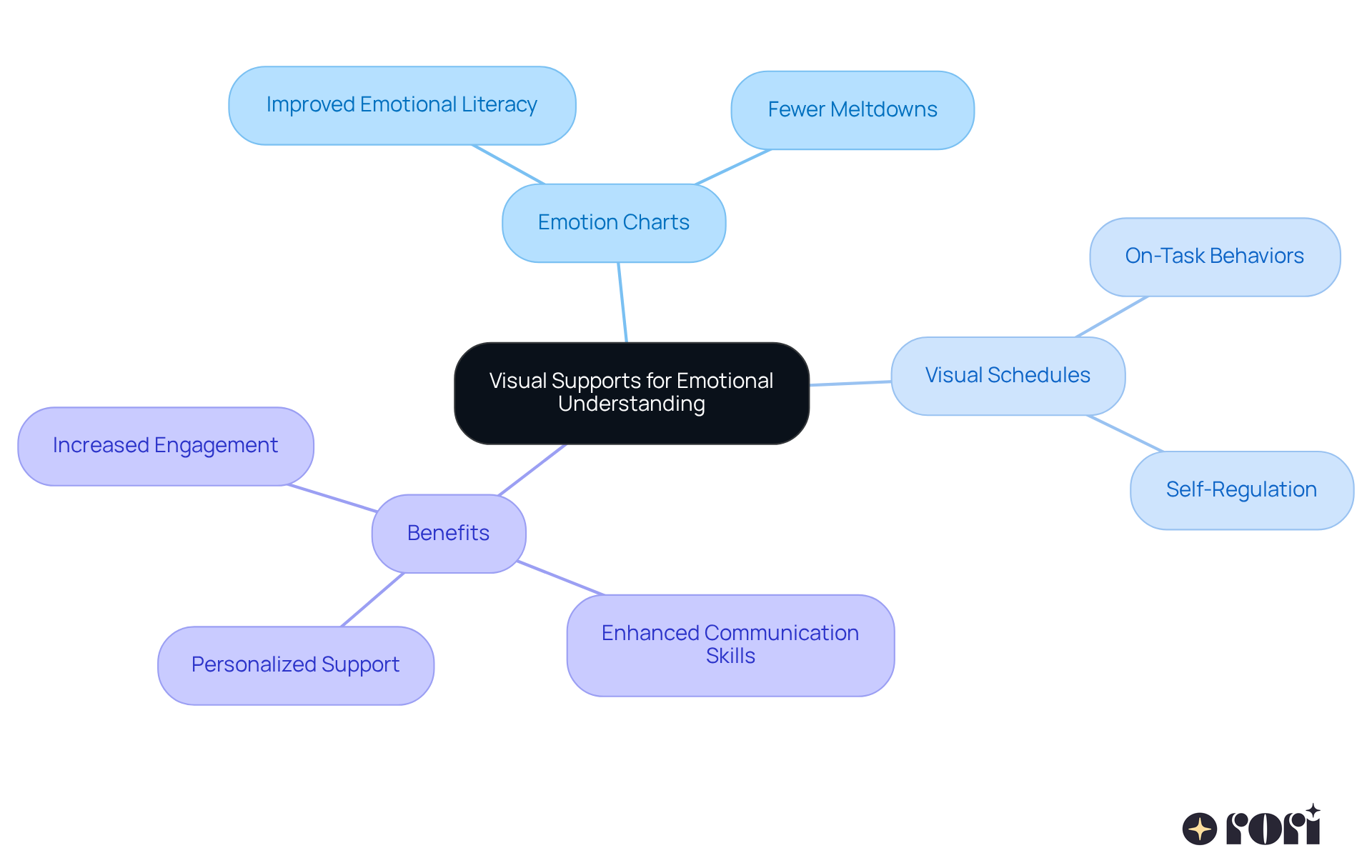
Visual aids like emotion charts and are game changers for helping young people understand their feelings and improve their communication skills. By offering , these tools empower kids to recognize and express what they’re feeling more effectively. Research shows that using organized strategies with visual timetables is among the effective ways to support , as it can significantly boost on-task behaviors and self-regulation. For instance, studies have found that kids who engage with emotion charts develop better , leading to fewer meltdowns and improved social interactions.
Parents can easily customize these visual aids to reflect their child’s unique experiences, making it simpler for them to share their feelings and needs. This approach aligns perfectly with principles, which focus on . By equipping caregivers with , parents can track progress through measurable goals and adjust interventions as necessary, fostering a deeper understanding of emotions and encouraging positive behavioral changes. Teachers have noticed that when kids actively engage with feeling charts, they not only learn to identify their emotions but also develop that enhance their resilience. As one educator put it, "Establishing routines and clear consequences offers structure that promotes psychological stability." This organized approach, combined with visual aids, represents , enabling them to thrive both emotionally and socially.
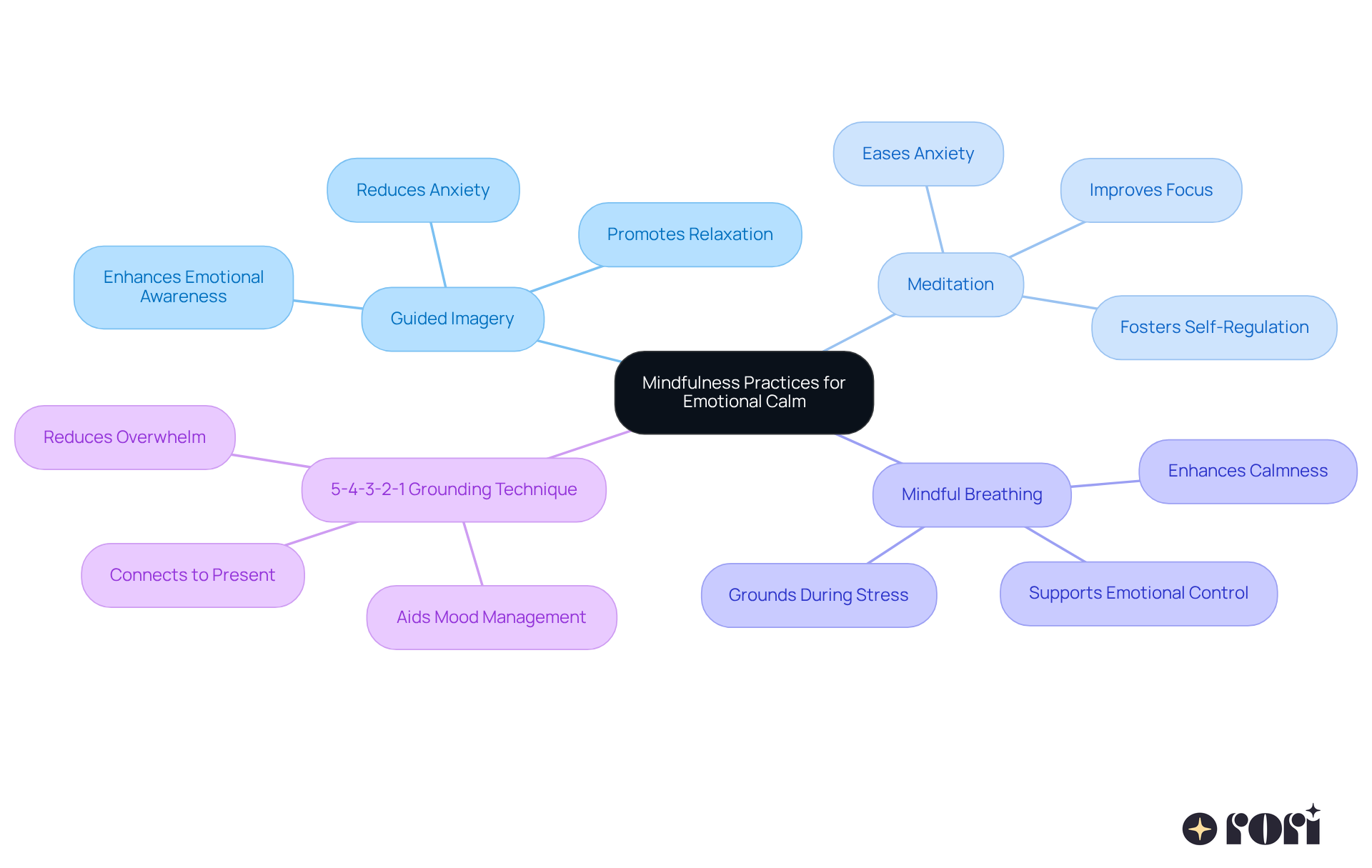
Integrating like guided imagery, meditation, and mindful breathing can really help kids with autism find their calm. These practices encourage focusing on the present moment, which can significantly reduce anxiety and promote relaxation. Research shows that are effective ways to support while also boosting their social responsiveness, making them fantastic tools for parents.
When caregivers learn about these , they can better support their kids in practicing them, reinforcing the benefits of their involvement. Parents can easily weave short mindfulness exercises into daily routines, turning them into fun activities that teach . For instance, , creating a sense of safety and tranquility. Plus, even brief meditation sessions can ease anxiety and enhance emotional awareness. Mindful breathing exercises, which focus on the rhythm of breath, can , helping them regain control over their feelings.
Another great method is the '5-4-3-2-1' grounding technique. This involves identifying:
It’s a simple yet effective way to help kids stay connected to the present. This technique not only aids in mood management but also provides effective ways to in children on the autism spectrum during challenging times.
As one specialist noted, not only reduce stress but also enhance management skills, making them essential for kids navigating the complexities of autism. By incorporating these methods into everyday life, parents can discover in children on the autism spectrum, empowering them to build resilience and stability while deepening their own understanding of these strategies. Let’s explore this together!
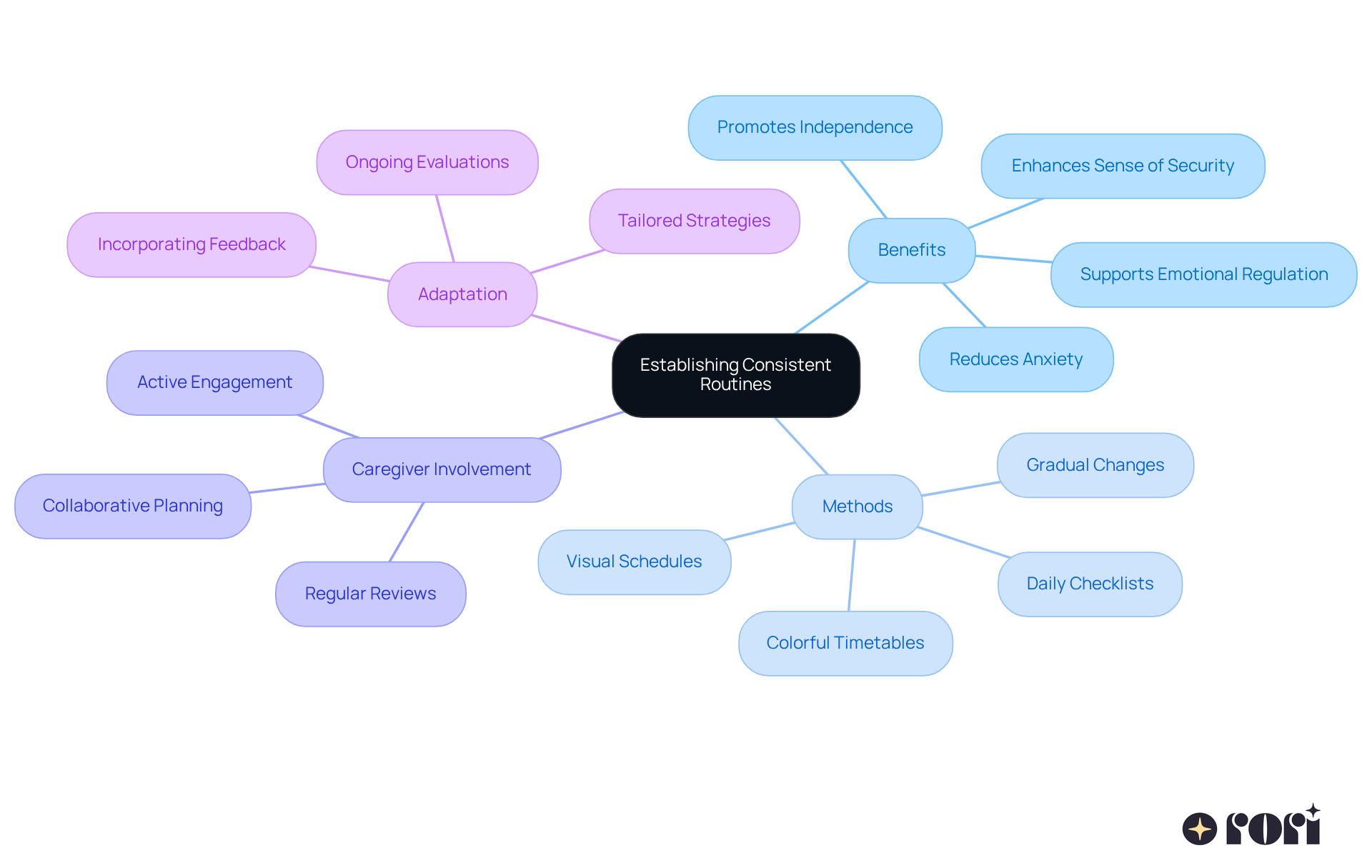
Establishing consistent is one of the effective ways to support . When daily activities are predictable, it can really and create a sense of security. Research shows that having helps young people understand when certain activities will happen, which can ease their worries. For example, knowing when meals and bedtime are scheduled can significantly lower anxiety for kids with autism.
Parents can make use of , like colorful timetables and alert systems, to clearly outline daily tasks. This way, kids can anticipate what’s coming next and get emotionally ready for transitions. As developmental psychologists often say, " for young ones to thrive." This proactive approach not only helps reduce anxiety but also offers in children on the autism spectrum, giving them a sense of control over their daily lives.
By adhering to routines, parents can establish a stable structure that offers effective ways to support , contributing to their . It’s also a good idea for parents to regularly review and tweak these routines based on their child’s needs, ensuring they stay effective and supportive. Plus, involving caregivers in the process is key! When caregivers are actively engaged, it can lead to and skill development.
By adapting routines based on , parents can make sure their strategies align with their child’s evolving needs. This ultimately fosters a more supportive environment. Let’s explore this together!
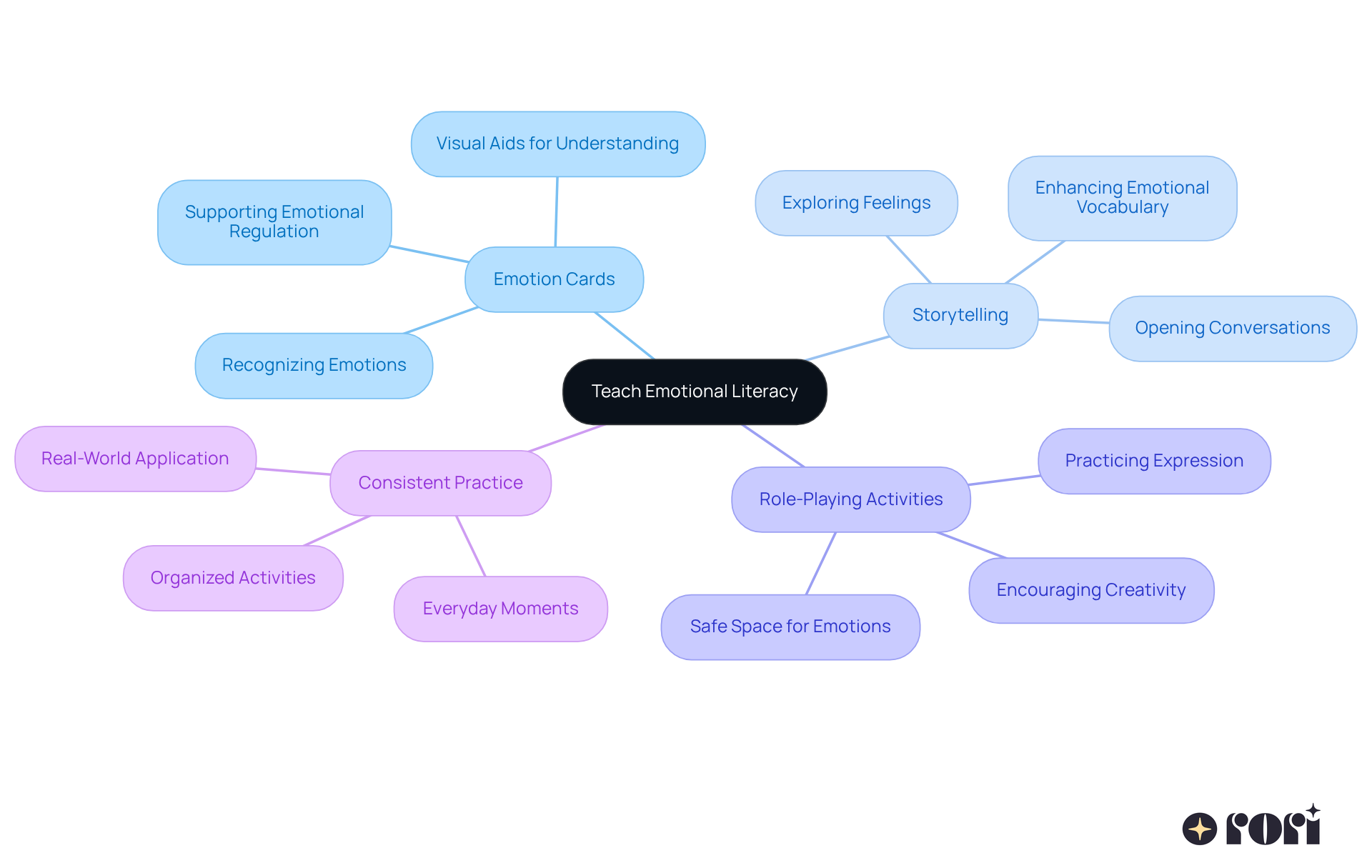
Helping young ones understand their feelings is so important! It’s all about guiding them to . Tools like emotion cards and storytelling can really make a difference in this journey. Emotion cards, which show images representing different feelings, help kids . Research shows that kids using these visual aids tend to discover effective ways to support , which is a significant step toward managing their emotions effectively.
Storytelling is another fantastic way to encourage kids to express themselves. When parents share stories that explore different emotions, it opens up and reactions. Plus, role-playing activities can take this learning to the next level, giving kids a safe space to practice . These fun techniques not only expand their but also inspire them to through words or creative outlets like art.
To really help kids develop their expressive skills, is key. Encouraging them to share their feelings during everyday moments or through organized activities can boost their emotional awareness and management. By weaving these practices into daily life, kids can apply what they learn about their feelings in real situations, which ultimately enhances their communication skills and overall well-being. As Temple Grandin wisely said, 'I am different, not less.' This highlights the unique perspectives of children with autism and the importance of nurturing their emotional skills.
Let’s explore this together! By promoting feelings awareness through specific strategies, parents can discover effective ways to in children on the autism spectrum, enabling them to build better emotional health and more fulfilling relationships.
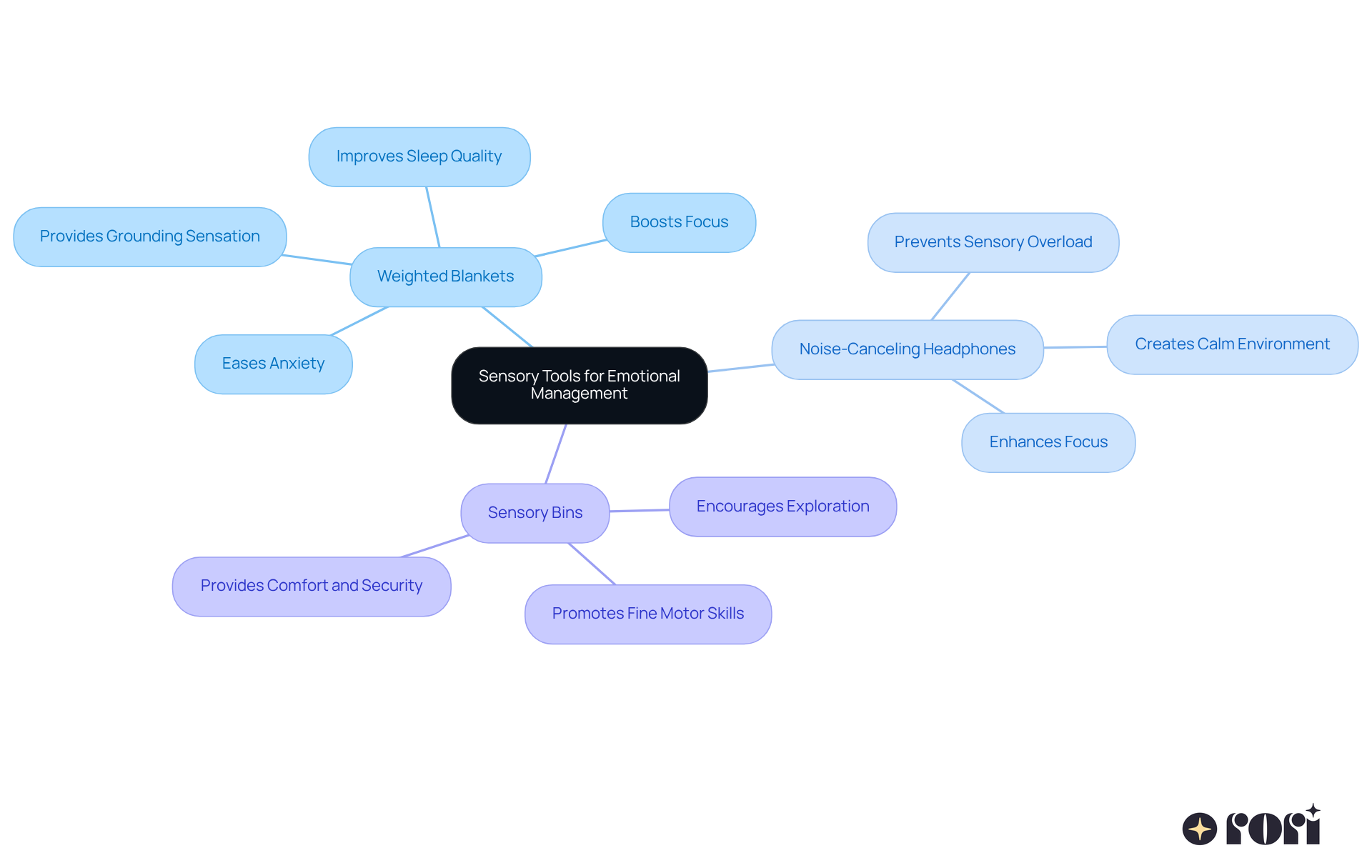
Using like , noise-canceling headphones, and sensory bins are effective ways to support . These tools can really help kids self-soothe and regain control, demonstrating effective ways to when things get overwhelming. For example, weighted blankets offer a comforting hug-like effect that can ease anxiety and boost focus. Research shows that using , making kids feel more stable and secure.
! They create a calm environment by cutting down on external noise, which is especially helpful in busy places. These headphones can help prevent sensory overload and meltdowns, giving kids a sense of security and control over their surroundings.
It’s also crucial to educate caregivers on how to use these effectively. By introducing , caregivers can provide in children on the autism spectrum whenever they feel anxious or upset. This approach is one of the on the autism spectrum by fostering a sense of control and reassurance. Studies have shown that sensory tools are effective ways to support , leading to noticeable improvements in engagement and mental stability, which makes them essential for . By providing these soothing items and strategies, parents can equip their kids with the tools they need to handle stressful situations with greater ease and confidence. Let’s explore this together!
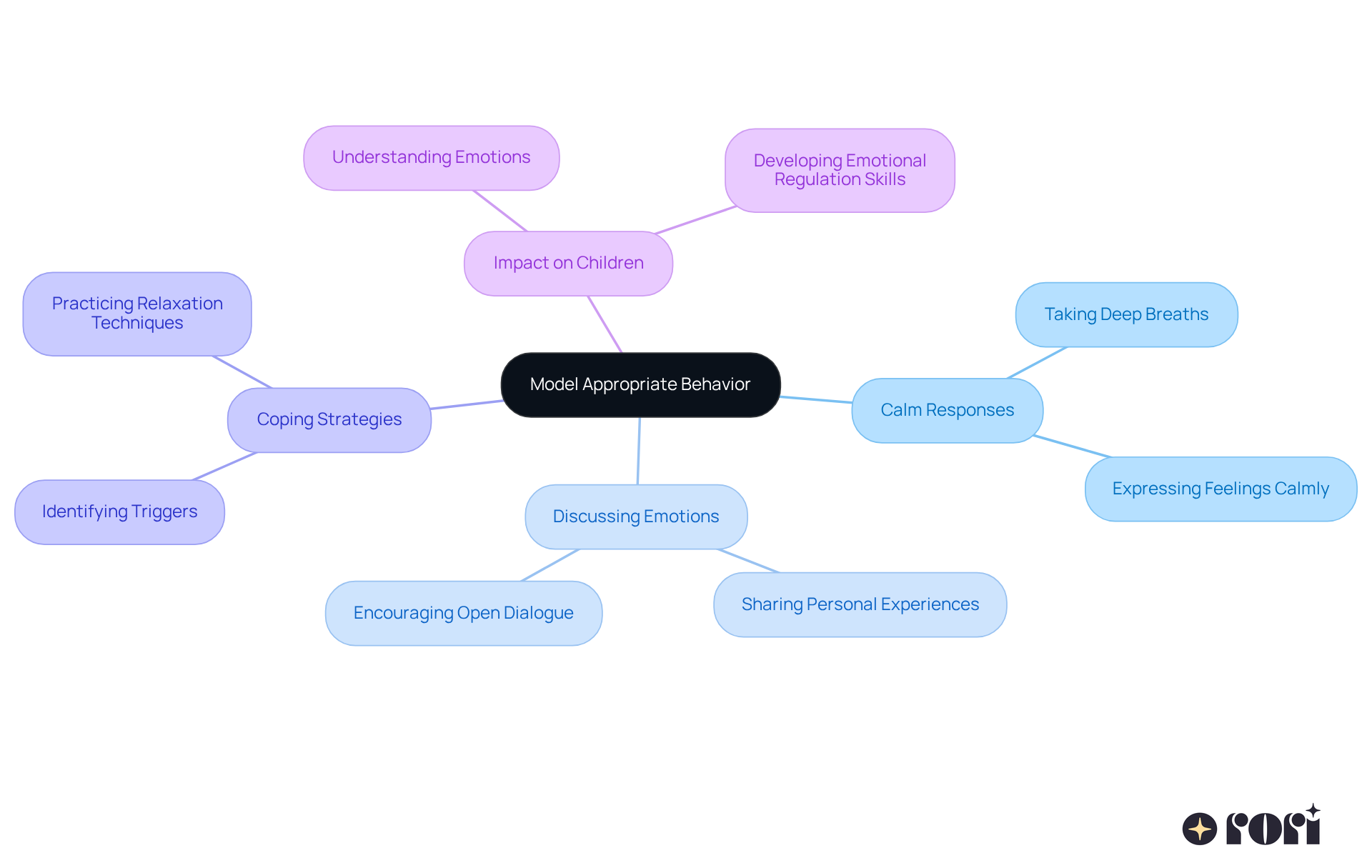
Teaching our kids how to handle their feelings is so important, right? One great way parents can do this is by showing calm responses when things get tough. Imagine a stressful moment - maybe a spilled drink or a missed bus. Instead of reacting with frustration, a parent can take a deep breath, share their feelings, and talk about how they cope.
By openly discussing emotions and demonstrating , parents can explore effective ways to support . It’s like giving them a toolkit to understand and manage their own feelings. When kids observe their parents navigating challenges with grace, they learn that it’s okay to feel upset or anxious, and they discover .
Let’s explore this together! How have you handled stressful moments with your kids? Sharing our experiences can really help us all feel more connected and supported.
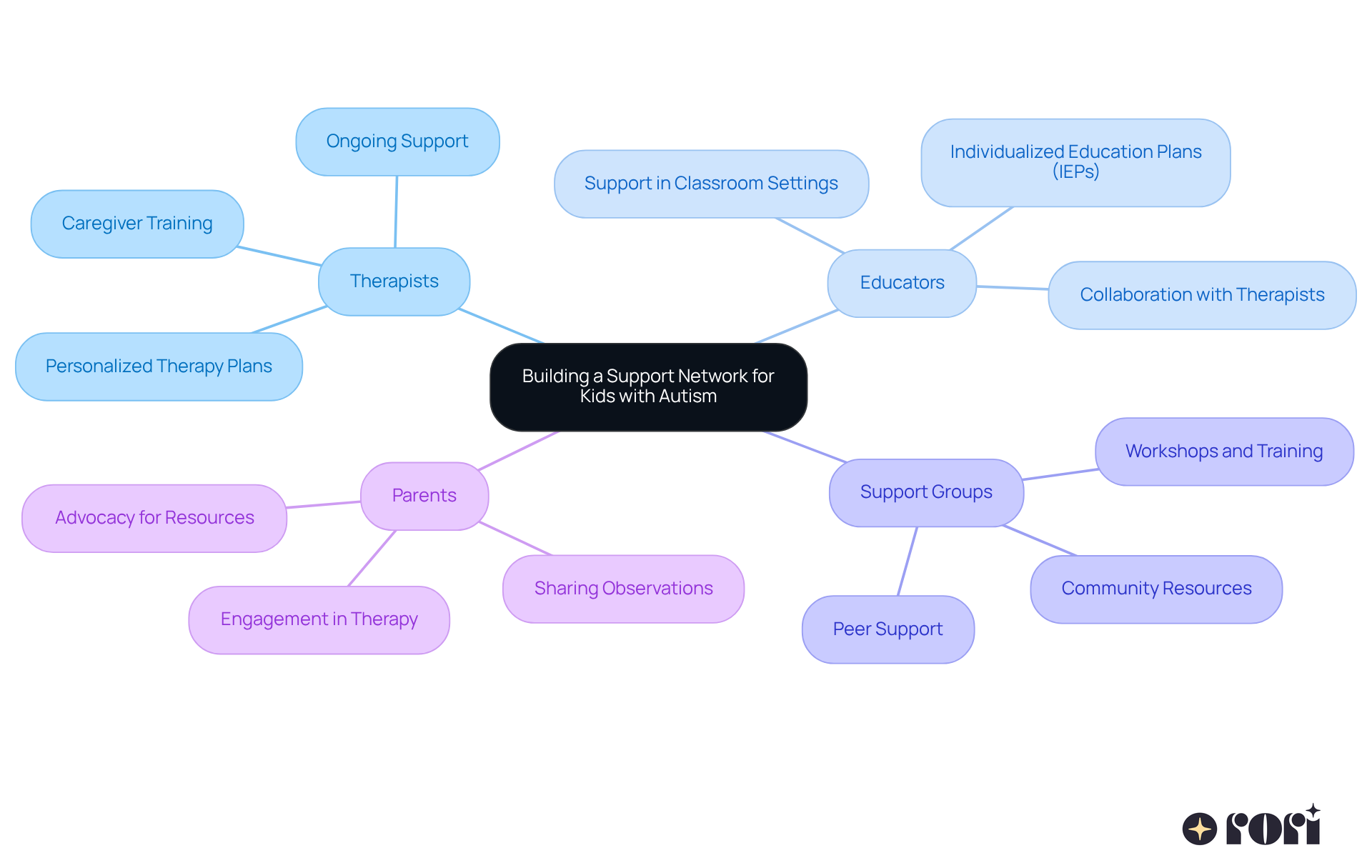
Building a strong support network for managing feelings in kids with autism is all about teamwork! It involves . At Rori Care, our dedicated and passionate clinicians are here to guide your family through a journey filled with compassion and understanding. We offer comprehensive , which includes , caregiver training, and just for you.
These experts provide insights and approaches that cater to each child’s unique needs. And guess what? Your involvement as a parent is crucial! By sharing your observations and concerns, you can help create a unified strategy for managing feelings. Research shows that effective are , significantly enhancing their and leading to better outcomes for our youth. With about 1 in 36 kids diagnosed with autism, it’s clear that establishing these networks is more important than ever.
When parents and therapists at Rori Care work together, it not only but also fosters a where children can thrive emotionally. As Gazi Azad wisely said, 'Effective collaboration facilitates patients’ timely access to resources and reduces service gaps.' This in children on the autism spectrum. Let’s explore this together!
Supporting emotional regulation in children with autism is quite the journey! It takes understanding, patience, and the right strategies to navigate this path. With personalized approaches, like those offered by Rori Care, parents and caregivers can truly help their children manage their emotions and reactions. By using tailored techniques that fit each child's unique needs, families can create a nurturing environment that encourages emotional growth and resilience.
Let’s take a look at some key strategies for supporting emotional regulation:
Each of these methods equips children with the skills they need to handle their feelings and interactions more effectively. By actively engaging in these practices, caregivers can significantly boost their child's emotional well-being and social skills.
Ultimately, supporting emotional regulation in children with autism is about more than just individual strategies; it’s a team effort! Families, educators, and therapists all play a role in creating a strong support network. By fostering open communication and collaboration, we can empower children to thrive emotionally. As this journey unfolds, it’s essential for parents to stay committed to exploring effective ways to support emotional regulation in children on the autism spectrum. Together, we can ensure that every child has the chance to develop the skills they need for a fulfilling life. Let’s explore this together!
What is Rori Care's approach to ABA therapy?
Rori Care utilizes a data-driven approach to Applied Behavior Analysis (ABA) therapy, creating customized treatment plans tailored to meet the specific psychological needs of each child.
How does Rori Care support emotional regulation in children on the autism spectrum?
Rori Care employs evidence-based methods to help improve mood regulation, making it easier for children to manage their feelings and reactions in various situations.
What are the benefits of personalized support in ABA therapy?
Personalized support not only benefits children but also encourages family involvement in their child's development, fostering a nurturing environment that promotes growth and learning. Tailored approaches in ABA therapy have shown success rates exceeding 89% in building resilience and social skills for individuals with autism.
Why is continuous evaluation important in Rori Care's therapy approach?
Continuous evaluation and data collection ensure that therapy remains adaptable to each child's evolving needs, optimizing the effectiveness of support strategies.
What are the key concepts of emotional regulation for children on the autism spectrum?
Key concepts include being aware of emotions, controlling impulses, and using coping techniques, which are essential for parents and caregivers to support emotional regulation effectively.
What practical self-soothing techniques can parents use to help their children?
Parents can encourage techniques like deep breathing exercises, counting to ten, and using sensory tools such as stress balls and fidget spinners to help children recognize and manage overwhelming feelings.
How do self-soothing techniques contribute to a child's independence?
By consistently encouraging self-soothing techniques, parents help build resilience and promote independence in their children, equipping them with the tools needed to manage their emotions effectively.
What evidence supports the effectiveness of deep breathing exercises and sensory tools?
Studies indicate that deep breathing exercises can significantly boost resilience in children, while sensory tools are effective in soothing anxious feelings and providing tangible methods for emotional regulation.