Understanding and managing emotions can be quite a journey for children with autism, can’t it? Parents and educators often find themselves searching for effective strategies to help. In this article, we’ll dive into ten innovative emotional regulation interventions that are designed to empower these amazing kids, enhancing their ability to navigate their feelings and interactions.
What if the key to emotional well-being isn’t just in traditional methods, but in personalized, engaging techniques that truly resonate with each child’s unique experiences? Let’s explore the potential of tailored approaches that foster emotional awareness and resilience, paving the way for more fulfilling lives. We’re here to help you every step of the way!
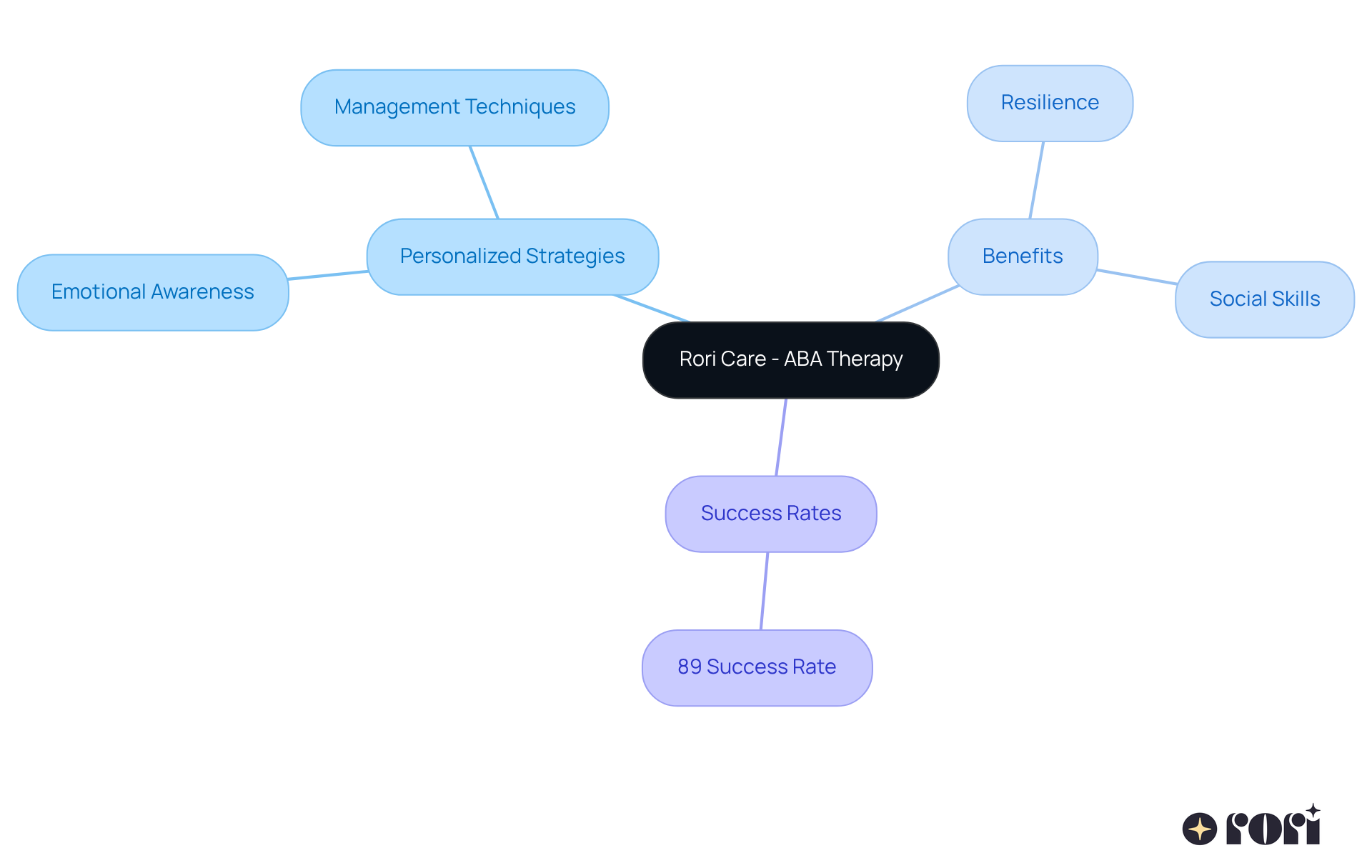
At Rori Behavioral Innovations, we understand the unique challenges that parents of children with autism face. That’s why we use to develop , creating just for your little ones. Our clinicians take the time to evaluate each child’s specific psychological needs, which helps us develop .
This tailored approach not only boosts kids' awareness of their feelings but also equips them with . Research shows that , such as ABA therapy, can significantly enhance emotional regulation, with across various developmental areas. When are , they , leading to more fulfilling lives for these children on the spectrum.
We’re here to help you every step of the way! Let’s explore this together and find the best strategies for your child.
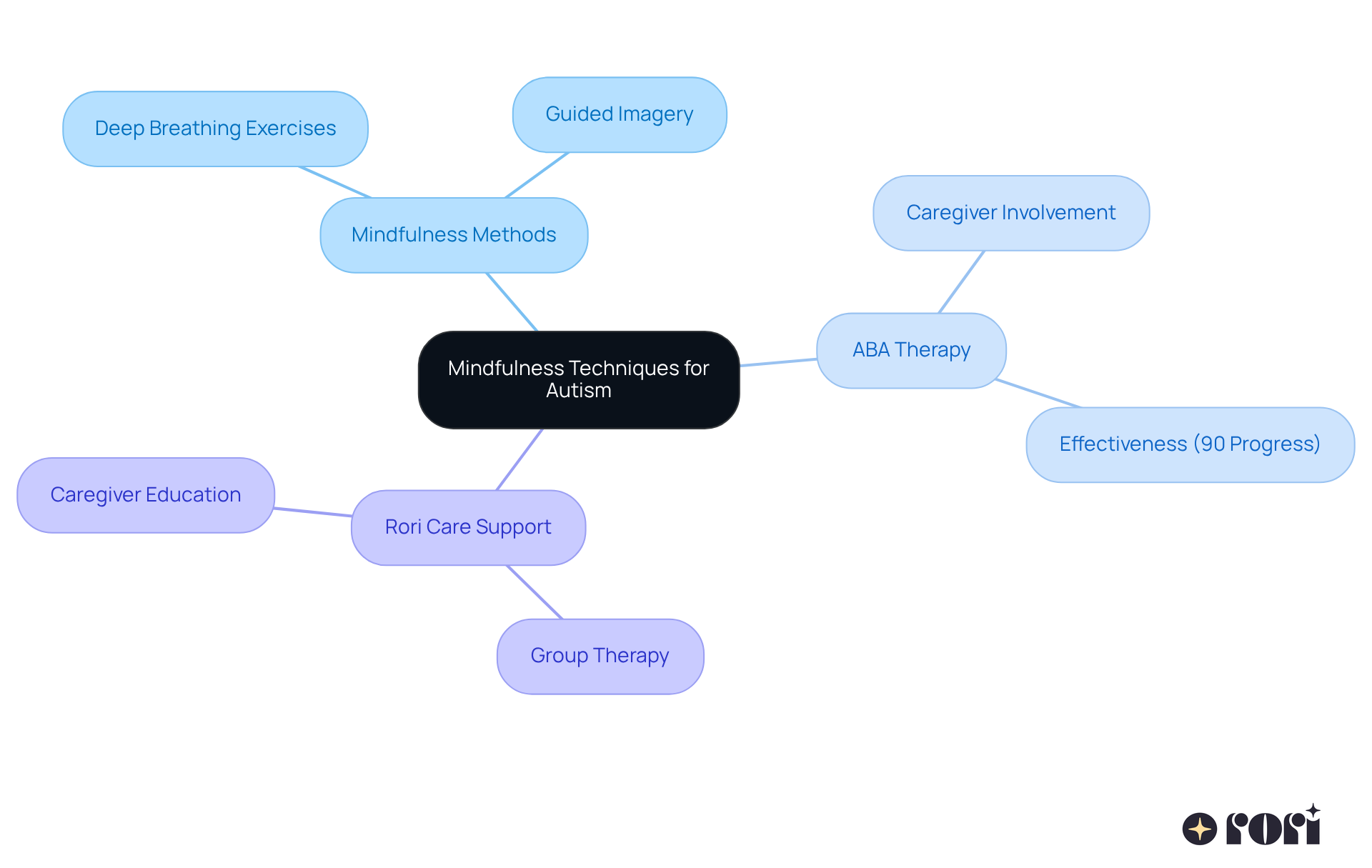
, like deep breathing exercises and guided imagery, can really help kids with autism become more aware of their feelings. By focusing on the present moment, children learn to recognize their emotions and physical sensations, which is so important for managing their feelings effectively. With regular practice, mindfulness can lead to , less anxiety, and improved reactions.
Now, when combined with - a patient-centered and flexible approach - these techniques can greatly improve for children with autism. In fact, ABA therapy has shown significant progress in 90% of children when caregivers are actively involved. This makes it a vital part of (EIBI).
And let’s not forget about Rori Care! They offer a range of , including group therapy and . These resources can really help families tackle challenges and promote growth with expertise and compassion. So, if you’re feeling overwhelmed, remember, you’re not alone. Let’s explore this together!
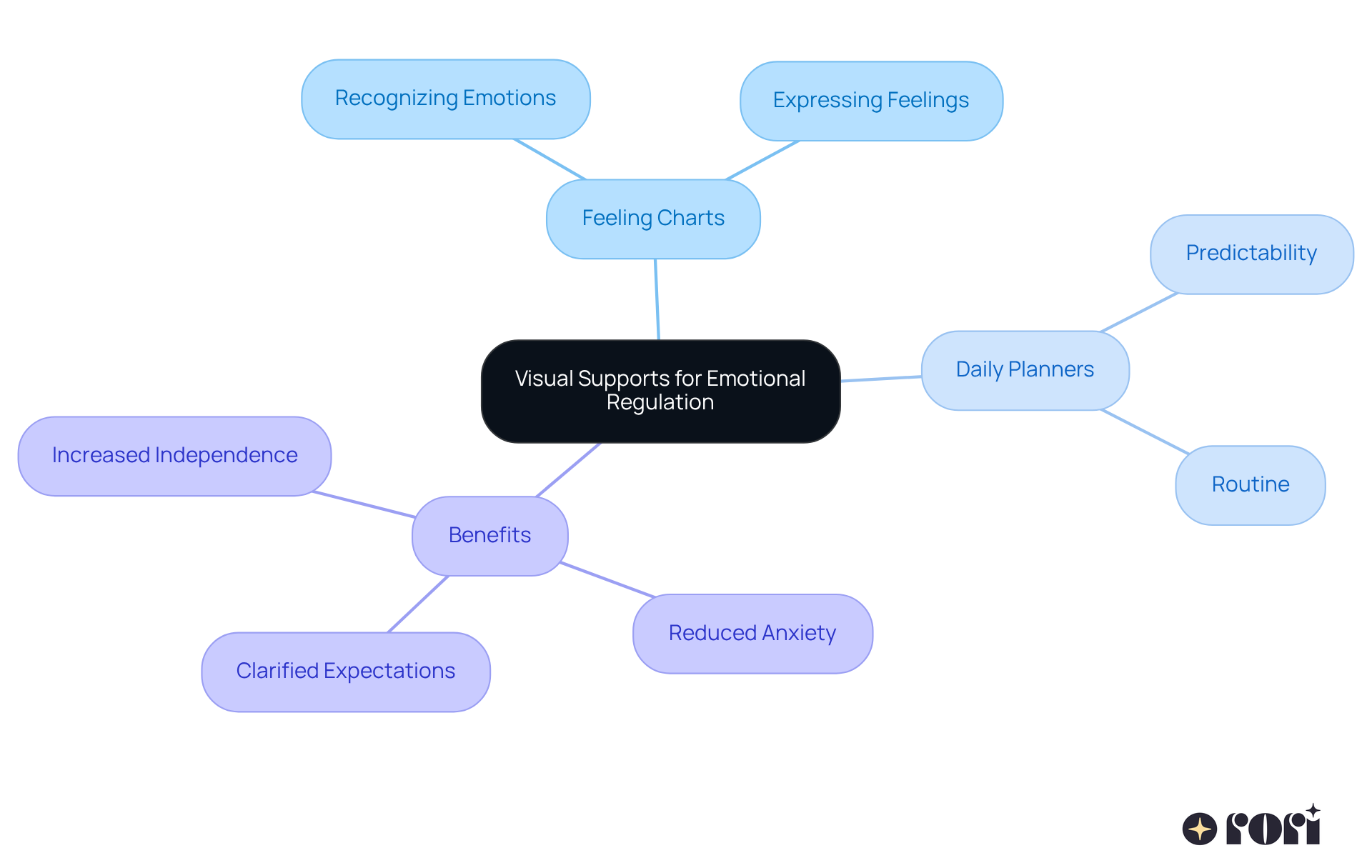
, like feeling charts and daily planners, are such helpful tools for improving . These resources let young people and understand the flow of daily activities, which can really help reduce uncertainty and anxiety. By providing a clear framework, help kids anticipate changes and manage their reactions more effectively.
Research shows that kids who use , leading to improved . Educators have noticed that these tools , allowing kids to navigate their surroundings with more confidence. Plus, having by adding predictability to activities-something that’s especially important for young individuals with developmental differences who thrive in organized settings.
Overall, when we carefully use emotion charts and schedules, along with , we can see real progress in managing feelings through , ultimately enhancing their overall well-being. Let’s explore this together!
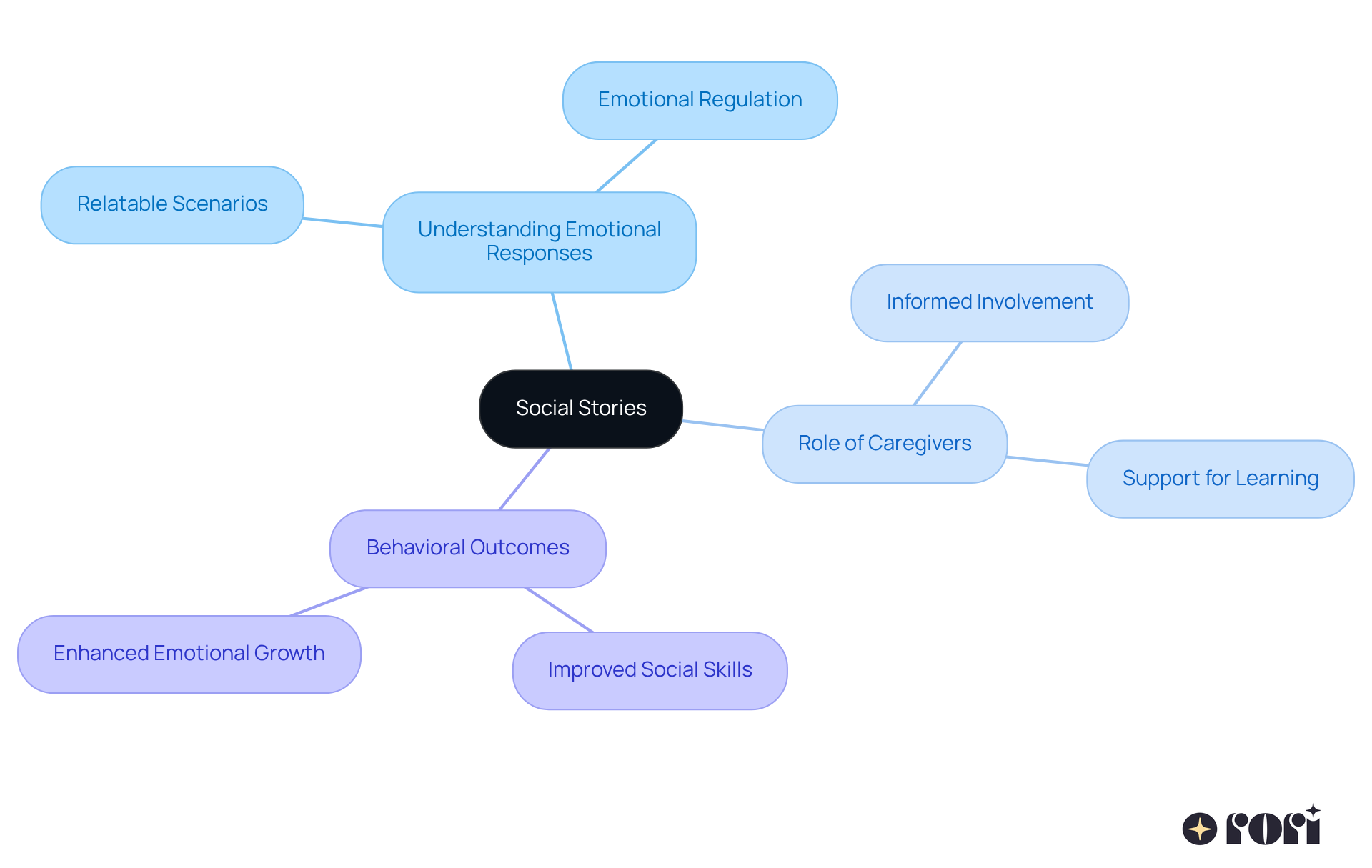
are like personalized tales that help kids with autism understand how to react in different situations. By showing relatable scenarios, these stories guide young ones in figuring out their , which is essential for . This not only boosts their understanding of feelings but also prepares them for , helping them .
When about , they’re their child’s learning and emotional growth. This can lead to and empowers caregivers, creating a for their child’s development.
Let’s explore this together! By using , you can make a real difference in your child’s life.
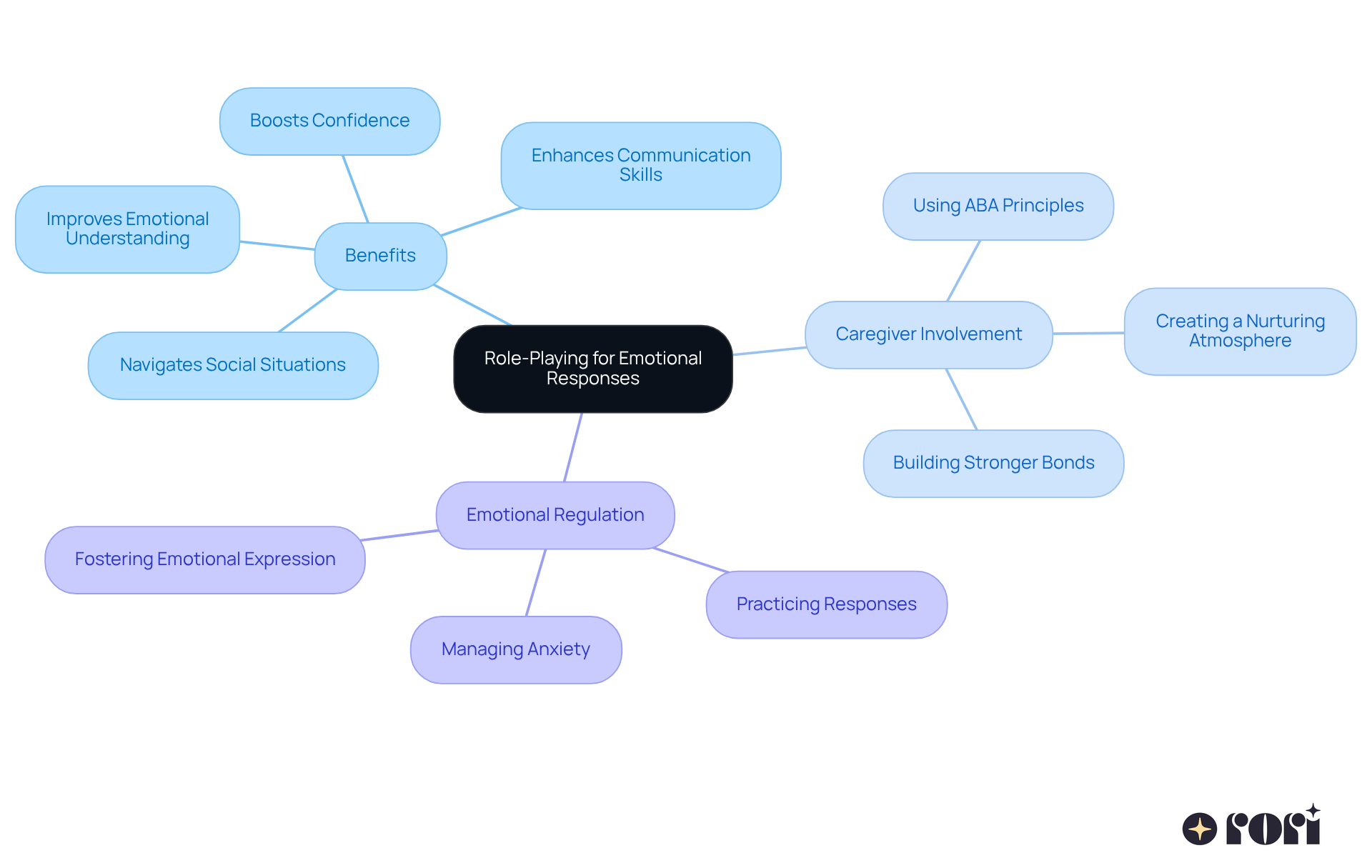
to in a safe and controlled environment. By acting out different situations, kids can explore various feelings and learn how to respond appropriately. This not only boosts their confidence but also helps them .
When caregivers join in on this journey, using principles from (ABA), they can provide even better support for their children's . This teamwork creates a consistent and , which really maximizes the impact of the intervention. Plus, it fosters for children with autism and understanding, which makes the whole experience even more enriching.
Let’s explore this together! By engaging in role-playing, you’re not just helping your child; you’re also with them. It’s all about creating those moments of connection and learning, and we’re here to help you every step of the way!
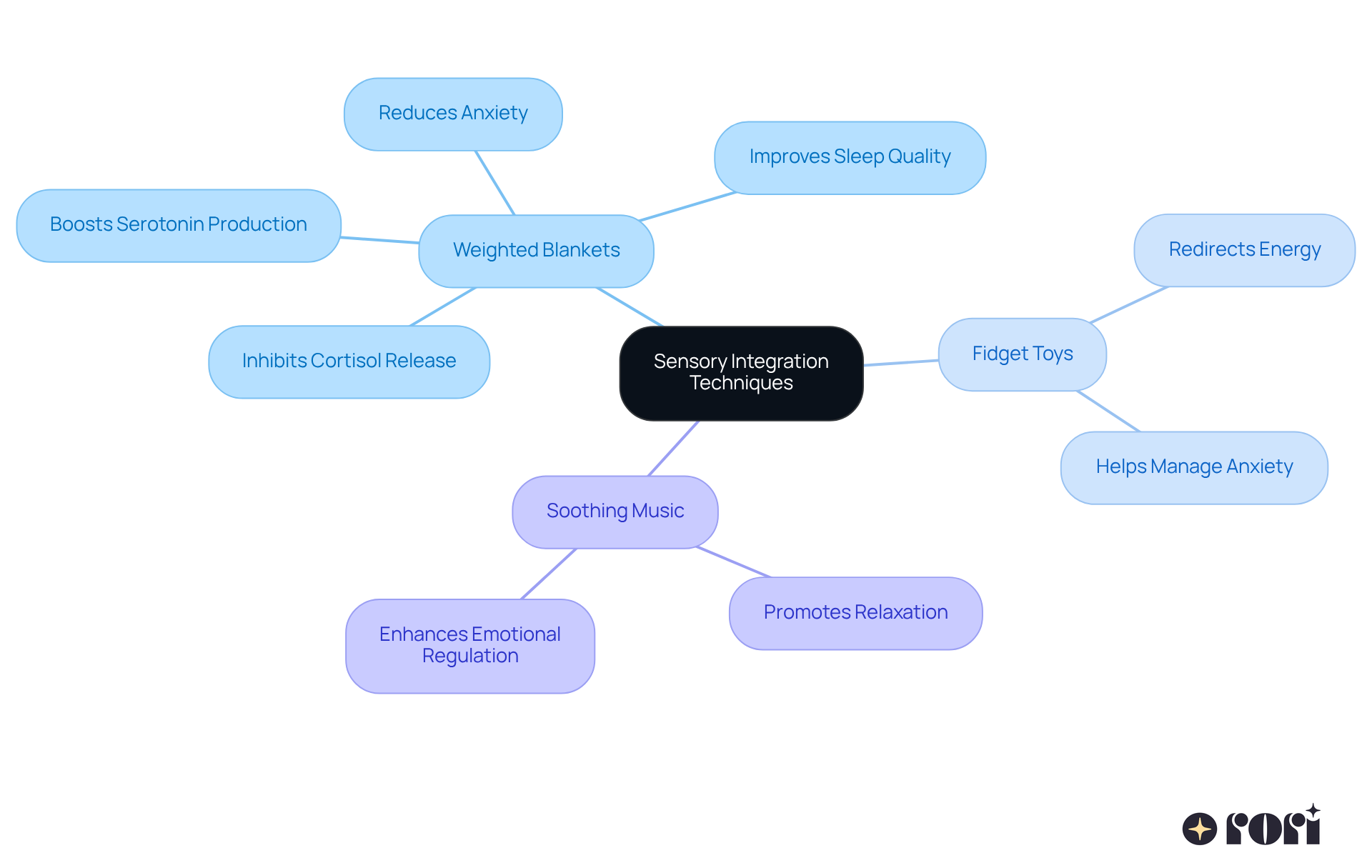
, like , fidget toys, and soothing music, serve as for children with autism to help them manage their emotions. These strategies offer comforting sensory input that can ground young ones during tough times. For instance, did you know that can actually boost serotonin production? This is especially helpful for kids with autism, who often deal with low serotonin levels. In fact, a study found that 63% of participants felt less anxious after using a weighted blanket. That’s pretty impressive, right?
To get the most calming effects from a weighted blanket, it’s recommended that it weighs about 10% of the child’s body weight, plus one or two extra pounds. ! They . are for , noting that they can really enhance a child’s ability to cope with overwhelming situations.
However, it’s worth mentioning that some studies suggest might not always improve sleep quality for all kids with developmental disorders. By , children can enhance their , which aligns with , resulting in better behavior and social interactions. Let’s explore this together! We’re here to help you every step of the way!
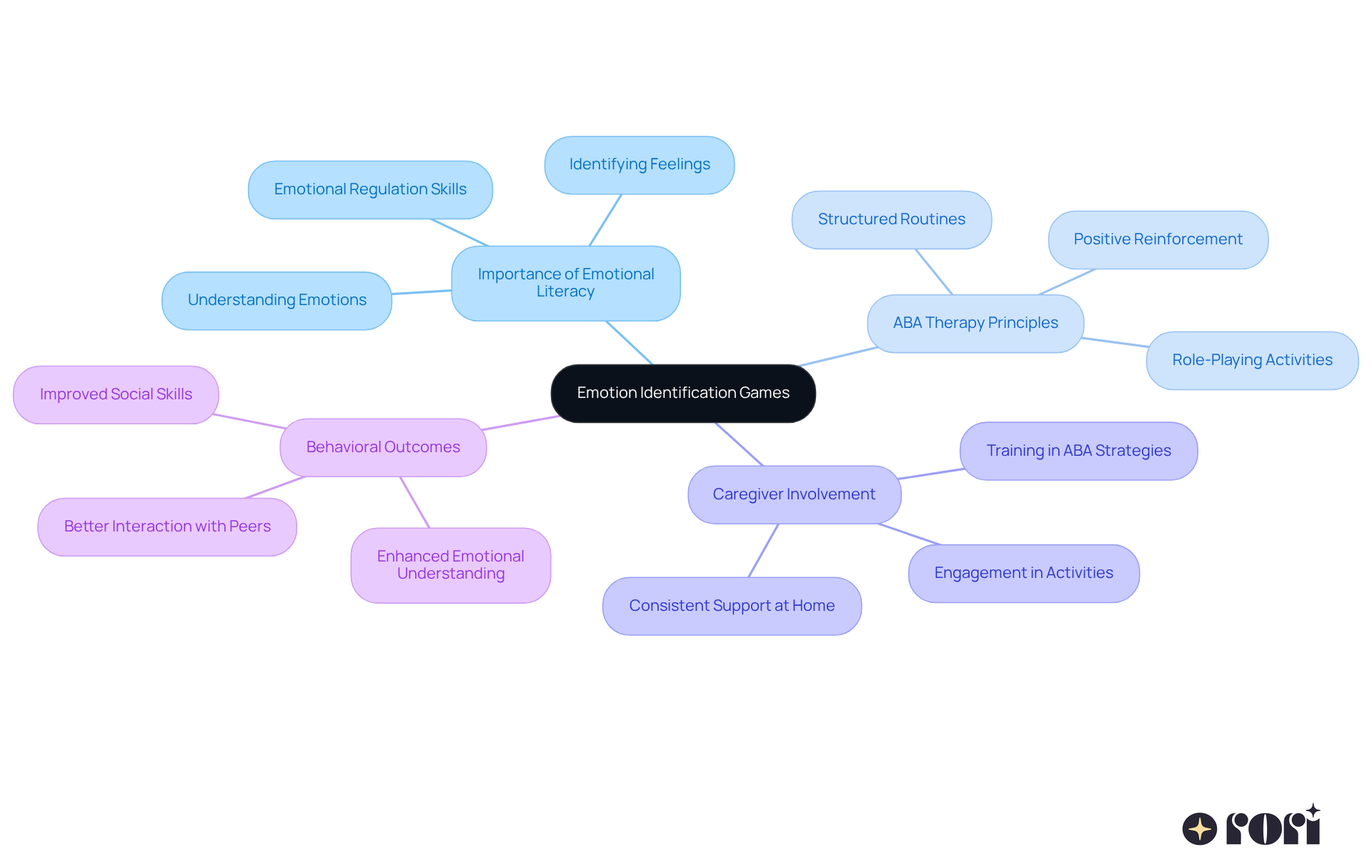
, like matching feelings with facial expressions or using feeling flashcards, are fantastic tools for helping kids with autism . These fun activities encourage young ones to , which is super important for developing . When learning is enjoyable, kids are more likely to engage and remember what they’ve learned!
Plus, when you weave in some principles from , these games can become even more effective. ABA therapy is all about being , and it’s been shown to work wonders for individuals on the spectrum - especially when caregivers are involved. By equipping caregivers with , they can offer consistent support at home, which complements professional help and leads to better .
This teamwork not only boosts awareness of feelings but also helps kids grasp how to more deeply through . So, let’s explore this together! We’re here to help you every step of the way!
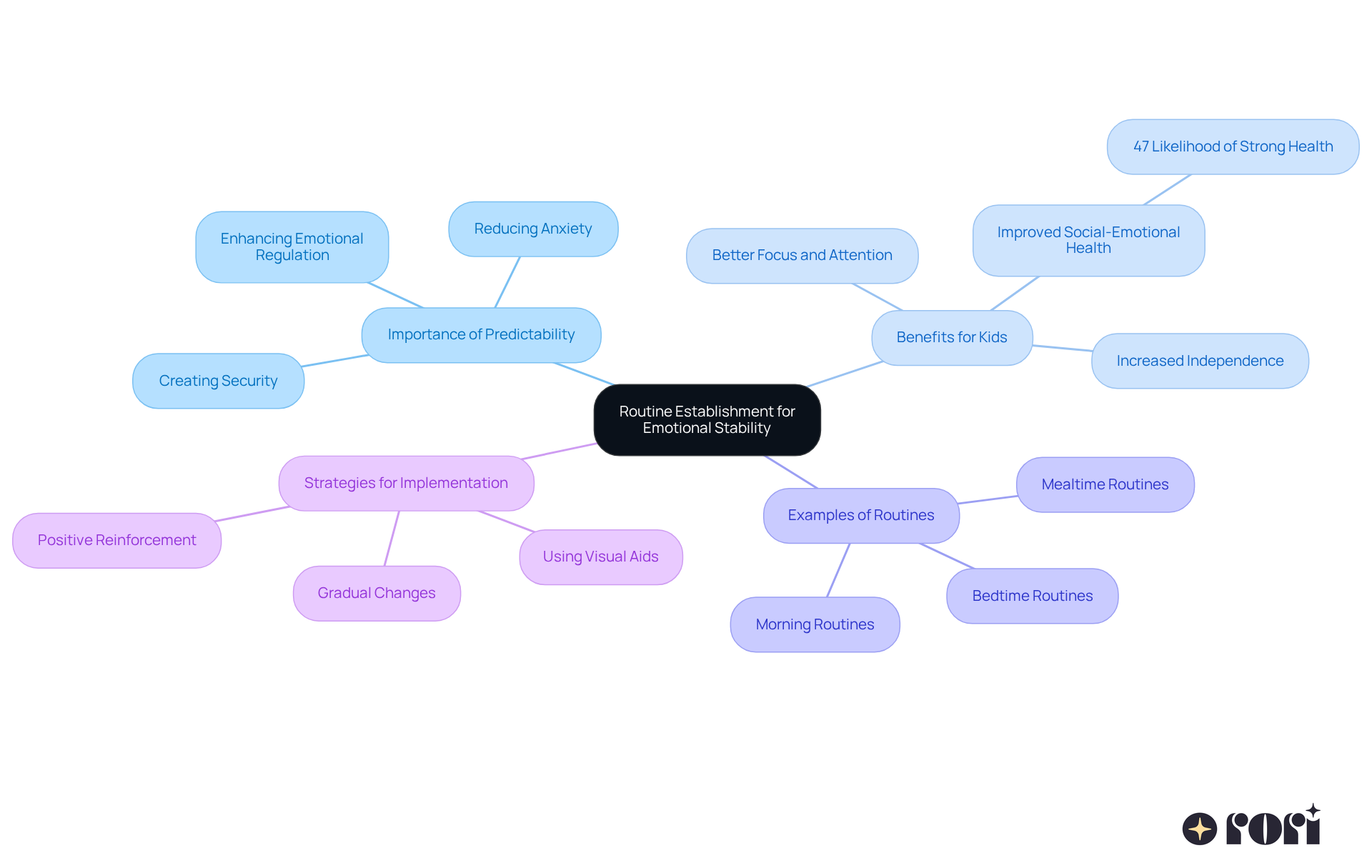
Creating is so important for kids with autism. It really helps them feel secure and emotionally stable. When they have , they can look forward to what’s coming next, which can really cut down on anxiety and help them stay calm. Did you know that kids with established routines have a 47% chance of maintaining strong social-emotional health as they grow up?
For instance, one family set up a regular bedtime routine and even used a visual chart for story time. This little change made and less stressful for their child. It shows how having can empower kids, giving them a over their environment. This control is key for managing their feelings effectively.
Developmental psychologists highlight that can really help . It reinforces the idea that . By using and making gradual changes, caregivers can create environments that support well-being and incorporate for children with autism to enhance developmental outcomes.
Let’s explore this together! If you’re looking for ways to implement routines in your home, we’re here to help you every step of the way!
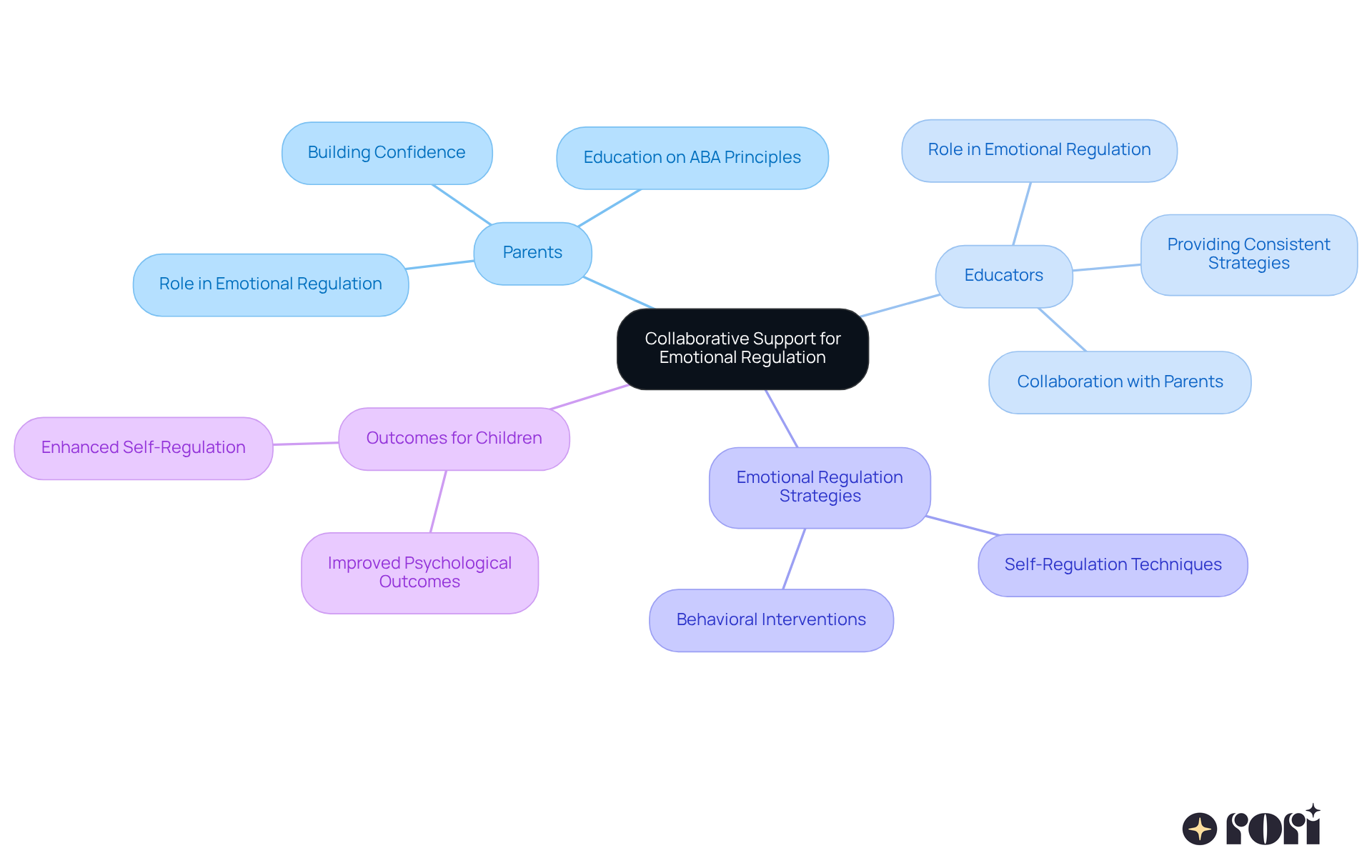
Collaborative support between parents and educators is vital for facilitating , which helps kids develop . When families and teachers team up, they create a consistent approach that really boosts the effectiveness of . Plus, educating in this partnership! It gives them a better grasp of , empowering them to make informed choices that positively impact their children’s progress.
When parents and educators interact consistently and work together, they build a for kids. This not only helps children thrive but also boosts caregivers' confidence in their ability to assist their little ones. Ultimately, this collaboration fosters better and enhances the effectiveness of . Let’s explore this together! We’re here to help you every step of the way!
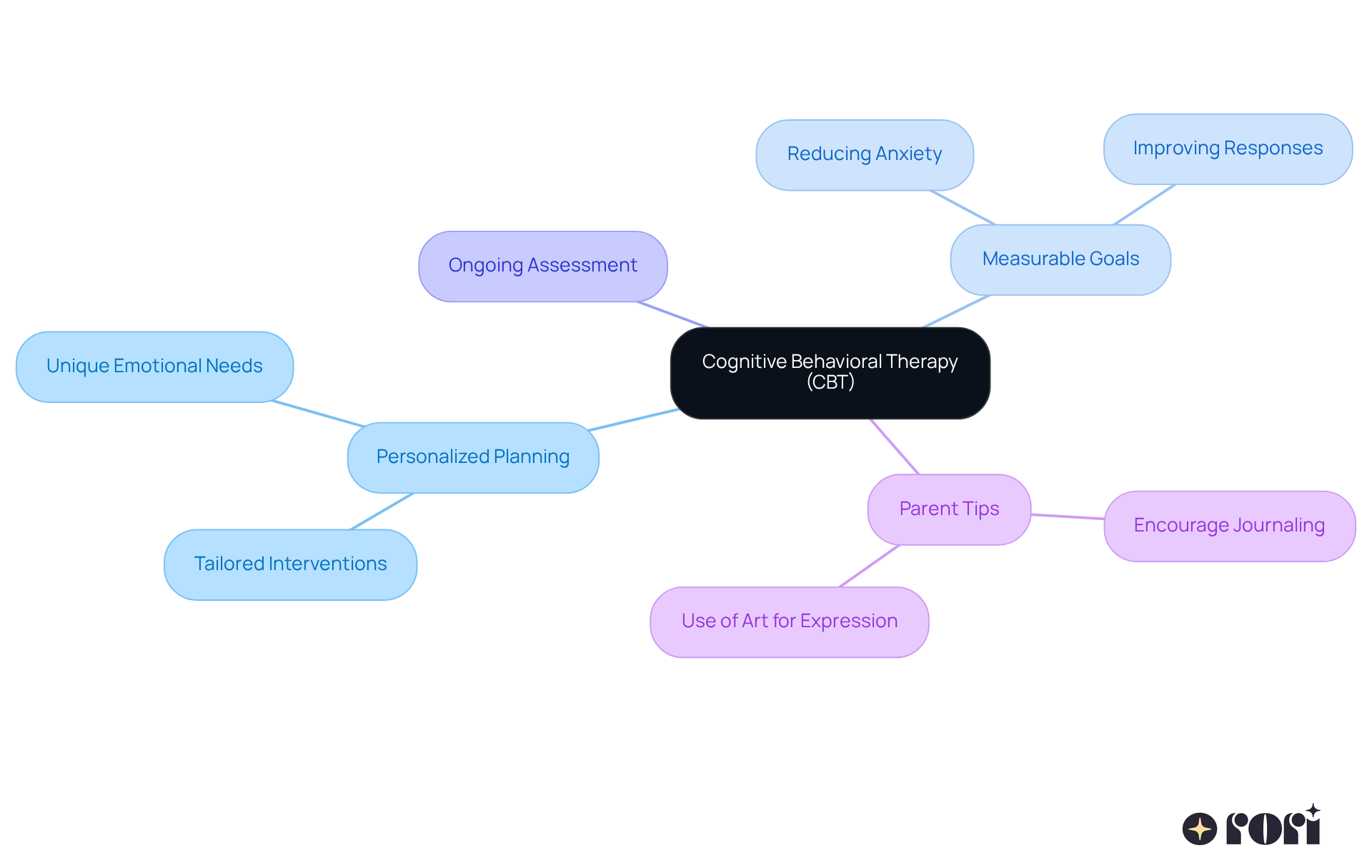
is an excellent method that serves as , helping them learn how to . At Rori Care, we really focus on , ensuring that are tailored to fit each child's unique emotional needs. By tackling specific challenges, our encourage that play to each child's strengths and goals. CBT serves as one of the , helping them understand how their thoughts, feelings, and behaviors are connected and providing them with tools to more effectively.
To keep track of progress, we set clear, measurable goals, like or improving responses during tough tasks. Our commitment to allows us to adjust interventions as needed, creating a supportive environment for personal growth.
For parents, a simple tip is to encourage your child to or art. This can really complement the skills learned in CBT and boost their emotional understanding. Let’s explore this together! We’re here to !
Emotional regulation is such an important skill for children with autism, and when we implement effective interventions, it can really help them manage their feelings and navigate social situations more smoothly. By using personalized strategies - like those found in ABA therapy, mindfulness techniques, visual supports, and social stories - caregivers can create a nurturing environment that promotes emotional awareness and resilience in their kids.
Throughout this article, we’ve explored various interventions, including:
Each of these strategies plays a part in building emotional literacy and self-regulation, which ultimately leads to better social interactions and overall well-being.
Let’s not forget how crucial collaboration between parents and educators is! A united approach can really enhance the effectiveness of emotional regulation interventions for children with autism. By working together and using the right techniques, caregivers can empower their children to thrive emotionally and socially. Embracing these strategies not only nurtures individual growth but also enriches family life, creating a supportive network that champions the unique needs of children on the spectrum.
So, let’s explore this journey together! Remember, you’re not alone in this. We’re here to help you every step of the way!
What is Rori Care's approach to supporting children with autism?
Rori Care uses Applied Behavior Analysis (ABA) therapy to develop personalized emotional regulation strategies for children with autism, focusing on their unique psychological needs.
How effective are emotional regulation interventions for children with autism?
Research indicates that emotional regulation interventions, such as ABA therapy, can significantly enhance emotional regulation, achieving success rates above 89% across various developmental areas.
What are some mindfulness techniques that can benefit children with autism?
Mindfulness techniques like deep breathing exercises and guided imagery help children with autism become more aware of their feelings, leading to better focus, reduced anxiety, and improved emotional reactions.
How does combining mindfulness techniques with ABA therapy enhance emotional regulation?
When mindfulness techniques are combined with ABA therapy, they significantly improve emotional regulation interventions, with notable progress seen in 90% of children when caregivers are involved.
What role do visual supports play in aiding emotional regulation for children with autism?
Visual supports, such as feeling charts and daily planners, help children visualize their emotions and understand daily activities, reducing uncertainty and anxiety while improving self-regulation.
How do emotion charts and daily routines benefit children with autism?
Emotion charts help children recognize and express their feelings better, while daily routines provide predictability, which is crucial for managing anxiety and fostering independence in children with developmental differences.
What additional support services does Rori Care offer for families?
Rori Care provides a range of mental health support services, including group therapy and caregiver education, to help families navigate challenges and promote growth.