Empowering narratives have become a wonderful way to connect therapeutic concepts with real-life experiences in ABA therapy for children with autism. By using personalized stories, clinicians can really boost engagement and understanding, leading to amazing improvements in social skills, emotional resilience, and overall well-being.
But how can parents and caregivers tap into the power of storytelling to support their child's growth? Let’s explore this together! In this article, we’ll dive into ten inspiring narratives that highlight the profound impact of ABA therapy, lighting the way to success for children with autism.
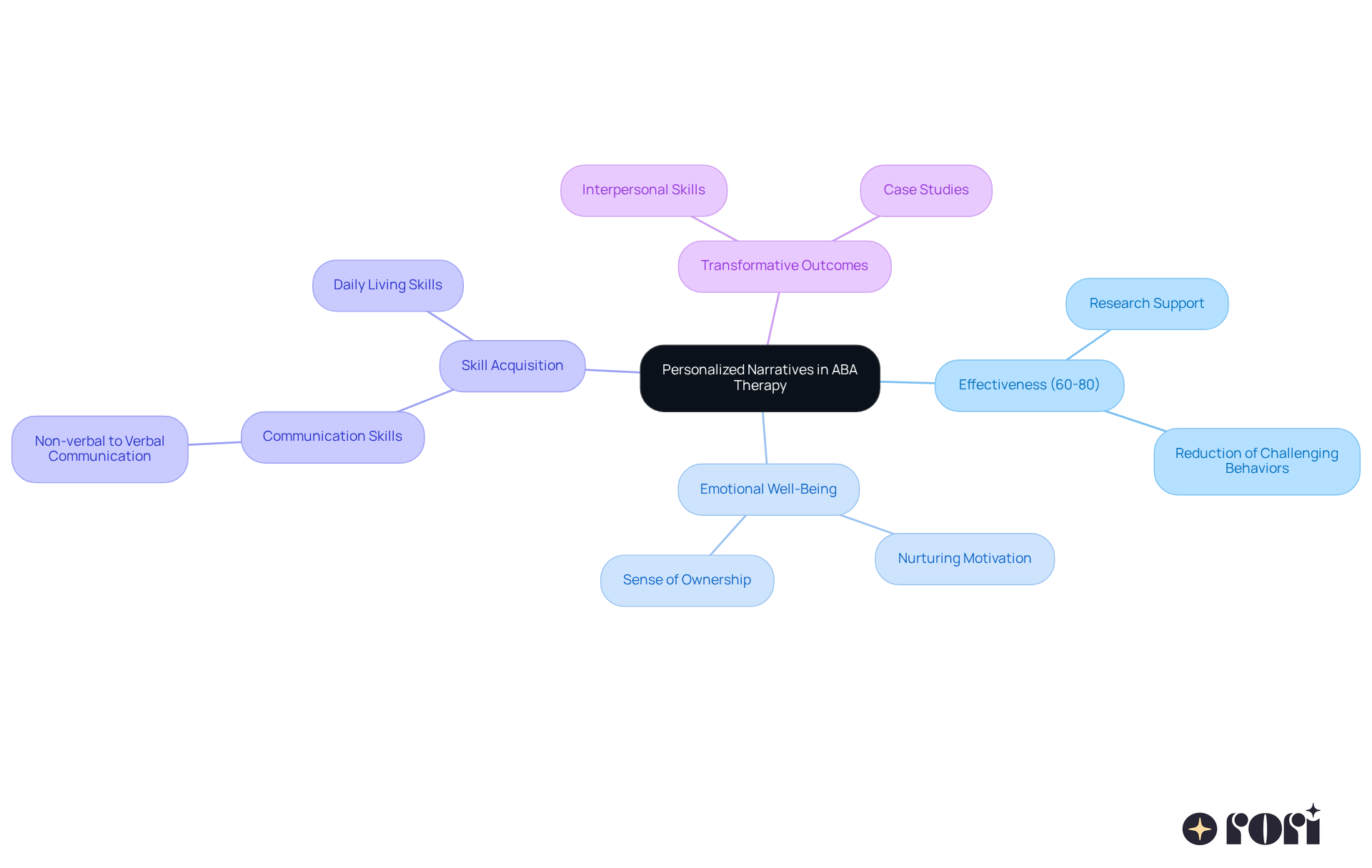
At Rori Behavioral Innovations Inc., we believe in empowering narratives of ABA therapy for autism to support our youth through personalized stories. By crafting narratives that resonate with each child's unique experiences and challenges, our clinicians can significantly boost engagement and understanding. These stories serve as a bridge between therapy and real-life situations, making learning feel more relatable and effective.
Did you know that research shows personalized narratives can lead to a 60-80% effectiveness rate in reducing challenging behaviors? That’s pretty impressive! This approach not only helps in skill acquisition but also nurtures emotional well-being, making it a vital part of effective ABA interventions. It fosters a sense of ownership and motivation in young individuals, encouraging them to actively participate in their developmental journey.
We’ve seen some truly transformative outcomes. For instance, many youngsters have progressed from non-verbal to verbal communication, enhancing their interpersonal skills along the way. These case studies highlight just how important empowering narratives of ABA therapy for autism are in the context of autism therapy.
So, if you’re a parent navigating this journey, remember that storytelling can be a powerful tool. We’re here to ! Let’s explore this together!
Structured narratives can be a real game-changer for kids with autism, helping them grasp societal norms and expectations. By breaking down complex social interactions into familiar scenarios, these narratives make it easier for young people to navigate different relationships. For instance, they provide clear examples of appropriate behaviors, guiding kids on how to respond in situations ranging from making friends to participating in group activities. Research shows that these narrative techniques effectively address essential 'wh' questions - who, what, where, when, why, and how - clarifying what’s expected and what actions to take. This focused approach not only but also builds confidence in their interactions with others.
Case studies highlight just how effective these narrative techniques can be in real-life situations. Kids who engage with tailored narratives often report feeling less anxious and more involved during social interactions. Adding visual aids, like pictures and drawings, enhances understanding, making the stories even more relatable and impactful. As Dr. Carol Gray, the creator of social stories, points out, these narratives aim to break down interactions into manageable parts, helping kids feel more at ease in unfamiliar or challenging situations.
Plus, technology is stepping in to make narrative experiences even more personalized. AI-driven apps can assess a child’s responses and tweak narratives to focus on specific areas for improvement, ensuring that the stories resonate with each child’s unique experiences and feelings. This customization is key to maximizing the effectiveness of narratives, as it helps kids feel more connected and reduces stress around social interactions. Overall, the empowering narratives of ABA therapy for autism serve as powerful tools in enhancing social skills and fostering positive interactions for children with autism. Let’s explore this together!

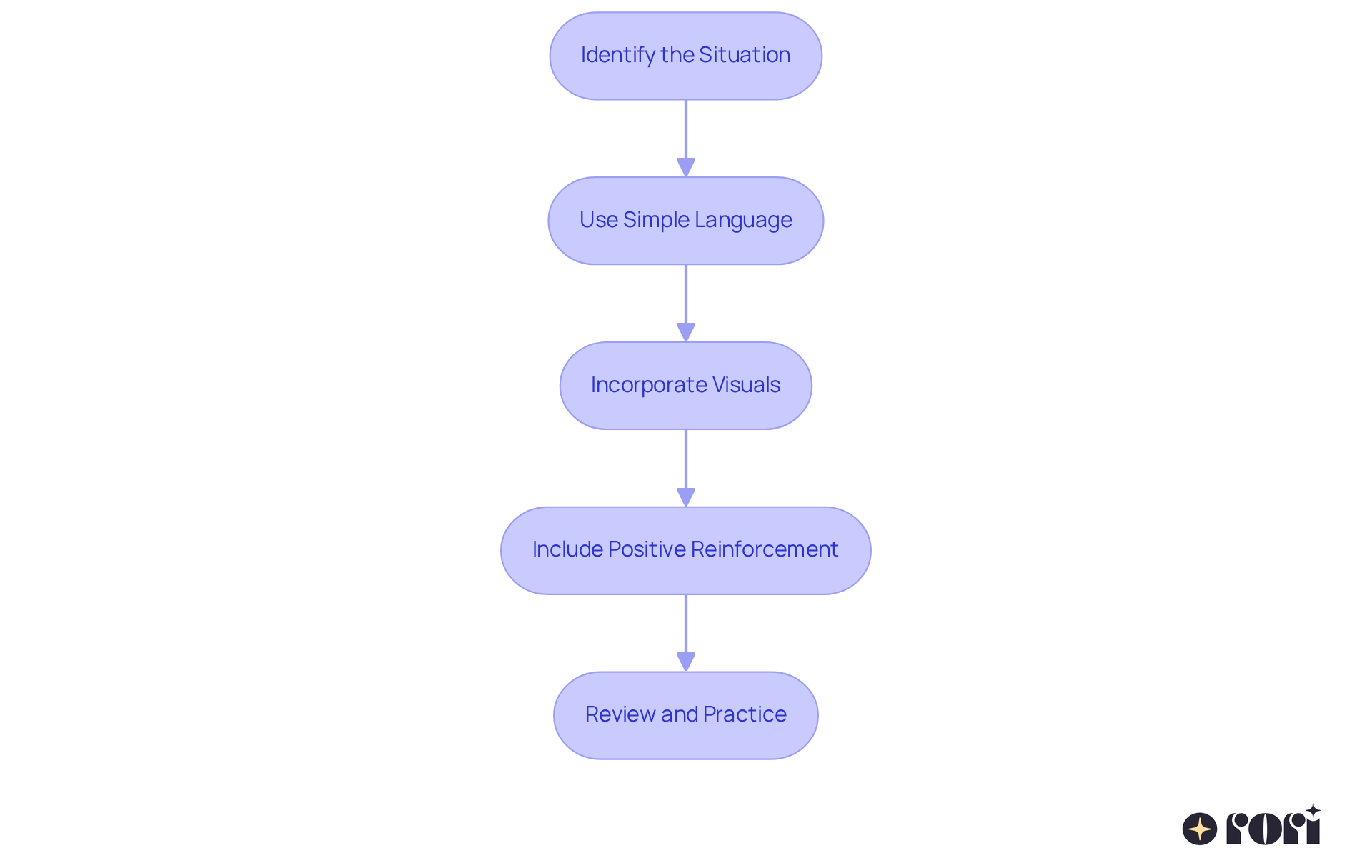
Creating effective narratives can be a wonderful way to connect with your child! Here’s how to get started:
Let’s explore this together! Your efforts can in their lives!
Including visual supports in narrative contexts can really boost involvement and understanding! 🌟 Visuals like photographs, drawings, or symbols help clarify the story and give context for your little one. For instance, using pictures of classmates can help your child imagine interactions, making the narrative feel more relatable.
And let’s not forget about visual schedules! They can accompany narrative sequences to outline steps in a routine, which not only enhances understanding but also eases any anxiety about upcoming events. Plus, engaging in skills group therapy with experienced therapists can really enhance these experiences. It fosters better communication and relationships among peers, making the stories even more impactful.
So, let’s explore this together! We’re here to !

Technology plays a vital role in updating empowering narratives of ABA therapy for autism for children. 🌟 Digital platforms let us create that include audio, video, and animations, making it easier for them to engage. Imagine apps designed for storytelling that allow parents and clinicians to personalize these accounts effortlessly, adding the child's name and unique experiences. This tailored approach not only grabs their interest but also helps them understand and remember social concepts better.
At Rori Care, our dedicated behavior analysts craft personalized plans filled with measurable goals and research-backed methods. This ensures that the use of technology in social narratives meets each child's unique needs. Our clinical leadership team is passionate about promoting neurodiversity through empowering narratives of ABA therapy for autism to support families. We’re here to help youth overcome challenges and reach their developmental milestones with compassionate support. Let’s explore this journey together!
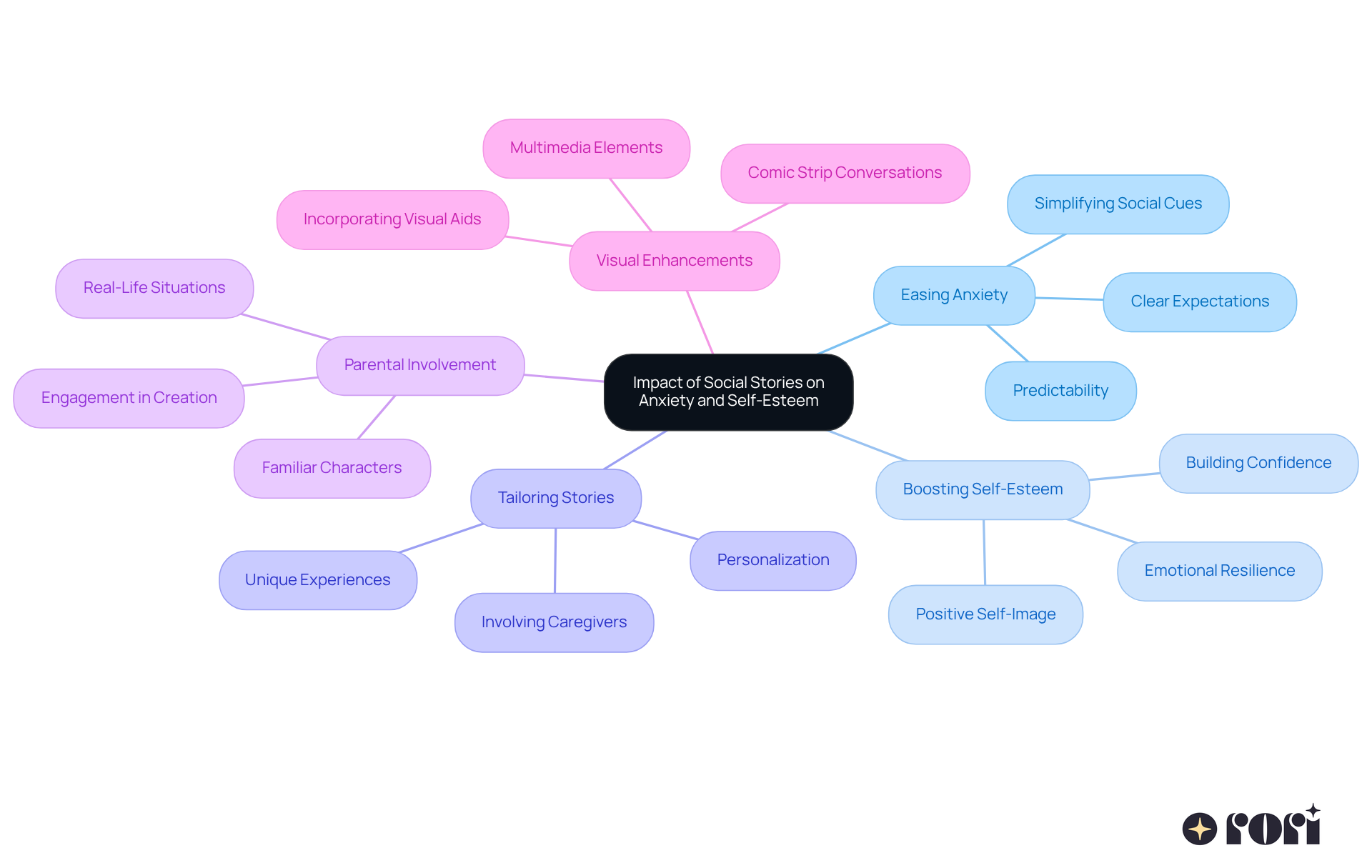
Social stories are such powerful tools for easing anxiety and boosting self-esteem in kids with autism! By laying out clear expectations, these stories help prepare little ones for new or challenging experiences, which can really cut down on those fears that come with uncertainty. When kids know what to expect, they’re much more likely to jump into interactions with confidence. And that confidence? It not only helps them navigate social situations better but also builds a positive self-image, leading to improved self-esteem and emotional resilience.
These empowering narratives of ABA therapy for autism break down complex cues, making them easier to understand and relate to. This clarity helps kids pick up essential skills and handle different situations more effectively. Plus, adding visuals to these stories can really enhance understanding and engagement, making the learning journey even more enjoyable!
It’s super important to tailor these narratives to fit each child’s unique experiences and interests. When stories resonate with them, they become more relatable and effective, ultimately enhancing the empowering narratives of ABA therapy for autism and leading to . At Rori Care, our clinical leadership team is composed of experienced professionals in ABA therapy who are passionate about empowering narratives of ABA therapy for autism while supporting families and fostering neurodiversity. They work closely with kids to create stories that connect with their individual experiences, ensuring that every child gets the empathetic support they need to thrive.
Parents can really boost the effectiveness of these narrative techniques by getting involved in the creation process. Using familiar characters or situations that reflect their daily lives can make a big difference. Let’s explore this together! Your engagement can truly enhance your child’s learning experience.
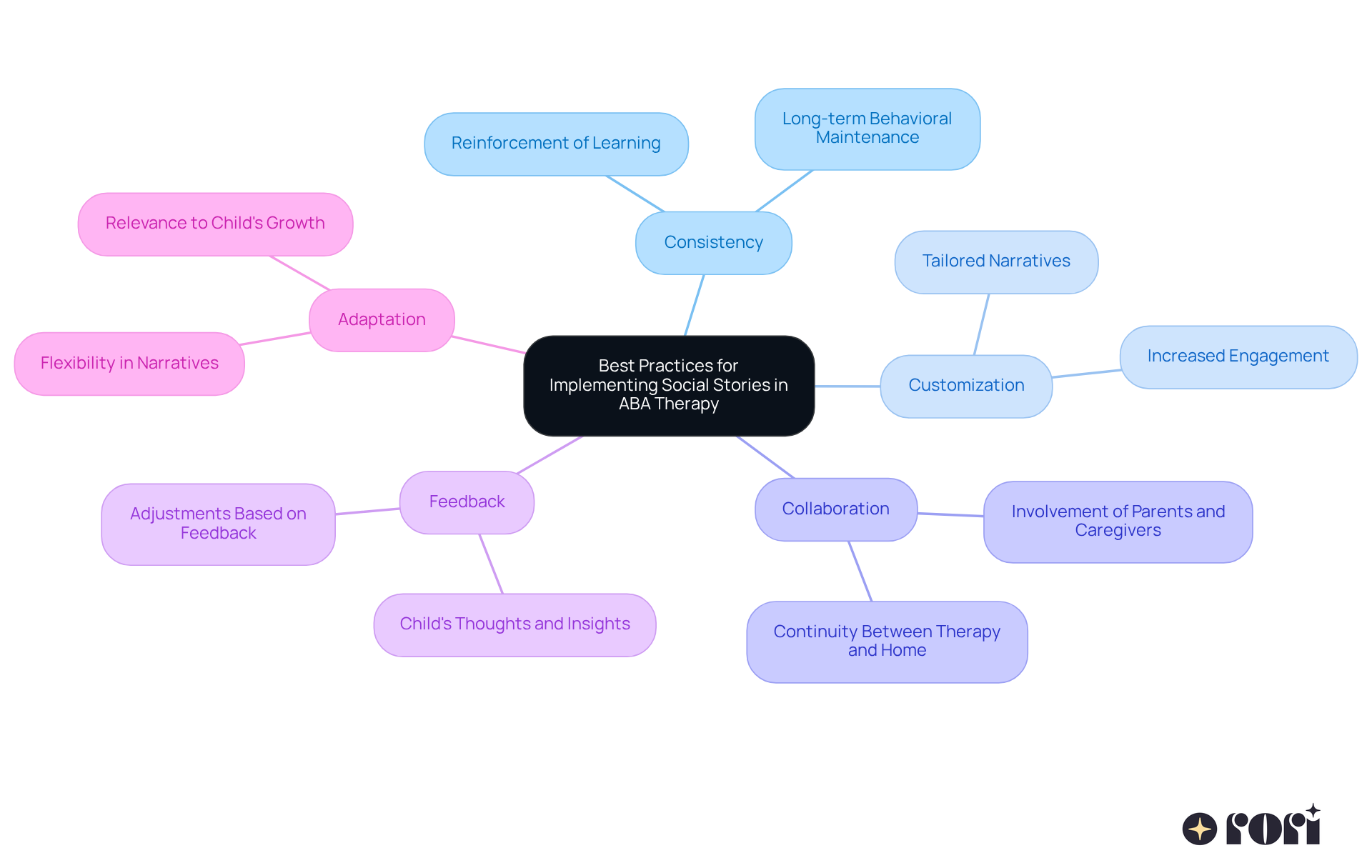
To implement social stories effectively in ABA therapy, let’s consider some best practices that can make a real difference:
Integrating these best practices not only boosts the effectiveness of empowering narratives of ABA therapy for autism but also supports the child’s overall development and emotional well-being. Plus, using technology like the SOFA application can further assist in applying these narratives, enhancing interpersonal understanding and easing transitions for users. As Roy T. Bennett wisely said, "Consistency is the true foundation of trust," reminding us of the importance of a steady approach in therapy.
Let’s explore this together! We’re here to help you every step of the way!
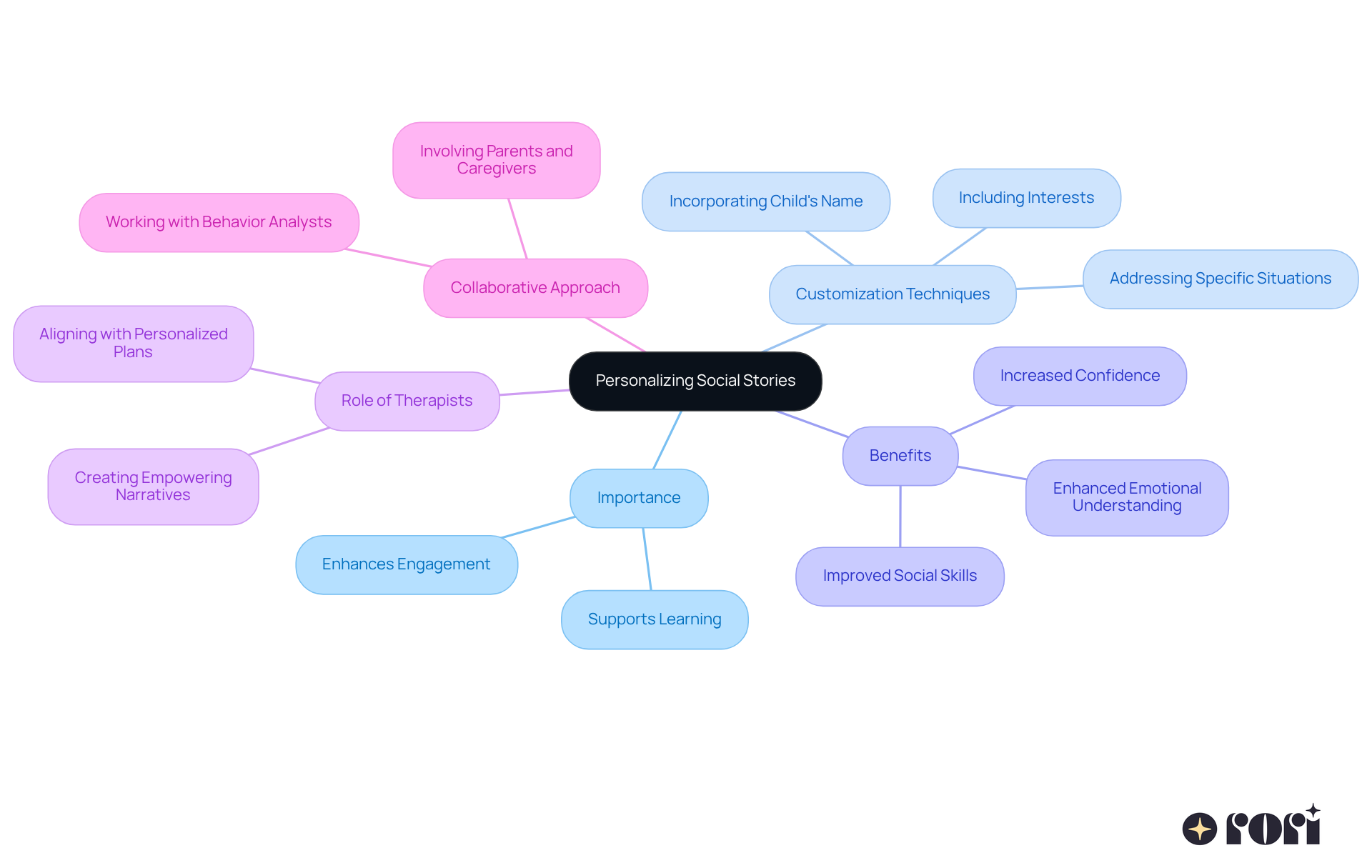
Customizing social narratives is so important for helping kids with autism thrive! By weaving in your child’s name, interests, and the specific situations they encounter, you can create a story that truly resonates with them. For example, if your little one finds transitions tricky, a story can lay out the steps for moving from one activity to another. This personal touch not only grabs their attention but also boosts the chances of them internalizing those valuable lessons and using them in real life.
Research shows that when stories are tailored to individual needs, kids tend to engage more during therapy sessions. Isn’t that amazing? Case studies highlight that children who connect with personalized stories often see significant improvements in their social skills and emotional understanding. By focusing on what matters most to them, therapists can create empowering narratives of aba therapy for autism, which helps build a stronger bond with their young clients and leads to better outcomes. Plus, collaborating with skilled behavior analysts ensures that these narratives align with personalized plans that include measurable goals and evidence-based strategies, all while keeping an eye on the child’s evolving needs. Empowering narratives of aba therapy for autism enable kids to navigate their experiences with confidence, reinforcing the idea that their unique perspectives are valued and understood.
Let’s explore this together! Your child’s journey can be filled with and inspire.
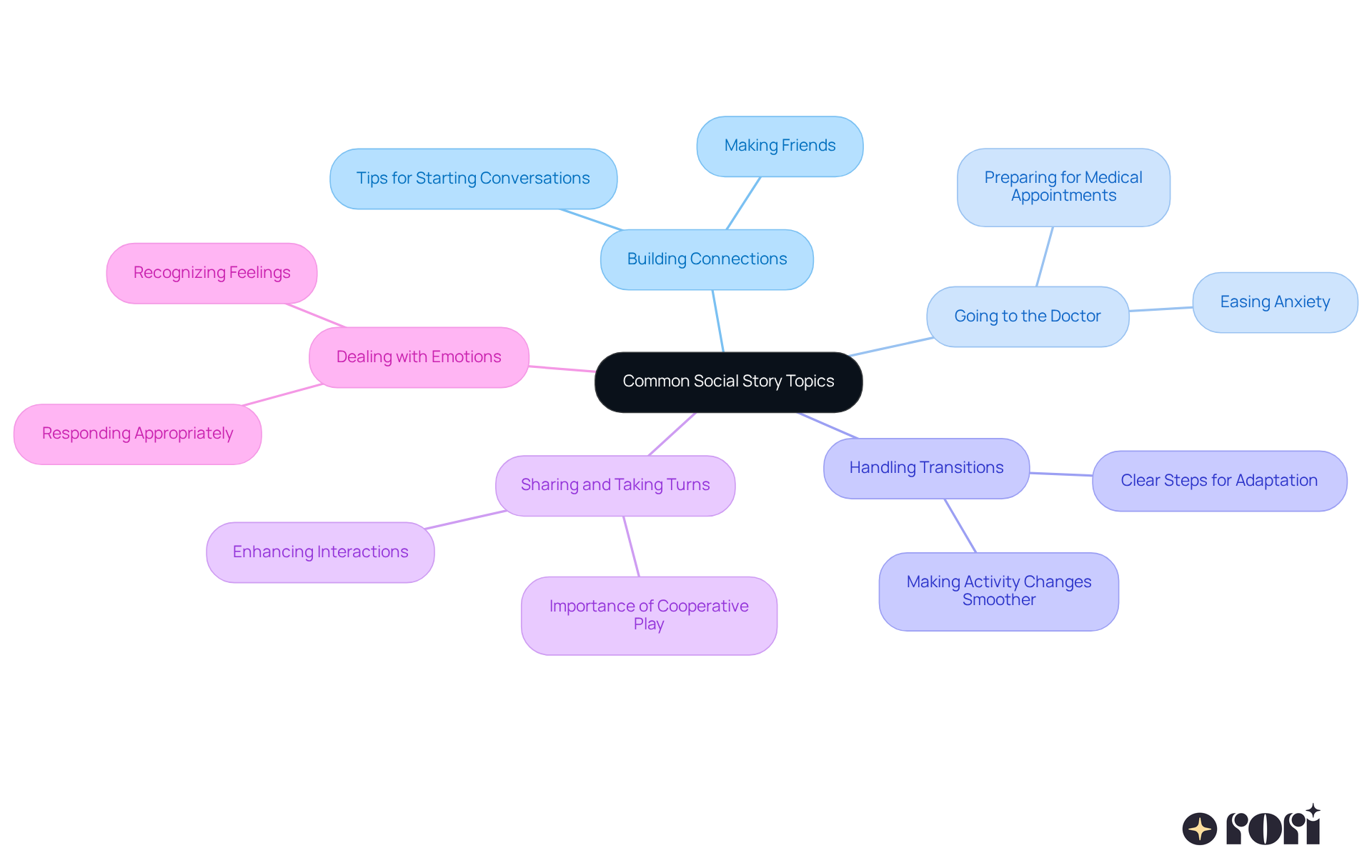
Empowering narratives of aba therapy for autism can significantly assist kids with autism in tackling daily challenges through common social narrative themes. Let’s look at some practical examples:
These themes not only address everyday challenges but also significantly boost kids' social understanding and skills, highlighting the empowering narratives of aba therapy for autism. For instance, stories like 'Joining In at Playtime' have shown to improve sharing skills and encourage participation in group activities, which can really help reduce feelings of isolation. By using these narratives, kids can build their confidence and develop essential social skills that will serve them well throughout their lives.
Let’s explore this together! We’re here to help you every step of the way!
Social stories are one of the empowering narratives of ABA therapy for autism, offering incredible benefits that can truly enhance the lives of individuals with autism. They help improve social skills, reduce anxiety, and boost self-esteem by presenting relatable situations that kids can easily grasp. At Rori Care, our clinical leadership team is all about embracing neurodiversity and empowering caregivers with ABA principles and strategies. We’re committed to supporting youth in achieving their behavioral goals through active involvement and data collection.
By equipping kids with the tools to navigate social situations, empowering narratives of ABA therapy for autism foster independence and assist them in managing their actions and emotions effectively. This approach not only turns challenges into growth opportunities but also promotes empowering narratives of ABA therapy for autism, leading to a for both young individuals and their families. Practitioners at Rori Care have witnessed firsthand the profound impact of empowering narratives of ABA therapy for autism. They’ve observed remarkable changes in kids’ abilities to connect with their peers and engage with their surroundings.
For instance, research shows that children who engage with narrative content experience a significant boost in communication skills, with scores jumping from an average of 58.34 to 66.91 after just a short time. One clinician shared, "Social stories have been a game-changer for many of my clients, allowing them to understand social cues and respond appropriately, which is crucial for their development."
Let’s explore this together! If you’re curious about how social stories can help your child, we’re here to support you every step of the way!

Empowering narratives through ABA therapy for autism offer a wonderful way to support children with unique needs. By using personalized stories, clinicians can really boost engagement and help kids understand social situations better. This leads to meaningful improvements in communication and emotional well-being. It’s not just about learning skills; it’s also about building self-esteem and easing anxiety, making this approach a key part of effective autism therapy.
In this article, we’ve highlighted some key strategies, like using social stories to clarify tricky social interactions and the importance of visual aids to keep kids engaged. We’ve also looked at how technology can modernize these narrative experiences. Best practices such as consistency, customization, and working closely with caregivers are vital for making the most of these narratives. Real-life success stories show just how much personalized narratives can enhance a child's social skills and emotional growth.
The importance of empowering narratives in ABA therapy is huge. As children learn to navigate their experiences with confidence and clarity, they become better equipped to tackle social challenges and form meaningful connections. For parents and caregivers, embracing this approach can lead to a richer developmental journey for their children. Engaging with these narratives not only boosts learning but also reinforces the idea that every child's story is unique and valued.
Let’s continue to explore these empowering narratives together! Every child deserves the chance to thrive, and we’re here to help you every step of the way!
What is the main focus of Rori Care's ABA therapy?
Rori Care's ABA therapy focuses on empowering children through personalized narratives that resonate with their unique experiences and challenges, enhancing engagement and understanding in therapy.
How effective are personalized narratives in reducing challenging behaviors?
Research indicates that personalized narratives can lead to a 60-80% effectiveness rate in reducing challenging behaviors, making them a vital part of effective ABA interventions.
What outcomes have been observed from using empowering narratives in therapy?
Many children have progressed from non-verbal to verbal communication and improved their interpersonal skills, demonstrating the transformative impact of empowering narratives in autism therapy.
How do social stories enhance social skills in children with autism?
Social stories break down complex social interactions into familiar scenarios, helping children understand societal norms and expectations, which boosts their social skills and confidence.
What are the key components of effective social stories?
Effective social stories should identify specific situations, use simple language, incorporate visuals, include positive reinforcement, and involve practice and review with the child.
How can technology enhance personalized narratives for children?
AI-driven apps can assess a child's responses and adjust narratives to focus on specific areas for improvement, ensuring that the stories resonate with each child's unique experiences and feelings.
Why is incorporating visuals important in social stories?
Visuals enhance understanding and engagement, which is crucial for children with different communication needs, making the narratives more relatable and impactful.
What role does positive reinforcement play in crafting social stories?
Positive reinforcement promotes desired behaviors, helping children learn while boosting their self-esteem and confidence in social interactions.