Navigating the journey of toilet training can be quite a challenge for parents of children with autism. Traditional methods might not always fit, and that’s okay! Understanding and applying effective autism toilet training tips can turn this daunting task into something more manageable-and even rewarding.
But how can parents tailor their approach to meet their child’s unique needs while fostering independence and confidence? Let’s explore some essential strategies together! These insights can help families overcome obstacles and celebrate those little victories along the way.
We’re here to help you every step of the way! By sharing experiences and tips, we can create a supportive community that understands the journey you’re on.
For kids with autism, is super important, and using can make this process easier. It helps them anticipate visits and eases anxiety. Try setting specific times during the day for your little one to go, like after meals, before bedtime, or at regular intervals. This predictability can really make them feel safe and boost their chances of .
can work wonders! They allow your child to see and understand the process, reinforcing the routine in a way that clicks. Research shows that kids with autism often thrive with , as and personal care success. By using these autism toilet training tips and tricks, you can create a that encourages independence and builds confidence in your child's toileting journey.
Let’s explore this together! Remember, you’re not alone in this - we’re here to help you every step of the way!

, like picture schedules, social narratives, and step-by-step charts, are super helpful when implementing for kids. These tools offer that can make the whole process feel a lot less overwhelming. For example, a visual sequence that shows each action-from pulling down pants to flushing-can really help your little one understand and stick to the routine. Research shows that young learners who use visual aids often have a better grasp of what's expected and cooperate more during toilet training, which is one of the autism toilet training tips and tricks that can lead to greater success. By adding these supports, parents can create a that incorporates autism toilet training tips and tricks, helping their kids in their toileting skills.
Plus, when caregivers are educated, they can provide even better support at home, which complements professional help and keeps things consistent. With a solid and strategies, caregivers can make informed choices that positively affect their child's progress. Delaying restroom education can lead to health issues, like increased bladder control challenges (Azrin & Foxx), which highlights the importance of . Visual aids also help clarify expectations and ease anxiety, making the process feel more relatable. When caregivers are actively involved, it often leads to more , empowering them and enhancing family dynamics.
Let’s explore this together! If you’re feeling unsure about how to start, remember that you’re not alone. We’re here to help you every step of the way!

Potty training can be quite the adventure, especially for parents who are looking for autism and tricks for their little ones. plays a crucial role in this journey, showing up in fun ways like verbal praise, stickers, or small rewards for . helps create a . For example, when your child uses the restroom successfully, a quick cheer and a small treat can really boost their motivation!
This approach not only encourages them to keep using the potty but also . Research shows that kids who get consistent positive reinforcement during potty training are more likely to succeed. It really amps up their motivation and involvement! Think about simple, age-appropriate rewards that resonate with your child's interests - this makes the whole experience enjoyable and reinforces the behavior you want to see.
Behavior analysts emphasize that the secret to successful potty training is creating a where rewards are used wisely. This helps promote independence and encourages kids to initiate their own bathroom visits. Plus, studies have shown that when kids are taken to the restroom every 120 minutes as part of a , many of them stay dry throughout the school day. How great is that?
And let’s not forget, positive reinforcement strengthens the bond between you and your child during this learning process, making it more collaborative and fun! By equipping caregivers with , you can make informed choices that positively impact your child's progress, leading to better behavioral outcomes.
If you’re looking for extra support, organizations like The Potty School offer to help families navigate toilet learning since 2016. They offer valuable resources and advice to make this journey a little easier. Let’s explore this together!

Toilet education can feel like a long and sometimes tough journey, especially for kids with autism, so using can be beneficial. Did you know that nearly 49.1% of children with ASD face , highlighting the importance of autism toilet training tips and tricks? That’s why it’s so important for parents to be patient and flexible throughout this process. Your readiness and patience can really make a difference in how .
When accidents happen, it’s key to respond calmly and avoid punishment. Instead, reassure your little one and encourage them to give it another try. This aligns beautifully with . Getting actively involved in the process, as Rori Care suggests, can really boost the effectiveness of your efforts.
Understanding the unique challenges that kids with autism face is essential for setting realistic expectations and goals, especially when applying autism toilet training tips and tricks. Plus, understanding that , like constipation, are common among children with ASD can significantly influence their success with autism toilet training tips and tricks. Remember, every child is unique, and they may progress at their own pace, so adjust your approach as needed.
You might find it helpful to look into the , which is one of the autism toilet training tips and tricks developed by Azrin and Foxx back in 1971. It offers some . Ultimately, being adaptable and informed, while actively participating in gathering data and aligning your strategies, will lead to more experiences. Let’s explore this together!
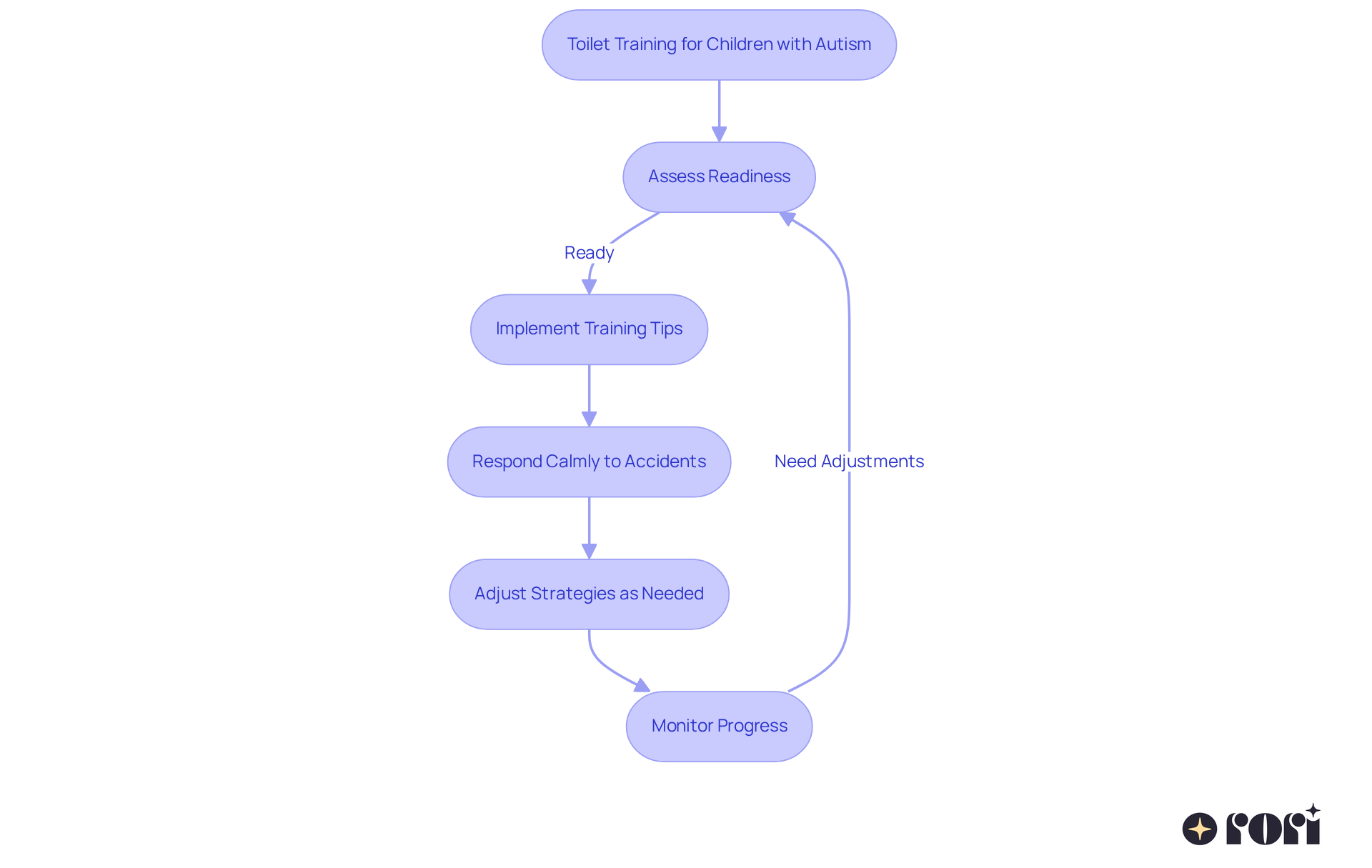
When your little one starts showing signs of readiness, it’s time to think about ! This change not only helps them notice when they’re wet during accidents but also emphasizes the importance of using the toilet. Choosing comfy underwear that your child loves can really make this process more fun!
For some kids, starting with can be a great way to ease into it, giving them a sense of security as they adjust. As your child gains confidence, gently encourage them to wear underwear full-time. Research shows that wearing underwear can actually help , .
It’s also super helpful to prepare your little one by practicing , like pulling pants up and down, and chatting about the changes in a to create a supportive atmosphere. Consider dedicating three to five days to focus on using , and maybe even create a picture chart that outlines the steps for using the bathroom. This can really help!
By incorporating some and , you can enhance your support and make informed decisions. Remember, we’re here to help you every step of the way during this important transition!

Making the bathroom a cozy and inviting space for your little one can really boost their ! Think about adding some foot supports, a smaller seat, or even their favorite toys or books to make the experience more enjoyable. It’s all about creating a fun atmosphere!
Encourage your child to share their feelings about using the restroom. Acknowledge their emotions to help them and supported. By fostering this , you’re empowering them to that will help them navigate this important milestone.
Let’s explore this together! Remember, you’re not alone in this journey. We’re here to !

Getting everyone involved in your child's life-caregivers and educators alike-is key to building and utilizing . When caregivers are equipped with , they can offer the right support at home, working hand-in-hand with professional interventions to create a consistent approach. Sharing your strategies and successes with them can really help in this journey!
Consistent messaging and reinforcement at home and school can make a world of difference in a young one's understanding and success when applying autism toilet training tips and tricks. Did you know that nearly half of individuals with ASD face , and autism toilet training tips and tricks can help address this issue? This highlights just how important . When parents and educators , kids benefit from a that brings predictability into their lives.
For example, setting up regular bathroom break schedules and using the same language and cues at home and school can really help reinforce what they’re learning. One teacher shared, "When we align our approaches, kids feel more secure and better understand the expectations around toileting." This teamwork not only aids in skill acquisition but also incorporates autism toilet training tips and tricks, easing anxiety for the child and making the transition smoother and more effective.
Plus, being informed about and before bathroom use can really support a successful process. Let’s explore this together! We’re here to help you every step of the way!

Toilet training can be quite the adventure for parents and little ones alike, particularly when they utilize ! That’s where Rori Care’s come in to make the journey smoother. Our trained professionals are here to assess your child’s unique needs and just for them. Consider strategies such as:
By focusing on , Rori Care helps your child gain the skills they need to navigate the world on their own. It’s amazing how can boost a child’s confidence and ability to engage fully in family and school activities. With the right support, your little one can thrive!
And here’s the best part: by using these tailored strategies and emphasizing caregiver education, you can create a nurturing environment that utilizes autism toilet training tips and tricks to encourage your child to master those bathroom skills. Let’s explore this together! We’re here to help you every step of the way!
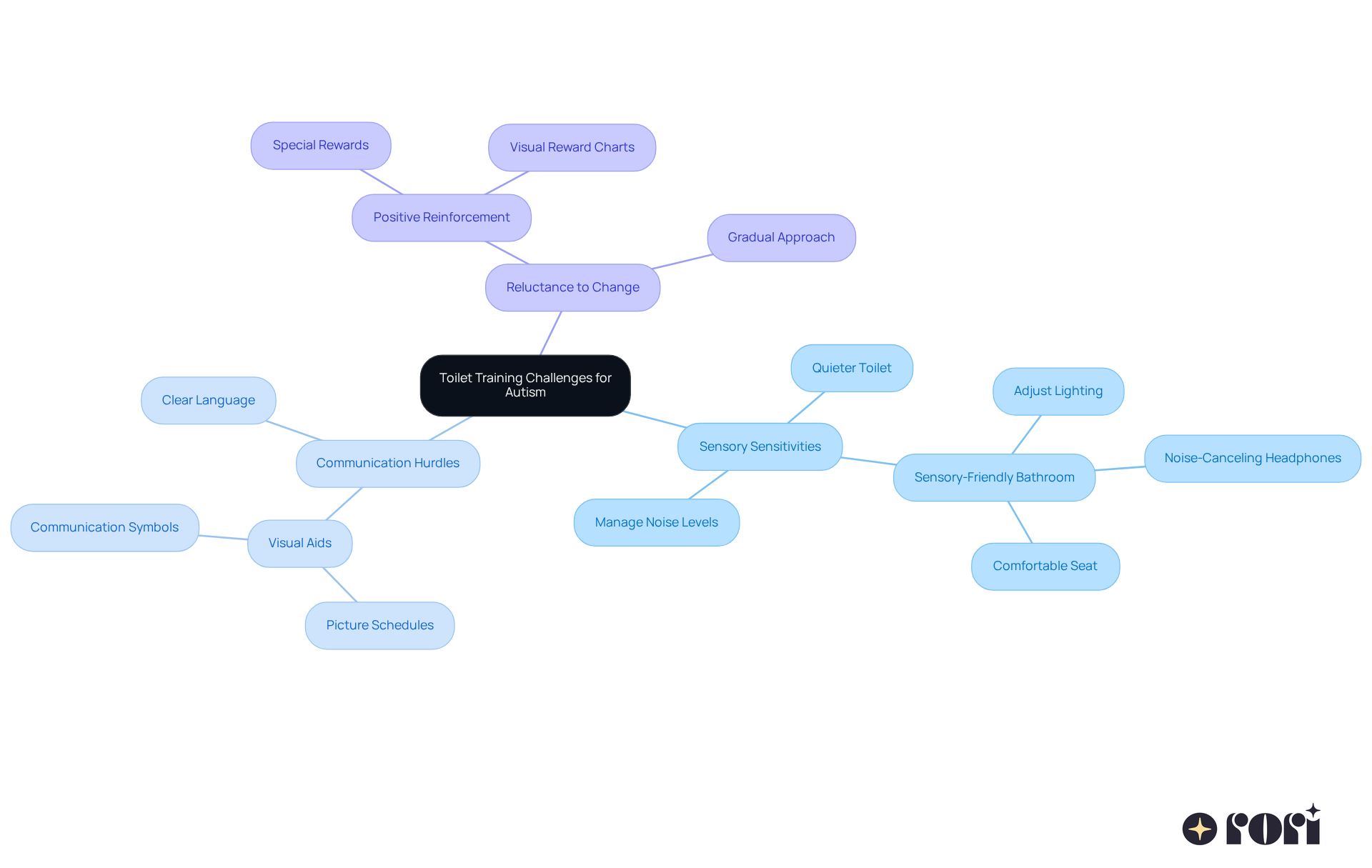
, often requiring to overcome the unique challenges along the way. , communication hurdles, and a natural reluctance to change can make this process tricky. Recognizing these challenges early on is key to finding that work for your child.
For example, if your little one is sensitive to the sound of flushing, think about using a quieter toilet or letting them take charge of the flush when they feel ready. Experts suggest that implementing autism toilet training tips and tricks, such as , can really enhance the training experience. This might mean adjusting the lighting, using noise-canceling headphones, or even providing a comfy seat.
can also be a game changer when using autism toilet training tips and tricks! Picture schedules that outline the steps of using the restroom can help young ones grasp the process better and ease their anxiety. Plus, don’t underestimate the power of in applying autism toilet training tips and tricks. Offering special rewards for bathroom successes can motivate your child to engage in the process.
Research shows that addressing sensory sensitivities early on can lead to more successful outcomes. Many children with autism thrive in . By fostering a , you can help your child navigate the challenges of bathroom habits more smoothly. Let’s explore this together!
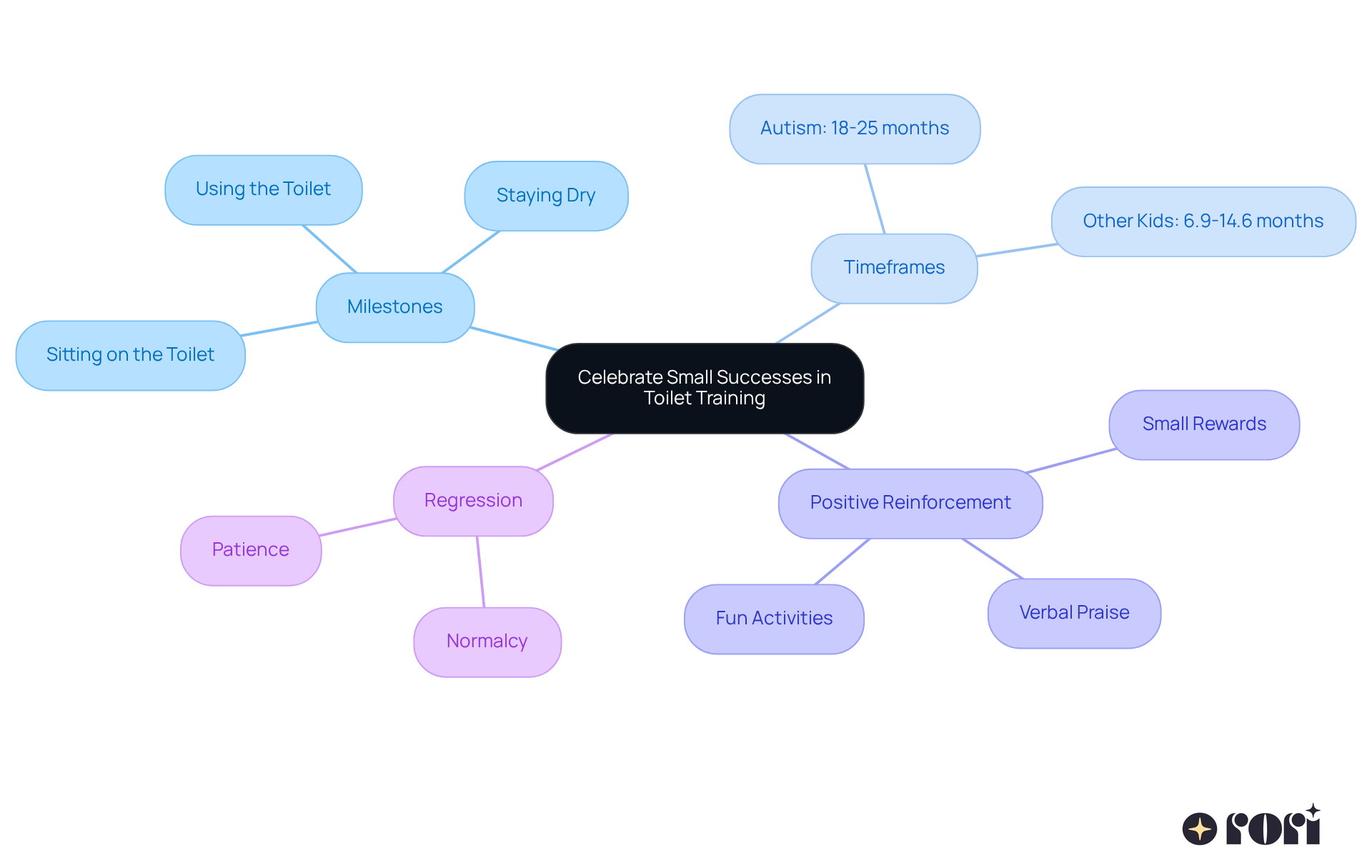
is so important! Whether it’s just sitting on the toilet, staying dry for a while, or actually using it, each step matters. Did you know that can take anywhere from 18 to 25 months, and using can help in this process? That’s quite a bit longer than the 6.9 to 14.6 months it typically takes for other kids.
Using , small rewards, or even a fun activity can really help acknowledge these milestones. This not only boosts your child’s confidence but also reinforces those , making them more likely to repeat them. , creating a sense of accomplishment that can motivate them through future challenges.
By focusing on these small successes, you can create a that encourages ongoing progress using autism toilet training tips and tricks. Plus, learning about can give you the tools and strategies you need to make informed decisions that positively impact your child’s journey.
And remember, regression is totally normal during this process! Approaching setbacks with patience and positivity can really help keep motivation high. Let’s explore this together! We’re here to help you every step of the way!
Creating a successful toilet training experience for children with autism can feel like quite the journey, can’t it? It’s all about a thoughtful and structured approach. By sticking to consistent routines, using visual supports, and practicing positive reinforcement, you can really enhance your child’s learning process. These strategies not only help kids navigate the complexities of toilet training but also build their confidence and independence, empowering them to take charge of their bathroom habits.
It’s important to remember that patience and flexibility are key. Each child’s journey is unique, and understanding their individual challenges - like sensory sensitivities and communication barriers - can help you tailor your approach effectively. Engaging with caregivers and educators in a collaborative effort can reinforce the skills being taught, ensuring consistency across different environments.
And let’s not forget to celebrate those small successes along the way! It’s crucial for keeping motivation high and encouraging progress. By fostering a supportive atmosphere and recognizing achievements, you can create a positive experience that lays the groundwork for lifelong independence in toileting. This journey may have its challenges, but with the right tools and strategies, it can also be a rewarding milestone for both your child and your family. Let’s explore this together!
Why is a consistent toilet training routine important for kids with autism?
A consistent toilet training routine helps children with autism anticipate bathroom visits, easing anxiety and increasing their chances of successful restroom use. Setting specific times for bathroom breaks, such as after meals or before bedtime, provides predictability that can make them feel safe.
How can visual schedules assist in toilet training for children with autism?
Visual schedules allow children to see and understand the toilet training process, reinforcing the routine in a way that resonates with them. Research shows that structured methods, like visual aids, can significantly enhance learning and personal care success for kids with autism.
What types of visual aids can be used in toilet training?
Visual aids such as picture schedules, social narratives, and step-by-step charts can help clarify each action involved in toilet training. For instance, a visual sequence showing actions like pulling down pants and flushing can make the process less overwhelming.
How does positive reinforcement contribute to successful toilet training?
Positive reinforcement, such as verbal praise, stickers, or small rewards for successful bathroom trips, creates a positive atmosphere around toilet training. Celebrating achievements helps build self-esteem and motivation, making children more likely to succeed.
What role do caregivers play in the toilet training process?
Caregivers educated in ABA principles can provide better support at home, complementing professional help and maintaining consistency. Their involvement often leads to more effective behavioral improvements and enhances family dynamics.
What are the potential consequences of delaying restroom education for children with autism?
Delaying restroom education can lead to health issues, such as increased bladder control challenges. Timely interventions are crucial to prevent these complications and support children's learning processes.
How can structured programs improve toilet training outcomes?
Structured programs that involve taking children to the restroom every 120 minutes can help many children stay dry throughout the school day, promoting independence and encouraging them to initiate their own bathroom visits.
Where can families find additional resources for toilet training?
Organizations like The Potty School offer valuable resources and advice on autism toilet training tips and tricks, helping families navigate the toilet learning journey since 2016.