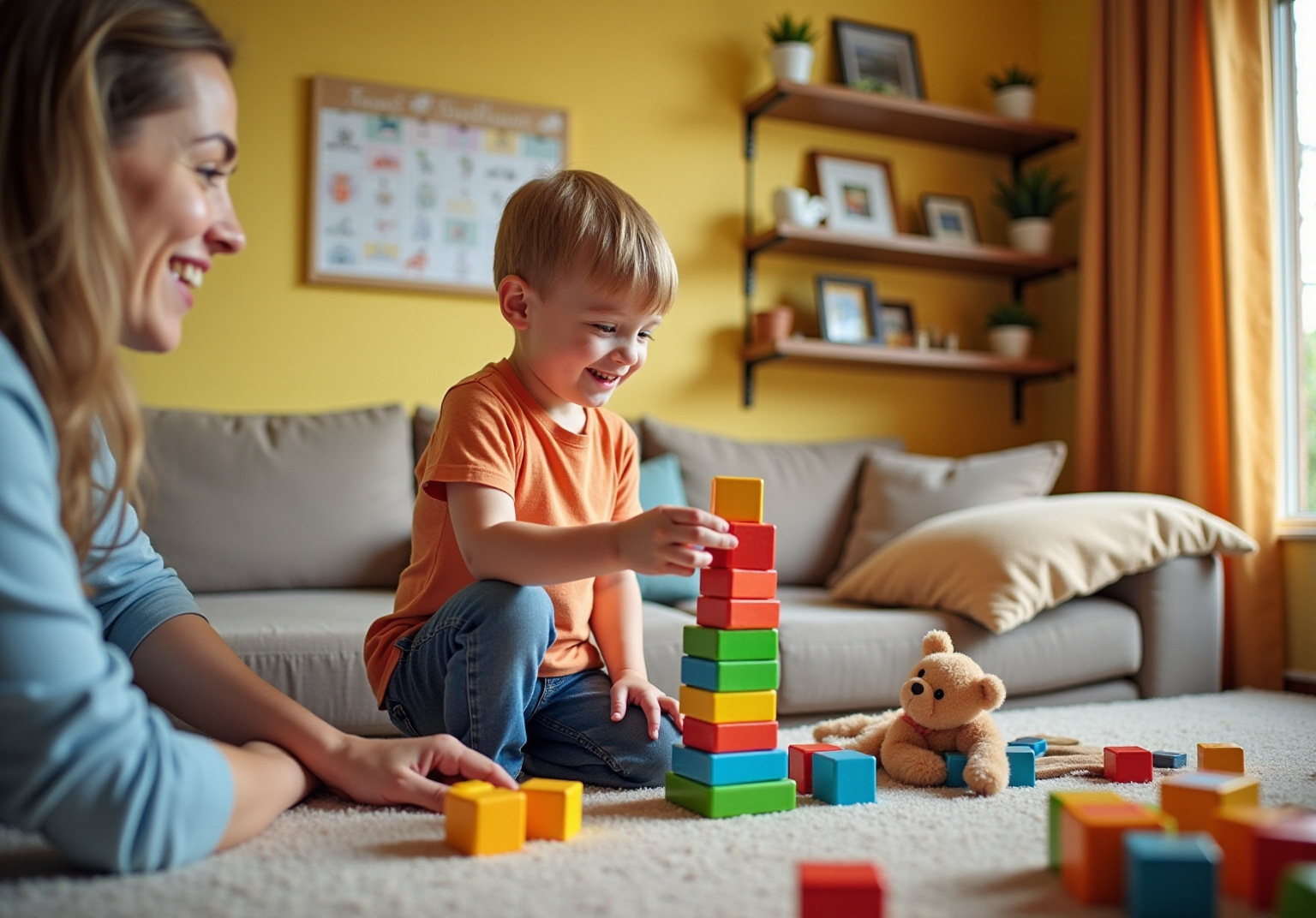
Spotting the early signs of autism in your little one can feel overwhelming, but it’s so important! When you know what to look for, it not only helps you feel more empowered but also opens the door for early support that can really make a difference in your child's development. Did you know that about 1 in 36 kids are diagnosed with autism? It makes you wonder, how can we spot those early signs before they become more noticeable? In this article, we’ll explore ten signs that every parent should keep an eye out for, giving you the insights and support you need to help your child thrive!
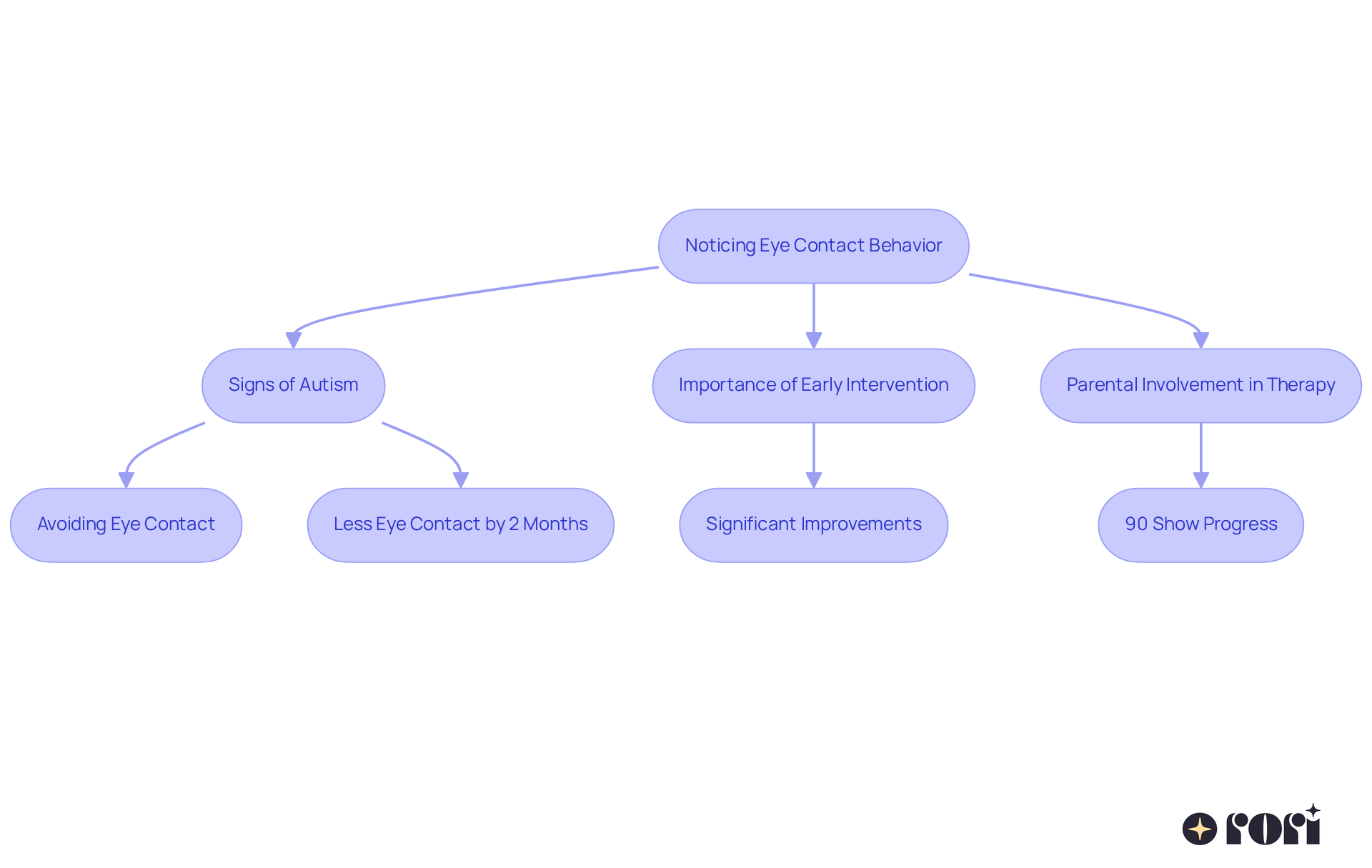
Did you know that your little one might start making eye contact just a few weeks after birth? It's fascinating how this simple behavior can tell us so much. If you notice signs of autism in babies (2 years old) like avoiding eye contact, especially by six weeks, it could be an early indication. Many babies who go on to develop signs of autism in babies (2 years old) often begin to show less eye contact around two months old. As a parent, noticing your baby avoiding eye contact can be worrying, leaving you to wonder if everything is okay. But the good news is that early intervention can lead to significant improvements in your child's development!
The CDC reminds us that keeping up with regular check-ups, including eye contact assessments, is super important for catching any concerns early on. Noticing the signs of autism in babies (2 years old) is crucial because early intervention can significantly enhance your child's development!
And here's some encouraging news: when parents actively participate in ABA therapy, about 90% of kids show real progress! Plus, when parents learn about autism signs, it helps them support their kids better and make informed choices for their future! By staying informed and proactive, you can make a real difference in your child's journey.
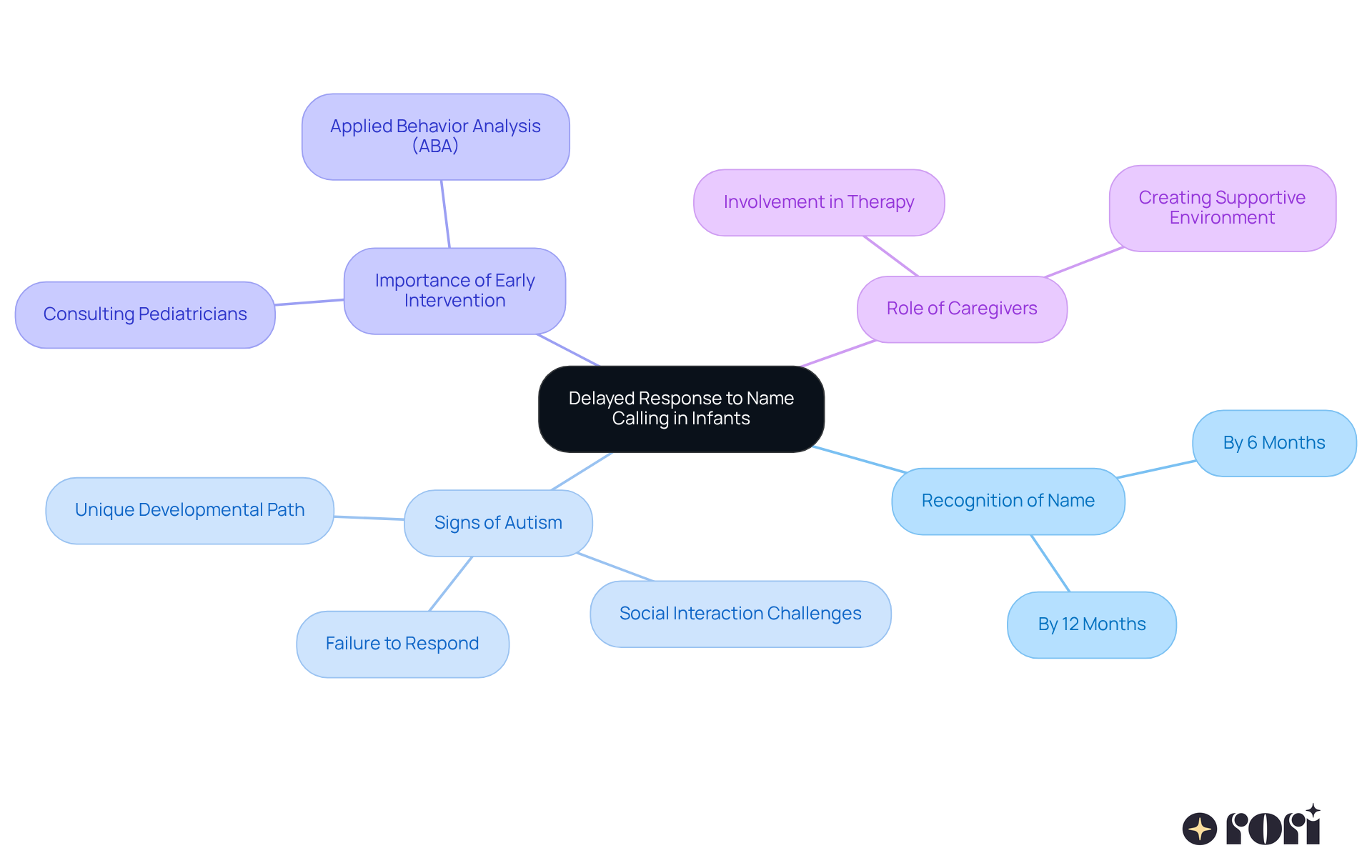
By six months, most babies start to recognize their names and respond to them. However, if your little one isn’t responding to their name by 12 months, it might be time to take a closer look for potential signs of autism in babies (2 years old). You see, not responding to their name can sometimes be considered one of the signs of autism in babies (2 years old), which can make social interactions a bit tricky for some kids. It’s really important not to brush this off. If you notice any delays, chatting with your pediatrician can be a great first step.
Recognizing the signs of autism in babies (2 years old) is key, and remember, every child is unique in their journey. At Rori Care, we focus on Applied Behavior Analysis (ABA) therapy, which is all about tailoring support to fit your child’s unique needs. Studies show that when families get involved and stick to the recommended hours, about 90% of kids make great strides! That’s why it’s so important for caregivers to be well-informed; it really makes a difference at home!
We’re here to help you every step of the way!
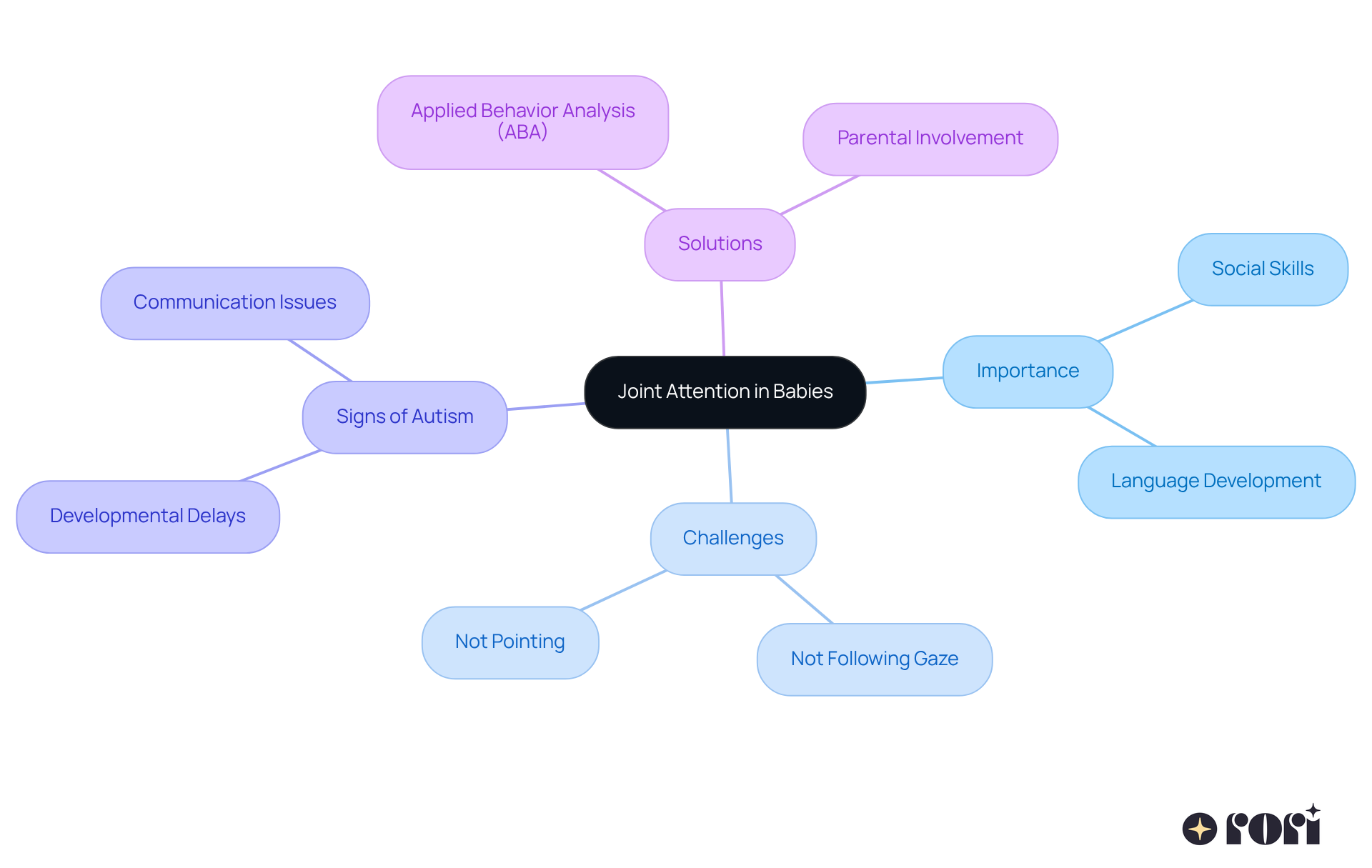
Have you ever noticed your baby gazing off into space instead of sharing a moment with you? Joint attention is all about sharing focus on something with another person, and it’s a crucial milestone in early development. Did you know that by around 9 months, almost every baby starts to show signs of joint attention? It’s a big deal for their social skills and language!
But if your little one struggles to follow your gaze or doesn’t point at things to share their interest, these behaviors might be considered signs of autism in babies (2 years old) and could indicate a developmental delay. Watching your baby have a tough time connecting can be concerning, can’t it? These challenges in joint attention can really impact their social interactions and language skills, so it’s important to keep an eye on these behaviors.
For instance, if your child isn’t pointing or looking back at you when something exciting happens, they might find it harder to communicate and connect with others. Addressing these issues early on can lead to better outcomes, so if you notice any signs of autism in babies (2 years old), particularly related to joint attention difficulties, don’t hesitate to reach out for help!
Understanding Applied Behavior Analysis (ABA) can really help you support your child’s growth! By getting involved in your child’s learning and using ABA strategies, you can boost their joint attention skills, which are so important for social interaction and communication. Learning about ABA gives you the tools to make informed choices, reduces stress, and improves family dynamics. It creates a supportive environment that encourages better behavior in your little ones. Taking action now can pave the way for your child’s brighter future in communication and connection.
Have you ever noticed your baby flapping their hands or rocking back and forth? These little quirks can actually be signs of autism. It’s natural to worry when you notice your little one doing things that seem unusual. Did you know that about 1 in 36 kids are diagnosed with autism? That’s why spotting these behaviors early is so important!
These repetitive actions, like hand flapping or spinning, might be your child’s way of self-soothing or expressing excitement. If you notice your little one doing these movements often, especially if it seems to get in the way of their playtime or making friends, it’s a good idea to talk to a healthcare professional for some guidance. But recognizing these signs early can make a world of difference for your child.
Getting to know these behaviors can help you find the right support for your child, making a big difference in their growth! We’re here to help you every step of the way!
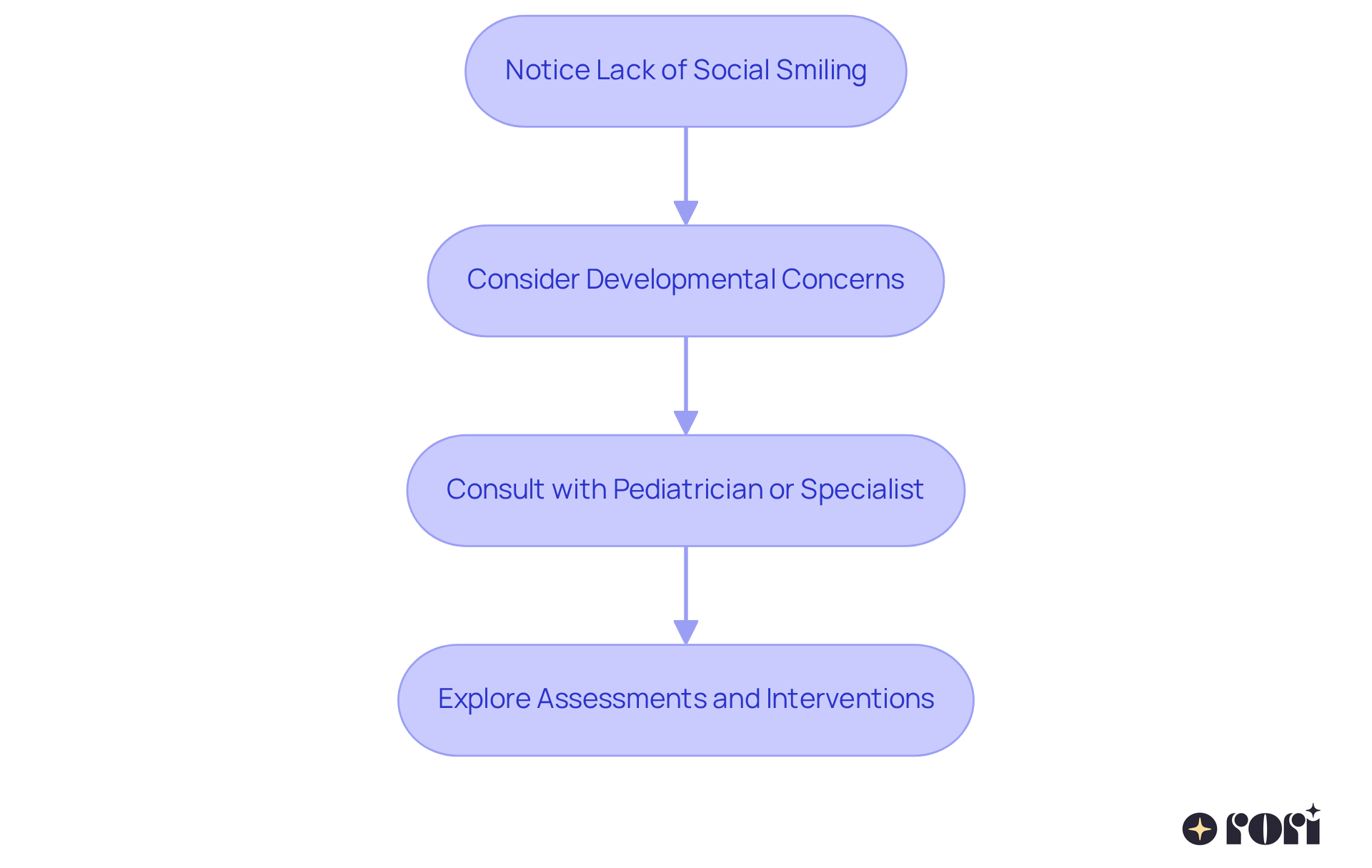
Seeing your baby smile for the first time is magical, but what if that smile doesn’t come as expected? Generally, infants start to smile socially by about two lunar cycles of age. But did you know that about 20% of babies might not engage socially by six months, which could be early signs of autism in babies (2 years old)? This can be one of the signs of autism in babies (2 years old) spectrum disorder (ASD). Infants displaying signs of autism in babies (2 years old) often don’t react to smiles from their guardians and may show less interest in social interactions, which can really affect their emotional growth. For example, studies show that babies who don’t engage much socially might face developmental delays.
If you notice this happening, it’s a good idea to chat with a professional. Early intervention, especially through Applied Behavior Analysis (ABA) therapy, can lead to better outcomes in emotional and social development. Rori Care's patient-centered approach adjusts to each young person's unique needs, and with active caregiver involvement, many youngsters make significant progress. As Dena Gassner puts it, 'Being a parent of a child with autism really tests your flexibility.' If you observe signs of autism in babies (2 years old), consider reaching out to a pediatrician or a child development specialist to discuss your concerns and explore potential assessments or interventions. Taking action now could make all the difference in your child's journey.
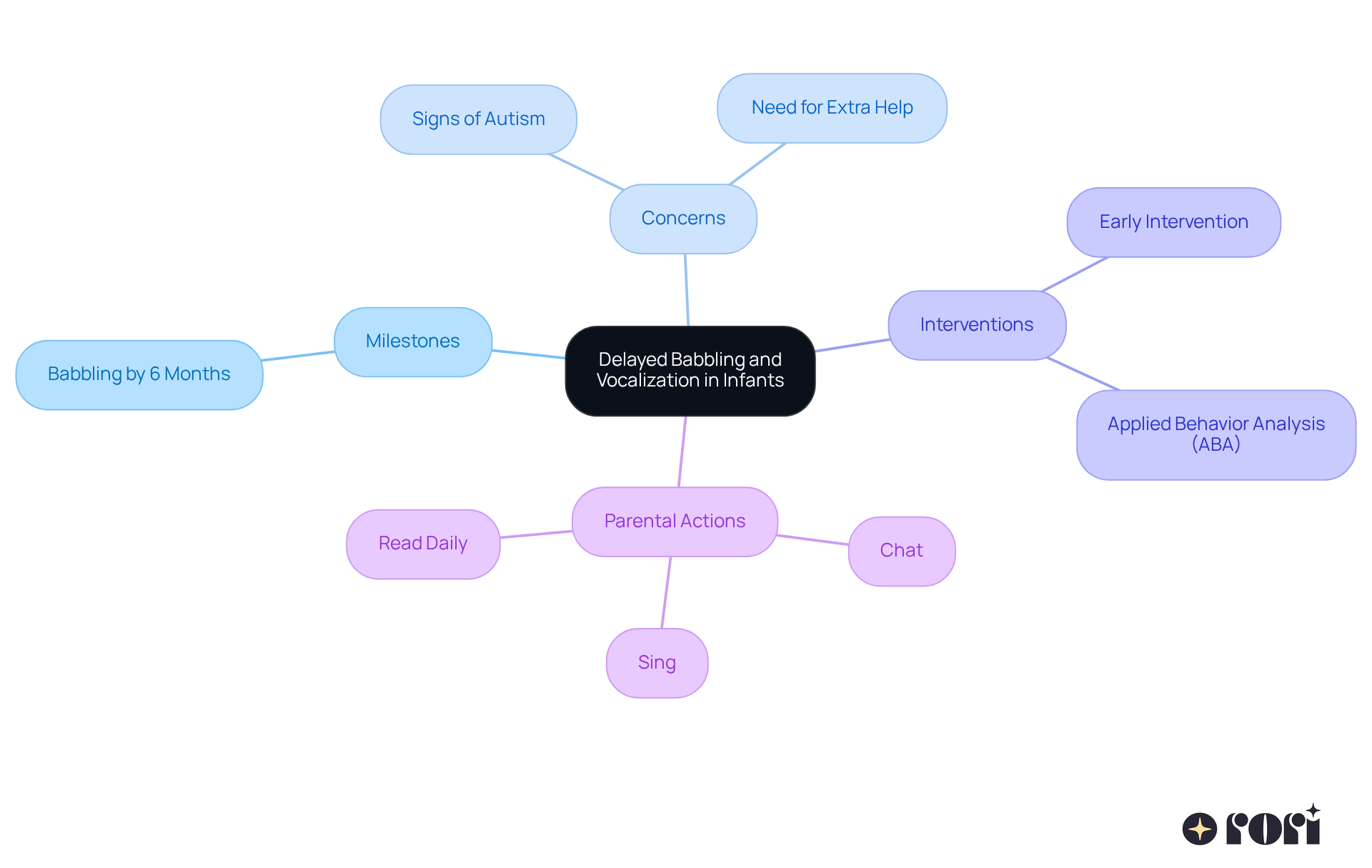
Have you noticed your baby starting to babble? It usually kicks off around six months, and it’s such an exciting milestone! When your little one isn’t babbling by this age, it can be concerning, as it might indicate signs of autism in babies (2 years old) and signal some challenges ahead. If your baby isn’t babbling by six months, it may be one of the early signs of autism in babies (2 years old) indicating they might need a little extra help with their language skills down the road.
As parents, it’s important to keep an eye on these vocal milestones. But don’t worry! Keeping an eye on these milestones and reaching out for help can make a big difference. If you notice signs of autism in babies (2 years old) or significant delays, early intervention can lead to improved outcomes, so don’t hesitate to talk to a healthcare provider.
Applied Behavior Analysis, or ABA, is a tailored approach that helps kids learn in ways that work best for them! Rori Care’s clinical leadership team is all about promoting neurodiversity and empowering caregivers with ABA principles and strategies.
So, let’s make it a habit to chat, sing, and read to our little ones every day - it’s a fun way to help them find their voice!
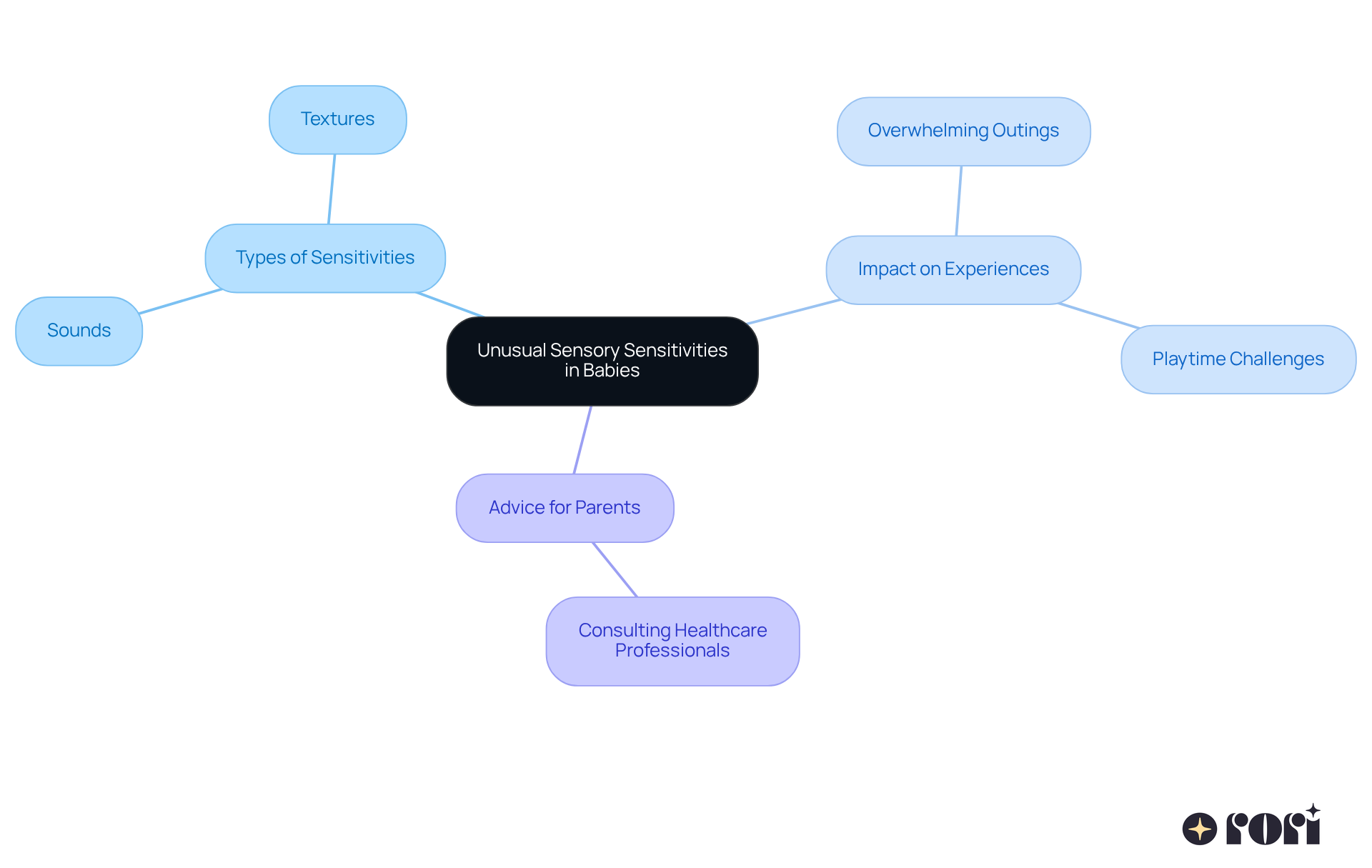
Have you ever noticed your baby reacting strongly to certain sounds or textures? Many infants who exhibit signs of autism in babies (2 years old) can be quite sensitive to sensory stimuli, like loud noises or certain fabrics. This can make simple outings or playtime feel overwhelming for both you and your child. If you notice these reactions, chatting with a healthcare professional can help you understand your child's unique needs better.
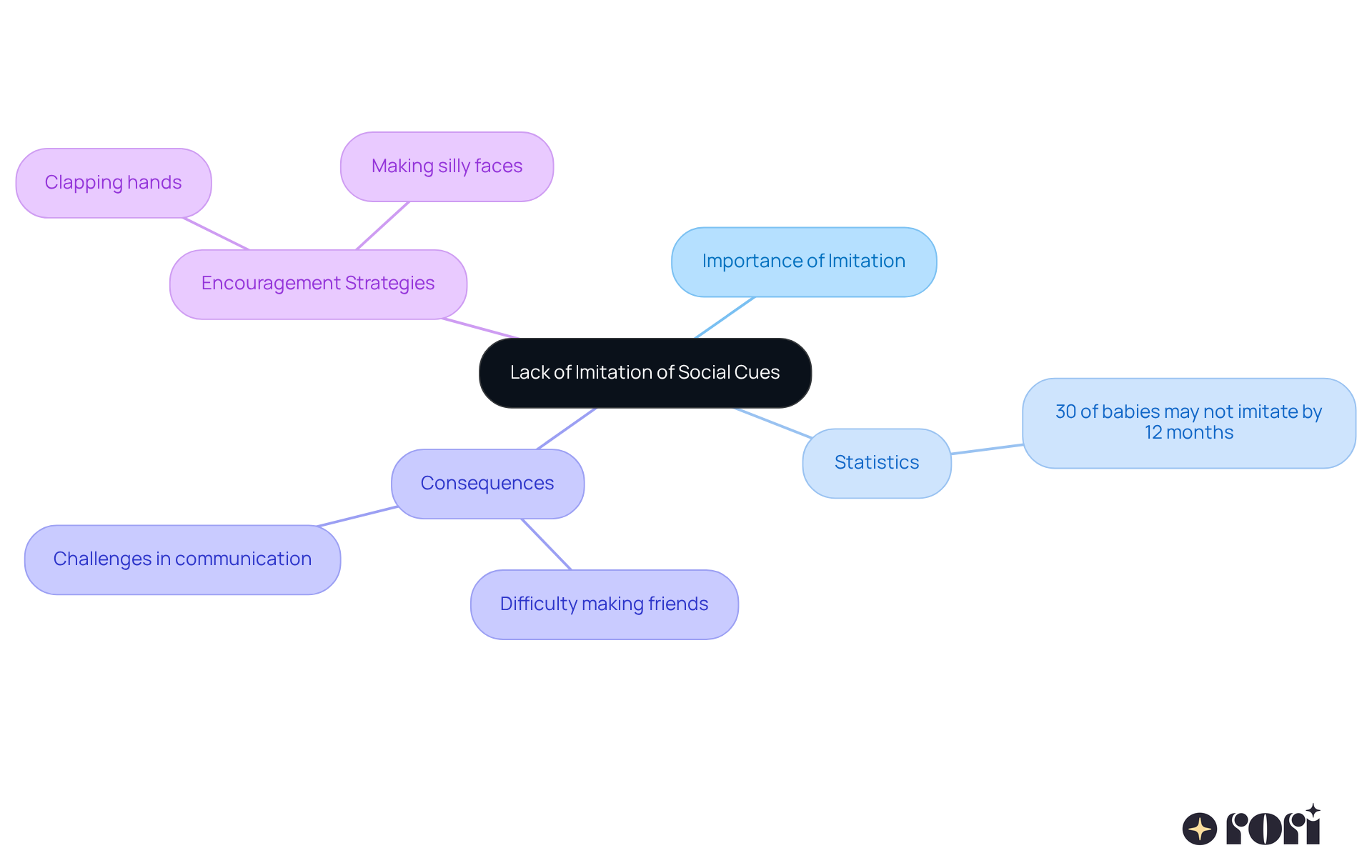
Did you know that imitation is a key part of your baby's first year? By the time they hit 12 months, if your little one isn’t showing much interest in copying sounds, gestures, or even those adorable facial expressions, it might be one of the signs of autism in babies (2 years old) to pay attention. In fact, about 30% of babies might not start imitating by their first birthday, which can really hold them back in making friends and communicating.
But don’t worry! You can encourage imitation through fun interactions. Try clapping your hands or making silly faces - these playful moments can really help your child develop those essential skills. If your little one is exhibiting signs of autism in babies (2 years old) by having a tough time with imitation, don’t hesitate to reach out for some expert help! Rori Care offers free consultations with Board Certified Behavior Analysts, so you can get the advice and strategies you need to support your child's development effectively. Let’s explore this together!
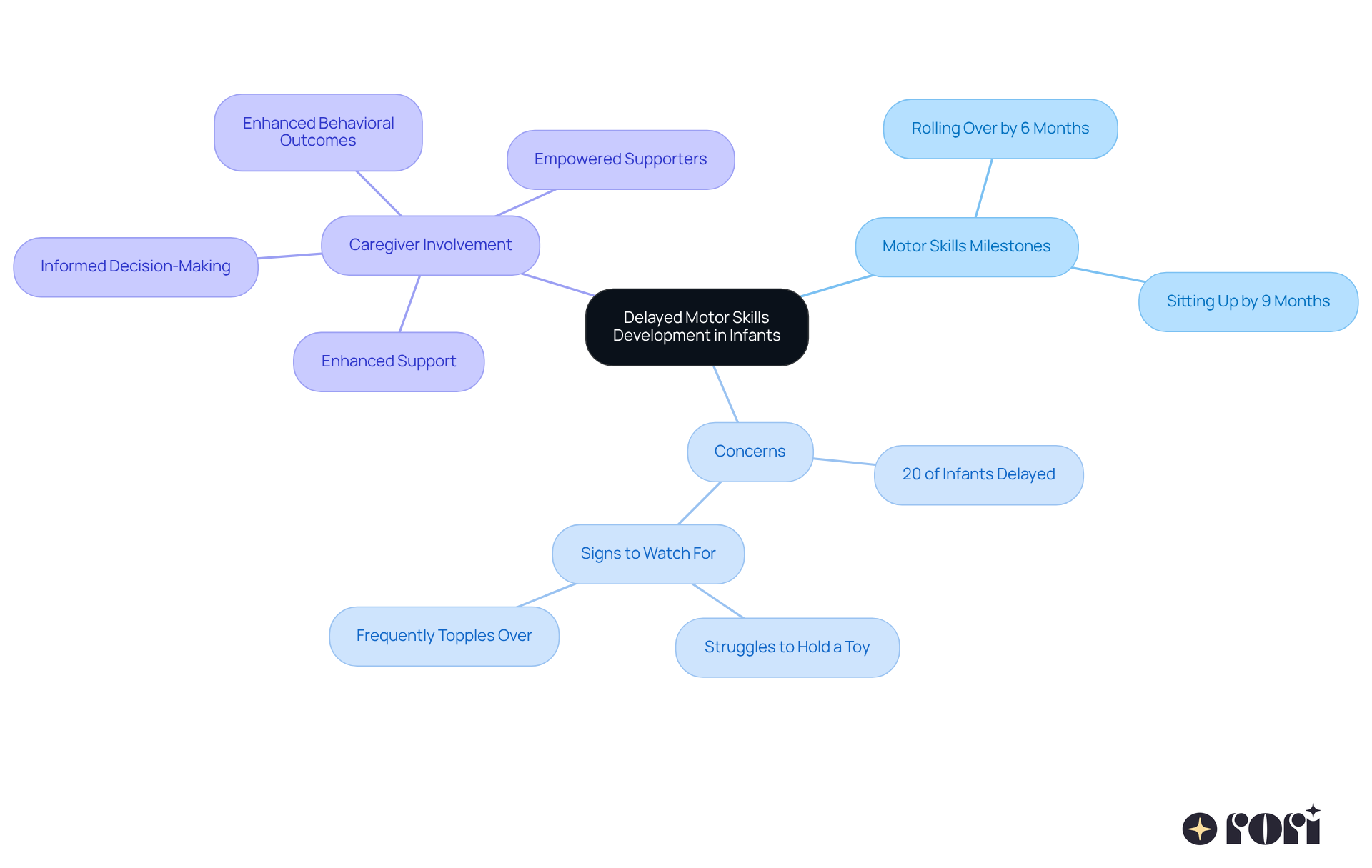
As parents, we often find ourselves eagerly waiting for those precious milestones, but what happens when our little ones take a bit longer to reach them? Motor skills progression in infants usually follows a recognizable schedule, with important milestones like rolling over by six months and sitting up by nine months. It can be worrying when your little one isn’t hitting those important milestones on time. Research shows that about 20% of infants may not reach these motor milestones within the expected timeframes, which can raise concerns for many parents. Pediatricians often remind us that if our baby isn’t rolling over by six months or sitting up by nine months, it’s a good idea to check in with a healthcare provider.
Real-world examples illustrate that these delays can show up in different ways. For instance, if your little one struggles to hold a toy or frequently topples over, it might be a sign that warrants further evaluation. Keeping a close eye on motor development allows you to take proactive steps in seeking support and intervention, which can be essential for your child’s overall growth.
Getting involved as a caregiver is crucial. When you understand the principles of Applied Behavior Analysis (ABA), you can make informed decisions that positively influence your child’s progress. The benefits of caregiver education include:
When you get involved in your child’s development and use tailored treatment plans, you’re not just helping them thrive - you’re empowering yourself too! Taking action early can pave the way for a brighter future for your child, so let’s stay vigilant together!
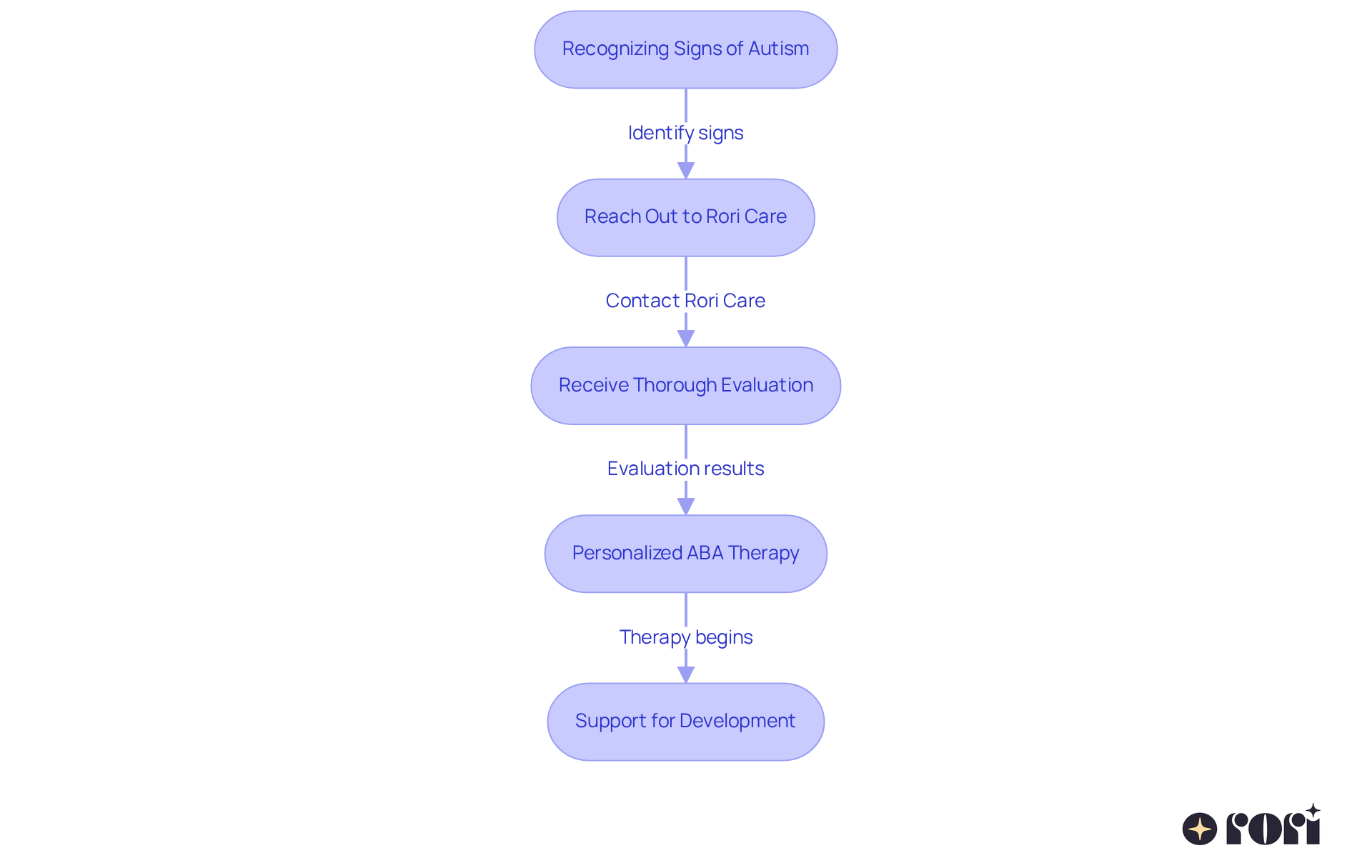
It can be overwhelming and confusing to notice signs of autism in babies (2 years old), but you’re not alone in this journey. At Rori Care, we’re all about understanding your child’s unique needs through thorough evaluations and personalized ABA therapy. Research shows that getting help early can really make a difference, helping your child develop essential skills and reach their full potential. Taking that first step toward support can open doors to a brighter future for your child. We’re here to help you every step of the way, so don’t hesitate to reach out to Rori Care for guidance and support on this journey!
It can be tough to know what to look for when it comes to your baby's development, but recognizing the signs of autism early can truly make a difference. Key indicators like:
can help you spot potential concerns sooner rather than later. When you understand these signs, it gives you the power to take those important first steps, leading to timely evaluations and interventions that can really help your child thrive.
As we’ve explored, being vigilant and informed is so important. From keeping an eye on social engagement and vocalization milestones to noticing unusual sensory sensitivities, each sign is a piece of the puzzle in understanding your child's unique developmental journey. Early identification and getting involved in therapies like Applied Behavior Analysis (ABA) can dramatically enhance your child's ability to connect with others and express themselves.
Parenting is a wild ride, full of ups and downs, isn’t it? By staying educated and engaged, you can create a nurturing environment that supports your child's growth. Seeking guidance from professionals, like those at Rori Care, can provide you with invaluable resources and support. Remember, taking action today can open doors to a brighter future for your child and your family.
What is the significance of eye contact in infants?
Eye contact is an important behavior that can indicate a child's social development. Babies typically start making eye contact just a few weeks after birth, and a lack of eye contact, especially by six weeks, can be an early sign of autism.
At what age do babies typically start showing less eye contact if they are developing signs of autism?
Many babies who go on to develop signs of autism often begin to show less eye contact around two months old.
How can early intervention impact a child's development regarding autism?
Early intervention can lead to significant improvements in a child's development, especially if concerns are identified early on.
What role do regular check-ups play in detecting autism signs?
Regular check-ups, including eye contact assessments, are crucial for catching any concerns early and ensuring timely intervention.
What is the connection between parent involvement in therapy and children's progress?
When parents actively participate in Applied Behavior Analysis (ABA) therapy, about 90% of kids show real progress in their development.
What is a potential sign of autism related to name recognition in infants?
If a baby does not respond to their name by 12 months, it may be a sign of autism and should be assessed further.
Why is joint attention important in a baby's development?
Joint attention, which involves sharing focus on something with another person, is crucial for social skills and language development. Most babies start to show signs of joint attention by around 9 months.
What behaviors may indicate challenges with joint attention in babies?
Struggling to follow a caregiver's gaze or not pointing at things to share interest can be signs of autism and may indicate developmental delays.
How can parents support their child's joint attention skills?
Understanding and applying ABA strategies can help boost a child's joint attention skills, which are essential for social interaction and communication.
What should parents do if they notice signs of autism in their child?
Parents should reach out for help and consult with a pediatrician if they notice any signs of autism, particularly related to eye contact, name recognition, or joint attention.