Noticing the early signs of autism in toddlers can feel like a daunting task for many parents, but it’s a journey worth taking together. Did you know that about 1 in 54 children are diagnosed with autism spectrum disorder? Understanding these signs can really help you get the support your child needs sooner rather than later.
Let’s explore ten important signs of autism in toddlers together, so you can feel more equipped to support your child's growth and communication skills! Imagine the difference it could make for your child and your family to recognize these signs early on and seek the support you need.
Have you ever noticed your child not pointing at something exciting or looking away when you try to share a moment? Lack of joint attention can feel isolating for both them and you. It’s important for parents to recognize this as it can impact interactions and communication.
But the good news is that with the right support, these challenges can be overcome! Early intervention approaches, like those based on Applied Behavior Analysis (ABA) principles, can really help enhance joint attention abilities. Rori Care is here to help you understand how to support your child's journey!
Engaging in fun activities like reading together or playing games can spark joy and connection. These shared moments not only empower you as caregivers but also lead to improved family dynamics. By taking small steps together, you can create a more connected and joyful family experience.
Have you ever felt a pang of worry when your child isn’t babbling like their peers? Delayed speech development in children can be one of the signs of autism in toddlers age 1, which may appear as a lack of babbling by 12 months or not using single words by 16 months. These delays can make it tough for them to express their needs and connect with others. That’s why it’s so important for parents to monitor the signs of autism in toddlers age 1 and other developmental milestones.
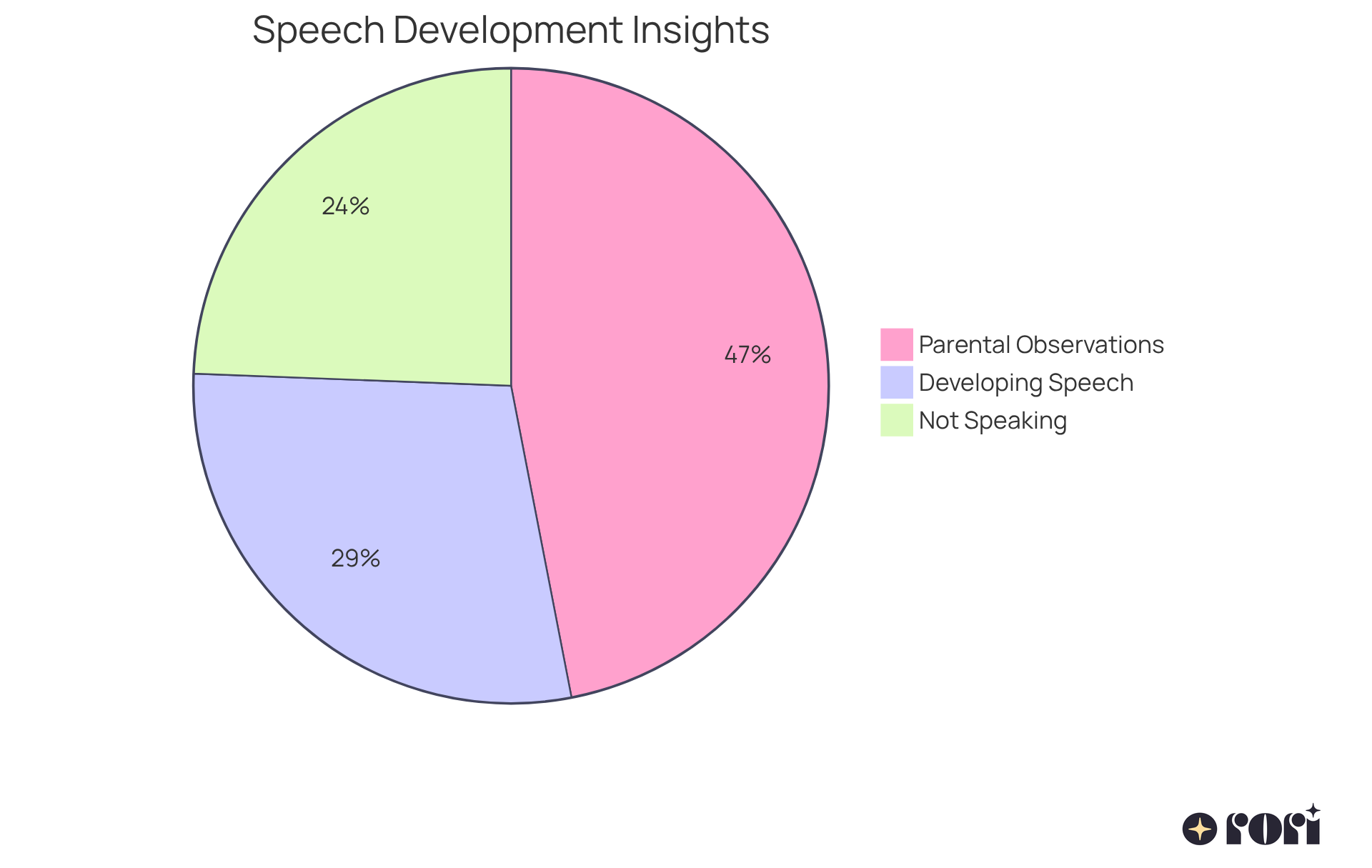
Did you know that about 40% of kids with autism might not speak at all when they’re little? Many others face significant delays in picking up language. Early intervention through speech therapy, especially using Applied Behavior Analysis (ABA), can really help. It’s been shown to boost communication skills in autistic toddlers. In fact, studies reveal that 47% of kids who were previously nonverbal and received high-quality, intensive ABA therapy start to develop some functional speech. That’s pretty encouraging!
Here at Rori Care, we’re all about tailoring ABA therapy to fit your child’s unique needs! Our compassionate clinicians create customized programs that range from 10 to 40 hours a week, ensuring your child makes progress without feeling overwhelmed. Plus, it’s crucial for parents to get involved. Did you know that 77% of parents notice signs of autism in toddlers age 1 as developmental issues before their child turns two? If you see your child struggling, don’t hesitate to reach out for help - we’re here to support you! Remember, seeking help early can pave the way for your child’s communication success.
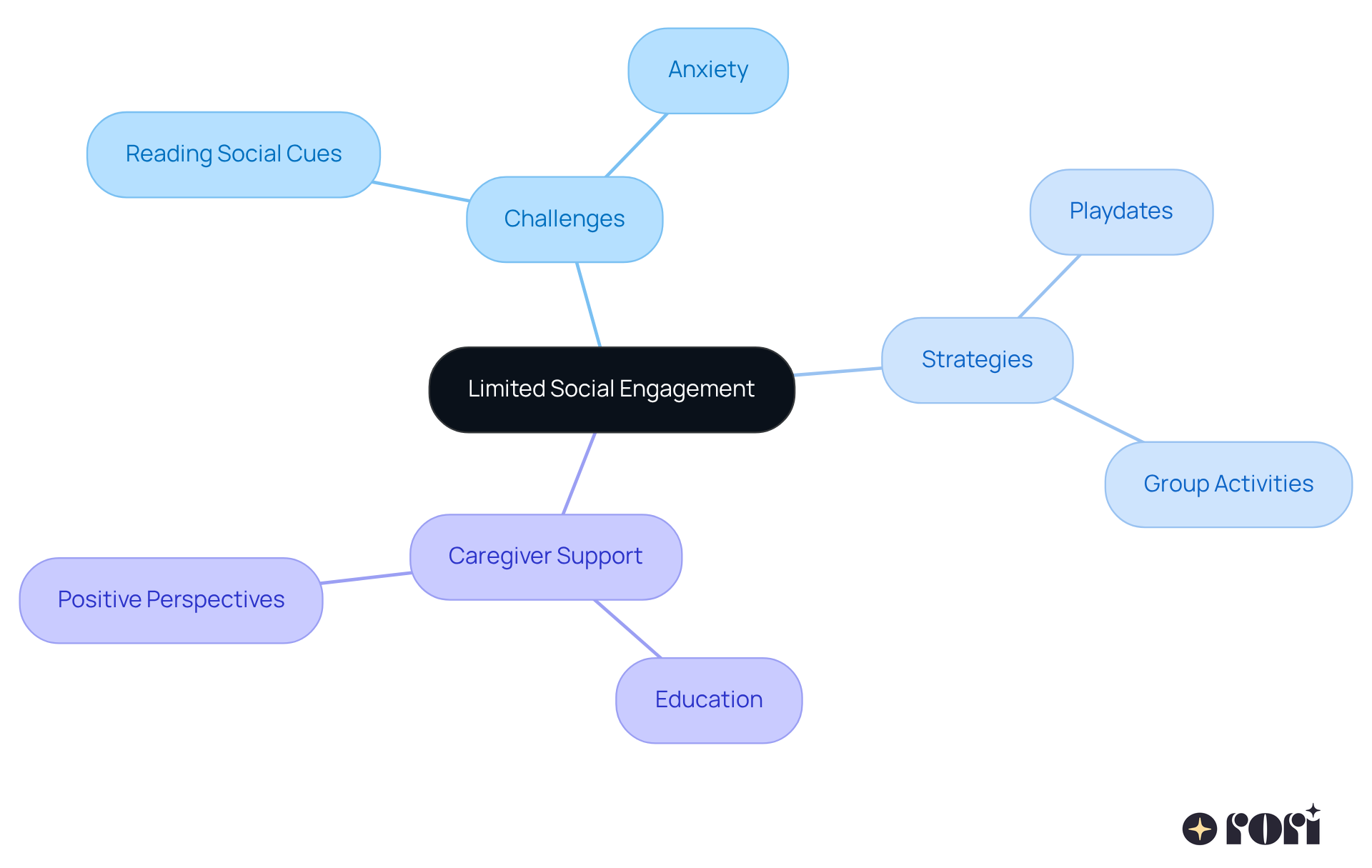
It can be tough to watch your child prefer playing alone while others are making friends. Many kids with autism struggle to read social cues and kick off conversations, which can make them feel anxious and unsure. Setting up playdates or group activities can really help your child practice social skills in a friendly setting.
At Rori Care, we know how important it is for kids to have structured social interactions. Our personalized behavior intervention plans, crafted by certified analysts, focus on measurable goals and evidence-based methods to boost social skills and emotional regulation. Plus, we provide caregiver education to equip parents with the tools they need to support their child's behavioral goals.
Remember, positive parental perspectives can lead to better social skills and emotional regulation for kids with ASD. If social worries linger, reaching out to Rori Care can provide tailored strategies that truly make a difference.
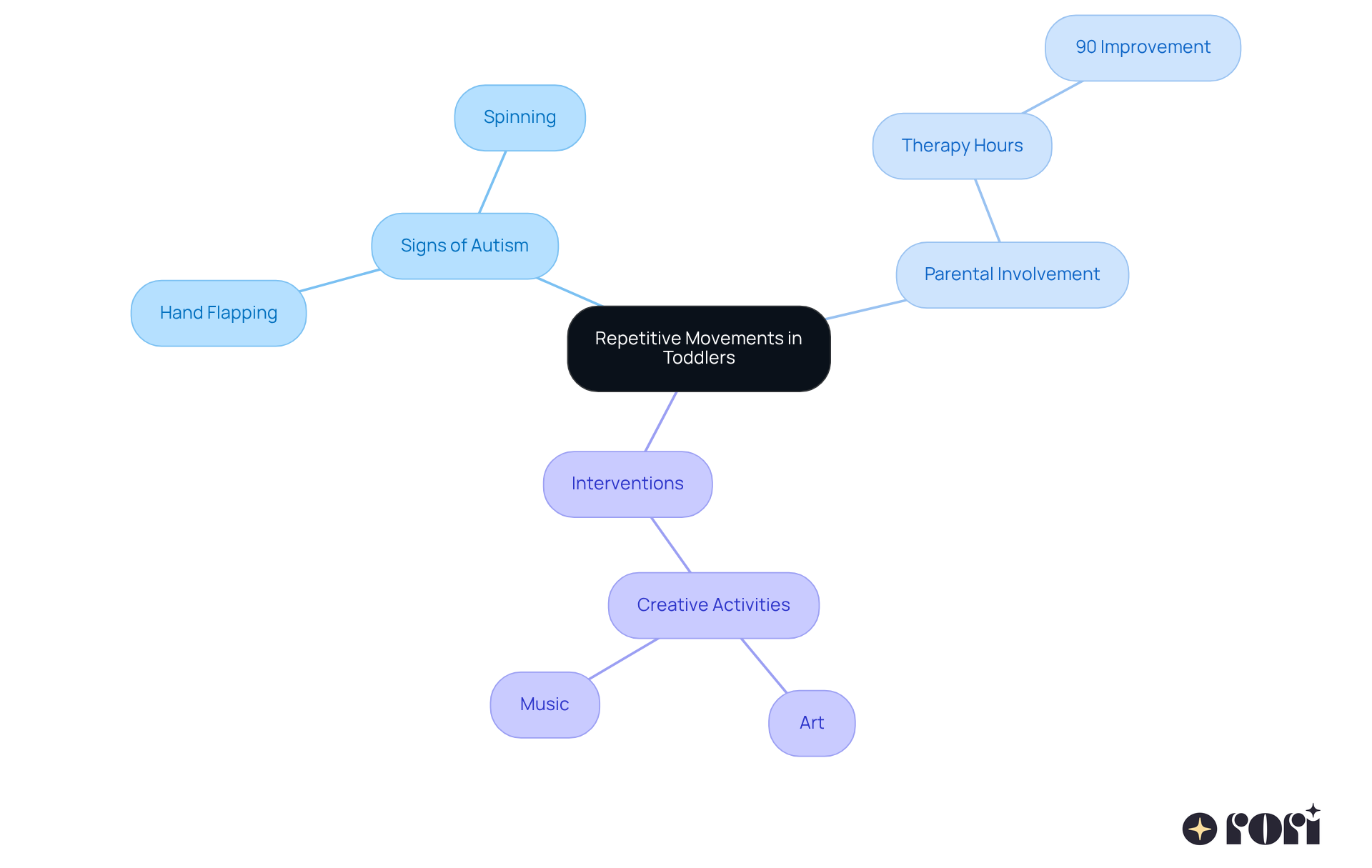
Have you ever noticed your child flapping their hands or spinning in circles? It can be puzzling, right? Repetitive actions like these are common and can be considered signs of autism in toddlers age 1, often serving as ways for them to soothe themselves or express excitement. As a parent, keeping an eye on when and how often these movements happen can really help you understand what your child is feeling.
Getting your child involved in fun, structured activities can really help channel those behaviors in a positive way, making them feel more comfortable and stable. Many experts suggest that these self-soothing behaviors can be redirected through creative activities like art or music, which can really help with emotional regulation and communication.
When parents get involved in these interventions, it can lead to amazing progress - 90% of kids show improvement when parents stick to the recommended therapy hours! And if you notice any self-injurious behaviors, don’t hesitate to reach out for professional support - it’s okay to ask for help! Recognizing signs of autism in toddlers age 1 is the first step toward creating a nurturing environment where your child can thrive.
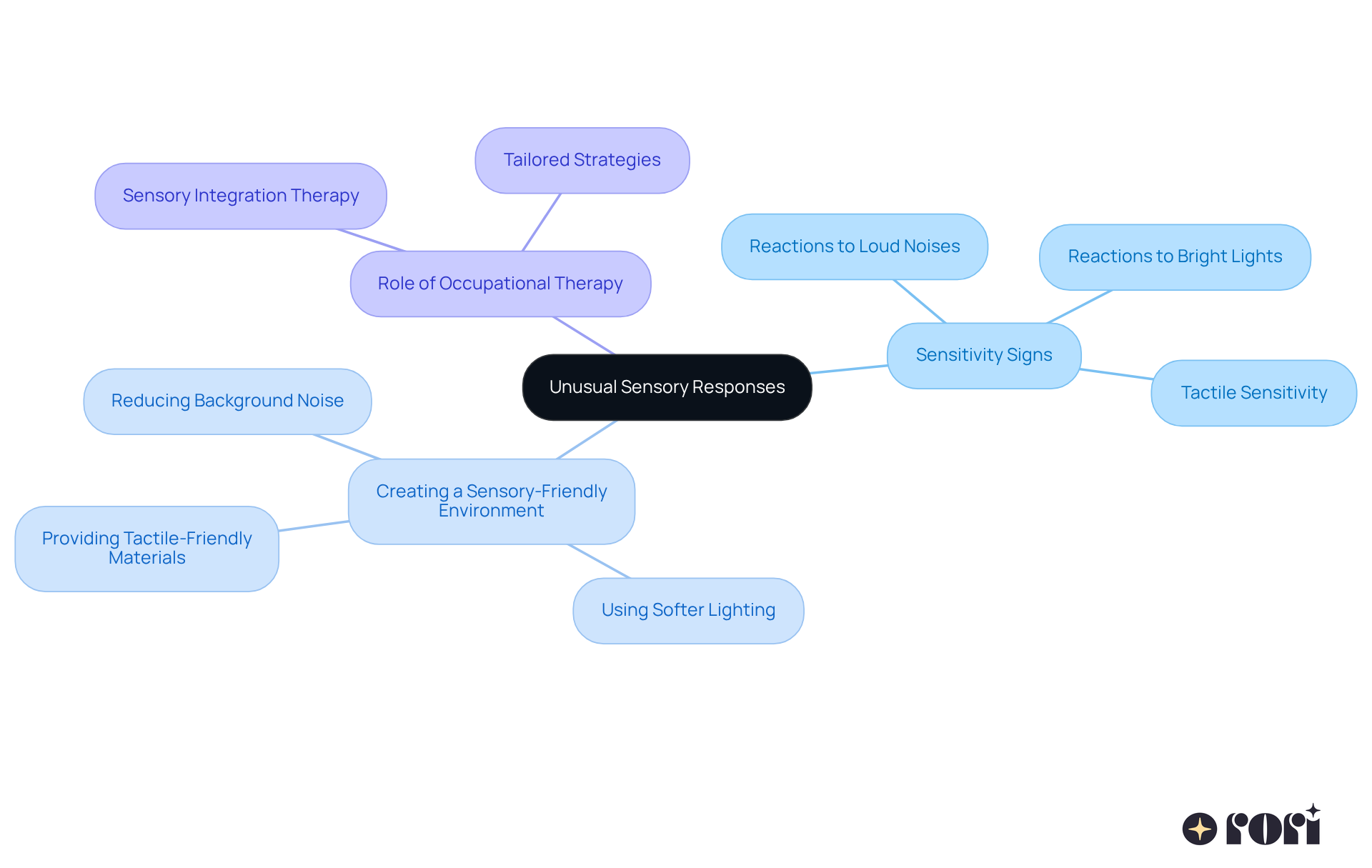
Have you ever watched your child react to a loud noise or bright light and wondered why it affects them so deeply? Children with autism often experience sensory responses that are quite different from their peers. Sometimes, kids react in ways that leave us scratching our heads, like when a loud noise sends them into a panic while others seem unfazed. In fact, up to 95% of parents report that their children with autism display unusual sensory behaviors, which can really impact their daily lives and interactions.
To help these young individuals, creating a sensory-friendly environment is key. This might mean:
That’s where occupational therapy comes in, helping kids learn to navigate their sensory world with confidence. Therapists often use tailored strategies, like sensory integration therapy, which can make a big difference in how kids manage their sensitivities.
Quotes from occupational therapists really emphasize the importance of understanding these unique sensory responses. One therapist shared that sensory-seeking behaviors can actually help kids cope with overwhelming stimuli, leading to safer and more socially appropriate behaviors. By recognizing and addressing these sensory challenges, you can create a supportive environment that enhances your child’s comfort and overall development.
So, let’s explore this together! By creating a sensory-friendly space, you’re not just helping your child cope; you’re giving them the chance to thrive in their own unique way.
It’s tough when your child’s emotions seem to come out of nowhere, leaving you feeling lost. Children with autism may display inconsistent emotional reactions, like sudden outbursts of anger or long periods of withdrawal. It’s important to take a moment to notice how your child reacts emotionally, as these responses can be tricky to understand and might come from challenges in processing feelings.
We’re here to help you every step of the way with strategies that make it easier for your child to express their feelings. Our exceptional clinicians at Rori Care offer expert advice on fostering emotional regulation techniques. With the right support, you can help your child navigate their feelings more smoothly, creating a happier home for everyone. This approach not only promotes consistency at home but also leads to better behavioral outcomes and improved family dynamics.
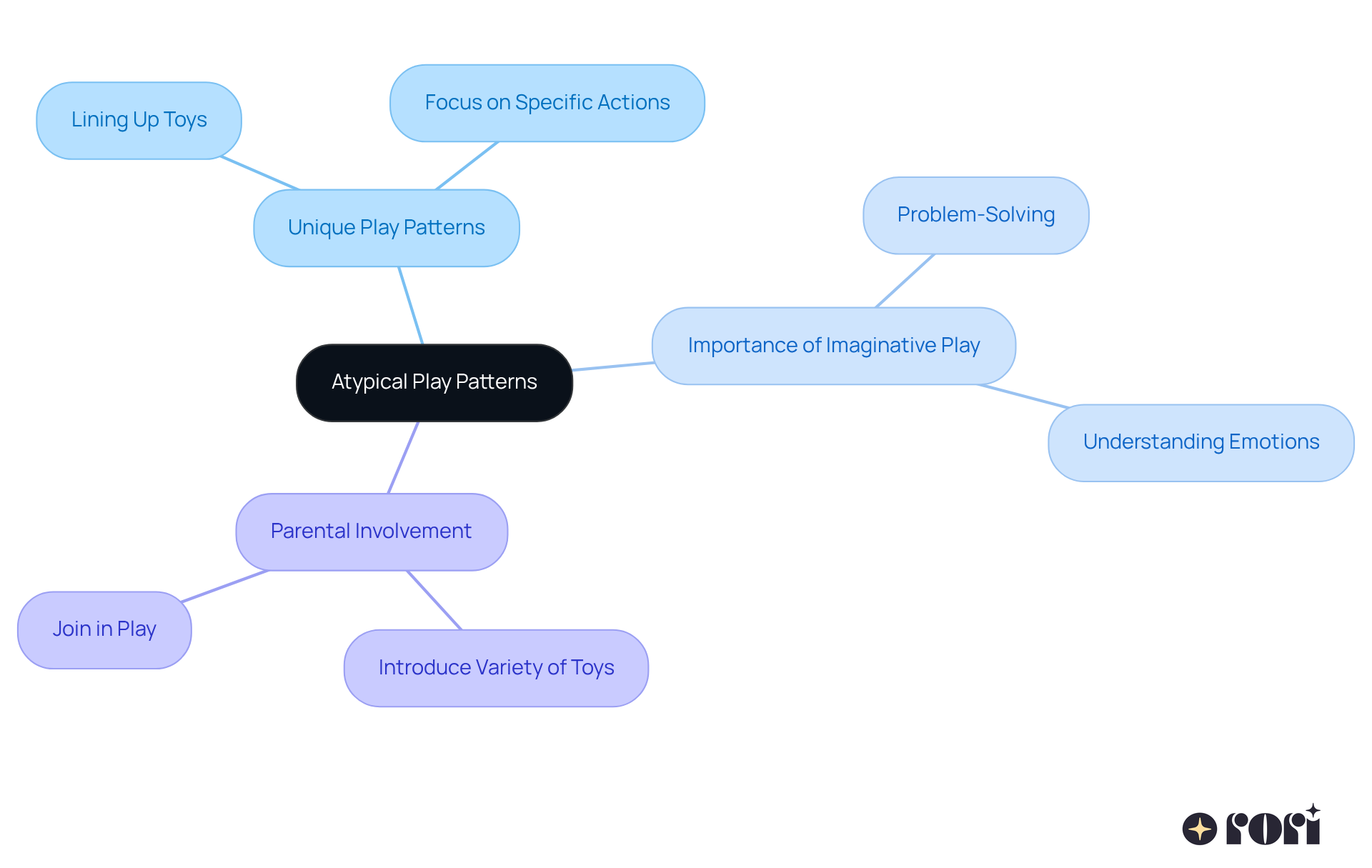
Have you noticed your child playing differently than their friends? Children who display signs of autism in toddlers age 1 often have unique play patterns. They might prefer to line up toys or focus on specific actions instead of engaging in pretend play. Did you know that imaginative play is super important for your child's growth? It helps with problem-solving and understanding emotions. Experts say mixing up playtime with different toys can really help!
As parents, creating opportunities for imaginative play can make a big difference. Try introducing a variety of play materials and join in on the fun! If you notice signs of autism in toddlers age 1, such as your child's play feeling a bit limited, don’t hesitate to reach out for help! Remember, with the right support, your child can thrive in their play and social skills. Reaching out for help can open doors to new play experiences for your child.
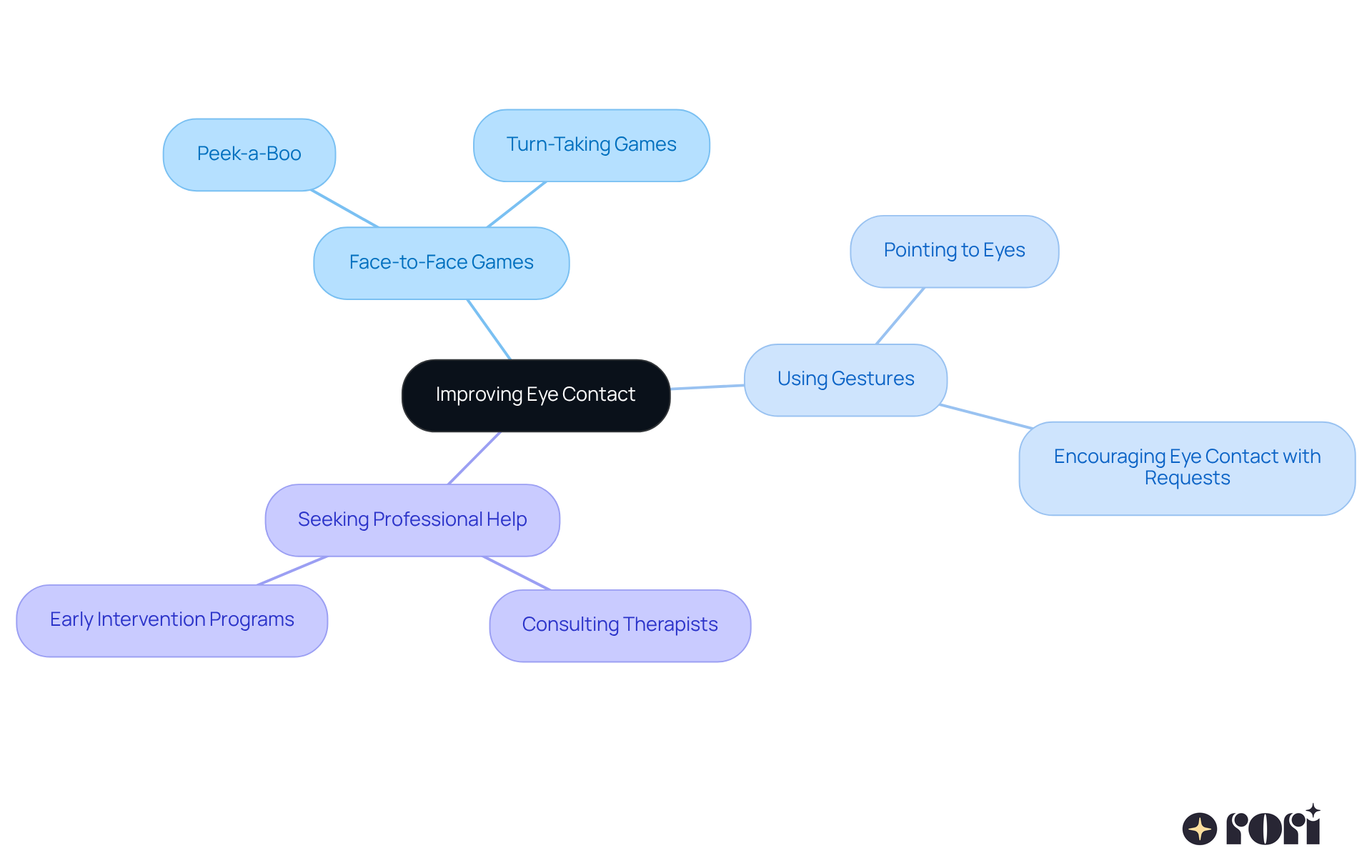
It can be tough to see your child struggle with something as simple as eye contact. You might find that eye contact challenges can come from neurological factors. But don’t worry - there are ways to help!
Remember, getting support early can make a world of difference in how your child connects with others.
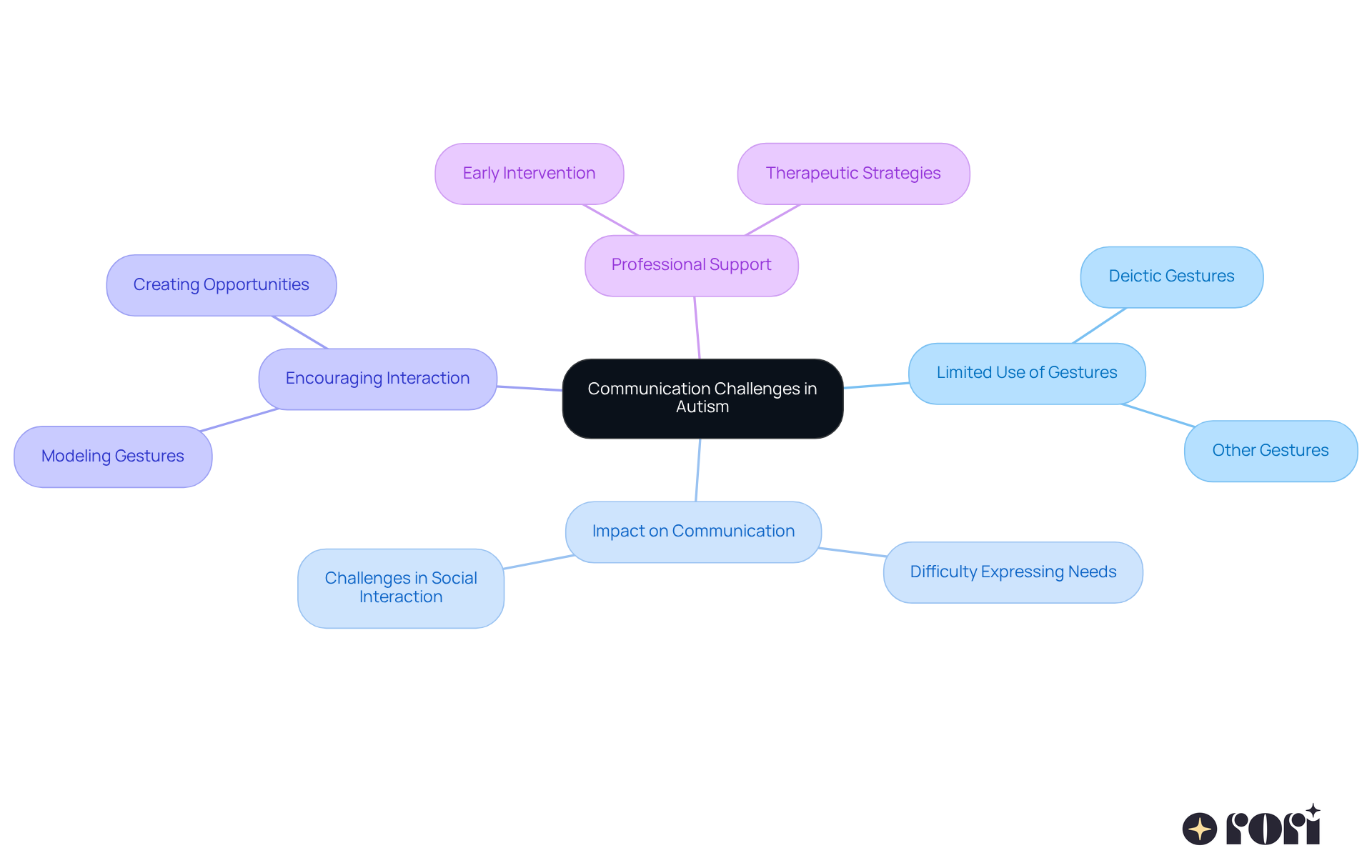
Have you noticed the signs of autism in toddlers age 1, as some kids with autism might not use gestures like pointing or waving? This can really make communication tricky. Studies show that kids with autism often use fewer gestures than their peers, which can make it harder for them to express themselves. To help, one great way to encourage interaction is by showing your child gestures during your conversations! You can also create opportunities for them to express their needs through gestures.
Motivating little ones to use deictic gestures - those that draw attention to objects or events - can really boost their communication skills. These gestures are often among the signs of autism in toddlers age 1 that are most affected. By sharing knowledge and skills based on ABA principles, Rori Care empowers parents to actively support their child's communication goals. If you notice this becoming a challenge, don’t hesitate to reach out for professional support! Early intervention can make a big difference in communication outcomes.
As one specialist wisely said, 'Every attempt is a step closer to expressing yourself fully.' This really highlights how important it is to keep encouraging your child to express their ideas. Remember, every little effort counts, and your support can make a world of difference!
Noticing signs of autism in toddlers age 1 can feel daunting, but you’re not alone in this journey. It’s important to reach out for help as soon as you notice any signs of autism in toddlers age 1. At Rori Behavioral Innovations, we’re here to provide personalized support and evaluations that fit your child’s unique needs.
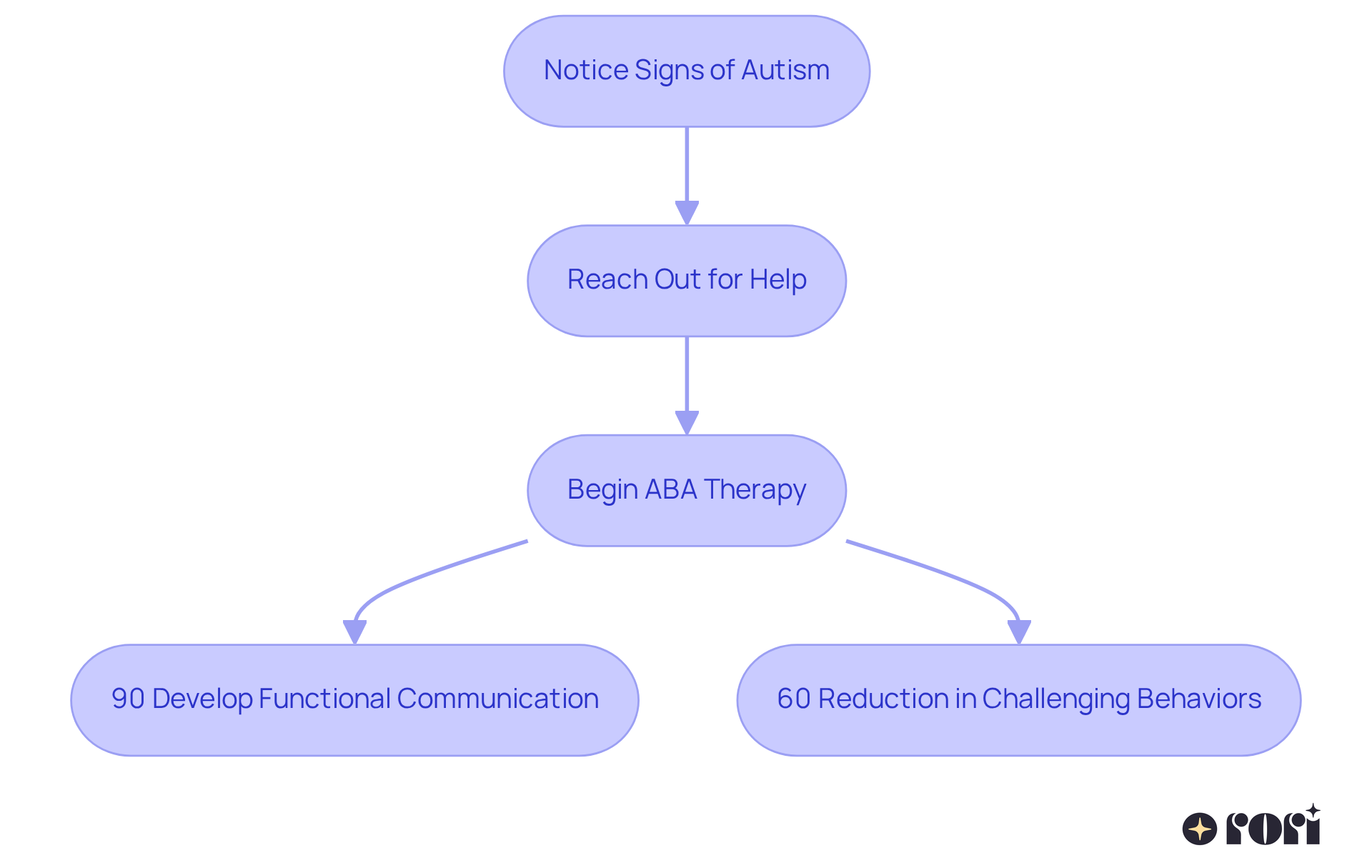
Research shows that taking action early can really boost your child’s social skills and overall development. For example, kids who begin ABA therapy around age two often see big improvements in their language and thinking skills - up to 90% can develop functional communication! Plus, early intervention can cut down on challenging behaviors by 60% in just six months, helping your child engage more with family and friends.
We’re committed to empowering families with the resources and support they need to help their children thrive and reach their full potential. By reaching out for support, you’re giving your child the best chance to thrive and grow in a loving environment.
As parents, we often find ourselves juggling countless responsibilities, and recognizing the signs of autism in our toddlers can feel like just another challenge on our plates. It’s so important for us as parents to help our little ones grow and thrive. This article has outlined ten key indicators that can help us identify potential challenges early on. By understanding these signs, we can take proactive steps to support our children and create a nurturing environment.
Let’s break down some key signs to look out for:
Each of these signs presents unique challenges and opportunities for intervention, reminding us of the importance of early detection and tailored support strategies.
Reaching out for professional help, like ABA therapy, can really make a difference in your child’s communication journey. By seeking guidance, we empower ourselves and our children to thrive. Recognizing these signs and acting upon them not only improves our child’s quality of life but also nurtures a stronger family bond that can lead to a brighter future for everyone.
What is lack of joint attention and why is it important?
Lack of joint attention is when a child does not point at objects or engage with others during shared moments. It is important because it can affect interactions and communication, making both the child and parents feel isolated.
How can parents support their child's joint attention skills?
Parents can support their child's joint attention skills by engaging in fun activities like reading together or playing games, which can enhance connection and improve family dynamics.
What is delayed speech development and how can it relate to autism?
Delayed speech development refers to a child not babbling by 12 months or not using single words by 16 months. It can be a sign of autism, making it difficult for the child to express needs and connect with others.
What percentage of children with autism may not speak at all?
About 40% of kids with autism might not speak at all when they are young.
How can early intervention help with speech development in autistic toddlers?
Early intervention through speech therapy, particularly using Applied Behavior Analysis (ABA), can significantly improve communication skills. Studies show that 47% of previously nonverbal children who received intensive ABA therapy begin to develop functional speech.
What kind of therapy does Rori Care provide for children with autism?
Rori Care provides customized ABA therapy programs tailored to fit each child’s unique needs, ranging from 10 to 40 hours a week.
Why is parental involvement important in addressing autism signs?
Parental involvement is crucial because 77% of parents notice signs of autism as developmental issues before their child turns two. Engaging with professionals can help support the child’s communication success.
What are some signs of limited social engagement in children with autism?
Limited social engagement may manifest as a child preferring to play alone instead of interacting with peers and struggling to read social cues or initiate conversations.
How can Rori Care assist with improving social skills in children with autism?
Rori Care offers personalized behavior intervention plans that focus on measurable goals and evidence-based methods to enhance social skills and emotional regulation, along with caregiver education to help parents support their child effectively.
What should parents do if they have concerns about their child's social skills?
If social worries persist, parents should reach out to Rori Care for tailored strategies and support that can make a difference in their child's social development.