Noticing the early signs of autism in toddlers can feel like a daunting task for many parents. As your little one reaches the age of two, you might notice some unique behaviors that could signal the need for a closer look. Let’s explore ten important signs of autism that every parent should keep an eye out for, providing insights that can empower you to support your child's growth and social skills. Imagine the difference it could make in your child's journey if you could spot these signs early on!
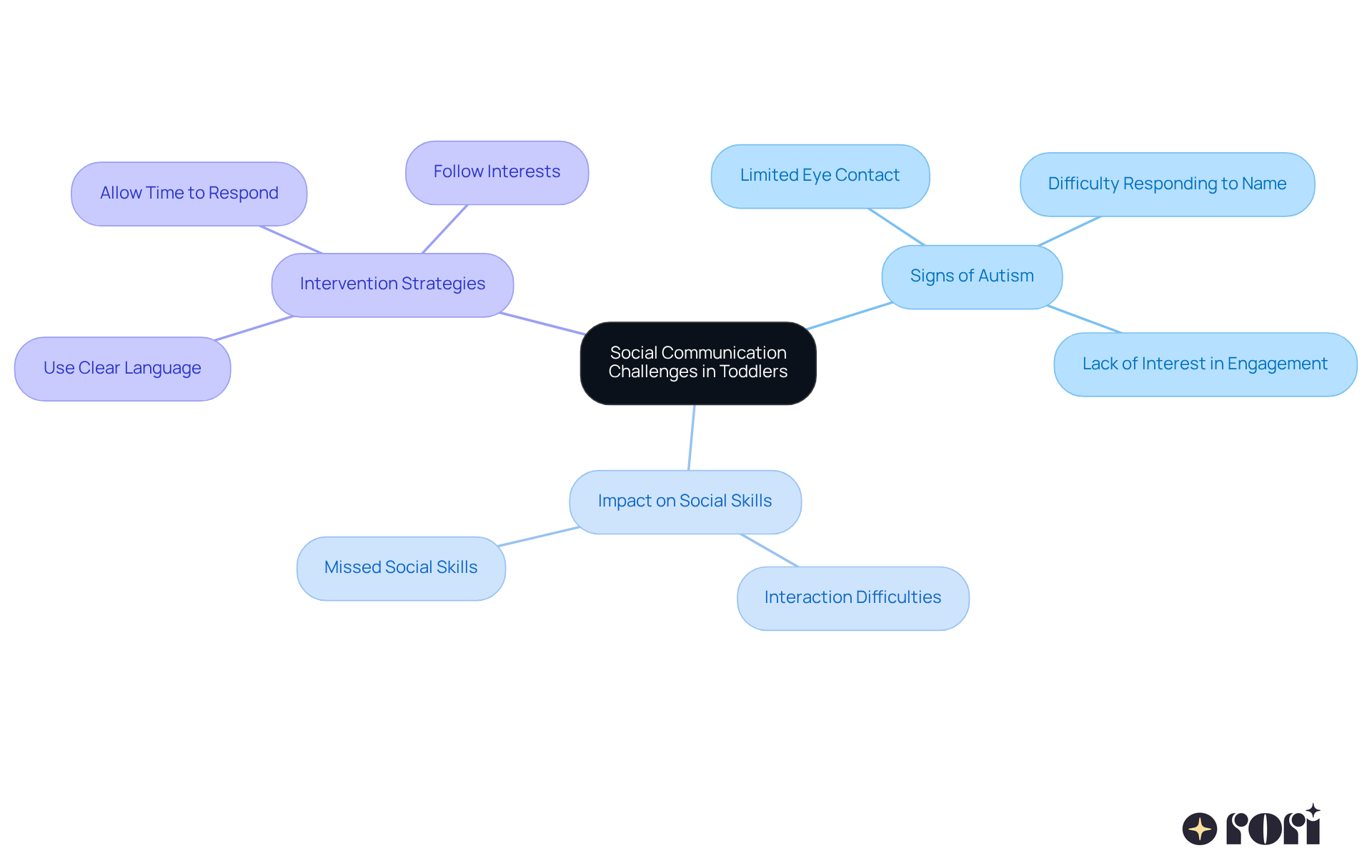
Have you ever noticed your toddler not making eye contact or seeming uninterested in playing with others? Social communication challenges in toddlers can show up in various ways, like limited eye contact, difficulty responding to their name, and a lack of interest in engaging with others. By age 2, signs of autism in toddlers age 2 often include different patterns of eye contact compared to their peers. For instance, they might prefer looking at mouths instead of eyes, which can make it harder for them to pick up on emotional cues and social signals.
It can be tough for parents to notice these signs, especially when they’re wrapped up in the joys and challenges of everyday life. Reduced eye contact is often seen as one of the signs of autism in toddlers age 2 and is linked to greater interaction difficulties later on. These kids may not initiate interactions or might seem uninterested in social cues, which are so important for building relationships. Without early intervention, these kids might miss out on crucial social skills that help them connect with others.
Recognizing these signs early can make a world of difference in your child’s social journey. Most youngsters receive a diagnosis after age 4, but signs of autism in toddlers age 2 can often be identified. Getting involved early, especially as a caregiver, can really help your child grow. Pediatricians suggest using simple, clear language, giving them time to respond, and following their interests to create natural opportunities for interaction. Let’s explore this together!
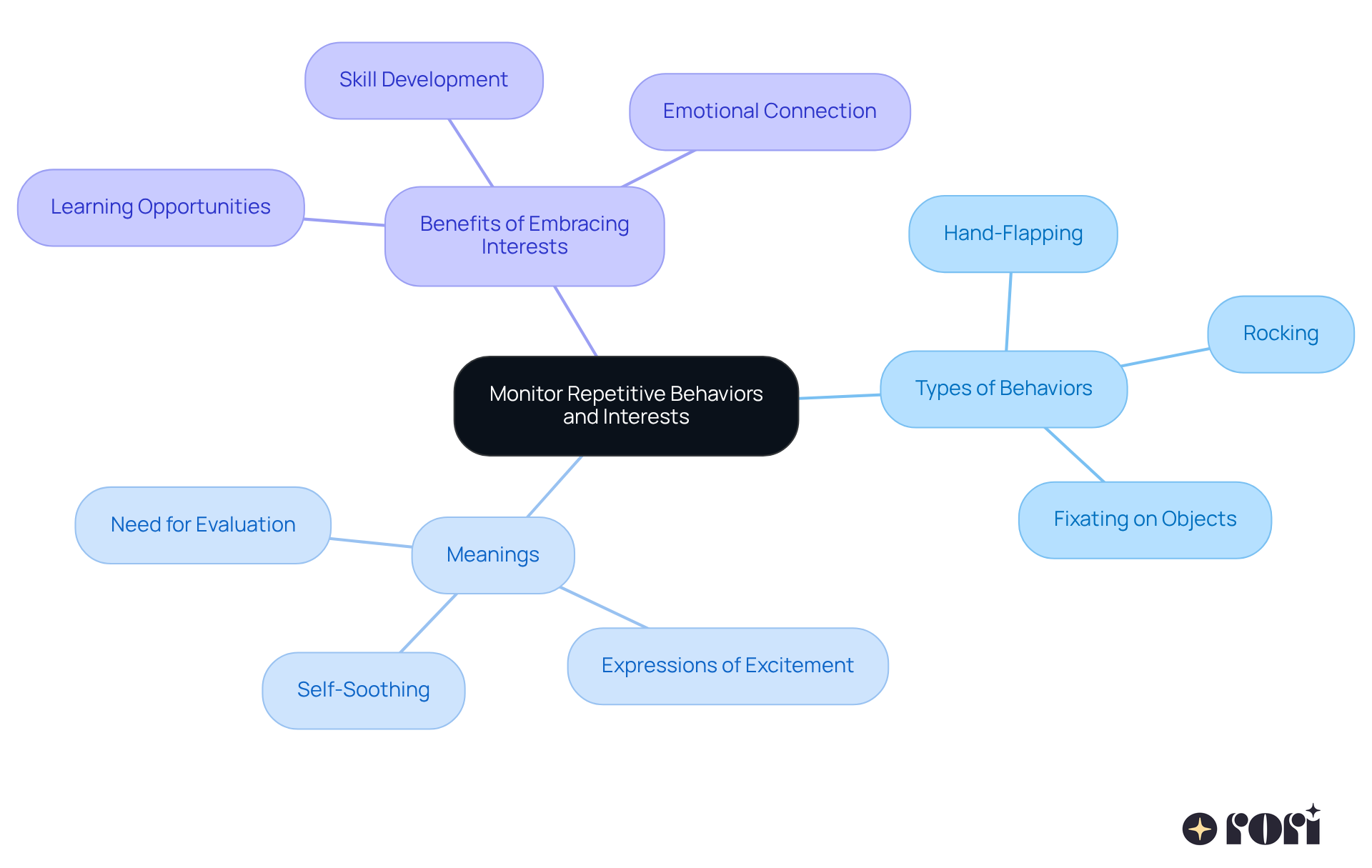
As parents, we often find ourselves puzzled by our little ones' unique behaviors, especially when it comes to autism. Repetitive behaviors and intense interests are common traits in toddlers with autism, and it’s important for us as parents to keep an eye out for these signs. You might notice your child hand-flapping, rocking, or fixating on specific objects or topics. For instance, they might spin a toy over and over or insist on playing with the same item every day.
These actions often serve as self-soothing mechanisms or expressions of excitement, but they can also signal the need for further evaluation. It can be tough to know what these behaviors really mean. Understanding these behaviors can really help us connect with our kids, offering insights into their emotional state and developmental needs.
Experts say that when we embrace these interests, it opens up amazing chances for our kids to learn and grow. By acknowledging and fostering these intense interests, we can create significant engagement opportunities, helping our little ones develop new skills while feeling secure in their unique ways of interacting with the world. Let’s explore this together!
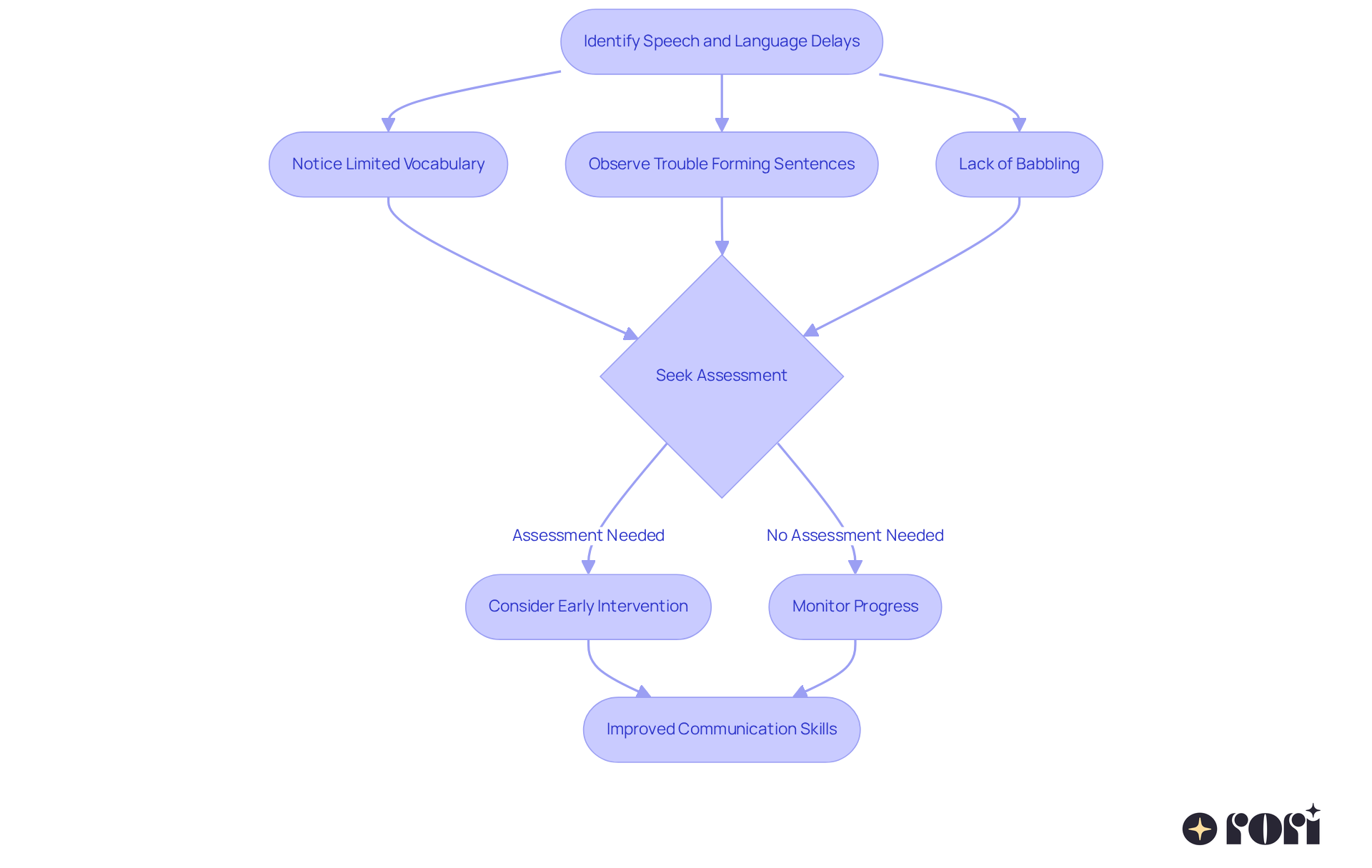
Noticing your toddler isn’t talking as much as their peers can be concerning for any parent. Speech and language delays in toddlers might show up as a limited vocabulary, trouble forming sentences, or even a lack of babbling. For example, if your little one isn’t using any words by age two or struggles to combine words into phrases, it might be time to seek further assessment.
Did you know that getting help early with speech therapy can really boost your child’s communication skills and overall growth? Research shows that about 67.6% of kids with speech issues and 66.8% with language difficulties receive intervention services. This highlights just how important it is to get prompt assistance.
You know, speech therapists often say that every challenge in communication is really just a chance to show how resilient our kids can be. Early speech therapy is crucial for nurturing effective communication skills, especially for young individuals with autism. As one therapist put it, 'Progress in speech therapy isn’t measured in perfection, but in persistence.'
Early identification of signs of autism in toddlers age 2 can lead to more effective interventions and better outcomes for your child. Many kids don’t get a final diagnosis until after age two, which can make things trickier. Many parents worry about their child's speech development, especially when they notice delays. Without early intervention, children may struggle with communication as they grow.
At Rori Care, we see amazing progress-90% of kids thrive when parents are actively involved and follow our suggested hours! Our behavior care engine keeps updating behavior intervention and skill acquisition plans after each session based on the progress made. This way, we ensure that treatment plans stay adaptive and tailored to each child’s unique needs. Taking action now can make a world of difference in your child’s communication journey.
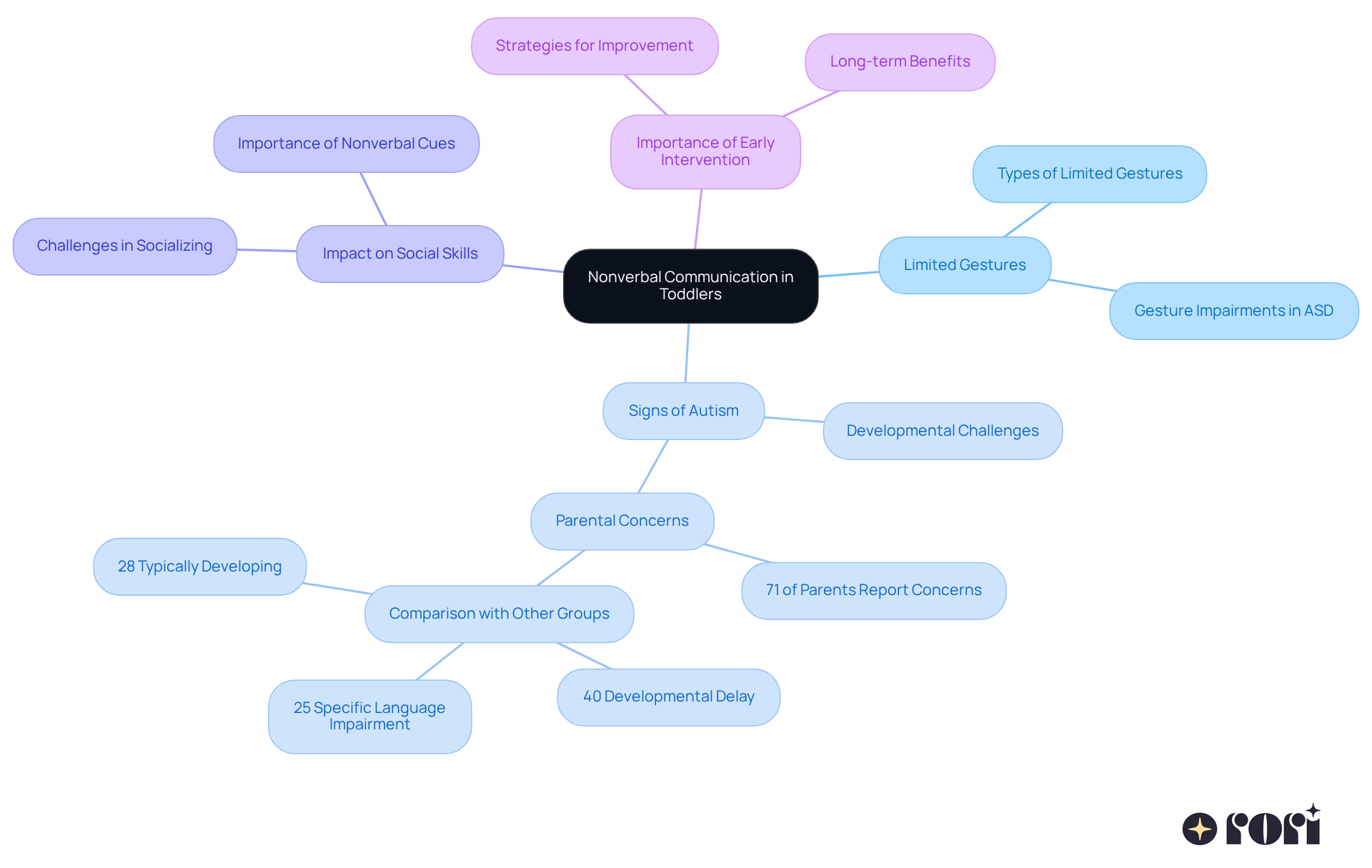
Have you ever noticed how your little one communicates without words? Limited gestures, such as not pointing or waving, can sometimes be considered signs of autism in toddlers age 2, indicating developmental challenges. It’s interesting to know that some kids showing signs of autism in toddlers age 2 might struggle with using gestures, which can make socializing and talking a bit tougher for them.
So, keep an eye on how your child uses gestures; it’s a key part of how they start to communicate! Improving these nonverbal skills can really boost their talking and connecting with others. With a little help, kids can really enhance their communication abilities.
Experts say that helping kids with these skills early on lays the foundation for better communication and social skills down the road. By tuning into these nonverbal cues, you can help your child thrive in their communication journey!
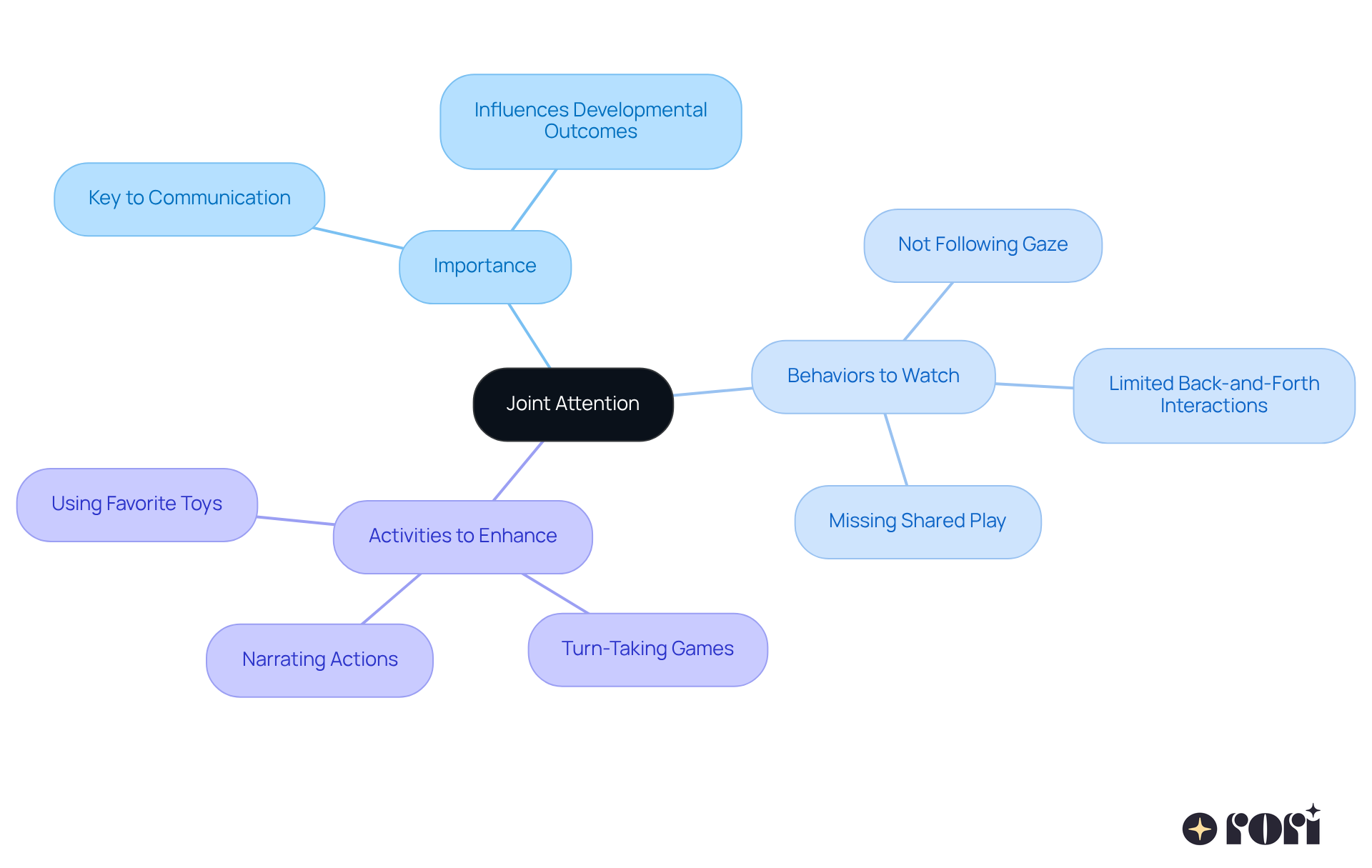
Have you ever noticed your child not quite connecting during playtime? Diminished joint attention can be a sign of developmental challenges. It might show up when your little one doesn’t follow your gaze or misses out on pointing at something interesting together. For instance, a toddler might not look at what you’re pointing to or shy away from shared play. This lack of joint attention can really impact how they interact with others and develop language skills, so it’s important for parents to keep an eye on these behaviors.
You might be surprised to learn that joint attention is key to how kids communicate and connect with the world around them. When children struggle with this, they often engage less socially, which can make learning language tougher. That’s why experts say early intervention focusing on joint attention is crucial; it can lead to better developmental outcomes down the line.
So, how can you help enhance joint attention? Engaging in activities that naturally promote shared focus is a great start! Think about:
For example, during playtime, pause after pointing out something cool, giving your child a moment to respond and connect. Plus, using their favorite toys can spark their interest and encourage those meaningful interactions.
Keeping an eye on how your child engages with others is super important, especially since reduced joint attention can be linked to autism. Kids who show fewer joint attention skills might be at a higher risk for developmental delays. By encouraging shared focus, you’re laying a strong foundation for your child’s interaction and language growth, ultimately supporting their overall development. By nurturing joint attention, you're not just helping your child communicate; you're opening doors to a world of connection and growth.
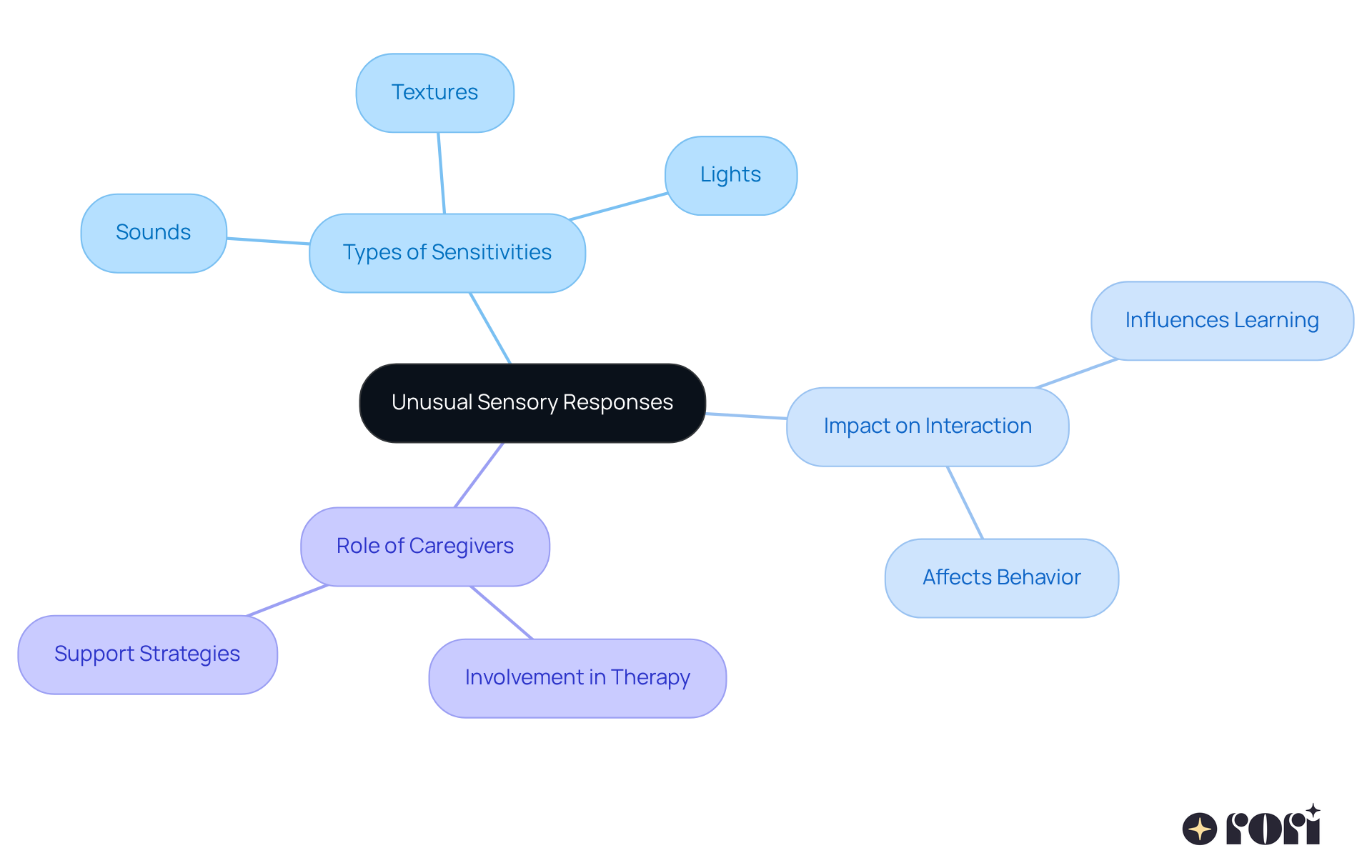
Have you ever noticed your child covering their ears when a loud sound hits? Unusual sensory responses can include extreme reactions to sounds, textures, or lights. For instance, some kids might feel overwhelmed by loud noises or certain fabrics. These sensitivities can really impact how your child interacts with the world around them, making it crucial to spot signs of autism in toddlers age 2 early on.
Here at Rori Care, we’re all about helping caregivers understand these challenges and using ABA strategies to make a real difference. By actively involving caregivers in the therapeutic process, we can better support young individuals' behavioral goals. Together, we can enhance their learning, verbal, and interpersonal skills through early intensive behavioral intervention (EIBI). Let’s explore this journey together!
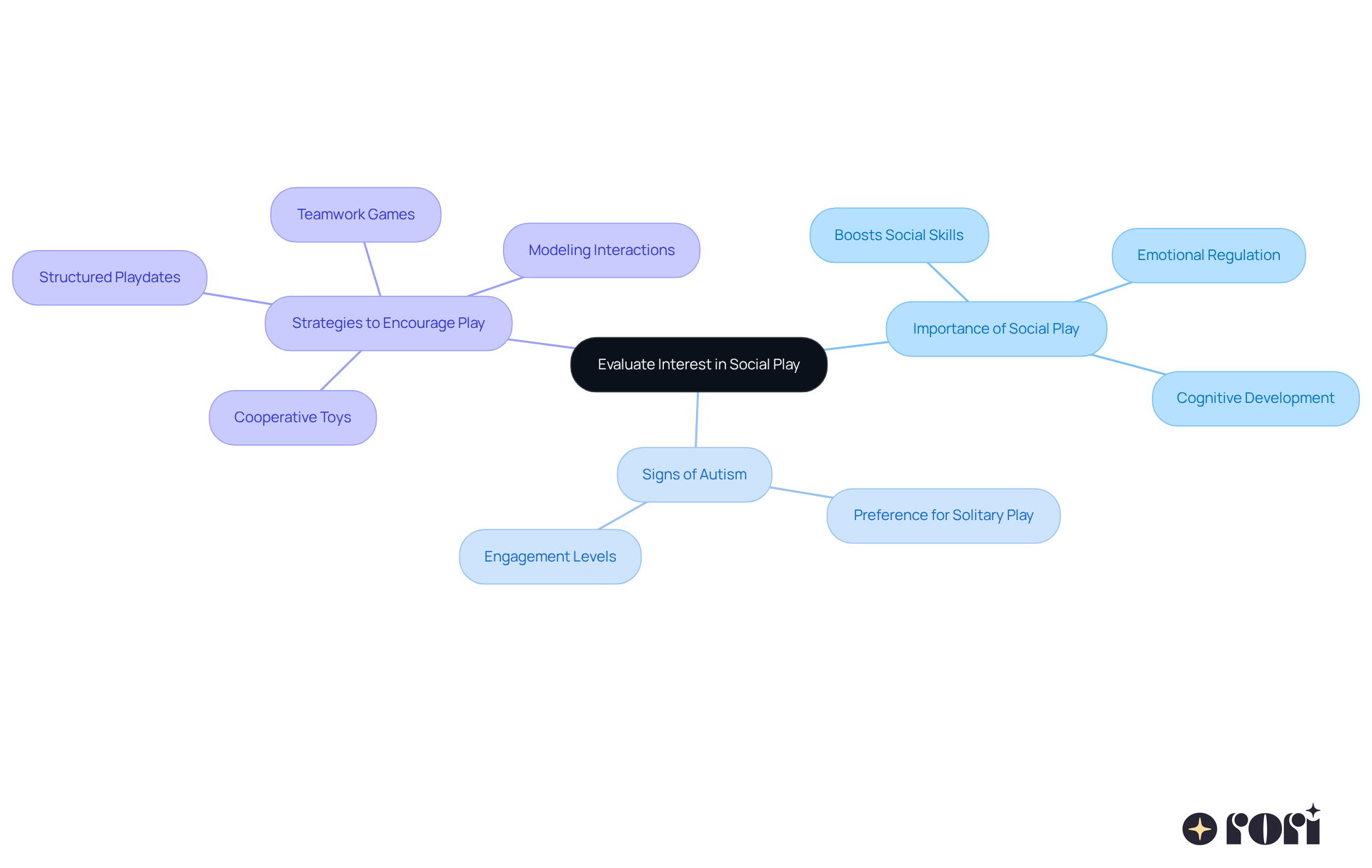
Have you noticed your child playing alone while others are having fun together? A lack of engagement in communal play can indicate signs of autism in toddlers age 2 and may point to developmental challenges. Kids who exhibit signs of autism in toddlers age 2 might prefer solitary activities and may not initiate play with their peers, which can be concerning. For example, studies show that signs of autism in toddlers age 2 often lead children with developmental disorders to spend about 30% of their playtime playing alone. Keeping an eye on your little one's interactions during playtime can reveal important insights into their social skills and growth.
Interactive play significantly influences the development of young individuals, particularly in recognizing signs of autism in toddlers age 2. When kids play together, it not only boosts their social skills but also helps with emotional regulation and cognitive development. Research indicates that children who engage in collaborative play activities tend to have better communication skills and stronger connections with their peers.
To encourage social play in your little ones, here are some friendly strategies you can try:
It’s important to pay attention to how your child interacts during playtime; it can reveal so much about their social skills and growth. Observing how often they start play, engage with others, and join in shared activities can provide valuable insights into their development.
Experts agree that playing with peers is key to helping kids grow emotionally and socially. Encouraging your little ones to play together not only supports their development but also helps them form lasting friendships. By creating an environment that promotes social play, you’re not just helping your child grow; you’re opening the door to friendships that can last a lifetime.
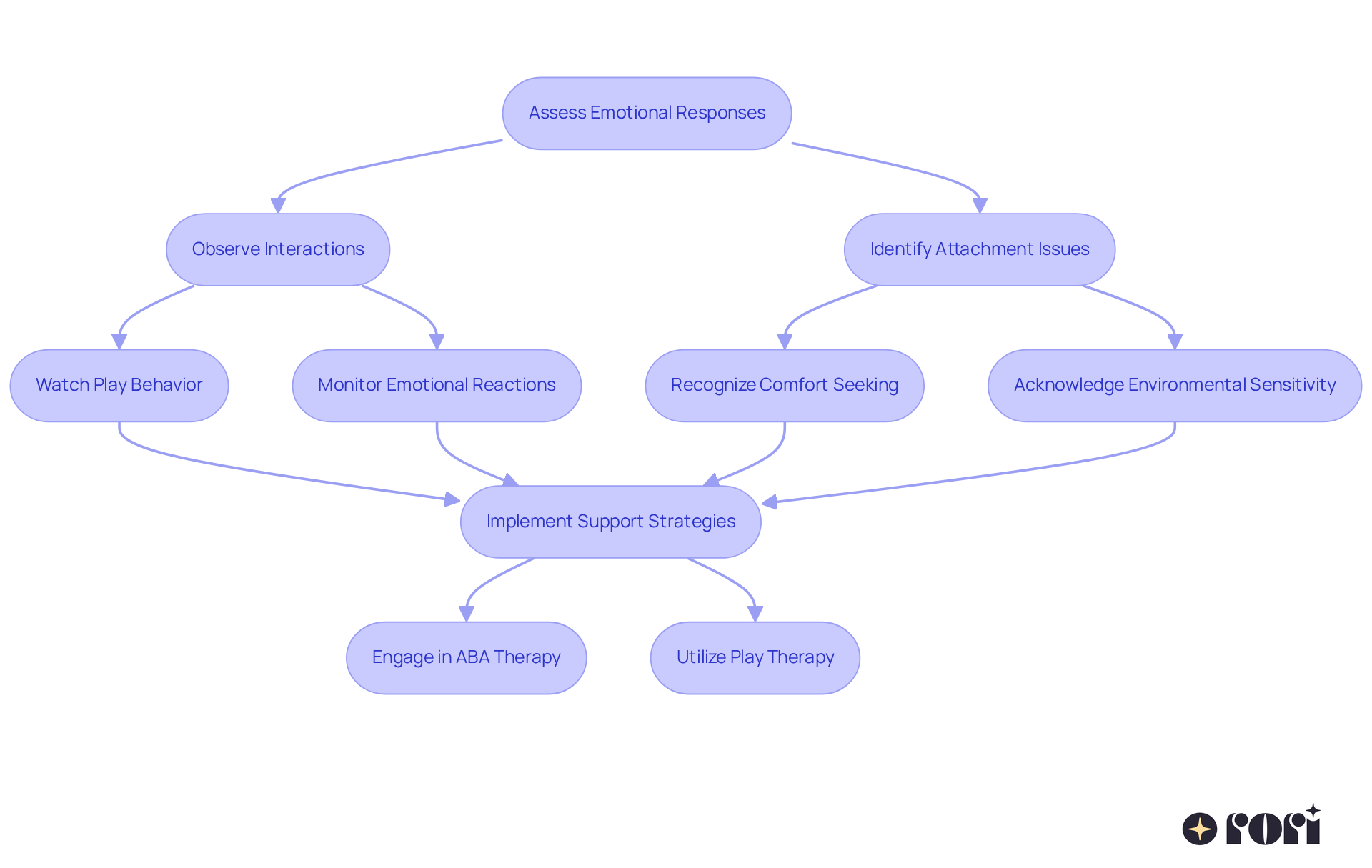
Navigating the emotional landscape of a child with autism can feel like a rollercoaster ride for parents. Kids with autism often have unique emotional responses that can really affect how they connect with others. For instance, a child might not instinctively seek comfort from a caregiver when they're upset or might react strongly to small changes in their environment. Getting a grip on these emotional responses can really help parents understand their child's needs better and find the right support.
Experts say that watching how kids interact and express their feelings can give us great insights into their attachments. Things like play therapy and parent training can really help kids build those important connections and manage their feelings better. It’s super important to recognize how attachment issues show up in toddlers with autism because it can affect their growth and social skills. When parents tackle these emotional and attachment challenges early, they can really help their kids navigate their unique journeys and thrive.
When parents actively participate in ABA therapy, about 90% of kids show amazing progress! At Rori Care, we’re all about helping families with ABA therapy, giving parents the tools they need to support their kids’ goals. Our caring team at Rori Care is here to provide families with the resources and support they need to understand developmental disorders and help their kids grow. Let's explore this together!
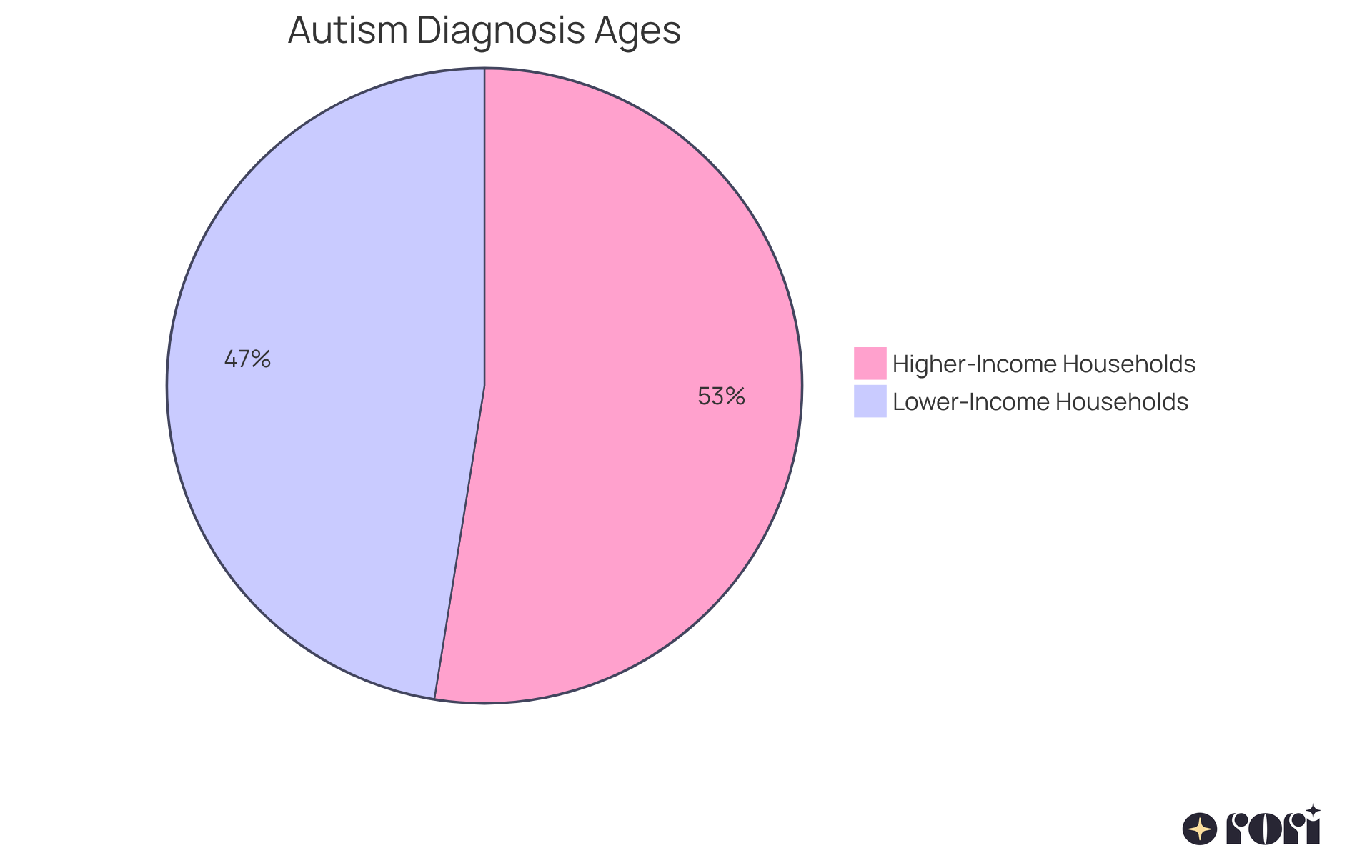
As a parent, spotting signs of autism in toddlers age 2 can feel daunting, but you're not alone in this journey. Getting an early assessment can really help clear up any worries and connect you with the right resources for your child. It's important to reach out to pediatricians or specialists who can perform thorough evaluations and outline the best course of action. Did you know that signs of autism in toddlers age 2 can be reliably diagnosed, yet the average diagnosis age in the U.S. is 5 years? This highlights the need for timely intervention. Interestingly, children from lower-income households are diagnosed sooner, at an average age of 4.7 years, compared to 5.2 years for those from higher-income families. This disparity shows just how crucial it is for all families, no matter their background, to have access to early diagnostic services.
Taking that first step to seek help can open doors to a brighter future for your child, so don’t hesitate to reach out! At Rori Care, our dedicated team is passionate about neurodiversity and the success of every young individual. We’re here to help you every step of the way to ensure your family gets the support you need. Plus, we emphasize the importance of Applied Behavior Analysis (ABA) therapy, a scientifically validated treatment covered by insurance, tailored to meet each child's unique needs.
Navigating the world of developmental disorders can be a daunting task for parents, can’t it? At Rori, we understand that every child is unique, and that’s why we offer personalized ABA therapy tailored just for them!
We use smart strategies and custom plans to help families and clinicians make real progress together. This way, we can make sure our approach is effective and always evolving to meet your child’s needs!
We’re here to help you every step of the way, so let’s explore these resources together!
It can feel overwhelming to spot the signs of autism in your two-year-old, but recognizing them is the first step toward helping your child thrive. Early identification of key behaviors, like social communication challenges and repetitive actions, empowers you to seek the evaluations and interventions that can make a difference. When you understand these signs, you’re not just helping your child; you’re also setting the stage for support that boosts their social skills and emotional growth.
Throughout this article, we’ve explored various indicators of autism in toddlers, such as:
Each of these signs plays a vital role in shaping your child’s ability to connect with others and navigate their world. By keeping an eye on these behaviors and reaching out to specialized resources, you can make informed decisions that positively impact your child’s journey.
Let’s not forget how vital early intervention is for your little one’s journey. Encouraging social play, fostering communication skills, and seeking professional evaluation when necessary are all steps that can lead to better outcomes for children on the autism spectrum. By staying alert and taking action, you’re giving your toddler the best chance to thrive and grow into their full potential. Together, we can open doors to a brighter future filled with connections and growth!
What are some signs of social communication challenges in toddlers?
Signs of social communication challenges in toddlers include limited eye contact, difficulty responding to their name, and a lack of interest in engaging with others. By age 2, toddlers may show different patterns of eye contact, such as preferring to look at mouths instead of eyes.
Why is early recognition of social communication challenges important?
Early recognition can make a significant difference in a child's social development. Without intervention, children may miss out on crucial social skills necessary for building relationships. Most diagnoses occur after age 4, but signs can often be identified by age 2.
How can caregivers support toddlers with social communication challenges?
Caregivers can support toddlers by using simple, clear language, giving them time to respond, and following their interests to create natural opportunities for interaction.
What are common repetitive behaviors and interests in toddlers with autism?
Common repetitive behaviors include hand-flapping, rocking, and fixating on specific objects or topics. These behaviors can serve as self-soothing mechanisms or expressions of excitement.
How can parents better understand their child's repetitive behaviors?
Understanding these behaviors can provide insights into a child's emotional state and developmental needs. Embracing their interests can create opportunities for learning and skill development.
What are signs of speech and language delays in toddlers?
Signs of speech and language delays may include a limited vocabulary, trouble forming sentences, or a lack of babbling. For instance, a toddler not using any words by age two or struggling to combine words into phrases may require further assessment.
Why is early intervention for speech and language delays important?
Early intervention can significantly boost communication skills and overall growth. Research shows that many children with speech or language issues receive intervention services, emphasizing the importance of timely assistance.
What role do parents play in their child's speech therapy progress?
Active involvement from parents can lead to remarkable progress in speech therapy. At Rori Care, it is noted that 90% of kids thrive when parents engage and follow suggested intervention plans.
How does Rori Care adapt treatment plans for children?
Rori Care's behavior care engine updates behavior intervention and skill acquisition plans after each session based on the child's progress, ensuring that treatment plans remain tailored to each child's unique needs.