Introduction
Play isn’t just fun; it’s a powerful tool for helping our kids grow and thrive! When we think about play, it’s easy to see it as just entertainment. But when combined with Applied Behavior Analysis (ABA) techniques, play takes on a whole new meaning. Play-based ABA therapy not only encourages social interactions but also creates a joyful learning environment where children can enhance their communication skills and emotional regulation.
So, how can we, as caregivers, tap into this playful approach to help our kids shine? By exploring the techniques and strategies for implementing play-based ABA, we can discover ways to improve social skills and strengthen family involvement in the learning process. Together, we can pave the way for a brighter future for our children with autism.
Define Play-Based ABA Therapy and Its Importance
Ever wondered how play can be a powerful tool for your child's growth? The essence of play-based ABA therapy lies in using play-based ABA to enhance social interactions, creating a fun space where kids can learn to interact, communicate, and manage their feelings! This approach involves using play-based ABA to enhance social interactions by combining the principles of Applied Behavior Analysis (ABA) with enjoyable play activities, allowing kids to develop important interpersonal skills in a natural setting.
Did you know that play isn’t just for fun? It’s a key part of how kids grow and learn! By tapping into their natural curiosity and drive, play-based ABA makes education a pleasurable experience. It creates an engaging environment where children can practice interactions, enhance communication skills, and improve emotional regulation.
Research shows that kids make significant strides in their social skills by using play-based ABA to enhance social interactions. Imagine your child thriving in social situations, all thanks to the magic of play! At Rori Care, our clinical leadership team is dedicated to supporting neurodiversity, ensuring families receive compassionate help tailored to their unique needs.
So, if you’re looking for a way to help your child navigate social situations, think about using play-based ABA to enhance social interactions. It’s not just about learning; it’s about growing together in a fun and supportive environment. Let’s explore this together!
Implement Effective Techniques for Social Skills Development
Navigating social interactions can be a real challenge for many kids, can't it? To effectively develop social skills through play-based ABA therapy, several fun techniques can help:
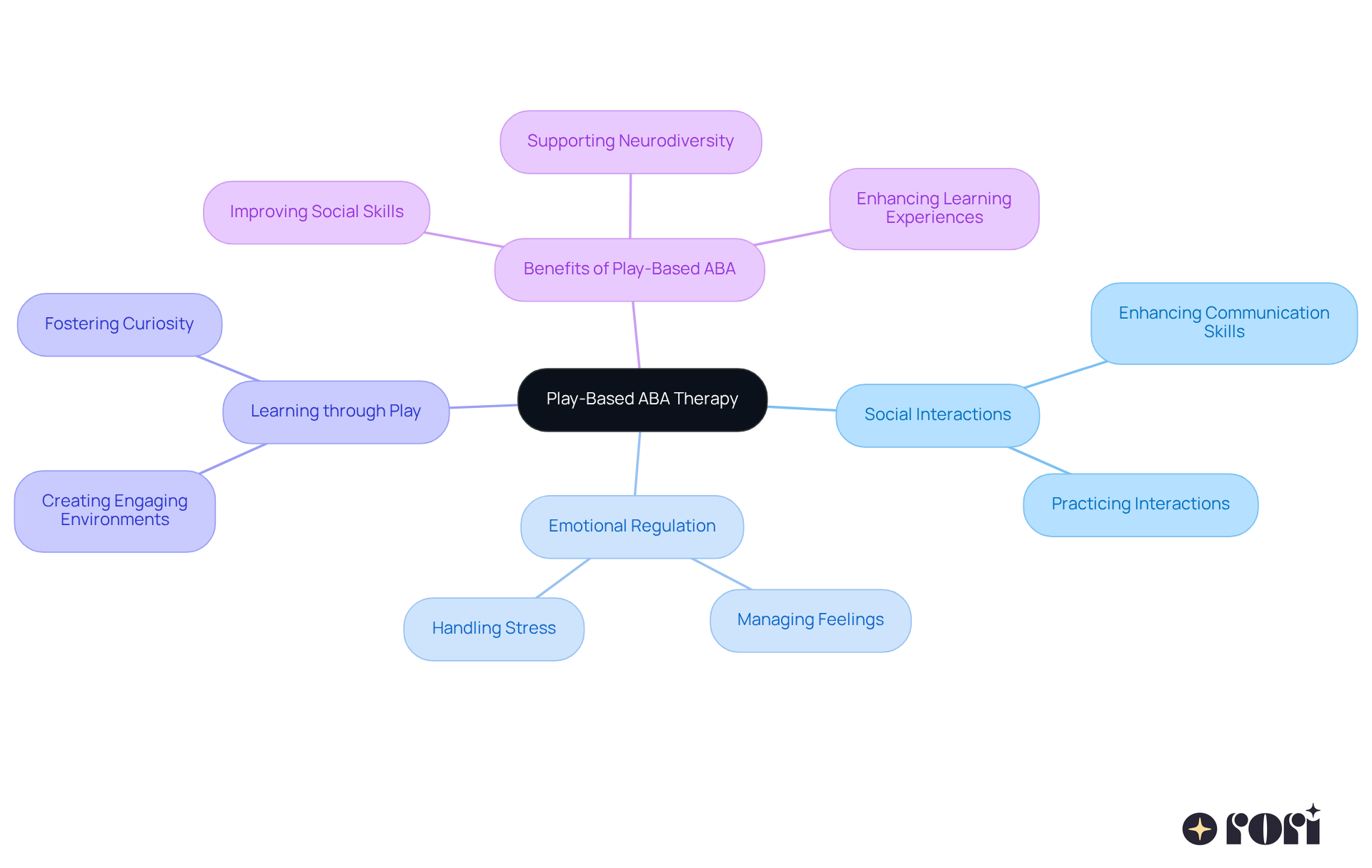
- Role-Playing: One fun way to help kids is through role-playing, where they can practice social situations in a safe space. For example, therapists can set up a play scenario where kids take turns being the 'shopkeeper' and 'customer.' This helps them learn how to start conversations and respond appropriately.
- Personal Narratives: Another great tool is using personal stories that reflect social situations. These stories help kids understand cues and how to react in different scenarios, making it easier for them to navigate friendships.
- Peer Modeling: Involving friends in play activities can really boost learning. Kids can watch and imitate their peers, picking up on positive behaviors and learning naturally through play.
- Turn-Taking Games: Games that require taking turns, like board games or group activities, are fantastic for teaching patience and sharing-key parts of effective interactions.
- Positive Reinforcement: When kids show good behaviors during play, like sharing or starting a conversation, it’s important to celebrate those moments! A little praise or a small reward can encourage them to keep it up in the future.
Kids gain confidence in their interactions and learn social skills by using play-based ABA to enhance social interactions. Imagine the joy of seeing your child confidently making friends and sharing their thoughts!
Engage Parents in the Play-Based Learning Process
Have you ever felt unsure about how to support your child’s learning at home? Involving caregivers in the play-based learning process is essential for maximizing the benefits of using play-based ABA to enhance social interactions in ABA therapy. Here are some friendly strategies to effectively involve parents:
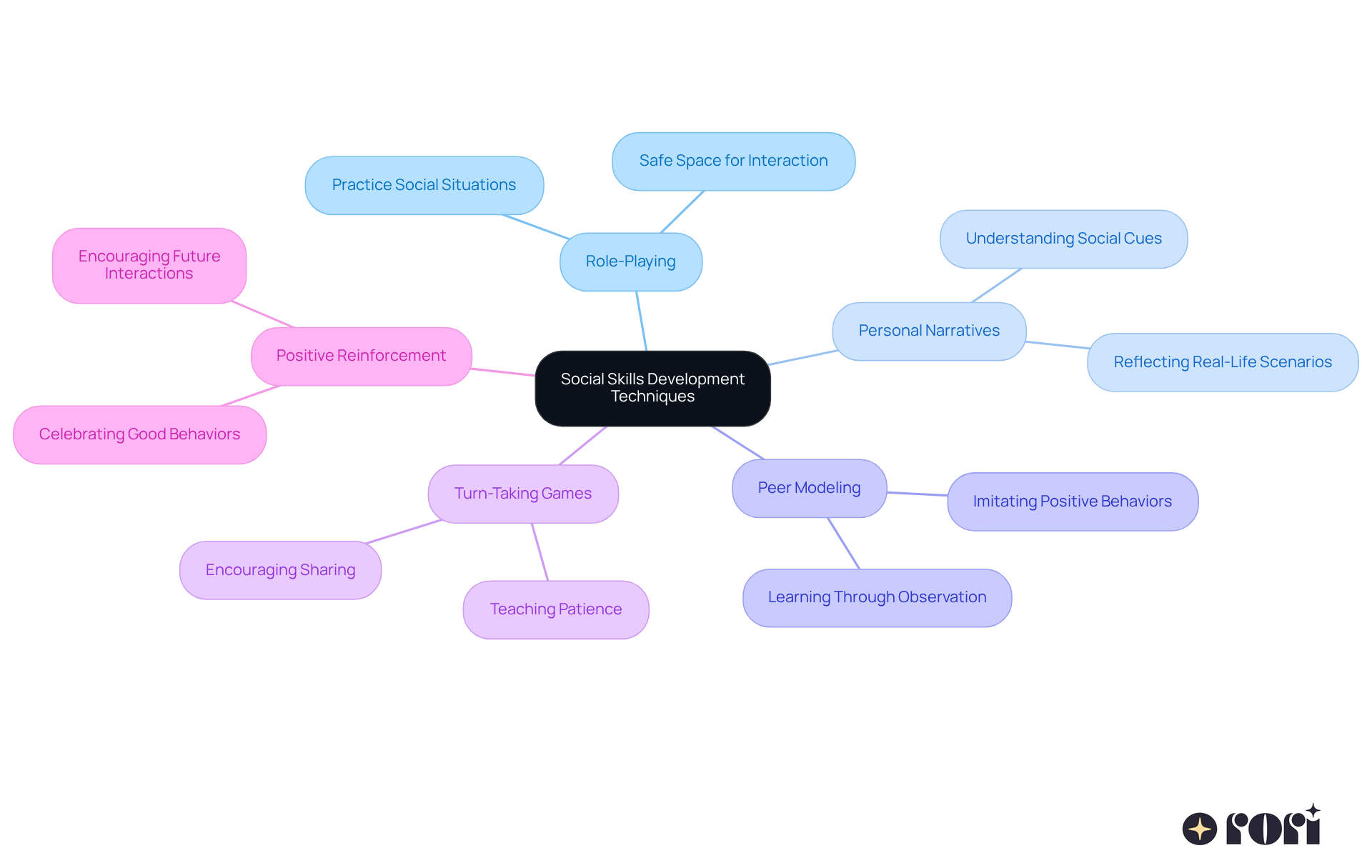
- Education and Training: When caregivers learn play-based techniques, they can easily help their kids practice skills at home. Workshops or informational sessions can assist caregivers in understanding the principles of ABA and how to apply them during play. You know, kids whose parents are really involved in their therapy see way fewer behavioral issues-about 47.7% less! Plus, when caregivers are educated, it boosts support and family dynamics, which is great for the child's progress.
- Collaborative Goal Setting: Involving parents in setting goals ensures that aims align with family values. This teamwork nurtures a sense of ownership and dedication to the treatment process. As we know, "Parent participation in ABA interventions is crucial for guaranteeing the consistent implementation of strategies, aiding skill generalization across various environments, and improving the youth's overall development."
- Regular Communication: Keeping open lines of communication between therapists and guardians is vital. Frequent updates on progress and challenges help guardians feel more connected to the treatment process and better prepared to assist their child. This connection is essential for effective skill generalization.
- Home Activities: It’s common for parents to feel a bit lost when trying to use new strategies at home. Suggesting specific play-based activities that caregivers can do reinforces skills learned in therapy. For instance, guardians can arrange playdates or join in on cooperative games that encourage social interaction. Kids learn best when they can apply new skills in different settings and with various people.
- Feedback Mechanisms: Encouraging guardians to share insights on their child’s progress allows for ongoing enhancement of techniques to better meet their needs. This active involvement can lead to a significant reduction in behavioral issues and enhance overall family dynamics.
By actively engaging parents in the play-oriented learning process, therapists can foster a nurturing atmosphere that improves kids' interaction skills and overall well-being, using play-based ABA to enhance social interactions. And remember, we’re here to help you every step of the way! Guidance on available payment options can also help families cover up to 100% of ABA treatment, making these essential services more accessible. By working together, we can create a brighter future for our children, filled with growth and joy.
Measure Progress and Adapt Strategies for Continuous Improvement
Many parents wonder if their child is truly benefiting from therapy, and tracking progress can feel overwhelming. Understanding how to assess progress in using play-based ABA to enhance social interactions is key to ensuring that strategies are tailored to each child's unique needs. Here are some friendly methods to help you keep track:
- Data Collection: It’s important to keep an eye on how your child is doing with specific behaviors and skills during therapy. This includes noting how often they interact socially, how long they engage in play, and how well they take turns. By analyzing this data regularly, therapists can pinpoint where your child might need extra support, making interventions more effective. Rori Care's behavior care engine updates intervention plans after each session based on what your child achieves, helping everyone make informed decisions.
- Baseline Assessments: Starting therapy with baseline assessments is a great way to see where your child begins. These assessments help set realistic goals and expectations, allowing therapists to customize interventions based on measurable results.
- Visual Analysis: Using visual aids like graphs or charts can make tracking progress more engaging. These visuals provide quick feedback on improvements, helping both therapists and parents see where more focus is needed. Tools like Theralytics turn raw data into easy-to-read charts, making it clearer to understand your child's journey.
- Parent and Teacher Feedback: Gathering insights from parents and teachers about how your child behaves in different settings gives a fuller picture of their progress. This feedback is crucial for adjusting treatment approaches, ensuring that interventions align with your child's real-life experiences. Involving caregivers fosters teamwork and enhances treatment effectiveness.
- Regular Review Meetings: Scheduling regular meetings to discuss progress is a wonderful way to stay connected. When everyone-therapists, parents, and caregivers-comes together to chat about progress, it really helps your child grow. Regular assessments keep everyone informed and involved in your child's ongoing development.
By implementing these measurement techniques, you can help ensure that using play-based ABA to enhance social interactions remains effective and responsive. This ultimately leads to better social skills development for children with autism. Plus, Rori Care emphasizes the importance of secure data storage methods, ensuring confidentiality and compliance with HIPAA regulations, which is crucial for maintaining trust and integrity in the therapeutic process. By staying engaged and informed, you can help your child thrive in their journey toward improved social skills.

Conclusion
Have you ever felt unsure about how to support your child's learning through play? Using play as a medium for learning not only enriches a child's development but also significantly enhances their social interactions. Play-based ABA therapy makes learning fun, letting kids practice important skills while they play and enjoy themselves. This approach creates an environment where children can thrive socially and emotionally.
Throughout this article, we’ve explored various techniques like role-playing, personal stories, and turn-taking games as effective ways to foster social skills. It’s also crucial for parents to get involved in this process. When therapists team up with parents, they build a strong support system that helps kids grow socially. By educating caregivers and encouraging collaboration, everyone can contribute to a nurturing environment for a child’s social growth. Plus, keeping track of progress through data collection and regular assessments ensures that strategies stay effective and tailored to each child's unique needs.
In the end, play-based ABA therapy is about more than just learning skills; it’s about creating a warm space where kids can build confidence and friendships. Embracing this approach not only benefits individual children but also fosters a community that values growth and understanding. By joining this journey, you’re not just helping your child; you’re becoming part of a community that celebrates growth and connection.
Frequently Asked Questions
What is play-based ABA therapy?
Play-based ABA therapy combines the principles of Applied Behavior Analysis (ABA) with enjoyable play activities to enhance social interactions, allowing children to develop important interpersonal skills in a natural setting.
Why is play important in child development?
Play is crucial for child development as it taps into their natural curiosity and drive, making education a pleasurable experience and facilitating growth in social skills, communication, and emotional regulation.
How does play-based ABA therapy help children?
Play-based ABA therapy helps children by creating an engaging environment where they can practice interactions, enhance communication skills, and improve emotional regulation, leading to significant strides in their social skills.
Who can benefit from play-based ABA therapy?
Children, especially those who may need support in navigating social situations, can benefit from play-based ABA therapy, as it provides a fun and supportive environment for growth.
What is the role of Rori Care in play-based ABA therapy?
Rori Care's clinical leadership team is dedicated to supporting neurodiversity and providing compassionate help tailored to the unique needs of families seeking to use play-based ABA therapy.
List of Sources
- Define Play-Based ABA Therapy and Its Importance
- The Numbers Don't Lie: Revealing Autism Therapy Statistics | Above and Beyond Therapy (https://abtaba.com/blog/autism-therapy-statistics)
- 72 Inspirational Learning Through Play Quotes — My Teaching Cupboard (https://myteachingcupboard.com/blog/inspirational-learning-through-play-quotes)
- 81 ABA Therapy Statistics You Need to Know - apricott ABA (https://apricott.com/resources/aba-therapy-statistics)
- Play Therapy Quotes | Core Wellness (https://corewellceu.com/blog/play-therapy-quotes)
- Implement Effective Techniques for Social Skills Development
- Frontiers | Social skills training with a tabletop role-playing game, before and during the pandemic of 2020: in-person and online group sessions (https://frontiersin.org/journals/psychiatry/articles/10.3389/fpsyt.2023.1276757/full)
- (PDF) The Influence of Role-Playing Methods on the Social Skills and Self-Confidence of Grade V Elementary School Students (https://researchgate.net/publication/373828584_The_Influence_of_Role-Playing_Methods_on_the_Social_Skills_and_Self-Confidence_of_Grade_V_Elementary_School_Students)
- Effects of social stories intervention for children and adolescents with autism spectrum disorders: A protocol for a systematic review and meta-analysis of randomized controlled trials - PMC (https://pmc.ncbi.nlm.nih.gov/articles/PMC7489673)
- Understanding the Power of Social Stories in Autism Support | Step Ahead ABA (https://stepaheadaba.com/blog/social-stories-for-autism)
- Engage Parents in the Play-Based Learning Process
- 4 Ways Your Child Benefits From Parent Training In ABA Therapy - Autism Learning Partners (https://autismlearningpartners.com/parent-training)
- Effective parent training techniques in ABA (https://mastermindbehavior.com/post/how-parent-involvement-enhances-aba-therapy-outcomes)
- Maximizing ABA Therapy Outcomes: The Importance of Parental Involvement - Cultivate BHE (https://cultivatebhe.com/maximizing-aba-therapy-outcomes-the-importance-of-parental-involvement)
- Why Parent Involvement In ABA Shapes Outcomes More Than Hours Alone (https://kidsclubaba.com/the-missing-piece-why-parent-involvement-shapes-aba-outcomes-more-than-hours-alone)
- The Benefits of Parent Training in ABA Therapy | Grateful Care ABA (https://gratefulcareaba.com/blog/the-benefits-of-parent-training-in-aba-therapy)
- Measure Progress and Adapt Strategies for Continuous Improvement
- 14 Proven ABA Data Collection Methods (And When to Use Each One) (https://ravenhealth.com/blog/aba-data-collection)
- ABA Therapy Guide: 15 Most Common ABA Data Collection Methods (https://passagehealth.com/blog/aba-data-collection)
- What Data Collection Means In ABA And Why It Matters - Choice ABA (https://choiceabaautismservices.com/what-data-collection-means-in-aba)
- ABA Data Collection: Methods, Types, Tools, and Best Practices - Theralytics (https://theralytics.net/blogs/aba-data-collection-methods)
- ABA Data Collection Methods: What They Are and Why They Matter (https://abamatrix.com/what-are-aba-data-collection-methods-why-they-matter)