Recognizing the signs of autism spectrum disorder in young children is so important for their development and for ensuring they get the support they need. With nearly 1 in 54 children diagnosed, understanding these early indicators can really empower parents to take proactive steps toward intervention.
But let’s be honest - identifying these signs can be tricky. They often show up in subtle ways, like challenges with social interactions, communication barriers, and unique behavioral patterns. So, what are the key signs that parents should keep an eye out for? And how can spotting these signs early lead to better support and improved outcomes for children on the spectrum?
Let’s explore this together! By recognizing these signs early on, you can make a real difference in your child’s life.
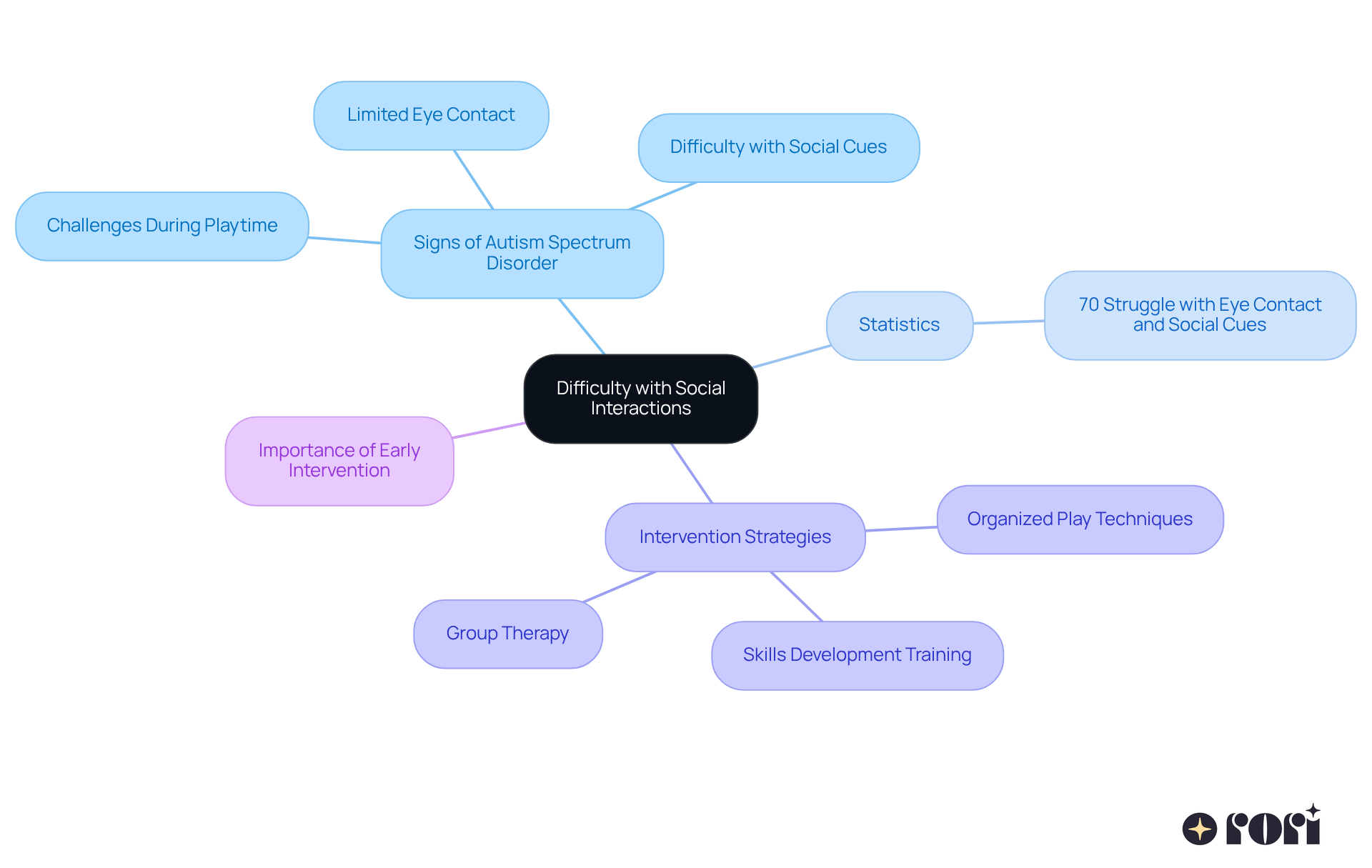
Children with developmental disorders often find it tough to connect with others. You might notice signs of autism spectrum disorder in young children, including:
Did you know that about 70% of children displaying signs of autism spectrum disorder in young children struggle with eye contact and understanding these interpersonal signals? This can sometimes make them seem distant or uninterested in making friends, which can lead to feelings of isolation. It’s so important to spot the signs of autism spectrum disorder in young children as early as possible! By doing so, parents can seek assessments and interventions that focus on building those crucial interpersonal skills.
There are effective ways to help, like organized play techniques and skills development training. These approaches can really boost interactions among autistic youth, helping them engage more successfully with their peers. At Rori Care, we emphasize the importance of empowering caregivers with ABA principles. This knowledge equips parents to actively support their children's behavioral goals through involvement and data collection.
Group therapy focused on interpersonal skills, led by qualified therapists, can also make a big difference. It enhances communication and interactions in a group setting, fostering better relationships. Recent studies show significant improvements in young people's ability to connect with their peers, which underscores the importance of identifying signs of autism spectrum disorder in young children for timely intervention. As developmental psychologists often say, "Early intervention can make a significant impact on the social growth of youngsters with developmental disorders, enabling them to establish meaningful connections and enhance their overall quality of life."
Let’s explore this together! If you’re noticing these challenges, remember that you’re not alone, and there are resources available to help your child thrive.
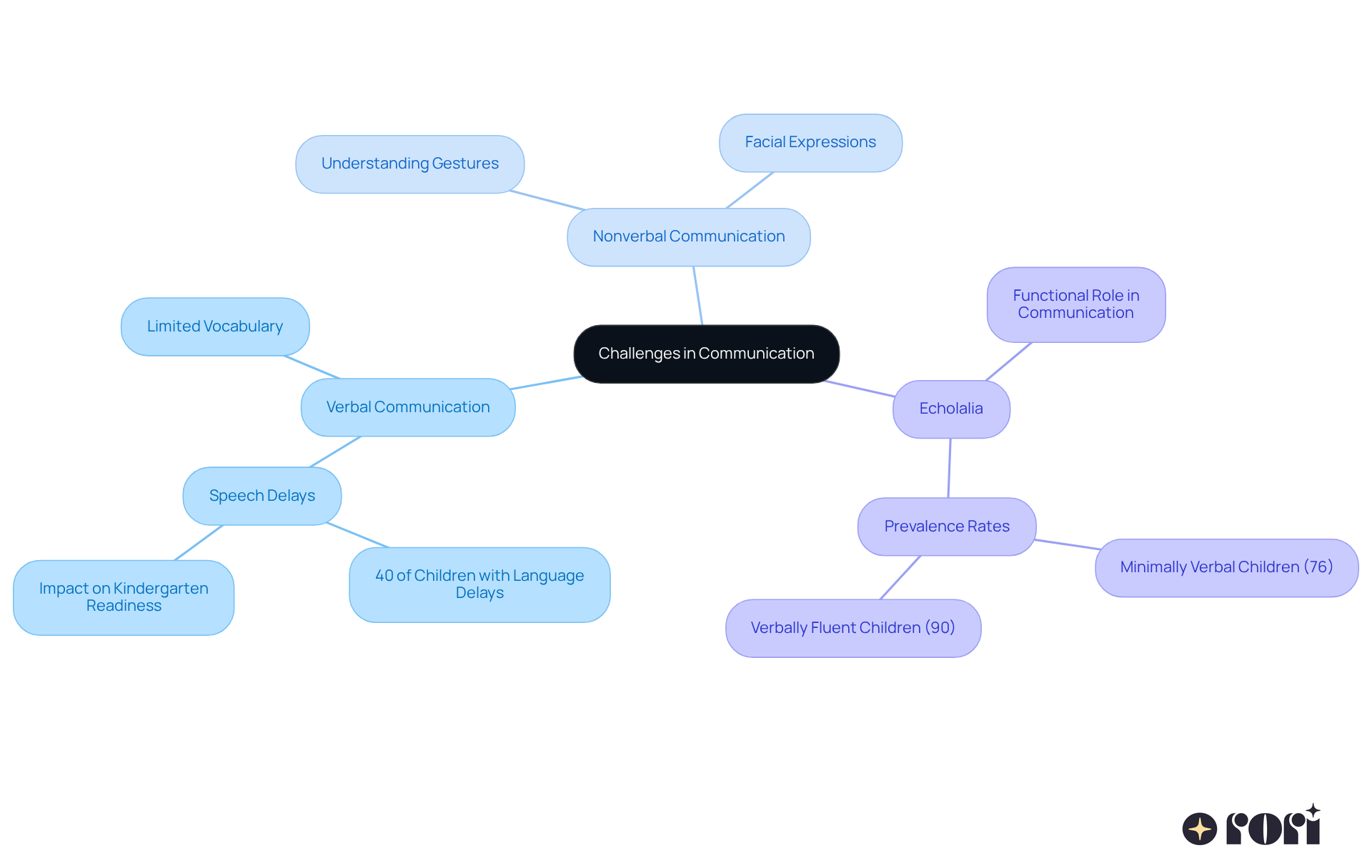
Children on the spectrum often face some tough challenges when it comes to communication, both verbal and nonverbal. It’s not uncommon for kids to experience delays in speech development. In fact, studies show that about 40% of young people referred to autism clinics have significant language delays, no matter their diagnosis. These kids might use a limited vocabulary and find it hard to understand or use nonverbal cues like gestures and facial expressions, which are so important for effective communication.
You might notice that echolalia is quite common too. This is when kids repeat phrases or sentences they’ve heard, often using them as a way to communicate rather than just repeating for the sake of it. Current research suggests that echolalia can actually play a functional role in communication, showing how engaged a child is with language. Recognizing the signs of autism spectrum disorder in young children, especially regarding these communication challenges, early on is super important! It allows for targeted speech therapy and tailored communication strategies, which can really boost a child’s ability to express themselves and connect with others.
Let’s explore this together! If you’re noticing the signs of autism spectrum disorder in young children, don’t hesitate to reach out for support. We’re here to help you every step of the way!
You might notice some repetitive actions, which are signs of autism spectrum disorder in young children, such as hand-flapping, rocking, or repeating certain phrases. These behaviors can actually be a way for them to self-soothe or show excitement! While they might seem a bit unusual, they play a crucial role in understanding how your child feels and what they need sensory-wise.
It’s important to remember that these actions can be considered signs of autism spectrum disorder in young children. They can give you insights into your child’s emotional state and help you connect with them better. So, let’s explore this together! Understanding these behaviors can be a stepping stone to supporting your child’s unique journey.

Many young individuals with autism are often more sensitive to sensory stimuli - think sounds, lights, textures, and even smells. This heightened sensitivity can lead to overwhelming feelings and meltdowns over what might seem like minor things. By recognizing these sensitivities, parents can adjust their environments and routines to better meet their child's needs.
At Rori Care, we take a patient-centered approach through Applied Behavior Analysis Therapy. This method is tailored to each individual's unique needs, ensuring that every child gets the support they deserve. Our evidence-supported strategies show that when caregivers actively participate in the recommended treatment hours, about 90% of kids experience significant improvement. Isn’t that encouraging?
It’s also worth noting that ABA therapy is the only scientifically proven treatment for autism that insurance covers. By empowering caregivers with ABA principles, we equip them with the knowledge and strategies to effectively support their child's behavioral goals.
To help your child manage sensory sensitivities, consider creating a calm space at home where they can retreat when feeling overwhelmed. Let’s explore this together! We’re here to help you every step of the way!
Children with developmental disorders often thrive in organized settings where routines provide a comforting sense of predictability. When these young ones have consistent daily routines, they feel more secure because they know what to expect. This predictability can really help improve their emotional regulation and overall behavior. Research shows that having predictable routines supports emotional regulation, which can reduce the chances of emotional meltdowns. On the flip side, when kids exhibit signs of autism spectrum disorder in young children and face changes in their daily routines, it can lead to increased anxiety and distress. So, establishing and sticking to consistent routines is super important for creating a stable environment that promotes well-being.
Now, let’s talk about some effective strategies for creating these routines!
By incorporating these strategies, families can create a supportive atmosphere that enhances their children’s ability to navigate daily life and handle routine disruptions.
Let’s explore this together! By fostering these routines, we can help our kids feel more secure and ready to take on the world!

Understanding emotional reactions in kids showing signs of autism spectrum disorder in young children is so important for parents. These little ones can show intense feelings, which may be considered signs of autism spectrum disorder in young children that seem a bit much for the situation. They often struggle with managing their emotions, which can sometimes be signs of autism spectrum disorder in young children, leading to outbursts or even withdrawal.
At Rori Care, our amazing clinicians take a patient-centered approach through Applied Behavior Analysis (ABA). They tailor their methods to fit each child's unique needs. This scientifically backed treatment has shown significant progress in 90% of kids when caregivers actively participate. Plus, did you know that ABA therapy is the only treatment for autism covered by insurance?
By empowering caregivers with ABA principles, we help them support their children's behavioral goals effectively. This way, they can tackle emotional challenges with confidence. Our personalized behavior intervention plans focus on promoting positive behavior changes and skill development. Early intensive behavioral intervention (EIBI) is crucial for enhancing learning, verbal, and interpersonal skills in children showing signs of autism spectrum disorder in young children.
Let’s explore this together! We’re here to help you every step of the way!

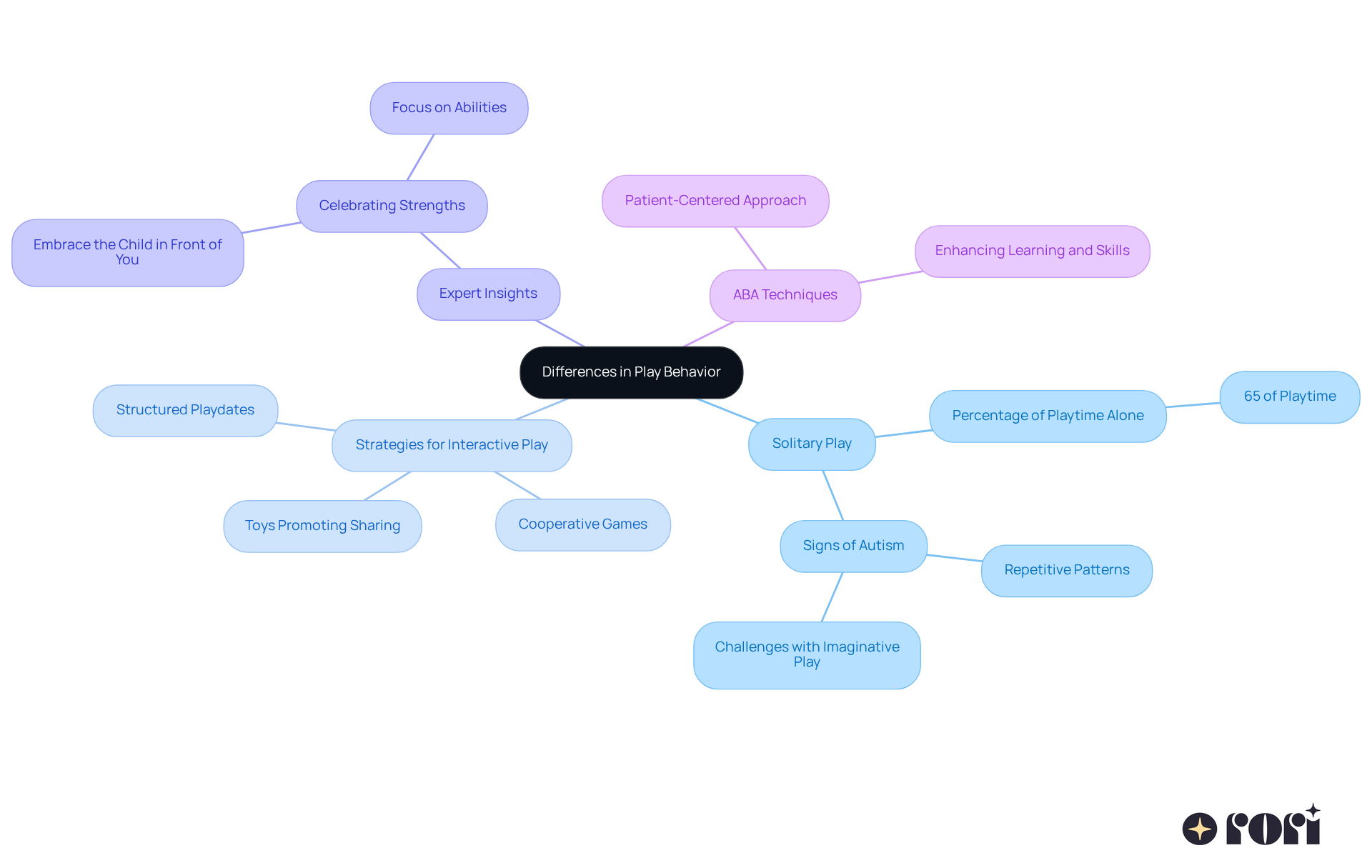
Children with autism often play a bit differently than their peers, and that’s perfectly okay! Many kids exhibit signs of autism spectrum disorder in young children by engaging in solitary play, spending about 65% of their playtime in activities all on their own. This can limit their chances to interact with others and develop new skills. You might notice that this solitary play looks like repetitive patterns or challenges with imaginative play, which can be signs of autism spectrum disorder in young children, emphasizing the importance for parents to understand these behaviors.
To help encourage more interactive play experiences, there are several strategies that can really make a difference. Think about:
These can all help spark social interactions! Plus, incorporating visual supports and clear instructions can really help kids grasp the dynamics of group play.
Experts really stress the importance of fostering these interactive experiences. Claire Scovell LaZebnik reminds us that parents should embrace the child in front of them, celebrating their strengths and unique quirks. By focusing on what they do well instead of their challenges, parents can create a supportive environment that nurtures interpersonal skills and peer connections, ultimately boosting their child’s overall development. And let’s not forget about Applied Behavior Analysis (ABA) techniques! This patient-centered approach has been scientifically validated to enhance learning, verbal, and interpersonal skills in kids showing signs of autism spectrum disorder in young children. In fact, significant advancements have been noted in 90% of individuals when the recommended hours are applied with active caregiver participation.
Joining social skills group sessions led by trained professionals can also be a great way to improve communication and relationship management. These sessions equip caregivers with effective strategies to support their child’s growth. It’s also worth mentioning that ABA therapy is the only scientifically validated treatment for autism that’s covered by insurance. So, let’s explore this together and find the best ways to support our kids!
Children with developmental differences often develop intense interests in specific topics or activities that can really capture their attention. These interests not only bring joy and foster expertise but can also make it tricky to shift focus. But here’s the good news: parents can strategically harness these interests to engage their kids in learning and social activities, turning what might seem like distractions into powerful educational tools.
For example, did you know that research shows up to 88% of individuals with autism cultivate at least one intense special interest? This often leads to an extraordinary depth of knowledge and emotional significance. By weaving these interests into learning experiences, parents can help their kids connect the curriculum to their passions, boosting motivation and retention.
So, what can you do? Here are a few effective strategies:
This approach not only validates your child’s unique strengths but also creates a more inclusive and effective learning environment.
Additionally, consider including group therapy focused on interpersonal skills, guided by qualified therapists. This can enhance interactions and help kids improve their communication and relationships in a supportive group setting. Plus, applying principles of Applied Behavior Analysis (ABA) can customize these strategies to fit each child’s unique needs, ensuring their interests are effectively integrated into their learning and social development.
Let’s explore this together! We’re here to help you every step of the way!

Developmental milestones like speaking, walking, and social interaction can be tricky for many kids on the autism spectrum. Did you know that around 40% of children with developmental disorders face significant language setbacks? Plus, over half of young individuals on the spectrum experience language delays. It’s also noteworthy that 71.5% of those on the autism spectrum show delays in motor skills. In fact, 70% of kids who had a motor delay in their first two years end up being diagnosed with a neurodevelopmental condition.
Keeping an eye on these milestones is super important for spotting autism early. Research shows that kids with motor delays are evaluated for autism much sooner - at an average age of 43.65 months - compared to 51.64 months for those without delays. Pediatricians emphasize that tracking these milestones can lead to early recognition of signs of autism spectrum disorder in young children and timely interventions, which can significantly improve developmental outcomes for those on the spectrum.
At Rori Care, we’re all about empowering your little one with the skills they need to explore the world independently. It’s interesting to note that 77% of parents notice developmental concerns before their child’s second birthday! This highlights how crucial it is to stay attentive to developmental milestones and how caregiver involvement can support their child’s behavioral goals through active participation in therapy.
Our clinical leadership team is here to provide the expertise and support you need for effective interventions. We encourage parents to get familiar with typical developmental timelines and to seek professional evaluations if they notice any significant delays. Taking proactive steps can truly make a difference in your child’s development. Let’s explore this together!

Noticing signs of autism spectrum disorder in young children can feel overwhelming, and it is key to obtain a professional assessment quickly. At Rori Behavioral Innovations Inc., we’re all about thorough evaluations and personalized ABA treatment tailored to each child’s unique needs. Research shows that when intervention happens early, it can lead to amazing improvements in social skills, communication, and behavior, helping your child grow and thrive.
Children who engage in at least 25 hours of ABA therapy each week often see better outcomes, like improved cognitive skills and adaptive behaviors. By starting therapy early, families can tap into the brain’s natural ability to change and grow, paving the way for meaningful developmental gains. This empowers children showing signs of autism spectrum disorder in young children to flourish both socially and emotionally.
Let’s explore this journey together! We’re here to help you every step of the way!

Recognizing the signs of autism spectrum disorder in young children is so important for their growth and development. When parents and caregivers spot these signs early, they can access the resources and interventions that truly make a difference. This support can help a child communicate better, interact socially, and manage their emotions more effectively. Understanding these signs is the first step toward ensuring that children get the help they need to thrive.
The article pointed out some key indicators of autism, like:
By using strategies such as organized play, speech therapy, and group sessions, caregivers can create a nurturing environment that caters to the unique needs of children on the spectrum.
Ultimately, empowering caregivers with knowledge and resources is essential on this journey. Seeking professional evaluations and early intervention can lead to amazing improvements in a child's social skills and overall quality of life. By taking proactive steps and tapping into available support systems, families can help their children navigate the world more effectively, fostering connections and enriching their experiences.
Let’s explore this together! Remember, you’re not alone in this journey, and we’re here to help you every step of the way!
What are common signs of autism spectrum disorder in young children?
Common signs include limited eye contact, difficulty picking up on social cues, and challenges during playtime.
How prevalent are issues with eye contact and social cues among children with autism?
About 70% of children displaying signs of autism spectrum disorder struggle with eye contact and understanding interpersonal signals, which can lead to feelings of isolation.
Why is it important to identify signs of autism spectrum disorder early?
Early identification allows parents to seek assessments and interventions that focus on building crucial interpersonal skills, which can significantly impact social growth and overall quality of life.
What strategies can help children with autism improve their social interactions?
Effective strategies include organized play techniques, skills development training, and group therapy focused on interpersonal skills led by qualified therapists.
How does group therapy benefit children with autism?
Group therapy enhances communication and interactions in a group setting, fostering better relationships and significantly improving young people's ability to connect with their peers.
What challenges do children on the autism spectrum face regarding communication?
Children often experience delays in speech development, have a limited vocabulary, and may struggle with understanding or using nonverbal cues like gestures and facial expressions.
What is echolalia, and how does it relate to communication in children with autism?
Echolalia is the repetition of phrases or sentences heard by the child. It can serve a functional role in communication, indicating engagement with language.
Why is recognizing communication challenges in children with autism important?
Early recognition allows for targeted speech therapy and tailored communication strategies, enhancing a child's ability to express themselves and connect with others.
What are some examples of repetitive movements or speech patterns in children with autism?
Examples include hand-flapping, rocking, or repeating certain phrases, which can serve as a way for children to self-soothe or express excitement.
How can understanding repetitive behaviors help parents connect with their child?
Recognizing these behaviors provides insights into the child's emotional state and sensory needs, aiding in better connection and support for their unique journey.