Navigating the world of autism can feel like a maze for parents, especially when it comes to spotting the signs in boys. With social communication challenges, sensory sensitivities, and emotional ups and downs often at play, many families find themselves trying to make sense of behaviors that can impact their child's growth.
Let’s explore ten important signs of autism in boys together, so you can better support your child on this journey. So, how can you spot these signs early and make a real difference in your child’s journey?
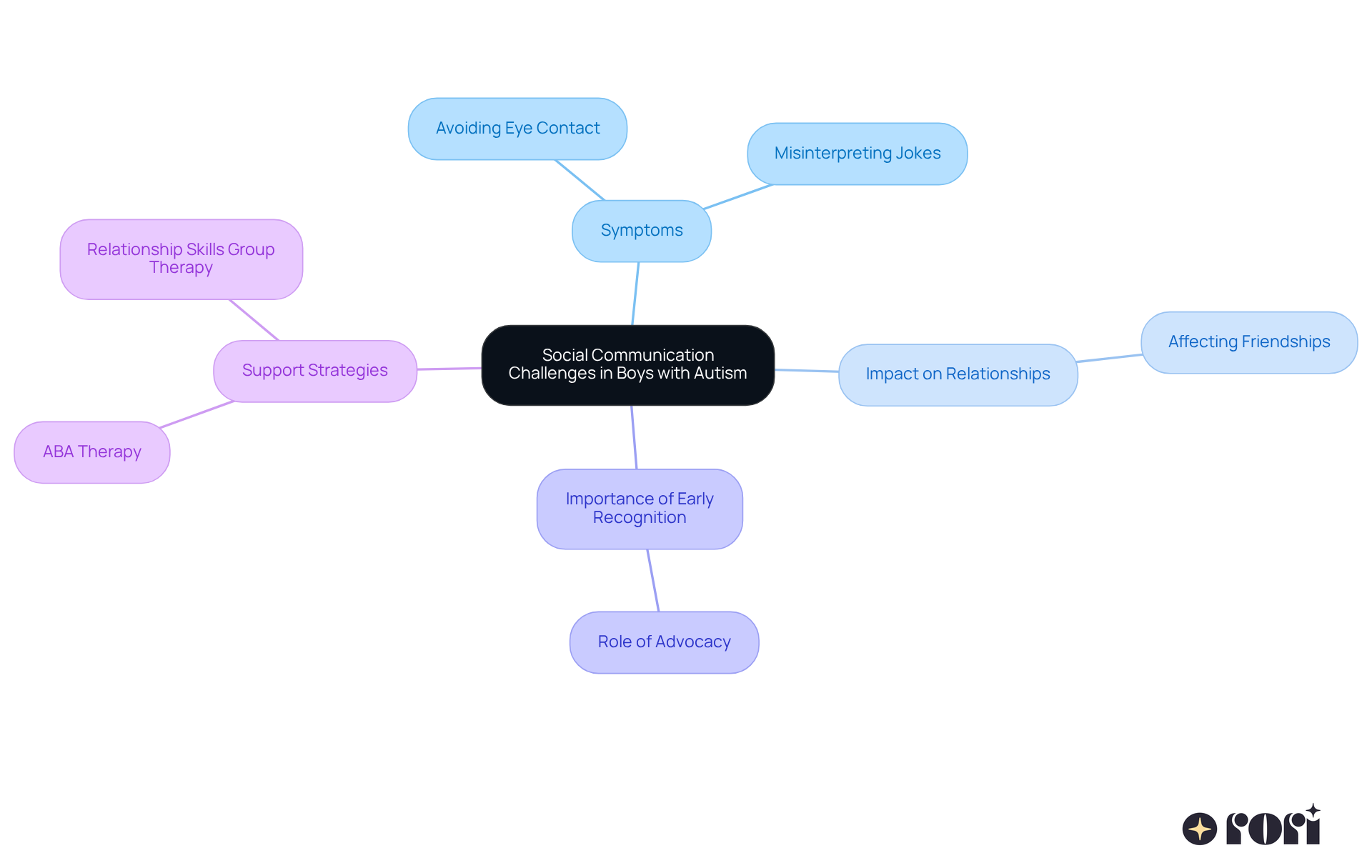
Have you ever watched your child struggle to connect with others? It can be tough to see them face communication challenges that affect their friendships and interactions. Boys exhibiting symptoms of autism often find it hard to communicate, which can really impact their relationships. You might notice symptoms of autism in boys, including:
It’s more common than you might think! In fact, many boys exhibit symptoms of autism by misinterpreting jokes or sarcasm, making social situations even trickier.
But the good news is that with the right support, like the caring ABA therapy at Rori Care, many kids can learn to communicate better! Research shows that many kids who didn’t speak at first started using words or even full sentences after just a little help. Rori Care’s structured methods, including relationship skills group therapy, help kids enhance their interactions and communication abilities, making it easier for them to connect with peers and family.
Experts like Giacomo Vivanti from the A.J. Drexel Autism Institute stress how important it is to recognize these challenges early. By spotting these challenges early, you can be a powerful advocate for your child, opening doors to the support they need to thrive. Rori Care also empowers caregivers with ABA principles and strategies, helping you support your child's behavioral goals through active involvement and data collection. We’re here to help you every step of the way!
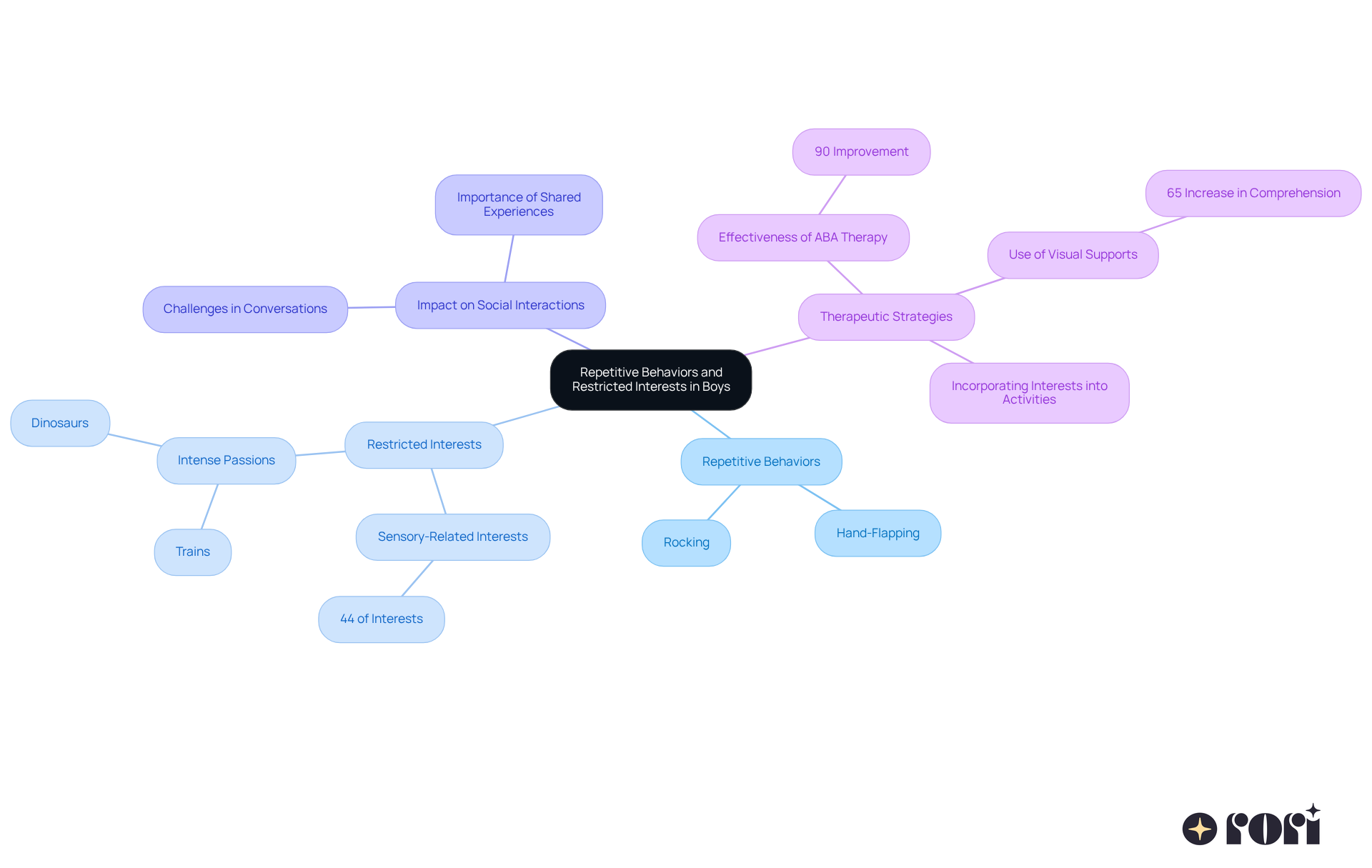
Have you ever felt overwhelmed trying to understand your child's unique interests? Boys with developmental disorders often show repetitive behaviors, like hand-flapping or rocking, and they can develop intense passions for things like trains or dinosaurs. These interests can bring comfort and predictability, but they can also make social interactions a bit tricky. Did you know that 1 in 36 kids are diagnosed with autism spectrum disorder? It really shows how crucial it is for us to understand these behaviors better. Restricted interests are common, especially sensory-related ones, which account for 44% of interests among autistic individuals.
Many therapists suggest that managing these interests can really make a difference for your child. For example, incorporating your child's passions into group activities can help them connect with peers. Plus, using visual supports can boost understanding and communication-studies show a 65% increase in comprehension for many autistic learners when visual aids are used.
The impact of these interests on social interactions can be significant, especially regarding the symptoms of autism in boys. Sometimes, these passions can make it hard for them to start or keep conversations going, especially if their friends don’t share the same enthusiasm. But organizing playdates around your child's interests can help bridge that gap, creating shared experiences that build social skills.
Ultimately, by embracing these interests, you can help your child thrive socially and emotionally, turning challenges into stepping stones for growth. When suggested hours of ABA therapy are fully engaged with active caregiver participation, 90% of individuals show remarkable improvement, proving how effective this scientifically validated treatment can be. We’re here to help you every step of the way!
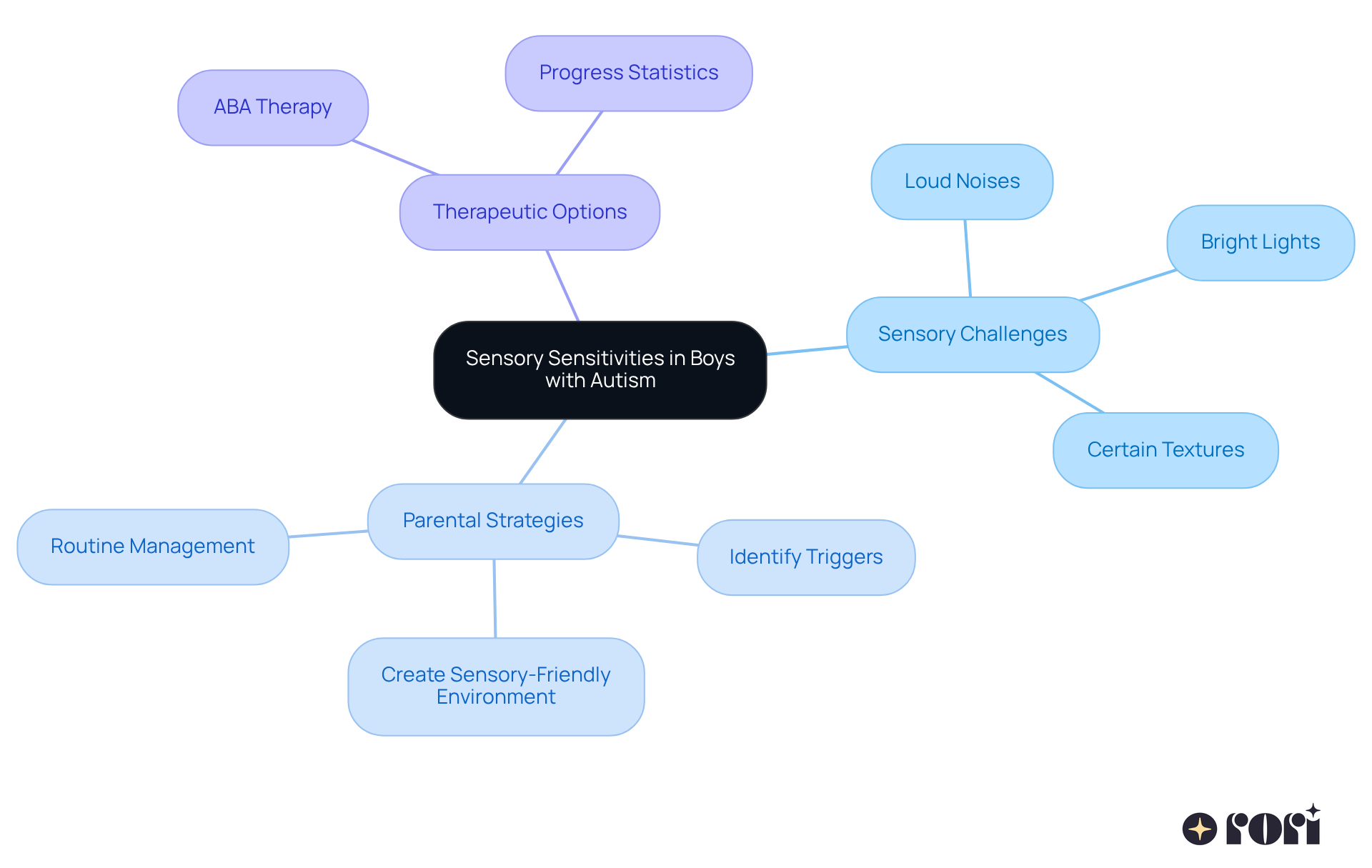
Have you ever noticed how some sounds or textures can send your child into a tailspin? Boys with developmental disorders often show symptoms of autism in boys, which include heightened sensory sensitivities that lead to significant reactions to loud noises, bright lights, or certain fabrics. For example, your little one might cover his ears when the vacuum cleaner roars to life or refuse to wear a shirt that feels scratchy. These sensitivities can cause anxiety and meltdowns if not managed well. Did you know that more than 90% of boys with autism exhibit symptoms of autism in boys that include challenges with sensory processing? That’s a lot of families navigating these hurdles together!
As a parent, you can take some simple steps to help your child feel more comfortable in their world. Start by identifying what triggers their sensitivities and create a sensory-friendly environment. Think about using noise-canceling headphones to help with loud sounds, or setting up a cozy corner where they can retreat when things get overwhelming. Having a plan for unfamiliar places can also make a huge difference-just knowing you can leave if needed can ease a lot of stress. Plus, sticking to a routine can help minimize unexpected sensory experiences, making it easier for your child to manage their emotions. Gradually introducing them to different sensory stimuli can also help them adjust over time.
When you get to know these sensory sensitivities better, you can really enhance your child’s daily interactions and overall well-being. Programs like Applied Behavior Analysis (ABA) therapy at Rori Care focus on each child’s unique needs, giving you the tools and strategies to support their growth. And here’s some good news: about 90% of kids show real progress when they get the recommended hours of ABA therapy, especially with your active involvement. Plus, it’s the only scientifically validated treatment for these challenges that insurance covers, making it a great option for families looking for effective support. By embracing these strategies, you’re not just managing challenges; you’re paving the way for your child’s brighter future.
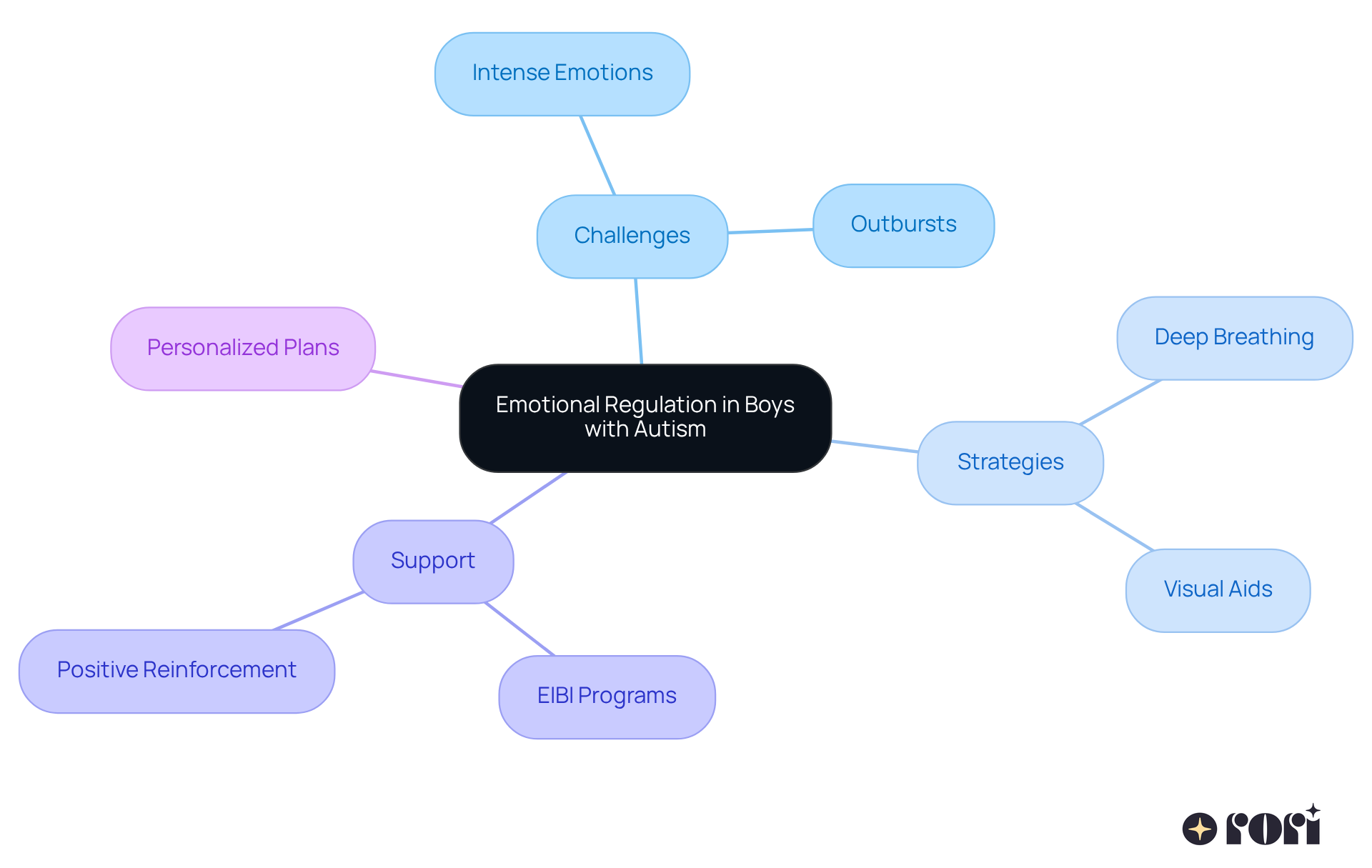
Have you ever watched your child struggle to express their feelings, feeling lost in the chaos of emotions? For boys with developmental disorders, this can lead to outbursts or meltdowns, especially when routines change or frustration sets in. These kids often feel emotions more intensely, and it can be tough for them to manage those feelings. Simple strategies, like taking deep breaths together or using pictures to talk about feelings, can really help boys learn to manage their emotions.
With the right support, like early intensive behavioral intervention (EIBI) programs from Rori Care, these boys can develop essential skills for emotional regulation. Using positive reinforcement and visual aids can make a big difference in helping boys understand their feelings and cope better. Experts like child psychologist Amy Keefer remind us that when kids struggle with their emotions, it’s crucial to be patient and understanding.
Every child’s journey is unique, and that’s why personalized plans from experts at Rori Care can really help support emotional growth and guide parents in reaching their child’s goals. With the right tools and support, you can help your child turn those emotional challenges into stepping stones for growth.
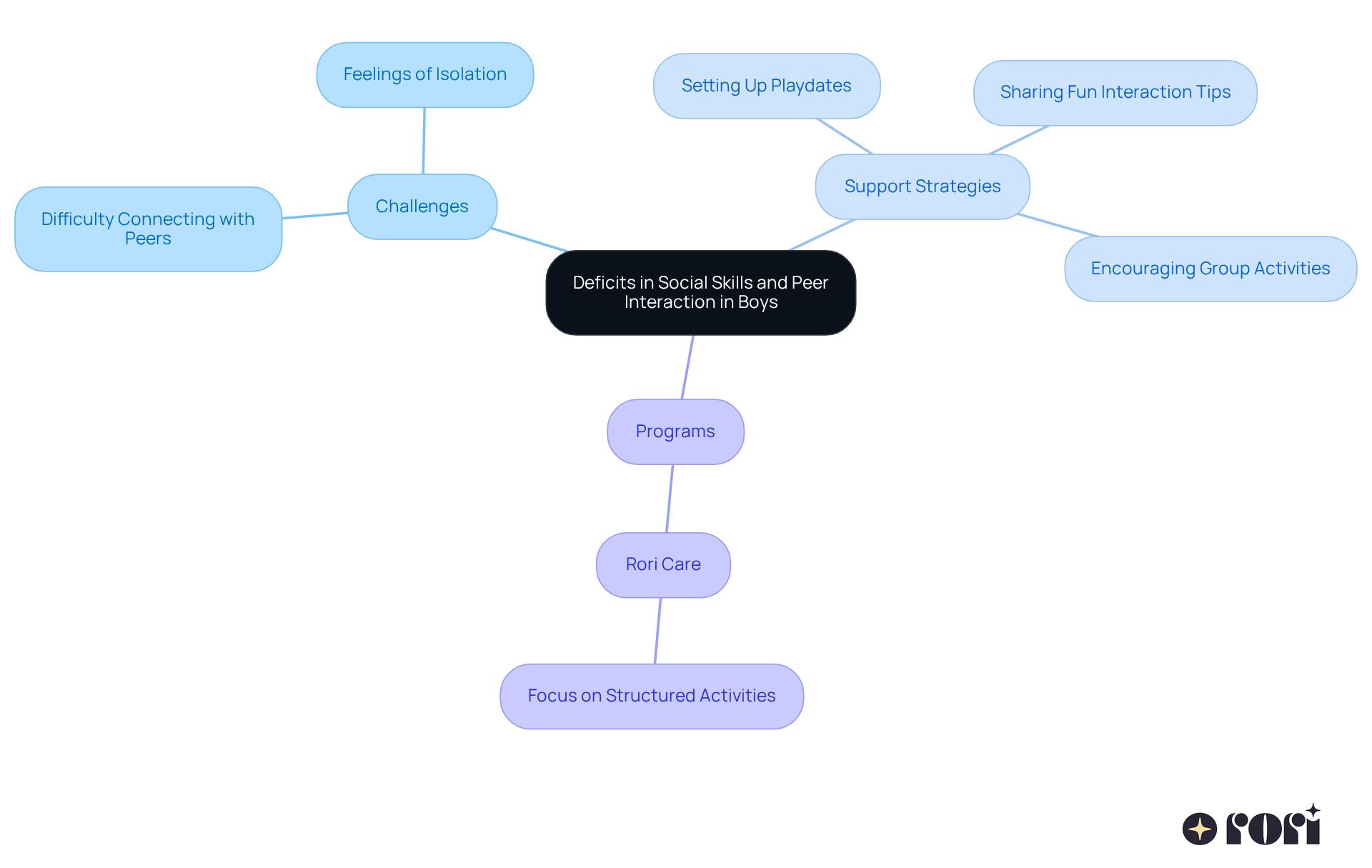
Navigating friendships can be a real challenge for boys who exhibit symptoms of autism, can’t it? They often find it tough to connect with others, a common challenge that can be considered one of the symptoms of autism, leaving them feeling isolated and frustrated. But there’s hope! With the right support, they can learn to navigate friendships better.
You can help your child by:
Programs from Rori Care focus on fun, structured activities that can really help boys connect better with their peers.
The amazing trainers at Rori Care really emphasize creating a warm, supportive space for kids to practice their skills. This way, they can build confidence and enjoy positive interactions with others. With the right tools and support, your child can thrive in social situations, building friendships that last.
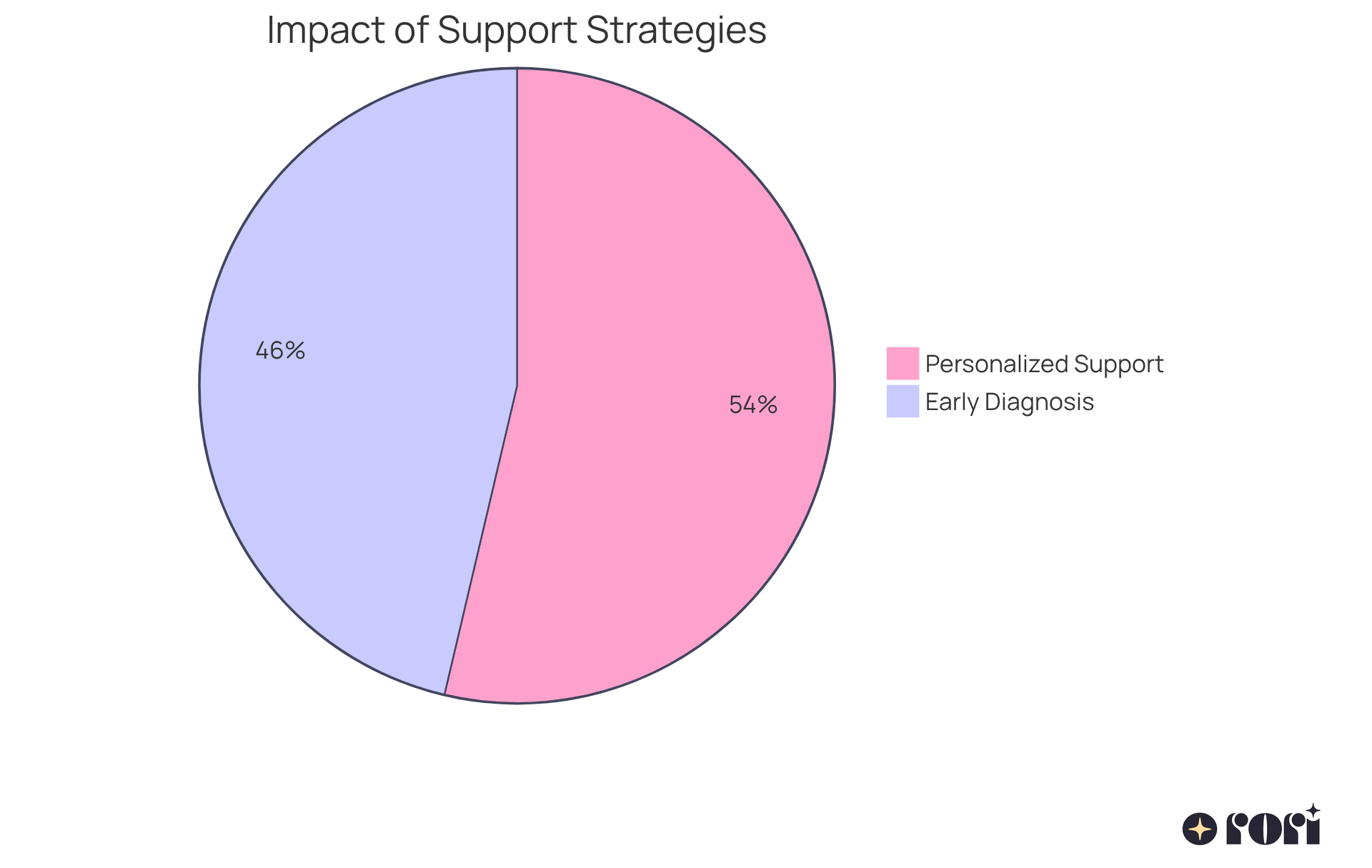
Navigating the world of developmental disorders can be tough for boys and their families, especially when other challenges like anxiety or ADHD come into play. Many boys with developmental disorders face additional hurdles due to these co-occurring conditions. These challenges can make it tricky to get the right diagnosis and treatment, so a more connected approach is really important. For instance, boys with both autism and ADHD often find it hard to focus and control their impulses, which can make engaging in therapy a bit of a struggle.
At Rori Care, our amazing team works hard to create personalized plans that fit each child's unique needs, making sure we cover all their health aspects. When parents and healthcare providers team up, sharing knowledge and support, it really helps tackle all parts of a child's health and leads to better outcomes. Studies show that recognizing a diagnosis early and getting the right help can boost outcomes by 63%, which really shows how important good care strategies are.
Plus, 73% of teachers agree that personalized support helps all students do better, which is why it’s so important for parents to push for tailored strategies. Rori Care also offers services like Group Therapy and Program Development to help kids and families tackle these challenges together. Our leadership team is all about supporting neurodiversity and making sure kids get the guidance they need for the best treatment outcomes.
By working together and seeking the right support, we can truly make a difference in their lives. Let’s explore this journey together!
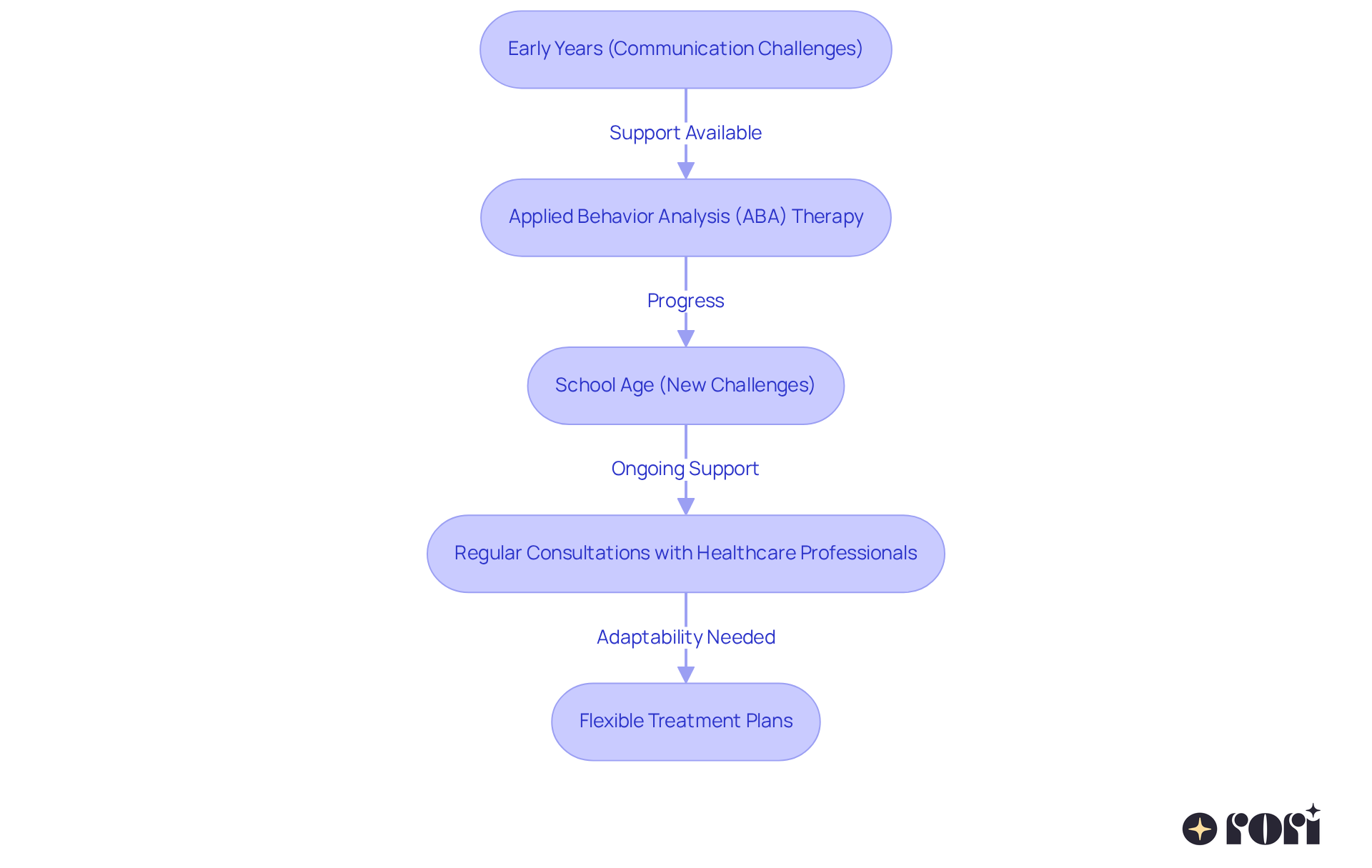
Navigating the journey of autism can feel like a rollercoaster ride for parents, especially as your child grows and changes. In those early years, communication can be tricky. But with the right support, like Applied Behavior Analysis (ABA) therapy, things can get better as your child starts school. At Rori Care, we focus on you and your child, ensuring that treatment plans are flexible and based on ongoing progress assessments. When caregivers actively participate, we see significant advancements in 90% of youngsters.
As they grow, you might notice your child facing new hurdles, like fitting in with peers or handling social situations. Studies show that the typical age for diagnosis in the U.S. is around 5 years, with kids from lower-income families diagnosed even earlier, at an average age of 4.7 years. This means staying proactive and adjusting your approach as your child grows. Dr. Stephen Shore wisely reminds us, "If you’ve met one person with autism, you’ve met one person with autism." Each child has their own unique journey.
It's so important for you as a parent to stay flexible and keep an eye on how your child is doing. Regularly consulting with healthcare professionals, like Rori Care's Board Certified Behavior Analysts, ensures that interventions are timely and aligned with your child's evolving needs. By staying engaged and informed, you can truly make a difference in your child's journey. Let’s explore this together!
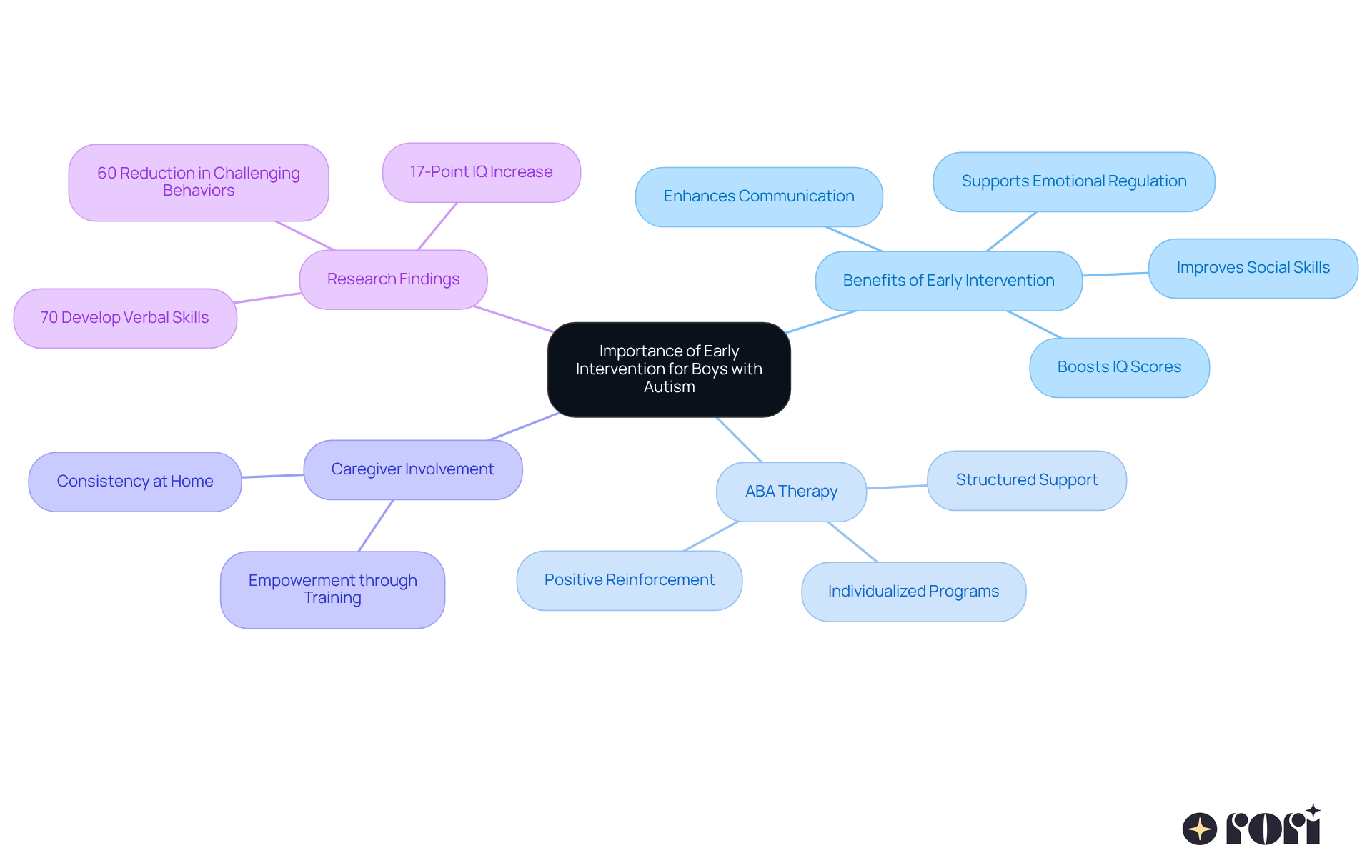
As a parent, it can be overwhelming to navigate the world of autism, especially when you know early intervention can make a difference. You might be surprised to learn that getting help early can really boost outcomes for boys with symptoms of autism in boys! Engaging during those crucial developmental periods allows for tailored strategies that enhance communication, social skills, and emotional regulation.
One great option is Applied Behavior Analysis (ABA) therapy, which works wonders when started early! It provides organized support that aligns with your child's growth. At Rori Care, our amazing clinicians are here to offer that structured help, empowering families with the knowledge and strategies they need to support their loved ones.
Research shows that kids who start early intervention before age three can see an average 17-point increase in IQ scores compared to those who start later. Plus, those who undergo intensive ABA therapy for two or more years often show significant improvements in cognitive and adaptive skills, with 50-75% making great strides.
Active involvement from caregivers is key! It complements professional help and creates consistency at home, leading to better behavioral outcomes. If you're worried about the symptoms of autism in boys in relation to your child's development, don't hesitate to reach out for help-early action can truly make a difference! Taking that first step can open doors to a brighter future for your child, and you don’t have to do it alone.
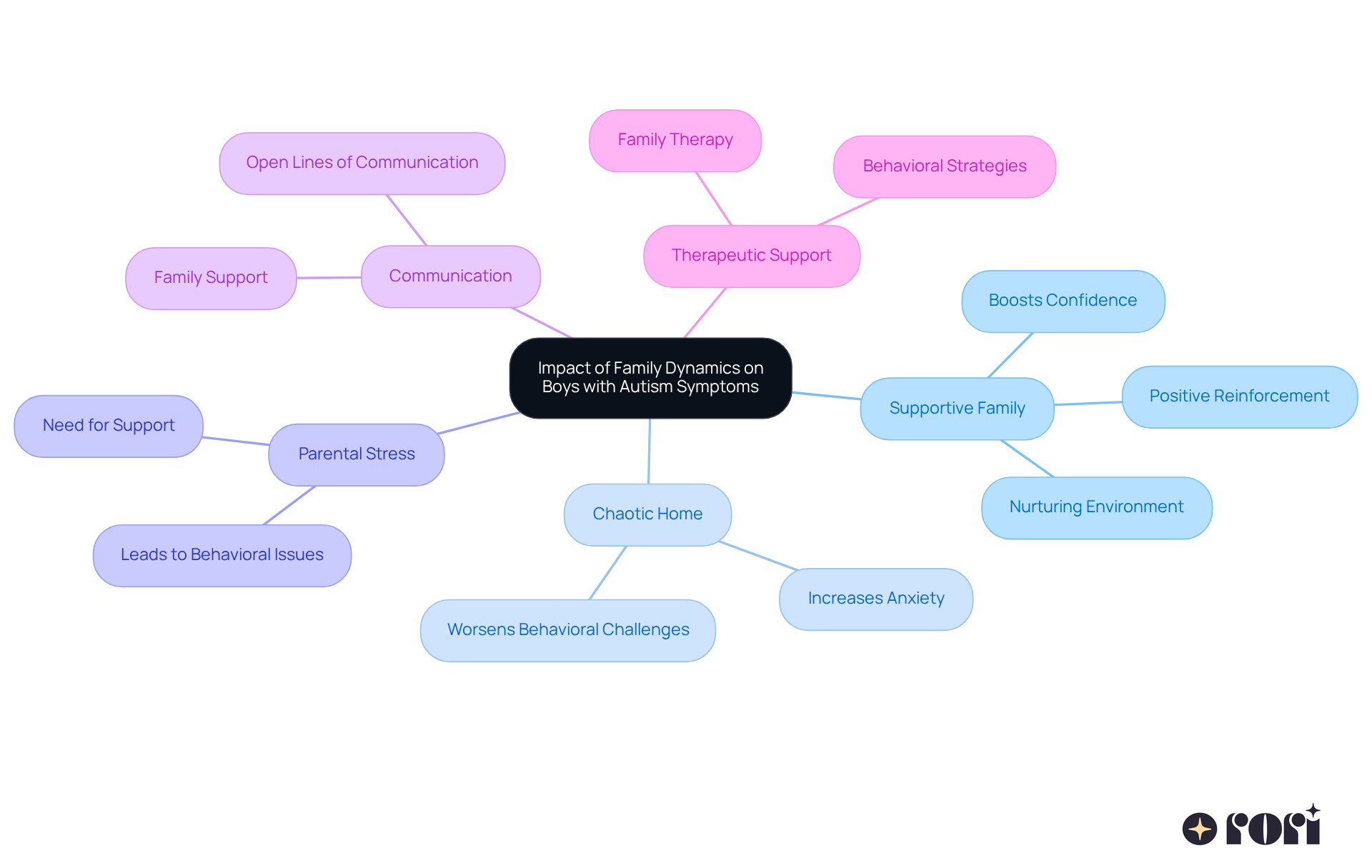
Navigating family dynamics can be a real challenge, especially when you have a child with autism. Family dynamics play a pivotal role in how boys with autism display symptoms of autism and feel. A supportive family can really boost a young person’s confidence and help them connect with others. On the flip side, a chaotic home can make anxiety and behavioral challenges worse.
It’s tough to see your child struggle, especially when you’re feeling overwhelmed yourself. Research shows that when parents are stressed, it can lead to more behavioral issues in kids exhibiting symptoms of autism. But with the right support, families can create a nurturing space where their child can thrive.
It’s so important for parents to keep the lines of communication open and look for family support, like therapy, to help everyone feel connected. Rori Care emphasizes using positive reinforcement and data-driven strategies to empower caregivers in supporting their child’s behavioral goals.
When you book a free consultation with Rori Care’s Board Certified Behavior Analyst, you’ll get helpful insights into strategies that can boost your child’s learning and social skills. Family therapists highlight that establishing a stable and nurturing atmosphere is crucial for helping young individuals with symptoms of autism to flourish.
By taking these steps, you’re not just helping your child; you’re also creating a loving environment where everyone can grow together.
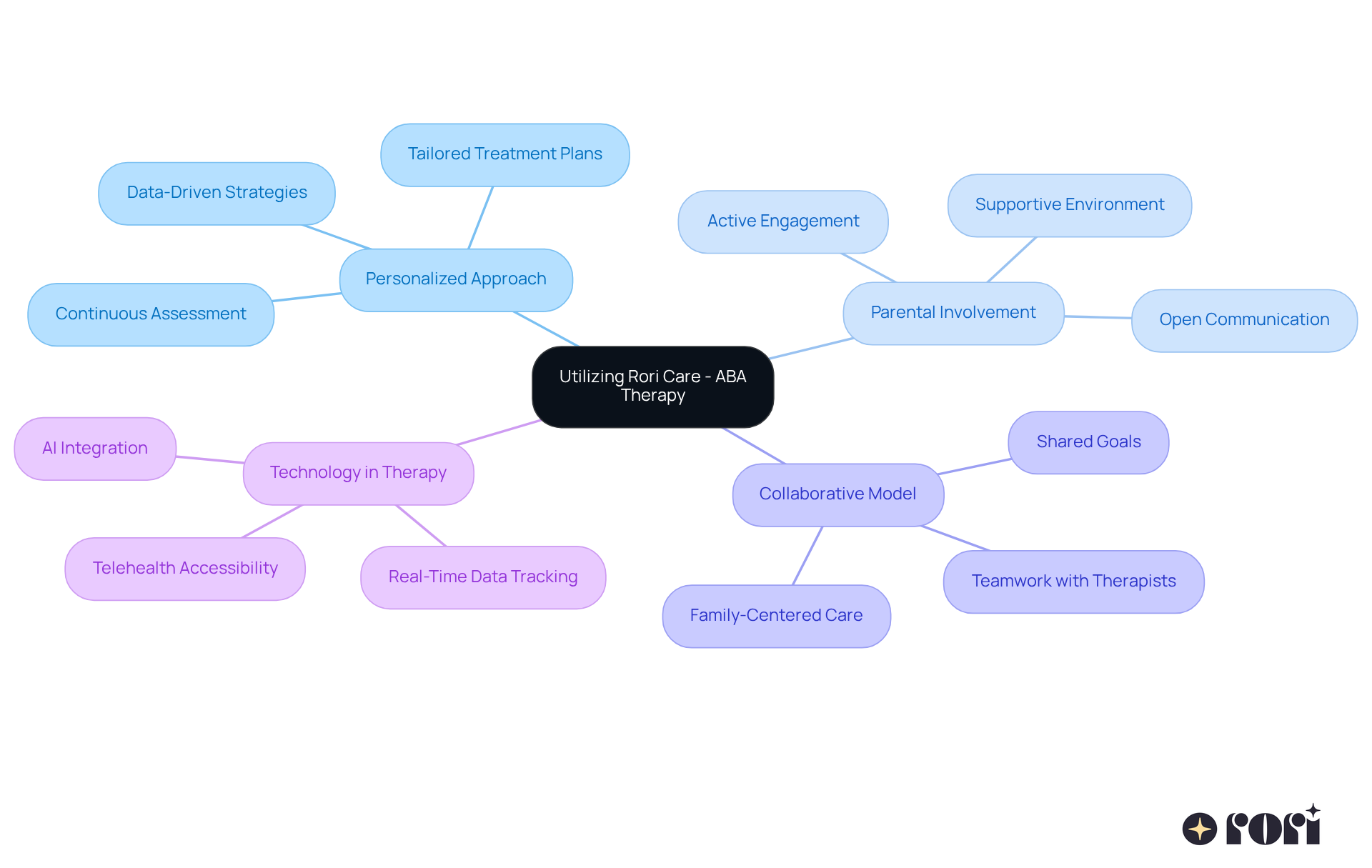
Navigating the world of ABA therapy can feel overwhelming for parents, especially when it comes to supporting their child's unique needs. At Rori Care, we understand that every child is different, and that’s why we take a personalized approach to make it easier for you! By developing treatment plans tailored to your child's specific challenges, we aim to equip families with the right strategies to help their little ones thrive.
Active parental involvement is key! When you reinforce skills at home and keep those lines of communication open with our therapists, you can really boost the effectiveness of ABA therapy. Many parents feel overwhelmed when trying to navigate their child's therapy needs, but remember, you’re not alone in this journey. When you actively engage in your child's therapy, you often see significant improvements in their development.
Our collaborative model ensures that interventions are designed just for your child, promoting growth and fostering independence. Our team believes that when treatment plans are tailored just for your child, it not only keeps them engaged but also helps them thrive in communication and social skills! As research continues to validate these personalized approaches, we’re committed to empowering families through innovative, individualized care.
Plus, with the help of some amazing AI technology, we can spend more time focusing on what really matters-your child's care! Continuous assessment and adjustment of treatment plans are essential to our method, ensuring that strategies remain effective and adaptable to each child's progress. By embracing a collaborative approach, you can truly make a difference in your child's journey toward growth and independence.
Navigating the world of autism can feel like a rollercoaster for parents, but understanding the signs can make all the difference! Boys with autism often face unique challenges, like having a tough time with social cues or feeling overwhelmed by loud noises. Spotting these signs early can really help you find the right support for your child!
As we’ve seen, boys with autism can struggle with things like making friends or dealing with sensory overload. It’s tough to see your child struggle, and it can feel overwhelming at times. But having a supportive family and getting help early can really boost your child’s growth!
Supporting a child with autism is a team effort, and you’re not alone in this journey! Getting involved in your child’s therapy can make a world of difference. Using these strategies can help your child manage their symptoms and thrive!
Taking that first step toward understanding can open doors you never knew existed for your child! We’re here to help you every step of the way!
What are common communication challenges faced by boys with autism?
Boys with autism often struggle with communication, which can affect their friendships and interactions. Common symptoms include avoiding eye contact and not responding when their name is called. They may also misinterpret jokes or sarcasm, making social situations more difficult.
How can support improve communication skills in boys with autism?
With the right support, such as ABA therapy, many children can learn to communicate better. Research indicates that some children who initially did not speak began using words or full sentences after receiving help. Structured methods, like relationship skills group therapy, enhance their interactions and communication abilities.
Why is early recognition of communication challenges important?
Early recognition of communication challenges allows parents to advocate for their child effectively, opening doors to necessary support that can help them thrive.
What are repetitive behaviors and restricted interests in boys with autism?
Boys with autism often display repetitive behaviors, such as hand-flapping or rocking, and may develop intense passions for specific topics, like trains or dinosaurs. While these interests can provide comfort, they may complicate social interactions.
How can parents manage their child's restricted interests to improve social skills?
Incorporating a child's passions into group activities can help them connect with peers. Additionally, using visual supports can enhance understanding and communication, leading to improved social interactions.
What impact do sensory sensitivities have on boys with autism?
Many boys with autism experience heightened sensory sensitivities, leading to significant reactions to loud noises, bright lights, or certain textures. These sensitivities can result in anxiety and meltdowns if not managed properly.
What strategies can parents use to help their child cope with sensory sensitivities?
Parents can identify sensory triggers and create a sensory-friendly environment, such as using noise-canceling headphones or setting up a cozy retreat space. Establishing a routine and gradually introducing different sensory stimuli can also help children manage their sensitivities.
How effective is ABA therapy for children with autism?
Approximately 90% of children show significant improvement when they engage in the recommended hours of ABA therapy, especially with active caregiver participation. ABA therapy is also the only scientifically validated treatment for these challenges that is covered by insurance.