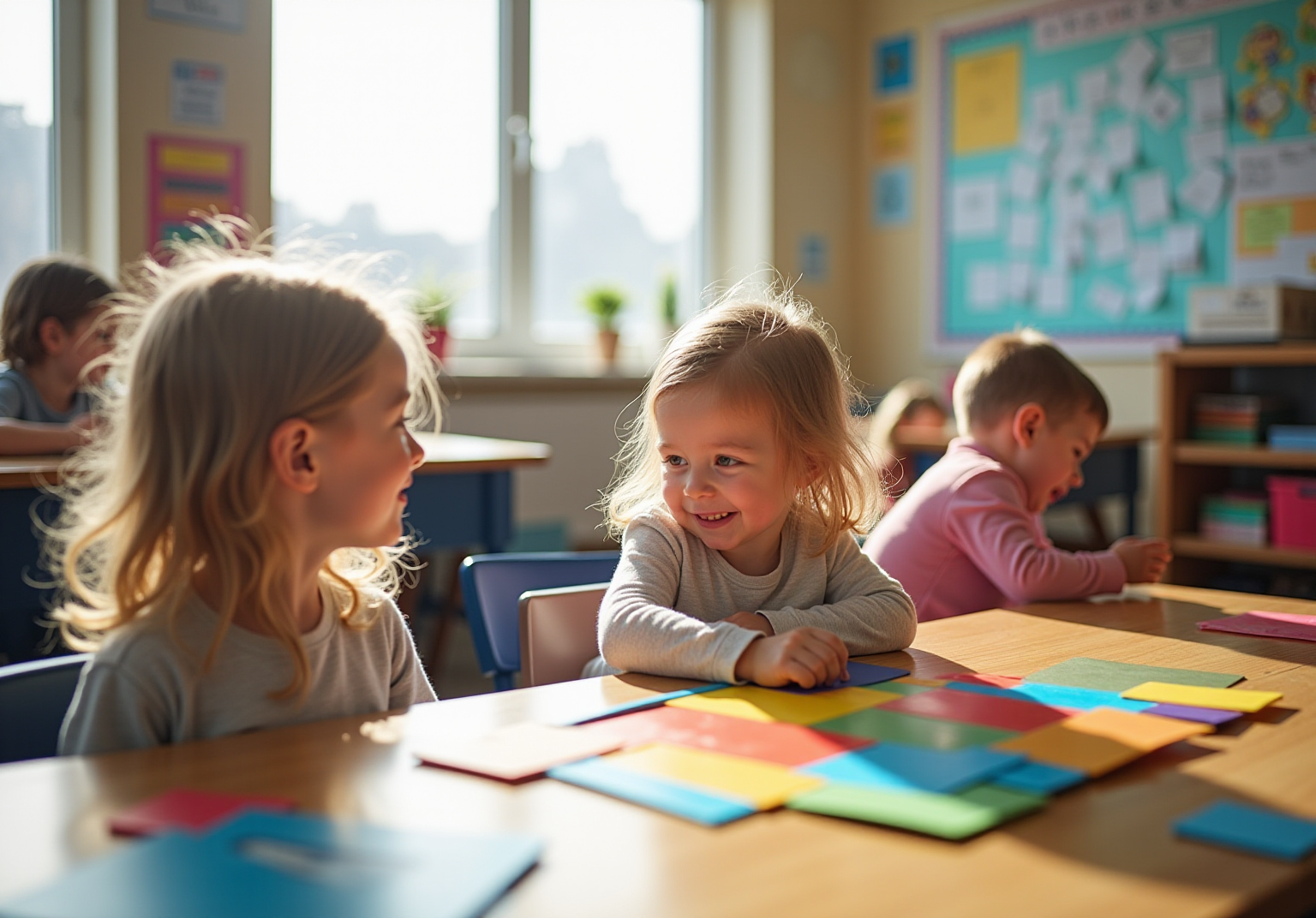
Navigating the social landscape can feel overwhelming for many kids, especially those who face developmental challenges. But guess what? Play-based interventions have come to the rescue! They offer a fun and engaging way to help kids build their social skills. In this article, we’ll explore ten innovative strategies that tap into the magic of play, giving children a fantastic chance to develop essential interpersonal abilities while having a blast.
So, how can parents and caregivers put these strategies into action? It’s all about creating meaningful growth and connection. Let’s dive in together and discover how we can support our little ones on this exciting journey!
At Rori Behavioral Innovations Inc., we understand that navigating ABA therapy can feel overwhelming for parents. That’s why we take a data-driven approach that emphasizes personalized play-based interventions for improving social skills, tailored just for your child’s unique needs. By weaving play into therapy, our clinicians create engaging environments where kids can explore interactions comfortably.
Imagine your child laughing and playing while learning important social skills! This approach not only enhances their interpersonal abilities but also fosters emotional development and independence, turning therapy into a joyful experience. Research shows that play-based interventions for improving social skills, including ABA therapy, support emotional resilience and help kids navigate their world more effectively.
Clinicians have noticed that when recreation is part of therapy, kids make significant strides in connecting with peers and expressing themselves. It’s truly heartwarming to see their overall growth and well-being flourish. So, let’s explore this together! We’re here to help you every step of the way!

Organized play activities, especially turn-taking games, are so important for helping kids interact and communicate with each other! These games set clear guidelines and goals, allowing young ones to practice essential social skills through play-based interventions for improving social skills in a supportive environment. Think about games like 'Simon Says' and 'Red Light, Green Light' - they not only encourage kids to follow directions but also help them connect with their peers, boosting their communication skills.
Research shows that play-based interventions for improving social skills, including regularly playing turn-taking games, can lead to real improvements in how kids interact. Structured activities like these also help with emotional regulation and impulse control. As development experts point out, 'Turn-taking teaches the essential pattern of interaction: I do something, you respond, then it’s my turn again.' This skill is crucial for building friendships and connections, making play-based interventions for improving social skills, such as turn-taking games, a fantastic resource for enhancing communication abilities in our youngsters.
So, let’s explore this together! Encouraging your child to engage in these fun activities can make a world of difference in their social development.

Peer-mediated interventions (PMIs) involve play-based interventions for improving social skills by teaching typically developing peers how to interact with kids with autism during organized play. This approach utilizes play-based interventions for improving social skills, helping children with autism practice important social skills while also fostering empathy and understanding among their peers. For example, when kids come together for group activities aimed at achieving a common goal, it really boosts their interactions and helps build friendships.
Research shows that kids involved in PMIs make significant strides in initiating conversations and interacting with others. In fact, there’s a notable drop in Social Responsiveness Scale (SRS) scores, which means their social skills are improving! Plus, teachers have observed that when peers are trained to engage with children with autism, it leads to greater social motivation and better acceptance among classmates. This ultimately enriches the social atmosphere in the classroom.
Programs like Circle of Friends are great examples of play-based interventions for improving social skills, showcasing how structured peer interactions can create a supportive environment that promotes inclusivity and growth for everyone involved. And let’s not forget about the caregivers! When they’re equipped with knowledge and skills to support their child’s behavioral goals, PMIs become even more effective. By understanding key ABA principles, like reinforcement strategies and prompting techniques, caregivers can make informed choices that positively influence their child’s progress. This leads to better behavioral outcomes and stronger family dynamics.
So, let’s explore this together! If you’re a parent looking for ways to support your child, know that you’re not alone. We’re here to help you every step of the way!

Role-playing games offer kids a fantastic opportunity to step into different social situations. This playful practice incorporates play-based interventions for improving social skills, allowing them to rehearse their reactions in a safe and controlled environment. For example, kids can engage in role-play scenarios like sharing toys or resolving conflicts, which helps them understand appropriate social behaviors and emotional responses.
This interactive approach not only boosts their confidence but also enhances their ability to handle real-life interactions effectively. Research shows that role-playing can significantly improve conflict resolution skills, equipping kids with the tools they need to tackle social challenges. As Dr. Laura Markham points out, pretend play helps children grasp the power of language and explore emotional and social roles, highlighting how crucial these activities are for their development.
When combined with play-based interventions for improving social skills in group therapy led by trained therapists at Rori Care, these role-playing activities can significantly enhance communication and relationships for kids with Autism Spectrum Disorders, ADHD, Social Communication Disorders, and Anxiety Disorders. This comprehensive approach not only fosters better social skills and self-esteem but also underscores the importance of caregiver education in supporting youth development.
Let’s explore this together! By understanding the value of role-playing, we can help our children thrive in their social interactions.

Storytelling and narrative play are such powerful tools! They really captivate young minds and help kids understand their feelings and how to connect with others. When kids engage in collaborative storytelling, they get to explore different perspectives, which boosts their empathy for characters and their experiences.
Activities like 'story cubes' or 'create your own story' not only let kids express themselves but also help them grasp the feelings of others. This understanding is key for building strong interpersonal skills. Research shows that creative activities can significantly enhance kids' cognitive and emotional growth. It’s clear that these activities aren’t just a nice-to-have; they’re essential for healthy development.
For youngsters with autism, engaging in play-based interventions for improving social skills can make a real difference. It helps them navigate social interactions and develop empathy, leading to better relationships and a deeper understanding of others. Let’s explore this together and see how we can support our kids in their journey!

Sensory activities like sand exploration, water play, and sensory bins are fantastic ways for kids to discover their surroundings while having fun with friends! 🌟 These activities serve as play-based interventions for improving social skills in little ones, such as sharing, taking turns, and working together. For instance, creating a sensory bin filled with various textures not only grabs their attention but also encourages them to explore together, boosting their communication and interaction skills.
Research shows that play-based interventions for improving social skills help kids build these skills in a relaxed environment through group tasks. This allows them to engage in conversations, ask questions, and share ideas during these fun experiences. Occupational therapists emphasize that play-based interventions for improving social skills, particularly through sensory play, are key to nurturing emotional intelligence and social competence, as they provide a low-pressure space for kids to practice these essential skills.
Through participation in sensory activities, children benefit from play-based interventions for improving social skills, helping them navigate social dynamics, develop empathy, and gain the confidence needed for effective interactions. Activities like group playdough kits and treasure hunts serve as play-based interventions for improving social skills, further encouraging sharing and teamwork, and making sensory play a crucial part of social-emotional learning. Plus, group therapy sessions led by trained therapists can enhance these interactions by utilizing play-based interventions for improving social skills, providing structured opportunities for kids to improve their relationships in a group setting.
Don’t forget, caregiver education is also super important! It equips parents with strategies to support their children’s social development through these engaging activities. Let’s explore this together and make the most of these wonderful opportunities for growth!

Cooperative games, like 'The Human Knot' and 'Trust Fall,' serve as effective play-based interventions for improving social skills, allowing kids to come together and work towards a common goal. These activities not only boost teamwork but also serve as play-based interventions for improving social skills, helping kids sharpen their communication skills. Just think about it: when children play these games, they learn to express their thoughts clearly and really listen to their friends.
Engaging in collaborative games serves as play-based interventions for improving social skills, nurturing essential interpersonal abilities like empathy, problem-solving, and conflict resolution. This is especially beneficial for kids with Autism, ADHD, Social Communication Disorders, and Anxiety Disorders when utilizing play-based interventions for improving social skills. Teachers often emphasize how vital collaboration is for personal growth. Andrew Carnegie once said, 'Teamwork is the capacity to work together toward a shared vision.' Isn’t that a powerful reminder?
Plus, research shows that kids who engage in play-based interventions for improving social skills experience real improvements in their interactions with others. It highlights just how important these collaborative efforts are in building effective communication skills and boosting self-esteem. So, let’s explore this together! How can we incorporate more of these games into our routines?

Technology-augmented play, like apps and interactive games, creates enjoyable avenues for kids to participate in play-based interventions for improving social skills. Apps such as 'Model Me Kids' and 'Social Express' create scenarios that help children learn appropriate social behaviors and emotional responses. These tools are especially helpful for kids who might find face-to-face interactions challenging, as they provide a safe space to practice. By using these apps, children can enhance their social skills, improve their emotional understanding, and gain confidence in their interactions with friends.
At Rori Care, we believe in a holistic approach that goes beyond just technology. We offer group therapy focused on social skills, led by trained therapists. These sessions include structured activities designed to improve communication and relationships among peers. This group setting complements the benefits of tech-enhanced play, giving kids real-time feedback and social interaction. Plus, we prioritize caregiver education, equipping families with the tools and knowledge they need to support their children's growth effectively. Research shows that play-based interventions for improving social skills can lead to positive outcomes for autistic individuals, enhancing their daily life skills and self-esteem.
Let’s explore this together! We’re here to help you every step of the way!
Adult-led activity sessions are excellent examples of play-based interventions for improving social skills, as they guide kids through different scenarios. Think about it: when adults organize games that focus on taking turns or sharing, they’re not just having fun - they’re also providing support and constructive feedback. This kind of guidance helps kids learn how to interact with others while feeling secure and confident in their social skills.
Research shows that kids who get adult support during play-based interventions for improving social skills are more likely to engage positively with their peers. This boosts their social skills and emotional understanding. Developmental psychologists agree that effective adult support is crucial for facilitating play-based interventions for improving social skills, which help kids navigate the complexities of social interactions and lead to greater confidence and social competence.
Programs like those offered by Rori Care, which utilize play-based interventions for improving social skills, are particularly beneficial for children with Autism Spectrum Disorders, ADHD, Communication Disorders, and Anxiety Disorders. These programs enhance social skills and communication through structured group therapy led by qualified therapists. It’s all about building connections and highlighting the importance of caregiver education in supporting children’s growth.
As Dorothy Law Nolte wisely said, 'Youngsters learn what they experience.' This really underscores how vital adults are in shaping kids' social interactions. So, let’s explore this together! If you’re looking for ways to support your child’s development, know that you’re not alone - we’re here to help you every step of the way!

Assessing how well play-based interventions work can feel a bit overwhelming, right? It’s all about watching how kids interact and seeing how their social skills grow. Tools like observational checklists and feedback from parents can really shine a light on the impact these interventions have.
At Rori Care, we make things easier by gathering data automatically during clinical sessions. This means our clinical team is always there for your little one, keeping the therapy flowing smoothly. Plus, we ensure that all this data is securely stored, anonymized, and deleted after analysis. This way, you can make informed decisions based on clear progress reports.
Regular evaluations help our clinicians tweak strategies to better meet each child’s unique needs. We want to make sure the interventions are not just effective but truly beneficial. By involving caregivers in the process and sharing insights about ABA principles, we empower you to support your child’s behavioral goals. Together, we can enhance the overall effectiveness of these interventions!
Let’s explore this journey together! We’re here to help you every step of the way!
Exploring play-based interventions for boosting social skills in kids really shows how powerful play can be in building those essential interpersonal abilities. When we weave play into therapy, children not only pick up vital social skills but also grow emotionally and gain independence. It turns therapy into a fun adventure, helping kids flourish in social settings.
Throughout this article, we’ve chatted about various strategies, like structured play activities, peer-mediated interventions, role-playing games, and sensory play. Each of these methods is a fantastic tool for enhancing communication, empathy, and teamwork among children. And guess what? These interventions aren’t just for kids with autism or social challenges; they create inclusive spaces where all kids can learn and grow together.
The importance of these play-based strategies is huge! They empower children to navigate social dynamics with confidence while giving caregivers the insights they need to support their development. By embracing these interventions, parents and educators can nurture a generation of socially savvy and emotionally resilient kids. Remember, engaging in play isn’t just a fun pastime; it’s a crucial part of learning that shapes our youth's future.
So, let’s explore this together! If you’re curious about how to implement these strategies in your child’s life, don’t hesitate to reach out. We’re here to help you every step of the way!
What is Rori Care's approach to ABA therapy?
Rori Care uses a data-driven approach that emphasizes personalized play-based interventions to improve social skills, tailored to each child's unique needs.
How does play factor into Rori Care's therapy?
Play is woven into therapy to create engaging environments where children can comfortably explore interactions, enhancing their social skills while making the experience joyful.
What benefits do play-based interventions provide?
Play-based interventions support emotional resilience, enhance interpersonal abilities, and foster independence, helping children navigate their world more effectively.
What types of structured play activities are beneficial for children?
Organized play activities, especially turn-taking games like 'Simon Says' and 'Red Light, Green Light,' are beneficial as they encourage interaction, communication, and essential social skills.
How do structured play activities improve social skills?
They set clear guidelines and goals, allowing children to practice social skills in a supportive environment, which aids in emotional regulation and impulse control.
What are peer-mediated interventions (PMIs)?
PMIs involve teaching typically developing peers how to interact with children with autism during organized play, helping both groups practice social skills and fostering empathy.
What are the outcomes of peer-mediated interventions?
Research shows that children involved in PMIs make significant improvements in initiating conversations and interacting with others, leading to better social skills and acceptance among peers.
How can caregivers support their child's participation in PMIs?
Caregivers can enhance the effectiveness of PMIs by understanding key ABA principles, such as reinforcement strategies and prompting techniques, which positively influence their child's progress.
What is the goal of programs like Circle of Friends?
Programs like Circle of Friends aim to create structured peer interactions that promote inclusivity and growth for children with autism, enriching the social atmosphere in classrooms.