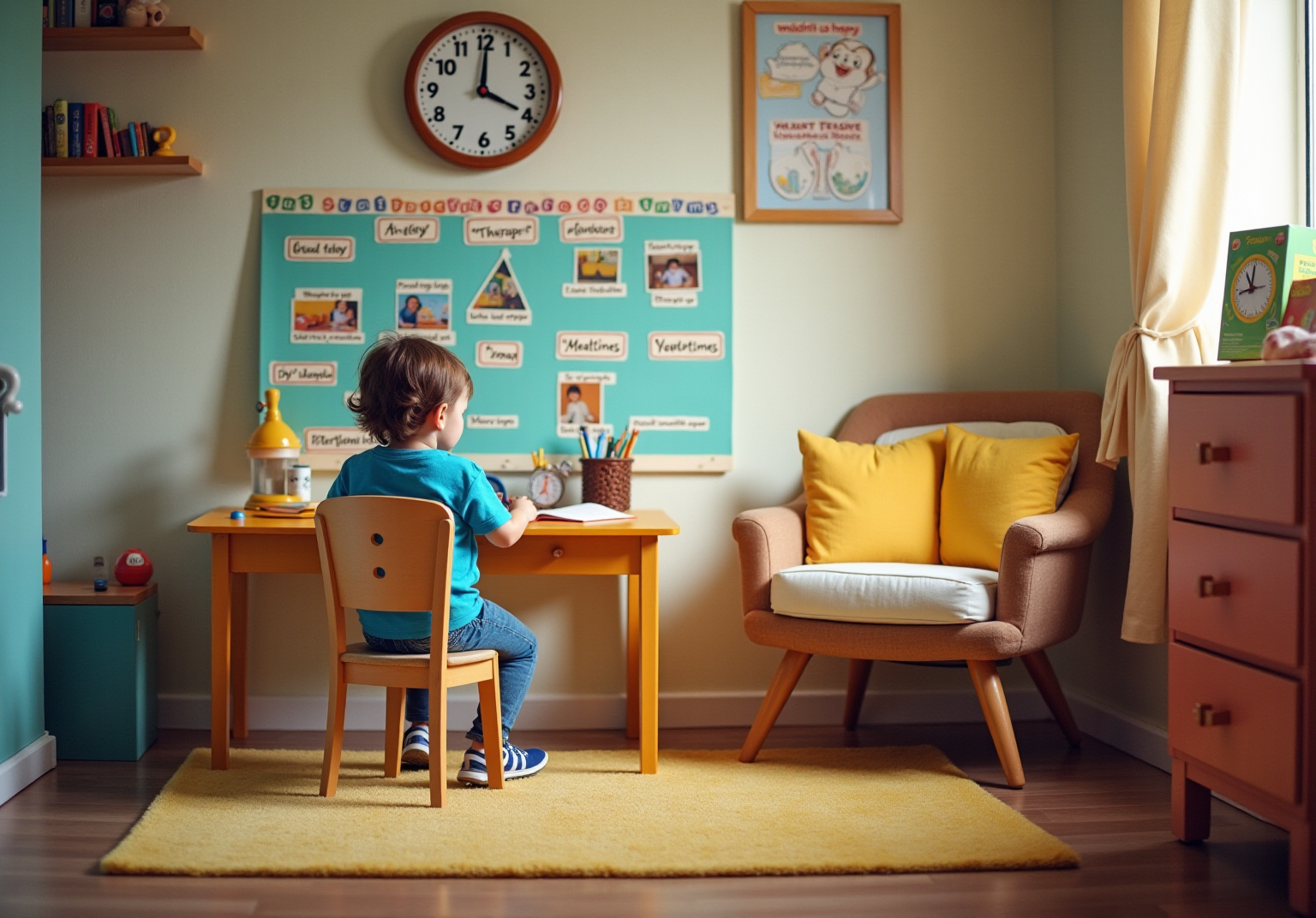
Creating a supportive environment for children with Autism Spectrum Disorder (ASD) is so important for their skill development and generalization. Personalized approaches, like Applied Behavior Analysis (ABA) therapy, offer tailored strategies that help kids practice and apply their skills in different settings. But here’s the big question: how can caregivers make sure these skills carry over from therapy into everyday life?
Let’s dive into ten practical tips for generalizing skills in children with ASD. These insights can really enhance their learning journey and foster independence. Together, we can explore this path and find ways to support our little ones in thriving!
At Rori Behavioral Innovations Inc., we understand that every child is unique, and that’s why we offer that’s carefully tailored to meet individual needs. Our clinicians conduct thorough evaluations to pinpoint the best strategies that truly promote development. This personalized approach not only helps kids learn new skills but also offers , ensuring they can practice and apply these skills in different settings.
By using , Rori Care empowers families and therapists to craft that evolve alongside the child’s progress. This adaptability significantly boosts the chances of achieving successful outcomes. Did you know that in make remarkable strides in their communication and social skills? That’s pretty impressive!
This commitment to customization highlights the incredible potential of . We’re here to help you every step of the way! Let’s explore this journey together!

To help kids really shine, it’s super important for them to practice what they’ve learned in different places - like at home, school, and in the community. One great way to do this is by weaving practice into their daily routines. For instance, if your little one learns to greet others during therapy, you can encourage them to use that skill when they’re hanging out with friends or family. Regular practice offers , as it not only strengthens their abilities but also increases the likelihood that they’ll use those skills independently in various situations.
Research shows that and practice these skills in multiple settings tend to do better in social interactions and daily life. In fact, about 90% of young individuals make with active involvement from caregivers. By incorporating these practices into everyday life, you can create a nurturing environment that in your child’s abilities.
To make this even more effective, consider setting specific goals for skill application in different settings. Using ensures that practice stays consistent and varied, making it easier for your child to generalize their skills. Let’s explore this together and see how we can !

like charts, images, and schedules can really make a difference for individuals with autism. They provide clear, tangible representations of tasks and expectations, which helps with understanding and remembering what needs to be done. For instance, a visual schedule can help a young person anticipate daily activities, reducing anxiety and .
Parents and educators can reinforce learning and provide practical tips for in children with ASD by weaving into therapy and daily routines. This approach fits perfectly with the principles of , which aims to support individuals of all ages facing behavioral challenges, including those with Autism Spectrum Disorders and ADHD.
At Rori Care, we’re all about equipping caregivers with tailored . This ensures that interventions are flexible and meet each individual’s unique needs, leading to . Let’s explore this together and see how we can make a positive impact!

Personalized narratives are designed to help young individuals with autism navigate and learn appropriate responses. By breaking down complex interactions into relatable stories, kids can grasp how to handle various scenarios, like sharing toys or asking for help. For instance, a narrative might outline the steps for greeting a friend, including when to say 'hello' and how to make eye contact. Reading these stories before specific events can help kids mentally and emotionally prepare for what’s coming up.
Research shows that using can really boost in children with ASD. A review of 22 studies found that these stories lead to fewer inappropriate behaviors and better communication skills. Take Lily, a 5-year-old who used a . After following the story, her anxiety decreased, allowing her to wave goodbye without tears and interact more confidently with her classmates.
Therapists often highlight how can be, noting that they serve as . By regularly using these narratives, parents and educators can reinforce the lessons learned, helping kids apply these skills in different contexts. This approach not only fosters but also builds self-confidence, enabling young individuals to engage more fully in social interactions. Ultimately, offer in children with ASD, ADHD, and Social Communication Disorders, serving as a vital resource for enhancing social understanding. Collaborating with Rori Care's clinical leadership team and parents to create these narratives ensures they are clear and tailored to each child's unique needs and understanding.

Peer modeling is such a wonderful way to help kids with autism connect with their typically developing peers! It allows them to observe and mimic , which can really boost their confidence and . For instance, during , a young person can learn essential skills like or sharing just by watching a friend do it. Isn’t that amazing?
Research shows that these are incredibly beneficial for children with ASD. They create a where kids can practice and apply the . Rori Care’s clinical leadership team highlights how important these interactions are for . They provide real-life situations for kids to reinforce their social behaviors.
According to the ASQ:SE-2 Learning Activities, encouraging is key to . By facilitating these , caregivers and educators can create environments that offer and promote overall emotional well-being.
So, how can parents encourage these valuable interactions? Simple! Organizing playdates or that foster collaboration and communication among kids can make a big difference. Let’s explore this together and see how we can support our little ones in their social journeys!

is such a powerful tool! It really helps encourage the repetition of positive behaviors in individuals with autism, especially through Rori Care's tailored . This approach is beneficial for individuals of all ages facing , including those with Autism Spectrum Disorders, ADHD, and .
So, what does look like? It can be as simple as giving , offering tokens, or providing tangible rewards. These methods serve as , motivating young individuals to use their skills in real-life situations. For example, imagine a child successfully asking for help in a store. When you offer or a small reward, it really strengthens that positive behavior!
Research shows that delivering rewards right away significantly boosts the chances of repeating that behavior, and experts really emphasize this point. Plus, setting up organized , like , where kids earn tokens for showing positive behaviors that they can trade for rewards, can serve as in different settings.
By consistently using practical tips for generalizing skills in children with ASD, parents and educators can create a nurturing environment that fosters growth and helps kids thrive in various situations. And here’s a little tip: regularly reviewing and adjusting your reinforcement methods based on your child’s progress and interests can make a big difference. Let’s explore this together!

Setting is very important for helping kids with autism achieve their objectives. Goals should be specific, . For instance, instead of saying, 'let's improve social skills,' a clearer target could be, 'start a conversation with a friend at least once during playtime.' This kind of clarity really helps focus efforts and leads to real results.
Parents and educators can use [](https://rori.care/post/5-effective-one-step-instructions-aba-examples-you-can-use-today) by breaking down bigger goals into smaller, manageable steps, which paves the way for success and builds confidence. And that confidence is key for effectively generalizing skills, and there are [[practical tips for generalizing skills in children with ASD](https://rori.care/post/10-effective-intensive-behavioral-therapy-strategies-for-autism)](https://rori.care/post/5-effective-one-step-instructions-aba-examples-you-can-use-today) that can help. Research shows that can really , with over 89% success in improving areas like communication and social interaction.
Plus, when young people get involved in , it empowers them. They start to see these objectives as relevant and achievable. As educators often point out, but also create a clear path for their growth and independence. So, let’s explore this together! We’re here to !

is crucial for providing that kids learn in therapy. When parents and teachers and the , it helps educators apply similar techniques in the classroom. For example, if a child is practicing how to greet peers, teachers can be informed to encourage this behavior during school activities. This steady approach includes , helping them across different settings while also boosting their confidence and social engagement.
Research shows that leads to better , including improved and self-advocacy. It’s pretty remarkable that 90% of youth show significant advancements when caregivers are actively involved and follow through with the recommended hours of support. By nurturing this partnership, families and educators can create an environment where children with autism can truly thrive and develop essential skills, incorporating [practical tips for generalizing skills in children with ASD](https://rori.care/post/7-effective-strategies-for-teaching-receptive-id-in-aba-therapy).
enhances their ability to support their child’s progress, leading to better behavioral outcomes. When caregivers are actively involved and informed by data from treatment plans, it ensures that strategies are consistently applied both at home and in school. This makes collaboration not just beneficial but essential for student success.
To make these strategies work effectively, it’s a great idea for parents to keep regular check-ins with educators. Discussing progress and adapting techniques as needed can really make a difference. Let’s explore this together! We’re here to help you every step of the way!

Regular evaluations are so important for keeping track of how a young person is doing in developing their skills. Think of it like checking in on a friend’s progress - observational checklists, progress reports, and can really help. By looking at how a young person performs in different settings, clinicians can spot their strengths and see where they might need a little extra help.
This is like having a trusty guide by your side, allowing for quick adjustments to the . It’s all about making sure that the young one not only grows but also learns to use their skills in various situations, which can be supported by . Clinicians often remind us that consistently is key to understanding and .
So, let’s explore this together! If you’re feeling unsure about how to , remember that you’re not alone. We’re here to !

Creating a is so important for helping kids with autism spectrum disorder (ASD) strengthen the skills they learn in therapy. When parents set up an organized and , it provides in children with ASD by . For instance, using can really help kids anticipate their daily activities, easing anxiety and making it easier for them to adapt to changes.
And let’s not forget about ! When children successfully use their skills at home, it gives them the motivation to apply those abilities in different situations. Family therapists often highlight , emphasizing how a can effectively. This makes and settings a lot smoother for them.
So, let’s explore this together! By fostering that nurturing atmosphere, you’re not just helping your child; you’re also creating a space where they can thrive and feel supported. We’re here to help you every step of the way!

Creating a supportive and effective environment for children with Autism Spectrum Disorder (ASD) is so important for their skill development and generalization. It’s all about personalized approaches, like Rori Care's tailored ABA therapy, which adapts to each child's unique needs. This way, they can practice and apply skills in different settings, making a real difference in their lives. By focusing on practical tips for generalizing skills, caregivers can really boost their child's ability to thrive socially and independently.
Some key strategies to consider include:
Each of these techniques plays a vital role in reinforcing learning and promoting effective skill application. Plus, let’s not forget the importance of positive reinforcement, realistic goal-setting, and collaboration between parents and educators. These elements create a strong support system that nurtures growth and confidence in children with ASD.
Ultimately, fostering a nurturing home environment and keeping open communication with educators are crucial steps in helping children with ASD generalize their skills successfully. Embracing these strategies not only empowers children but also equips families with the tools they need to support their loved ones on their journey toward independence and social engagement. By actively implementing these practical tips, caregivers can make a significant impact on their child's development and overall well-being, paving the way for a brighter future. Let’s explore this together!
What is Rori Care and what services do they offer?
Rori Care, provided by Rori Behavioral Innovations Inc., offers personalized ABA therapy tailored to meet the unique needs of each child, focusing on skill development and practical tips for generalizing skills in children with Autism Spectrum Disorder (ASD).
How does Rori Care ensure the effectiveness of their therapy?
Rori Care utilizes thorough evaluations to identify the best strategies for each child, employs data-informed techniques, and adapts treatment plans as the child progresses, which significantly enhances the likelihood of successful outcomes.
What is the success rate of customized ABA therapy programs at Rori Care?
Studies indicate that over 89% of children in customized ABA therapy programs show remarkable improvements in their communication and social skills.
Why is consistent practice across different settings important for children with ASD?
Consistent practice in various environments, such as home, school, and community, helps reinforce learned skills, increases the likelihood of independent use of those skills, and enhances social interactions and daily life functioning.
How can caregivers support skill application in different settings?
Caregivers can encourage their children to apply learned skills in everyday situations, such as greeting others during social interactions, and set specific goals for skill application to ensure consistent and varied practice.
What role do visual supports play in learning for individuals with autism?
Visual aids like charts, images, and schedules provide clear representations of tasks and expectations, helping individuals with autism understand and remember what needs to be done, thereby reducing anxiety and promoting independence.
How does Rori Care incorporate visual supports into their therapy?
Rori Care integrates visual aids into therapy and daily routines to reinforce learning, aligning with the principles of Applied Behavior Analysis (ABA) therapy to support individuals facing behavioral challenges.
What is the overall goal of Rori Care's approach?
The overall goal of Rori Care's approach is to empower families and therapists to create effective, adaptable treatment plans that promote independence, confidence, and skill development in children with ASD.