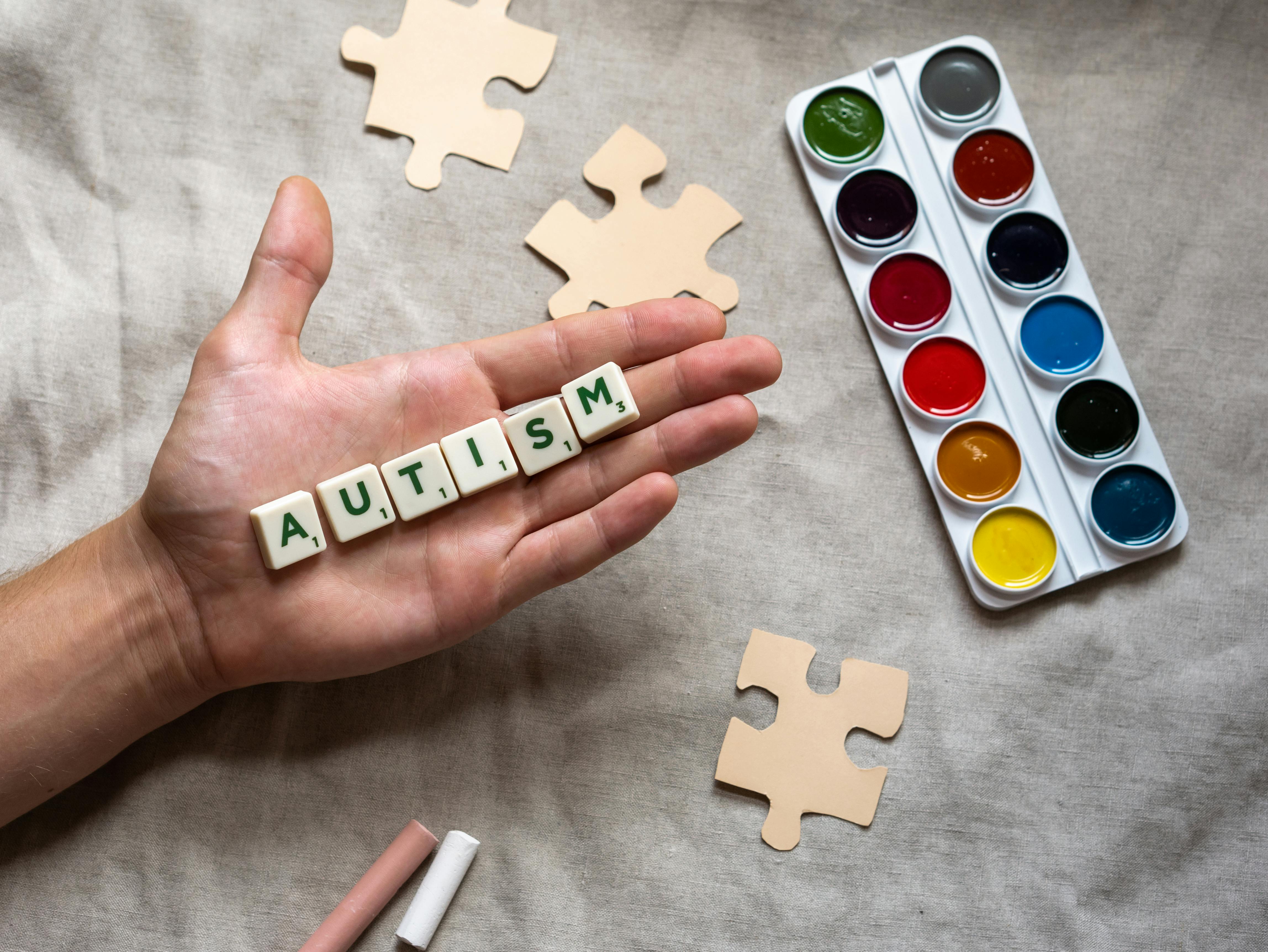
Role-playing interventions have become a wonderful way for individuals with autism to practice essential social skills in a safe and supportive environment. Imagine your child stepping into different roles and simulating real-life situations-this not only helps them communicate better but also fosters empathy, emotional regulation, and critical thinking.
But here’s the big question: how can therapists tailor these role-playing experiences to meet the unique needs of each child? It’s all about ensuring maximum engagement and skill development. By exploring this, we can truly appreciate the profound impact role-playing has on the lives of individuals with autism, paving the way for meaningful social interactions and a better quality of life.
Let’s explore this together! Your journey in understanding these interventions can lead to amazing changes for your child.
serve as a powerful tool in Applied Behavior Analysis (ABA) therapy! It gives kids with autism a safe space to through . Imagine your child stepping into different roles, simulating real-life situations. This practice is so important for helping them , , and enhance their communication skills.
When kids engage in these role-playing scenarios, they can , which is crucial for understanding how communities work. Research shows that role-playing interventions for individuals with autism can lead to significant improvements in communication skills, making them a vital part of . For example, when role-playing scenarios are tailored to a child’s interests, they become more engaged and motivated, which really boosts their learning experience.
Therapists often model appropriate behaviors during these activities, providing clear examples that help kids internalize social norms. Plus, group therapy focused on , led by trained therapists, fosters better interactions and builds connections among peers. Incorporating dramatization in not only boosts kids' confidence in social settings but also equips them with essential skills for real-life interactions.
And let’s not forget about ! Educating them on ABA principles and strategies supports the behavioral goals of their children. This knowledge enhances decision-making and improves outcomes, ensuring a consistent approach to their development. So, let’s explore this together! We’re here to help you every step of the way!

To effectively use in , it’s important for therapists to first identify specific interactions that resonate with the youth's everyday experiences. Start by creating and interactions involved. For instance, practice scenarios like greeting a new classmate or ordering food at a restaurant. Using , such as image cards or social narratives, can really boost understanding; studies show that rehearsing situations with these visual prompts and scripts helps reduce anxiety for individuals with autism.
During the role-play, it’s key to provide immediate feedback to reinforce positive behaviors and gently correct mistakes. This creates a . As Pops ABA notes, "Role-playing is more than just a short-term teaching tool - it lays the groundwork for meaningful, lasting change." is essential for building confidence and mastery, especially since young learners often thrive on familiarity. Adding elements of fun, like games or props, can further enhance engagement and motivation, making the learning process enjoyable. Just be careful not to overwhelm the young one with too many new scenarios at once, as that can lead to frustration.
This structured approach utilizes , aiding in the development of essential while also nurturing emotional self-awareness and adaptability in real-life situations. Remarkably, progress is seen in 90% of youngsters when the recommended hours are fully implemented with . The patient-centered nature of ensures that each individual’s unique needs are met, and having is crucial for achieving better behavioral outcomes. For example, a case study on the benefits of demonstrated that they gain confidence, enhance empathy, and reduce anxiety in social situations, which leads to more manageable and meaningful daily interactions. By empowering caregivers with ABA principles and strategies, Rori Care boosts the support provided at home, ultimately benefiting the young one’s development. Let’s explore this together!

serve as a fantastic tool for helping them develop their skills! It creates a structured space where they can . By acting out different scenarios, young people gain valuable experience in starting conversations, responding appropriately, and picking up on non-verbal cues - key elements for effective communication. Plus, this method really helps with , as they learn to handle various emotional responses in different situations, making it easier to manage their feelings in real life.
And there’s more! Role-playing also boosts . Young individuals get to think about how to react in various social situations. When these activities are , it makes the experience even more . This practice not only builds self-confidence but also encourages them to beyond therapy sessions by utilizing .
At Rori Care, our dedicated clinical leadership team is made up of skilled professionals who are passionate about neurodiversity. They play a crucial role in applying these simulation techniques. We truly believe that empowering caregivers with is vital for . Research shows that regular involvement in interactive activities can lead to . In fact, studies indicate that around 70% of young individuals involved in such programs see better communication and behavioral skills. Ultimately, engaging in role-playing interventions for individuals with autism not only enhances their social experiences but also significantly improves their overall quality of life.
Let’s explore this together! We’re here to help you every step of the way!

When it comes to assessing and adapting , therapists really need to keep an eye on how engaged a young person is during sessions. It’s super helpful to . This way, you can figure out what parts of the role-playing are working well and which ones might be a bit tricky. For example, if a young person struggles with a specific interaction, therapists can simplify the role-play or introduce new elements that spark their interest.
not only helps track progress but also ensures that the interventions stay aligned with the young person’s evolving needs. Research shows that regular input from caregivers can significantly boost the effectiveness of , leading to . Plus, when , it can significantly boost a young person’s confidence and ability to handle social interactions.
Case studies have highlighted that can lead to greater engagement and learning, ultimately supporting the child’s overall development. So, let’s explore this together! We’re here to help you every step of the way!

Role-playing interventions for individuals with autism truly shine as a wonderful approach within Applied Behavior Analysis (ABA) therapy. By creating a structured space for practicing social interactions, these techniques help children develop essential communication skills, recognize social cues, and build empathy. This method not only boosts their ability to navigate social situations but also nurtures emotional regulation and critical thinking - both vital for their overall development.
Throughout this article, we've explored various strategies for implementing effective role-playing techniques. One key takeaway is the importance of tailoring scenarios to a child's interests. Using visual supports and providing immediate feedback can really reinforce positive behaviors. Plus, the active involvement of caregivers plays a crucial role in achieving successful outcomes, ensuring consistency and support in the child's learning journey.
Ultimately, we can't underestimate the significance of role-playing in enhancing the skills of individuals with autism. By embracing these interventions, caregivers and therapists can create meaningful opportunities for growth and connection. Engaging in role-playing not only improves social skills but also enriches the quality of life for young individuals on the autism spectrum. Let’s keep exploring and adapting these techniques to meet each child's unique needs, paving the way for a brighter future together!
What is the role of role-playing in ABA therapy for individuals with autism?
Role-playing serves as a powerful tool in ABA therapy, providing a safe space for children with autism to practice social interactions and improve their communication skills.
How does role-playing benefit children with autism?
Role-playing helps children recognize social cues, build empathy, and enhance their communication skills by allowing them to step into different roles and simulate real-life situations.
What improvements can be expected from role-playing interventions?
Research shows that role-playing interventions can lead to significant improvements in communication skills, making them an essential part of effective autism treatments.
How can role-playing scenarios be made more effective for children?
Tailoring role-playing scenarios to a child’s interests increases their engagement and motivation, which boosts their learning experience.
What role do therapists play in role-playing activities?
Therapists model appropriate behaviors during role-playing activities, providing clear examples that help children internalize social norms.
How does group therapy contribute to the effectiveness of role-playing?
Group therapy focused on social skills, led by trained therapists, fosters better interactions and builds connections among peers, enhancing the overall learning experience.
What additional support is provided to caregivers in the context of ABA therapy?
Caregivers are educated on ABA principles and strategies, which supports their children's behavioral goals and enhances decision-making to ensure a consistent approach to their development.