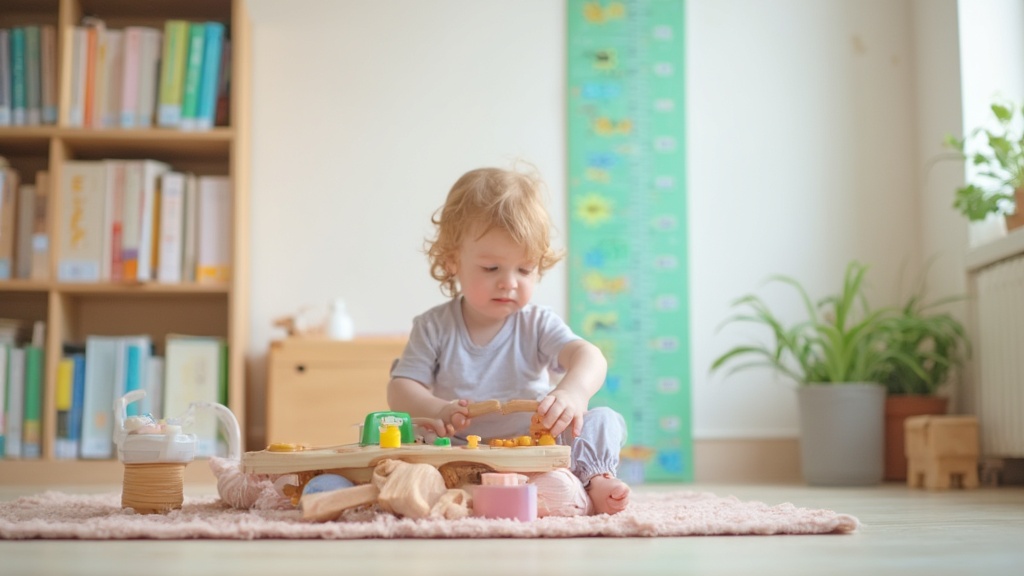
For many kids with autism, stepping into public spaces can feel like climbing a mountain, especially when anxiety and social hurdles come into play. But with the right support and a few handy strategies, these challenges can turn into stepping stones for growth and confidence!
Let’s explore ten practical tips that can help kids on the autism spectrum feel more at ease in public interactions. So, how can we, as caregivers, nurture this confidence while honoring our kids' unique needs?
Have you ever felt anxious about a big event? Imagine how your child might feel in the same situation. Preparing for an event can significantly reduce nerves and offer valuable tips for building confidence in public settings with autism for your child!
Let’s chat about the event! Talk to your child about who will be there and what fun activities they can expect. This program provides tips for building confidence in public settings with autism, which can be a game-changer for kids looking to connect with others.
With a little preparation, you can help your child turn anxiety into excitement!

We all want our kids to feel confident when stepping out into the world, right? Fostering a supportive atmosphere can provide valuable tips for building confidence in public settings with autism during public outings. Familiar places can make a big difference, allowing kids with autism to interact more comfortably with their surroundings. Kids with autism often feel more at ease in familiar places, and these experiences provide tips for building confidence in public settings with autism!
You know, familiar spots can really help ease sensory overload for many kids. To support your child even more, why not try visiting these places when it’s a bit quieter? It can really help! Bringing along comforting items, like a favorite toy or sensory tools, can also provide that extra sense of security. Plus, having a trusted adult with them can offer tips for building confidence in public settings with autism, making outings more enjoyable and successful.
Rori Care offers fun social skills groups where kids can practice in a friendly setting! Case studies show that outings in familiar environments lead to positive experiences, with kids showing more engagement and less anxiety. Imagine the joy of seeing your child thrive in a place they love!

Have you ever noticed how some kids shine in public while others seem to shrink away? Using positive reinforcement can serve as effective tips for building confidence in public settings with autism for a young person. When you acknowledge their efforts with comments like, 'I’m proud of you for speaking to that person!' it really reinforces positive behavior.
Implementing a fun reward system, such as earning points for chatting with others, can serve as effective tips for building confidence in public settings with autism for kids. These points can be traded for fun activities or treats, creating a tangible link between engaging with others and feeling good about themselves. When kids get praise, it not only encourages them to keep trying but also makes them feel proud of themselves.
By customizing these strategies to what your child enjoys, you can effectively support their growth and provide tips for building confidence in public settings with autism. Plus, learning about ABA can really help parents support their kids better. With the right support, your child can become more confident and eager to connect with others.

Navigating social situations can be tough for kids with autism, can't it? Organized practice can really help them build those important interpersonal skills. Participating in role-playing activities that simulate everyday situations, like greeting a friend or asking for help, can offer essential tips for building confidence in public settings with autism. Kids who join organized social skills training often see big improvements in how they interact with others!
Visual aids like social scripts or cue cards can really help kids understand social interactions better. For example, role-playing offers valuable tips for building confidence in public settings with autism by allowing children to practice starting conversations and answering questions in a safe space, which helps them feel more confident and less anxious. When kids practice in these safe spaces, they learn tips for building confidence in public settings with autism, preparing them for real-life situations!
Group therapy with trained therapists can really boost how kids communicate and connect with others. Plus, caregiver training is so important for helping parents support their kids! Therapists often say that role-playing is a fantastic way to help kids become more socially aware. It not only improves their communication strategies but also encourages flexibility in thinking and behavior, which is essential for adapting to different social contexts.
So, let’s explore this together! Imagine the joy of seeing your child confidently engage with their peers!

Helping our kids with autism feel more comfortable in social situations can be a journey, but gradual exposure can make a world of difference! Start by introducing low-pressure situations, like visiting a familiar park or attending a small gathering with trusted friends or family. As your child gains confidence, you can gradually increase the complexity of these outings, moving to busier environments or new locations.
Talking about how they felt before and after each outing can really help them process their experiences and develop coping strategies for future challenges. This approach not only eases anxiety but also offers tips for building confidence in public settings with autism, fostering a sense of independence.
And let’s not forget about caregiver education! When caregivers understand ABA principles better, they can make choices that really help their kids thrive. This active involvement not only enhances the support provided at home but also reduces stress and improves overall family dynamics. Ultimately, this leads to more effective and lasting behavioral improvements. We’re here to help you every step of the way!

Have you ever watched your child struggle to ask for help in a crowded place? It can be tough to see them feeling overwhelmed. Teaching self-advocacy skills is so important for young people with autism. When they learn to articulate their needs, like asking for a break or requesting assistance, they gain confidence in navigating public settings, which can be supported by tips for building confidence in public settings with autism.
At Rori Care, we believe in creating a warm environment that values neurodiversity. Imagine your child practicing asking for a break during a role-play at home. It’s a safe space where they can build confidence! Our clinical leadership team is dedicated to helping youth succeed through these supportive practices.
Providing tools like communication cards or apps can also make a big difference. These resources help young individuals communicate effectively in various situations. Plus, it’s crucial to educate them about their rights and responsibilities related to autism. Understanding laws like the Americans with Disabilities Act (ADA) and the Individuals with Disabilities Education Act (IDEA) empowers them even more.
Research shows that when young people engage in self-advocacy, they report more positive experiences. When they learn to advocate for themselves, they not only gain confidence but also feel more connected to their community. However, challenges like social anxiety can make this journey tough. Imagine a young person wanting to ask for help but feeling overwhelmed by anxiety.
As parents and educators, when we nurture these skills, we’re helping our kids find their voice and share their unique needs. By supporting their self-advocacy journey, you’re not just helping them; you’re also providing tips for building confidence in public settings with autism, which opens doors to a world where they can thrive.

Have you ever felt anxious about how your child will interact with others? Role-playing can be a fantastic way to help kids with autism prepare for real-life situations. Imagine setting up fun scenarios that reflect real-life situations your child might face, like meeting new friends or joining a group activity. In these supportive environments, children can practice different responses and strategies, which helps them grow their social skills.
Did you know that kids who regularly role-play often see a boost in their behavior and communication skills? It's true! Research shows that around 70% of children involved in consistent role-playing activities show improvements. Plus, practicing reactions in these safe settings can provide valuable tips for building confidence in public settings with autism, helping kids feel more ready for real-life interactions and boosting their confidence and social abilities.
This approach is especially helpful for kids with Autism, ADHD, or anxiety by offering valuable tips for building confidence in public settings with autism, giving them the tools they need to shine! By creating customized interactive situations, children can practice essential skills like starting conversations and sharing, which serve as tips for building confidence in public settings with autism. So, let’s explore this together and see how role-playing can make a difference for your child!

Have you ever noticed how a simple 'great job!' can light up a child's face? Acknowledging and celebrating small achievements can serve as valuable tips for building confidence in public settings with autism, which is key to boosting a young person's motivation. After each outing or successful interaction, it's so important to recognize their efforts, no matter how small they may seem. Using a little praise, some fun stickers, or even a small treat can really make a difference! This not only helps kids connect positive feelings with social interactions but also encourages them to join in more often.
Celebrating milestones, like making eye contact or starting a conversation, provides valuable tips for building confidence in public settings with autism, fostering a sense of accomplishment and building self-esteem. When we regularly cheer for those small wins, kids learn that growing up is all about taking one step at a time! Plus, when caregivers understand ABA principles and strategies, they become better equipped to spot and celebrate these little successes. By creating a culture of celebration at home, families can implement tips for building confidence in public settings with autism, significantly boosting their kids' confidence and readiness to engage with others.

Getting the right help can make a world of difference for your child with autism! Here at Rori Care, we truly believe in celebrating neurodiversity and helping every child shine. Empowering caregivers with ABA principles and strategies is key to supporting your loved ones' behavioral goals.
Consider enrolling your child in social skills groups or working with a specialist in autism. These professionals use tailored strategies that cater to each child's unique needs. Research shows that kids in social skills groups often see real improvements in how they connect with others! Regular sessions not only help develop skills but also offer tips for building confidence in public settings with autism.
For instance, parents have reported noticeable improvements in their children's community competence, showing satisfaction with the results of these groups. Participating in these programs can enable young individuals to handle interpersonal situations more effectively, ultimately improving their overall quality of life.
So, let’s explore this together! To get started, consider researching local social skills programs or chatting with your child’s therapist to find the best fit for your family.

Finding the right support for your child can feel overwhelming, but Rori Care is here to help! We specialize in personalized ABA therapy that offers tips for building confidence in public settings with autism for your little one. You’ll be glad to know that studies show ABA therapy works wonders, with over 89% of kids making great strides in their communication and social skills!
This tailored support not only addresses behavioral challenges but also nurtures essential social skills and independence, helping your child navigate the world with ease. When you choose Rori Care, you’re not just getting therapy; you’re joining a community that helps your child feel at home and confident!
And remember, your involvement is key! When families join in, it really helps kids reinforce what they learn and grow even more. Let’s explore this journey together and watch your child thrive!

Helping our kids with autism feel confident in public can sometimes feel like a tough climb, but it’s a journey worth taking together! By using effective preparation techniques and creating supportive environments, we can help our children engage more comfortably in social situations. These foundational steps not only ease anxiety but also empower our kids to embrace new experiences with excitement.
Let’s talk about some key strategies!
Each of these approaches helps our children grow, giving them the tools they need to navigate public interactions successfully. And don’t forget to celebrate those small victories along the way! They can really boost motivation and reinforce positive behaviors, creating a cycle of encouragement that keeps our kids moving forward.
With the right support, like ABA therapy, families can really see their kids shine! Engaging with professionals who understand the unique needs of autistic individuals can lead to amazing improvements in communication and social skills. By committing to these strategies and seeking out helpful resources, we can help our children thrive in public settings, paving the way for a future filled with confidence and connection. Imagine the joy of seeing your child thrive in social settings, building connections that last a lifetime!
How can I help my child prepare for public engagements to reduce anxiety?
Talk to your child about the event, including who will be there and what activities to expect. Using visual aids like social stories or checklists can help them understand what’s coming up. Practicing greetings or introductions together can also make the situation feel less daunting.
What environment is best for children with autism during public outings?
Familiar places can help children with autism feel more comfortable and less anxious. These environments reduce sensory overload and allow for easier interactions. Visiting these locations during quieter times can further support your child.
How can I create a supportive atmosphere for my child during outings?
Bring along comforting items like a favorite toy or sensory tools to provide a sense of security. Having a trusted adult accompany your child can also enhance their comfort and confidence during outings.
What role does positive reinforcement play in building confidence in children with autism?
Positive reinforcement can encourage children to engage in public settings. Acknowledging their efforts with praise, such as saying, 'I’m proud of you for speaking to that person!' reinforces positive behavior and boosts their confidence.
How can I implement a reward system to encourage my child’s social interactions?
Create a fun reward system where your child earns points for engaging with others. These points can be exchanged for activities or treats, linking social engagement to positive feelings and encouraging them to keep trying.
How can learning about ABA support my child’s development in social situations?
Learning about Applied Behavior Analysis (ABA) can provide parents with strategies to effectively support their child's social growth, helping them become more confident and eager to connect with others.