Group therapy for children with autism spectrum disorder (ASD) creates a warm and inviting space where social interaction and communication can truly thrive. These sessions offer essential opportunities for young ones to build their social skills through fun activities, while also nurturing emotional growth and friendships. But many caregivers might wonder: how can they help their child make the most of these experiences?
Let’s explore the many benefits of group therapy together! It can open doors to improved social skills and boost confidence for children with ASD. By understanding these advantages, you can feel more empowered to support your child on this journey.
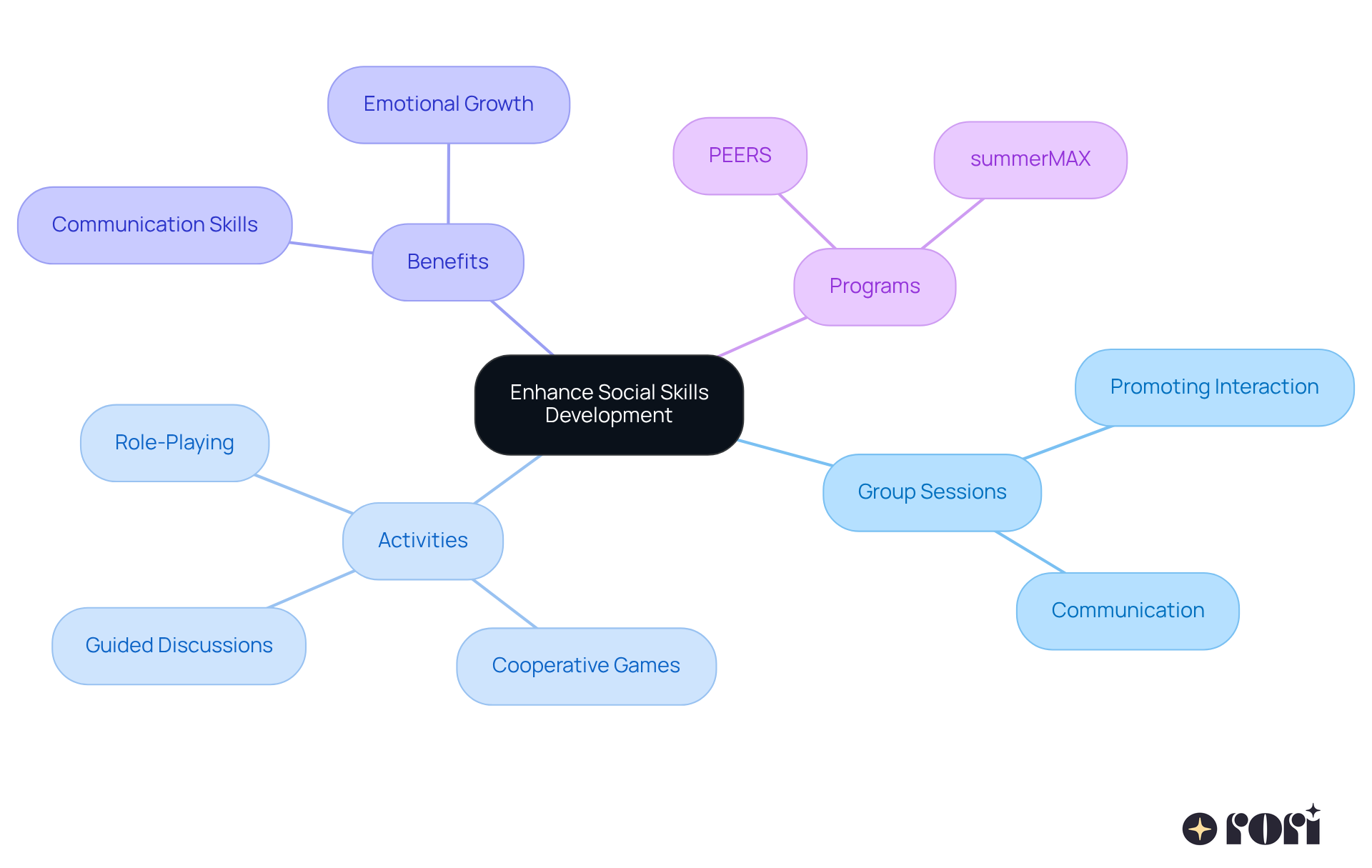
, which can be seen as , offer a fantastic space for kids to connect and build their through with their peers. Fun activities like role-playing, , and guided discussions help them learn important skills such as taking turns, sharing, and starting conversations. Research shows that kids involved in make significant strides in their social abilities, with a of 0.51 on socialization skills.
These interactions not only boost but also support , helping young ones navigate social situations more effectively. Programs like PEERS and summerMAX highlight the benefits of for ASD: promoting social interaction and communication, which further enhances the positive impact of peer interactions on development, especially for individuals with autism.
Let’s explore this together! If you’re looking for ways to , participating in could be a wonderful step forward.
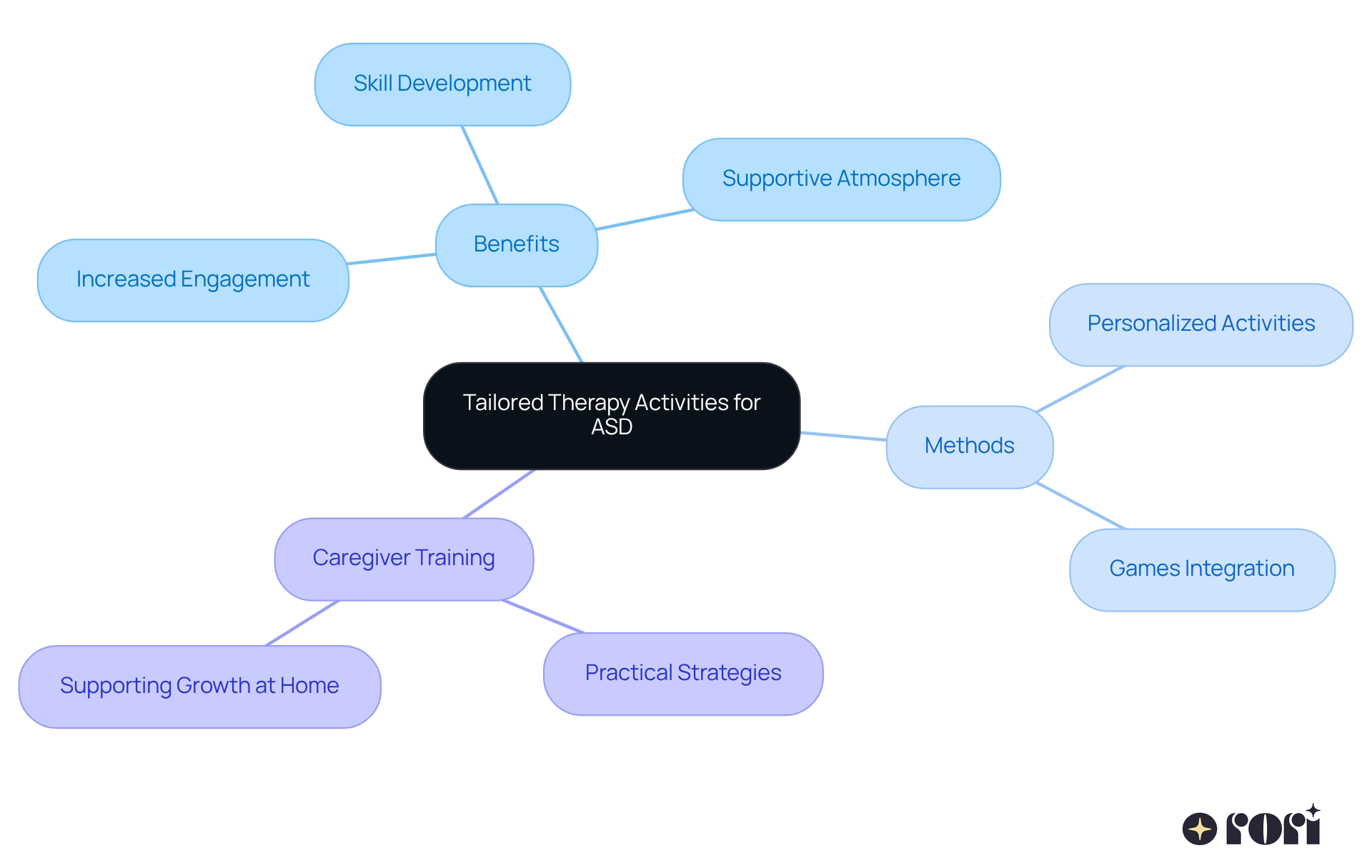
In , activities can be tailored to fit the unique interests and developmental stages of the kids involved. For example, when we integrate games that resonate with young people's interests, it really boosts their motivation and involvement! not only make sure that every child feels included and engaged but also .
Research shows that kids who participate in tend to be more engaged, which leads to in . Therapists often emphasize that through tailored activities creates a , allowing kids to like turn-taking and sharing. This focus on personalization is crucial, as it helps children build empathy and understand cues in their environment, ultimately leading to better interactions and emotional regulation.
Plus, Rori Care goes the extra mile by including in the treatment process. This means parents get to . By equipping young individuals with the skills they need to navigate the world independently, Rori Care ensures that each child is ready for greater autonomy and success in their interactions. Let’s explore this together!
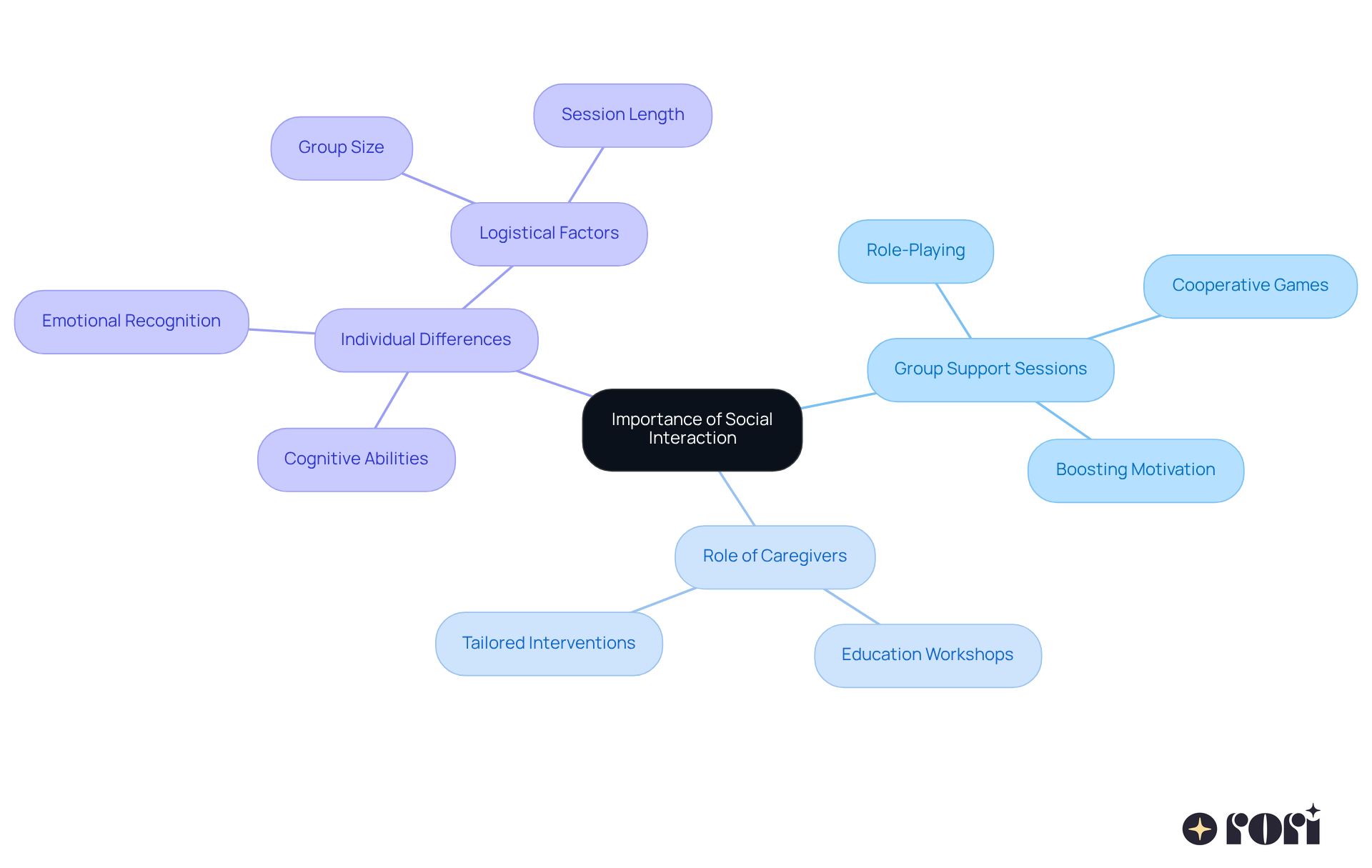
Group support sessions are so important for helping kids connect with their peers! 🌟 and cooperative games not only make socializing fun but also show that these interactions can be really rewarding. This positive experience can outside of treatment, creating a deeper sense of belonging and community.
Research shows that regular participation in for ASD: can enhance interpersonal skills and , which are essential for forming and improving overall quality of life. As kids learn to navigate social situations, they build confidence and self-acceptance, making their interactions even better.
At Rori Care, we also recognize how vital it is to support caregivers through education and . includes workshops that give families practical strategies to reinforce social skills at home. Meanwhile, focuses on creating tailored interventions that meet each child's unique needs.
However, it’s essential to keep in mind that can affect treatment outcomes. Plus, logistical factors like group size and session length can impact how effective the treatment is, highlighting the need for customized strategies.
Let’s explore this together! We’re here to !
While personal counseling offers a tailored focus, bring their own unique perks, especially through peer modeling and . At Rori Care - ABA Therapy, kids get to join group environments where they can observe and learn from their peers, which really boosts their . Research shows that has an overall effect size of 0.51 in enhancing among youth with autism, highlighting its effectiveness in fostering .
This setting encourages kids to engage with social norms and develop . The power of can lead to lasting behavioral changes, making it a vital part of . Plus, Rori Care's services in enhance , providing a well-rounded approach to improving .
Let’s explore this together! We’re here to help you every step of the way!
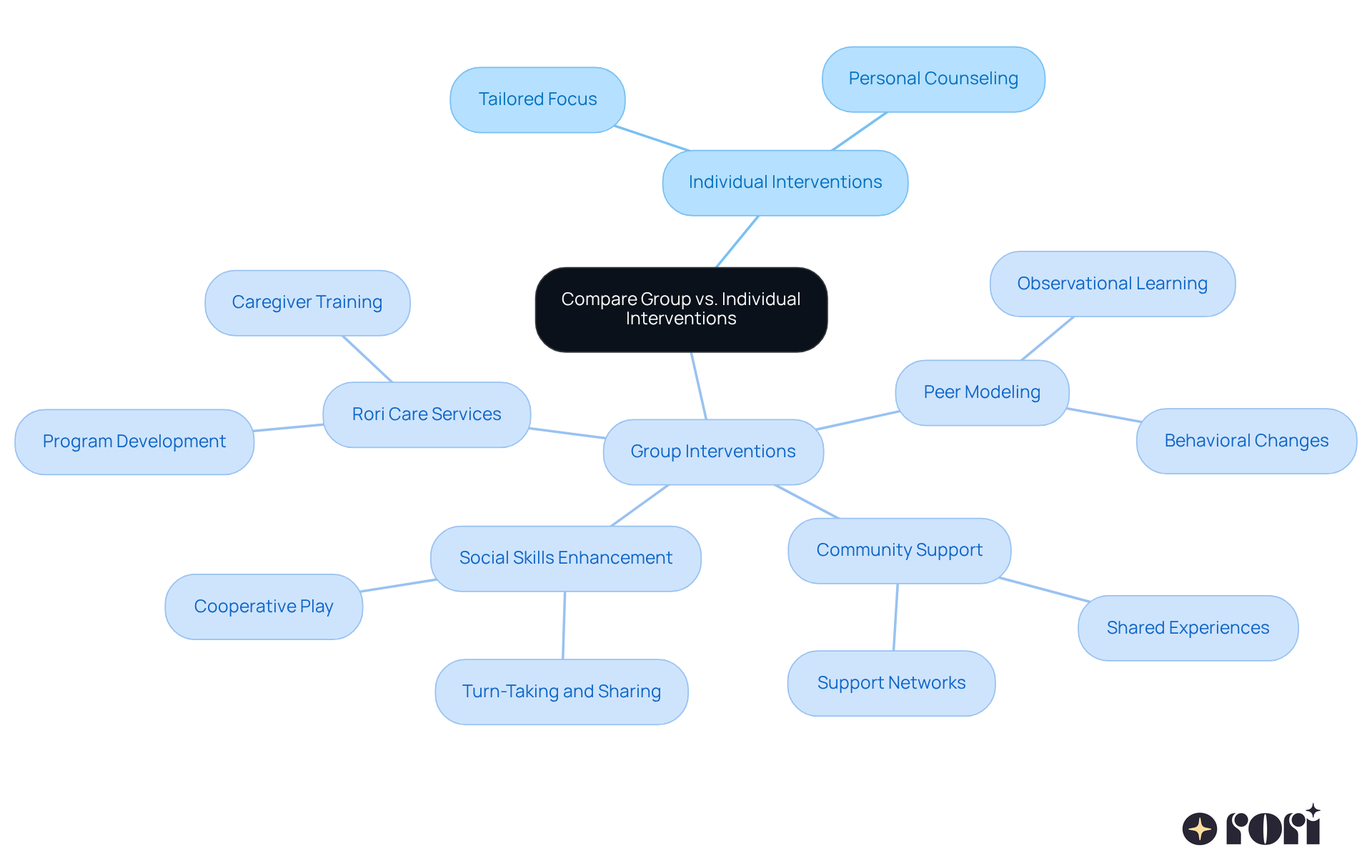
Children with autism often encounter some tough interpersonal challenges, especially when it comes to picking up on social cues and joining in on conversations. At Rori Care - ABA Therapy, we provide in a where these young individuals can practice and enhance their . Did you know that about ? This really highlights the importance of .
Through organized interactions, kids learn to more effectively. This is so crucial for ! Development experts emphasize that is essential for developing . They give children the chance to observe and mimic appropriate behaviors, which not only boosts their confidence but also helps them apply these skills in real-life situations. Imagine how much easier it would be for them to connect with peers and navigate social settings!
At Rori Care, we take a comprehensive approach to support your child's growth and development. Our services include:
We’re here to help you every step of the way! Let’s explore this together!
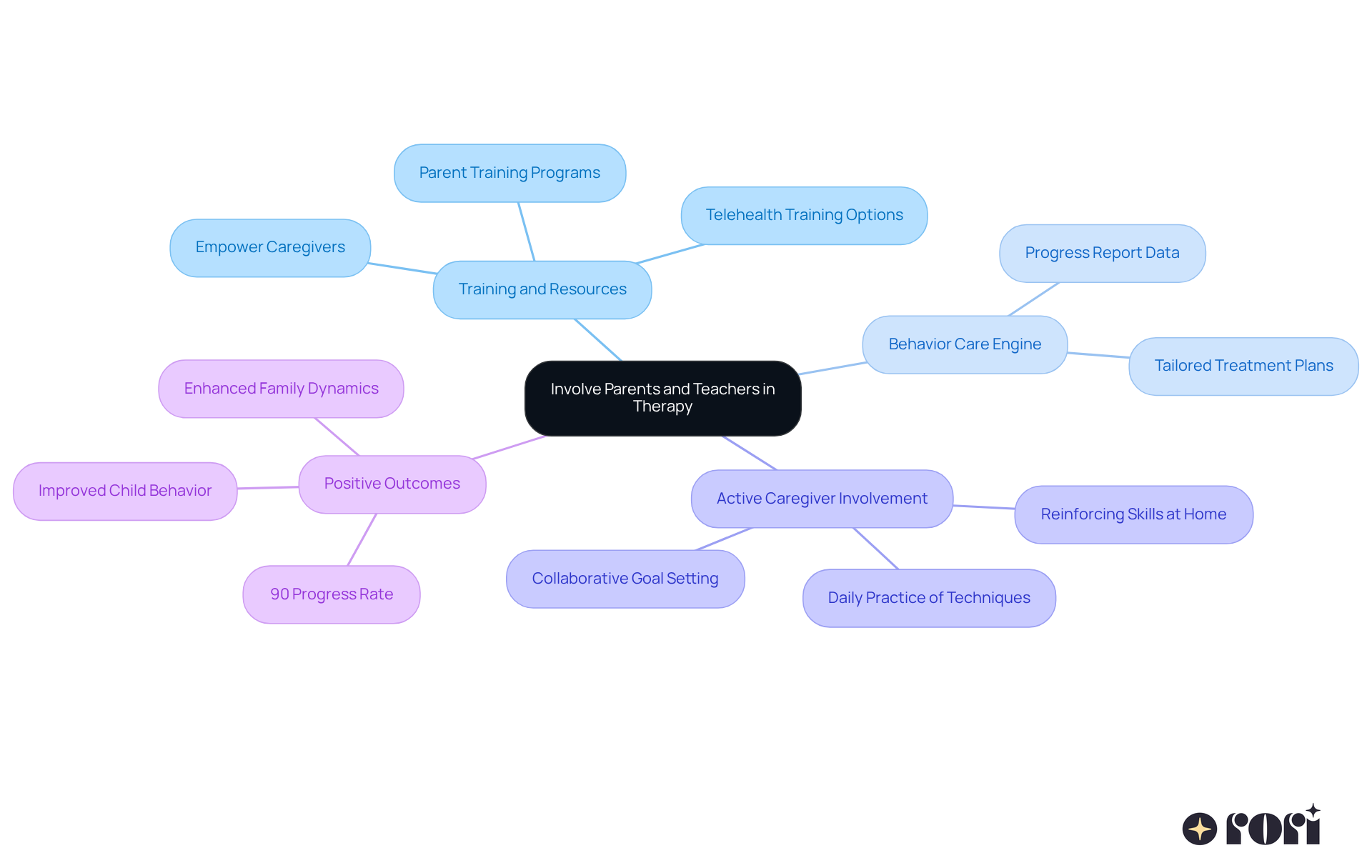
Getting parents and teachers involved in the treatment process can really ! By providing , therapists empower caregivers to help strengthen and in school.
Our behavior care engine is always working to improve based on . This means that we ensure recommended hours are fully implemented with . This collaborative approach guarantees that young individuals receive , which is so important for applying the skills they learn in treatment to real-life situations.
And here’s something encouraging: when these strategies are effectively utilized, we see ! Isn’t that amazing? Let’s explore this together and see how we can make a difference!
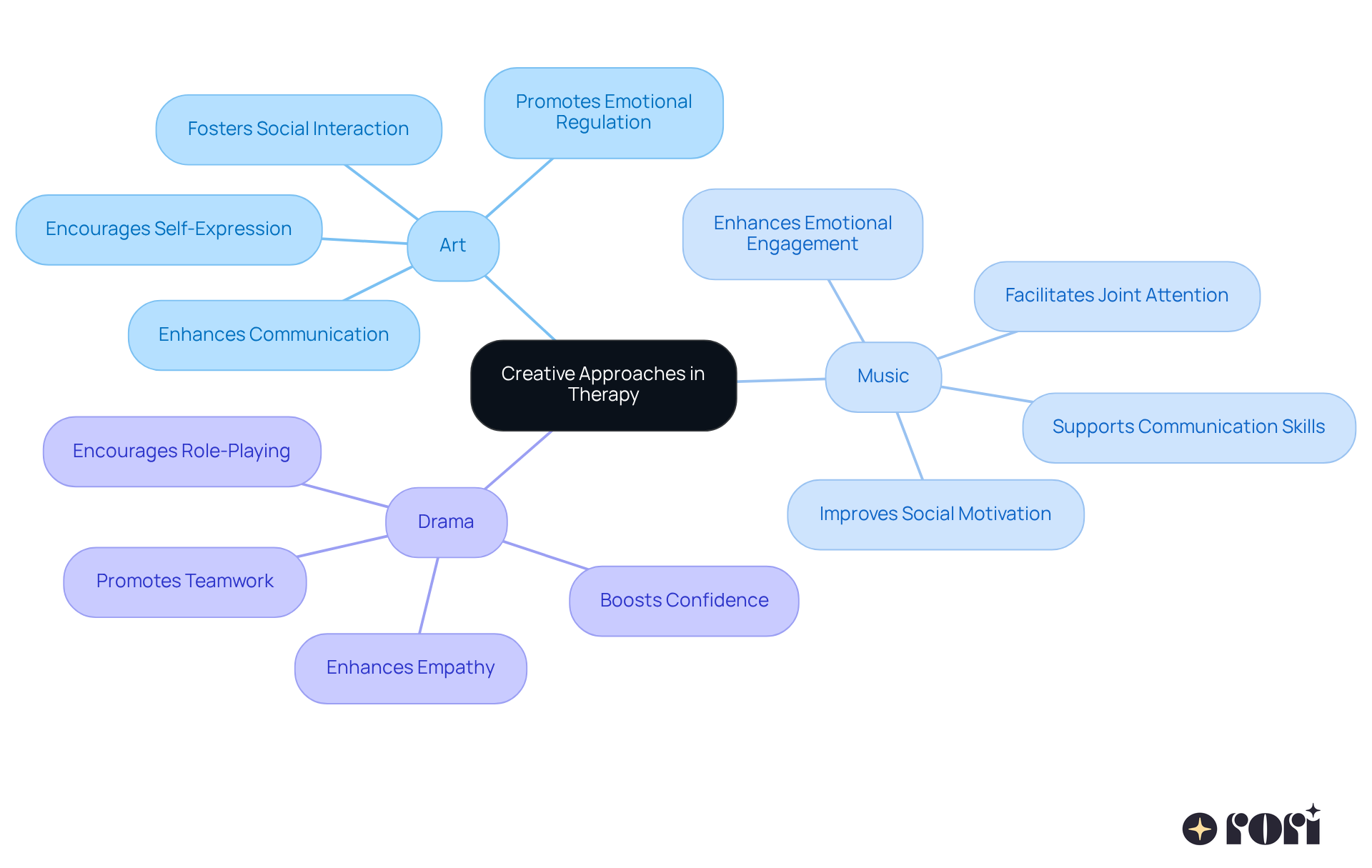
Integrating imaginative methods like art, music, and drama into can significantly enhance the healing journey for young individuals with autism spectrum disorder. 🎨 These activities not only make the process more enjoyable but also act as . For instance, they might find hard to express in words, which can lead to deeper connections with others.
Studies show that artistic interventions can lead to , , and overall behavior among youth with ASD. Plus, has been shown to , both of which are crucial for . By engaging in these creative activities, young individuals can explore their emotions in a safe space, ultimately and enhancing their ability to connect with others. Let’s explore this together!
Organized curricula play a vital role in , focusing on key areas like starting conversations, maintaining eye contact, and picking up on non-verbal cues. When young learners practice these skills together, they get , which can really boost their confidence and enhance their learning experience.
Research shows that structured methods, including , not only improve interpersonal skills but also encourage meaningful peer interactions. This highlights the significance of for youth with autism spectrum disorder (ASD). At Rori Care, behavioral therapists emphasize that a can lead to real progress. It provides a solid framework for both instructors and participants, ensuring that everyone’s unique needs are met.
This organized approach not only aids in learning but also creates a . ! As one therapist noted, 'Traditional SST, which is a type of , teaches youth with ASD to engage with their peers through face-to-face, in vivo guidance on conversation, friendship, and problem-solving skills.'
Plus, studies show that the overall effect size for ranges from 0.28 to 0.60, highlighting their effectiveness. Caregiver involvement is crucial too! by actively participating in these .
To really maximize the benefits of these interventions, parents are encouraged to join in on the training process. This way, they can reinforce the skills learned during sessions at home. Let’s explore this together!

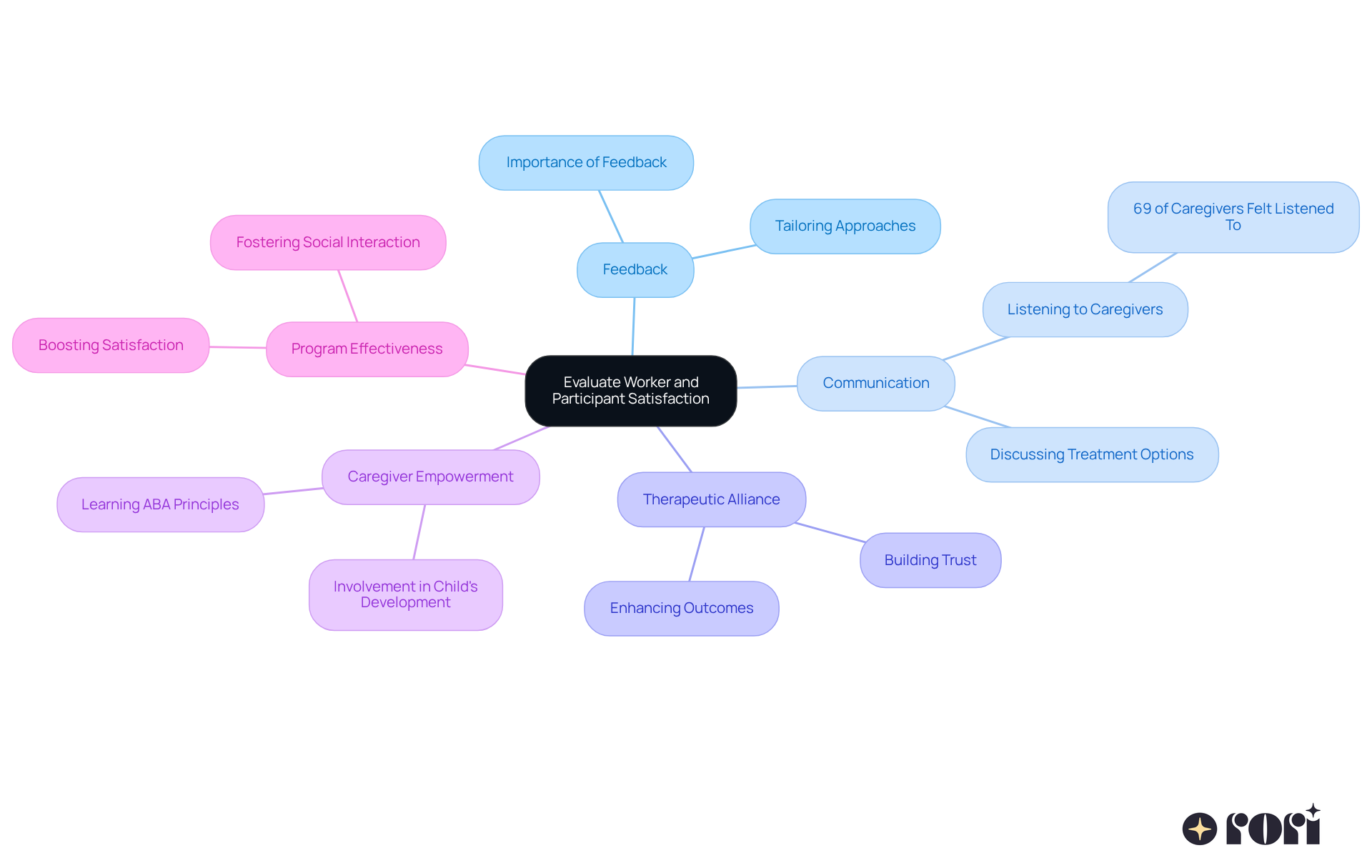
Regularly checking in on how both counselors and participants feel is key to making group sessions even better! Feedback is like a treasure map, showing us what’s working well and where we can improve. By opening up discussions about counseling experiences, therapists can make smart adjustments that really boost , making sure everyone feels valued and engaged.
Did you know that 69% of caregivers felt their providers really listened to them? That just goes to show how important communication is in therapy settings! Plus, - where trust and understanding thrive - can lead to amazing outcomes. As therapists work on boosting clients' confidence and readiness for change, becomes crucial. It helps tailor approaches that truly resonate with individual needs.
This teamwork not only ramps up satisfaction but also fosters an environment conducive to : , allowing individuals with ASD to thrive socially and emotionally. And let’s not forget about ! When they learn about , they become better equipped to support their kids' . This active involvement leads to , as caregivers grow into knowledgeable decision-makers, ultimately benefiting their child’s development and reinforcing the therapeutic journey.
Let’s explore this together! Your insights and experiences matter, and we’re here to every step of the way!
can really help young people share their thoughts and feelings. Have you ever noticed how hard it can be for kids to open up? That’s where (ABA) comes in! It’s a personalized therapy that tailors to each child’s unique needs, using the science of learning and behavior to make a difference.
, role-playing, and creative arts create a safe space for kids to explore their emotions. Imagine your child telling a story or acting out a scene - what a great way to build confidence! By encouraging self-expression through ABA principles, therapists can help youngsters interact with their peers and express their needs more effectively. This is so important for their emotional well-being and self-advocacy.
Research shows that storytelling and role-playing can really , especially for individuals with ASD. It’s amazing how these activities can help them navigate social situations better! Plus, allow kids to express their feelings and explore their interests.
By bringing these fun methods into :
And let’s not forget about ! It’s crucial for the success of these interventions, reinforcing what kids learn in therapy and supporting their growth in social settings.
So, let’s explore this together! If you’re looking for ways to support your child’s self-expression, consider reaching out for resources or guidance. We’re here to help you every step of the way!

Group therapy for individuals with autism spectrum disorder (ASD) is such a wonderful way to boost social interaction and communication! 🌟 These sessions create a collaborative environment where kids can not only develop essential social skills but also find a supportive community to learn and grow together. The benefits are truly remarkable - children get to practice communication, build friendships, and gain confidence in navigating social situations.
Throughout this journey, we’ve seen how tailored activities, the involvement of caregivers and educators, and creative approaches can make a real difference. Group therapy encourages peer modeling and nurtures emotional growth, helping kids recognize social cues and engage meaningfully with others. Plus, the structured nature of these sessions, along with active participation from parents, reinforces the skills learned and ensures a solid support system for each child.
Ultimately, embracing group therapy for ASD is a vital step toward fostering social skills and enhancing communication abilities. As families explore options to support their child's development, group therapy can lead to enriching experiences that promote self-expression, connection, and lasting friendships. Engaging in this therapeutic journey not only benefits the child but also empowers parents and caregivers to play an active role in their child's growth. Let’s explore this together and pave the way for a brighter, more connected future! 💖
What is the purpose of group therapy for children with ASD?
Group therapy for children with ASD promotes social interaction and communication, providing a space for kids to connect and build their social skills through meaningful interactions with peers.
What activities are included in group therapy for ASD?
Activities in group therapy can include role-playing, cooperative games, and guided discussions, which help children learn important skills such as taking turns, sharing, and starting conversations.
What are the benefits of participating in group therapy for ASD?
Research indicates that children involved in group therapy for ASD make significant progress in their social abilities, with a medium positive effect size of 0.51 on socialization skills, boosting communication skills and supporting emotional growth.
How does tailored therapy enhance social skills development?
Tailored therapy activities that resonate with children's interests increase motivation and engagement, leading to quicker progress in developing social skills and creating a supportive atmosphere for practicing essential communication skills.
What role do caregivers play in the therapy process?
Caregiver training is included in the treatment process, providing parents with practical strategies to support their child's growth at home, ensuring that children are equipped for greater autonomy and success in their interactions.
How do group support sessions benefit children's social interactions?
Group support sessions make socializing fun and rewarding, boosting children's motivation to build relationships outside of treatment and fostering a deeper sense of belonging and community.
What outcomes can regular participation in group therapy lead to?
Regular participation can enhance interpersonal skills and emotional management, which are essential for forming lasting friendships and improving overall quality of life.
What factors can affect the effectiveness of group therapy for ASD?
Individual differences in cognitive abilities and emotional recognition, as well as logistical factors like group size and session length, can impact treatment outcomes, highlighting the need for customized strategies.