When we look at the intersection of mindfulness and autism care, we find a truly transformative approach that could change the game for children on the spectrum. Imagine integrating mindfulness techniques with traditional therapies - this could help caregivers foster emotional regulation, boost social skills, and enhance overall well-being for their kids. But here’s the big question: how can we effectively implement these practices to create lasting change for both children and their families?
Let’s explore this together! By sharing personal stories and relatable experiences, we can deepen our understanding of the challenges parents face. It’s all about creating a sense of belonging and shared understanding, right? We’re here to help you every step of the way!
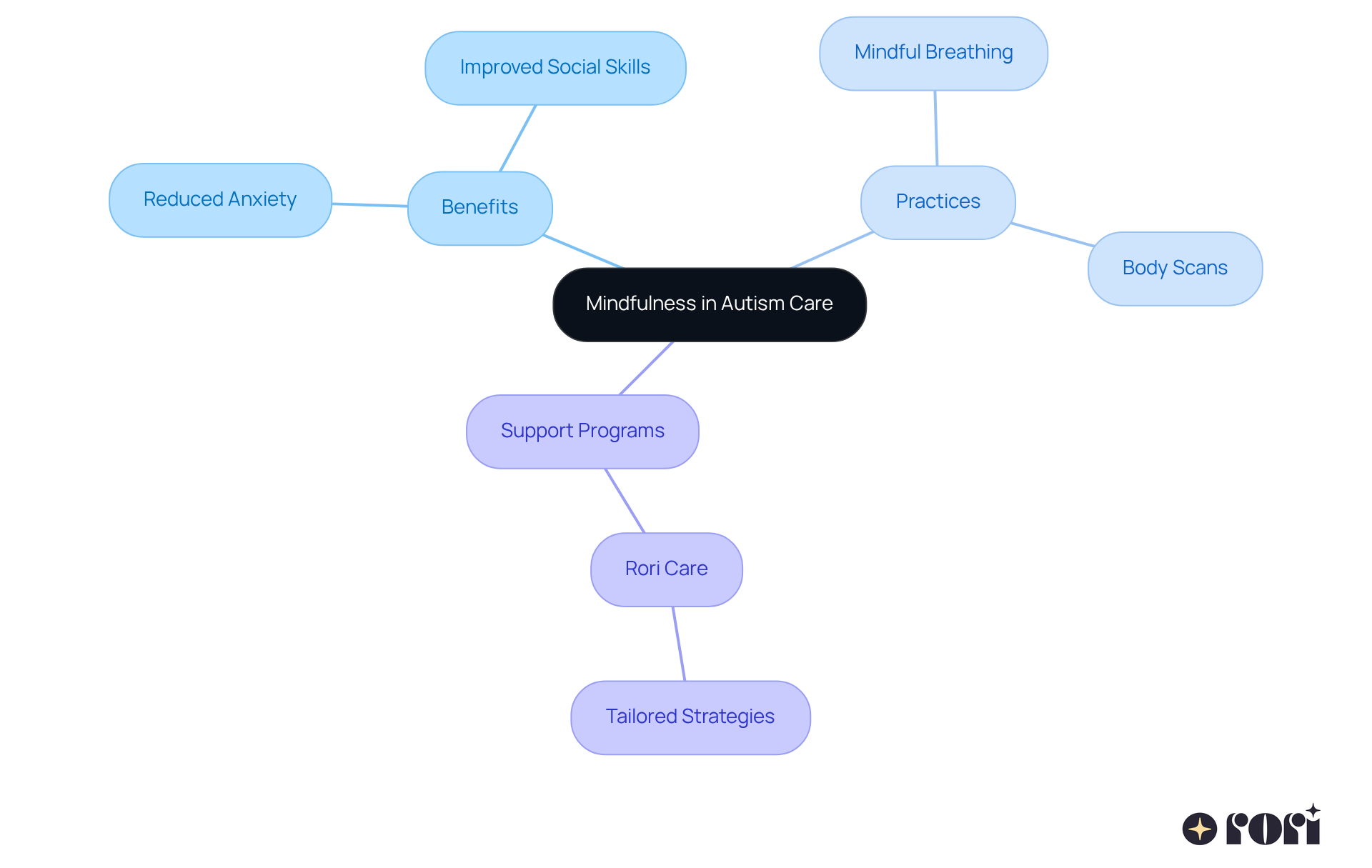
At Rori Behavioral Innovations Inc., we’re dedicated to by blending with to provide top-notch support. This unique combination helps clinicians guide young ones in managing their feelings, sharpening their focus, and enhancing their . By taking a , our therapy not only addresses but also fosters a sense of calm and awareness, making each session more engaging and productive.
Imagine this: during therapy, kids practice mindfulness through deep breathing, guided imagery, and even mindful movement. These techniques empower them to right on the spot! Recent studies show that can significantly boost and lower stress levels for both kids and their parents. For instance, a meta-analysis highlighted a standardized mean difference of -0.69 in reducing parental stress, showcasing how these awareness practices positively impact family dynamics.
Experts also point out that can assist kids with developmental disorders in regulating their moods better, which leads to improved communication and social interactions. By weaving these techniques into our sessions, Rori Behavioral Innovations Inc. not only meets immediate behavioral needs but also lays the foundation for long-term psychological health. Let’s explore this together! We’re here to !

Exploring the role of can significantly help kids with autism, especially those who might also be dealing with ADHD, Social Communication Disorders, or Disorders. Simple practices like and body scans can make a big difference, helping young ones recognize and manage their emotions better. By of their feelings, kids can learn to respond to challenging emotions with more control.
Research shows that exploring the role of can help reduce and improve responses, enabling kids to with greater confidence. 🌟 Rori Care’s program is tailored for those facing these challenges, boosting their and self-esteem through targeted strategies and .
Let’s explore this together! If you’re a parent looking for ways to support your child, know that you’re not alone. We’re here to help you every step of the way!
! It helps them become more aware of social signals and feelings, which is so important for making connections. Techniques like role-playing and work wonders in - key ingredients for meaningful interactions.
You might be surprised to learn that studies show young people who practice mindfulness see . This means they can build friendships more easily and navigate different social situations with confidence. In fact, a thorough meta-analysis involving 233 individuals with developmental disorders found measurable improvements in social interactions. It’s clear that plays a big role in and interpersonal connections.
What’s even more encouraging is that these benefits can last! Research indicates that the enhancements in social abilities can stick around for up to a year. This really highlights how important it is to incorporate strategies that focus on for .
At Rori Care, we believe in actively involving caregivers in this awareness journey. By gathering data and insights, we can , creating a supportive environment that maximizes the positive impact on youth development. Let’s explore this together! We’re here to help you every step of the way!
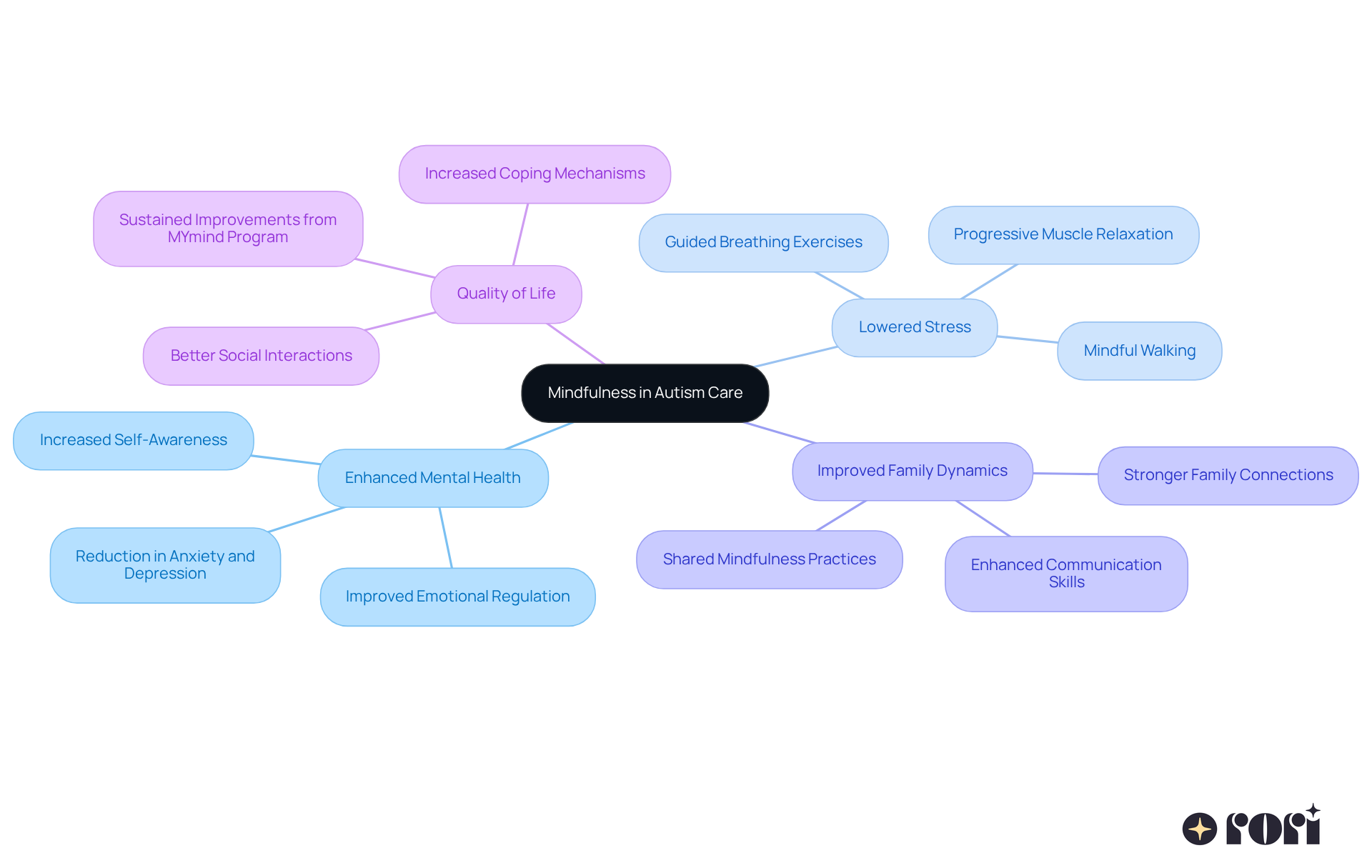
Integrating mindfulness into developmental care is important when exploring the role of , as it can greatly enhance the well-being of young individuals and their families. for , as they have shown they can , lower stress, and improve the quality of life for kids with autism. By creating a sense of calm and presence, children can tackle daily challenges and transitions more smoothly. For instance, studies reveal that kids involved in awareness programs, like the MYmind initiative, see and managing their feelings, with benefits lasting up to a year!
And it gets even better! Families that practice mindfulness together often find their connections growing stronger. This supportive atmosphere and resilience. and fun activities, not only help kids manage anxiety but also enhance by boosting emotional awareness among parents. Caregivers have shared how they experience less stress and enjoy better interactions with their kids, . This holistic approach really showcases the power of exploring the role of , paving the way for lasting improvements in both individual and family well-being.
Let’s explore this together! 🌟
Comprehensive studies have shown that can really make a difference for young people with developmental disorders. These programs help with regulating feelings, easing anxiety, and boosting . For instance, a systematic review of 37 studies found that MBIs effectively and enhance cognitive and social abilities in individuals on the spectrum.
It’s pretty remarkable! Young people involved in these awareness programs often see and emotional awareness. In fact, a standardized mean difference of -0.35 indicates a moderate effect on social responsiveness. This highlights just how important it is to incorporate into practices. It gives us a solid reason to consider these approaches in therapeutic settings.
Experts emphasize that are vital when , as they can address core symptoms of ASD, ultimately improving for both kids and their families. As we continue to learn more in this field, is crucial to refine these interventions and maximize their benefits for diverse groups.
Programs like MYmind are great examples of , showcasing practical ways to implement these interventions. Let’s explore this together and see how we can support our young ones on their journey!

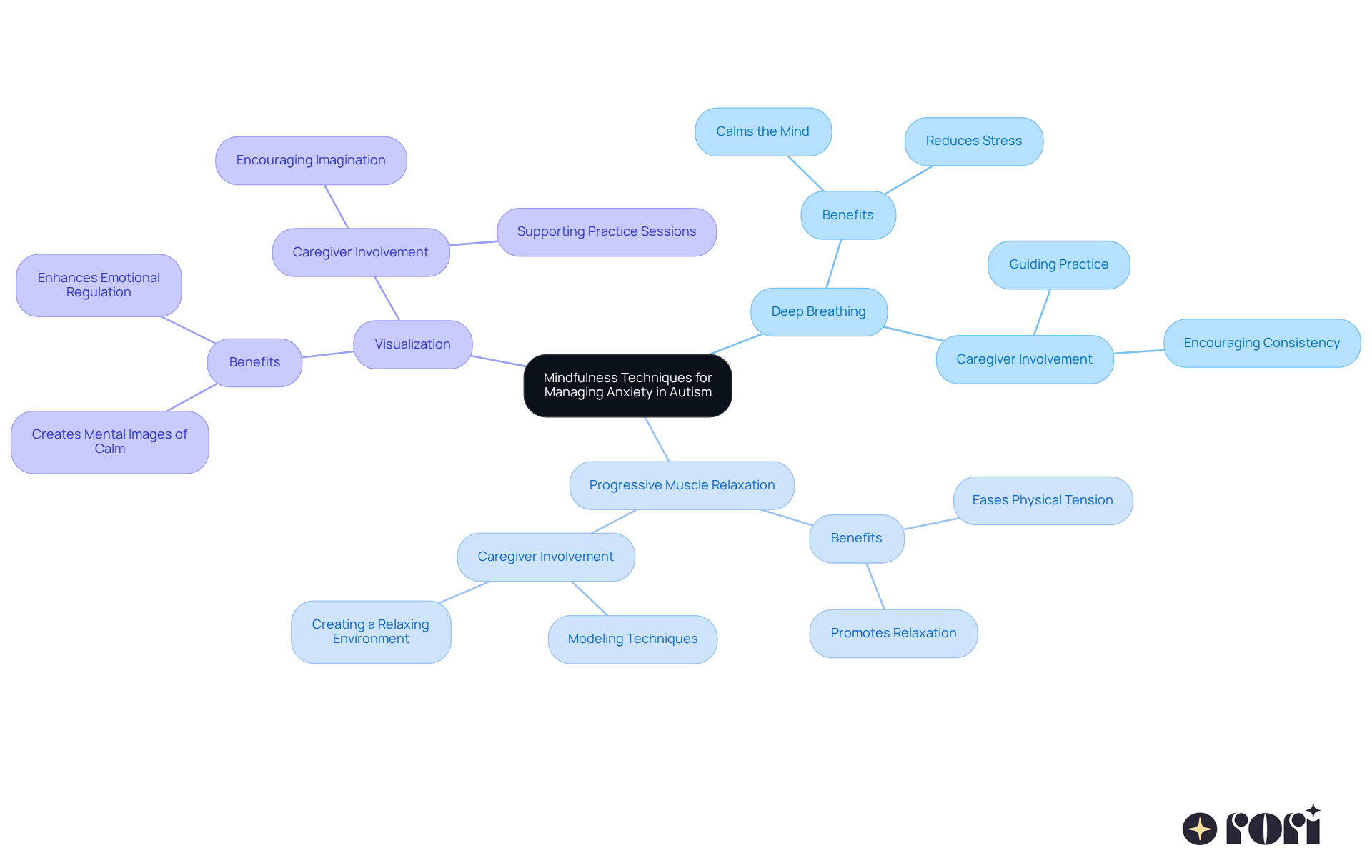
in youth with autism can be quite a journey, and exploring the role of can truly make a difference! When paired with a like , these techniques shine even brighter. Think about practices like deep breathing-ever tried the ? Or how about and visualization? These methods can help kids calm their minds and bodies, especially during those stressful moments.
By guiding young ones to focus on their breath and the present moment, they can learn to interrupt anxious thoughts and ease feelings of being overwhelmed, which is essential when exploring the role of . It’s all about consistency! When these techniques are regularly practiced alongside the flexible methods of ABA therapy, exploring the role of can lead to for kids. Imagine them facing challenges with newfound confidence!
In fact, significant progress is noted in 90% of youngsters when the recommended therapy hours are fully utilized, especially with . This involvement really boosts the effectiveness of exploring the role of . Plus, visualization helps kids create mental images of peaceful places, which can be a wonderful tool for .
Let’s explore this together! If you’re a parent navigating these waters, know that you’re not alone. We’re here to help you every step of the way!
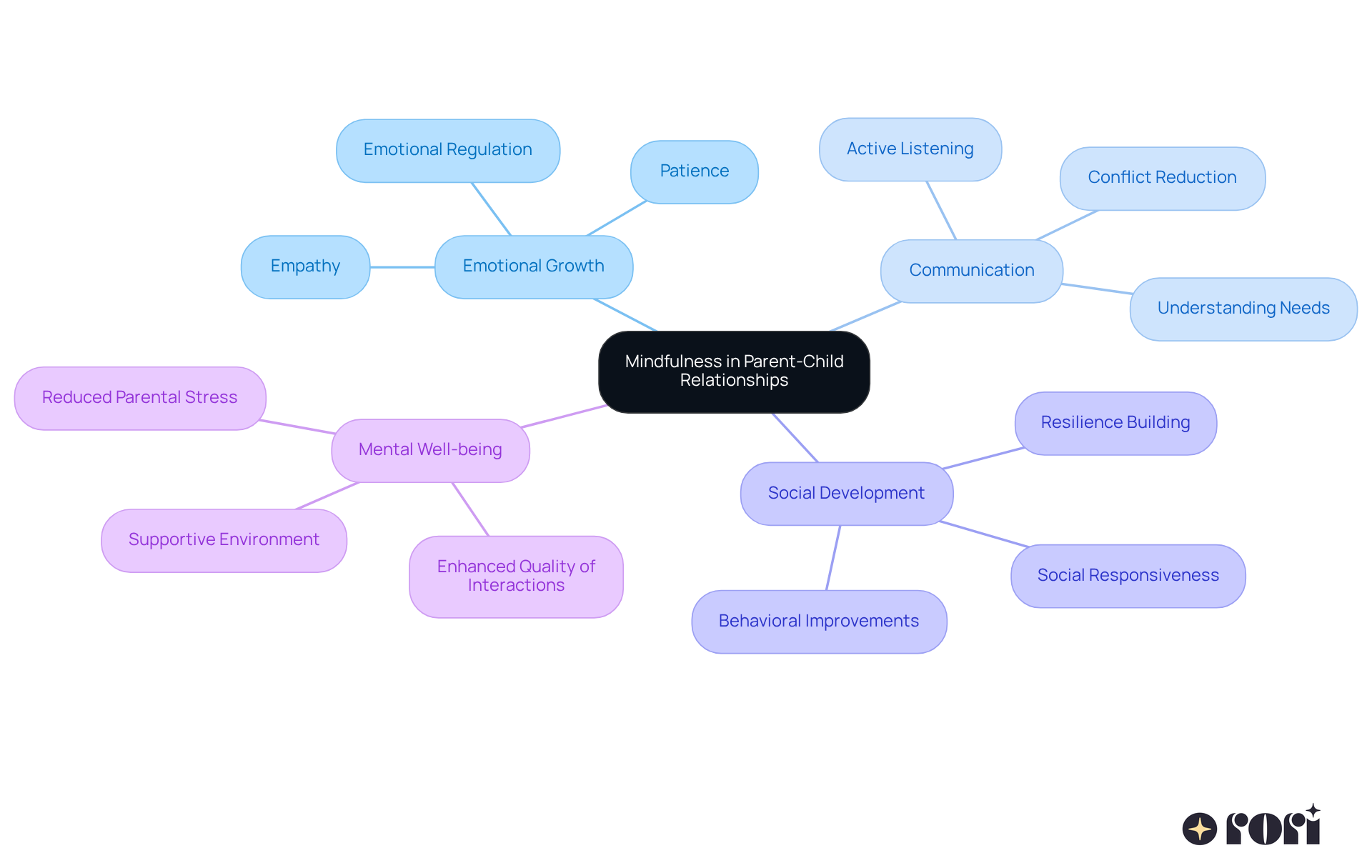
can be a game-changer for strengthening the bond between parents and kids. It helps create deeper connections and understanding. When parents practice mindfulness, they not only manage their feelings and stay attentive but also contribute to by teaching kids . This approach , which are essential when , resulting in .
Families that engage in together often notice a . This not only benefits the parents but also supports the child’s social development. Plus, research shows that can lead to , which in turn enhances the quality of their interactions with their children.
As parents embrace mindfulness, they’re not just taking care of their own mental health; they’re also by in their kids. Let’s explore this together and see how !
, particularly when exploring the role of for youth facing . Think about . These practices can help young individuals become more aware of their sensory experiences and learn how to manage their responses.
At Rori Care, we believe in empowering caregivers with the knowledge and skills they need to . It’s all about being actively involved in this journey! For instance, engaging in like weighted blankets can offer comfort and stability during those overwhelming moments.
This kind of active participation creates a , which really maximizes the impact of these interventions. By weaving mindfulness into sensory regulation, young individuals can in different settings, which is important when exploring the role of .
Let’s explore this together! We’re here to !
By exploring the role of , can greatly boost , helping them recognize their thoughts, feelings, and behaviors more clearly. Techniques like journaling, , and guided imagery invite young people to explore their inner experiences without judgment. Isn’t that a ?
Research shows that in autism care can effectively reduce and enhance . A systematic review of 37 studies backs this up! Plus, specific methods like the 'Soles of the Feet' and 'Glitter Jar' have proven helpful in managing .
By nurturing self-awareness through these practices, young individuals can develop a and confidence, which is crucial when exploring the role of for their overall growth. However, there’s still more to uncover! We need to look deeper into which aspects of awareness are most beneficial for different subgroups within the spectrum of developmental disorders.
Let’s explore this together! If you’re a parent, consider how these mindfulness techniques might resonate with your child’s experiences. We’re here to help you every step of the way!

By exploring the role of , we find that can really make a difference in helping young individuals with autism focus and concentrate better. Think about practices like mindful breathing, attention exercises, and . These are all designed to boost attentional skills and executive functioning. You might be surprised to learn that kids involved in often show significant improvements in their and a drop in impulsivity.
For instance, have you heard of the 'Soles of the Feet' technique? It’s a relaxation activity that helps kids manage stress and enhances their ability to focus. By weaving , parents can empower their children and are exploring the role of to sharpen their , which can lead to better outcomes in school and social situations.
Research shows that exploring the role of can lead to lasting improvements in attention and . Exploring the role of creates a more for children with autism. So, let’s explore this together! How can you incorporate mindfulness into your family’s routine?
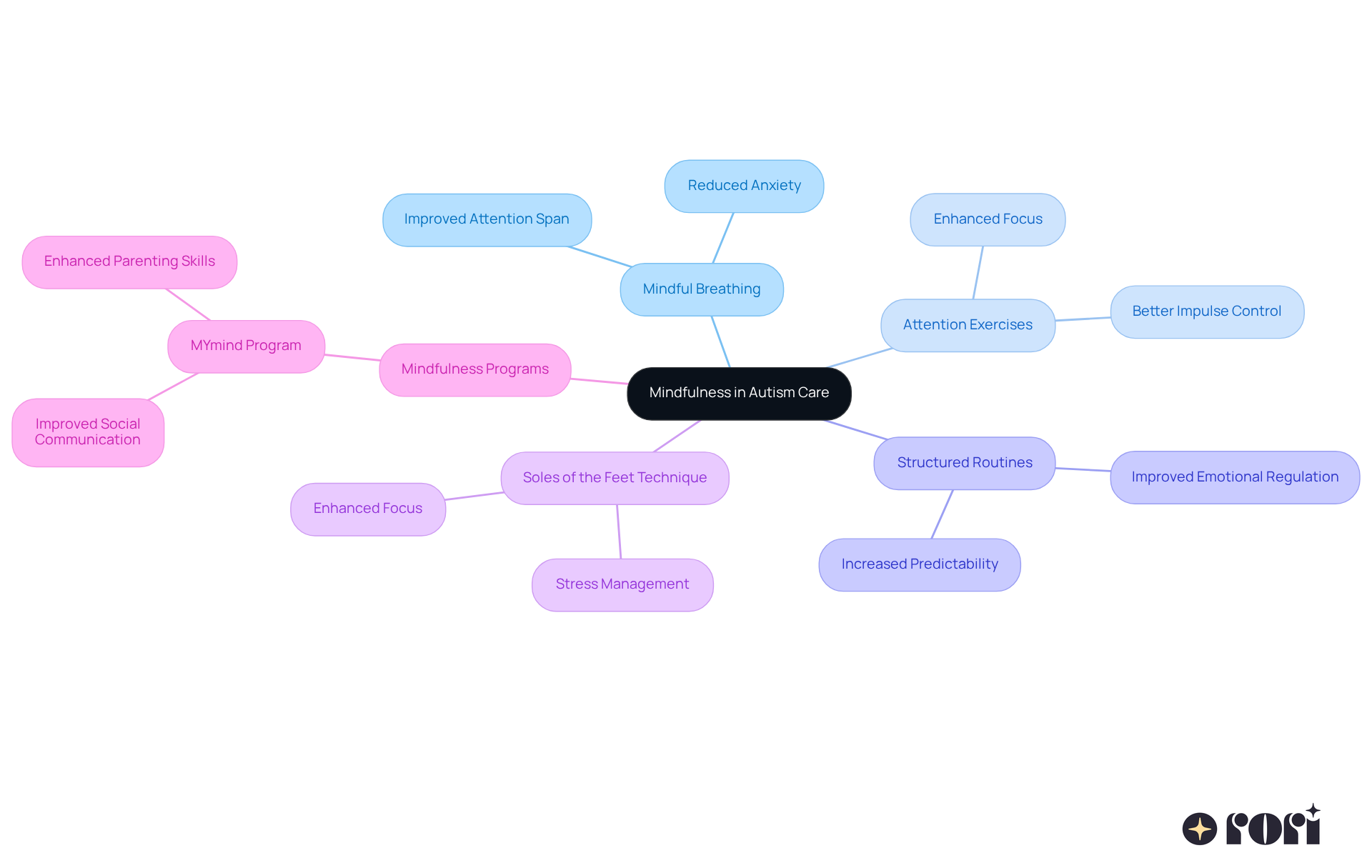
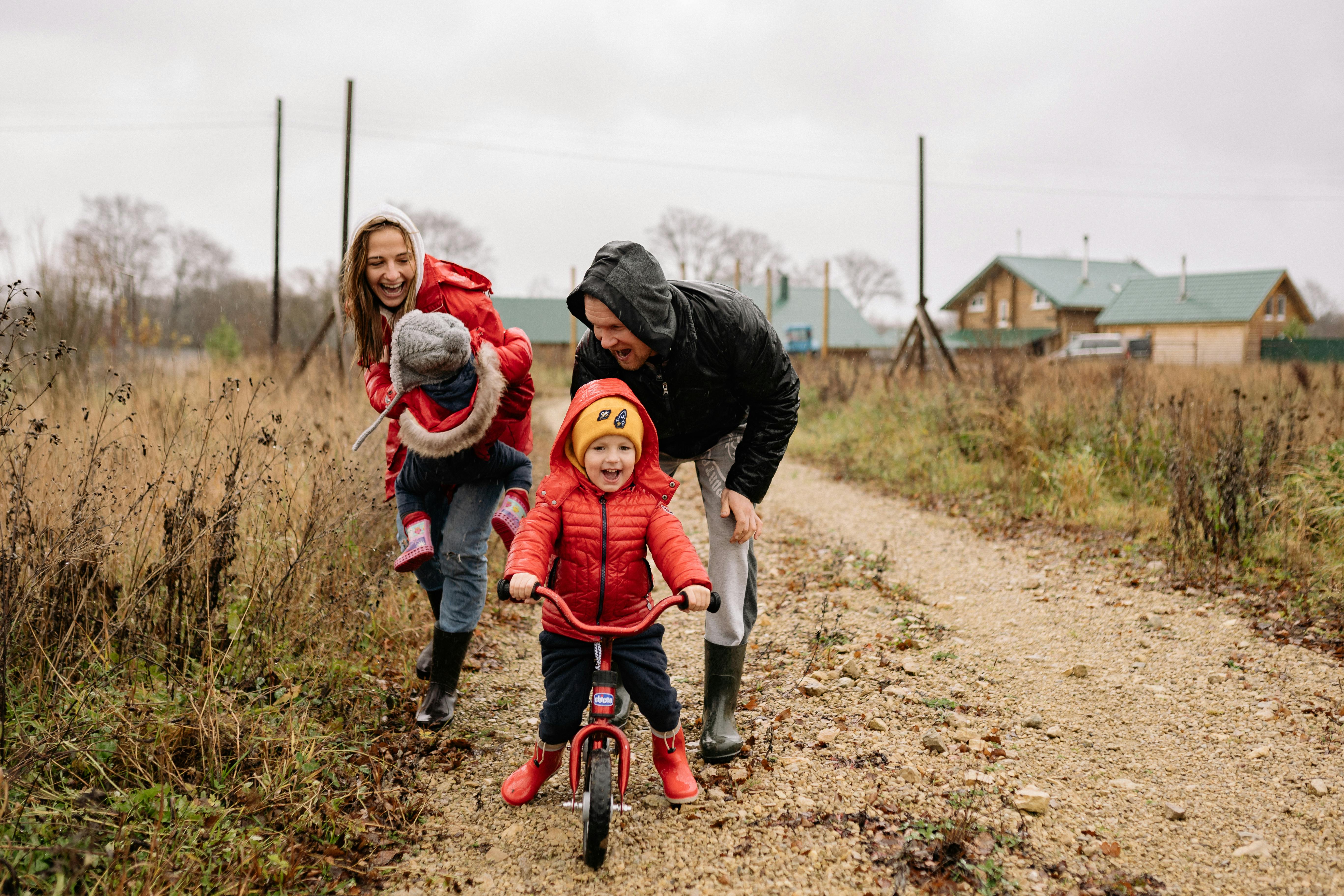
Integrating mindfulness into autism care is such a refreshing approach that truly enhances the well-being of children and their families. This holistic method blends mindfulness techniques with Applied Behavior Analysis (ABA) therapy, helping kids manage their emotions, improve focus, and develop those all-important social skills. By fostering a sense of calm and awareness, mindfulness not only tackles immediate behavioral challenges but also sets the stage for long-term psychological health.
Let’s take a moment to highlight some key benefits of mindfulness in autism care. We’re talking about:
Research backs this up, showing that mindfulness practices can really boost psychological well-being and strengthen family dynamics. Techniques like mindful breathing, sensory regulation strategies, and self-awareness exercises create a supportive framework that nurtures both individual growth and family connections.
Ultimately, embracing mindfulness in autism care is more than just a trend; it’s a vital strategy for nurturing resilience and emotional growth in children. By actively involving caregivers and creating supportive environments, families can cultivate deeper connections and foster a more harmonious atmosphere. As we explore the journey of mindfulness together, it opens doors to lasting improvements in the lives of children with autism and their families. Let’s take this transformative journey together!
What is the purpose of integrating mindfulness into ABA therapy at Rori Behavioral Innovations Inc.?
The purpose is to blend Applied Behavior Analysis (ABA) therapy with mindfulness techniques to provide enhanced support for children with autism, helping them manage their feelings, sharpen their focus, and improve their social skills.
How does mindfulness practice benefit children during therapy sessions?
Mindfulness practices such as deep breathing, guided imagery, and mindful movement empower children to develop coping strategies, fostering a sense of calm and awareness, which makes therapy sessions more engaging and productive.
What are the psychological benefits of mindfulness for children with autism and their families?
Mindfulness can significantly boost psychological well-being and lower stress levels for both children and their parents. Research indicates a reduction in parental stress, positively impacting family dynamics.
How can mindfulness help children with developmental disorders regulate their emotions?
Mindfulness techniques can assist children in recognizing and managing their emotions better, leading to improved mood regulation, communication, and social interactions.
What specific challenges can mindfulness address for children with autism?
Mindfulness can help reduce anxiety and improve responses to social situations, making it particularly beneficial for children with autism who may also experience ADHD, Social Communication Disorders, or Anxiety Disorders.
How does mindfulness enhance social skills in children with developmental differences?
Mindfulness helps children become more aware of social signals and feelings, which improves their ability to connect with others. Techniques like role-playing and mindful listening exercises build empathy and understanding.
What evidence supports the effectiveness of mindfulness in improving social communication skills?
Studies show significant improvements in social communication skills among young people who practice mindfulness, with a meta-analysis indicating measurable enhancements in social interactions for individuals with developmental disorders.
How long do the benefits of mindfulness in social skills development last?
Research indicates that the improvements in social abilities can persist for up to a year after practicing mindfulness techniques.
How does Rori Care involve caregivers in the mindfulness journey?
Rori Care actively involves caregivers by gathering data and insights to enhance the effectiveness of mindfulness strategies, creating a supportive environment that maximizes positive impacts on youth development.