4 Behavioral Interventions for Promoting Positive Behavior in Autism

Explore effective behavioral interventions for promoting positive behavior in autism and enhance learning.

Introduction

Understanding autism can feel overwhelming at times, but it’s important to approach it with compassion and a focus on positive behavior support. In this article, we’ll explore effective behavioral interventions that can help promote positive behavior in children with autism. These strategies are designed to empower caregivers and educators, providing them with valuable tools to support growth and development.

But here’s the big question: how can we tailor these interventions to meet the unique needs of each child? And how can we ensure that parents and educators work together in harmony? By diving into these questions, we can uncover ways to enhance individual outcomes and build a supportive community that nurtures every child’s potential. Let’s explore this journey together!

Understand the Principles of Positive Behavior Support

Positive Behavior Support (PBS) is all about understanding why kids act the way they do and helping them find better ways to express themselves. Let’s break down the core principles of PBS:

  1. Prevention: This is all about spotting and changing the things in a child’s environment that might lead to challenging behaviors. By tackling these issues early on, caregivers can really cut down on those tough moments.

  2. Teaching New Skills: It’s super important to give kids the tools they need to succeed in different situations. This proactive approach not only reduces the chances of negative behaviors but also helps kids navigate social interactions better. Think of it as creating a personalized plan that fits their unique needs!

  3. Positive Reinforcement: Who doesn’t love a little praise? Encouraging good behaviors with rewards and recognition can really boost a child’s motivation and engagement. Plus, setting clear goals for personal growth and skill development gives everyone a clear path to follow.

  4. Data-Driven Decisions: Using data to see how well interventions are working helps make informed changes to strategies. Our conduct care engine analyzes behaviors and skills, providing automatic progress reports for clinicians. This way, we can keep evaluating and tweaking plans as needed.

By understanding these principles, caregivers and educators can utilize behavioral interventions for promoting positive behavior in autism to create supportive environments. When PBS strategies are implemented effectively, they can lead to amazing improvements in kids’ social skills and overall happiness. It really highlights how important prevention and evidence-based methods are in the context of behavioral interventions for promoting positive behavior in autism.

Let’s explore this together! We’re here to help you every step of the way!
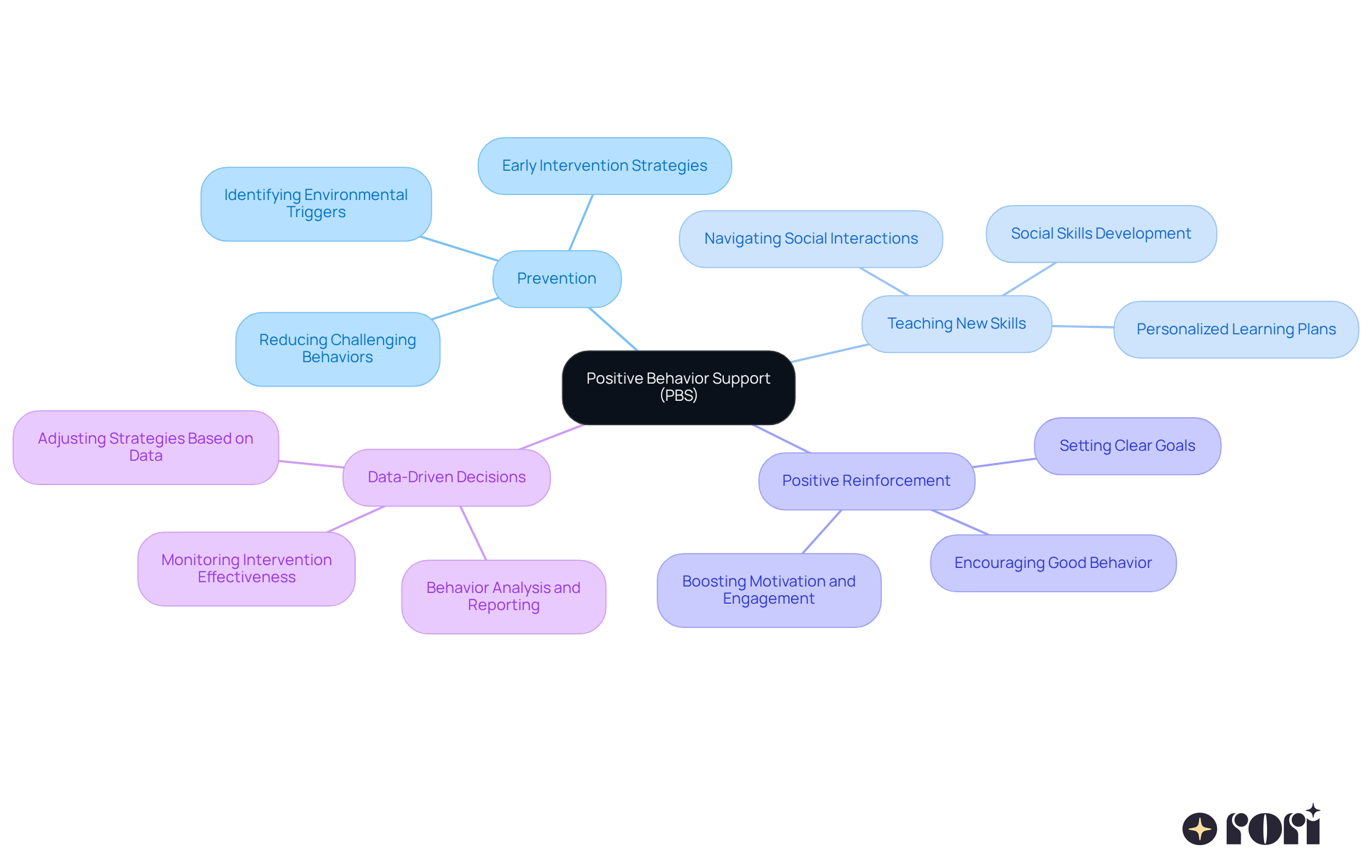
The center represents Positive Behavior Support, and each branch shows a key principle. Follow the branches to see how each principle contributes to understanding and promoting positive behavior in children.

Implement Effective Strategies for Promoting Positive Behavior

To effectively promote positive behavior in children with autism, let’s explore some friendly strategies together:

  1. Visual Supports: Think about using visual schedules and cues! They can really help clarify expectations and routines, which can significantly reduce anxiety and confusion. Research shows that visual supports can boost engagement and make transitions between activities smoother.

  2. Praise for Specific Actions: It’s so important to acknowledge and reward specific positive actions right away. For example, saying, "I love how you shared your toys!" not only highlights the good behavior but also encourages similar actions in the future. Studies indicate that praise tailored to individual actions is one of the best ways to enhance student conduct and their views on learning.

  3. Structured Routines: Establishing consistent daily routines can provide a sense of predictability. This helps young individuals feel secure and can minimize challenging behaviors. When kids know what to expect, it’s essential for their emotional stability.

  4. Social Skills Training: Involve your little ones in activities that teach social skills in a fun, organized way. This gives them a chance to practice and develop essential abilities in a supportive environment, leading to better interactions with their peers.

These behavioral interventions for promoting positive behavior in autism not only encourage positive actions but also enhance the overall learning experience for individuals with autism. Together, we can help them thrive in various environments! 🌟
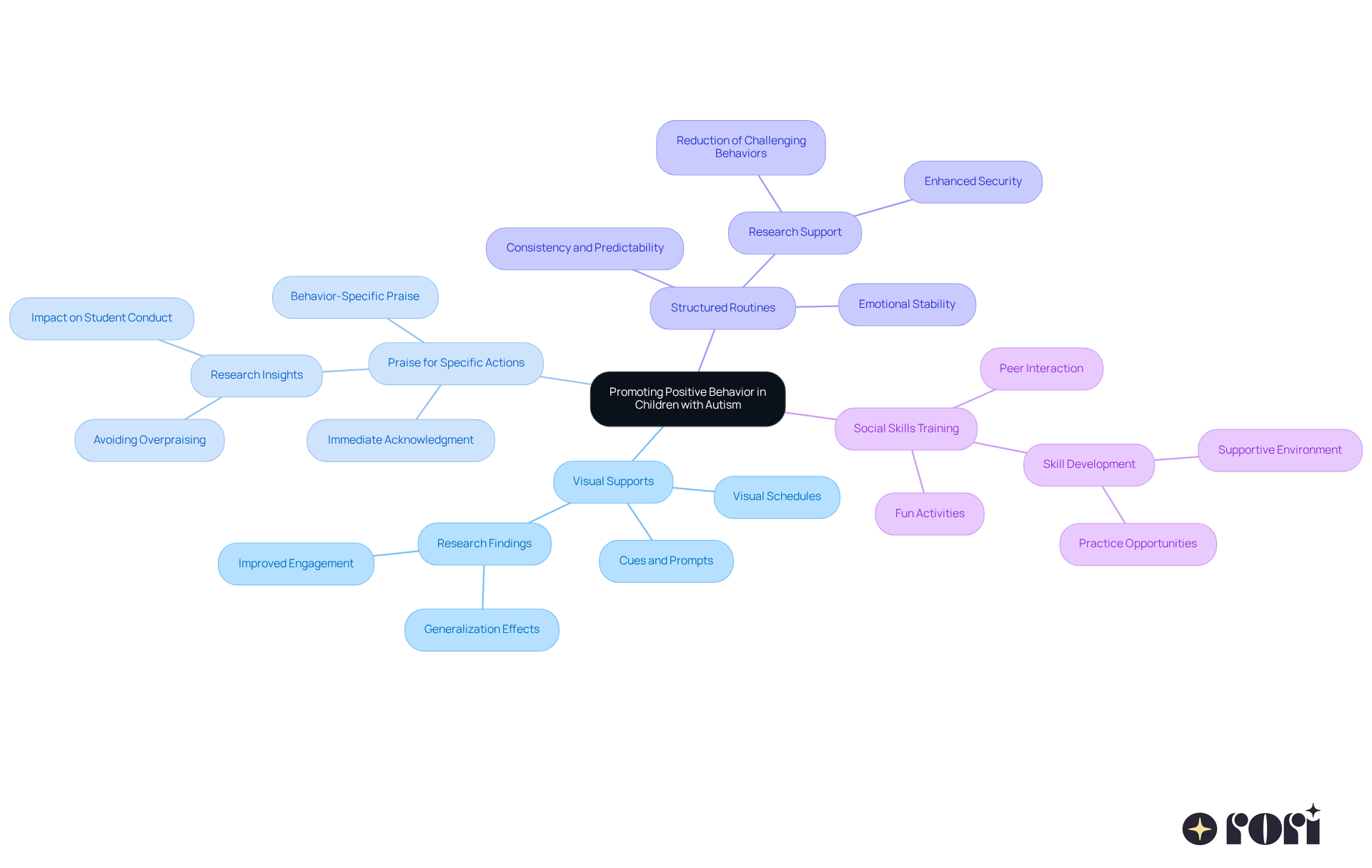
The center shows the main goal of promoting positive behavior, and each branch represents a different strategy. Follow the branches to see how each strategy contributes to helping children with autism thrive!

Tailor Interventions to Individual Needs for Optimal Outcomes

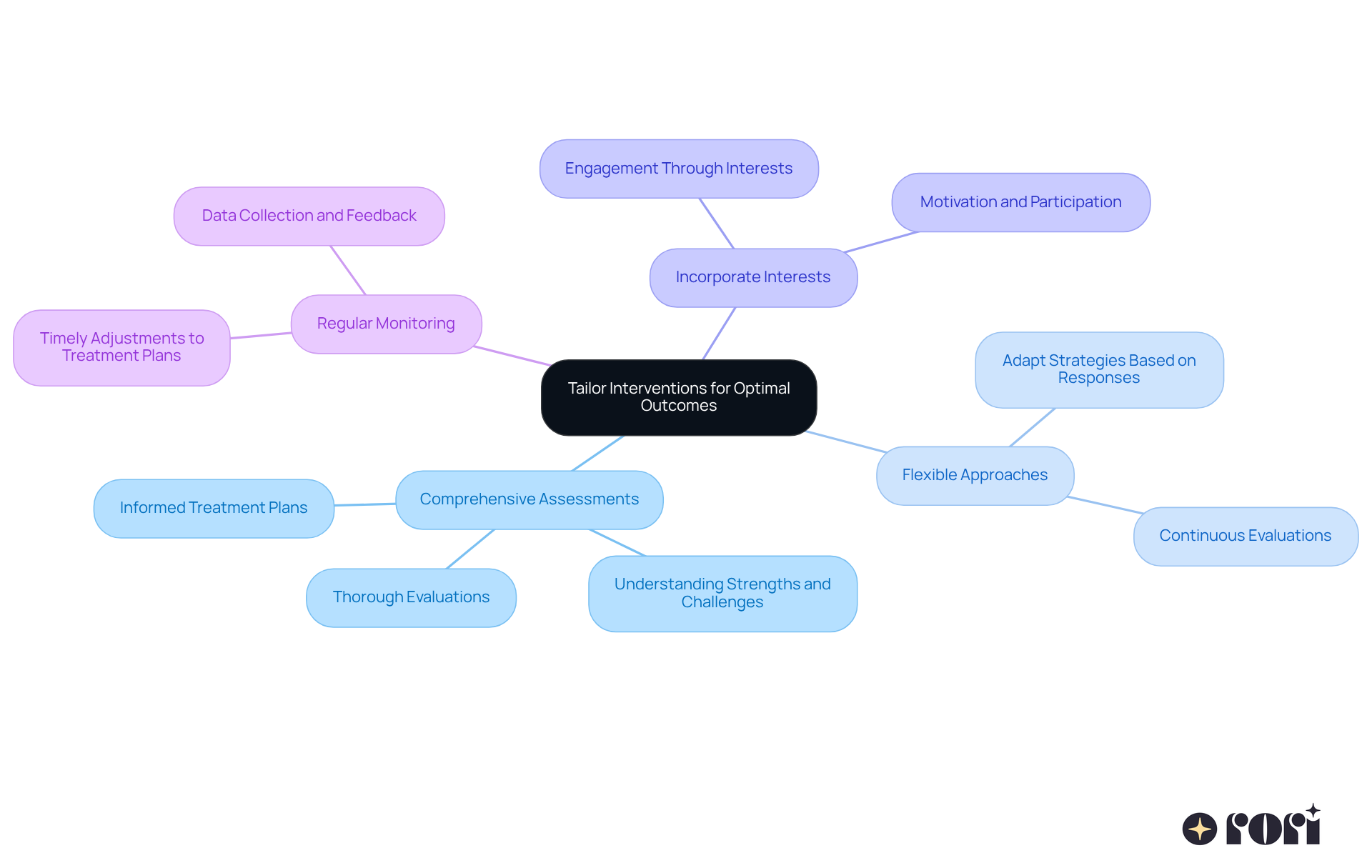
To achieve the best outcomes in promoting positive behavior, it’s important to tailor behavioral interventions for promoting positive behavior in autism to each individual’s unique needs. Let’s dive into some key considerations:

  1. Comprehensive Assessments: Conducting thorough evaluations is essential to understand each person’s distinct strengths, challenges, and preferences. This foundational information is critical for developing effective behavioral interventions for promoting positive behavior in autism. Clinicians often highlight that these assessments not only inform treatment plans but also enhance the overall effectiveness of autism care through behavioral interventions for promoting positive behavior in autism.

  2. Flexible Approaches: Adapting strategies based on how individuals respond is vital. What works wonders for one person might not yield the same results for another. This really underscores the need for flexibility in intervention methods. It’s all about being guided by continuous evaluations rather than assumptions about what a young person needs.

  3. Incorporate Interests: Engaging young learners through their interests can significantly boost motivation and participation in education. For example, if a child loves dinosaurs, incorporating dinosaur-themed activities into social skills training can make learning not just effective but also fun!

  4. Regular Monitoring: Keeping an eye on how effective interventions are through data collection and feedback from parents and educators is crucial. This ongoing assessment allows for timely tweaks to treatment plans, ensuring they stay in tune with the individual’s evolving needs. With the financial burden of autism care projected to rise to $461 billion by 2025, effective interventions are more important than ever.

By customizing behavioral interventions for promoting positive behavior in autism and equipping caregivers with ABA principles and techniques, Rori Care can significantly boost the chances of achieving positive outcomes for kids with autism. Together, we can promote their development and improve their quality of life. Let’s explore this journey together!

The central node represents the main goal of tailoring interventions, while each branch highlights a key consideration. Follow the branches to understand how each aspect contributes to achieving optimal outcomes.

Foster Collaboration Between Parents and Educators

Collaboration between parents and educators is so important for nurturing positive behavior in kids with autism. Let’s dive into some effective strategies to strengthen this partnership:

  1. Regular Communication: Keeping those lines of communication open is key! When parents and educators share insights, progress, and concerns, everyone stays informed and aligned. Regular check-ins or meetings can really help with this. As Michael Mohan puts it, "Effective communication forms the foundation of successful collaboration."

  2. Shared Objectives: Working together to set mutual goals for the student ensures that everyone’s on the same page, both at home and school. This alignment is crucial for reinforcing learning and behavioral expectations.

  3. Training and Resources: Providing parents with training on behavioral strategies and access to resources can empower them to reinforce what’s being taught in school. This not only enhances the effectiveness of interventions but also promotes consistency in behavioral support. When parents understand ABA principles better, they can make informed decisions that positively impact their child’s progress.

  4. Involvement in Decision-Making: Encouraging parents to take an active role in developing their child’s treatment plan fosters a sense of ownership and collaboration. This involvement strengthens the partnership and enhances the overall support system for the child. Active parental involvement is crucial for the educational success of students with ASD, as many studies highlight. Plus, the knowledge gained through caregiver education can really empower parents, reducing stress and improving family dynamics.

By building strong partnerships, parents and educators can create a unified approach that significantly boosts the effectiveness of behavioral interventions. Regular communication leads to better outcomes for children with autism, including improved social skills and emotional adjustment.

Let’s explore this together! We’re here to help you every step of the way!
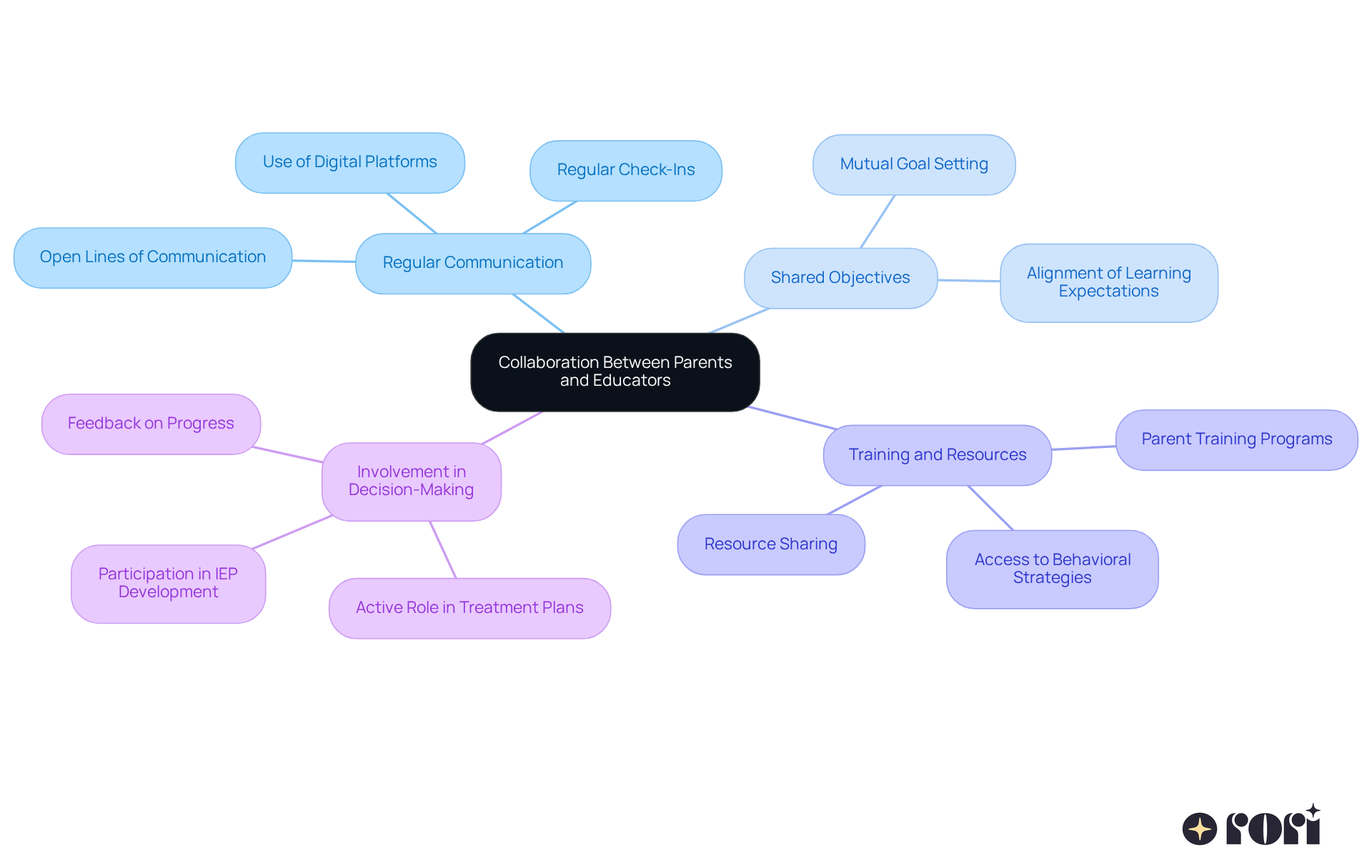
The central node represents the main theme of collaboration, while each branch highlights a key strategy. Follow the branches to explore specific actions that can strengthen the partnership between parents and educators.

Conclusion

Promoting positive behavior in children with autism is a journey that requires understanding each child's unique needs and finding the right strategies. By embracing Positive Behavior Support (PBS), caregivers and educators can create nurturing environments that help kids grow and thrive. We’ve explored essential interventions like prevention, teaching new skills, positive reinforcement, and data-driven decision-making, all of which are key to encouraging positive behaviors.

Some key strategies we discussed include:

  • Using visual supports
  • Giving specific praise
  • Establishing structured routines
  • Engaging in social skills training

These methods not only enhance the learning experience but also empower children with autism to flourish in different settings. It’s so important to tailor interventions to each child’s needs, as thorough assessments and flexible approaches keep strategies effective and relevant.

Ultimately, working together - parents and educators - is crucial for making behavioral interventions as effective as possible. Open communication, shared goals, and active involvement in decision-making create a strong support system that benefits children with autism. By prioritizing these partnerships and using evidence-based practices, we can significantly enhance the holistic development of children on the autism spectrum, leading to better social skills and emotional well-being. Let’s embrace these strategies and insights together, paving the way for a brighter future for our children!

Frequently Asked Questions

What is Positive Behavior Support (PBS)?

Positive Behavior Support (PBS) is a framework focused on understanding children's behaviors and helping them find better ways to express themselves.

What is the principle of prevention in PBS?

Prevention involves identifying and modifying environmental factors that may lead to challenging behaviors in children, aiming to reduce difficult moments by addressing issues early on.

Why is teaching new skills important in PBS?

Teaching new skills equips children with the tools they need to succeed in various situations, reducing the likelihood of negative behaviors and improving their ability to navigate social interactions.

How does positive reinforcement work in PBS?

Positive reinforcement involves encouraging good behaviors through rewards and recognition, which boosts a child's motivation and engagement while providing clear goals for personal growth and skill development.

What role does data play in PBS?

Data is used to evaluate the effectiveness of interventions, allowing for informed adjustments to strategies. It helps track behaviors and skills, providing automatic progress reports for clinicians.

How can PBS improve children's social skills and happiness?

When PBS strategies are implemented effectively, they can lead to significant improvements in children's social skills and overall happiness by creating supportive environments and promoting positive behavior.