Helping autistic children develop independence isn’t just a goal; it’s a vital step toward a fulfilling life. These skills empower kids to tackle daily tasks, make informed choices, and truly engage with the world around them. But let’s be real - the journey to fostering self-reliance can be tough for both kids and their caregivers.
So, how can families nurture these essential skills while creating a supportive and loving environment? 🤔 In this article, we’ll dive into some best practices and innovative strategies that can change the way we approach independence, paving the way for brighter futures. Let’s explore this together!
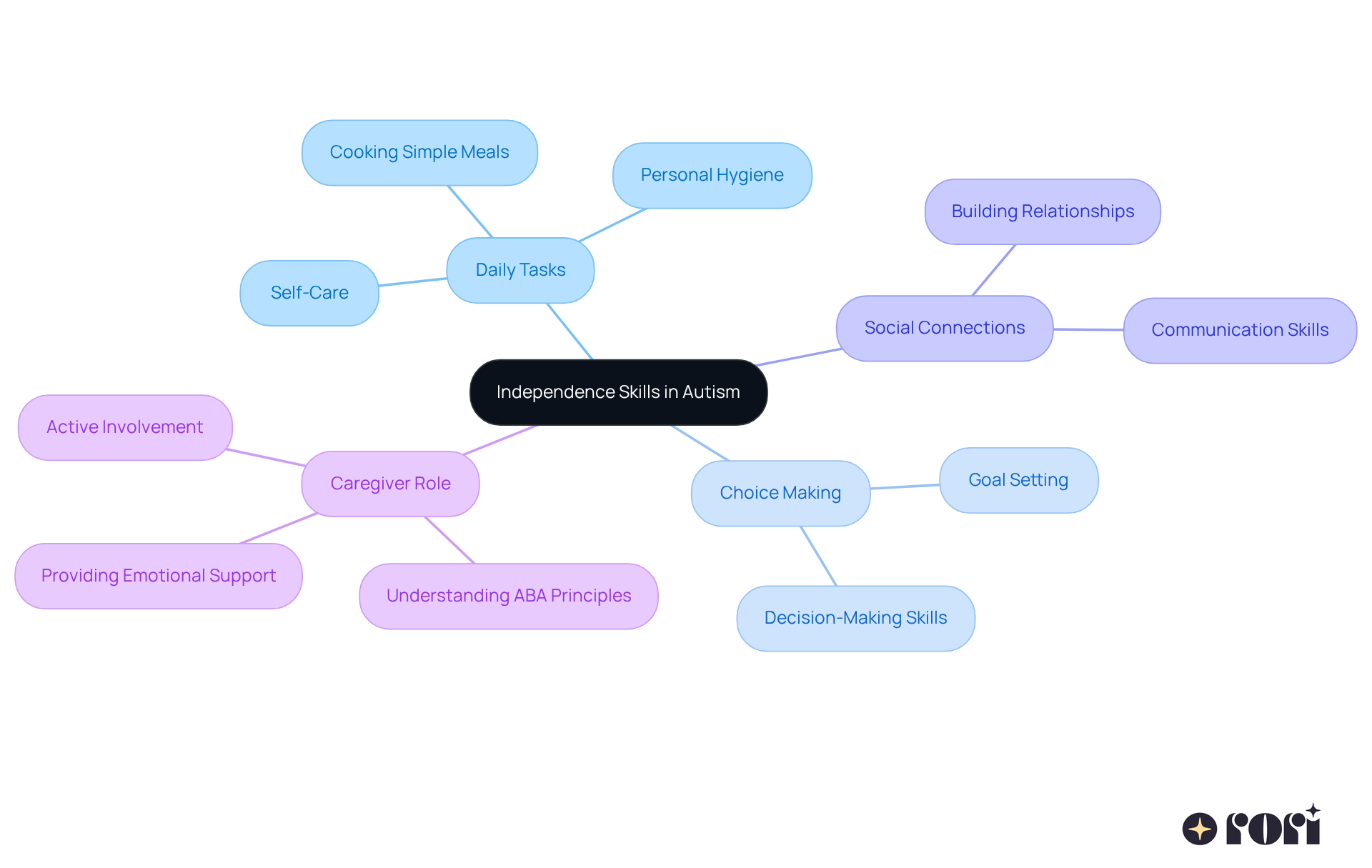
is extremely important for their skills! They help them tackle daily tasks, make choices, and connect with the world around them. These skills include everything from to social interactions and decision-making. By encouraging self-reliance, caregivers can assist in , helping them feel more autonomous and boosting their self-esteem, which is vital for their emotional and social development.
You know, studies show that kids who develop these early on tend to . This can lead to better outcomes in education, jobs, and community involvement. For example, teaching kids how to manage personal hygiene or whip up simple meals can really boost their confidence and ability to function independently in different settings. It’s all about laying that groundwork for a fulfilling and engaged life!
And let’s not forget about the [role of caregivers in this journey](https://rori.care/post/4-best-practices-for-parental-involvement-in-social-skills-training). When caregivers understand , they can provide better support and make choices that positively impact their child’s growth. Active involvement and alignment with therapeutic approaches often lead to , which ultimately contributes to developing independence in autistic children.
As highlighted by the A.J. Drexel Autism Institute, "Longitudinal studies have provided valuable insights into the factors influencing adult outcomes." This really underscores the importance of . So, let’s explore this together! We’re here to help you every step of the way!
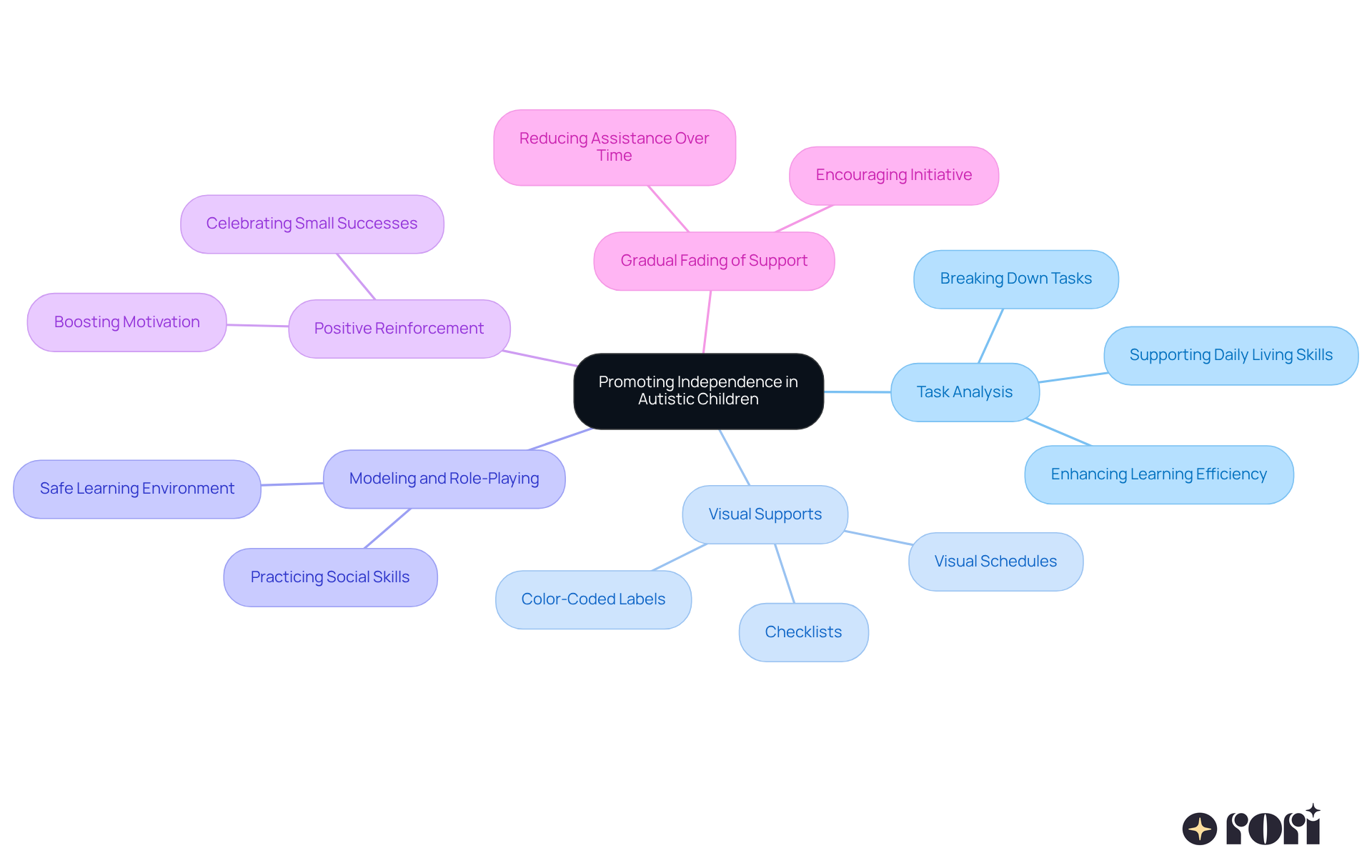
To promote independence in autistic children, caregivers can try out a few helpful strategies:
Let’s explore these strategies together and see how they can make a difference in developing independence in autistic children on your child’s journey!
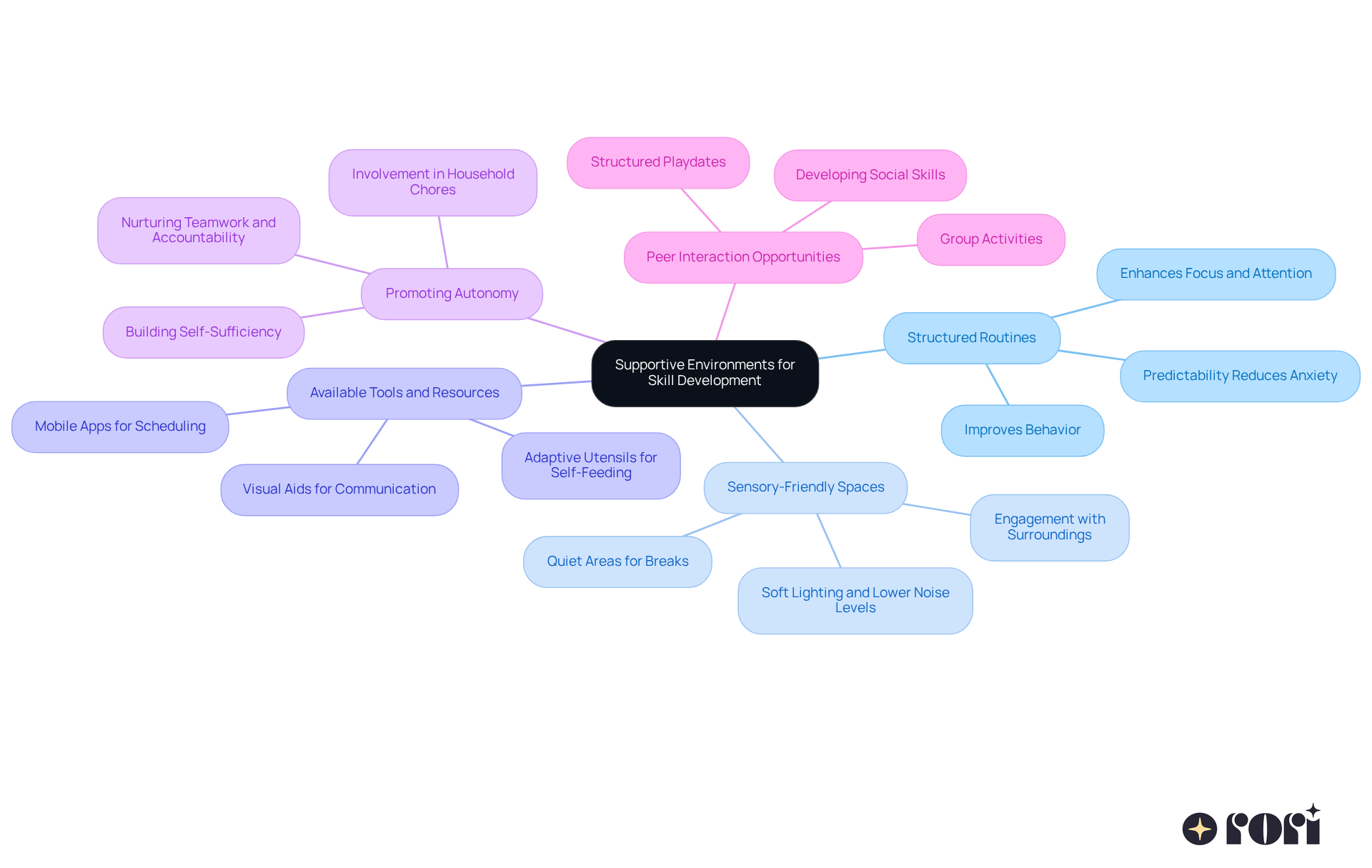
is crucial for . Let’s dive into some key elements that can make a real difference:
By weaving these elements into everyday life, families can create a nurturing atmosphere that encourages developing independence in autistic children. Plus, equipping caregivers with knowledge and skills to support their children’s behavioral goals through active engagement can really enhance these approaches, fostering a stable and nurturing environment for growth. Let’s explore this together!
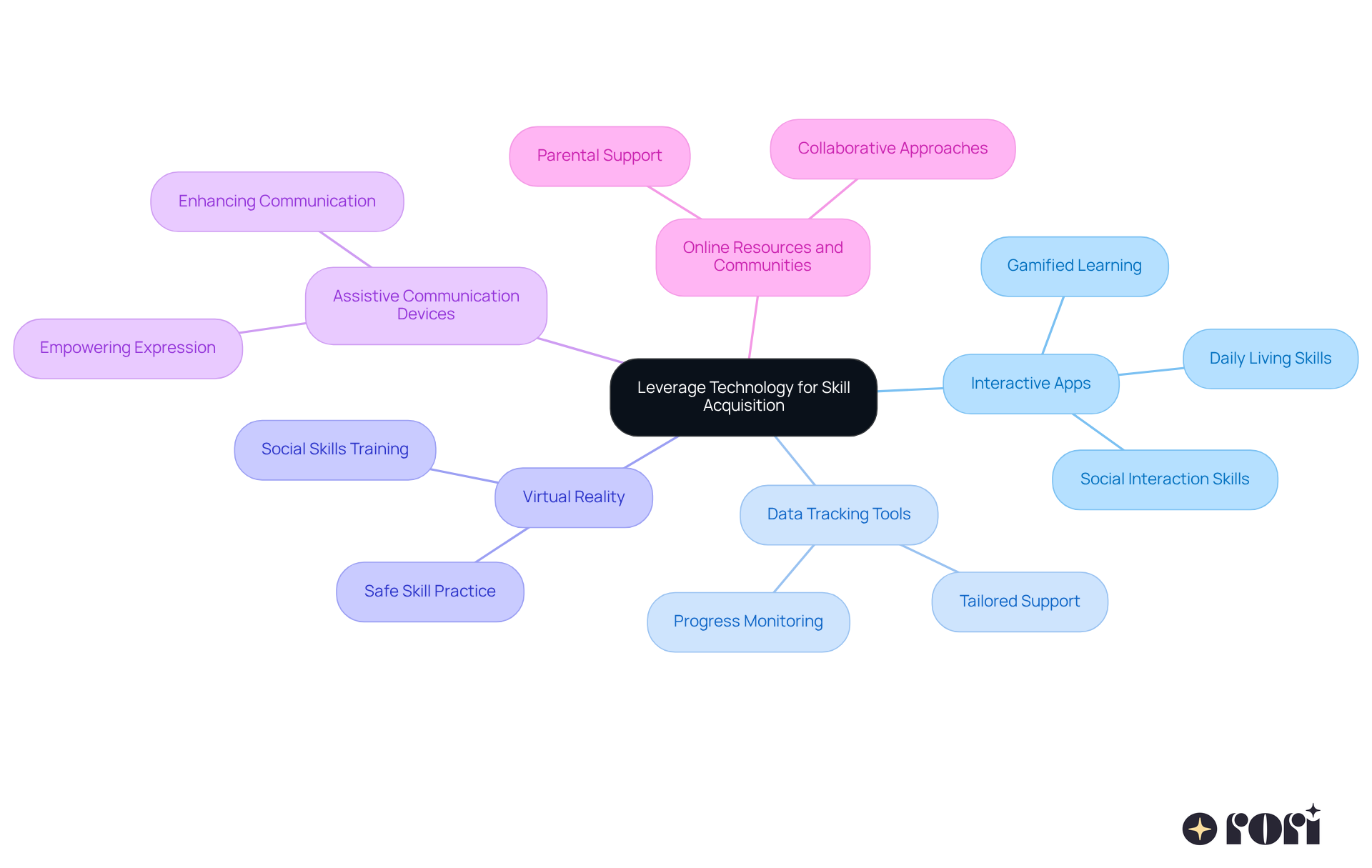
Technology can really aid in in autistic children in some exciting ways! Let’s dive into a few effective strategies that can make a difference:
Let’s explore this together! We’re here to help you every step of the way!
Helping autistic children develop independence isn’t just a nice-to-have; it’s truly essential for their growth and well-being. When caregivers nurture self-sufficiency, they play a crucial role in guiding children through daily tasks, helping them make informed choices, and encouraging meaningful interactions with their world. This foundational skill set not only boosts their confidence but also significantly enhances their chances of a successful transition into adulthood.
Throughout this article, we’ve explored various strategies to promote independence effectively. From breaking tasks into manageable steps and using visual supports to creating supportive environments and tapping into technology, these practices empower both children and caregivers. Each approach builds essential skills and fosters a sense of accomplishment, paving the way for greater autonomy and emotional resilience.
The journey toward independence for autistic children is a team effort that calls for patience, understanding, and a sprinkle of creativity. By putting these strategies into action and nurturing supportive environments, caregivers can make a real difference in their child’s ability to thrive. Embracing this approach not only enriches the lives of autistic children but also strengthens family bonds and community connections. Together, we can pave the way for a more inclusive and supportive future! Let’s explore this journey together!
Why are independence skills important for autistic children?
Independence skills are crucial for autistic children as they help them tackle daily tasks, make choices, and connect with the world around them. These skills encompass self-care, communication, social interactions, and decision-making.
How do independence skills affect the transition to adulthood for autistic children?
Studies indicate that children who develop independence skills early tend to transition into adulthood more successfully, leading to better outcomes in education, employment, and community involvement.
What are some examples of independence skills that can be taught to autistic children?
Examples of independence skills include managing personal hygiene and preparing simple meals, which can enhance their confidence and ability to function independently in various settings.
What role do caregivers play in developing independence skills in autistic children?
Caregivers play a vital role by understanding ABA principles and strategies, providing better support, and making choices that positively impact their child's growth and independence.
How does active involvement from caregivers influence the development of independence skills?
Active involvement and alignment with therapeutic approaches often lead to improved behavioral outcomes, which contribute to the development of independence in autistic children.
What insights do longitudinal studies provide regarding independence skills?
Longitudinal studies highlight the importance of building a strong foundation in self-sufficiency skills, as they influence adult outcomes for autistic individuals.