Empowering autistic children to embrace independence isn’t just a developmental milestone; it’s a journey that can truly transform their lives. 🌟 It fosters self-confidence, autonomy, and a meaningful connection with the world around them. By using structured routines, visual supports, and essential life skills training, caregivers can create a nurturing environment that promotes self-sufficiency and emotional well-being.
But let’s be real - what happens when traditional methods don’t quite hit the mark? 🤔 It’s a challenge many parents face. Adapting our approaches can make all the difference in truly empowering these amazing kids. Let’s explore this together!
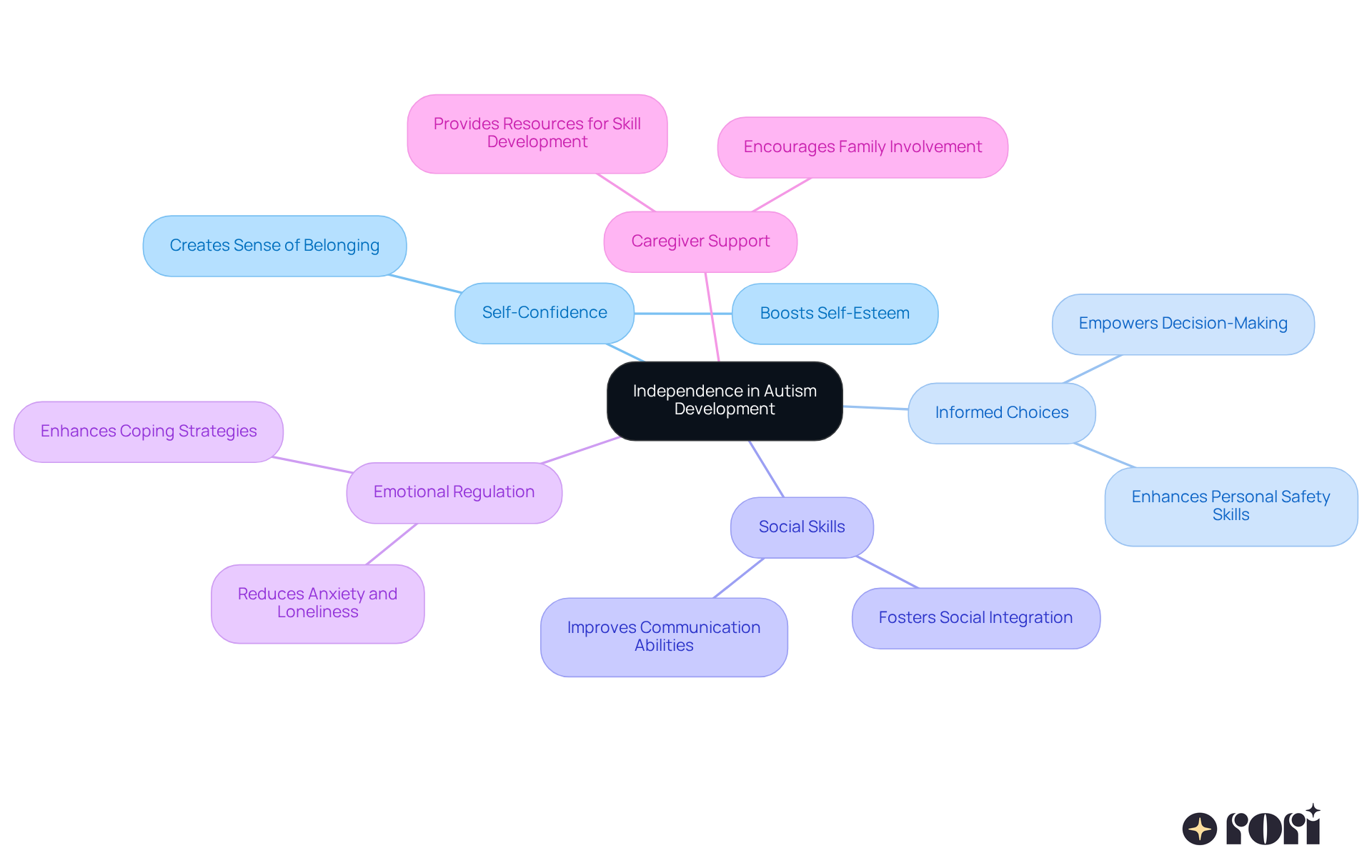
Independence is such an important milestone for all young people, particularly in the context of . By promoting autonomy, we are , which helps them , make informed choices, and with the world around them. 🌟
Research shows that when young individuals are supported in becoming self-sufficient, they often develop better social skills and . For instance, can really boost self-esteem and within families and communities.
By focusing on self-reliance, caregivers can create an environment that is [empowering autistic children to be independent](https://supportivecareaba.com/statistics/supporting-independence-in-autism), leading to a more fulfilling life for them. Let’s explore this together! We’re here to !
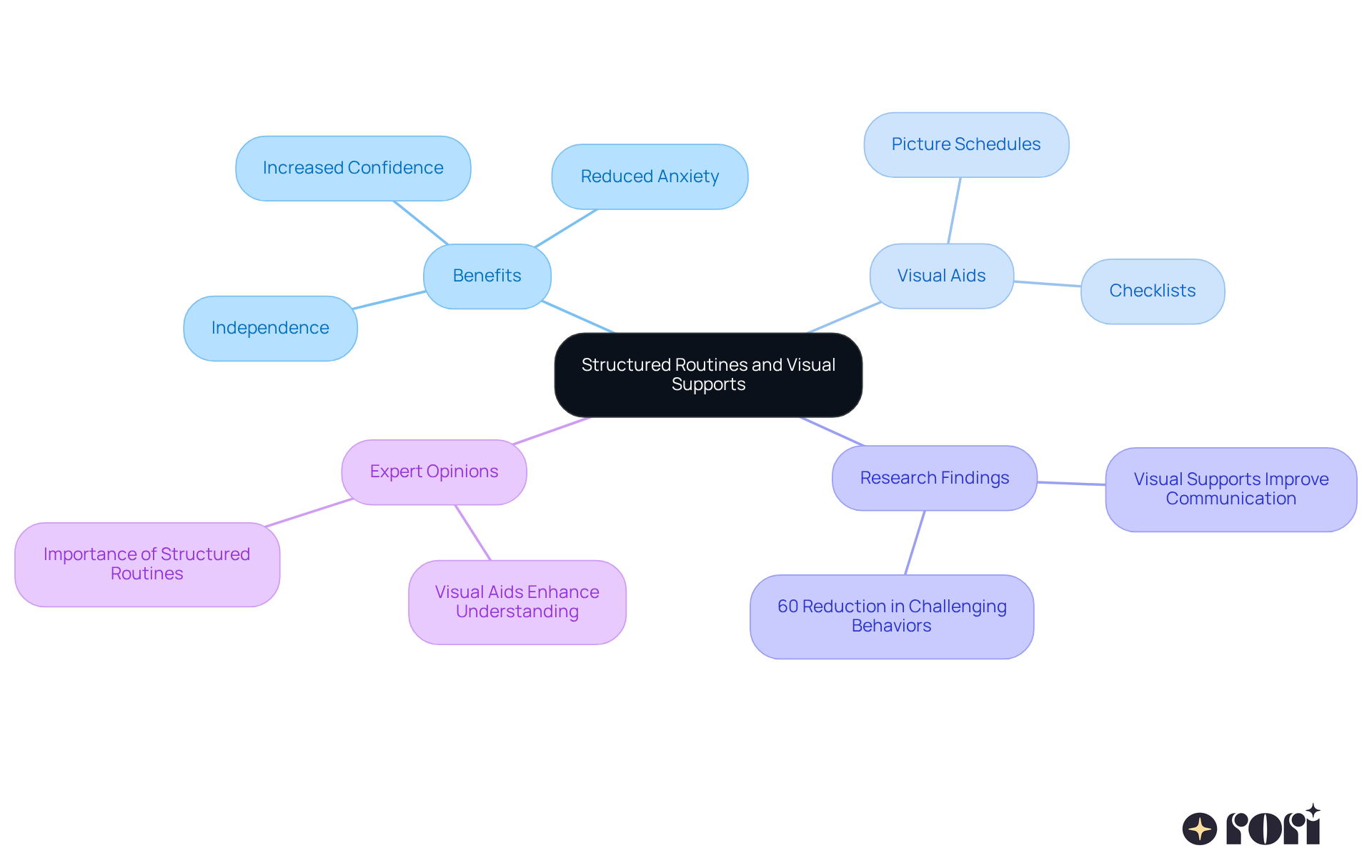
Organized routines and are important tools for . When you create a reliable , it not only helps kids know what to expect but also significantly reduces anxiety. This makes transitions feel a lot smoother for them.
, like picture schedules and checklists, offer clear, . Imagine a visual schedule that outlines morning routines, as this can be a tool for in brushing their teeth or getting dressed without needing constant reminders. How great would that be?
Research shows that empowering autistic children to be independent with the use of visual aids increases their likelihood of engaging in activities on their own, which boosts their . In fact, evidence suggests that within just six months! That really highlights how effective these strategies can be in empowering autistic children to be independent and enhancing their overall well-being.
As one expert put it, 'Visual aids are crucial instruments that are essential for empowering autistic children to be independent by utilizing their visual processing strengths to improve their comprehension and communication.' Plus, tailors support to each individual’s unique needs, helping to establish those , ADHD, and other behavioral challenges.
Let’s explore this together! If you’re looking for ways to , know that you’re not alone. We’re here to help you every step of the way!
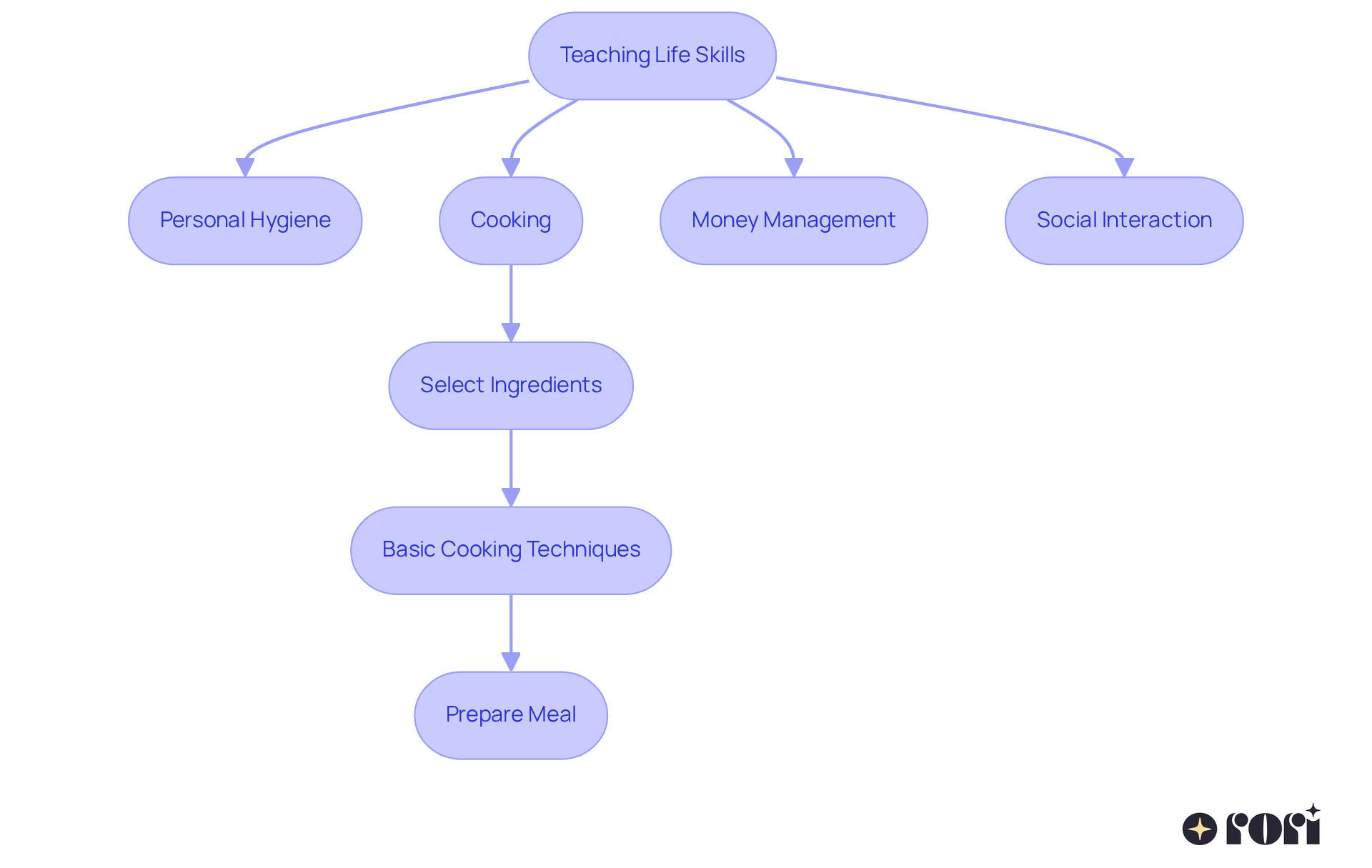
Helping autistic individuals develop is vital for to be independent! Skills like , cooking, , and can really make a difference. Caregivers can play a key role in this learning journey by breaking tasks down into smaller, manageable steps.
For example, when teaching a young person to prepare a simple meal, you might start with selecting ingredients and then move on to basic cooking techniques. It’s all about taking it one step at a time! Role-playing social situations can also be a fun way to boost communication skills and build confidence.
Research shows that to be independent can help them develop essential skills, leading to greater . By weaving into everyday activities, caregivers are focused on empowering autistic children to be independent, enabling them to take charge of their lives and laying a strong foundation for future success. Let’s explore this together!
. Caregivers, you play a crucial role here! Working closely with therapists ensures that everyone is on the same page, which can make a big difference. Regular chats about your child’s progress and challenges can really help, and don’t hesitate to join in on therapy sessions when you can. For instance, when parents participate in , they learn .
Studies show that kids who get consistent support from both caregivers and therapists are much more likely to reach their developmental goals. One study even found that . This really highlights how vital a is! By nurturing this partnership, you can and support the goal of .
Benefits of Caregiver Education:
Of course, families can face challenges like time constraints and financial demands, which might make it tough to participate consistently in therapy. However, by fostering a , you can significantly and helping them thrive. Let’s explore this together!

Empowering autistic children to embrace independence is truly a journey worth taking. It’s not just about boosting their self-confidence; it’s about enriching their connection to the world around them. When caregivers foster autonomy, they play a crucial role in helping these kids develop essential life skills, navigate daily routines, and actively engage in therapeutic practices. This holistic approach really sets the stage for a fulfilling and self-sufficient life.
Let’s take a look at four best practices that can make a real difference in this empowerment process:
Each of these strategies adds something special to creating a supportive environment where autistic children can truly thrive. The result? Improved emotional regulation, social skills, and a genuine sense of belonging.
As caregivers and advocates, our commitment to empowering autistic children goes beyond just teaching skills. It’s about nurturing a mindset of independence that can last a lifetime. By embracing these best practices, families can create a warm atmosphere that encourages self-reliance and confidence. Remember, the journey toward independence is a shared one. With the right support and resources, autistic children can reach their fullest potential. Let’s explore this together!
Why is independence important for autistic children?
Independence is crucial for autistic children as it empowers them to build self-confidence, make informed choices, and engage meaningfully with their surroundings.
How does promoting autonomy benefit autistic individuals?
Promoting autonomy helps autistic individuals develop better social skills, improved emotional regulation, and a sense of belonging within families and communities.
What impact does fostering independence have on self-esteem?
Fostering independence can significantly boost self-esteem in autistic children, contributing to their overall well-being.
How can caregivers support autistic children in becoming independent?
Caregivers can create an empowering environment that focuses on self-reliance, which leads to a more fulfilling life for autistic children.