Understanding the unique challenges that parents of children with autism spectrum disorder (ASD) face is so important for fostering social engagement. Structured interventions can really help simplify those complex social interactions and create a safe space for learning. This way, kids can develop those essential interpersonal skills they need.
But here’s the real question: how can caregivers effectively implement these strategies to ensure meaningful progress and enhance their children's social experiences? 🤔 This article dives into best practices that empower caregivers to support social engagement in children with ASD. We’ll reveal actionable insights and evidence-based techniques that can truly transform your approach.
Let’s explore this together!
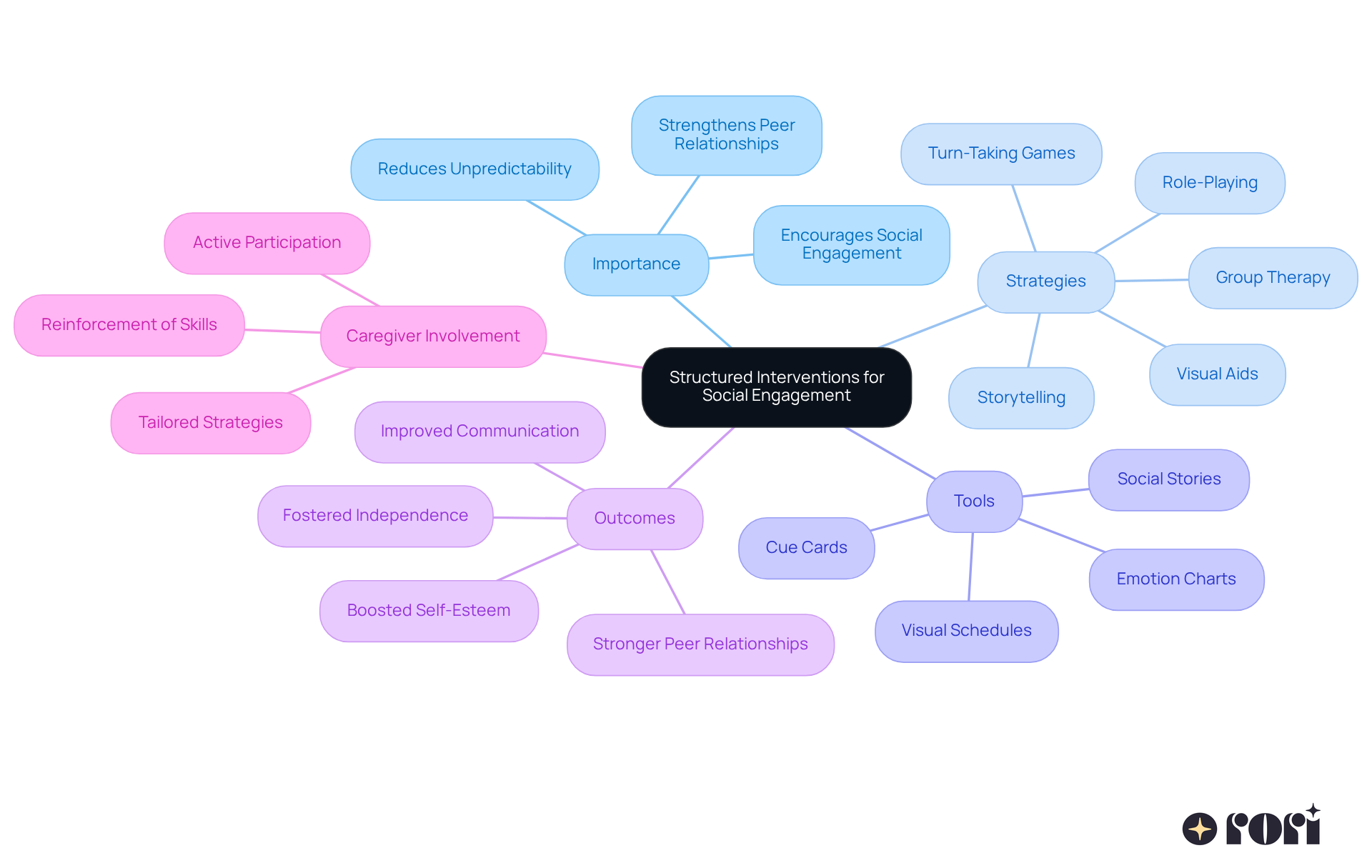
Organized strategies play a vital role in , assisting young individuals with autism in navigating social interactions more smoothly. By breaking down complex interpersonal skills into bite-sized pieces, these approaches allow kids to learn and practice in a supportive environment. For example, , led by experienced therapists at Rori Care, boosts communication and interaction among peers, fostering better relationships and confidence.
Using tools like , role-playing, , and storytelling can make a big difference in helping kids grasp social cues and appropriate responses. Research shows that , which can be overwhelming for children on the spectrum. This creates a sense of safety that plays a crucial role in encouraging social engagement in children with asd, leading them to participate more actively in social situations.
When caregivers implement organized interventions, they can establish that not only but also play a crucial role in encouraging social engagement in children with asd. This approach has been shown to strengthen peer relationships, boost self-esteem, and foster independence, thereby encouraging social engagement in children with asd and making it a cornerstone of effective autism care. Programs like PEERS provide , too.
It’s important for caregivers to be mindful of to ensure they’re effective. Active involvement from caregivers is key to achieving meaningful progress. So, let’s explore this together! We’re here to help you every step of the way!
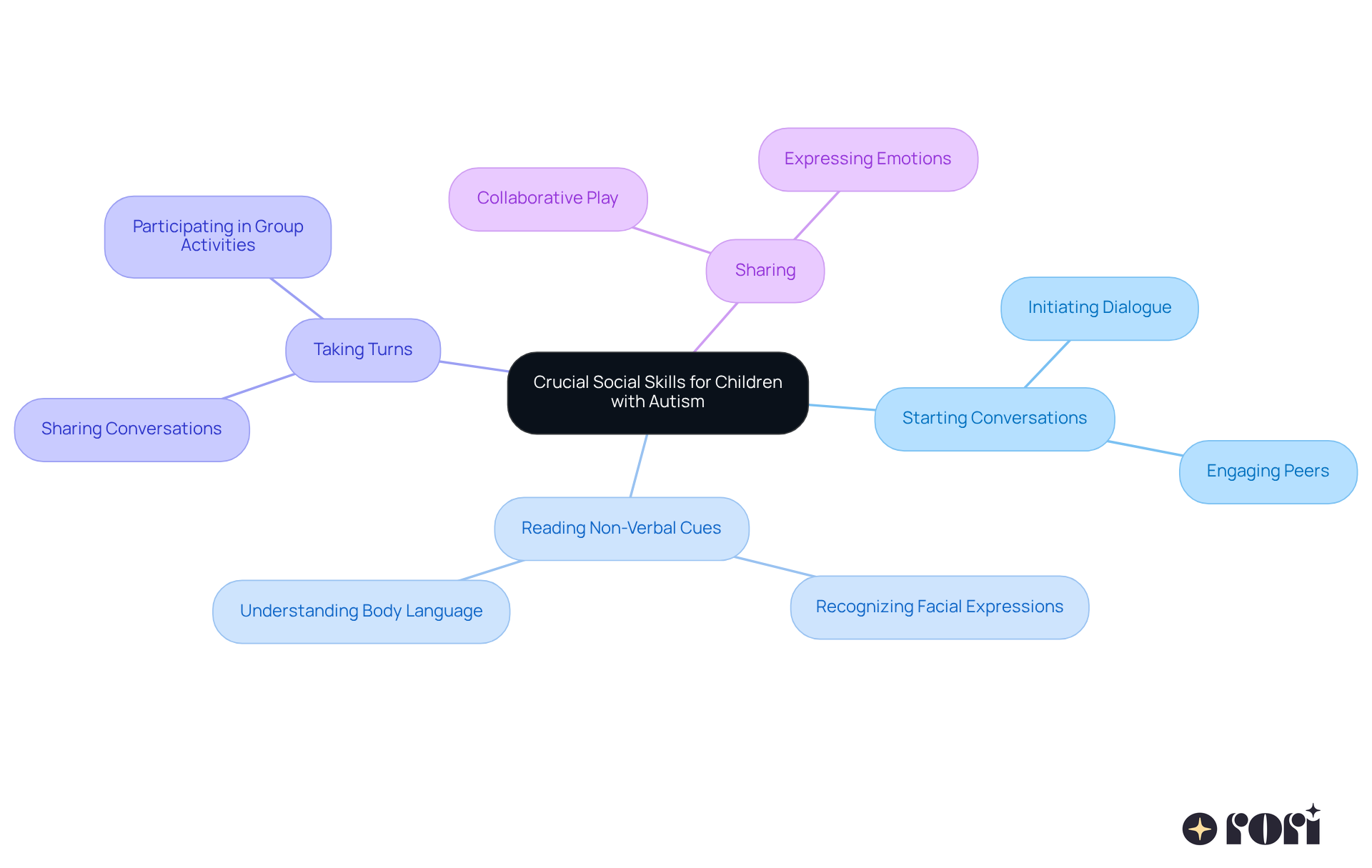
When it comes to kids with autism, essential include:
These skills are so important for building connections and nurturing meaningful relationships. For instance, teaching young ones to can really boost their ability to respond appropriately in different social situations.
focused on interpersonal skills, led by trained professionals, offers a wonderful way to develop these abilities in a supportive environment. It allows kids to practice real-life scenarios and improve their . Research shows that , like those using , can effectively enhance these skills, leading to better peer relationships and increased confidence in social settings.
Active involvement from parents is key! When parents understand and apply ABA principles, they can help their children achieve their . This support leads to and improved outcomes. By focusing on these vital areas, caregivers can empower children with autism, which plays a crucial role in encouraging in children with ASD, helping them navigate social situations more effectively and ultimately enhancing their overall quality of life. Let’s explore this together!
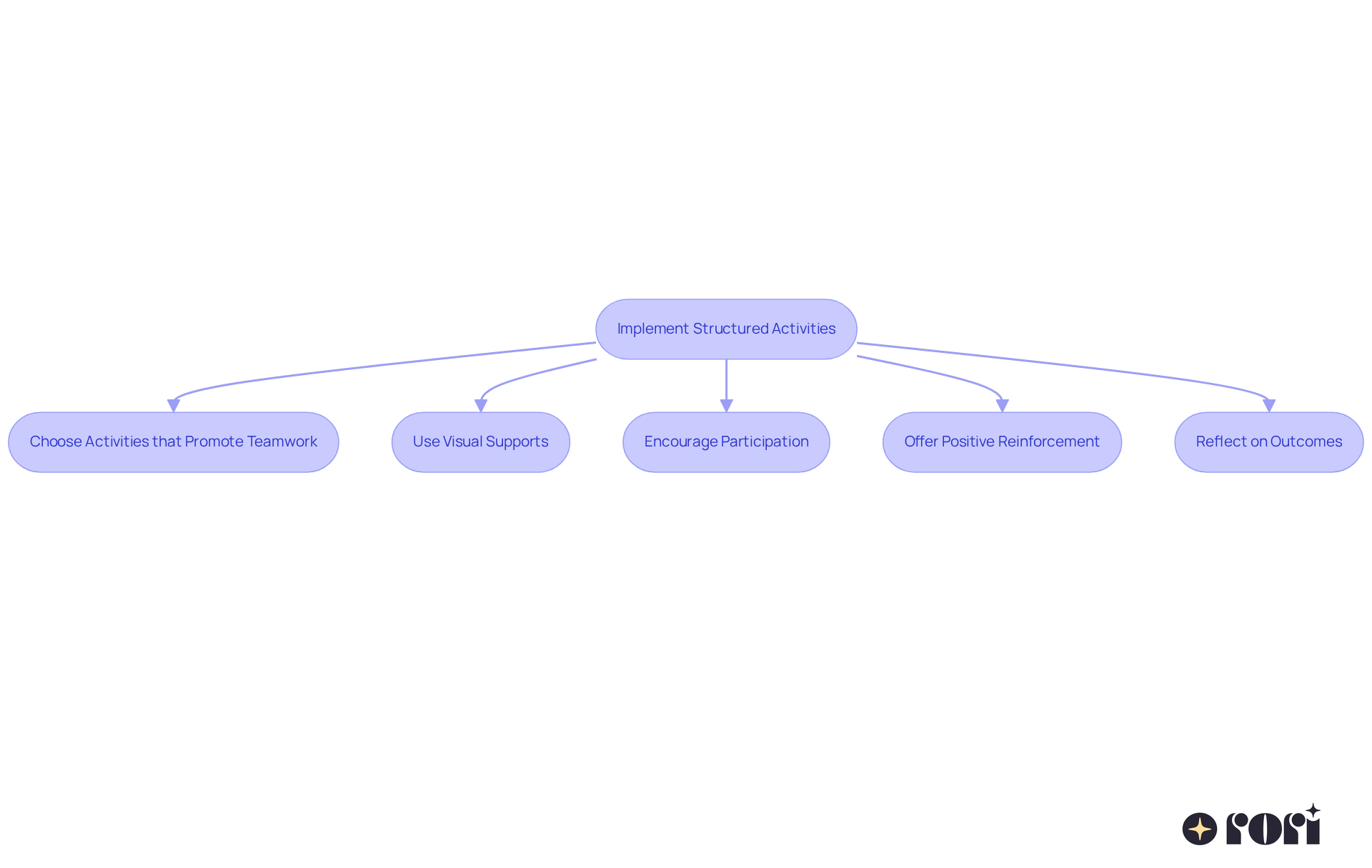
Organized activities like group games, team sports, and collaborative projects can be effective in encouraging . These fun settings play a crucial role in encouraging social engagement in children with ASD while helping youngsters build and keeping stress and anxiety at bay. For example, are a great way to encourage cooperation and communication, helping children grasp the dynamics of teamwork.
Using , such as task cards and picture schedules, can clarify what’s expected during each activity, making things less overwhelming. Did you know that studies show involvement in team sports can by 65%? Plus, organized play enhances communication and problem-solving abilities. By weaving these activities into daily routines, caregivers can create consistent opportunities for encouraging social engagement in children with ASD, while nurturing vital skills, , and overall well-being.
And here’s something important: when parents understand , they can better support their children’s behavioral goals, leading to improved outcomes and stronger family bonds. So, how can caregivers effectively implement ? Here are a few friendly tips:
Let’s explore this together! We’re here to !
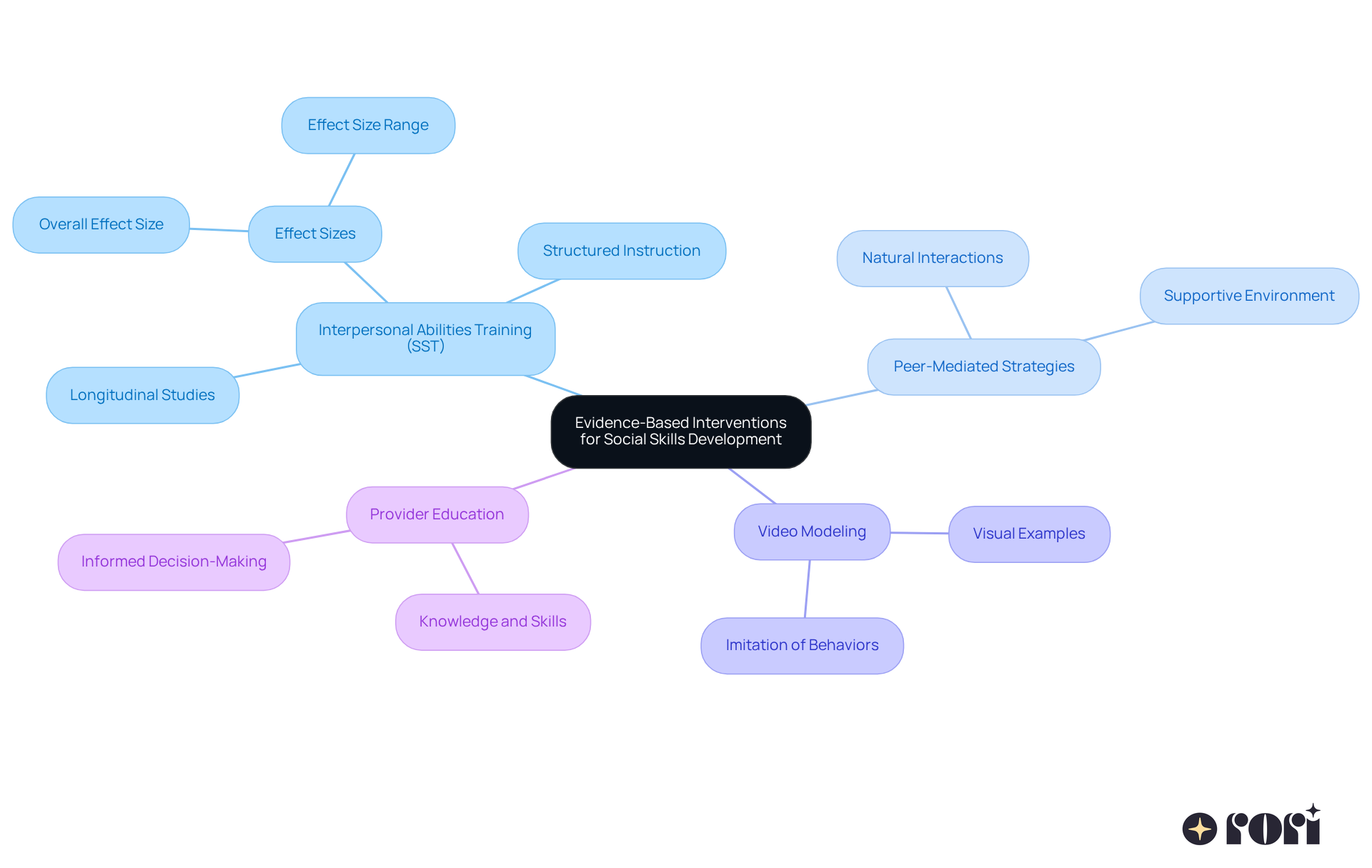
When it comes to encouraging , such as interpersonal abilities training (SST), , and can make a real difference. SST programs, for instance, offer , which can lead to better communication and interaction skills. Research shows that , indicating a modest to moderate impact on developing these important .
Peer-mediated interventions are another fantastic way for kids to learn from one another. These strategies focus on encouraging by promoting natural interactions to enhance interpersonal competence in a . And let’s not forget about video modeling! This approach provides visual examples of appropriate social behaviors, making it easier for young people to understand and imitate these actions.
Programs like PEERS have demonstrated significant improvements in social skills and participation by focusing on in children with ASD through organized training that includes group meetings and hands-on activities. By using these evidence-informed strategies, we can ensure that our approach to developing social abilities is not only effective but also impactful. This ultimately leads to better social communication, reciprocity, and joint attention, which are crucial for encouraging social engagement in children with ASD.
Educating providers is a crucial part of this journey. It equips them with the knowledge and skills they need to offer better support, make informed choices, and improve outcomes for those they care for. Enhanced support allows caregivers to complement professional interventions, while informed decision-making leads to strategies that positively impact their child's progress.
Longitudinal studies are essential to assess the lasting impacts of SST therapies, ensuring that the benefits stick around over time. So, let’s explore this together! We’re here to help you every step of the way!
Encouraging social engagement in children with autism spectrum disorder (ASD) is so important for their growth and happiness! Structured interventions really lay the groundwork for kids to learn and practice essential social skills in a nurturing environment. When caregivers use organized strategies, they can help their children navigate social interactions more easily, leading to better communication, confidence, and friendships.
Let’s take a look at some key strategies for boosting social engagement:
These can make a big difference. Techniques like group therapy, peer-mediated interactions, and visual aids not only clarify what’s expected but also create a safe space for kids to practice vital skills. Plus, focusing on important social abilities - like starting conversations, reading non-verbal cues, and taking turns - can really empower children with ASD to connect more effectively with their peers.
Ultimately, enhancing social skills in children with autism is a team effort that needs commitment from both caregivers and professionals. By embracing structured interventions and evidence-based practices, families can create a rich environment that supports social learning and emotional growth. Taking these steps not only helps children with ASD but also builds a more inclusive and understanding community, paving the way for meaningful connections and a better quality of life.
So, let’s explore this together! We’re here to help you every step of the way!
What is the role of structured interventions in social engagement for children with ASD?
Structured interventions are organized strategies that encourage social engagement in children with autism spectrum disorder (ASD) by helping them navigate social interactions more smoothly and effectively.
How do structured interventions help children with ASD learn social skills?
These interventions break down complex interpersonal skills into manageable parts, allowing children to learn and practice in a supportive environment, which enhances their communication and interaction with peers.
What types of activities are included in structured interventions?
Activities may include group therapy focused on interpersonal skills, visual aids, role-playing, turn-taking games, and storytelling, all of which help children understand social cues and appropriate responses.
How do structured teaching methods benefit children with ASD?
Structured teaching methods reduce unpredictability, creating a sense of safety that encourages children with ASD to participate more actively in social situations.
What additional benefits do organized interventions provide for children with ASD?
Organized interventions promote consistent routines, strengthen peer relationships, boost self-esteem, and foster independence, all of which are essential for encouraging social engagement.
Are there specific programs that support social skills development for children with ASD?
Yes, programs like PEERS provide structured opportunities for enhancing social skills in children with ASD.
What is the importance of caregiver involvement in structured interventions?
Active involvement from caregivers is crucial for achieving meaningful progress in the implementation of structured interventions, ensuring their effectiveness.