Enhancing social interactions for children with Autism Spectrum Disorder (ASD) isn’t just a nice thing to do; it’s vital for their growth! 🌱 When kids master social skills, they can communicate better, build friendships, and feel less isolated. But let’s be real - the path to developing these skills can be tough. What can caregivers do to help their children navigate these social waters?
In this article, we’ll explore some best practices that not only empower children with ASD but also create nurturing environments for their growth. Together, we can ensure they thrive both socially and emotionally. Let’s dive in!
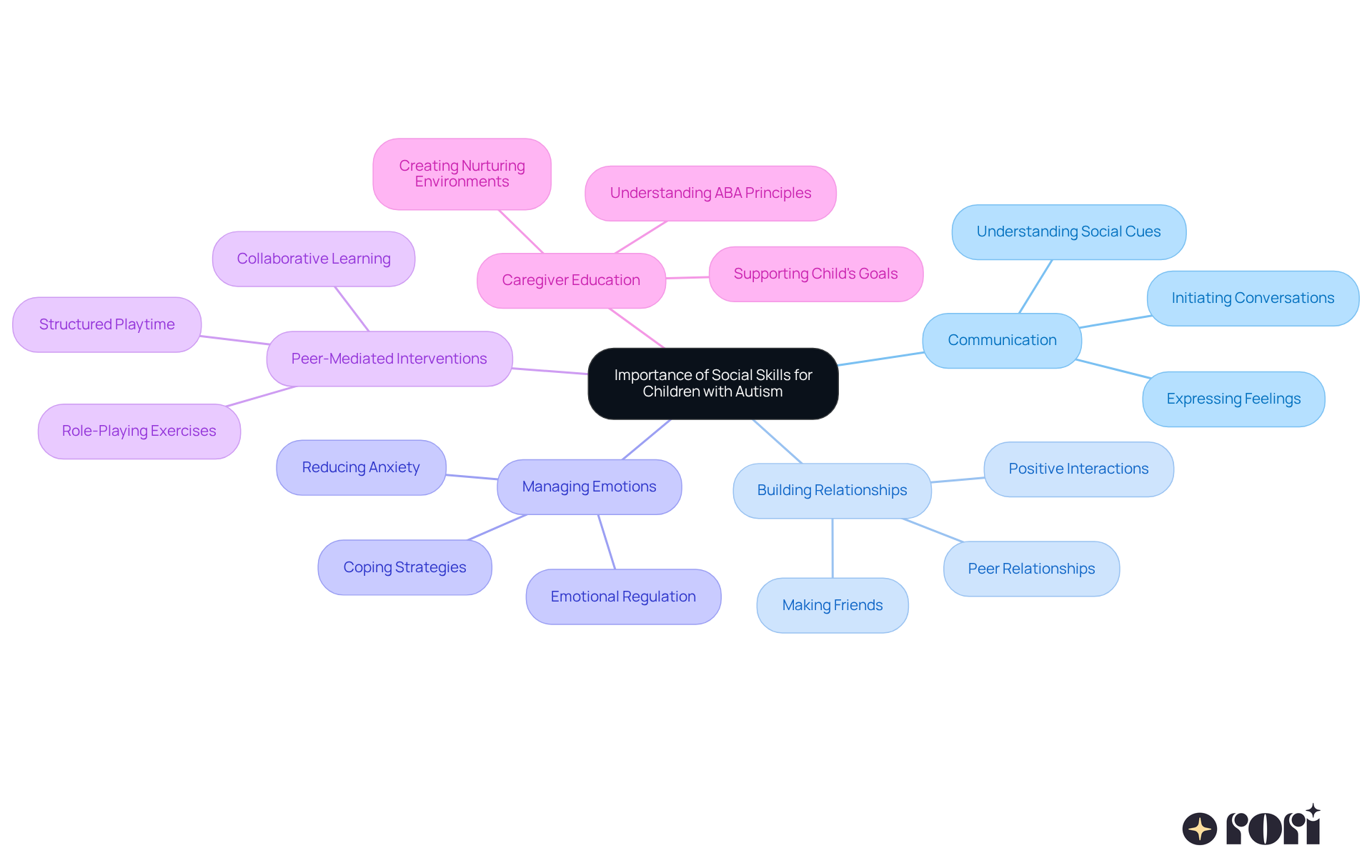
Enhancing social interactions for kids with ASD is extremely important. They help with communication, building relationships, and managing emotions. Many kids with ASD struggle with social interactions, making the need for enhancing social interactions for kids with ASD crucial to prevent feelings of isolation and anxiety. By developing these skills, young people can connect better with others, express their feelings, and navigate social situations more easily, which is essential for enhancing social interactions for kids with ASD.
For example, kids who learn how to start conversations and respond to social cues are more likely to make friends and enjoy positive interactions. A study found that training in social skills significantly boosted participation scores from 19.50 to 28.50 among kids with ASD, showing just how impactful focused interventions can be. Plus, improving social skills not only supports emotional well-being but also contributes to academic success. Kids with stronger social skills often thrive in group learning environments.
Integrating peer-mediated interventions can provide additional ways of enhancing social interactions for kids with ASD, creating a more comprehensive approach to supporting youth with ASD. And let’s not forget about the vital role of caregiver education! When caregivers understand , they can actively support their child’s goals, leading to better outcomes.
Caregivers who grasp these concepts can make informed decisions that positively impact their child’s growth, fostering a nurturing environment that encourages social skills development. So, let’s explore this together! We’re here to help you every step of the way!
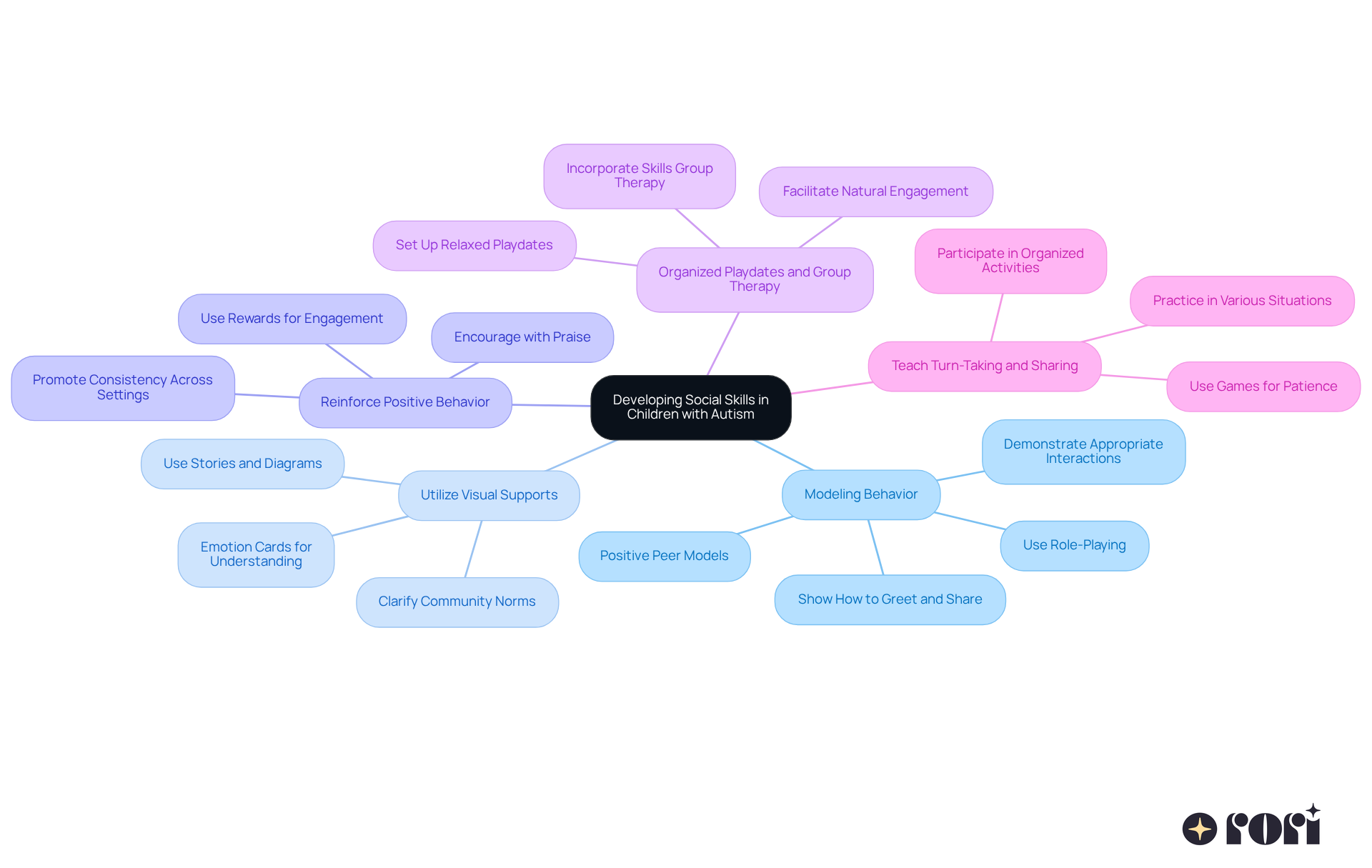
To effectively develop social skills in children with autism, let’s explore some friendly strategies together:
By applying these strategies, you can create nurturing environments that focus on enhancing social interactions for kids with ASD, leading to better relationships. Plus, learning about ABA principles and strategies can further support your goals and enhance family dynamics. We’re here to help you every step of the way!
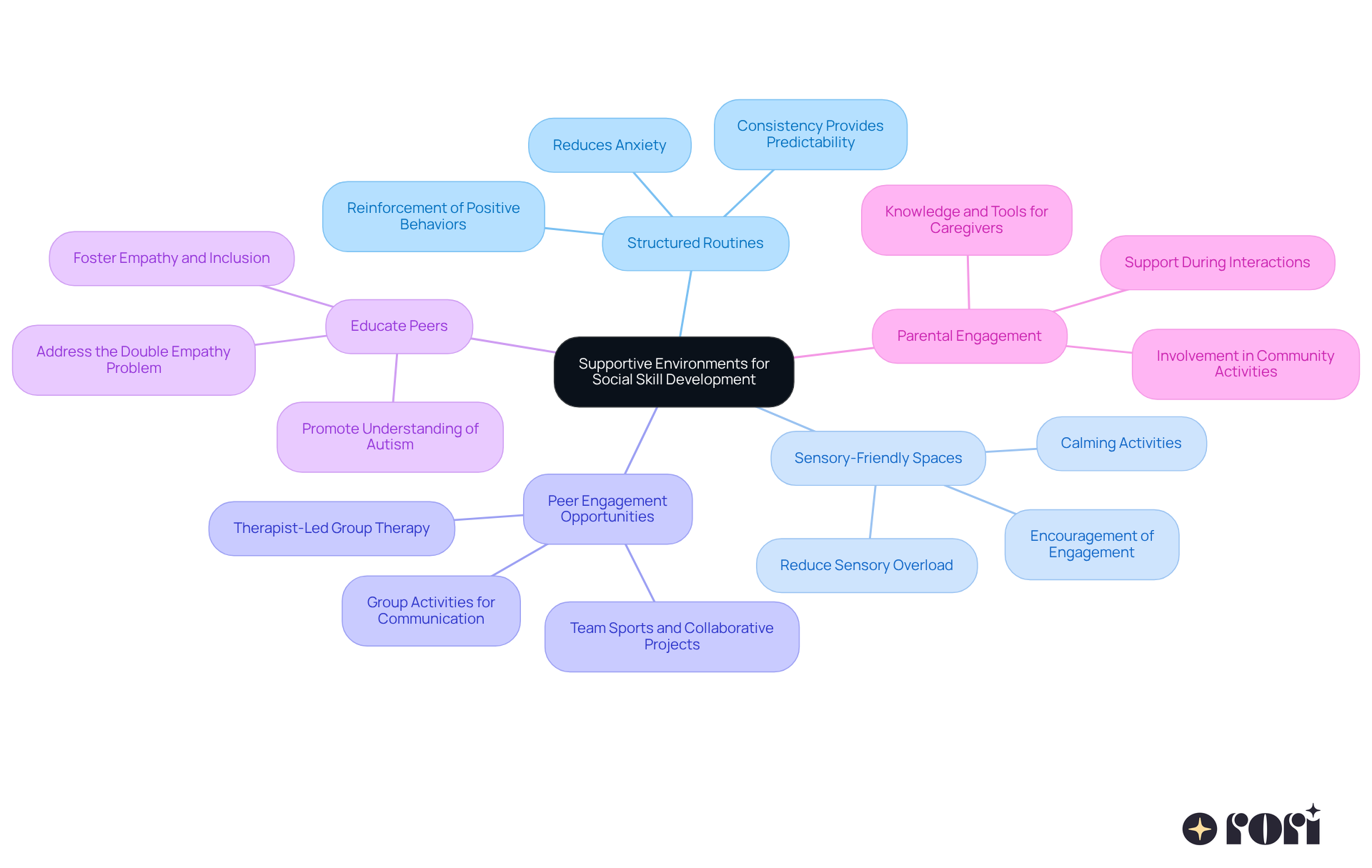
To help develop interpersonal skills, it’s really important to create supportive environments tailored to the unique needs of individuals with autism, which contributes to enhancing social interactions for kids with asd. Here are some effective strategies that can make a difference:
Let’s explore these strategies together and see how they can help your child thrive!
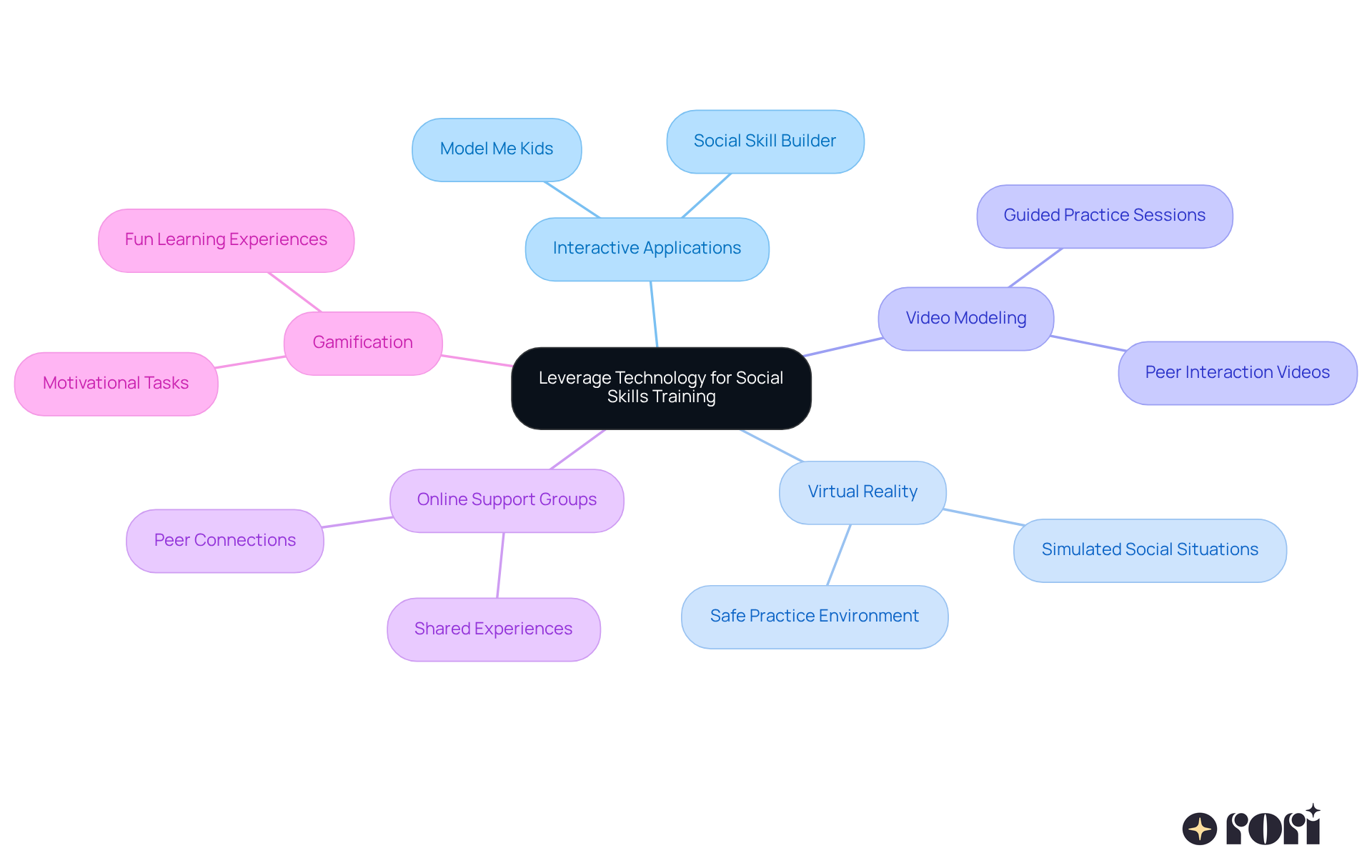
Technology can really make a difference in enhancing social interactions for kids with asd and helping them improve their social skills. At Rori Care, we’re all about empowering caregivers with ABA principles and techniques to support their kids’ behavioral goals. Our clinical leadership team truly values neurodiversity and is dedicated to helping young individuals thrive.
So, how can we leverage technology to make this happen? Let’s explore some ideas together!
By integrating these tech tools, Rori Care aims to enhance social interactions for kids with asd, as well as boost social competence, communication skills, relationship management, and self-esteem in children with autism and related disorders. We’re here to !
Enhancing social interactions for children with autism spectrum disorder (ASD) isn’t just beneficial; it’s essential for their overall development. By focusing on social skills, caregivers and educators can really make a difference in communication, relationship-building, and emotional management for these kids. The strategies we’ve discussed highlight the importance of tailored interventions, peer engagement, and supportive environments, all of which help foster meaningful connections and reduce feelings of isolation.
Key practices like:
are effective ways to cultivate social skills in children with ASD. Plus, creating structured routines and sensory-friendly spaces can provide the right environment for these children to thrive. And let’s not forget about technology! Interactive apps and virtual reality can offer innovative ways for kids to practice and develop their social competencies.
Ultimately, improving social interactions for kids with ASD is a team effort that involves caregivers, peers, and the community. By embracing these practices and the tools available, we can all play a role in empowering these children to connect and engage with the world around them. The importance of fostering social skills is huge, as it lays the groundwork for a fulfilling and inclusive future. Let’s explore this together!
Why are social skills important for children with autism spectrum disorder (ASD)?
Social skills are crucial for children with ASD as they enhance communication, build relationships, and help manage emotions. Developing these skills can prevent feelings of isolation and anxiety, enabling children to connect with others and navigate social situations more effectively.
How do social skills training programs impact children with ASD?
Social skills training programs have been shown to significantly improve participation scores among children with ASD, with one study reporting an increase from 19.50 to 28.50. This indicates that focused interventions can have a meaningful impact on their social interactions.
What are some benefits of improving social skills for children with ASD?
Improving social skills supports emotional well-being and contributes to academic success. Children with stronger social skills are more likely to thrive in group learning environments and enjoy positive interactions with peers.
What role do peer-mediated interventions play in enhancing social interactions for children with ASD?
Peer-mediated interventions provide additional methods for enhancing social interactions, creating a comprehensive approach to support children with ASD. These interventions can facilitate better social engagement among peers.
How can caregiver education contribute to the development of social skills in children with ASD?
Caregiver education on ABA principles and strategies allows caregivers to actively support their child's social skill development. Understanding these concepts enables caregivers to make informed decisions that foster a nurturing environment for their child's growth.
What should caregivers do to support their child's social skills development?
Caregivers should educate themselves on effective strategies and principles related to social skills development. By doing so, they can create a supportive environment that encourages their child's progress in social interactions.