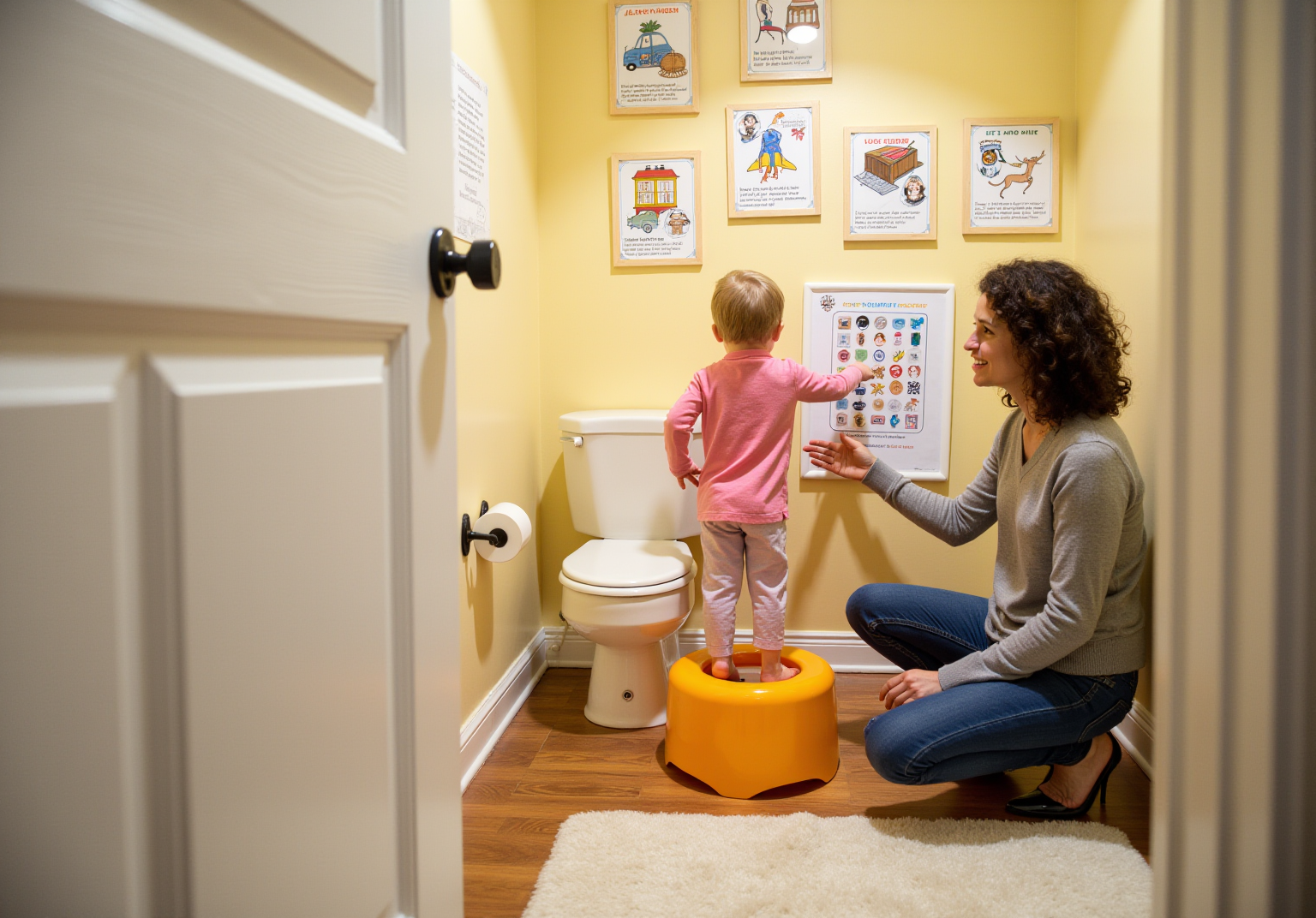
Engaging parents in Applied Behavior Analysis (ABA) therapy isn’t just a nice-to-have; it’s absolutely essential for helping children thrive. Research shows that when parents get involved - whether it’s joining therapy sessions, using strategies at home, or keeping the lines of communication open with therapists - kids often see amazing improvements in their social skills and communication. But let’s be real: many parents face hurdles that can make it tough to get involved. So, how can caregivers tackle these challenges and boost their engagement to better support their child’s growth?
In this article, we’ll explore some best practices for fostering parent engagement in ABA therapy. We’ll share strategies that empower families and promote effective collaboration throughout the therapeutic journey. Let’s dive in together!
The success of ABA interventions is absolutely vital and heavily relies on ! Research shows that leads to significantly better . This involvement can take many forms - like attending counseling sessions, using strategies at home, or keeping the lines of communication open with counselors.
For instance, studies have found that kids show remarkable improvements in their when there is [parent engagement in ABA therapy](https://heartwisesupport.org/post/the-impact-of-family-involvement-on-autism-therapy-outcomes). Plus, parent engagement in ABA therapy through is linked to quicker progress toward treatment goals, particularly in social and communication skills, with effect sizes averaging around 0.55. By stepping into this role, parents not only become advocates for their children's growth but also promote parent engagement in ABA therapy to ensure that in various settings. This consistency reinforces learning and promotes skill generalization.
This collaborative approach not only strengthens the bond between parents and kids but also improves parent engagement in ABA therapy, thereby boosting the overall effectiveness of the therapy. It creates a nurturing environment that fosters emotional engagement and resilience in children. And let’s not forget about the ! It plays a crucial role in this journey, enhancing caregivers' understanding of parent engagement in ABA therapy principles and strategies. This knowledge empowers them to make informed decisions that positively impact their children's development.
It also helps reduce caregiver stress and improves family dynamics, which is a win-win for everyone involved! Social skills group sessions, led by trained professionals, further enhance social interactions and communication within a group setting, helping individuals build better relationships and competence.
So, let’s explore this together! Your involvement can !

To encourage , let’s explore some effective strategies together! One great way to start is by . This allows them to see firsthand the methods being applied, which can be really eye-opening. Afterward, can be a wonderful opportunity for guardians to share their insights and ask questions, helping them understand the therapy process even better.
Creating a is also key. Think about that keep families informed and engaged. For instance, therapists might provide a weekly overview of the youth's progress along with tailored recommendations for activities that guardians can practice at home. This but also reinforces the skills being taught, leading to better outcomes for the child.
Research shows that significantly enhances skill acquisition and generalization. So, these strategies are not just helpful; they’re crucial for ! We’re here to !

is a crucial component of effective treatment! When caregivers join training sessions, they learn how can be woven into their daily routines, which can really boost their . Training can take many forms - think workshops, online courses, or even with a BCBA.
For instance, a might focus on teaching caregivers how to use effectively. And guess what? Studies show that when caregivers are well-versed in these methods, often results in kids making faster strides in reaching their treatment goals. Plus, , enabling caregivers to feel empowered and take an active role in their child’s growth.
Let’s explore this together! By engaging in training, you’re not just learning; you’re becoming a vital part of your child’s journey. We’re here to help you every step of the way!

Obstacles to parent engagement in can really get in the way of . Many parents face :
To help with this, counselors can offer and appointments, making it easier for caregivers to fit these into their busy lives.
Breaking down into simple, everyday language can also make a big difference. For instance, using visual aids or real-life examples can help caregivers feel more comfortable and confident in their role. Plus, can help reduce feelings of isolation. It’s a great way to share experiences and strategies with one another.
Research shows that leads to kids reaching their goals faster. This really highlights the importance of addressing these challenges. By tackling these issues head-on, therapists can create a welcoming environment that fosters parent engagement in , ultimately leading to . Let’s explore this together!

When it comes to Applied Behavior Analysis (ABA) therapy, the role of active parent engagement is truly vital. It’s not just a nice-to-have; it’s essential for helping children reach their full potential. By getting involved-whether that’s attending sessions, trying out strategies at home, or keeping the lines of communication open with therapists-parents can create a nurturing environment that really supports their child’s growth.
Throughout this article, we’ve shared some key strategies to boost parent engagement. Think about:
It’s also important to tackle any barriers that might come up, like busy schedules or emotional hurdles, to foster a collaborative atmosphere that encourages parents to get involved.
The impact of parent engagement in ABA therapy is huge! It not only speeds up progress toward treatment goals but also strengthens the bond between parents and children, creating a warm environment that nurtures emotional and social development. By prioritizing parent involvement, caregivers can play a crucial role in their child’s journey, ensuring that therapeutic strategies are applied effectively in everyday life. Embracing these practices can lead to amazing improvements in children’s outcomes, making a strong case for why active participation in ABA therapy is more important than ever. Let’s explore this together!
Why is parent engagement important in ABA therapy?
Parent engagement is crucial in ABA therapy as it leads to significantly better behavioral outcomes for children, including improvements in social skills and communication abilities.
What forms can parent engagement take in ABA therapy?
Parent engagement can take various forms, such as attending counseling sessions, implementing strategies at home, and maintaining open communication with counselors.
How does parent-implemented intervention (PII) affect treatment progress?
Parent-implemented interventions are linked to quicker progress toward treatment goals, particularly in social and communication skills, with effect sizes averaging around 0.55.
What benefits does parent engagement provide to the parent-child relationship?
Engaging in ABA therapy strengthens the bond between parents and children, creates a nurturing environment, and fosters emotional engagement and resilience in children.
How does caregiver education contribute to parent engagement in ABA therapy?
Caregiver education enhances understanding of ABA therapy principles and strategies, empowering caregivers to make informed decisions that positively impact their children's development and reduce caregiver stress.
What role do social skills group sessions play in ABA therapy?
Social skills group sessions, led by trained professionals, enhance social interactions and communication within a group setting, helping individuals build better relationships and competence.