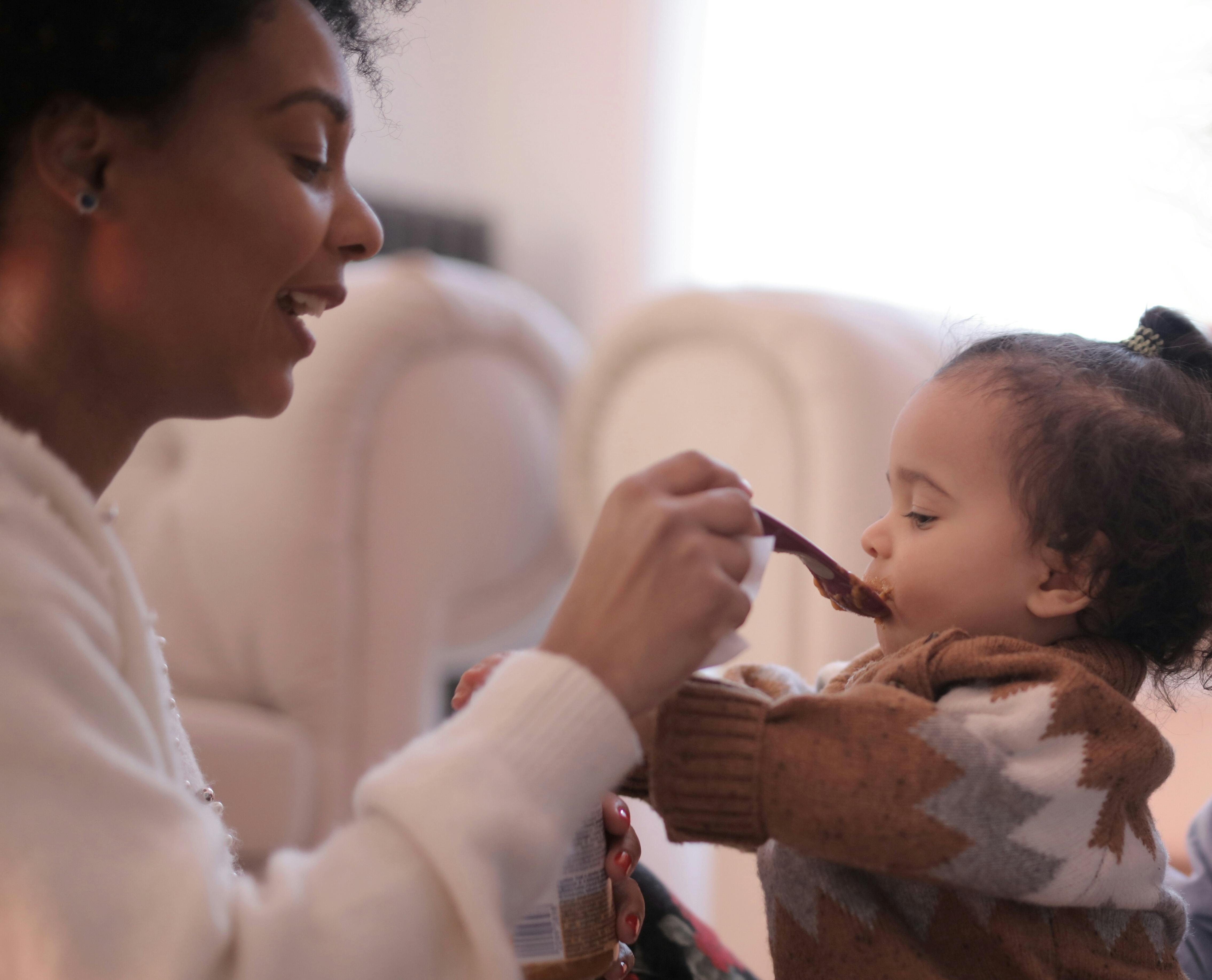
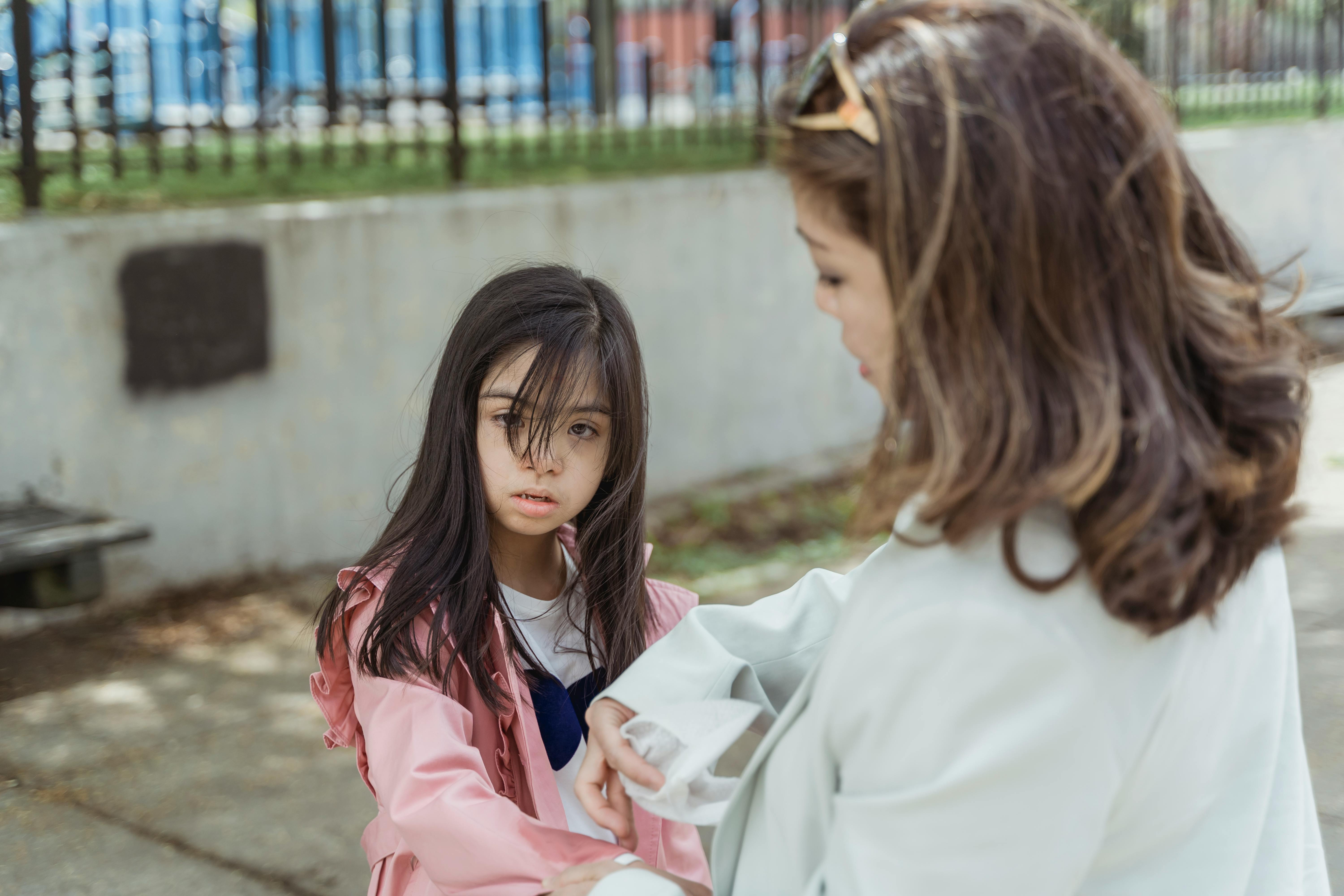
Understanding the complexities of autism spectrum disorder (ASD) is so important for parents who want to nurture their child's social skills. By actively engaging in their child’s growth, caregivers can create a space that not only fosters communication but also encourages meaningful interactions. But let’s be real - the journey can be tough! How can parents effectively bridge the gap between their child's unique needs and the social world around them?
This article dives into the vital role parents play in enhancing social skills for children with autism. We’ll share insights and strategies to empower both you and your child. Let’s explore this together!
Helping a child with autism develop interaction skills can feel like a challenging task that highlights the . It’s important to understand the ins and outs of , which can impact communication, behavior, and how kids connect with others. This can sometimes make building relationships a bit tricky. But here’s the good news: the parental role in promoting social skills development in children with autism is crucial for bridging those gaps! By creating a that encourages , they can make a real difference.
Research shows that kids with autism thrive when their caregivers embrace their parental role in promoting social skills development in children with autism. This engagement can significantly aid in and highlights the parental role in promoting social skills development in children with autism. By chatting about feelings and demonstrating appropriate behaviors, parents can fulfill their parental role in promoting social skills development in children with autism, teaching essential skills like empathy, sharing, and taking turns. Understanding these basics allows parents to to meet their child’s unique needs, thereby emphasizing the parental role in promoting social skills development in children with autism.
Plus, , like those offered by Rori Care, equip parents with ABA principles and strategies. This knowledge helps them more effectively at home, complementing any professional help they might be receiving. However, it’s not always smooth sailing. Parents might struggle to grasp their child’s communication style or . Tackling these common challenges can empower them even more.
Bringing in insights from experts, such as those from the National Autistic Society, can be incredibly helpful. For instance, a psychologist might remind us that ‘’ when it comes to understanding autism and supporting our kids’ development. By tapping into these resources and the support of Rori Care’s clinical leadership team, parents can strengthen their parental role in promoting social skills development in children with autism, leading to better behavioral outcomes and a stronger sense of empowerment. Let’s explore this together!

The parental role in promoting in children with autism can be enhanced by adopting effective strategies that boost their kids' , particularly for those with Autism Spectrum Disorders, ADHD, and other . Programs like those offered by Rori Care - ABA Therapy can be a great start!
One fun method is role-playing. Imagine caregivers stepping into scenarios that mimic real-life interactions. This way, kids can practice their reactions in a safe and encouraging environment. For instance, parents might create situations like welcoming a new friend or sharing toys, helping kids pick up on cues and responses.
Getting involved in , like team sports or cooperative games, opens up even more chances for socialization and teamwork. These settings encourage interaction and help kids learn how to .
is key in this journey. When kids show desirable interpersonal behaviors, praising them strengthens those actions and motivates them to keep improving their skills.
Storytelling can also be a powerful way to discuss social situations. By sharing stories that highlight different perspectives and emotional responses, parents can help kids understand the nuances of interpersonal interactions.
By consistently using these strategies, parents can enhance their parental role in promoting social skills development in children with autism, creating a rich learning environment that fosters competence and confidence. This ultimately enhances their ability to engage meaningfully with others. Let’s explore this together!

Working with experts like , , and educators is so important for giving individuals with autism the . Parents, you should definitely seek out these partnerships! It’s essential to recognize the parental role in promoting to ensure your child gets a well-rounded approach.
At Rori Care, our amazing clinicians provide tailored , equipping caregivers with the . Regular interaction with these professionals means you can keep an eye on your child’s progress and tweak strategies when necessary. For example, our BCBAs can create personalized interventions that tackle specific challenges, while speech therapists work on enhancing communication skills.
By building these , you and the professionals can form a strong that addresses every aspect of your child’s development, particularly emphasizing the in children with autism, leading to better outcomes. But, it’s also important to watch out for , which can slow down progress. Sharing stories of successful collaborations can really highlight the positive impact these partnerships can have.
Let’s explore this together! We’re here to help you every step of the way!

To help children with autism develop their interpersonal skills, it is essential for guardians to embrace their parental role in promoting in children with autism by creating a supportive atmosphere that encourages interaction. Organizing regular playdates and group activities can make a big difference! Research shows that , especially for individuals with autism, particularly when linked to . By making sure home is a safe space for interaction, parents can inspire their children to connect more openly with others.
Demonstrating , like active listening and respectful communication, is key. Kids often learn by watching their caregivers, so being a good role model matters! Plus, creating routines with engaging activities can help little ones feel more prepared for interactions, easing any anxiety. For instance, a can highlight activities and provide transition alerts, which is super helpful for kids who thrive on predictability.
The impact of playdates on developing interpersonal skills is significant. Research indicates that kids who participate in well-organized playdates show improved interaction skills and better peer relationships. This aligns perfectly with EIBI principles, which focus on tailored interventions for individuals with autism. Additionally, , led by qualified therapists, can really boost communication and interactions in a group setting, fostering better relationships.
By nurturing a that prioritizes social engagement and actively involving caregivers, the parental role in promoting in children with autism can significantly enhance their child's ability to connect with others. This not only helps in developing essential social skills but also paves the way for greater independence and community integration. Let’s explore this together! We’re here to help you every step of the way!

Empowering a child with autism to develop essential social skills is a vital journey, and it really hinges on the role of parents. By understanding autism and actively engaging in their child's social skills development, parents can create a nurturing environment that helps their child connect with others. This commitment not only fosters emotional regulation but also equips children with the fundamental skills needed for meaningful interactions.
Throughout this article, we’ve highlighted several key strategies to enhance this developmental process. From role-playing and positive reinforcement to collaborating with professionals and creating supportive environments, each approach boosts children's confidence and competence in social situations. And let’s not forget the importance of structured activities, like playdates and group therapy - they provide invaluable opportunities for practice and growth.
Ultimately, the parental role in promoting social skills development in children with autism is about more than just guidance; it’s about partnership and support. By leveraging resources, seeking professional advice, and fostering a nurturing atmosphere, parents can pave the way for their children to thrive socially. Yes, the journey may be challenging, but the rewards of seeing your child engage meaningfully with the world around them are profound.
So, let’s embrace this opportunity to make a lasting impact on your child's social development and overall well-being! We’re here to help you every step of the way!
What is autism spectrum disorder (ASD)?
Autism spectrum disorder (ASD) is a developmental disorder that affects communication, behavior, and how children connect with others, making relationship-building challenging.
What is the parental role in promoting social skills development in children with autism?
Parents play a crucial role in promoting social skills development by creating a supportive environment, engaging in conversations about feelings, and demonstrating appropriate behaviors to teach skills like empathy, sharing, and taking turns.
How can parents help their children with autism develop interaction skills?
Parents can help by actively engaging with their children, providing opportunities for social interaction, and using strategies learned from caregiver education programs to support their child’s behavioral goals.
What resources are available for parents to support their child's development?
Caregiver education programs, such as those offered by Rori Care, provide parents with ABA principles and strategies to effectively support their child's development at home.
What challenges might parents face when supporting a child with autism?
Parents may struggle to understand their child’s communication style or navigate social situations, which can make it difficult to promote social skills development.
How can expert insights assist parents in supporting their children with autism?
Insights from experts, such as psychologists from the National Autistic Society, can provide valuable knowledge and strategies to empower parents in understanding autism and supporting their child's development.
Why is it important for parents to understand the basics of autism?
Understanding the basics of autism allows parents to tailor their approaches to meet their child's unique needs, enhancing their ability to promote social skills development effectively.