Introduction
Understanding and managing phobias in children with autism can feel overwhelming for families and clinicians. But guess what? Recent advancements in personalized treatment strategies, especially through Applied Behavior Analysis (ABA) therapy, are paving the way for success!
This article dives into effective techniques and best practices that cater to each child's unique needs. We’ll also highlight the vital role of parental involvement and innovative technology. How can these tailored approaches transform the therapeutic journey and empower families to face fears together? Let’s explore this together!
Understand the Core Principles of ABA Therapy for Personalized Treatment
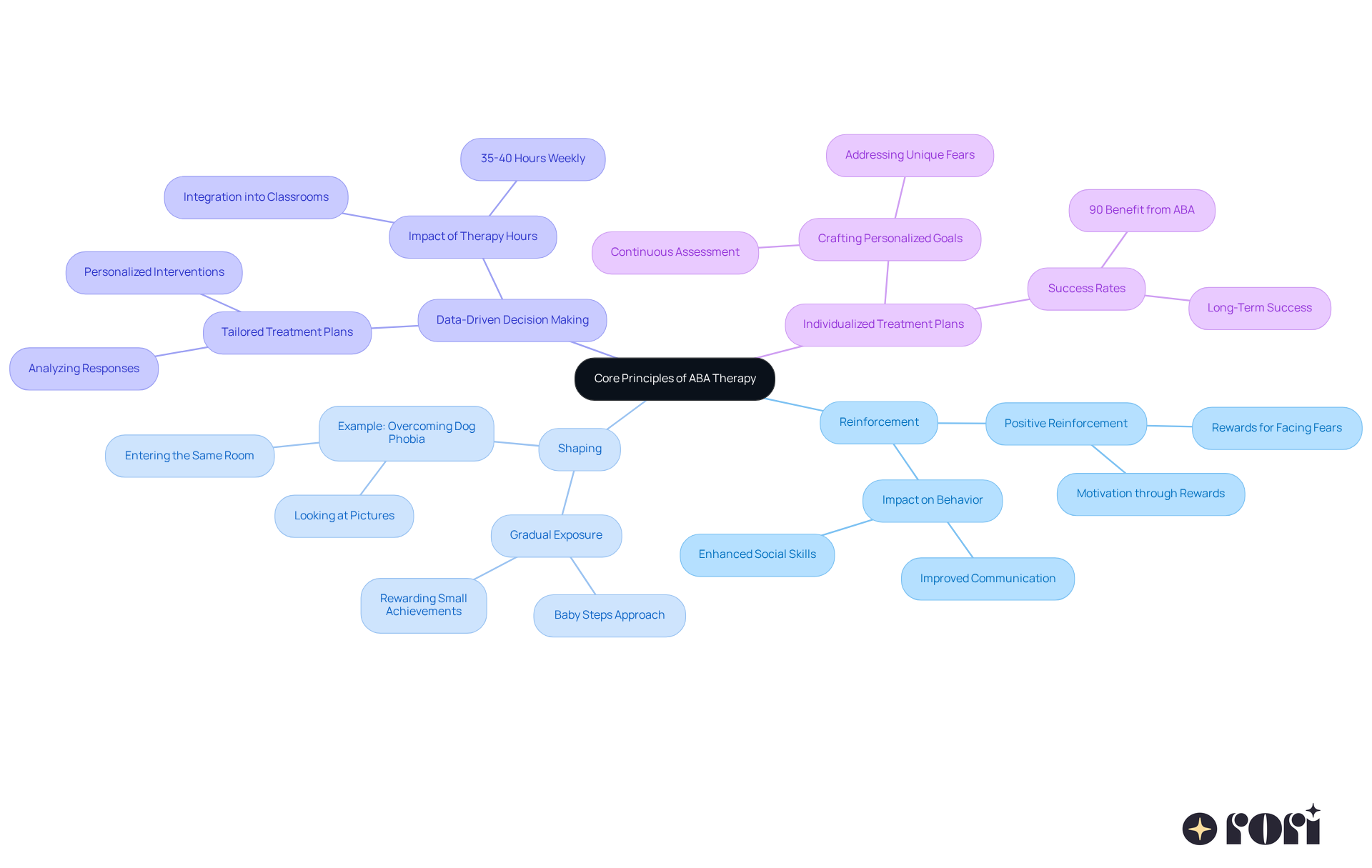
Applied Behavior Analysis (ABA) therapy is built on key principles that are essential for providing with ABA therapy. Let’s break these down together:
- Reinforcement: Think of as a powerful tool! When kids face their fears and get rewarded for it, they’re more likely to keep trying. For example, if a child successfully confronts a phobia, a little reward can go a long way in motivating them. Research shows that make great strides in communication, social skills, daily living, and managing their behavior.
- Shaping: This technique is all about taking baby steps. It involves rewarding closer and closer attempts at the desired behavior, which is super helpful for managing phobias. Picture this: a child who’s scared of dogs might first earn a reward just for looking at pictures of dogs before they even step into the same room with one. It’s all about gradual exposure!
- : on how a child responds to different situations helps clinicians create tailored treatment plans. This means that the interventions are personalized, making it more likely for the child to succeed. often find themselves thriving in regular classrooms, showing just how can be.
- : A skilled behavior analyst crafts personalized plans with clear goals and proven strategies to encourage . Each plan is designed to address the unique fears and triggers of the child, ensuring that the approach is relevant and effective. Plus, these plans are continuously assessed and adjusted to keep up with the child’s progress and changing needs.
Understanding these principles helps clinicians build a strong foundation for , which leads to personalized treatment for phobias in autism with ABA therapy. Did you know that around 90% of youth benefit from ABA therapy? That really highlights how important these tailored approaches are for making meaningful progress.
Let’s explore this together! If you have any questions or experiences to share, we’re here to help you every step of the way!
Implement Effective Techniques for Managing Phobias in ABA Therapy
Managing phobias in children with autism can feel overwhelming for parents, but at Rori Care, we have some effective, that can help! Let’s explore this together!
- : Imagine gradually introducing your child to something they fear, starting with less intimidating situations. This technique helps them become more comfortable over time. Research shows that this approach can significantly reduce -one study found a 39.19% decrease in cognitive state anxiety after training. That’s a big step toward helping your child function better!
- : This method encourages your child to approach what they fear. For example, if they’re scared of spiders, they might start by looking at pictures, then watching videos, and eventually handling a toy spider-all while receiving positive reinforcement. It’s heartening to know that eight out of nine youths were able to confront their fears successfully after treatment, with four completely overcoming their phobia!
- : Helping your child recognize and challenge irrational thoughts about their fears can be a game-changer. This cognitive restructuring fosters a more rational understanding, which is crucial for long-term anxiety management. Modified cognitive behavioral therapy (CBT) has shown promise, especially when tailored to meet the unique needs of children with autism. One study even reported a 34.47% reduction in anxiety related to opponents' capabilities!
- : Teaching your child can be incredibly beneficial. These relaxation methods not only help reduce the intensity of their phobias but also equip them with coping strategies they can use in various situations.
- : Engaging caregivers in the therapeutic process is vital for success. When families work together, it enhances the effectiveness of interventions. At Rori Care, our certified behavior analysts focus on providing by creating plans with measurable objectives that cater to each child’s unique needs.
By incorporating these approaches into personalized treatment for phobias in autism with ABA therapy, we can boost the effectiveness of interventions, leading to better outcomes for children with autism facing phobias. Remember, you’re not alone in this journey-we’re here to help you every step of the way!

Engage Parents in the ABA Therapy Process for Enhanced Outcomes
Parental involvement is crucial for the success of in children with autism. Let’s explore some to engage parents in this important journey:
- : It’s all about equipping caregivers with the right tools! By providing training on ABA principles and techniques, parents can reinforce strategies at home. This training should cover how to implement reinforcement and manage behaviors effectively. When caregivers understand their child’s needs better, they can offer the right support at home, complementing professional interventions and promoting consistency.
- : Keeping the lines of communication open is key! Regular updates on a child’s progress and challenges can help parents stay informed and engaged. Think about weekly meetings or progress reports - these can empower parents to make informed decisions that positively impact their child’s development.
- : can make a world of difference. This involvement helps them understand the techniques being applied and allows them to practice these methods in real-time. When parents feel confident in applying what they’ve learned, it often leads to more effective and lasting behavioral improvements at home.
- Feedback Mechanisms: Creating opportunities for parents to share their thoughts on the treatment process is essential. Their . Plus, when caregivers feel valued and integral to the therapy, it boosts their confidence and reduces stress, enhancing overall family dynamics.
Research shows that , significantly improving treatment outcomes compared to a 31.8% decrease with general caregiver education. By fostering a , therapists can enhance treatment efficacy and empower parents to be engaged contributors in their child’s growth. As one ABA therapist noted, "Involving caregivers in the treatment process not only boosts the child’s development but also strengthens family bonds." Plus, case studies reveal that when parents apply techniques learned in counseling, children achieve better results in real-life situations.
So, let’s take this journey together! Your involvement can in your child’s life.

Leverage Technology to Personalize ABA Therapy for Phobia Management
Technology is really changing the game by enabling with ABA therapy, especially in tackling phobias. Let’s take a look at some key strategies that can make a difference:
- : Imagine your child stepping into a virtual world where they can face their fears safely. For instance, if they’re afraid of heights, VR can help them gradually experience virtual heights, allowing them to practice coping techniques without any real-world risks. Research shows that this kind of exposure can significantly lower anxiety levels - some studies even report an average drop of 35% in anxiety scores after just a few sessions!
- : There are so many apps out there designed to help kids manage anxiety and phobias through fun, interactive exercises and games. Take 'Clear Fear,' for example. It uses that make the whole process engaging and easy to follow.
- Data Tracking Tools: Using software to can be a game-changer for clinicians. It allows them to spot patterns and tweak treatment plans based on real-time feedback. This keeps interventions relevant and effective, ensuring that each child’s unique needs are met. Plus, it helps set clear, measurable goals for behavior change, so everyone can see the progress being made.
- : Telehealth is a fantastic option for families, making it easier to get counseling from the comfort of home. This is especially helpful for parents who might struggle to make it to in-person sessions. With ongoing evaluations and updates to treatment plans based on caregiver input, families feel more empowered in the therapeutic journey.
By blending these tech advancements with the core principles of personalized treatment for phobias in autism with ABA therapy and evidence-based strategies, practitioners can really enhance ABA therapy. It becomes not just more effective, but also more engaging for kids dealing with phobias. Let’s explore this together and see how these tools can support your child!

Conclusion
When it comes to personalized treatment for phobias in autism, ABA therapy plays a crucial role in helping children grow and tackle their fears. By grasping the core principles of ABA, clinicians can craft interventions that truly resonate with each child's unique triggers, leading to meaningful improvements in their everyday lives.
This article shines a light on some best practices, like the power of reinforcement, shaping, and making decisions based on data. Techniques such as systematic desensitization and cognitive behavioral strategies, along with the use of technology, can really enhance the therapeutic experience. And let’s not forget about the parents! Their involvement is key, as it creates a more supportive environment that can lead to better outcomes for their children.
Ultimately, we can’t underestimate the importance of personalized approaches when managing phobias in autistic individuals. By using evidence-based strategies and fostering collaboration among caregivers and practitioners, we can truly make a difference in the lives of these children. Embracing these best practices not only empowers families but also encourages kids to face their fears head-on, paving the way for a brighter, more confident future. Let’s explore this journey together!
Frequently Asked Questions
What is Applied Behavior Analysis (ABA) therapy?
ABA therapy is a treatment method that uses key principles to provide personalized support for individuals, particularly children with autism, in managing behaviors and phobias.
What role does reinforcement play in ABA therapy?
Reinforcement, especially positive reinforcement, is a crucial tool in ABA therapy. It encourages children to face their fears by rewarding them for their efforts, which increases the likelihood of continued attempts to confront those fears.
How does the shaping technique work in ABA therapy?
Shaping involves rewarding gradual steps towards a desired behavior. For example, a child afraid of dogs might first receive a reward for simply looking at pictures of dogs before eventually progressing to being in the same room with a dog.
Why is data-driven decision making important in ABA therapy?
Data-driven decision making involves collecting and analyzing a child's responses to different situations, allowing clinicians to create tailored treatment plans that enhance the likelihood of success for each child.
What are individualized treatment plans in ABA therapy?
Individualized treatment plans are personalized strategies crafted by skilled behavior analysts to address a child's unique fears and triggers. These plans include clear goals and are continuously assessed and adjusted based on the child's progress.
How effective is ABA therapy for children with autism?
Research indicates that around 90% of youth benefit from ABA therapy, highlighting the effectiveness of tailored approaches in helping children make meaningful progress in managing their behaviors and phobias.
How many hours of ABA therapy are recommended for optimal results?
Children who receive 35-40 hours of ABA therapy each week often thrive in regular classrooms, indicating the impact of intensive therapy on their development.
List of Sources
- Understand the Core Principles of ABA Therapy for Personalized Treatment
- Success Rates of ABA Therapy - Up & Up ABA (https://upandupaba.com/faqs-resources/success-rates-of-aba-therapy)
- Success Rates of ABA Therapy (https://alumacare.com/blog/success-rates-of-aba-therapy)
- Success Rate of ABA Therapy for Autistic Children | Blue Jay (https://bluejayaba.com/blog/success-rate-of-aba-therapy)
- The Numbers Don't Lie: Revealing Autism Therapy Statistics | Above and Beyond Therapy (https://abtaba.com/blog/autism-therapy-statistics)
- Implement Effective Techniques for Managing Phobias in ABA Therapy
- Systematic Desensitization Techniques in Overcoming Specific Phobias in Adolescents
| International Journal of Public Health (https://international.arikesi.or.id/index.php/IJoPH/article/view/273)
- The Role of Desensitization Techniques in ABA Therapy - SoaringHigh ABA (https://soaringhighaba.com/post/the-role-of-desensitization-techniques-in-aba-therapy)
- Reducing Specific Phobia/Fear in Young People with Autism Spectrum Disorders (ASDs) through a Virtual Reality Environment Intervention - PMC (https://pmc.ncbi.nlm.nih.gov/articles/PMC4079659)
- A study on the impact of systematic desensitization training on competitive anxiety among Latin dance athletes - PMC (https://pmc.ncbi.nlm.nih.gov/articles/PMC11037396)
- Engage Parents in the ABA Therapy Process for Enhanced Outcomes
- The Benefits of Parent Training in ABA Therapy Programs (https://magnetaba.com/blog/the-benefits-of-parent-training-in-aba-therapy-programs)
- Why Parent Involvement In ABA Shapes Outcomes More Than Hours Alone (https://kidsclubaba.com/the-missing-piece-why-parent-involvement-shapes-aba-outcomes-more-than-hours-alone)
- Effective parent training techniques in ABA (https://mastermindbehavior.com/post/the-role-of-parent-involvement-in-aba-therapy)
- The Numbers Don't Lie: Revealing Autism Therapy Statistics | Above and Beyond Therapy (https://abtaba.com/blog/autism-therapy-statistics)
- Harnessing Parent Power: The Key to Enhanced ABA Therapy Outcomes | Step Ahead ABA (https://stepaheadaba.com/blog/how-parent-training-programs-improve-aba-therapy-outcomes)
- Leverage Technology to Personalize ABA Therapy for Phobia Management
- Virtual Reality in Phobia Treatment and Emotional Resilience (https://mdpi.com/2673-4591/108/1/16)
- Using Virtual Reality Exposure Therapy to Enhance Treatment of Anxiety Disorders: Identifying Areas of Clinical Adoption and Potential Obstacles - PMC (https://pmc.ncbi.nlm.nih.gov/articles/PMC6823515)
- Effectiveness of a stand-alone, smartphone-based virtual reality exposure app to reduce fear of heights in real-life: a randomized trial - npj Digital Medicine (https://nature.com/articles/s41746-021-00387-7)
- VR Exposure Therapy for Phobias: What Mental Health Providers Need to Know (https://xr.health/us/blog/exposure-therapy-for-phobias)
- A systematic review of randomized controlled trials on immersive virtual reality for treating anxiety disorders (https://sciencedirect.com/science/article/pii/S1876139925001653)