Feeling overwhelmed by the challenges of autism care? You're not alone! Let's talk about how data analytics can help. Using analytics can help you create personalized treatment plans that grow with your child. But how can you make sure you're getting the most out of these tools for your child? Let’s explore some best practices for using analytics in autism treatment together!
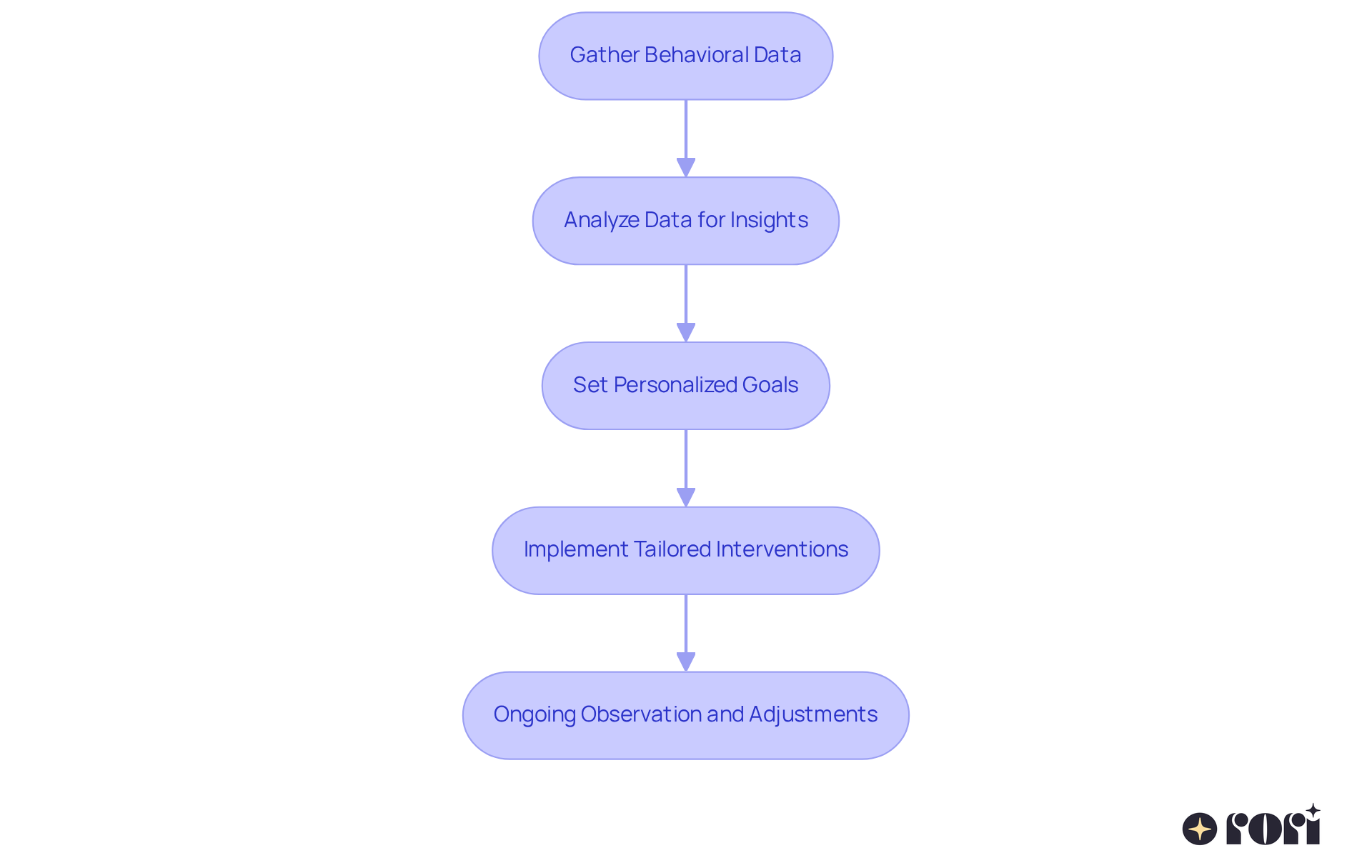
Navigating the world of autism care can feel daunting, especially when it comes to understanding data analytics. But understanding how using analytics for personalized autism treatment can shape care plans for your child is key to feeling confident in their journey. By gathering and examining behavioral data, professionals can pinpoint specific needs and track progress over time.
You might be surprised to learn that setting personalized goals based on data can really boost the effectiveness of ABA therapy! Tools like behavior tracking software help therapists gather detailed information on behaviors, which can then be analyzed to create tailored interventions. Ongoing observation of how your child responds to different strategies allows clinicians to make informed adjustments to care plans, ensuring they meet your child's evolving needs.
This data-focused approach, using analytics for personalized autism treatment, enhances care results and empowers families by providing clear insights into their child's progress and the reasoning behind care choices. Did you know that ABA treatment has an impressive success rate of over 89%? You can help unlock your child's full potential by using analytics for personalized autism treatment! Plus, your active participation is crucial in achieving these goals, making sure you’re involved in the process and contributing to your child's success. Let’s explore this together!
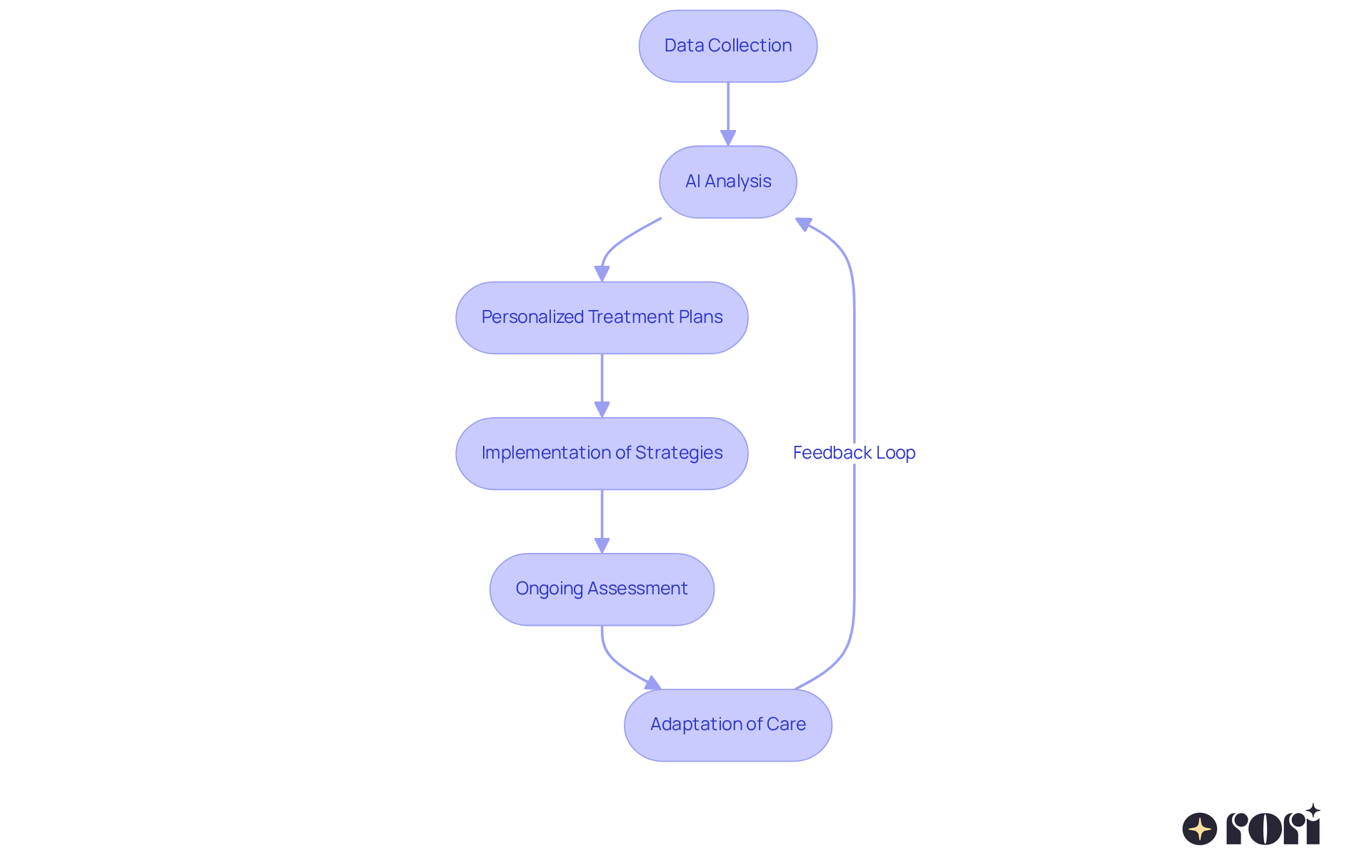
Navigating autism treatment can feel overwhelming for parents, especially with the rapid advancements in technology like AI. Imagine AI as a helpful partner that looks at all the data to spot patterns and predict what might work best for your child. Qualified behavior analysts create personalized plans with measurable goals, and these plans can be enhanced by using analytics for personalized autism treatment to assess how your child responds to different strategies. This means care can adapt on the fly, always keeping up with what your child needs and promoting positive behavior changes.
Research shows that AI-driven platforms can really refine diagnoses and care recommendations. For instance, a study found that AI improved the accuracy of behavioral assessments, leading to more tailored care strategies. Healthcare providers can enhance therapy for children by using analytics for personalized autism treatment, ensuring it is customized to each child's unique needs and continuously improved based on their progress. This dynamic approach fosters better engagement and outcomes in autism care.
As Dr. Zachary Warren points out, there’s a real need for better systems for early detection and support for individuals on the autism spectrum. While AI is making strides in addressing these needs, it’s important to remember that it can’t replace the warmth and understanding that comes from a real-life therapist. We’re here to help you every step of the way!
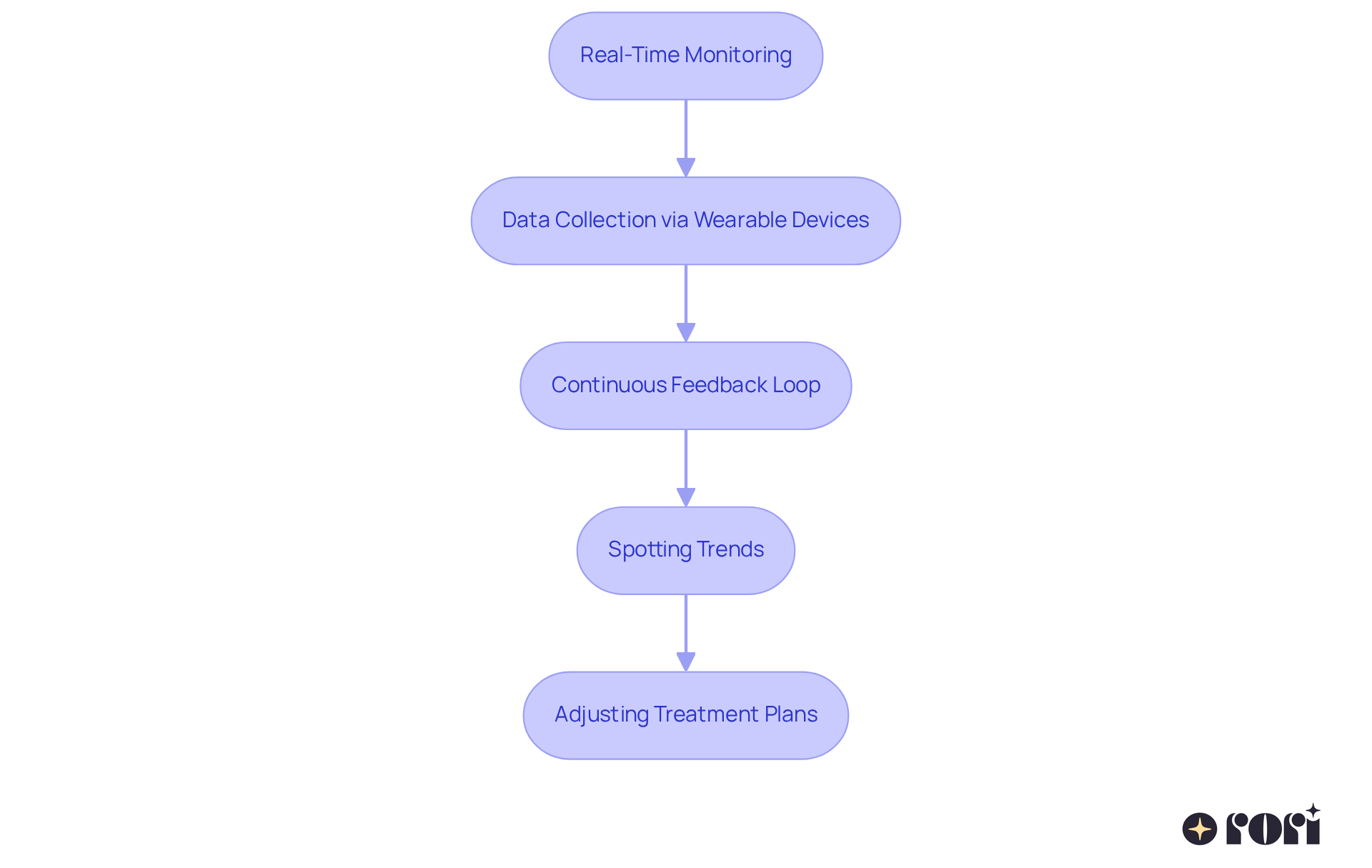
Imagine being able to adjust your child’s therapy in real-time, just like tuning a radio to get the best signal. Real-time monitoring is changing the game in autism care by using analytics for personalized autism treatment, enabling professionals to make quick adjustments based on how a young person behaves. With wearable devices and mobile apps, therapists can gather continuous data on a child's interactions and responses throughout the day. This ongoing feedback loop aids clinicians in spotting trends and adjusting treatment plans, particularly through using analytics for personalized autism treatment.
You know, real-time data helps therapists tackle those tricky behaviors much faster! Research shows that therapists can achieve better outcomes and quicker resolutions by using analytics for personalized autism treatment when they collect data in real-time to address challenges more effectively. For example, ABA therapy has over 35 years of peer-reviewed research backing its effectiveness. Studies reveal that higher intervention intensity, especially over 50 hours, is linked to a stronger transfer of learned behaviors.
With about 1 in 44 individuals diagnosed with autism spectrum disorder (ASD), finding effective interventions is more important than ever. By using real-time monitoring and AI-driven progress report automation, Rori Care can free up 50% more time for pediatric care. This means parents can finally see their children making progress without the frustrating delays. With these advancements, parents can breathe a little easier knowing their child’s care is more responsive than ever!
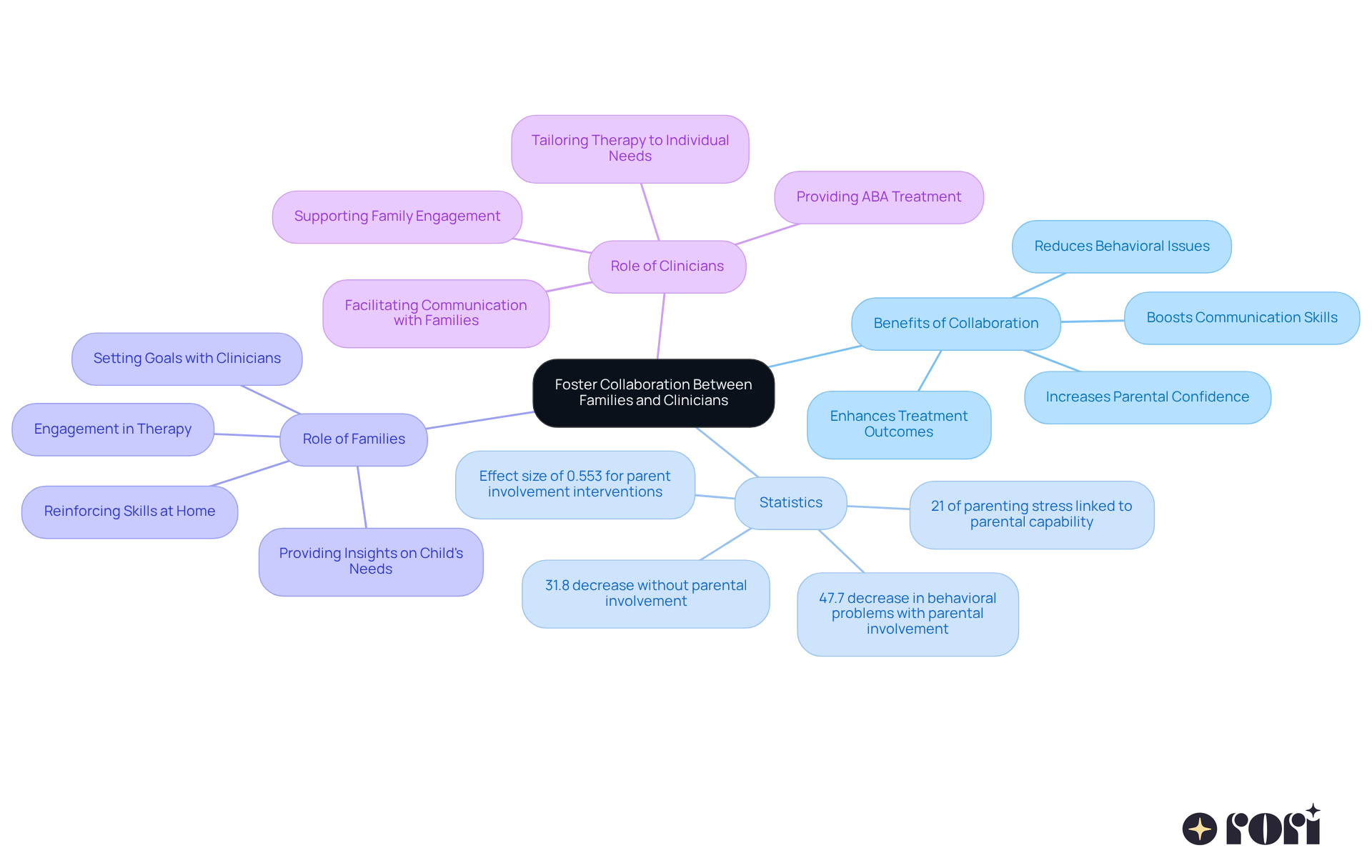
Navigating autism care can feel daunting for many parents, but you’re not alone in this journey! At Rori Care, we believe that cooperation between families and healthcare professionals is key to effective autism care. Engaging families in the therapeutic process not only empowers you but also makes a real difference in how interventions work. Our passionate clinicians are here to support your family with compassionate Applied Behavior Analysis (ABA) treatment, ensuring you’re an integral part of the process. Regular communication, shared goal-setting, and collaborative decision-making are all part of this partnership.
When parents get involved, it can really boost their kids' communication and social skills! For instance, research shows that:
And let’s not forget, a parent’s sense of capability can account for about 21% of parenting stress, showing just how beneficial your engagement can be.
You know your child better than anyone else, and that’s a powerful advantage! By nurturing a cooperative atmosphere, our clinicians at Rori Care can tailor therapy to meet your child’s unique needs while making sure families are at the heart of the process. This partnership not only supports your child’s development but also leads to more sustainable and impactful outcomes. Our clinical leadership team, dedicated to neurodiversity and child success, is here to guide you every step of the way. We’re offering free consultations to discuss your child’s needs, so let’s explore this together!
Navigating autism treatment can feel like a daunting journey for many families, but there’s hope! Using analytics for personalized autism treatment can really change the game for families navigating autism care. When we tap into the power of data, it helps professionals understand each child’s unique needs, track their progress, and make smart adjustments along the way. This data-driven approach not only enhances treatment outcomes but also empowers families with valuable insights into their child’s journey.
Throughout this article, we’ve explored key practices like:
These strategies highlight the importance of a dynamic, responsive approach to autism treatment that prioritizes individual needs and encourages active family involvement. Studies show that these personalized approaches can really boost communication and social skills for kids on the spectrum, making a real difference in their lives.
With about 1 in 44 kids diagnosed with autism, it’s clear that finding effective, personalized care is more important than ever. By embracing these best practices, families can take an active role in their child’s development, ensuring that treatment is not only effective but also adaptive to their unique needs. Engaging with healthcare professionals and utilizing the latest advancements in analytics and technology can pave the way for a brighter future for children with autism, fostering progress and empowerment every step of the way. By taking these steps, families can truly make a difference in their child’s life, paving the way for a brighter future together.
What is the importance of data analytics in autism care?
Data analytics is crucial in autism care as it helps professionals gather and examine behavioral data to identify specific needs and track progress over time, leading to personalized treatment plans.
How can personalized goals based on data improve ABA therapy?
Setting personalized goals based on data can significantly boost the effectiveness of ABA therapy by allowing therapists to create tailored interventions that address the individual needs of the child.
What tools are used to gather data for autism treatment?
Tools like behavior tracking software are used to collect detailed information on behaviors, which can then be analyzed to inform treatment strategies.
How does ongoing observation contribute to treatment plans?
Ongoing observation of how a child responds to different strategies enables clinicians to make informed adjustments to care plans, ensuring they meet the child's evolving needs.
What are the benefits of a data-focused approach in autism treatment?
A data-focused approach enhances care results and empowers families by providing clear insights into their child's progress and the reasoning behind care choices.
What is the success rate of ABA treatment?
ABA treatment has an impressive success rate of over 89%.
How can families contribute to their child's success in treatment?
Families can contribute by actively participating in the treatment process and being involved in setting and achieving personalized goals for their child.