In the world of autism care, collaboration among professionals and active parental involvement is truly vital. By using a mix of strategies, caregivers can really boost their understanding and support for children with autism, leading to more effective interventions. But how can families and professionals team up to create a nurturing environment that encourages growth and development?
Let’s explore this together! This article dives into four collaborative techniques that empower parents and optimize care for individuals with autism. You’ll see just how impactful teamwork can be in achieving positive outcomes. We’re here to help you every step of the way!
To effectively support individuals with autism, it’s essential to bring together a diverse team of professionals - think psychologists, speech therapists, occupational therapists, and behavior analysts. This collaborative approach utilizes to help us understand each person’s unique needs, ensuring that we address all developmental aspects in a . At Rori Care, we believe in with the knowledge and skills they need to support their children’s behavioral goals using ABA principles. By aligning strategies and gathering data, we can really enhance the effectiveness of our interventions.
Actionable Steps:
A heartwarming case study shows just how effective collaborative techniques in autism care can be, as a child with developmental differences made remarkable strides in social skills and communication when a worked together seamlessly. This example really highlights the power of a cohesive strategy in tackling and the benefits of implementing collaborative techniques in autism care to achieve positive outcomes. Plus, did you know that around 60% of patients participate in at least one group activity? That’s a strong testament to the effectiveness of collaborative techniques in autism care! The ABILITY program is another shining example of , showcasing a successful model that emphasizes collaborative techniques in autism care among various professionals. With Rori Care’s , we’re dedicated to supporting the success of young individuals every step of the way!

Parents are such important members of the care team! They play a crucial role in shaping and executing their child’s treatment plan. When parents get involved, it not only empowers them but also boosts the effectiveness of the in autism care.
A great example is a family that participated in a parent training program and noticed . This really shows how , reinforcing the idea that being actively engaged is key to achieving the best outcomes for individuals with developmental disorders.
Of course, it’s also important to recognize the potential challenges of parental involvement during therapy sessions, like distractions or emotional responses, which can impact the session dynamics. But remember, we’re here to help you every step of the way!

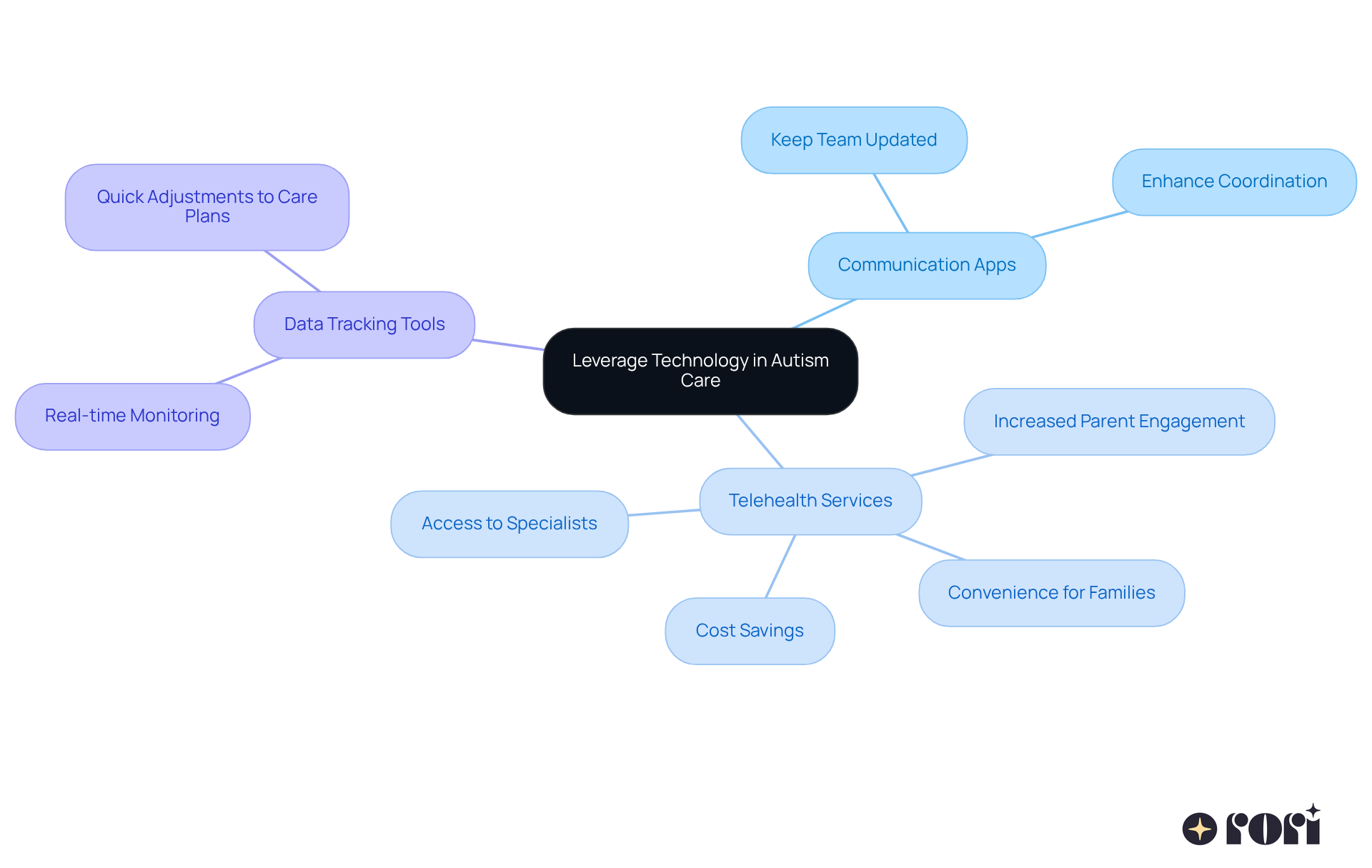
Incorporating can significantly enhance communication and coordination among professionals and families. Digital tools like , , and support , making it easy to exchange information and ensure that everyone involved in a young person's care is on the same page. Plus, help researchers collaborate by utilizing collaborative techniques in autism care, creating a global community dedicated to autism research and support. And let’s not forget about - they can significantly improve efficiency by automating performance reports, freeing up to 50% more time for direct care.
A great example comes from a clinic that embraced a telehealth platform. They reported increased parent engagement and satisfaction. Families found it easier to access care and communicate with their child’s team, demonstrating how collaborative techniques in autism care can significantly impact intervention outcomes.
Let’s explore this together! We’re here to !
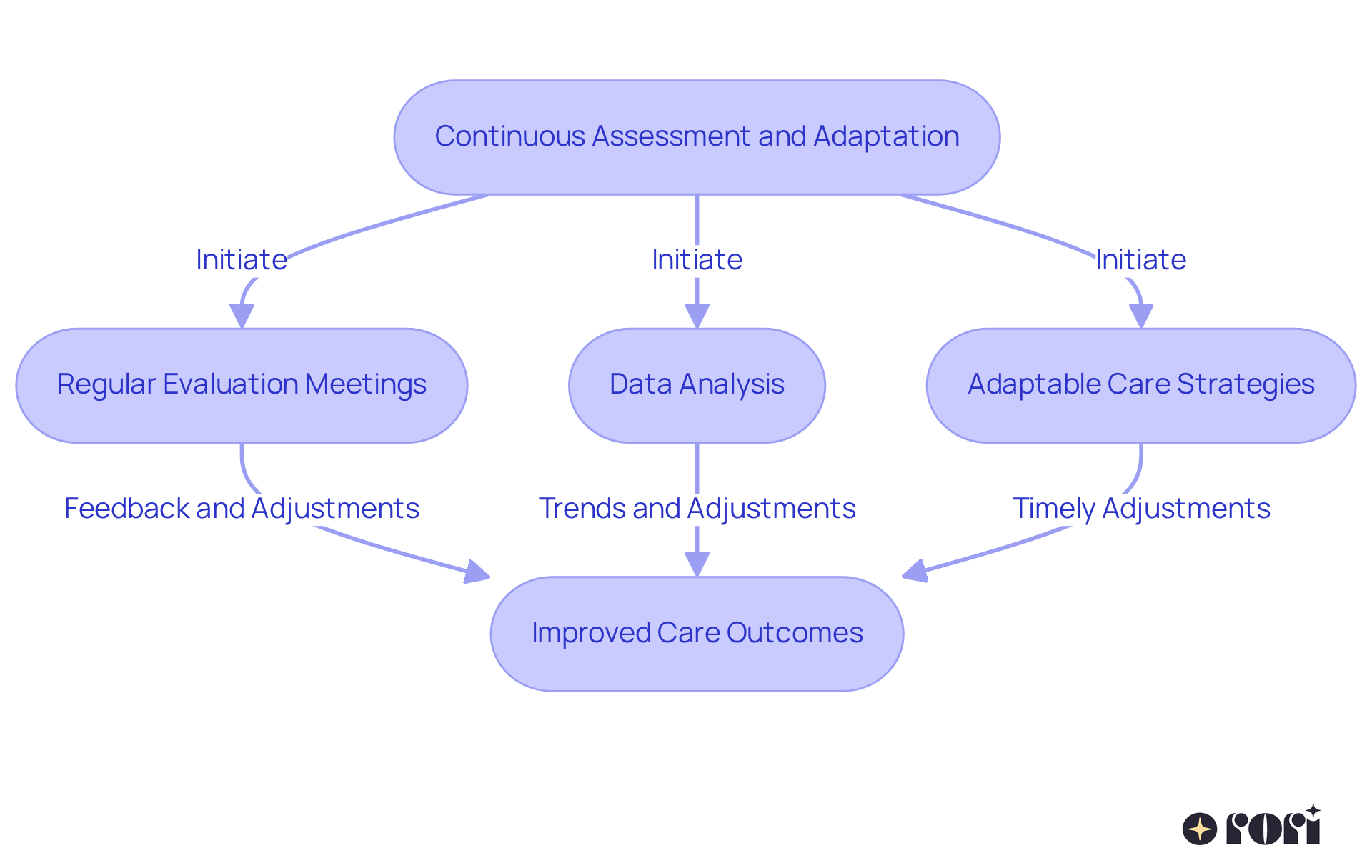
Ongoing evaluation is so important for and in tune with a young person's changing needs. Regular check-ins help us spot what’s working and what might need a little tweak, ultimately leading to .
Real-World Example: Take, for instance, a child whose and adjusted. They showed remarkable improvements in social skills, like starting conversations and picking up on social cues. This really highlights the power of .
Let’s explore this together! We’re here to !
The article highlights just how important collaboration is in autism care. It’s all about bringing together a team of professionals and parents to create a supportive environment for our kids. When specialists work together and parents are actively involved, we can develop treatment plans that truly fit each child’s unique needs. This holistic approach not only improves the quality of care but also empowers families, fostering growth and development.
Key takeaways from the article include:
Real-life examples show us that these collaborative methods can lead to remarkable improvements in children’s skills and behaviors. It really reinforces the idea that an integrated approach is essential for effective autism care.
Ultimately, we can’t underestimate the power of collaboration in autism care. By embracing these techniques, families and professionals can join forces to create meaningful change in the lives of individuals with autism. So, let’s prioritize collaboration, leverage technology, and commit to ongoing assessment to ensure every child gets the tailored support they need to thrive. We’re here to help you every step of the way!
Why is multidisciplinary collaboration important in autism care?
Multidisciplinary collaboration is essential in autism care because it brings together diverse professionals such as psychologists, speech therapists, occupational therapists, and behavior analysts to address the unique needs of individuals with autism in a holistic manner.
What are some actionable steps for fostering collaboration among professionals?
Actionable steps include holding regular team meetings to enhance communication, using collaborative documentation to keep everyone informed about care plans and progress, and organizing training sessions to ensure alignment on care methodologies and goals.
How does Rori Care support caregivers in autism care?
Rori Care empowers caregivers by providing them with the knowledge and skills needed to support their children's behavioral goals using Applied Behavior Analysis (ABA) principles, while also aligning strategies and gathering data to enhance intervention effectiveness.
Can you provide an example of effective collaboration in autism care?
A heartwarming case study demonstrated that a child with developmental differences made significant improvements in social skills and communication when a team of specialists worked together seamlessly, showcasing the power of a cohesive strategy in autism care.
What percentage of patients participate in group activities, and what does this indicate?
Around 60% of patients participate in at least one group activity, indicating the effectiveness of collaborative techniques in autism care.
What is the ABILITY program, and how does it relate to collaborative techniques in autism care?
The ABILITY program is an integrated care model for youth with Autism Spectrum Disorder (ASD) and Intellectual and Developmental Disabilities (IDD) that emphasizes collaborative techniques among various professionals to achieve positive outcomes in care.