Data-driven approaches in Applied Behavior Analysis (ABA) are truly changing the game for educators and therapists looking to boost children's academic success. By carefully collecting and analyzing behavioral data, these strategies help caregivers create tailored interventions that fit each child's unique needs. This not only makes learning more effective but also creates a nurturing environment where kids can thrive.
But here’s the big question: how can families and educators work together to make sure these data-driven methods lead to real academic improvements? 🤔 Exploring this question opens up a path to unlocking every child's potential on their educational journey. Let’s explore this together!
for enhancing academic performance involve to help guide treatment decisions. This method allows clinicians to spot patterns in a child's behavior, assess how well interventions are working, and make adjustments as needed. For instance, by keeping an eye on specific actions over time, therapists can discover which strategies yield the best results and refine their methods accordingly.
At Rori Care, we believe in creating to fit each client's unique needs, strengths, challenges, and goals. This ensures that every child receives . We set clear, and skill enhancement, providing a transparent standard for tracking progress.
Research shows that implementing for enhancing academic performance can significantly . It gives us objective insights into a child's progress and highlights areas that may need a little extra attention. Our behavior analysts use rooted in the latest research, ensuring we apply the most effective methods for behavior change.
This approach not only fosters accountability but also empowers families by involving them in the therapeutic process. We want you to understand the reasoning behind each intervention. Plus, with the integration of cutting-edge AI, we automate data collection during clinical sessions. This means our clinical team can focus entirely on your treatment while securely storing and anonymizing data for analysis. How great is that? This innovation frees up 50% more time for youth treatment, making ABA therapy even more efficient!
of the treatment plan are key to our strategy. We want to ensure that interventions remain effective and aligned with your child's evolving needs. Let’s explore this together! We're here to !

To help children with autism thrive academically, there are some fantastic ABA strategies you can try:
By integrating into daily learning, educators can create a that promotes and builds essential skills. This leads to lasting improvements in students' educational journeys. And here’s something cool: Rori Care’s conduct care engine updates intervention and skill plans after each session based on progress, ensuring that every child’s unique needs are met.
In ABA therapy, we apply the A-B-Cs (Antecedent-Behavior-Consequence) framework as part of our . This helps caregivers track specific actions and their triggers, empowering them to support their child’s developmental goals actively.
Let’s explore this together! We’re here to !

Continuous assessment and feedback are so important for the success of ABA therapy! helps therapists identify and apply in their treatment plans. For instance, techniques like frequency counts and interval recording allow for . This means therapists can provide timely and that not only reinforces positive actions but also guides areas for improvement.
Research shows that for enhancing academic performance, which can significantly boost the effectiveness of interventions. This creates a to help the young person thrive. Isn’t that what we all want? By implementing , therapy can adapt to the individual’s changing needs, promoting lasting progress and . Let’s explore this together!

is empowering! It allows them to take an active role in their child’s therapy, creating a partnership that boosts motivation and engagement. Research shows that lead to better outcomes for kids, as they benefit from a unified support system tailored to their unique needs. One notable case study found that young people who received made faster progress, highlighting just how effective collaboration can be in achieving meaningful results.
Moreover, effective communication among everyone involved is a cornerstone of successful autism treatment. It not only aligns therapeutic approaches but also builds trust and rapport among team members. This collaborative atmosphere encourages parents to share valuable insights about their child’s behavior and progress, enriching the therapeutic process even further. By and strategies, we enhance their ability to provide support and make informed decisions, leading to better behavioral outcomes. Ultimately, fostering collaboration among all stakeholders creates a of for enhancing academic performance, leading to better outcomes for children with autism. Let’s explore this together!
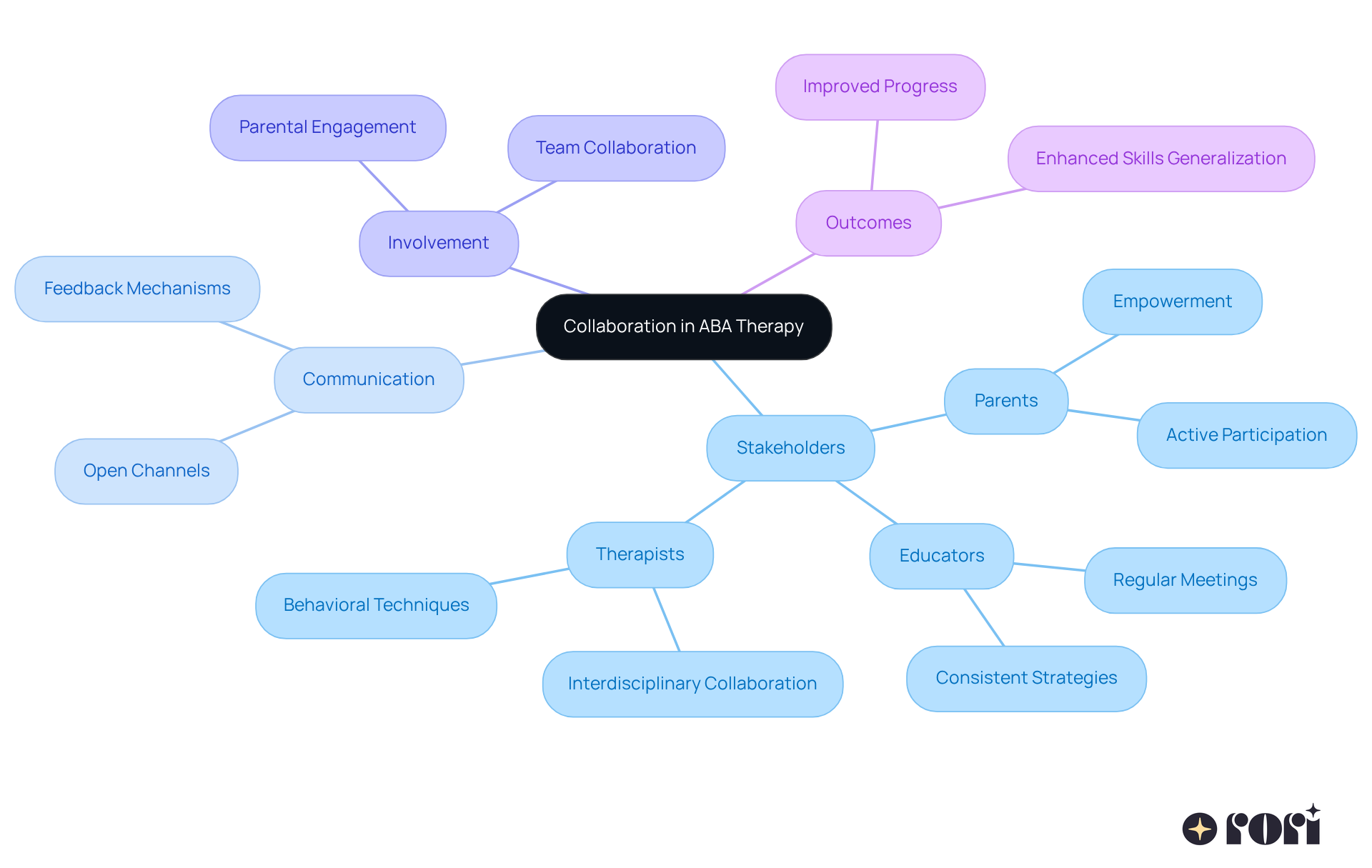
Implementing data-driven ABA approaches can really boost a child's academic success by tailoring interventions to fit their unique needs. This method not only empowers therapists but also families, ensuring that every child's educational journey is backed by evidence-based strategies that deliver real results.
In this article, we’ve explored key strategies like:
as effective ways to promote academic success. We’ve also highlighted the importance of continuous assessment and collaboration among parents, educators, and therapists. It’s amazing how a united approach can create a nurturing environment for children with autism!
Ultimately, embracing data-driven ABA approaches doesn’t just optimize individual learning experiences; it also builds a supportive community that drives meaningful progress. By prioritizing collaboration and consistent feedback, we can all work together to create an educational landscape where every child has the chance to thrive. So, let’s take action now! Implementing these strategies is essential to ensure that children with autism receive the comprehensive support they truly deserve in their academic journeys. We’re here to help you every step of the way!
What are data-driven ABA approaches?
Data-driven ABA approaches involve collecting and analyzing behavioral data to guide treatment decisions, helping clinicians identify patterns in a child's behavior and assess the effectiveness of interventions.
How do data-driven ABA approaches enhance academic performance?
These approaches boost the effectiveness of ABA therapy by providing objective insights into a child's progress and highlighting areas that may require additional focus.
How does Rori Care personalize behavioral plans?
Rori Care creates tailor-made behavioral plans that fit each client's unique needs, strengths, challenges, and goals, ensuring personalized care for every child.
What is the importance of measurable objectives in ABA therapy?
Setting clear, measurable objectives for behavior change and skill enhancement provides a transparent standard for tracking progress in therapy.
How does Rori Care involve families in the therapeutic process?
Rori Care empowers families by involving them in the therapeutic process and ensuring they understand the reasoning behind each intervention.
What role does AI play in Rori Care's data-driven approach?
AI is used to automate data collection during clinical sessions, allowing the clinical team to focus on treatment while securely storing and anonymizing data for analysis.
What is the benefit of automating data collection in ABA therapy?
Automating data collection frees up 50% more time for youth treatment, making ABA therapy more efficient.
Why is ongoing assessment important in ABA therapy?
Ongoing assessment and adjustment of the treatment plan are crucial to ensure that interventions remain effective and aligned with the child's evolving needs.