Visual supports have become a game-changer in autism education, reshaping how our young learners connect with their surroundings. By using visual aids, educators can craft structured and supportive learning experiences that not only boost communication skills but also help ease anxiety for students on the spectrum. 🌟
But here’s the thing: even with all their benefits, many educators still find it tricky to implement these strategies effectively. So, what are the best practices for weaving visual supports into the classroom? And how can we tailor these tools to fit the unique needs of each child? Let’s explore this together!
The effective use of plays a vital role in education, leveraging the unique strengths of many kids on the spectrum. These tools not only help organize information but also ease anxiety and clarify routines and expectations. Research shows that children with autism often shine when it comes to processing visual information rather than verbal instructions. This highlights just how important visual aids are in their learning environments. By offering clear, tangible representations of abstract concepts, these aids empower young learners to dive deeper into their education, fostering independence and boosting communication skills.
Did you know that classrooms that embrace , which include visual aids, see a whopping 57% improvement in outcomes for autistic students? Plus, skilled early elementary teachers use imagery techniques like pictures, calendars, and prompts to support students in their daily activities. As kids progress, the reduced use of these aids can lead to assumptions about their ability to remember tasks, which underscores the need for ongoing support. In fact, 73% of educators agree that for all students.
By incorporating the into our teaching methods, we can create an environment that not only accommodates but also celebrates the unique learning styles of autistic individuals, as well as those with ADHD and learning challenges. This approach aligns beautifully with the core elements of , emphasizing tailored planning and measurable goals. It also equips caregivers with the knowledge and skills to support their child's behavioral objectives through active involvement and data collection.
To effectively use visual supports, consider these friendly strategies:
These practical applications can truly enhance the learning experience for young individuals facing various behavioral challenges. Let’s explore this together!
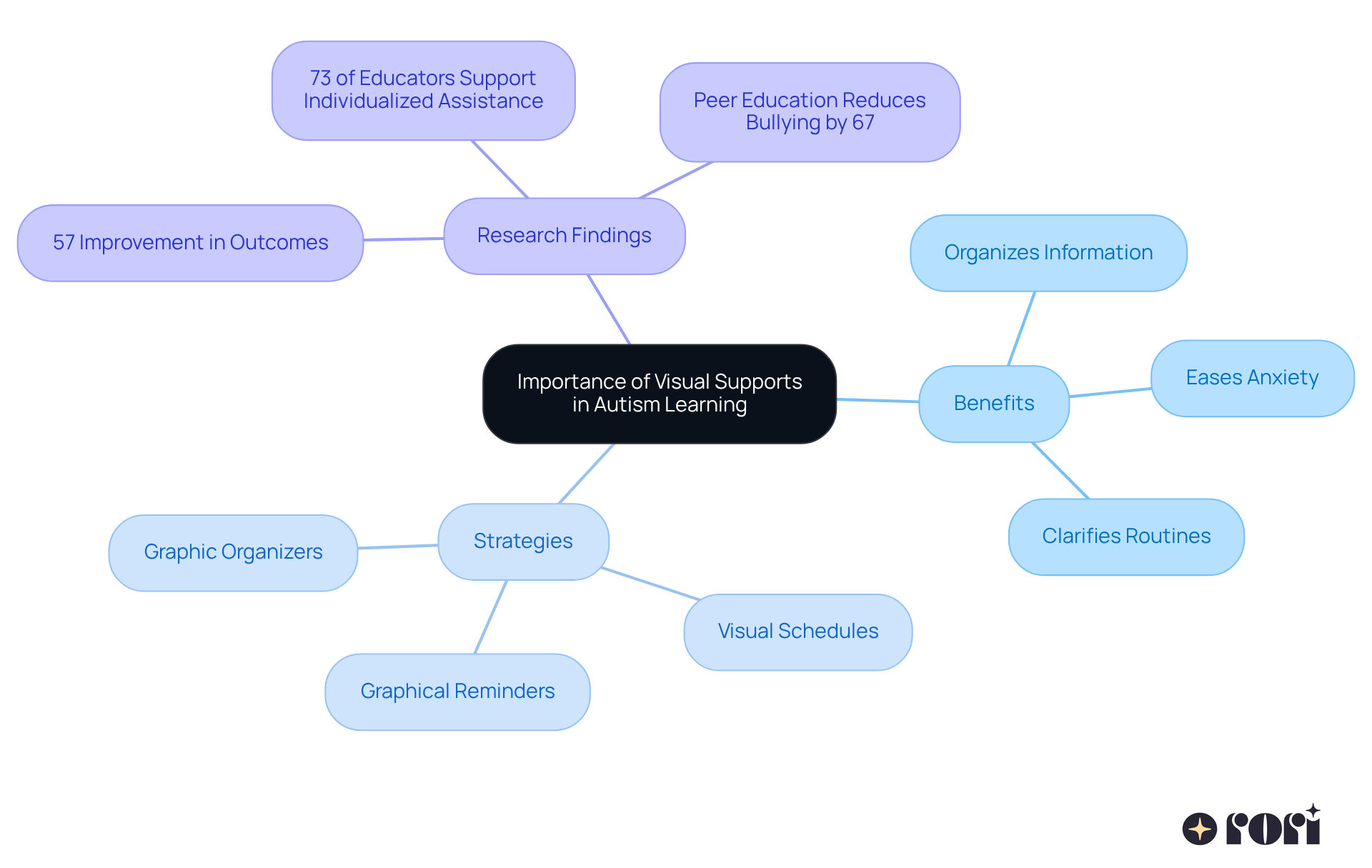
The effective use of is essential in education! Think of them as helpful tools that can really make a difference. The for autism includes common types such as:
. They , which can really and encourage independence. Research shows that these schedules exemplify the effective use of , helping young ones navigate their routines with ease.
! They empower kids by allowing them to make choices about their activities. This not only nurtures a sense of independence but also boosts their engagement in learning.
Then we have . These are great for providing context in social situations, teaching kids the right responses and behaviors. This is super important for .
The for autism, including symbols or pictures, helps guide young learners through tasks, reducing confusion and anxiety. The allows each of these tools to be tailored to meet the unique needs of individual kids, ultimately enhancing their learning experience and supporting their growth.
Let’s explore this together! If you have any thoughts or experiences to share, we’d love to hear from you!

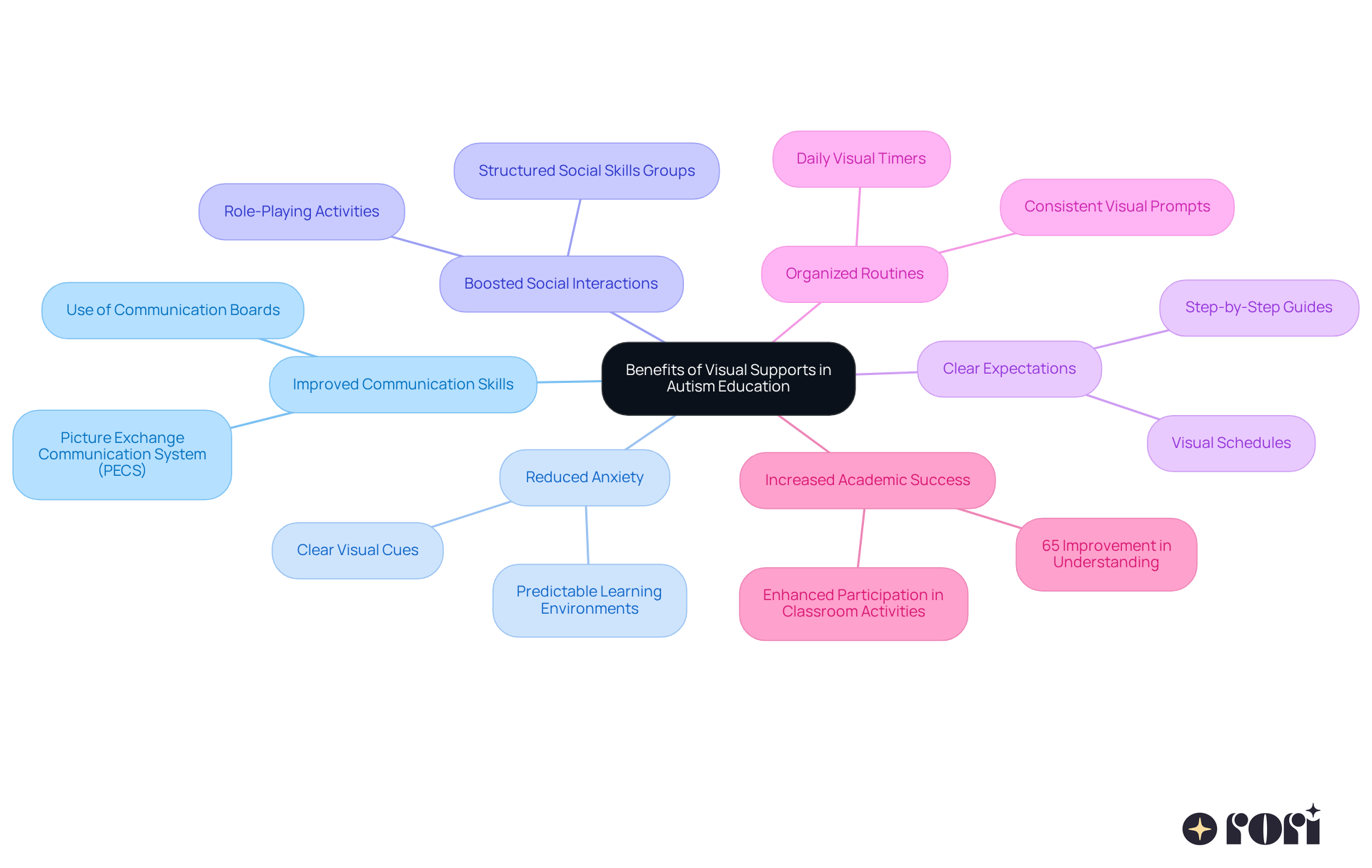
The can significantly benefit kids! 🌟 They really help , ease anxiety, and . By setting clear expectations and , these resources enable the , empowering young ones to explore their world with newfound confidence. They make understanding instructions a breeze, which means more kids joining in on classroom activities.
Did you know that research shows children using see a 65% improvement in understanding? That’s a significant boost in their involvement and academic success! Plus, the helps by creating predictable and , which can lessen those challenging behaviors we all worry about.
The organized nature of fosters a welcoming and inclusive classroom, benefiting both learners and teachers alike. By utilizing the alongside , we can enhance social engagement and further . It’s all about creating a well-rounded approach to autism education.
Parents often share that kids who take part in designing their own schedules feel more in control and independent. Isn’t that wonderful? It really highlights the and how beneficial these strategies can be! At Rori Care, we’re dedicated to equipping caregivers with the knowledge and skills they need to . We emphasize the importance of and data collection to make these interventions as effective as possible. Let’s explore this together!
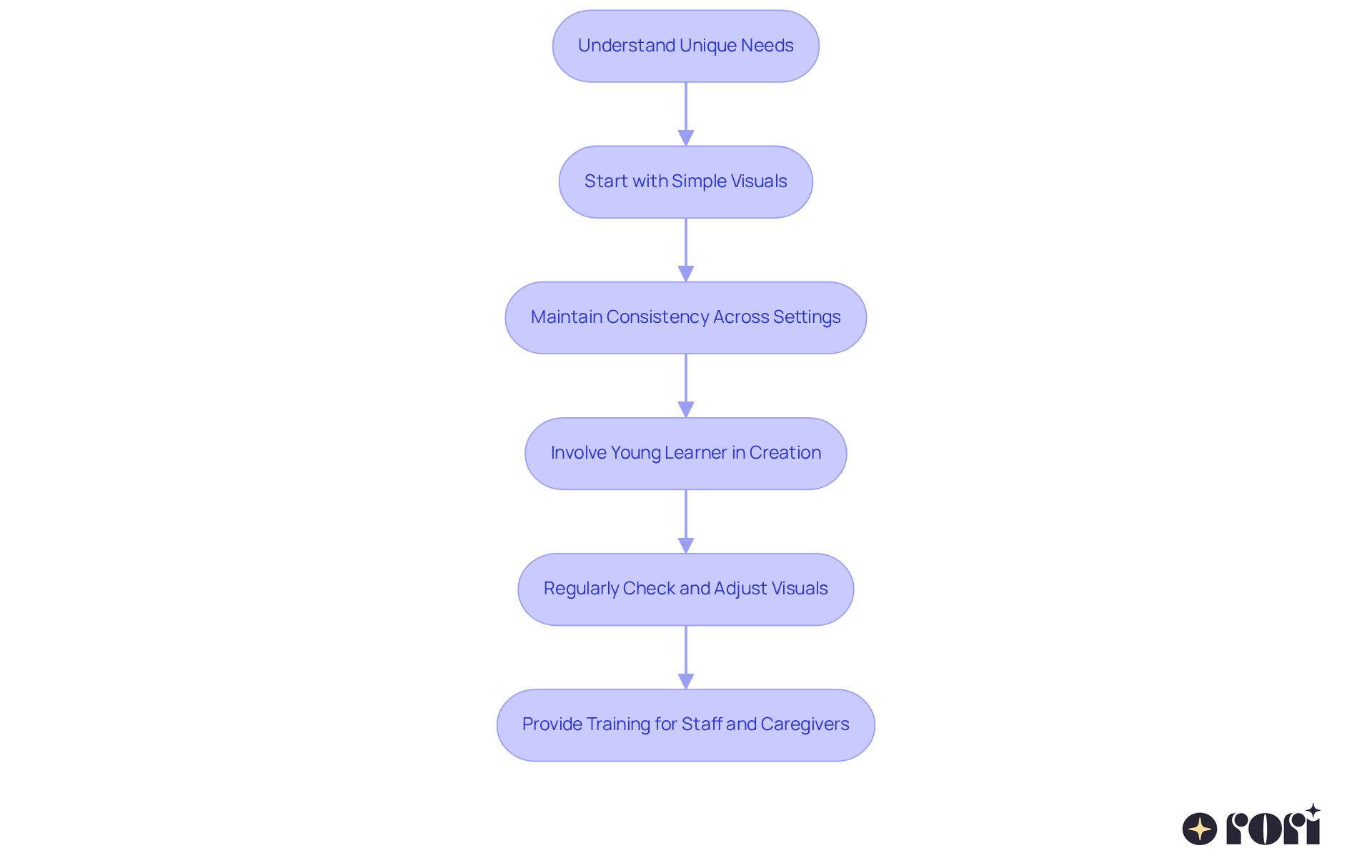
To achieve the effective use of , it’s important for teachers and caregivers to first understand the . Starting with simple visuals, like a , helps introduce more complex aids as the young learner becomes comfortable. Keeping visuals consistent across different settings is key; using the same visuals in various contexts helps strengthen understanding and makes it easier for young individuals to adjust. Plus, involving the young learner in can really boost their engagement and sense of ownership in their learning journey.
Regularly checking in and adjusting the visuals based on the individual’s progress and feedback ensures that the supports stay relevant and impactful. This approach aligns with Rori Care's strategy of continuously improving treatment plans based on progress reports, which has shown significant advancements in 90% of youths when suggested hours are fully implemented with active caregiver participation. For instance, if a student responds positively to a , educators can gradually introduce visual cues for specific tasks, like using icons to signal transitions between activities.
It is crucial to provide on the for autism. It maximizes their impact and fosters a collaborative approach to the student’s education. By empowering caregivers with , they can better support their child's behavioral goals, leading to between activities.
Let’s explore this together! We’re here to !
Integrating visual supports in autism education isn’t just helpful; it’s truly a game-changer! By tailoring teaching methods to highlight the strengths of visual learners, educators can create a space that promotes independence, eases anxiety, and boosts communication skills for children with autism. Recognizing the importance of these tools sets the stage for effective teaching practices that honor the unique learning styles of autistic individuals.
Throughout this article, we’ve explored various effective strategies for using visual supports, like visual schedules, choice boards, social stories, and cues. Each of these tools has its own special role, whether it’s providing a clear outline of daily activities or empowering kids with choices to enhance their social skills. The evidence is clear: visual aids significantly improve understanding and engagement among students who use them.
Embracing visual supports in autism education is a call to action for educators, caregivers, and the community. By committing to personalized and consistent visual strategies, we can all help create a more inclusive and supportive learning environment. This approach not only benefits children with autism but also enriches the educational experience for everyone involved. As we look ahead, let’s remember that visual supports are essential tools that empower young learners to thrive. Let’s explore this together!
What are visual supports and why are they important for children with autism?
Visual supports are tools that help organize information and clarify routines and expectations for children with autism. They are important because many children on the spectrum process visual information better than verbal instructions, which enhances their learning experience.
How do visual supports affect anxiety and learning in autistic students?
Visual supports ease anxiety by providing clear, tangible representations of abstract concepts, which helps students understand what is expected of them. This clarity fosters independence and boosts communication skills.
What impact does universal design for learning have on autistic students?
Classrooms that embrace universal design for learning principles, including visual aids, see a 57% improvement in outcomes for autistic students.
What techniques do early elementary teachers use to support students with autism?
Skilled early elementary teachers use imagery techniques such as pictures, calendars, and prompts to assist students in their daily activities.
Why is ongoing support with visual aids necessary as children progress?
As children progress, reduced use of visual aids can lead to assumptions about their ability to remember tasks. Ongoing support is necessary to ensure they continue to succeed and meet their learning goals.
How can caregivers support their child's behavioral objectives with visual supports?
Caregivers can support their child's behavioral objectives by actively involving themselves in the learning process and collecting data on their child's progress, which aligns with the use of visual supports.
What are some practical strategies for effectively using visual supports?
Practical strategies include using visual schedules to outline daily routines, including graphical reminders for tasks and transitions, utilizing graphic organizers for complex concepts, and offering graphical cues for social interactions and expectations.