Understanding the nuances of friendship can be quite a journey, especially for children with autism. They often see social interactions through a unique lens, which can make things a bit tricky. Did you know that only about 20% of these kids experience friendships that feel mutual? That’s why it’s so important to find effective ways to help them build those meaningful connections.
In this article, we’ll explore some practical activities that can boost social skills and create inclusive environments. We’ll also tackle the barriers that often get in the way of friendship development. So, how can caregivers turn these challenges into opportunities for growth and connection? Let’s dive in together!
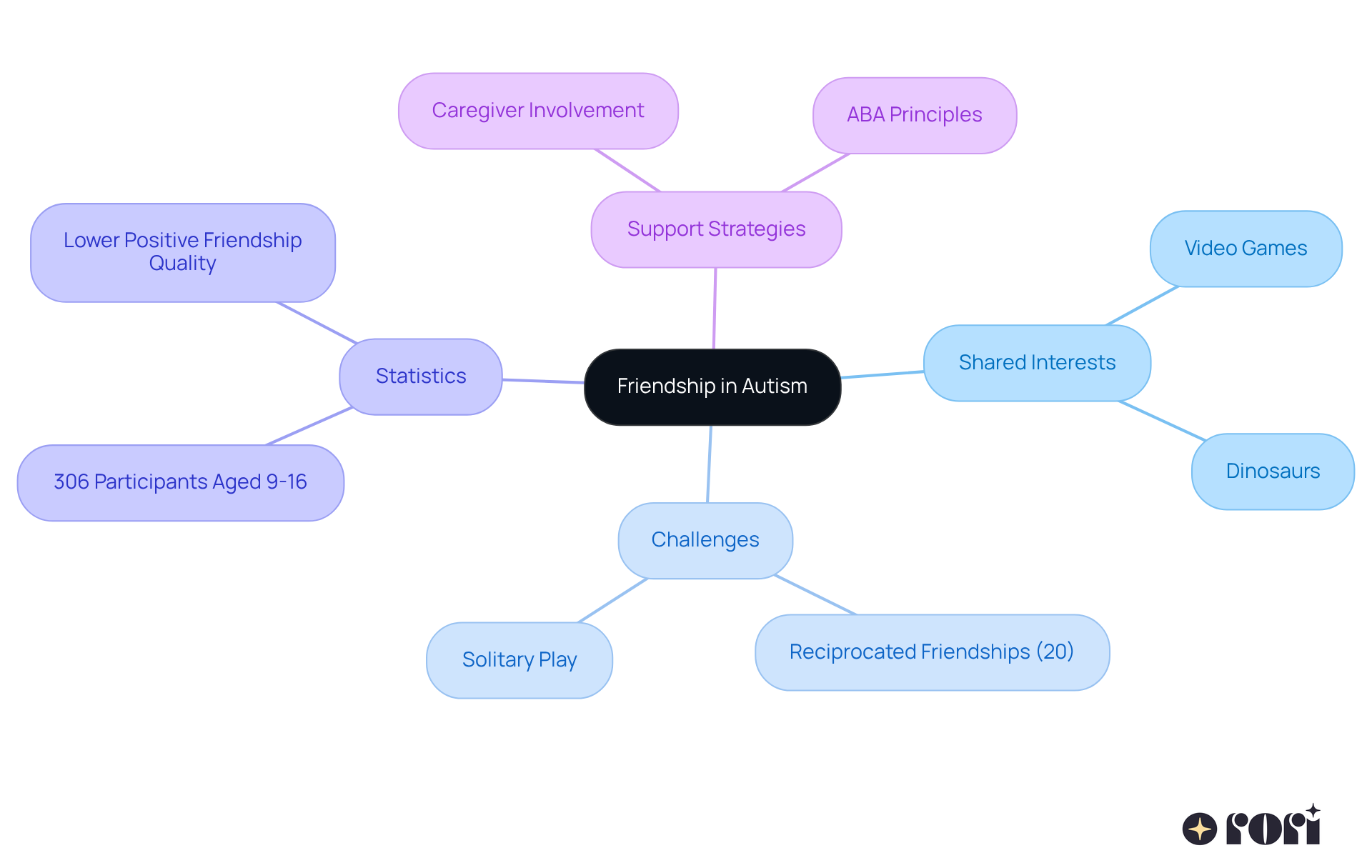
Friendship activities for children with autism often revolve around shared interests and activities rather than emotional closeness. Many autistic individuals thrive in structured settings, such as participating in friendship activities for children with autism, which offer a sense of safety and routine. For example, a young person might see someone as a friend simply because they both enjoy the same video games or have a mutual fascination with dinosaurs, even if they don’t interact often. This perspective highlights the importance of recognizing and appreciating the unique ways autistic individuals connect with their peers.
Did you know that only 20% of youngsters with autism have friendships that are reciprocated? This statistic really underscores the challenges they face in forming meaningful connections. Plus, research shows that kids with autism often engage more in solitary play than in group activities. This makes it even more crucial to create opportunities for friendship activities for children with autism that can help foster deeper bonds.
By equipping caregivers with the right knowledge and skills to support their children’s behavioral goals through ABA principles and data collection, families can build a consistent and nurturing environment that enhances these interactions. When parents actively participate in their child’s social development, it not only helps build connections but also and confidence. This support can be a game-changer for kids with autism, ADHD, and other communication challenges.
Let’s explore this together! We’re here to help you every step of the way!
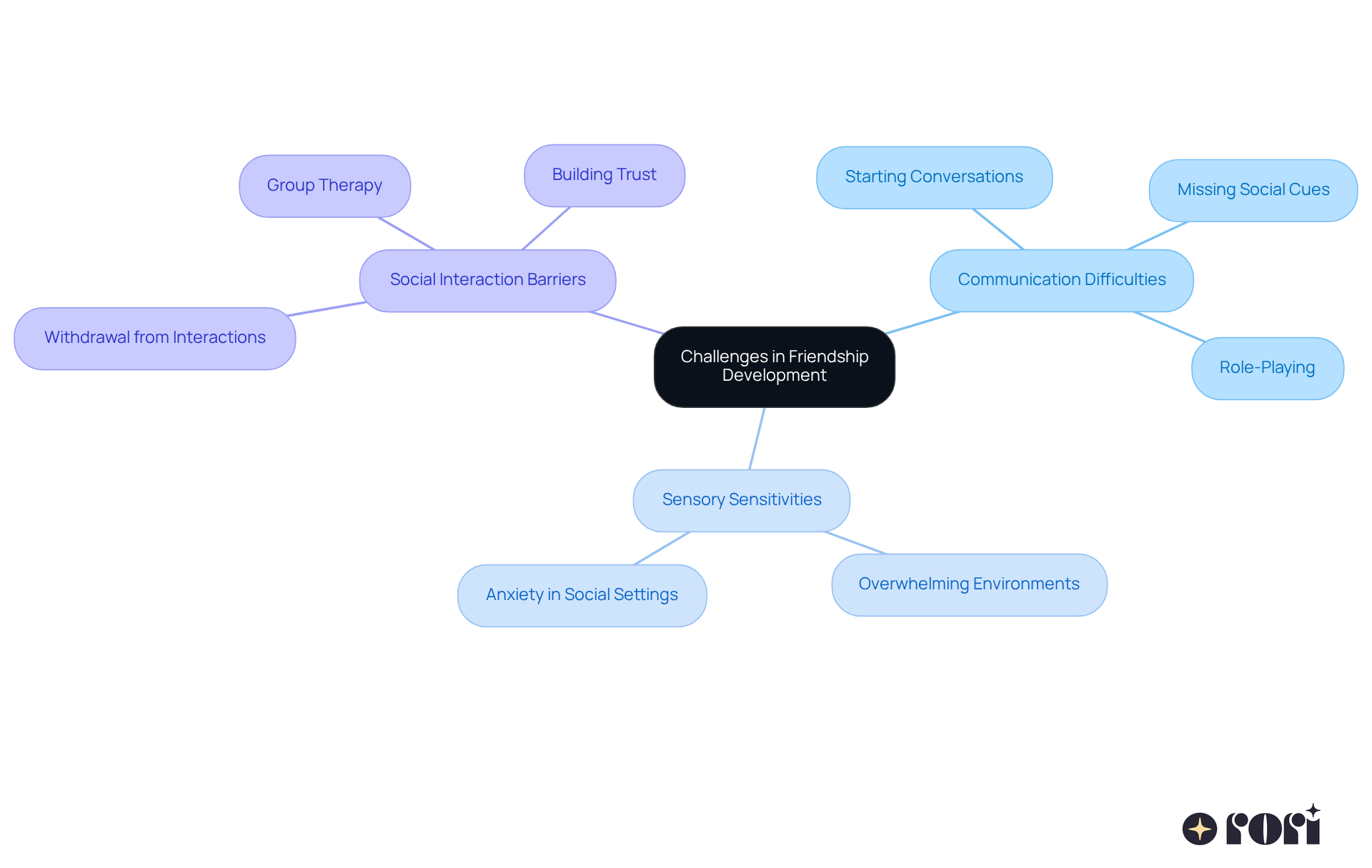
For children with autism, participating in friendship activities for children with autism can be quite a journey, often filled with unique challenges. Communication difficulties and sensory sensitivities can make social interactions feel daunting. For instance, many autistic kids find it tough to kick off conversations, sometimes missing those subtle cues that show a peer is interested in chatting. You know, things like or body language - those little signals that are so crucial in connecting with others.
And let’s not forget about sensory sensitivities! They can turn social settings into overwhelming experiences, leading to anxiety and even withdrawal. It’s not uncommon for kids to shy away from interactions altogether, which can deepen feelings of isolation and frustration. Understanding these hurdles is vital for caregivers. By recognizing these challenges, you can adopt focused strategies to encourage your child’s involvement in friendship activities for children with autism and help them manage relationships more effectively.
At Rori Care, we believe in the power of tracking progress through data collection. This approach not only helps in adjusting strategies but also empowers caregivers with ABA principles. For example, participating in friendship activities for children with autism, such as role-playing, can be a fantastic way to help kids practice starting conversations. Plus, participating in friendship activities for children with autism during group therapy sessions with skilled therapists can significantly enhance social interactions and communication skills.
By acknowledging these challenges and implementing effective strategies, you can truly support your child in navigating relationships more smoothly. Let’s explore this together! We’re here to help you every step of the way!
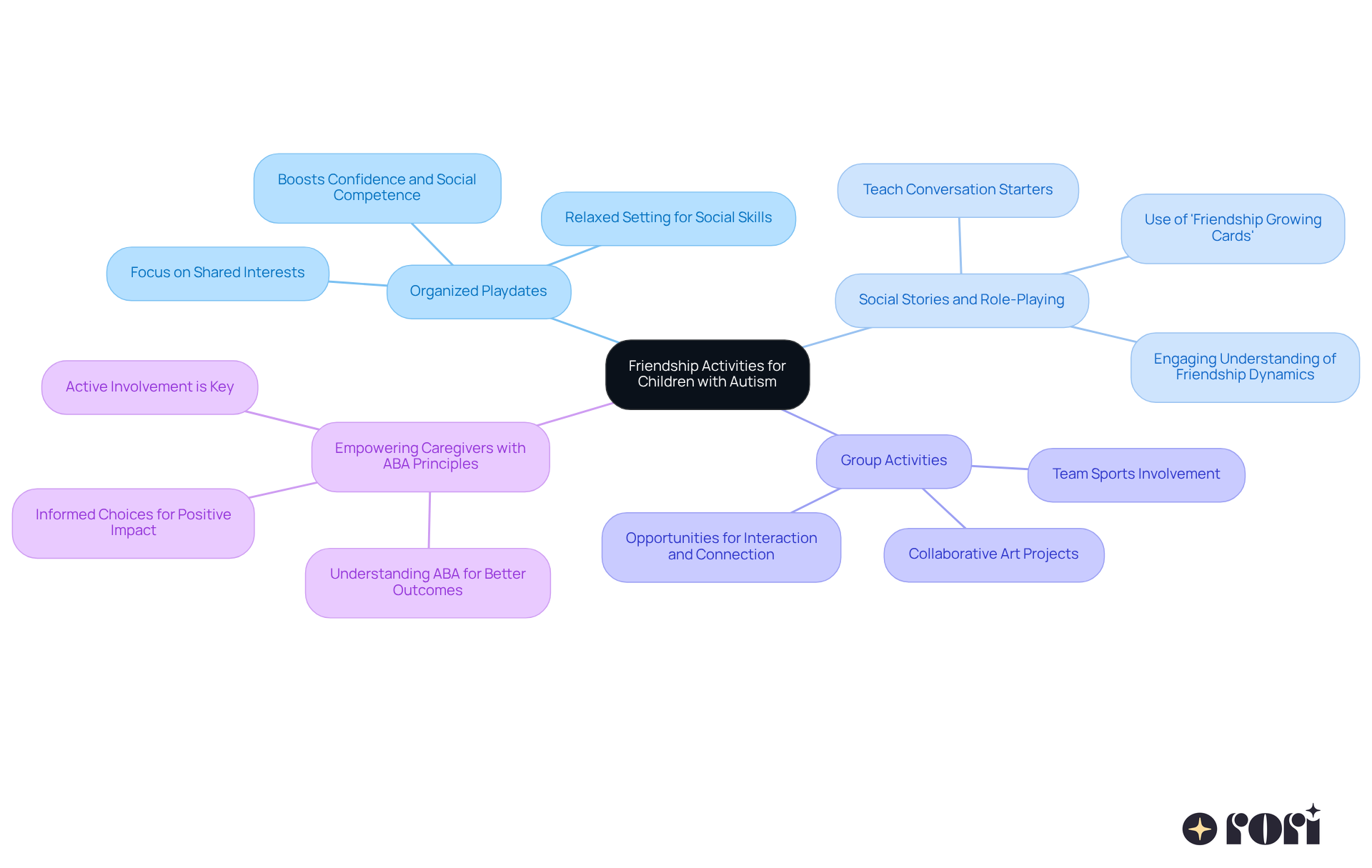
Fostering friendship activities for children with autism can be a rewarding journey for caregivers. Here are some friendly strategies to help along the way:
Let’s explore this together! Your journey in supporting your child’s friendships is important, and every step counts!
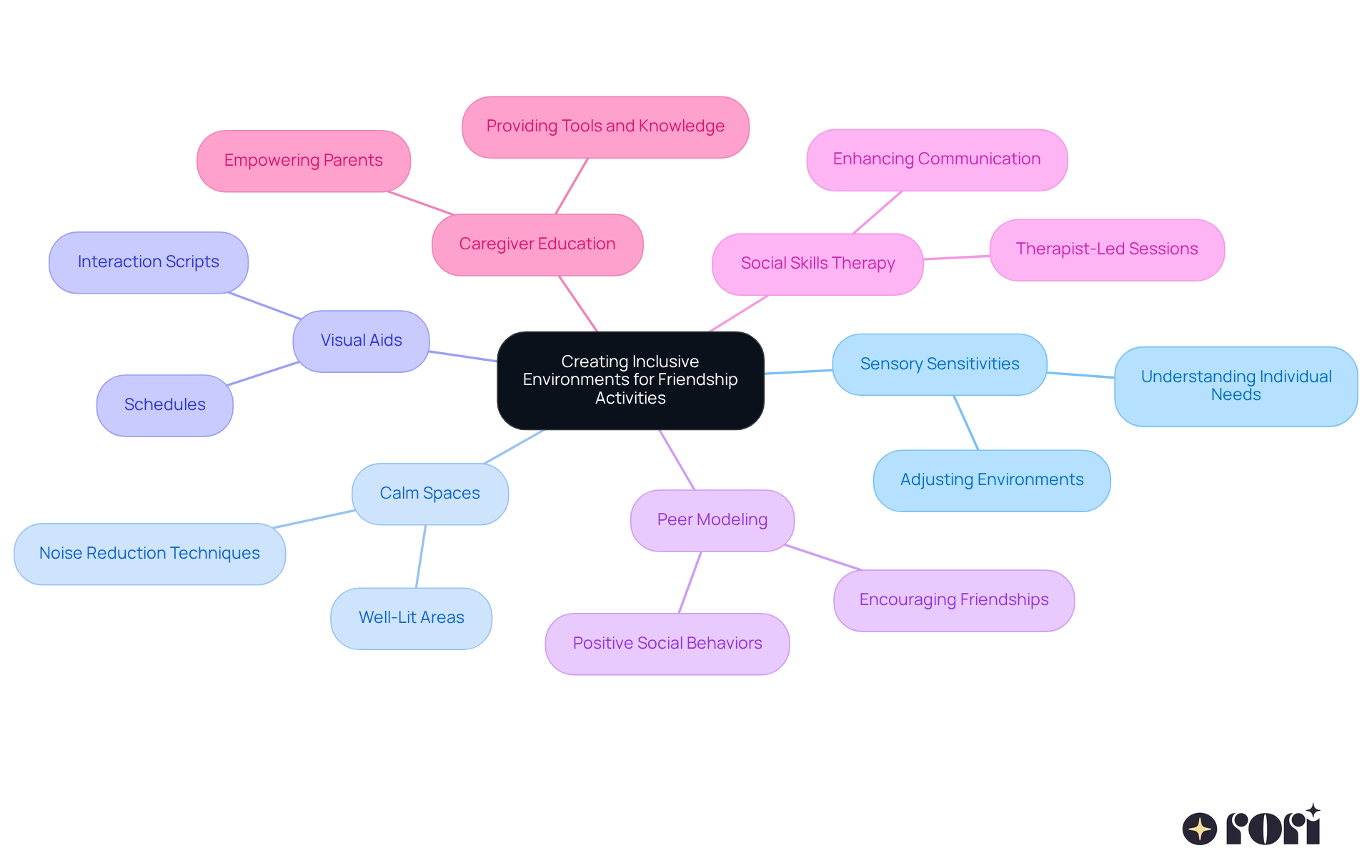
Creating inclusive environments for friendship activities for children with autism involves considering sensory sensitivities and individual preferences. For example, setting up activities in calm, well-lit spaces can really help ease anxiety for kids who might feel overwhelmed by loud noises or bright lights. Plus, using visual aids like schedules or interaction scripts can make communication a lot smoother and clearer.
It’s essential to design friendship activities for children with autism that engage all children, allowing for flexibility and adaptation based on their unique needs. Think about promoting peer modeling, where neurotypical kids show positive social behaviors. This can really help foster an inclusive atmosphere that encourages friendship activities for children with autism to blossom.
And let’s not forget about social skills group therapy! When led by at Rori Care, these sessions can significantly enhance social interactions and communication among kids, helping them build better relationships. Caregiver education plays a vital role too. By empowering parents with the right tools and knowledge, they can support their child's development effectively, leading to improved behavioral outcomes and informed decision-making.
Let’s explore this together! We’re here to help you every step of the way!
Fostering friendships for children with autism can be a journey filled with unique challenges. It’s all about understanding their social dynamics and preferences. When we focus on shared interests and structured environments, we create safe spaces for our kids to connect. Recognizing how autistic individuals form connections is key to opening doors for meaningful interactions.
Think about organized playdates, role-playing, and group activities. These can be game-changers! Involving caregivers in these moments helps promote social skills. By addressing challenges like communication barriers and sensory sensitivities, we can implement strategies that truly enhance our children's social experiences. And let’s not forget the importance of inclusive environments - they play a crucial role in fostering friendships and encouraging positive interactions.
Building friendships for children with autism is a journey that thrives on patience, understanding, and active support from caregivers. By embracing these strategies and creating supportive environments, we can all contribute to a more inclusive and enriching experience. The significance of friendship in the lives of autistic individuals is profound. Taking steps to enhance these connections can lead to lasting positive impacts on their social development and overall well-being.
Let’s explore this together! We’re here to help you every step of the way!
How is friendship defined in the context of autism?
Friendship for children with autism often revolves around shared interests and activities rather than emotional closeness. Autistic individuals may consider someone a friend if they enjoy the same video games or have a mutual interest, even if they don't interact frequently.
What percentage of children with autism have reciprocated friendships?
Only 20% of youngsters with autism have friendships that are reciprocated, highlighting the challenges they face in forming meaningful connections.
How do children with autism typically engage in play?
Research shows that children with autism often engage more in solitary play than in group activities, which emphasizes the need for structured friendship activities to foster deeper bonds.
What role do caregivers play in supporting friendship development for children with autism?
Caregivers can support their children’s behavioral goals by using ABA principles and data collection, which helps create a consistent and nurturing environment that enhances social interactions.
How can parents contribute to their child's social development?
When parents actively participate in their child's social development, it helps build connections, boosts their interaction skills, and increases their confidence, which can be beneficial for children with autism, ADHD, and other communication challenges.