Introduction
Parenting a nonverbal child with autism can be quite the journey, filled with unique challenges. It often calls for some creative strategies to help foster effective communication. In this article, we’ll explore essential training techniques that empower you as a parent to enhance your child’s interaction skills, using methods rooted in Applied Behavior Analysis (ABA).
So, how can you bridge that communication gap and create a nurturing environment that promotes understanding and growth? 🤔 Let’s dive into these vital strategies together! You’ll find actionable insights that can truly make a difference in your child’s developmental journey. We’re here to help you every step of the way!
Implement Effective Communication Strategies
can help parents utilize a variety of rooted in principles. Let’s explore some of these together:
- Use of : Think about incorporating visual aids like picture exchange systems (PECS) or message boards. These tools can help young ones express their needs and feelings visually, which often feels less intimidating than speaking.
- : Teaching some basic sign language or using gestures can give kids a way to communicate without words. This approach can be especially helpful for expressing simple requests or emotions.
- Modeling Interaction: It’s great for parents to show suitable interaction behaviors by using clear, simple language and demonstrating how to use . Engaging in play and using toys to illustrate communication can really enhance understanding.
- Encouraging Nonverbal Cues: Pay attention to your child’s nonverbal signals, like pointing or looking at objects, and respond appropriately. This not only reinforces their attempts to communicate but also encourages more interaction.
- : Set up situations where your child can express themselves, like during playtime or daily routines. For example, if they reach for a toy, you can encourage them to use a sign or picture to ask for it.
By using these strategies, parents can create a nurturing environment that fosters communication and helps their children feel valued and understood. Plus, active participation from caregivers, as highlighted in , really boosts the effectiveness of these methods. When the recommended hours of ABA therapy are fully implemented with active caregiver involvement, about 90% of children show significant progress. This highlights the importance of these strategies and the benefits of , including , in making informed choices that positively impact their development.
We’re here to help you every step of the way!

Develop Personalized Training Plans
Creating can feel like a big task, but breaking it down into essential steps makes it manageable and effective. Let’s explore this together!
- Conduct a : Start by getting a clear picture of your child’s strengths, weaknesses, and interests. This means gathering insights from therapists, educators, and family members. It’s all about understanding your child’s unique needs, and every perspective counts!
- : With your assessment in hand, it’s time to set clear and achievable goals tailored to your child’s communication and behavioral needs. For example, you might focus on helping them use a specific sign or picture to request items. This can really boost their ability to communicate effectively!
- Incorporate : Now, let’s talk about proven methods like and . These approaches teach communication in meaningful contexts, making learning feel more natural. At Rori Care, our amazing clinicians are here to support families with comprehensive , ensuring that strategies fit your child’s unique needs.
- : It’s super important to keep track of how your child is doing with their goals. Regular check-ins and adjustments to the training plan are key as your child grows and their needs change. Celebrate those small victories along the way! At Rori Care, our behavior care engine updates intervention and skill acquisition plans based on progress data, keeping everything adaptive and effective.
- Engage with Professionals: Don’t hesitate to collaborate with and other specialists. Their expertise can provide valuable insights into effective approaches and interventions. Remember, as Dr. Temple Grandin said, 'Different, not less.' Every child has unique strengths! At Rori Care, we empower caregivers with ABA principles and strategies, boosting your confidence to support your loved one’s behavioral goals, whether through individual or group therapy options.
By following these steps, you can create a dynamic plan for parent training for nonverbal children with autism that adapts to your child’s needs, fostering growth and enhancing communication skills. And hey, being aware of common pitfalls - like setting unrealistic goals or not involving professionals - can really help you navigate this journey more effectively. We’re here to help you every step of the way!

Engage Parents as Active Participants
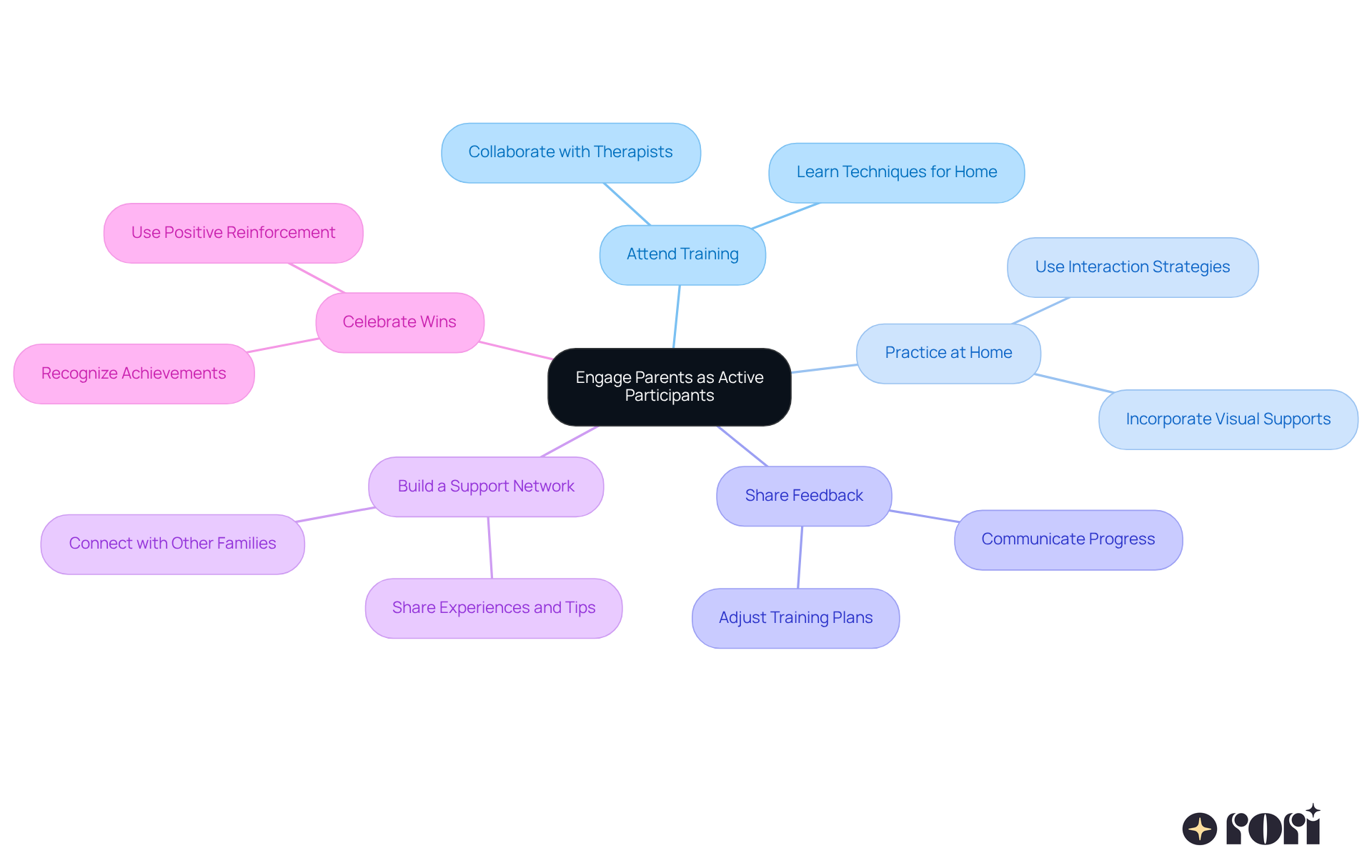
To truly make a difference for nonverbal children with autism, is essential for parents to get involved. Here are some friendly strategies to help you engage:
- It’s a great idea for parents to attend along with therapists during training sessions. You’ll learn , which helps you understand why certain interventions are used. This teamwork can make therapy feel more collaborative and effective.
- Practice at Home: Try to use interaction strategies during everyday moments. Whether it’s mealtime or playtime, using visual supports can really help reinforce what your child is learning. It’s all about making those skills stick in different situations!
- : Keep the lines of about your child’s progress and any bumps along the way. This ! It allows for quick adjustments to the training plan, ensuring that the interventions are always tailored to your child’s needs. Additionally, gaining knowledge about can empower you to make choices that positively impact your child’s journey.
- Build a : Connecting with other families who are on a similar path can be a game-changer. Sharing experiences and tips not only provides emotional support but also practical advice that can enhance your therapy experience.
- Celebrate Wins: Don’t forget to ! Recognizing and honoring these achievements can really motivate both you and your child. This positive reinforcement keeps the momentum going and makes the therapy process feel rewarding.
By actively participating in your child’s therapy and using the insights you gain, you can significantly boost the effectiveness of interventions. Together, let’s create a that encourages growth and development!
Leverage Technology for Enhanced Training
Integrating technology into for nonverbal children with autism can really enhance interaction and learning opportunities. Let’s explore some to leverage technology together:
- : , help young individuals express their needs and thoughts. These tools can be tailored to fit each person’s unique preferences and abilities, in communication.
- : There are educational apps designed specifically for youth with autism that focus on improving interaction skills, social engagement, and daily living abilities. These apps often feature engaging visuals and interactive elements that make learning fun and keep kids motivated.
- Video Modeling: is a fantastic way to show appropriate interaction behaviors. Parents can record themselves using signs or visual aids, allowing kids to watch and learn from these examples, which reinforces their understanding of communication.
- : Teletherapy services provide remote training sessions, giving caregivers the flexibility to access expert guidance from home. This approach ensures families can get support tailored to their child’s needs without the hassle of travel.
- : Using technology to track progress and outcomes is crucial. Various apps and software tools enable parents to monitor their child’s interaction skills and behavioral changes over time, offering valuable insights into their development.
By embracing these technological tools, parents can create a more engaging and effective for nonverbal children with autism, making communication more accessible. We’re here to help you every step of the way!

Conclusion
Supporting nonverbal children with autism is a journey filled with challenges, but it’s also one of the most rewarding experiences for parents. By engaging in parent training, caregivers can truly enhance communication and build meaningful connections with their little ones. Imagine using visual supports or sign language - these strategies can transform the way your child expresses themselves! 🌟
As you dive into this process, remember that your involvement is key. It not only reinforces what your child learns but also leads to better outcomes. Think about it: when you actively participate, you’re not just a caregiver; you’re a partner in their developmental journey.
Throughout this article, we’ve explored some fantastic strategies together, like leveraging technology and collaborating with therapists. Each of these elements is crucial in ensuring your child gets the support they need to thrive. By keeping an eye on progress and adjusting your approach based on what works best, you can create a training plan that truly resonates with your child’s growth.
Ultimately, your commitment to being involved in your child’s therapy makes all the difference. Embracing these strategies not only nurtures communication but also helps build a supportive community around your family. Let’s keep exploring innovative tools and methods together, ensuring every child has the chance to express themselves and connect with the world. We’re here to help you every step of the way! 💖
Frequently Asked Questions
What is the purpose of parent training for nonverbal children with autism?
The purpose of parent training is to help parents utilize effective interaction strategies rooted in Applied Behavior Analysis (ABA) principles to support their nonverbal children in communication.
What are some effective communication strategies for nonverbal children with autism?
Effective strategies include using visual supports like picture exchange systems (PECS), teaching sign language and gestures, modeling interaction behaviors, encouraging nonverbal cues, and creating opportunities for communication.
How can visual supports aid communication for nonverbal children?
Visual supports, such as picture exchange systems or message boards, help children express their needs and feelings visually, making communication feel less intimidating than speaking.
Why is modeling interaction important for parents?
Modeling interaction is important because it demonstrates suitable communication behaviors, using clear language and visual supports, which can enhance children's understanding and encourage their participation.
How can parents encourage their children to use nonverbal cues?
Parents can encourage nonverbal cues by paying attention to their child's signals, such as pointing or looking at objects, and responding appropriately to reinforce their attempts to communicate.
What are some ways to create opportunities for communication?
Parents can create opportunities for communication by setting up situations during playtime or daily routines where their child can express themselves, such as encouraging them to use a sign or picture to request a toy.
What is the impact of caregiver involvement in ABA therapy?
Active participation from caregivers significantly boosts the effectiveness of ABA therapy methods, with about 90% of children showing significant progress when caregivers are involved in the recommended therapy hours.
How does parent training benefit the development of nonverbal children with autism?
Parent training educates caregivers on effective strategies, enabling them to make informed choices that positively impact their child's communication development and overall well-being.
List of Sources
- Develop Personalized Training Plans
- Brain Imaging Shows How Minimally Verbal and Nonverbal Children with Autism Have Slower Response to Sounds (https://chop.edu/news/brain-imaging-shows-how-minimally-verbal-and-nonverbal-children-autism-have-slower-response)
- 10 inspiring quotes from people with autism | Autism Speaks (https://autismspeaks.org/life-spectrum/autism-quotes)
- 20 Inspiring Quotes About Autism Every Parent Must Read Today (https://circlecareservices.com/20-quotes-about-autism-and-parenting)
- The Numbers Don't Lie: Revealing Autism Therapy Statistics | Above and Beyond Therapy (https://abtaba.com/blog/autism-therapy-statistics)
- Minimally Verbal School-Aged Children with Autism Spectrum Disorder: The Neglected End of the Spectrum - PMC (https://pmc.ncbi.nlm.nih.gov/articles/PMC3869868)
- Engage Parents as Active Participants
- Study finds autism early intervention highly effective | Autism Speaks (https://autismspeaks.org/science-news/early-intervention-toddlers-autism-highly-effective-study-finds)
- 20 Inspiring Quotes About Autism Every Parent Must Read Today (https://circlecareservices.com/20-quotes-about-autism-and-parenting)
- The Numbers Don't Lie: Revealing Autism Therapy Statistics | Above and Beyond Therapy (https://abtaba.com/blog/autism-therapy-statistics)
- 53 Motivational Quotes to Inspire Special Needs Parents - Parenting Special Needs Magazine (https://parentingspecialneeds.org/article/53-motivational-quotes-to-inspire-special-needs-parents)
- Leverage Technology for Enhanced Training
- Study Reveals Wide Gap in Awareness of AAC Devices for Children With Autism (https://chla.org/blog/experts/research-and-breakthroughs/study-reveals-wide-gap-awareness-aac-devices-children-autism)
- 10 inspiring quotes from people with autism | Autism Speaks (https://autismspeaks.org/life-spectrum/autism-quotes)
- 5 Communication Devices for Nonverbal Children (https://handscenter.com/5-communication-devices-for-nonverbal-children)
- Ten Ways To Make Use Of Technology For Children With Autism (https://monarchhouse.ca/ten-ways-to-make-use-of-technology-for-children-with-autism)