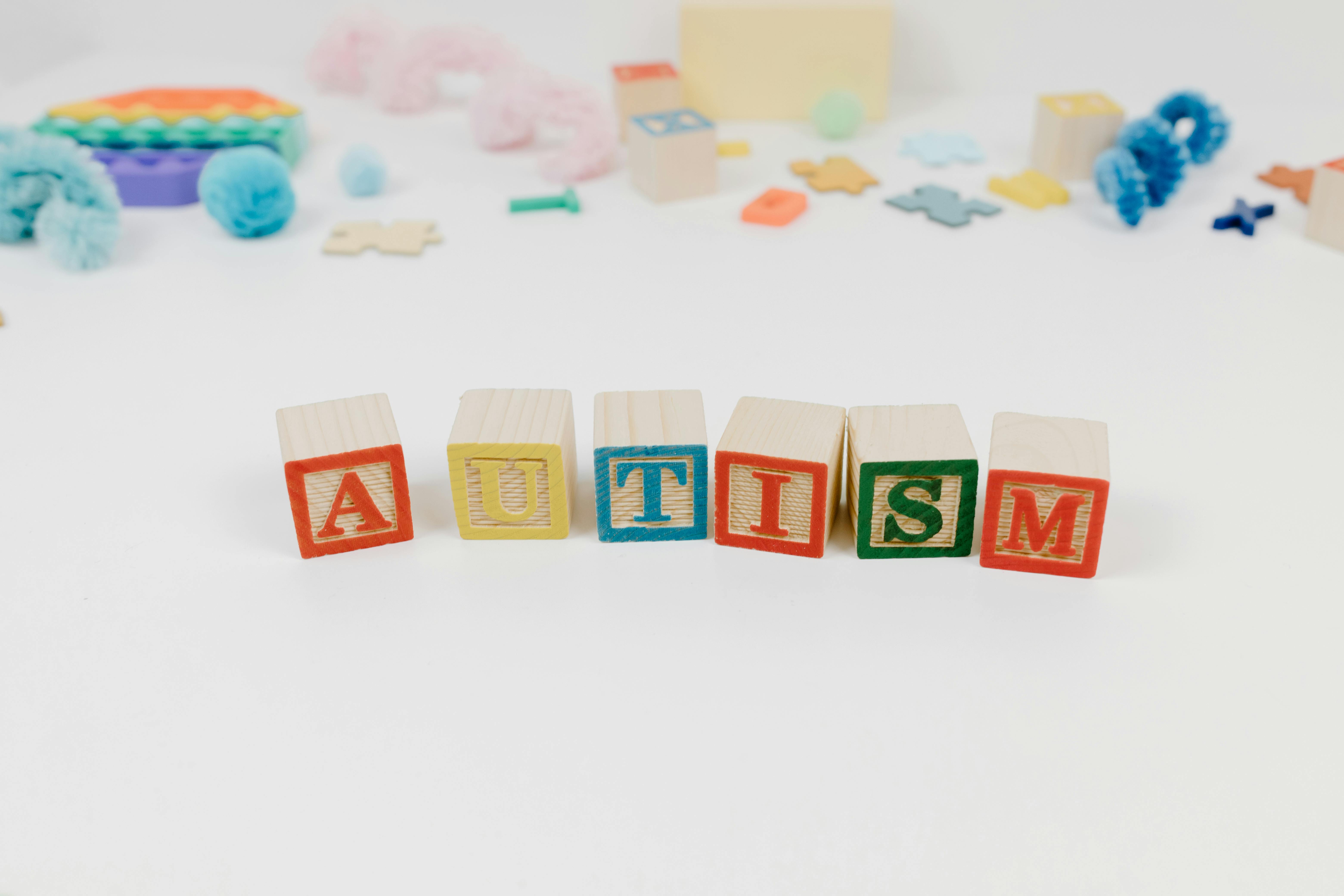
Mindfulness has become a wonderful approach in autism care, offering a way for individuals on the spectrum to find emotional balance and improve their social skills. By weaving mindfulness techniques into daily routines, parents can help their children manage overwhelming emotions and sharpen their focus. But let’s be real - integrating these practices isn’t always easy. Many caregivers find themselves asking: how can they introduce mindfulness without adding to their child’s stress?
Exploring practical strategies and the amazing benefits of mindfulness can light the way for families looking for support and connection. Let’s dive into this journey together! 🌟
Mindfulness is all about being fully present and engaged in the moment - no judgment involved! For individuals with autism, can really make a difference. It can help with , improve focus, and even boost social skills. Research shows that can by 40% to 60%. That’s quite a bit more than traditional therapies, which usually see reductions of 25% to 45%.
By learning to be aware of their thoughts and feelings, young individuals can manage those overwhelming emotions and develop . This understanding of awareness is crucial for parents looking to incorporate into their kids' daily routines. Plus, Rori Care is here to help! They emphasize caregiver education, equipping parents with the tools and resources necessary to effectively .
And let’s not forget about Rori Care’s ! Led by trained therapists, this program enhances social interactions and communication in a group setting, helping individuals build better relationships. As Temple Grandin wisely said, 'The world needs all kinds of minds.' This really highlights the importance of embracing different cognitive styles through mindfulness practices.
Rori Care is dedicated to neurodiversity and the success of youth, emphasizing the need to and strategies to support their children’s behavioral goals. Let’s explore this together! We’re here to help you every step of the way!

Implementing can be a breeze for parents when they weave simple practices into their daily routines. For example, how about introducing during those , like before meals or at bedtime? Just guide your little ones to take , focusing on the sensations of air flowing in and out. Research shows that regular practice helps kids become familiar with these techniques, making them even more effective over time.
is another fun way to engage with mindfulness during outdoor activities. Encourage your kids to really notice their surroundings and engage their senses. Plus, creating '' during everyday tasks - like brushing teeth or waiting in line - can reinforce these practices beautifully. Consistency is key! By establishing a routine that incorporates mindfulness techniques for autism care, you’re helping your kids internalize these methods, which can promote and .
As Jelena Obradović points out, "Our findings indicated that leading a group of young individuals through one minute of a slow-paced breathing exercise in a typical environment can, at that moment, considerably reduce the average level of physiological arousal." It’s a simple yet powerful reminder of how effective these practices can be.
But let’s be mindful of common pitfalls, too! Introducing too many techniques at once can overwhelm young ones. Instead, focusing on a few essential methods can lead to more successful outcomes. So, let’s explore this together and for your family!

The benefits of are numerous for kids with autism! Utilizing can help with , boost focus, and increase self-awareness. Research shows that when kids practice mindfulness techniques for autism care, they are better able to handle anxiety and stress, which leads to fewer behavioral issues.
For caregivers, using mindfulness techniques for autism care can really lower stress levels and build emotional resilience. This creates a more . Plus, when you practice mindfulness techniques for autism care together, it strengthens the bond between you and your child, creating a nurturing environment that encourages growth and understanding.
And let’s not forget about the importance of ! It gives you the tools and knowledge to make informed decisions that can positively impact your child’s progress. This leads to better and more effective support.
By recognizing these advantages, you can feel empowered to incorporate mindfulness techniques for autism care into your daily routines. It’s a wonderful way to enhance your ability to through mindfulness techniques for autism care. Let’s explore this together!

Navigating awareness methods can be a bit tricky, right? Distractions, resistance from kids, and the need for consistency can make it tough. But don’t worry! Starting with that resonate with your child's interests can really help. Think about , guided imagery, or even mindful coloring - these can grab their attention and make the practice enjoyable.
Using designed for mindfulness can also boost engagement significantly. Remember, patience and flexibility are key! Be ready to adjust your approach based on how your little one responds. Creating a where are regularly practiced, without any pressure, helps kids feel comfortable and open to these techniques.
By anticipating challenges and using , including mindfulness techniques for autism care, such as:
You can foster a successful awareness practice that supports your child's emotional and cognitive growth. Plus, is super important! The more you understand , the better equipped you’ll be to make choices that positively influence your child's journey. Empowered caregivers, armed with the right knowledge and skills, can offer invaluable support at home, complementing professional help and ensuring consistency in mindfulness practices. Let’s explore this together!

Incorporating mindfulness techniques into autism care can truly enhance the emotional and cognitive well-being of children with autism. By fostering a sense of presence and awareness, these practices empower both children and caregivers to tackle daily challenges more effectively. This ultimately leads to improved emotional regulation and stronger family bonds.
Throughout this journey, we’ve explored various mindfulness techniques, like deep breathing exercises, mindful walking, and creating 'mindfulness moments' during daily tasks. Each method brings unique benefits, helping children manage anxiety and stress while also giving caregivers tools to ease their own stress levels. Plus, we highlighted the importance of caregiver education and consistency in practice as crucial elements for success.
Embracing mindfulness techniques for autism care is a rewarding journey. By actively engaging in these practices, families can create a nurturing environment that promotes growth, understanding, and resilience. Remember, it’s essential to approach this journey with patience and flexibility, ensuring that both children and caregivers feel supported and empowered in their mindfulness practices.
Let’s explore this together! We’re here to help you every step of the way!
What is mindfulness and how does it relate to autism care?
Mindfulness is the practice of being fully present and engaged in the moment without judgment. In autism care, mindfulness techniques can help individuals with emotional regulation, improve focus, and boost social skills.
How effective are mindfulness-based interventions (MBIs) for individuals with autism?
Research shows that MBIs can reduce anxiety levels by 40% to 60%, which is significantly more than traditional therapies that typically see reductions of 25% to 45%.
How can mindfulness help young individuals with autism?
By learning to be aware of their thoughts and feelings, young individuals can manage overwhelming emotions and develop effective coping strategies.
What resources does Rori Care provide for parents looking to incorporate mindfulness techniques?
Rori Care emphasizes caregiver education, providing parents with tools and resources to effectively support their children's mindfulness practices in daily routines.
What is the purpose of Rori Care's social skills group therapy?
The social skills group therapy, led by trained therapists, aims to enhance social interactions and communication in a group setting, helping individuals build better relationships.
How does Rori Care support neurodiversity?
Rori Care is dedicated to neurodiversity and the success of youth, empowering caregivers with ABA principles and strategies to support their children’s behavioral goals.