Understanding the nuances of Applied Behavior Analysis (ABA) therapy can be quite the journey for both children and their parents. By getting a handle on the core principles and actively participating in their child's therapeutic process, parents can really boost the effectiveness of ABA interventions. But let’s be honest - navigating this landscape can be tricky. How can parents provide the right support without feeling overwhelmed?
This article dives into some essential practices that empower parents to advocate for personalized treatment plans, leverage technology, and foster meaningful collaboration with therapists. Together, we can pave the way for lasting positive change in your child's development. Let’s explore this together!
Applied Behavior Analysis (ABA) is built on some key principles that really help make it effective:
By understanding these core concepts, parents can provide for ABA therapy, which will enhance their child’s learning and behavior changes, creating a consistent approach both at home and during therapy. It’s also crucial for parents to be aware of , as missteps can slow progress and lead to frustration. Our ongoing evaluation process at Rori Care ensures that interventions stay effective and responsive to each child’s evolving needs, promoting lasting positive change.
Let’s explore this together! We’re here to !

is crucial when it comes to advocating for . Let’s explore some effective strategies to enhance your collaboration with Board Certified Behavior Analysts (BCBAs) and therapists:
By actively promoting , you can ensure that your child’s care is not just effective but also tailored to their individual needs. Together, we can ! 💪 Let’s make this journey a collaborative one!

Parent support for can really make a difference in your child’s progress in their ABA treatment! Here are some friendly ways to jump in:
By actively participating in your child’s ABA journey, you’re providing essential while also strengthening your bond with them. It creates a positive and encouraging environment that can lead to . Your involvement is truly essential in this process! Let’s explore this together!

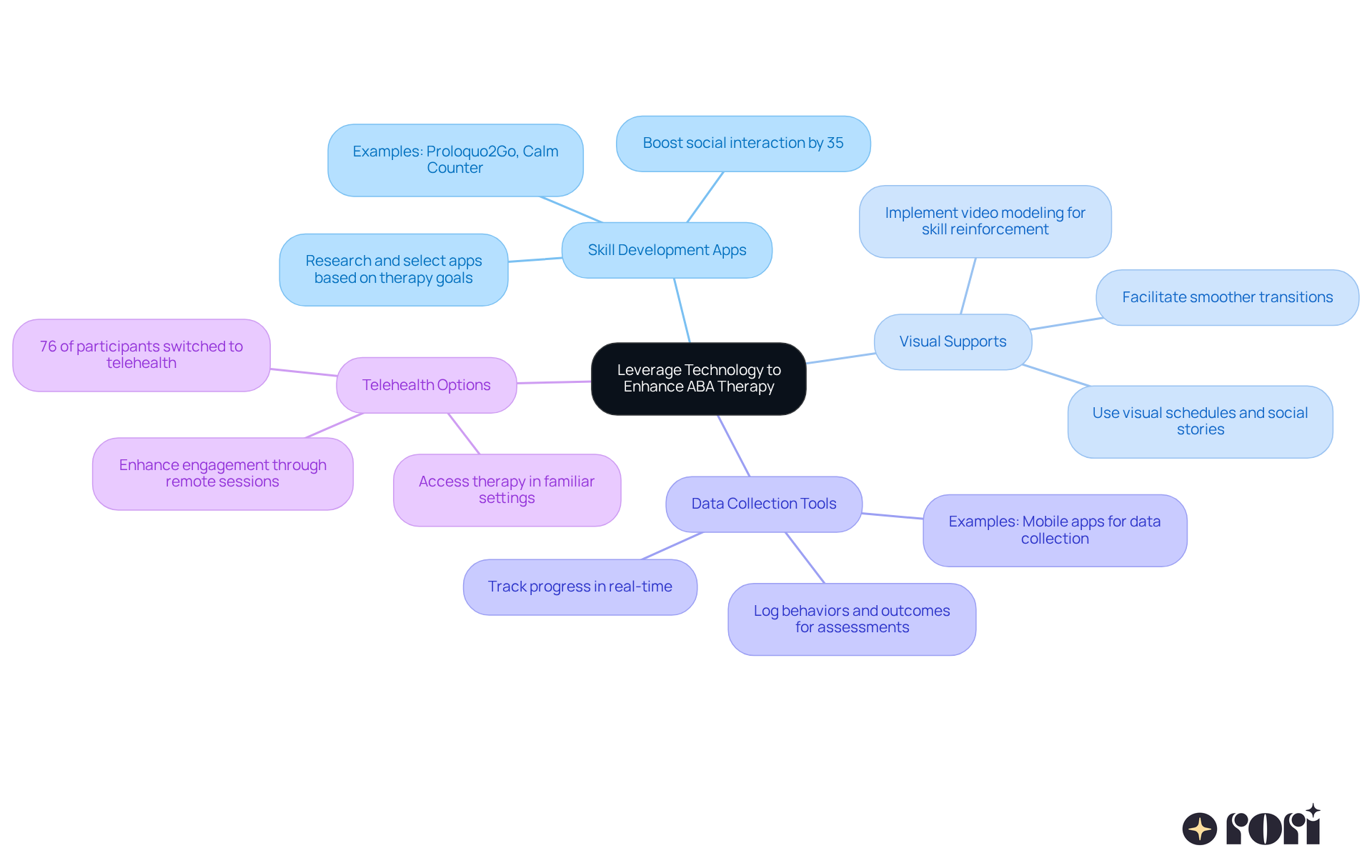
Technology can really make a difference in ABA therapy for kids with autism! Here are some friendly strategies for parents to tap into technology:
By weaving these tech strategies into your child’s ABA therapy, you can , support learning, and make therapy more accessible and effective. Plus, getting caregivers involved in choosing and using these tools can really empower them, providing and allowing them to play an active role in their child’s therapeutic journey. As Ralph Moller points out, are key to meeting the unique needs of kids with autism, so it’s super important to tailor these strategies to fit.
And don’t forget, Rori Care’s AI-driven progress report automation can free up 50% more time for your child’s treatment, allowing for a more focused and personalized approach. Let’s explore this together!
Understanding and implementing effective parent support in ABA therapy is so important for fostering positive outcomes in our kids. By embracing the core principles of Applied Behavior Analysis - like reinforcement, the ABC model, data-driven decision-making, and individualization - parents can really enhance their child’s learning experience. When caregivers get actively involved, it not only reinforces therapeutic techniques at home but also ensures that treatment plans are tailored to meet each child’s unique needs.
Let’s talk about some key strategies! Advocating for personalized treatment plans through collaboration with therapists is a great start. Engaging actively in the therapy process and leveraging technology can really enrich ABA practices. By keeping communication open, practicing skills at home, and using digital tools, parents can create a supportive environment that promotes their child's development. These practices empower parents to take an active role in their child's journey, leading to more effective interventions and better behavioral outcomes.
Ultimately, committing to parent involvement in ABA therapy isn’t just beneficial; it’s essential! By recognizing the importance of these practices and actively participating in their child's therapy, parents can help pave the way for meaningful progress and lasting change. Embracing these strategies not only supports children with autism but also strengthens family bonds, creating a collaborative atmosphere that nurtures growth and learning.
So, let’s explore this together! Your involvement can make a world of difference, and we’re here to help you every step of the way!
What is Applied Behavior Analysis (ABA) therapy?
ABA therapy is a treatment approach that focuses on understanding and improving specific behaviors through various principles, including reinforcement, data-driven decision making, and individualization.
What is the principle of reinforcement in ABA therapy?
Reinforcement involves providing rewards after desired behaviors to increase the likelihood of those behaviors occurring again. Consistent positive reinforcement can lead to significant improvements in children's behavior.
What is the ABC model in ABA therapy?
The Antecedent-Behavior-Consequence (ABC) model helps caregivers identify triggers (antecedents) and outcomes (consequences) of behaviors, allowing for better management of behaviors and proactive intervention.
How does data-driven decision making work in ABA therapy?
ABA relies on collecting data to track a child's progress and adjust strategies accordingly. This includes automatic data collection during sessions, which helps parents monitor behaviors and collaborate with therapists to enhance treatment plans.
Why is individualization important in ABA therapy?
Individualization ensures that treatment plans are tailored to meet each child's unique needs, strengths, and challenges. Evidence suggests that early intervention, particularly before age four, leads to significant improvements in communication and social skills.
How can parents support ABA therapy effectively?
Parents can enhance their child’s learning and behavior changes by understanding and applying the core principles of ABA therapy consistently at home and during therapy sessions.
What common pitfalls should parents be aware of in ABA therapy?
Parents should be cautious of missteps in applying ABA principles, as these can hinder progress and lead to frustration. Awareness of these pitfalls is crucial for maintaining effective interventions.
How does Rori Care ensure the effectiveness of ABA interventions?
Rori Care conducts ongoing evaluations to ensure that interventions remain effective and responsive to each child's evolving needs, promoting lasting positive change.