Introduction
Understanding the unique challenges faced by children with autism is so important, especially when it comes to safety. Did you know that nearly half of these kids wander off at some point? That’s why having effective safety measures in place is crucial.
In this article, we’ll explore essential strategies that not only keep children safe from potential dangers but also empower parents and caregivers with the knowledge they need to navigate these concerns. How can families ensure their children stay safe while also fostering independence and confidence in a world that can feel overwhelming? Let’s dive in together!
Understand the Nature of Wandering in Autism
Wandering, or elopement, can be a real safety concern for young people with developmental disorders, making it essential to implement . Did you know that ? This behavior often stems from things like sensory overload, curiosity, or just not being fully aware of potential dangers. is super important for parents, as it helps them anticipate when their kids might be at risk of wandering.
Kids with autism, for instance, might be drawn to risky places like water bodies or busy roads, which can lead to serious consequences. It’s alarming to think that , and 65% of wandering children have near-miss traffic accidents. These numbers really highlight the need for parents to take proactive steps and to keep them safe.
By recognizing the patterns and motivations behind wandering behaviors, caregivers can to enhance security. This could mean:
- Creating safe environments
- Having open conversations about safety
- Regularly reviewing protection strategies as kids grow and change
Being aware of these factors not only protects our young ones but also fosters a sense of security for families navigating the complexities of neurodevelopmental disorders.
Let’s explore this together! We’re here to !

Implement Proactive Safety Strategies
To effectively prevent wandering, parents can take a variety of proactive steps that not only boost security but also involve implementing through education. Let’s dive into some practical measures:
- : Think about installing locks on doors and windows, using alarms, and securing hazardous areas. These essential steps can really limit access to dangerous spots. Did you know that ? That’s why these measures are so crucial! Affordable safety measures for children with autism, including door/window alarms and shoe ID tags, can add extra layers of security, giving caregivers peace of mind in their home environment.
- : Kids thrive on predictability, right? Consistent daily routines can significantly ease anxiety and reduce the chances of wandering. Children with autism often feel more secure when they know what to expect. By , parents can set up and maintain these routines effectively, aligning them with their child’s behavioral goals and creating a sense of stability.
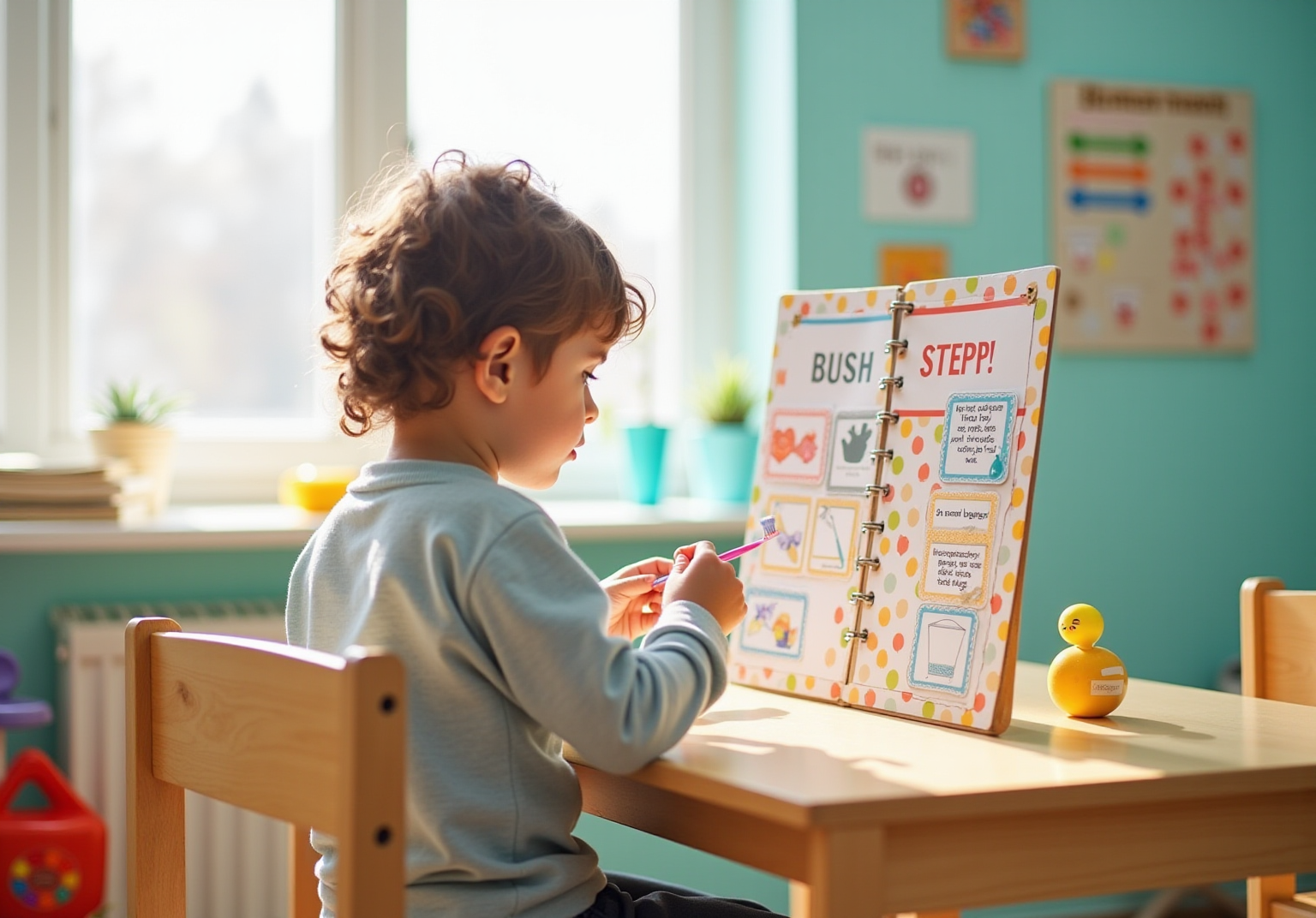
- Utilizing : Visual schedules and reminders can help kids understand expectations and stay focused on tasks, which can decrease the urge to wander. Research shows that implementing safety measures for children with autism can really help mitigate wandering behaviors in structured environments. Caregivers who are familiar with can implement these supports more effectively, enhancing their child’s ability to follow routines.
- Instructing on safety skills: Teaching kids about safety through role-playing and practice scenarios is so important. It empowers them to make safer choices, especially when they feel overwhelmed or encounter strangers. As Lori McIlwain from the National Autism Association puts it, 'Our fight-or-flight kids will bolt when anxious.' This highlights the need for preparedness. When caregivers participate in this education, it really boosts the impact of these teachings, helping kids manage challenging situations better.
- : Designating specific areas in the home where kids can retreat when feeling anxious or overwhelmed gives them a sense of security. These safe zones can be filled with calming tools and familiar items to help them self-regulate. Caregivers trained in ABA strategies can better identify and create these zones, promoting a comforting environment.
- : is key! This includes identifying potential elopement locations and assigning 'Search Angels' to improve response times in emergencies. This proactive measure is essential for families implementing safety measures for children with autism who are at risk of wandering. Educating caregivers ensures that all family members understand and can implement this plan effectively, enhancing overall family security.
By applying these strategies, not only do we improve security, but we also promote independence and self-assurance in kids with developmental disorders. It’s all about finding that balance between protective measures and ensuring emergency exits are accessible, so child-proofing doesn’t hinder quick access when it’s needed.

Leverage Technology for Enhanced Safety
Technology can really make a difference in implementing safety measures for children with autism, especially when caregivers are well-versed in . Let’s take a look at some that can help:
- : These handy wearable devices allow , so parents can keep an eye on where their kids are and get alerts if they wander off. It’s reassuring to know that studies show families using electronic tracking devices (ETDs) report a 95.6% improvement in their after they start using them.
- : Installing smart locks, door sensors, and surveillance cameras can really help parents monitor their kids and secure the home. For instance, smart door sensors can alert you when your child opens a door, giving you peace of mind and reducing the risk of wandering.
- : There are so many apps out there that can assist parents in tracking behaviors, organizing schedules, and communicating guidelines effectively. These tools can help strengthen protective skills and routines, making it easier for kids to understand limits and expectations.
- : Joining local programs that inform first responders about your child’s diagnosis can make a huge difference in emergencies. This ensures that responders are prepared to react appropriately, to meet the unique needs of young individuals with developmental differences.
Let’s explore this together! These tools can really enhance safety measures for children with autism and provide families with peace of mind.

Foster Collaboration Among Caregivers and Professionals
Cooperation among parents, guardians, and professionals is essential for establishing . Let’s dive into some key strategies to enhance this collaboration:
- : Keeping open lines of communication among all caregivers and professionals involved in your child’s care is crucial. Regular updates help everyone stay informed about your little one’s needs and any behavioral changes, creating a unified approach to care.
- : Work together to create a comprehensive protection plan tailored to your child’s specific needs. This plan should include safety measures for children with autism, focusing on strategies for preventing wandering and responding to emergencies, ensuring that all support providers are ready for various situations.
- are essential to provide all support providers with training on the unique challenges related to autism and safety measures for children with autism. This equips everyone with the knowledge to respond appropriately in different scenarios, enhancing overall safety. Plus, education for caregivers is especially beneficial, as it helps them understand ABA principles, enabling informed choices that positively impact their child’s development.
- : Encourage guardians to join therapy sessions. This involvement allows them to learn directly from experts about that can significantly improve their child’s well-being. Active participation from caregivers is linked to better behavioral outcomes, showcasing the effectiveness of for individuals on the spectrum.
Did you know that about 1 in 36 (2.8%) 8-year-olds have been identified with autism spectrum disorder according to the CDC? This statistic really highlights the . Effective communication can lead to better outcomes, with studies showing that children receiving consistent support tend to demonstrate . As Temple Grandin wisely said, 'I am different, not less.' This emphasizes the importance of embracing differences in safety planning and communication strategies.
Moreover, the number of Board Certified Behavior Analysts (BCBAs) in the U.S. has grown from around 30,000 in 2019 to nearly 60,000 in 2023. This reflects the increasing support and resources available for autism care. This collaborative effort is vital, especially considering that less than half (46%) of children continue therapy for 24 months. It really underscores the need for ongoing communication and family involvement in therapy.
Let’s explore this together! We’re here to !

Conclusion
Implementing effective safety measures for children with autism is so important for their well-being and security. By understanding the unique challenges that come with wandering behaviors, caregivers can take proactive steps to create safe environments that really minimize risks. This means not just recognizing the triggers that lead to wandering, but also using tailored strategies that promote both safety and independence.
Some key strategies include:
- Child-proofing homes
- Establishing clear routines
- Utilizing visual aids
- Teaching safety skills
- Leveraging technology like GPS tracking devices and smart home security systems
It’s also crucial for caregivers and professionals to collaborate, as this fosters a unified approach to safety planning and enhances the overall support network for children with autism. Regular communication and joint risk planning can make a big difference, ensuring that everyone involved is ready to respond effectively to various situations.
In conclusion, prioritizing safety measures for children with autism isn’t just about protection; it’s about empowering families and creating a nurturing environment where children can truly thrive. By actively engaging in safety planning and using available resources, caregivers can make informed choices that enhance their child's quality of life. Embracing these practices can lead to a more secure future, allowing children with autism to explore their world safely and confidently. Let’s explore this together!
Frequently Asked Questions
What is wandering in the context of autism?
Wandering, or elopement, refers to the behavior of individuals with autism leaving a designated safe area, which can pose safety concerns.
How common is wandering among individuals with autism?
About 49% of individuals with autism might wander at some point in their lives.
What are some reasons that children with autism might wander?
Children with autism may wander due to sensory overload, curiosity, or a lack of awareness of potential dangers.
What risks are associated with wandering for children with autism?
Wandering can lead to serious consequences, such as close calls with drowning or traffic accidents. Nearly 24% of wandering incidents involve near-drowning, and 65% involve near-miss traffic accidents.
What steps can parents take to ensure the safety of children with autism who wander?
Parents can implement safety measures by creating safe environments, having open conversations about safety, and regularly reviewing protection strategies as their children grow.
Why is it important for parents to understand the triggers of wandering behavior?
Understanding the triggers helps parents anticipate when their children might be at risk of wandering, allowing them to take proactive safety measures.
How can caregivers develop tailored safety measures for children with autism?
By recognizing the patterns and motivations behind wandering behaviors, caregivers can create specific strategies that enhance security for their children.
List of Sources
- Understand the Nature of Wandering in Autism
- kidsclubaba.com (https://kidsclubaba.com/autism-quotes)
- Elopement and Autism | Double Cara ABA Blog (https://doublecareaba.com/post/elopement-and-autism)
- 30 Quotes from 30 People with Autism (https://elsforautism.org/30-quotes-from-30-people-with-autism)
- Nearly Half Of Children With Autism Wander Or “Bolt” From Safe Places (https://kennedykrieger.org/stories/nearly-half-children-autism-wander-or-bolt-safe-places)
- 10 inspiring quotes from people with autism | Autism Speaks (https://autismspeaks.org/life-spectrum/autism-quotes)
- Implement Proactive Safety Strategies
- Data and Statistics on Autism Spectrum Disorder (https://cdc.gov/autism/data-research)
- Autism Plus Wandering - Child Mind Institute (https://childmind.org/article/autism-plus-wandering)
- ELOPEMENT PREVENTION CAREGIVERS (https://theautismproject.org/training-education/elopement-prevention/elopement-prevention-family)
- Leverage Technology for Enhanced Safety
- Volusia sheriff hopes GPS trackers can help save lives of autistic children (https://mynews13.com/fl/orlando/news/2025/01/17/volusia-sheriff-s-office-hopes-gps-trackers-can-help-save-the-lives-of-autistic-children-)
- Study Reveals Benefits of GPS Tracking Devices for Autism Children (https://liveviewgps.com/blog/study-reveals-benefits-gps-tracking-devices-autism-children?srsltid=AfmBOopH_ZOfGiDgrLeyy-2KJJvG7NDAHDqIxcjxWvtdWthSGOLIhlQ-)
- Smart Home Technology and Autism - National Autism Association (https://nationalautismassociation.org/smart-home-technology-and-autism)
- Wandering by Children with Autism Spectrum Disorders: Impact of Electronic Tracking Devices on Elopement Behavior and Quality of Life - PubMed (https://pubmed.ncbi.nlm.nih.gov/32576789)
- News: GPS Tracking Devices for Children with Autism (https://autismparentingmagazine.com/gps-tracking-devices-children-autism?srsltid=AfmBOorLUATphY-oH6yFy2TemaGuHtU5CUJUmUctQH25HrgzoRw1dXLO)
- Foster Collaboration Among Caregivers and Professionals
- The Numbers Don't Lie: Revealing Autism Therapy Statistics | Above and Beyond Therapy (https://abtaba.com/blog/autism-therapy-statistics)
- Encouraging Autism Quotes for Positivity (https://besteveraba.com/blog/autism-quotes)
- Success Rates of ABA Therapy | Advanced Autism Services (https://advancedautism.com/post/success-rates-of-aba-therapy)
- 20 Inspiring Quotes About Autism Every Parent Must Read Today (https://circlecareservices.com/20-quotes-about-autism-and-parenting)
- brighterstridesaba.com (https://brighterstridesaba.com/blog/autism-quotes-quotes-that-illuminate-the-world-of-autism)