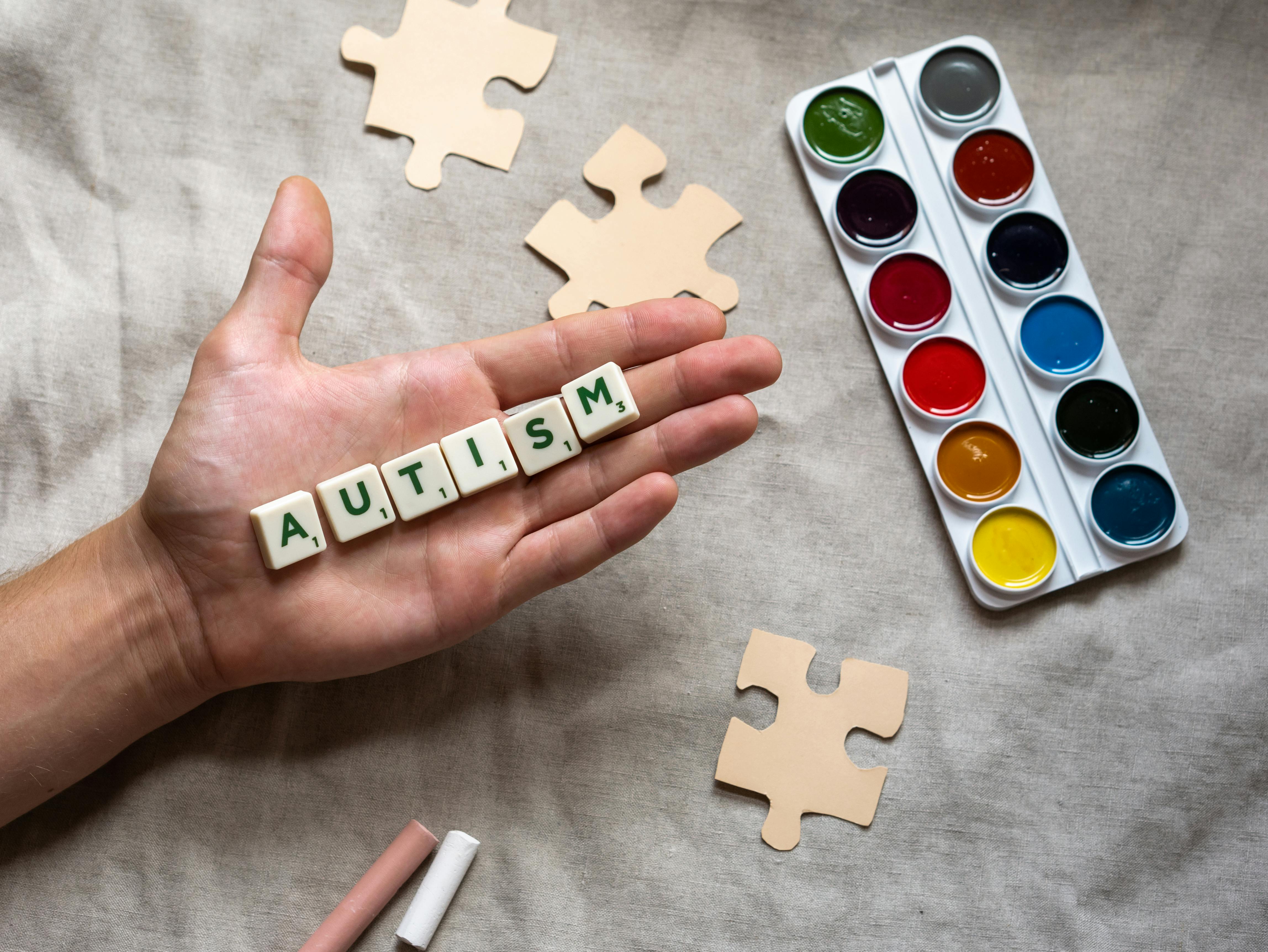
Identifying autism in young children is such an important step that can really shape their developmental journey. Did you know that about 1 in 31 youth in the U.S. is diagnosed with Autism Spectrum Disorder (ASD)? That’s why understanding the early signs and how to identify them is more crucial than ever.
In this article, we’ll explore how to recognize autism in children, highlighting the significance of early detection and intervention. It can feel overwhelming, but how can parents and caregivers navigate this process to ensure their child gets the support they truly need? Let’s explore this together!
Autism Spectrum Disorder (ASD) is a developmental disorder that can present challenges in social skills, communication, and repetitive behaviors. Did you know that shows ? This highlights just how important it is for us to raise awareness and prioritize early on.
ASD isn’t just one condition; it’s a spectrum. This means that symptoms and severity can vary widely among kids. Some may show mild signs, while others might face more significant hurdles. For parents and caregivers, is crucial in the process of identifying autism in young children. Identifying autism in young children helps you in your child, which can make a world of difference.
At Rori Care, we’re all about . By enhancing caregiver education in , we aim to equip you with the knowledge and skills to support your child’s behavioral goals effectively. This isn’t just about improving outcomes; it’s about for your little one.
Awareness campaigns have been vital in educating families about identifying autism in young children. They promote . As the CDC continues to share updates on the prevalence of ASD, staying informed about the latest statistics and insights is key. Together, we can foster a on the spectrum. Let’s explore this journey together!

Early signs of in young children can manifest in various ways, often before a child turns three. You might notice things like limited eye contact, delayed speech, or even a lack of response when you call their name. For example, some little ones might avoid looking at you or not smile during social interactions. Did you know that about ? That’s around 3.2%! This really highlights how important it is for identifying autism in young children to .
As parents, it’s essential to keep an eye on your child’s behavior and note any , particularly when identifying autism in young children. It’s a bit alarming, but only , which is essential for identifying autism in young children. This really shows how crucial it is to stay vigilant. Identifying autism in young children through early recognition can make a world of difference, allowing for timely intervention that can significantly boost your child’s development.
At Rori Care, our caring clinical leadership team is dedicated to empowering caregivers with . We want to make sure you’re actively involved in your loved one’s journey! As Kayla Crane points out, the , which emphasizes the need for parents to seek help when they notice concerning behaviors. With Rori Care’s , families can tackle challenges together and support their child’s growth effectively. Let’s explore this together!

Identifying autism in young children is just the first step; the next crucial move is to obtain a . This usually means a thorough assessment by a pediatrician or a specialist in . The assessment covers various aspects, including a detailed background, behavioral observations, and standardized tests that look at different areas of your child's development. It’s a good idea for parents to come ready to chat about their child’s developmental milestones, any behavioral concerns, and specific observations that might suggest autism.
Getting a formal diagnosis is super important. It opens the door to and support services that can really make a difference in your child’s development. Research shows that , with many kids benefiting from tailored therapies that meet their unique needs. In fact, the CDC reports that as of 2023, about , which highlights just how crucial early identification is.
Developmental specialists stress that a relies on teamwork. Parents, clinicians, and educators need to collaborate to ensure thorough evaluations. This teamwork is key to identifying autism in young children and putting in place. By knowing what to expect during the evaluation process and preparing well, parents can play a vital role in their child’s journey toward getting the support they need.
At Rori Care, we understand the challenges families face after a diagnosis. That’s why we offer free consultations with our Board Certified Behavior Analysts, who are dedicated to guiding your family through , including the importance of (EIBI) for boosting learning and social skills. Let’s explore this together!

After a diagnosis, it’s so important to develop a that fits your child’s unique needs. This plan usually combines different therapies, like , speech therapy, and occupational therapy. Did you know that ABA therapy has a in helping kids with autism ?
At Rori Care, a certified behavior analyst crafts these , focusing on and to encourage and learning. Working alongside a team of professionals, including and therapists, we ensure a well-rounded approach to treatment.
As parents, you play a crucial role in this journey! By actively participating in planning, setting realistic goals, and regularly checking in on progress, you can make necessary adjustments along the way. This teamwork not only boosts the effectiveness of the treatment plan but also empowers you to be a vital part of your child’s development. You’ll gain the knowledge and skills to support their behavioral goals.
Remember, continuously assessing and adjusting the treatment plan is key to keeping it aligned with your child’s changing needs. Let’s explore this together! We’re here to help you every step of the way!

Creating a is crucial for . Parents can really boost their child's growth by trying out a few . For starters, having a can provide the structure that kids thrive on. are a great way to clarify daily tasks and transitions, which can help ease anxiety.
Think about incorporating that match your child's preferences. This not only fosters engagement but also makes them feel comfortable. Plus, and social interactions can reinforce the skills they learn in therapy, .
Regularly practicing these strategies can . It’s all about empowering children by identifying autism in young children to help them thrive in their daily lives. So, let’s explore this together! We’re here to !

Identifying autism in young children is a crucial journey that empowers families to provide timely support and interventions. By understanding the nuances of Autism Spectrum Disorder (ASD) and recognizing early signs, caregivers can significantly enhance their child's developmental outcomes. It’s all about taking those first steps - seeking professional evaluations, developing personalized treatment plans, and implementing effective home strategies. Each step not only aids in identifying autism but also creates a nurturing environment that promotes growth and independence.
Let’s talk about the importance of being vigilant in recognizing early signs, like limited eye contact or delayed speech. These can lead to timely evaluations and interventions that make a real difference. Collaboration between parents and professionals is key here! By working together, you can ensure comprehensive assessments and tailored treatment plans that truly meet your child's unique needs. Engaging actively in your child's development allows you to make informed decisions, fostering a supportive atmosphere for growth.
In conclusion, the journey of identifying and supporting children with autism is multifaceted and requires commitment, awareness, and collaboration. By prioritizing early identification and intervention, families can unlock the potential within their children, paving the way for brighter futures. Embracing this process not only benefits the child but also enriches the entire family dynamic, creating a foundation of understanding and support that will last a lifetime. So, let’s explore this together! We’re here to help you every step of the way!
What is Autism Spectrum Disorder (ASD)?
Autism Spectrum Disorder (ASD) is a developmental disorder that presents challenges in social skills, communication, and repetitive behaviors. It is not a single condition but a spectrum, meaning symptoms and severity can vary widely among individuals.
How prevalent is ASD in the U.S.?
Recent data from the CDC shows that about 1 in 31 youth in the U.S. is diagnosed with ASD, highlighting the importance of raising awareness and identifying autism in young children early.
Why is it important to identify autism in young children?
Identifying autism early helps parents and caregivers spot potential indicators in their child, which can lead to timely interventions that significantly enhance developmental outcomes.
What are some early signs of autism in young children?
Early signs can include limited eye contact, delayed speech, and a lack of response when called by name. Some children may avoid looking at others or not smile during social interactions.
What percentage of children with autism have had a developmental evaluation by age 3?
Alarmingly, only 50% of kids with autism have had a developmental evaluation by age 3, which is crucial for early identification.
What is the average age for an autism diagnosis?
The average age for diagnosis is around 4 years old, emphasizing the need for parents to seek help when they observe concerning behaviors.
How does Rori Care support families dealing with autism?
Rori Care empowers families by enhancing caregiver education in ABA (Applied Behavior Analysis) principles and strategies, equipping them with the knowledge and skills to support their child's behavioral goals effectively.
What role do awareness campaigns play in identifying autism?
Awareness campaigns are vital in educating families about the signs of autism, promoting timely interventions that can significantly improve outcomes for children on the spectrum.