Understanding how children with autism can effectively transfer their learned skills into real-world situations is so important for helping them become more independent and socially engaged. 🌟 Evidence-based approaches for promoting skill generalization not only boost the chances of success in different environments but also empower caregivers like you to support your child's growth.
But let’s be real - many parents face the challenge of ensuring these skills are applied consistently outside of therapy sessions. It can feel overwhelming at times, right? So, what strategies can we use to bridge this gap and create a supportive learning environment that truly prepares our kids for everyday interactions? Let’s explore this together!
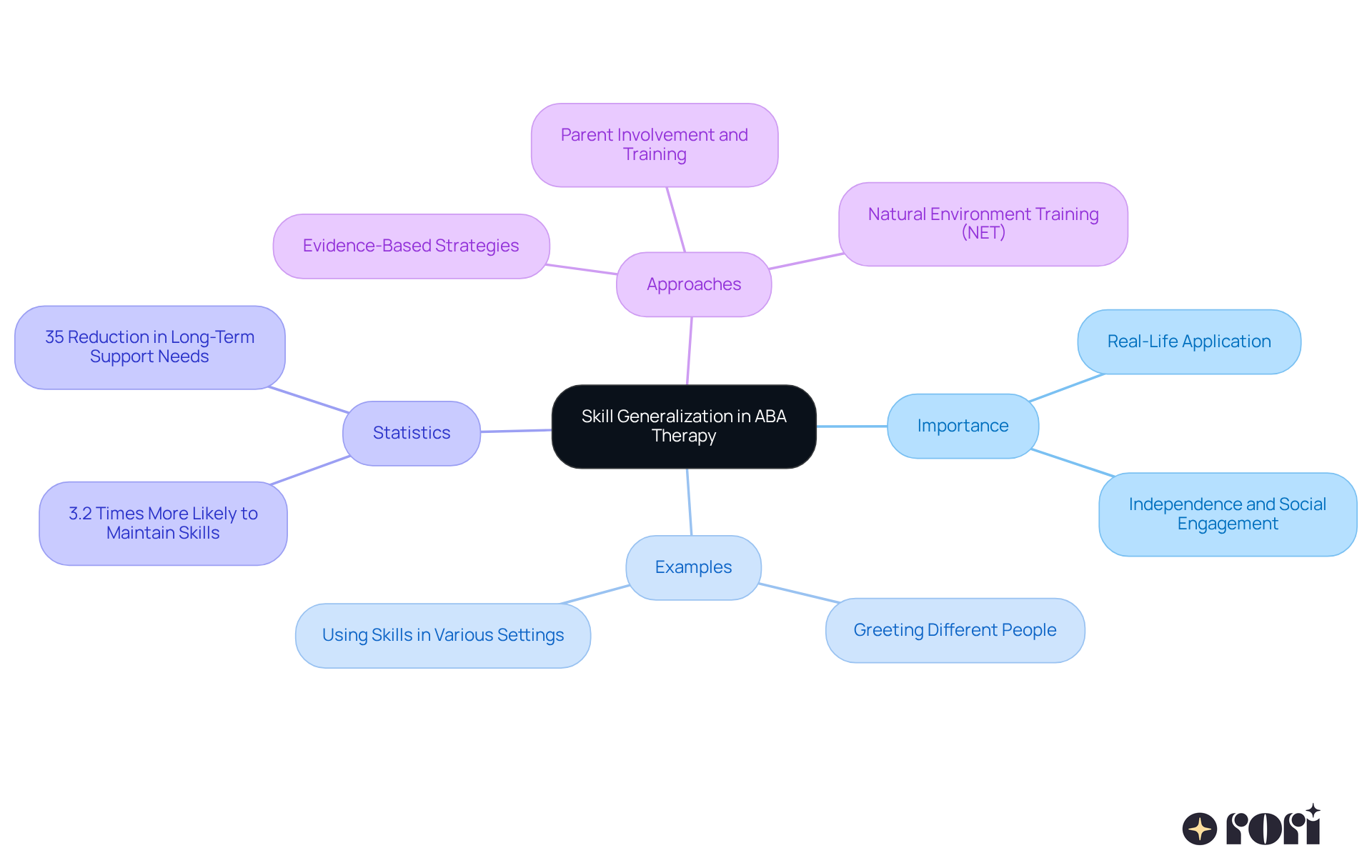
is all about , situations, and with various people. This is super important because we want the skills they gain in therapy to shine in real life! For example, if a child learns to greet their therapist, it’s just as crucial for them to greet friends, family, and others in different settings.
Did you know that kids who really nail this are 3.2 times more likely to keep those abilities six months after treatment? That’s a big deal! Plus, research shows that that include broadening elements can by about 35%.
Understanding for promoting skill generalization in children with autism can really help clinicians and families create chances for practice in various contexts. This boosts the likelihood that kids will successfully apply in their daily lives. As Michael Mohan wisely points out, "The real question should be: can they ?" This highlights the need for for promoting skill generalization in children with autism, where young people can practice and strengthen their skills, ultimately fostering their independence and social engagement.
Let’s explore this together! By focusing on these opportunities, we can help our kids thrive!
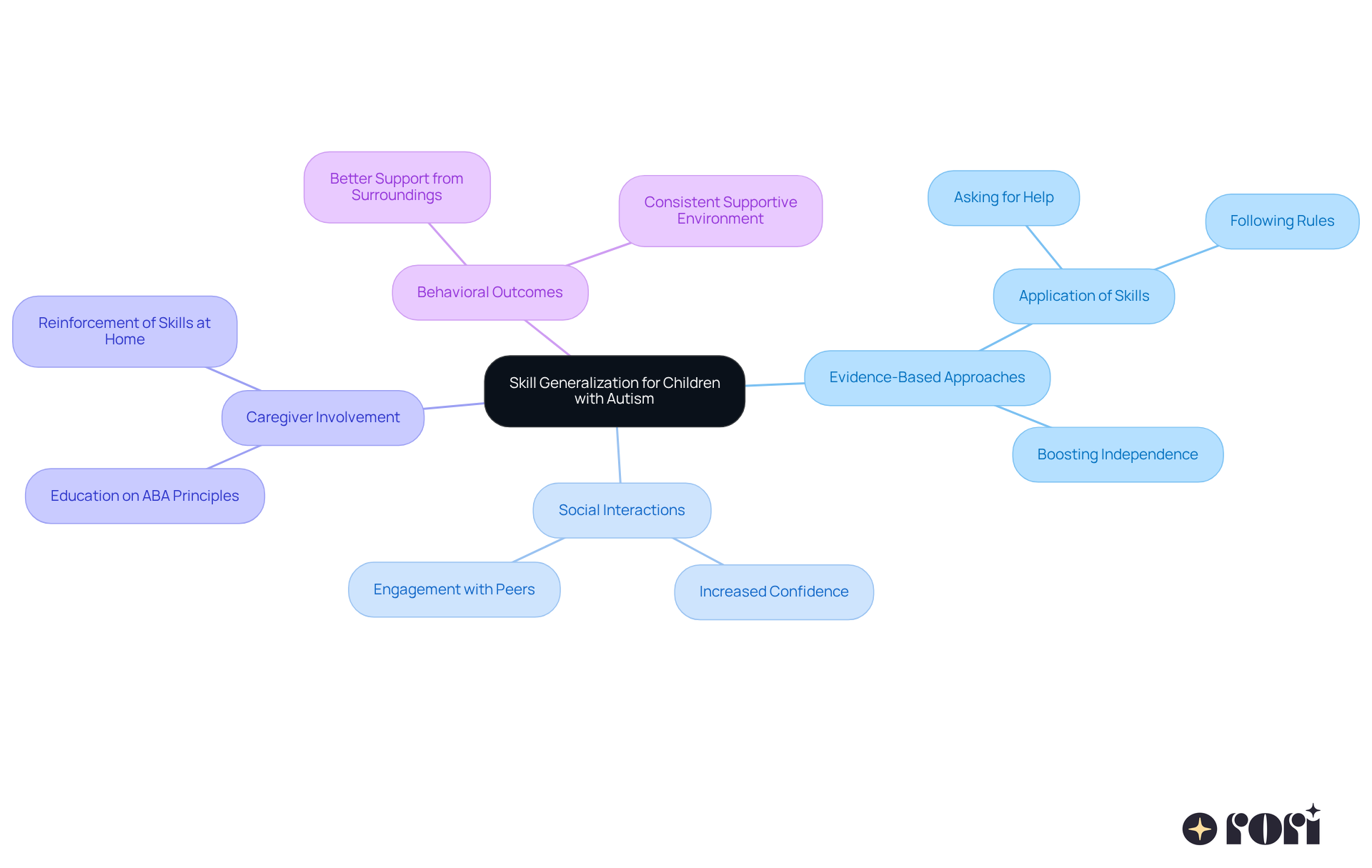
It is essential to use in children with autism to help them generalize their abilities. Using evidence-based approaches for allows them to , boosting their independence and enhancing social interactions. Imagine a young person who can apply their skills in various settings - like chatting with friends or following rules at school. When they can do this, they’re better equipped to tackle everyday challenges.
Research shows that kids who can effectively use their skills often feel more confident and engaged socially. For example, if a child learns to ask for help during therapy, they should be able to use that same skill at home or school. This can lead to better support from those around them.
And let’s not forget about the role of caregivers! By , we empower them to . This knowledge helps them make informed decisions and reinforce those skills at home. When caregivers are actively involved, it complements professional help and creates a for the kids, which is crucial for utilizing in children with autism. Ultimately, this leads to .
So, let’s explore this together! We’re here to help you every step of the way!
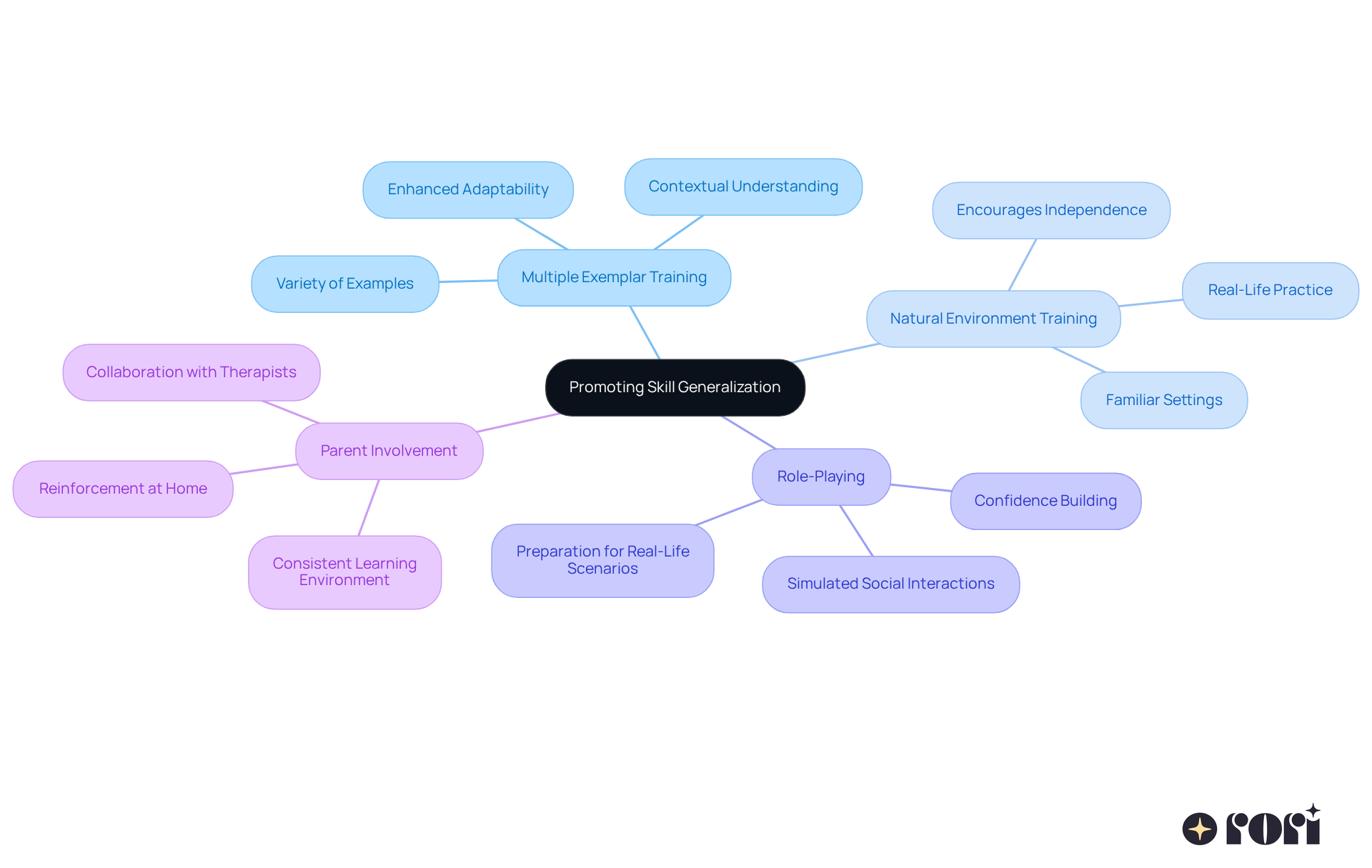
To effectively promote skill generalization, let’s explore some that can really make a difference:
By implementing in children with autism, clinicians can significantly enhance the chances that kids will transfer their skills beyond treatment sessions. This leads to greater independence and a better quality of life. It’s heartening to know that about 90% of children show when recommended hours are fully implemented with active caregiver involvement. Plus, social skills group sessions led by a qualified professional can further enhance kids’ interactions and communication in a group setting, fostering better relationships.
Remember, ABA intervention is the only scientifically proven treatment for autism that’s covered by insurance. We’re here to help you every step of the way!
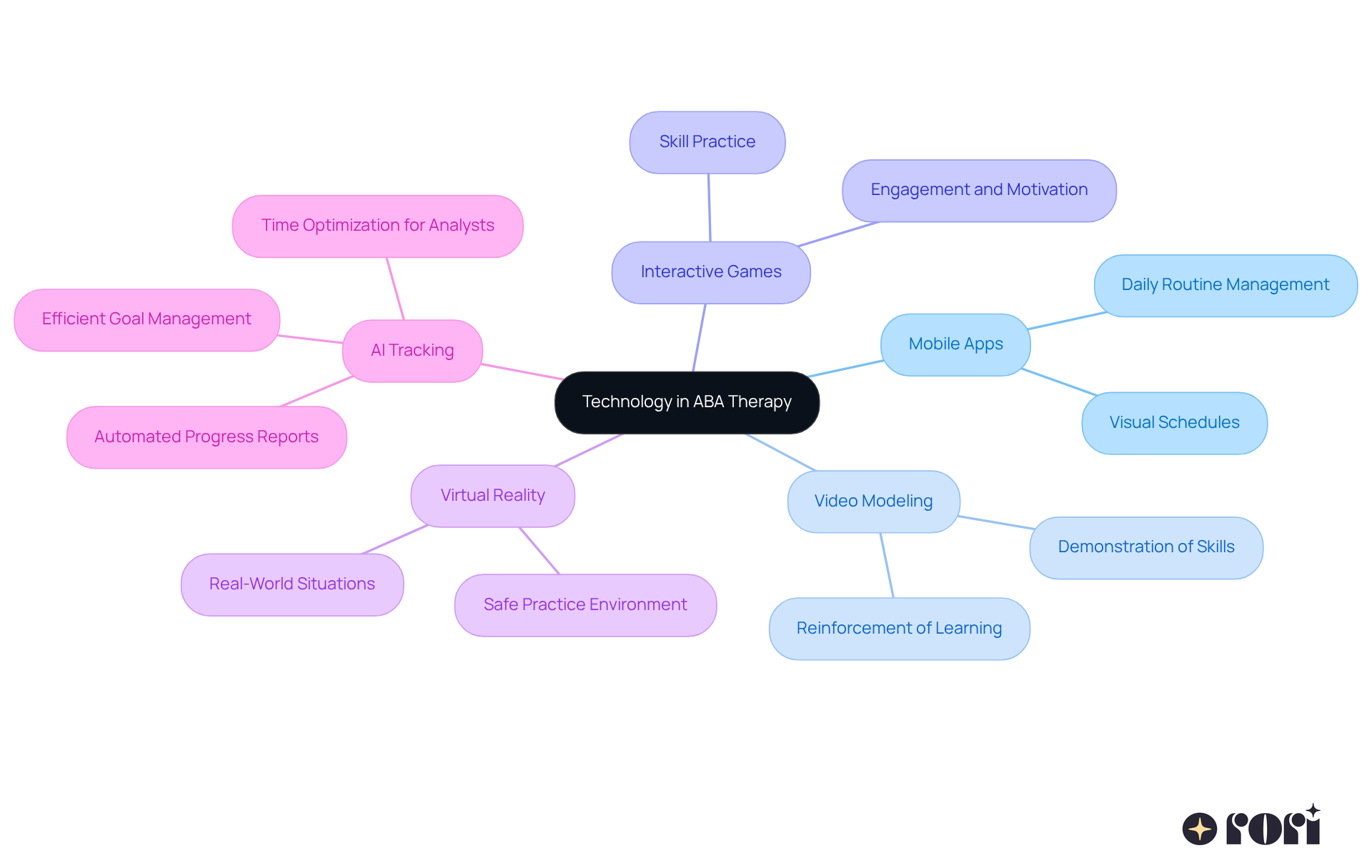
Technology can significantly contribute to in children with autism during ABA treatment! Think about it: , video modeling, and interactive games provide extra practice outside of therapy sessions. For instance, apps that use can help young ones manage their daily routines, reinforcing what they’ve learned in treatment.
And let’s not forget about virtual reality (VR)! It can create real-world situations where kids can practice their skills in a safe and controlled environment. By incorporating in children with autism into therapy, practitioners can create .
Plus, with , there’s a continuous evaluation of individualized plans. This means goals are met more efficiently! Not only does this enhance the quality of care, but it can also free up to 50% more time for direct child treatment. This way, behavior analysts can focus on what they do best: delivering .
Let’s explore this together! If you’re curious about how technology can support your child’s journey, we’re here to help you every step of the way!
Promoting skill generalization in children with autism is so important for helping them apply what they learn in therapy to everyday life. By using evidence-based approaches, families and clinicians can create supportive environments where kids can practice their skills in different situations. This not only reinforces what they’ve learned but also boosts their independence and social interactions.
The article shares some great strategies, like Multiple Exemplar Training and Natural Environment Training, along with the crucial role parents play in this learning journey. Each of these methods helps kids build confidence as they navigate social situations. Plus, with the help of technology - think mobile apps and virtual reality - learning becomes even more engaging and effective!
Incorporating these evidence-based techniques is key to creating a thriving environment for children with autism. By actively promoting skill generalization, families and practitioners can empower kids to tackle daily challenges with more ease and success. Remember, the journey toward independence is a team effort, and embracing these strategies can lead to meaningful progress and lasting outcomes. Let’s explore this together! We’re here to help you every step of the way!
What is skill generalization in ABA therapy?
Skill generalization in ABA therapy refers to helping young people apply the skills they have learned in various places, situations, and with different people, ensuring that these skills are usable in real-life scenarios.
Why is skill generalization important in therapy?
It is important because it allows children to use the skills they learn in therapy in everyday situations, such as greeting friends and family, which enhances their social interactions and independence.
How does skill generalization impact the retention of learned abilities?
Children who effectively transfer their skills are 3.2 times more likely to retain those abilities six months after treatment, highlighting the significance of skill generalization in long-term success.
What effect do comprehensive ABA programs have on long-term support needs?
Research shows that comprehensive ABA programs that include elements for broadening skill application can reduce the need for long-term support by about 35%.
How can clinicians and families promote skill generalization in children with autism?
They can create opportunities for practice in various contexts, which increases the likelihood that children will successfully apply their skills in daily life.
What is the ultimate goal of promoting skill generalization in children with autism?
The goal is to foster independence and social engagement by ensuring that children can apply their learned abilities in real-world situations.