Creating a supportive environment for children with autism really comes down to one key thing: consistency. As caregivers and therapists navigate the ups and downs of autism care, having a reliable framework can make a world of difference in learning and emotional well-being. In this article, we’ll explore four key strategies that not only promote a structured approach but also empower families and professionals alike.
How can these strategies transform the care experience and lead to meaningful progress for children with autism? Let’s dive in together!
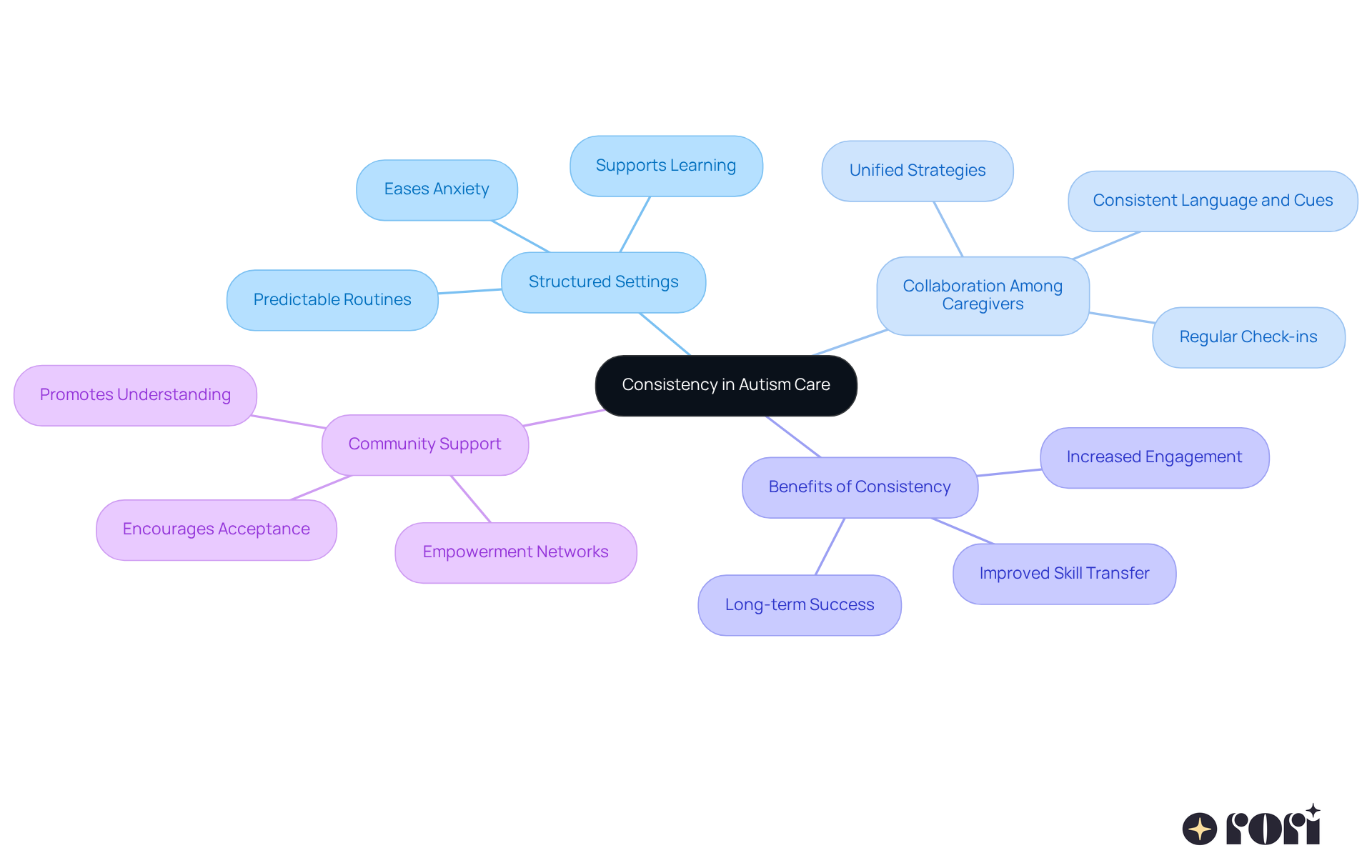
A is essential for creating consistency in care for developmental disorders, which fosters a that encourages learning and growth. Kids with autism often thrive in where they know what to expect and can rely on predictable routines. This kind of consistency not only eases anxiety but also helps young learners focus on picking up new skills.
To really make this work, it’s key for providers and therapists to team up on that everyone can use consistently-whether at home, school, or during therapy sessions. For example, using the same language and cues for behaviors can really boost learning. Plus, having regular sessions and check-ins means that everyone involved in the child’s care is on the same page, which is crucial for achieving the best outcomes.
When caregivers are and recommended hours are fully implemented, we see . Real-life stories show that kids who benefit from are more likely to transfer those skills to different settings, paving the way for . As one supporter beautifully put it, 'Every individual with developmental differences is a distinctive narrative of potential ready to be revealed.' This perspective really underscores how vital it is to embrace a consistent approach in autism care as a cornerstone of developmental care, nurturing an environment where .
And let’s not forget, plays a huge role in strengthening these strategies, creating a network that empowers families and individuals affected by these conditions. So, let’s explore this together! We’re here to help you every step of the way!
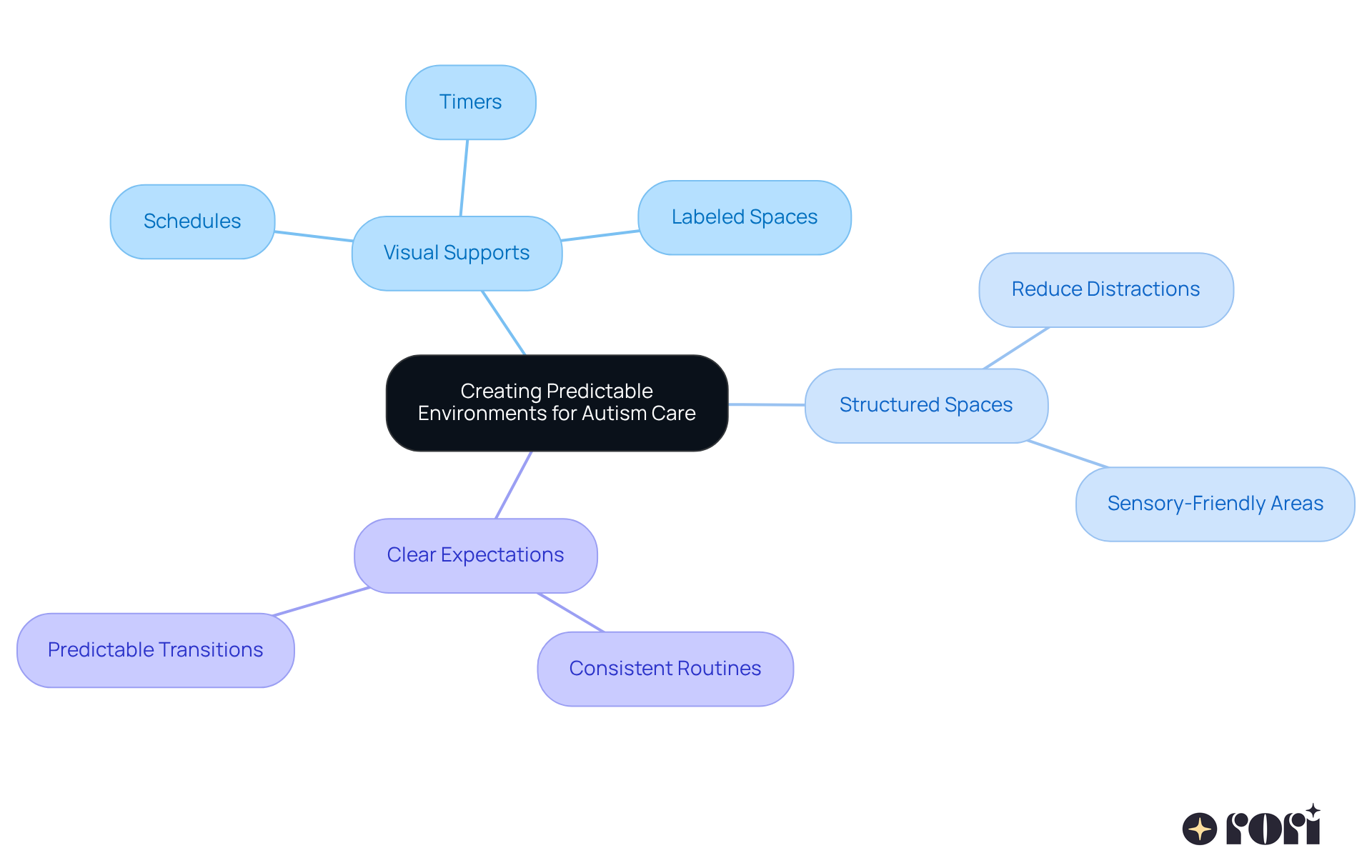
A , which includes creating , is vital for helping individuals with autism learn and grow. A consistent approach in autism care, where things are structured, really helps reduce anxiety and makes expectations clear, allowing young people to thrive. Caregivers can boost predictability by using , timers, and clearly labeled spaces.
For example, visual schedules help kids anticipate transitions and understand their daily routines, which is key for their . Plus, organizing the physical space to cut down on distractions - like lowering noise levels and creating sensory-friendly areas - can really enhance focus and engagement.
Research shows that children who learn in are more likely to benefit from a consistent approach in autism care, which helps them pick up and display . By setting clear expectations and routines, caregivers can create a that encourages a consistent approach in autism care, .
Let’s explore this together! By making small changes, you can help your child thrive in a predictable environment.
is crucial for establishing a . When these key players come together, they can share valuable insights and strategies that enhance a [consistent approach in autism care](https://rori.care/post/4-key-strategies-for-effective-aba-staff-training), thereby .
Regular communication is key! to chat about the student’s progress and any challenges helps ensure everyone is on the same page. Plus, using can make sharing information easier and keep track of the individual’s development. At Rori Care, we even use automatic data collection during sessions, which allows our clinical team to monitor progress without interrupting the therapy process.
For instance, think about how powerful can be. Caregivers and therapists can agree on specific aims for the youth, which not only improves treatment outcomes but also empowers families by involving them in the decision-making process. This way, everyone feels more supported, and the young one benefits from a stronger support system.
Let’s explore this together! Your involvement can .

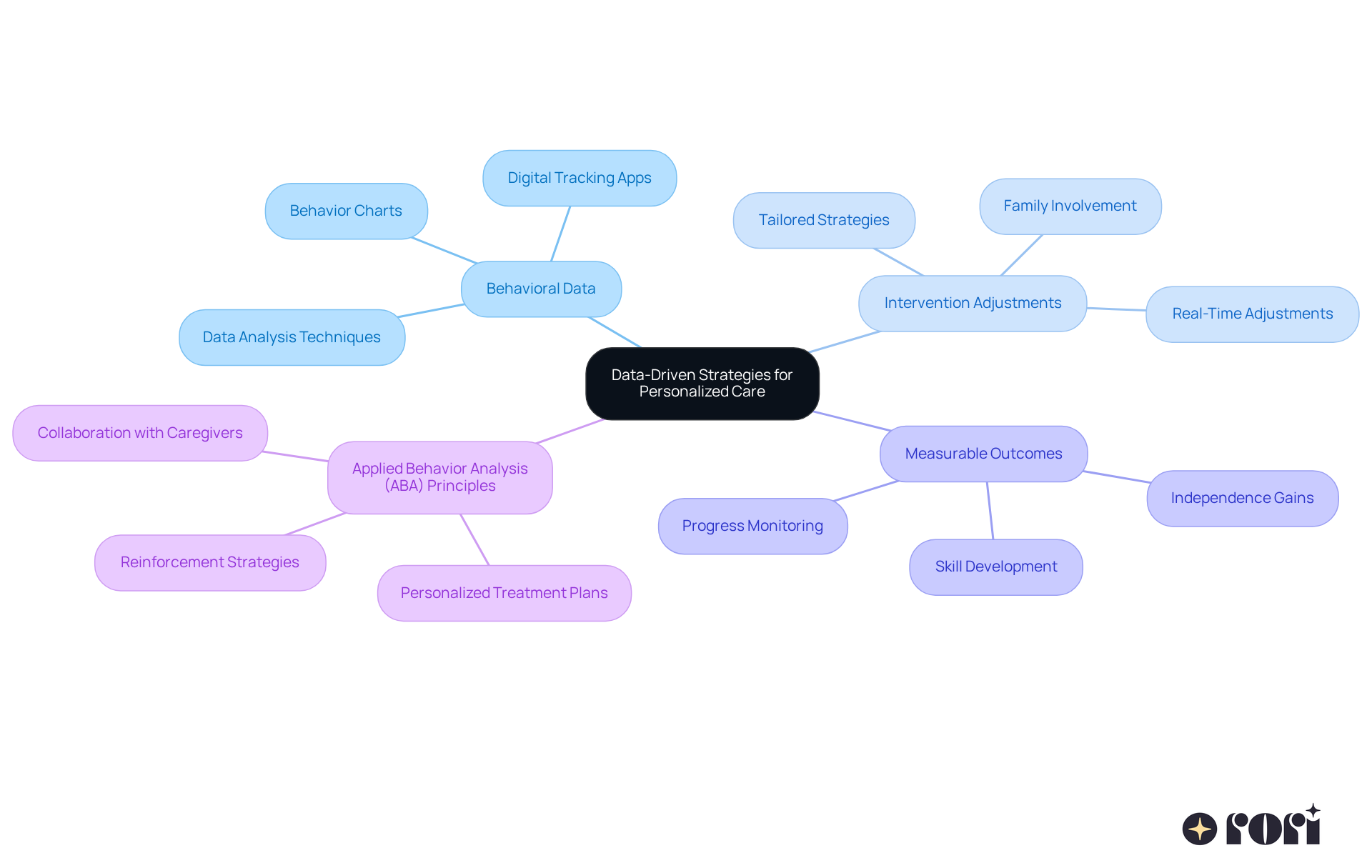
A , particularly through , can really make a difference when caring for children with autism! By collecting and analyzing behavioral data, caregivers and therapists can make smart choices about interventions and necessary adjustments. For example, keeping an eye on specific behaviors over time can help spot patterns that guide treatment strategies. Tools like are super handy for monitoring progress and identifying areas that might need a little extra support.
Research shows that a consistent approach in autism care, which involves using , can boost the effectiveness of interventions. This means caregivers can quickly adjust their strategies based on how the child responds. By focusing on , you can ensure that the methods you’re using truly benefit your child, helping them develop skills and gain more independence. This method reflects a consistent approach in autism care that not only empowers families but also aligns beautifully with the principles of Applied Behavior Analysis (ABA), emphasizing the importance of tailored to each child's unique needs.
So, let’s explore this together! If you’re feeling overwhelmed, remember that you’re not alone. Many parents face similar challenges, and there are resources available to help you navigate this journey. We’re here to every step of the way!
A consistent approach in autism care is like a warm hug for the developmental journey of individuals with autism. By creating predictability and structure, caregivers and therapists set the stage for children to thrive, easing anxiety and opening up new learning opportunities. This dedication to consistency not only helps kids pick up new skills but also supports their emotional regulation, giving them the tools to navigate their world with confidence.
Throughout this article, we’ve highlighted some key strategies that really drive this point home. Think about:
Each of these approaches works hand in hand to ensure every child gets the tailored support they need, paving the way for long-term success.
The importance of a consistent approach in autism care is truly immense. It’s a team effort that brings together families, caregivers, and professionals, all working towards a shared goal. By embracing these strategies and building a supportive community, we can all play a part in creating a brighter future for individuals with autism. The journey might have its bumps, but with commitment and collaboration, every child can reach their full potential and truly thrive. Let’s explore this together!
Why is consistency important in autism care?
Consistency is essential in autism care as it fosters a supportive environment that encourages learning and growth. Children with autism thrive in structured settings where they can rely on predictable routines, which helps ease anxiety and allows them to focus on acquiring new skills.
How can providers and therapists ensure a consistent approach?
Providers and therapists can ensure a consistent approach by collaborating on specific strategies and interventions that can be applied consistently across different settings, such as home, school, and therapy sessions. Using the same language and cues for behaviors is also beneficial.
What role do regular sessions and check-ins play in autism care?
Regular sessions and check-ins are crucial as they ensure that everyone involved in the child's care is aligned and on the same page, which is vital for achieving the best outcomes in the child's development.
What is the impact of caregiver involvement in autism care?
When caregivers are actively involved and recommended hours of care are fully implemented, significant progress is observed in about 90% of young individuals with autism.
How do consistent routines and strategies affect skill transfer?
Kids who benefit from consistent routines and strategies are more likely to transfer those skills to different settings, which contributes to their long-term success in development.
What is the significance of community support in autism care?
Community support plays a significant role in strengthening autism care strategies by creating a network that empowers families and individuals affected by developmental conditions.