Navigating the world of autism treatment can feel overwhelming, can’t it? Especially when you think about how crucial consistency is for positive outcomes. Research shows that structured environments and predictable routines can really help ease anxiety and boost learning and emotional regulation for kids on the autism spectrum.
But here’s the big question: how can caregivers put these strategies into action to make sure that consistency leads to real progress? In this article, we’ll explore four key strategies designed to empower caregivers and enhance the effectiveness of autism treatment. Let’s dive in together!
When it comes to autism treatment, consistency in autism treatment is key, especially in . Kids with autism really thrive in organized environments where they know what to expect. You know, having a routine can make a world of difference! Research shows that sticking to consistent routines can help reduce anxiety, encourage positive behaviors, and boost skill learning.
For example, a study highlighted in the Journal of Autism and Developmental Disorders found that children who received consistent reinforcement of their skills showed impressive improvements in applying what they learned in different situations. By creating a stable environment, caregivers can really help foster a space that’s great for learning and emotional balance. This ultimately leads to better outcomes for those on the autism spectrum.
Having organized routines not only helps kids anticipate and manage their experiences but also sets the stage for better information retention and skill application. Plus, there are plenty of case studies that back this up, showing that using ABA strategies consistently can enhance adaptive behaviors, social skills, and emotional regulation.
In short, bringing consistency in autism treatment doesn’t just help with behavior; it empowers individuals with autism to navigate their world more effectively. So, let’s explore this together and see how we can make a positive impact!
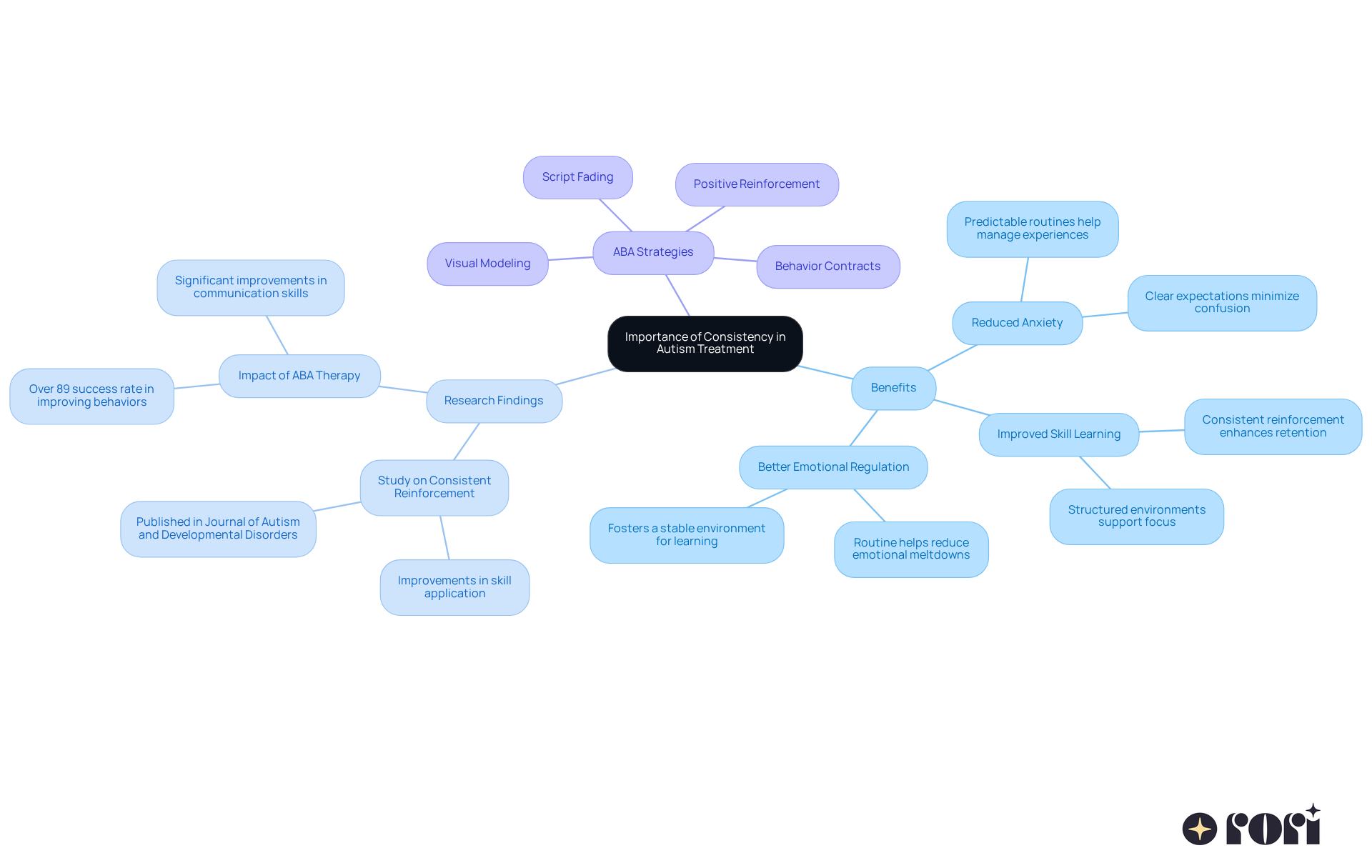
To ensure consistency in ABA therapy, caregivers can adopt several key strategies that really make a difference:
Let’s explore this together! Remember, you’re not alone on this journey, and we’re here to help you every step of the way!
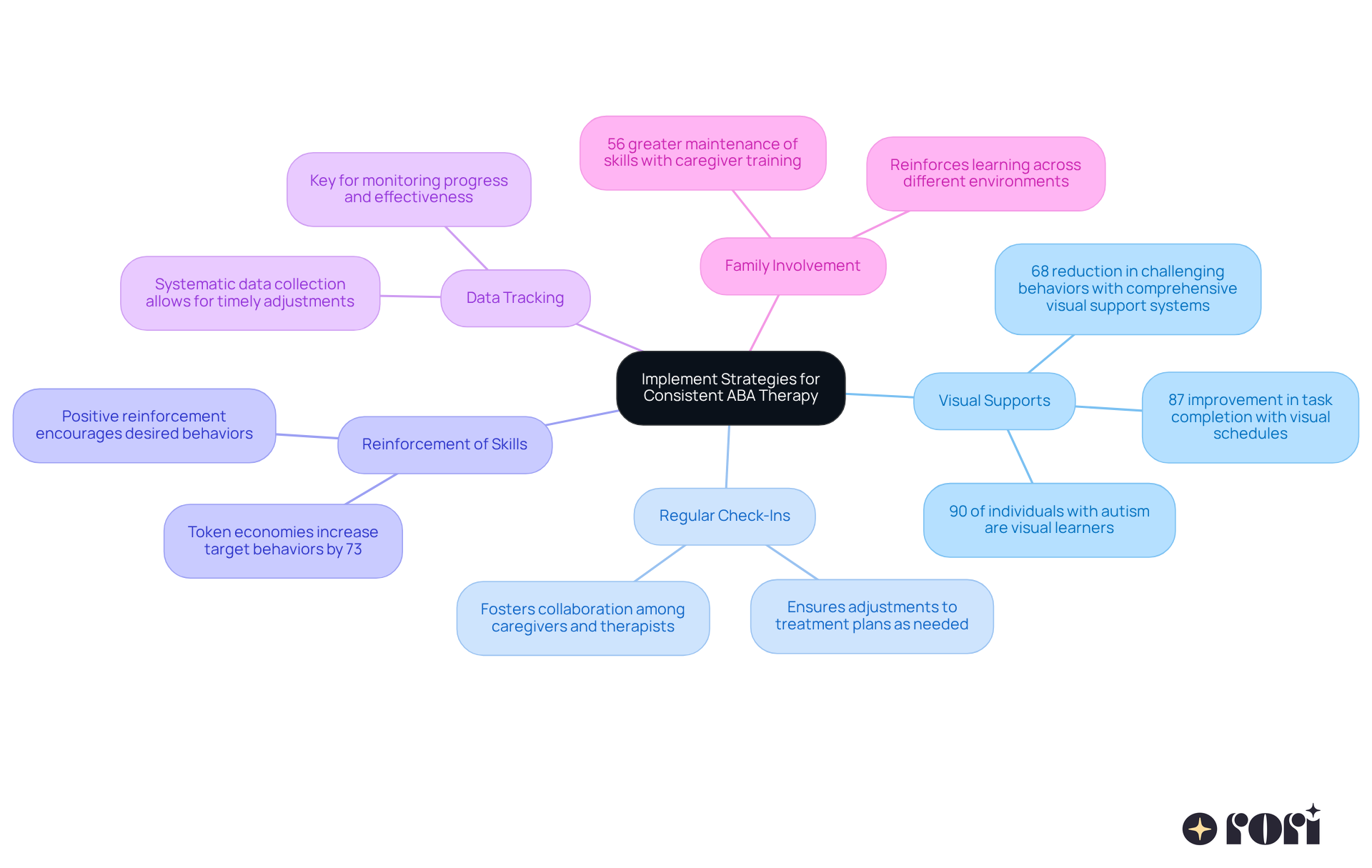
Effective communication among everyone involved in a young one's care is key to achieving consistency in autism treatment. Here are some friendly strategies to help foster collaboration:
Case Study: Let’s take a look at Ethan’s journey. After a year in an ABA-based early intervention program, he managed to cut down his frustration and tantrums by 70%! Regular meetings between his parents and therapists allowed for tailored strategies that met his specific needs, demonstrating the role of consistency in autism treatment in achieving positive outcomes.
So, what do you think? Let’s explore this together!

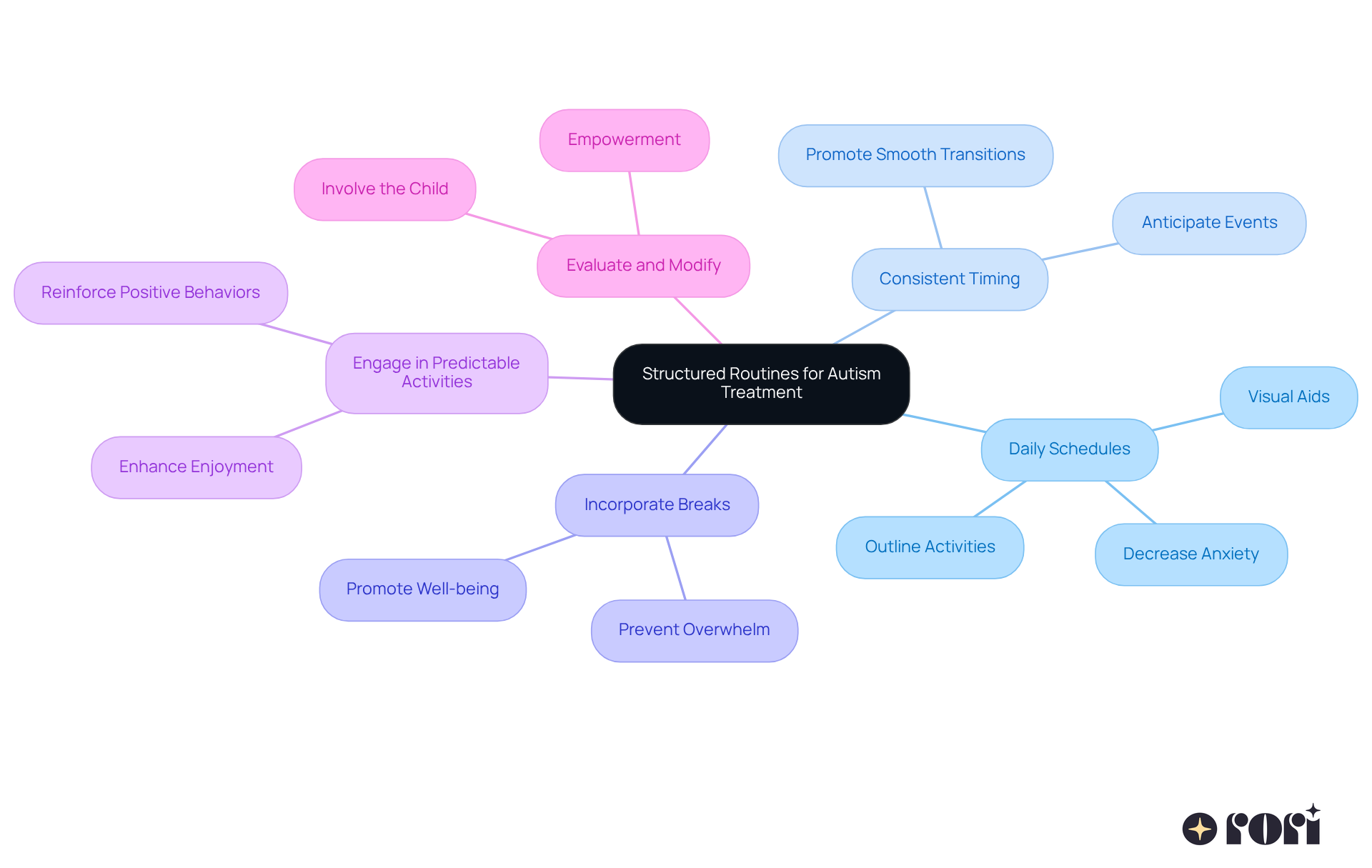
Creating organized routines is essential for achieving consistency in autism treatment for individuals with autism. It helps bring predictability and safety to their everyday experiences. One effective approach is Applied Behavior Analysis (ABA), a personalized therapy that adapts to each person's unique needs, using the science of learning and behavior. Let’s explore some effective strategies to create and maintain these routines together:
Research shows that consistency in autism treatment, particularly through predictable routines, can significantly improve emotional regulation and decrease behavioral challenges. They offer kids a stable framework to thrive. By implementing these strategies, you can create an environment that supports learning and development, ultimately leading to better long-term outcomes for children with autism. We’re here to help you every step of the way!
When it comes to autism treatment, consistency isn’t just helpful; it’s a game changer! Think of it as the backbone of effective therapies like Applied Behavior Analysis (ABA). By setting up structured routines and sticking to consistent strategies, caregivers can create a nurturing environment that not only promotes learning but also eases anxiety and supports emotional stability for those on the autism spectrum.
Let’s dive into some key strategies that can help achieve this consistency:
Each of these strategies plays a vital role in making sure kids feel secure and can truly thrive in their learning spaces. This leads to better behavioral outcomes and helps them retain skills more effectively.
It’s clear that the importance of consistency in autism treatment is huge! It empowers caregivers, therapists, and families to come together and work towards shared goals. This unified approach enhances the developmental journey for individuals with autism. By embracing these strategies and keeping the lines of communication open, everyone involved can make a positive impact on the treatment experience. Remember, committing to consistency is a powerful way to unlock the potential of those on the autism spectrum, paving the way for a brighter future. Let’s explore this together!
Why is consistency important in autism treatment?
Consistency is key in autism treatment, particularly in Applied Behavior Analysis (ABA) therapy, as it helps children thrive in organized environments where they know what to expect. It reduces anxiety, encourages positive behaviors, and boosts skill learning.
How does having a routine benefit children with autism?
Having a routine helps children with autism anticipate and manage their experiences, leading to better information retention and skill application. It creates a stable environment that fosters learning and emotional balance.
What research supports the importance of consistency in autism treatment?
A study highlighted in the Journal of Autism and Developmental Disorders found that children who received consistent reinforcement of their skills showed impressive improvements in applying what they learned in different situations.
What outcomes can be expected from consistent autism treatment?
Consistent autism treatment can enhance adaptive behaviors, social skills, and emotional regulation, ultimately empowering individuals with autism to navigate their world more effectively.
How can caregivers create a stable environment for children with autism?
Caregivers can create a stable environment by establishing organized routines and consistently using ABA strategies, which can lead to better learning outcomes and emotional stability for children on the autism spectrum.