Understanding and supporting the unique needs of children with autism can feel overwhelming for parents and caregivers. 😟 It’s not just about the challenges; it’s about finding ways to help your child thrive! Executive functioning can often be a tough hurdle, but there’s a silver lining. Let’s explore some practical methods that can nurture essential skills like organization, attention, and memory.
How can you, as a caregiver, tap into these strategies? It’s all about enhancing your child’s daily functioning while also fostering a sense of independence and achievement. Together, we can make a difference! This article dives into four actionable approaches that promise to empower children with autism, paving the way for their success in various aspects of life. Let’s explore this journey together!
At Behavioral Innovations Inc., we understand the unique challenges that parents face when it comes to supporting their children with autism. Our data-focused approach in ABA therapy emphasizes the use of practical methods for supporting executive functioning development in children on the autism spectrum by providing individualized assistance. Through thorough evaluations, our clinicians pinpoint each child's distinct strengths and challenges, ensuring that therapy is .
For example, imagine a healthcare provider using AI-driven technologies to enhance treatment plans. This allows for real-time adjustments based on how the child is progressing. This kind of personalized approach is crucial for nurturing essential skills such as planning, organization, and impulse control, as it represents practical methods for supporting executive functioning development in children on the autism spectrum.
Research shows that kids who receive personalized interventions often see significant improvements in these areas. Many even achieve measurable gains in communication and social skills! By integrating advanced technology into our therapy, Rori Behavioral Innovations Inc. is setting a new standard for effective care, making sure every child has the chance to thrive.
Let’s explore this together! If you’re looking for ways to support your child, we’re here to help you every step of the way!

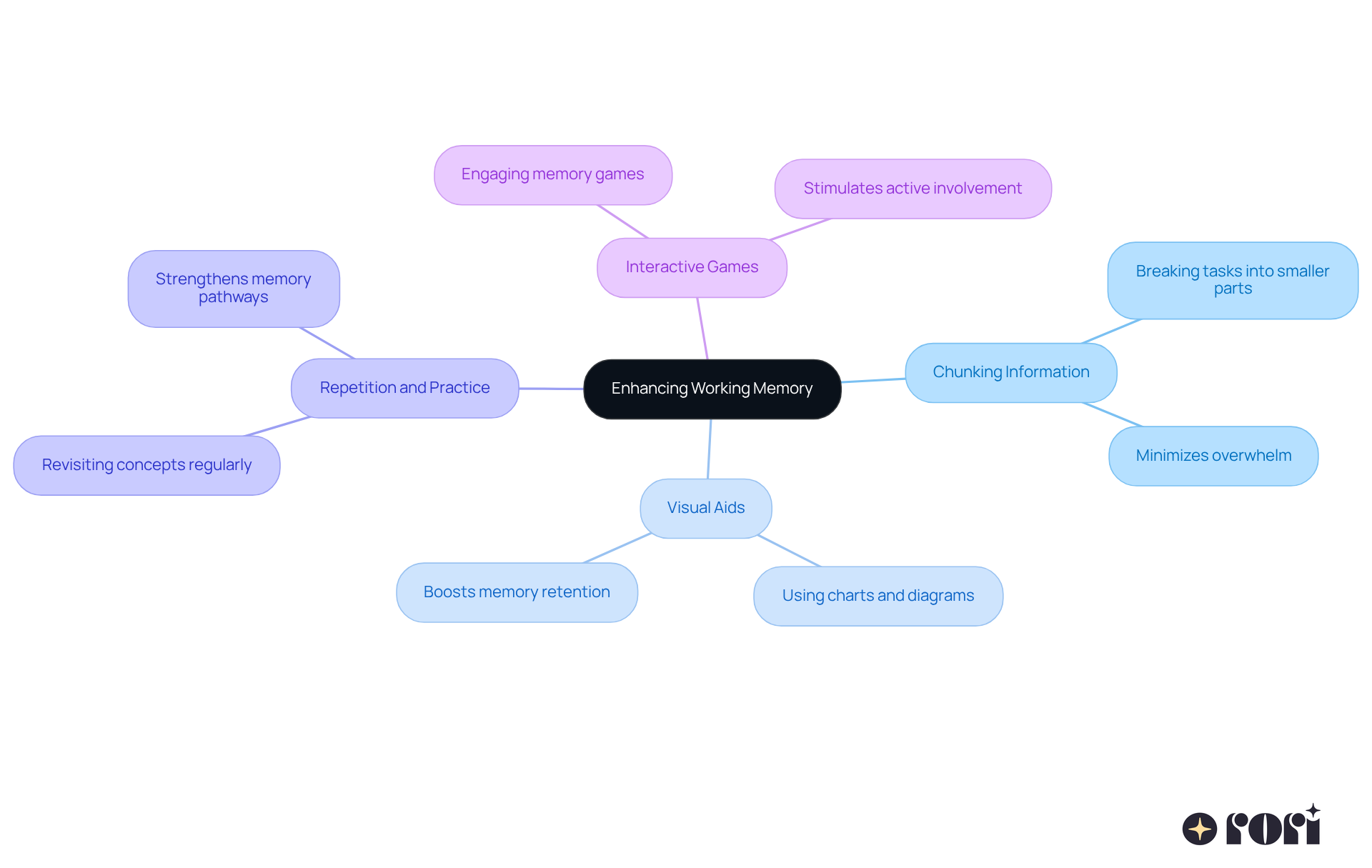
Enhancing working memory in young individuals with autism can feel like a big task, but there are some friendly strategies that can really help! Let’s explore this together!
By implementing practical methods for supporting executive functioning development in children on the autism spectrum, you can see some real improvements in working memory, which can enhance your child’s academic performance and daily life. Plus, using Applied Behavior Analysis (ABA) tailored to each child’s unique needs can enhance these strategies even further.
And let’s not forget about the role of caregiver education! When parents are equipped with the right knowledge and skills, it leads to and improved outcomes for the whole family. We’re here to help you every step of the way!
Organized activities can really make a difference in helping young individuals with autism improve their organizational skills. At Care, we’re all about personalized planning and measurable goals, and this service is here for individuals of all ages facing behavioral challenges or skill deficits, including those with Autism Spectrum Disorders, ADHD, and learning disabilities. Let’s dive into some effective methods that can help:
These structured activities serve as practical methods for supporting executive functioning development in children on the autism spectrum, enhancing their organizational skills and helping them navigate their daily lives more effectively. This fosters a sense of achievement and independence, aligning with Rori Care’s mission to support neurodiversity and individual success. Our clinical leadership team is dedicated to helping young individuals thrive through these evidence-based strategies. Let’s explore this together!

To help children with autism focus better, let’s explore some engaging techniques that can make a real difference:
By incorporating practical methods for supporting executive functioning development in children on the autism spectrum into daily routines, caregivers can create a lively and enjoyable learning environment that truly fosters attention and engagement. Let’s explore this together!

Supporting executive functioning in children with autism isn’t just a goal; it’s a vital journey toward fostering independence and enhancing overall quality of life. By using practical methods tailored to each child’s unique needs, caregivers can truly make a difference in areas like working memory, organization, and attention.
Throughout this article, we’ve explored strategies like:
These are effective ways to boost executive functioning skills! Engaging techniques such as interactive activities and mindfulness practices also help create a supportive learning environment that encourages focus and retention. Each of these methods reinforces the idea that personalized interventions can lead to real improvements in communication, social skills, and daily functioning.
Ultimately, supporting children with autism requires collaboration, understanding, and the right tools. By embracing these practical strategies and staying committed to individualized support, caregivers can empower their children to navigate their world more effectively. The path to enhancing executive functioning is paved with patience and dedication, but the rewards of seeing children thrive are truly immeasurable. Let’s explore this journey together!
What is Rori Care's approach to ABA therapy for children with autism?
Rori Care uses a data-focused approach in ABA therapy that emphasizes practical methods to support executive functioning development in children on the autism spectrum through individualized assistance.
How does Rori Care personalize therapy for each child?
Clinicians at Rori Care conduct thorough evaluations to identify each child's unique strengths and challenges, ensuring that therapy is tailored to meet their specific needs.
What role does technology play in Rori Care's therapy?
Rori Care integrates AI-driven technologies to enhance treatment plans, allowing for real-time adjustments based on the child's progress.
What skills does Rori Care aim to develop in children through their therapy?
Rori Care focuses on nurturing essential skills such as planning, organization, and impulse control in children on the autism spectrum.
What are the expected outcomes of personalized interventions in Rori Care's therapy?
Research indicates that children who receive personalized interventions often see significant improvements in executive functioning, communication, and social skills.
How does Rori Care ensure effective care for children?
By integrating advanced technology into their therapy and emphasizing personalized approaches, Rori Care aims to set a new standard for effective care, ensuring that every child has the opportunity to thrive.
How can parents get support from Rori Care for their child?
Rori Care offers support to parents by providing individualized therapy and guidance every step of the way in helping their child.