Creating consistent routines and structures in ABA therapy for autism isn’t just helpful - it can truly change lives! These frameworks bring a sense of predictability, which can really help reduce anxiety and create a space where young individuals can flourish. As caregivers, we often face the complexities of autism, and it can be a challenge to find effective strategies that meet each child’s unique needs.
So, what are some proven routines that can boost emotional regulation and skill development? These routines can lead to better behavioral outcomes, and we’re here to explore this together! Let’s dive into some ideas that might resonate with your experiences and help you feel more equipped on this journey.
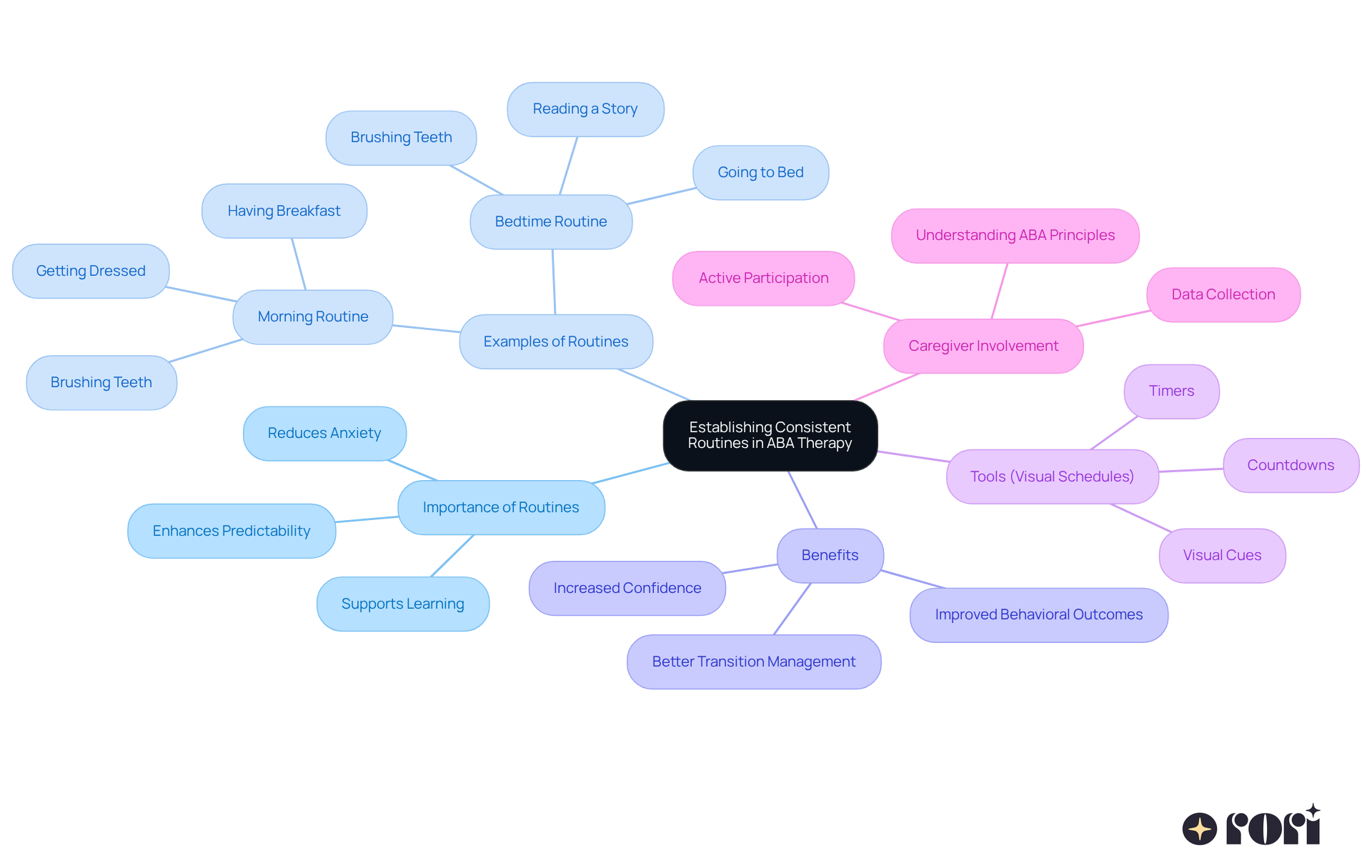
Establishing routine and structure in ABA therapy for autism is crucial for young individuals. It helps create an organized environment where they can truly thrive! Predictability in daily activities, supported by routine and structure in ABA therapy for autism, can really cut down on anxiety, allowing these young ones to anticipate what’s coming next. This is especially helpful for those who find unexpected changes a bit tricky.
For example, think about a morning routine that includes specific tasks - like brushing teeth, getting dressed, and having breakfast. Clearly outlining and repeating each step every day establishes routine and structure in ABA therapy for autism, making a world of difference. This repetition not only reinforces learning but also builds confidence as young learners master each task.
Did you know that studies show kids who have routine and structure in ABA therapy for autism often see better behavioral outcomes? In fact, about 90% of youngsters make significant progress when suggested hours are followed closely with active caregiver involvement. That’s pretty encouraging!
Visual schedules are fantastic tools that help provide routine and structure in ABA therapy for autism. They help establish organized sequences, making it easier for kids to understand their daily tasks. Caregivers play a crucial role here. By being familiar with ABA principles and strategies, they can actively support their child’s behavioral goals through consistent practices that incorporate routine and structure in ABA therapy for autism, as well as data collection.
Now, I get it - busy families might find it tough to maintain these routines. But focusing on just a few key daily tasks can really help create stability without overwhelming your schedule. By implementing routine and structure in ABA therapy for autism, you can foster a stable environment that supports your child’s growth and learning. Plus, it can enhance the impressive success rate of over 89% for ABA therapy in helping individuals with ASD.
Let’s explore this together! We’re here to help you every step of the way!
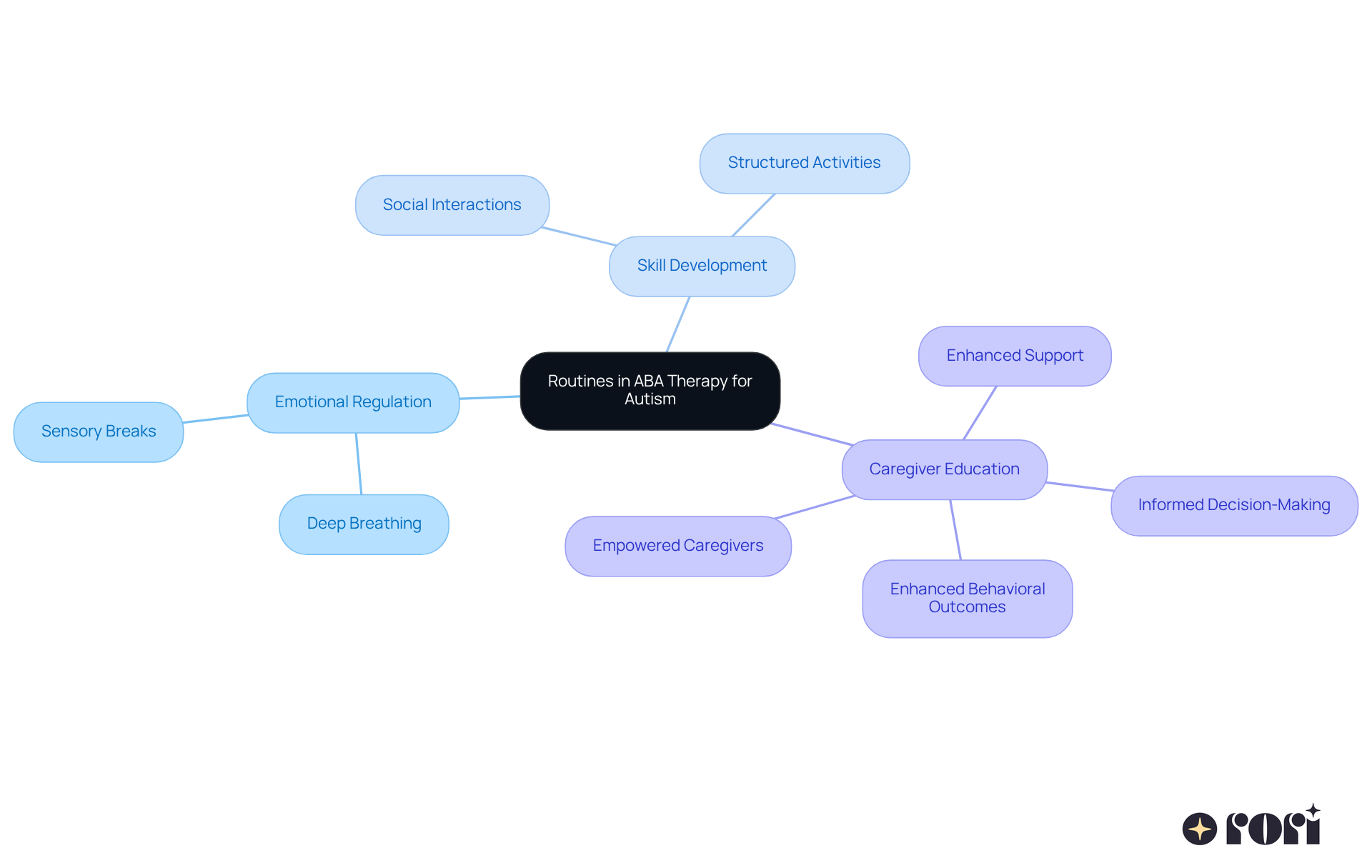
The routine and structure in ABA therapy for autism can be a game-changer for emotional regulation, especially for kids with autism. They fit perfectly into the routine and structure in ABA therapy for autism, which emphasizes a patient-centered approach. By weaving emotional regulation techniques into daily life, caregivers can help little ones recognize and manage their feelings more effectively. For example, adding calming activities like deep breathing or sensory breaks to a child's routine can equip them with the tools they need to navigate overwhelming situations.
And it doesn’t stop there! You can also design schedules that include opportunities for skill-building, like social interactions during playtime or structured activities. This not only boosts emotional resilience but also helps kids pick up essential life skills. Research shows that children who follow routines focused on emotional regulation face fewer behavioral challenges and develop better social skills. That’s why routine and structure in ABA therapy for autism is such an important component.
Now, let’s talk about the role of education for those supporting these kids. It’s crucial for empowering parents with ABA principles and strategies, allowing them to align their support with therapeutic goals and enhance their child’s growth. Here are some benefits of caregiver education:
Let’s explore this together! Your journey in supporting your child can be filled with learning and growth, and we’re here to help you every step of the way!
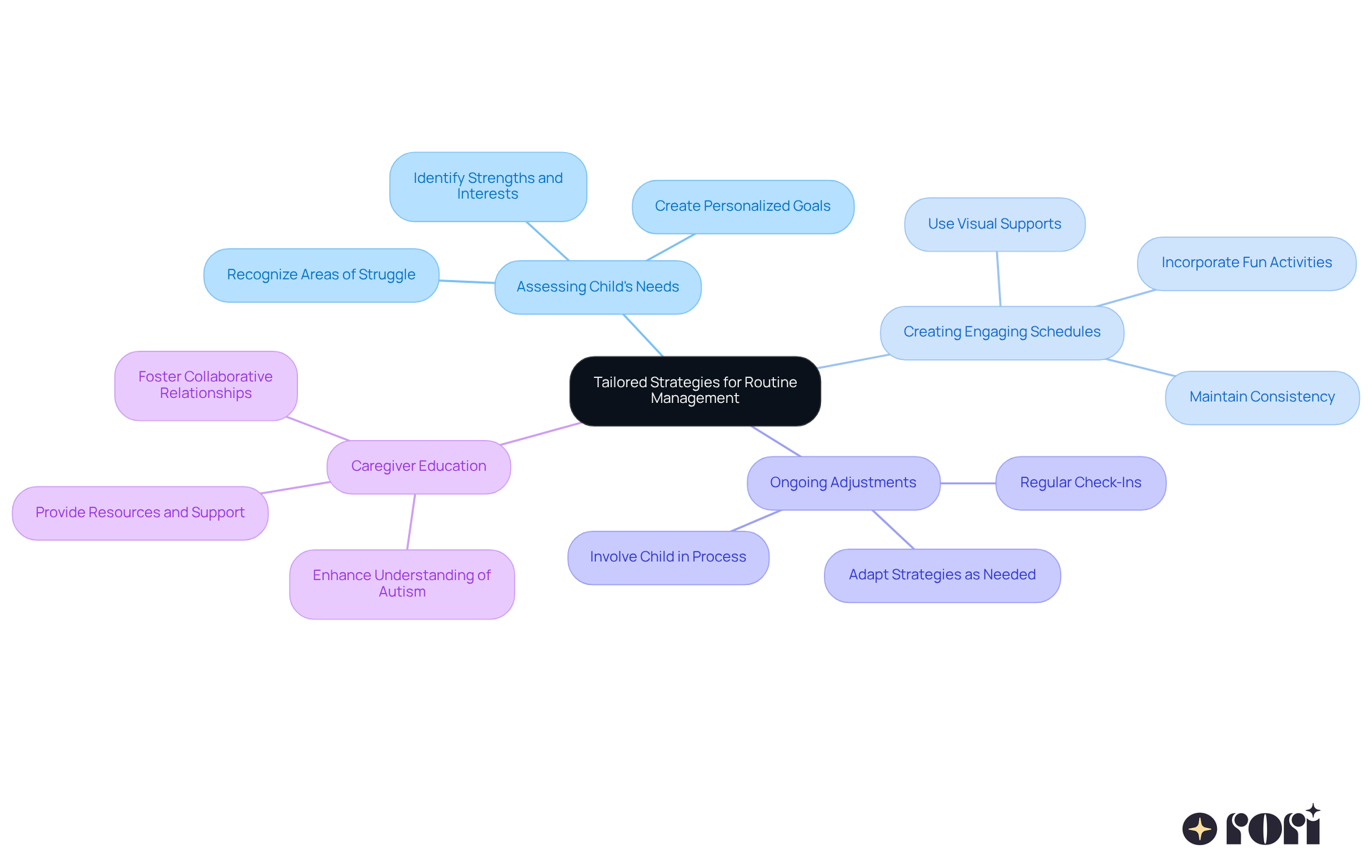
To really make the most of ABA therapy, it’s all about using strategies that fit each child’s unique needs. It all starts with a thorough look at what your little one is good at, what they enjoy, and where they might struggle. This helps create a schedule that’s not just effective but also fun!
Visual schedules can be a game changer, helping kids grasp the flow of activities. This makes transitions smoother and can ease any anxiety they might feel. Plus, when you sprinkle in some enjoyable elements, you’ll likely see a boost in motivation and participation!
It’s super important to keep checking in and adjusting these strategies as your child grows and shares their thoughts. This personalized approach not only gives them a sense of ownership over their schedule but also empowers them to dive into their learning and development. Research backs this up - customized practices really do enhance engagement and skill-building!
And let’s not forget about the role of caregiver education. When parents are informed and supported, it leads to better behavioral outcomes and a happier family dynamic. So, let’s explore this together and see how we can make a positive impact!
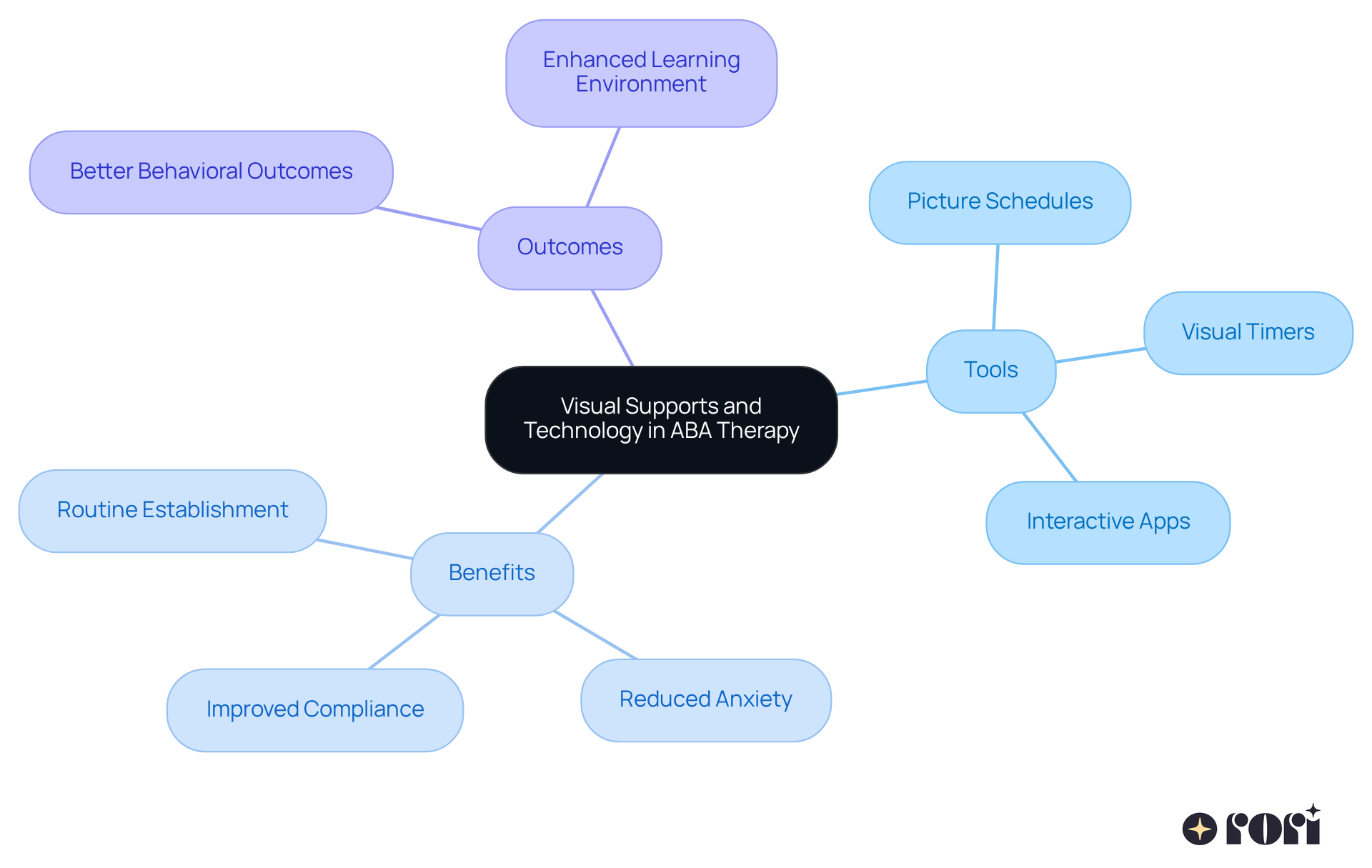
Visual aids and technology play a vital role in supporting individuals with autism. Tools like picture schedules, visual timers, and interactive apps offer clear, tangible representations of daily activities, which are essential for establishing routine and structure in ABA therapy for autism, helping kids understand and follow their routines. For example, a visual schedule that breaks down a morning routine can help children anticipate what’s next, reducing anxiety and boosting compliance.
Research shows that kids using visual supports alongside ABA therapy often complete tasks more successfully and face fewer behavioral challenges. Plus, integrating smart interaction technologies, especially for preschoolers, has led to impressive improvements in social, cognitive, and behavioral skills.
By incorporating routine and structure in ABA therapy for autism into everyday routines, caregivers create a more supportive and effective learning environment tailored to each child's unique needs. This not only enhances their understanding of ABA principles but also empowers them to make informed decisions. Ultimately, this leads to better behavioral outcomes and supports their child's developmental goals.
Let’s explore this together! If you’re looking for ways to enhance your child’s learning experience, these tools could be just what you need.
Creating consistent routines and structures in ABA therapy for autism is so important for helping children thrive. These routines bring predictability, which can really ease anxiety, and they also boost learning by letting kids know what to expect each day. When caregivers implement structured approaches, they build a stable framework that supports their child's growth and development.
Throughout this article, we’ve highlighted some key strategies, like using visual schedules, emotional regulation techniques, and personalized routine management. These tools empower caregivers to effectively support their children, ensuring that each child’s unique needs are met while promoting skill development and emotional resilience. Plus, when caregivers engage through education, it really enhances the effectiveness of these strategies, leading to better behavioral outcomes and a more harmonious family dynamic.
The importance of routine and structure in ABA therapy is truly significant. By embracing these practices, caregivers not only equip their children with the tools they need for success but also gain a deeper understanding of their individual needs. This commitment to structured routines is a vital step toward improving the overall quality of life for children with autism. So, let’s explore and implement these best practices together in our daily lives!
Why is establishing routines important in ABA therapy for autism?
Establishing routines in ABA therapy for autism is crucial as it creates an organized environment that fosters predictability, reduces anxiety, and helps young individuals anticipate daily activities.
How do routines help reduce anxiety in children with autism?
Routines help reduce anxiety by providing predictability in daily activities, which is especially beneficial for children who struggle with unexpected changes.
Can you give an example of a routine that might be used in ABA therapy?
An example of a routine in ABA therapy could be a morning sequence that includes specific tasks like brushing teeth, getting dressed, and having breakfast, which are clearly outlined and repeated each day.
What impact do routines have on learning and confidence in young learners?
Routines reinforce learning through repetition and help build confidence as young learners master each task.
What do studies indicate about the effectiveness of routines in ABA therapy?
Studies show that children with routine and structure in ABA therapy often see better behavioral outcomes, with about 90% making significant progress when suggested hours are closely followed with active caregiver involvement.
How can visual schedules assist in establishing routines?
Visual schedules help provide routine and structure by establishing organized sequences, making it easier for children to understand their daily tasks.
What role do caregivers play in maintaining routines in ABA therapy?
Caregivers play a crucial role by being familiar with ABA principles and strategies, actively supporting their child's behavioral goals, and incorporating routine and structure in therapy.
What should busy families focus on to maintain routines without feeling overwhelmed?
Busy families can focus on just a few key daily tasks to create stability in routines without overwhelming their schedules.
What is the success rate of ABA therapy for individuals with autism?
ABA therapy has an impressive success rate of over 89% in helping individuals with Autism Spectrum Disorder (ASD).