Introduction
Building self-esteem is so important for nurturing well-being, especially for young individuals on the autism spectrum. In public settings, where social interactions can feel a bit overwhelming, fostering a sense of self-worth is key to navigating these challenges with confidence. Let’s explore some practical strategies that caregivers can use to empower children with autism, boosting their self-esteem and social skills in various environments. How can these approaches not only transform their public interactions but also enhance their overall emotional health?
As parents, we know how tough it can be to watch our kids struggle in social situations. It’s heart-wrenching, isn’t it? But by focusing on building their self-esteem, we can help them feel more confident and capable. Imagine your child walking into a room full of people, feeling proud of who they are. That’s the goal!
In this article, we’ll dive into some relatable examples and supportive information that can guide you on this journey. Together, we can create a nurturing environment that encourages our children to thrive. So, let’s take this step together and explore how we can make a positive impact on their lives!
Understand the Importance of Self-Esteem in Public Settings
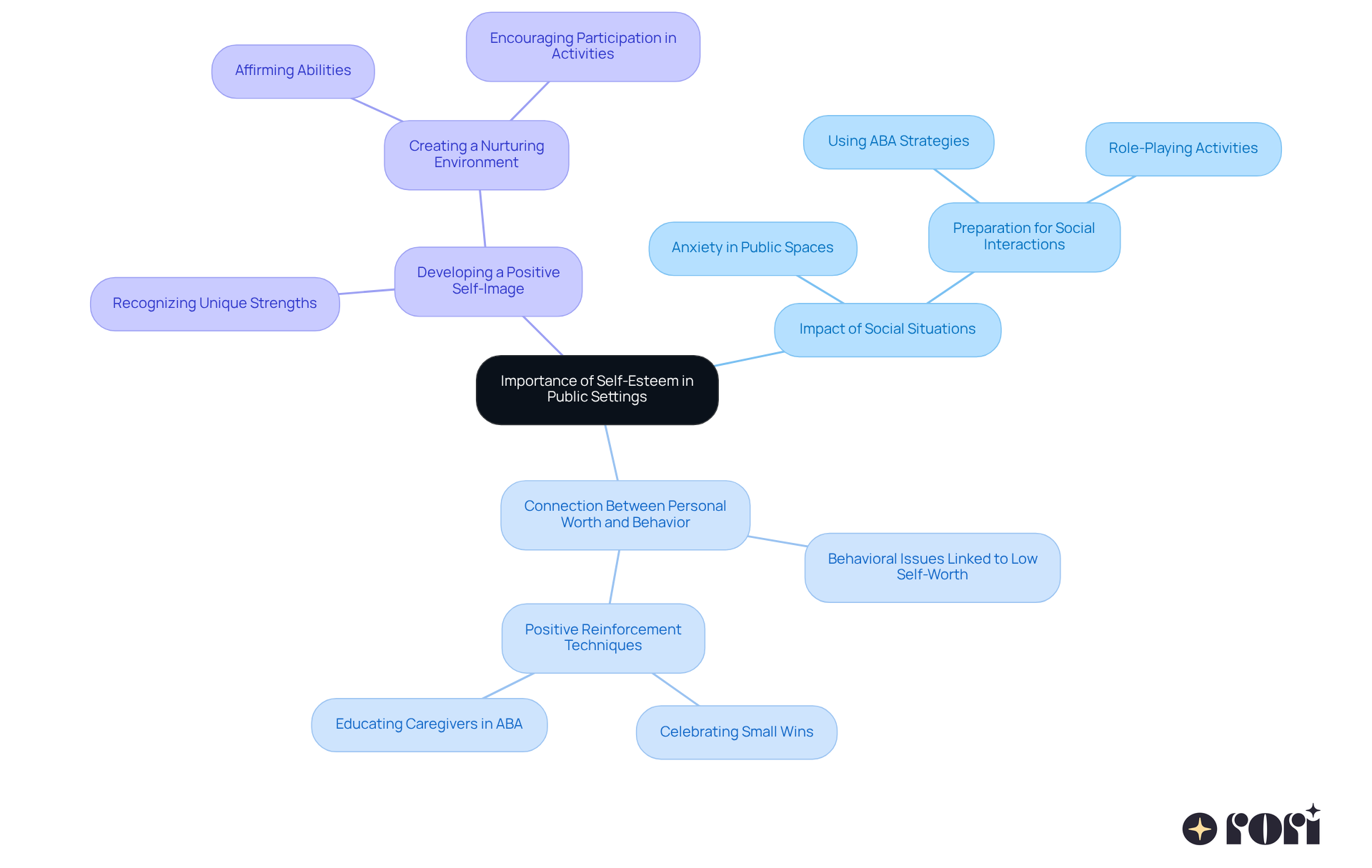
Self-esteem is such an important part of a young person's overall well-being, especially for those on the autism spectrum. In public settings, is essential for helping kids face the that can really shake their confidence. By recognizing the , parents and caregivers can truly understand how it affects behavior and relationships.
- Recognize the Impact of Social Situations: Kids with autism frequently feel anxious in public spaces, which can lead to feelings of inadequacy. Acknowledging this reality helps caregivers prepare their children for social interactions, which is crucial for , easing anxiety and boosting confidence. Using , like role-playing, can be a fun way for kids to practice and feel more at ease in these situations.
- Connection Between Personal Worth and Behavior: Research shows that can lead to behavioral issues, withdrawal, and increased anxiety. Grasping this connection is key to developing effective strategies that encourage . Educating caregivers in ABA can empower parents to use reinforcement techniques that , helping to build their children's confidence.
- Helping kids is essential for , enabling them to navigate these environments with confidence. This means recognizing their unique strengths and celebrating what makes them special, which can significantly boost their self-esteem and overall quality of life. Caregivers can create a by consistently affirming their children's abilities and encouraging them to join in activities that highlight their strengths.
By focusing on these areas, parents can help their children thrive in social situations, leading to improved emotional well-being and social skills. Let’s explore this together! We're here to !
Create a Supportive Home Environment
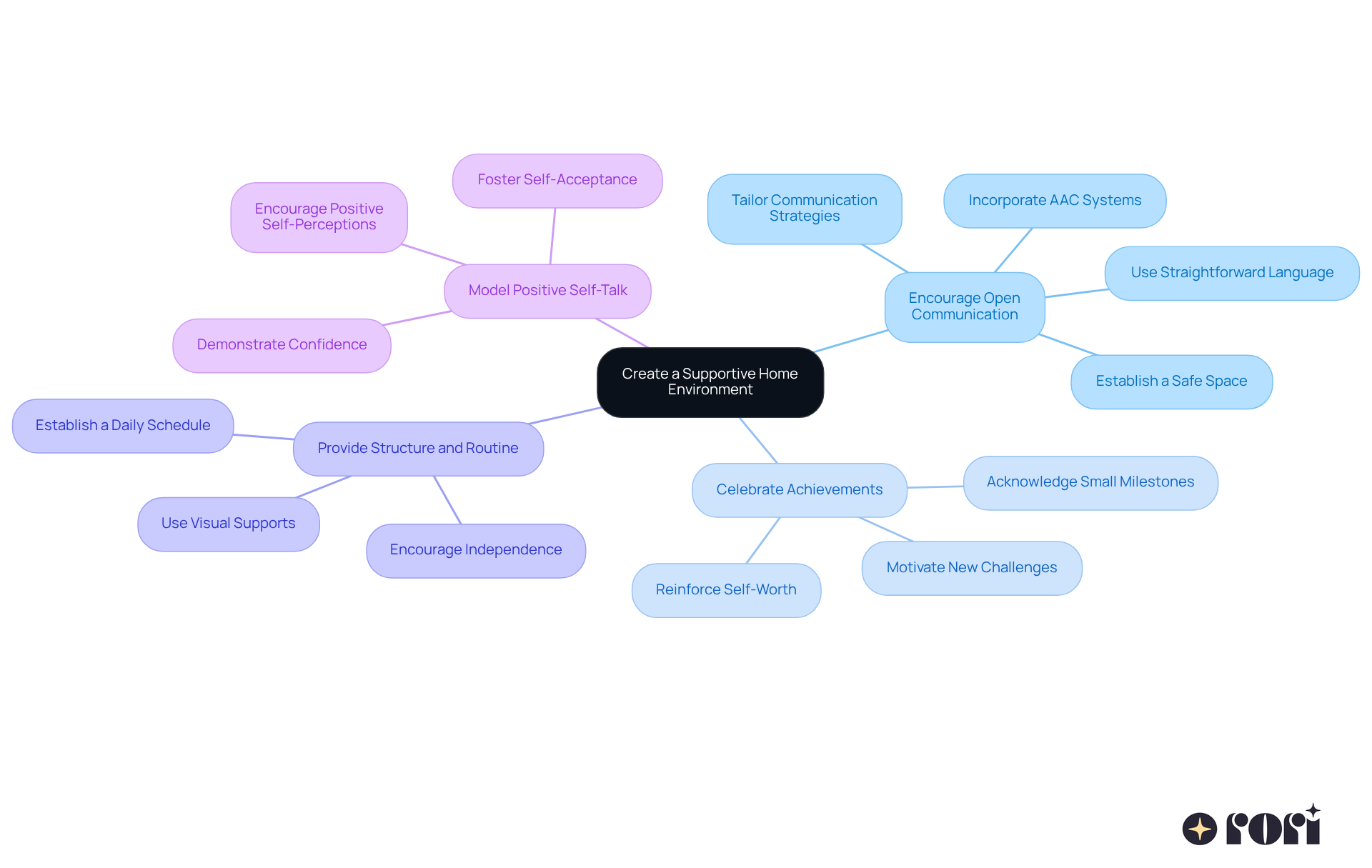
Creating a nurturing home environment is so important for . is a personalized therapy that adapts to your unique needs, tapping into the science of learning and behavior. Let’s explore some effective steps to cultivate such an environment:
- Encourage Open Communication: It’s crucial to establish a safe space where your young one can freely express their thoughts and feelings. This openness helps them articulate their experiences and is essential for . Using straightforward language and AAC systems can really help with comprehension and self-expression, which is vital for individuals with autism. Plus, ABA can tailor communication strategies to fit your child’s specific needs.
- : Don’t forget to regularly acknowledge and celebrate your child’s accomplishments, no matter how small! Recognizing these milestones reinforces their self-worth and motivates them to embrace new challenges. Celebrating achievements boosts self-esteem in youngsters undergoing ABA therapy, which is effective for and enhancing their learning and interpersonal skills.
- : Establishing a reliable daily schedule can foster a sense of security and confidence in your child. Predictability in their lives can significantly ease anxiety when they face new social situations. Using visual supports to create not only reduces anxiety but also . This structured approach is a key part of , which has shown great success in improving learning outcomes.
- Model : Showcasing and self-acceptance in your interactions can make a big difference. Kids often emulate their parents' attitudes, so demonstrating confidence can empower them to develop their own positive self-image. Positive self-perceptions are essential for the self-worth of autistic individuals. By fostering an environment that encourages self-acceptance, you’re helping your child build independence through essential skill development.
Implement Practical Strategies for Public Interactions
Helping children with autism through in public settings can be a rewarding journey. Here are some practical strategies to consider:
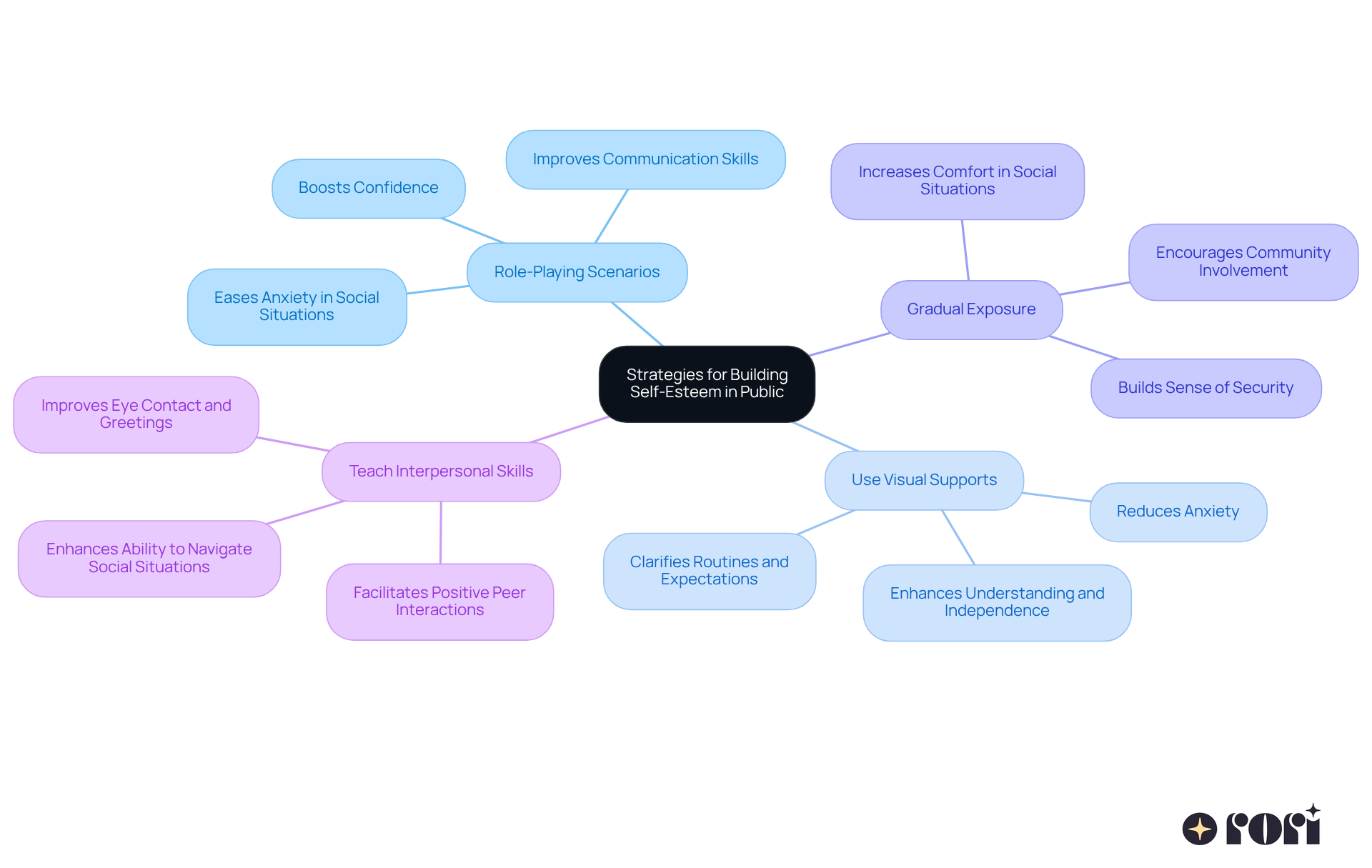
- Role-Playing Scenarios: Have you ever thought about how ? By practicing common public interactions, kids can get used to social cues and expectations, which helps ease their . Engaging in organized role-playing has shown to improve , with many young individuals feeling more comfortable starting conversations and connecting with their peers.
- Use : like stories, picture schedules, and visual timers can be game-changers for children with autism. These tools help clarify routines and expectations, making public settings feel more predictable. When kids regularly use , it can lower their anxiety and improve their understanding, leading to more confident interactions. Research even suggests that these aids can reduce challenging behaviors and enhance social experiences in public.
- Gradual Exposure: Think about introducing your child to public environments slowly, starting with less crowded places. This way, they can get used to new settings at their own pace, which helps build their sense of security and confidence. and less overwhelm, with many children reporting increased comfort and confidence in over time, which is essential for in public settings with autism.
- Teach : It’s essential to focus on key like making eye contact, greeting others, and starting conversations. These skills are vital for improving interactions and boosting self-esteem. Evidence shows that kids who receive targeted training in these areas, especially through group therapy led by qualified therapists, are more likely to engage positively with their peers. Teaching these skills in a supportive environment can significantly enhance a young person’s ability to navigate effectively.
Let’s explore this together! Remember, you’re not alone in this journey, and there are resources available to help you every step of the way!
Use Positive Reinforcement to Celebrate Achievements
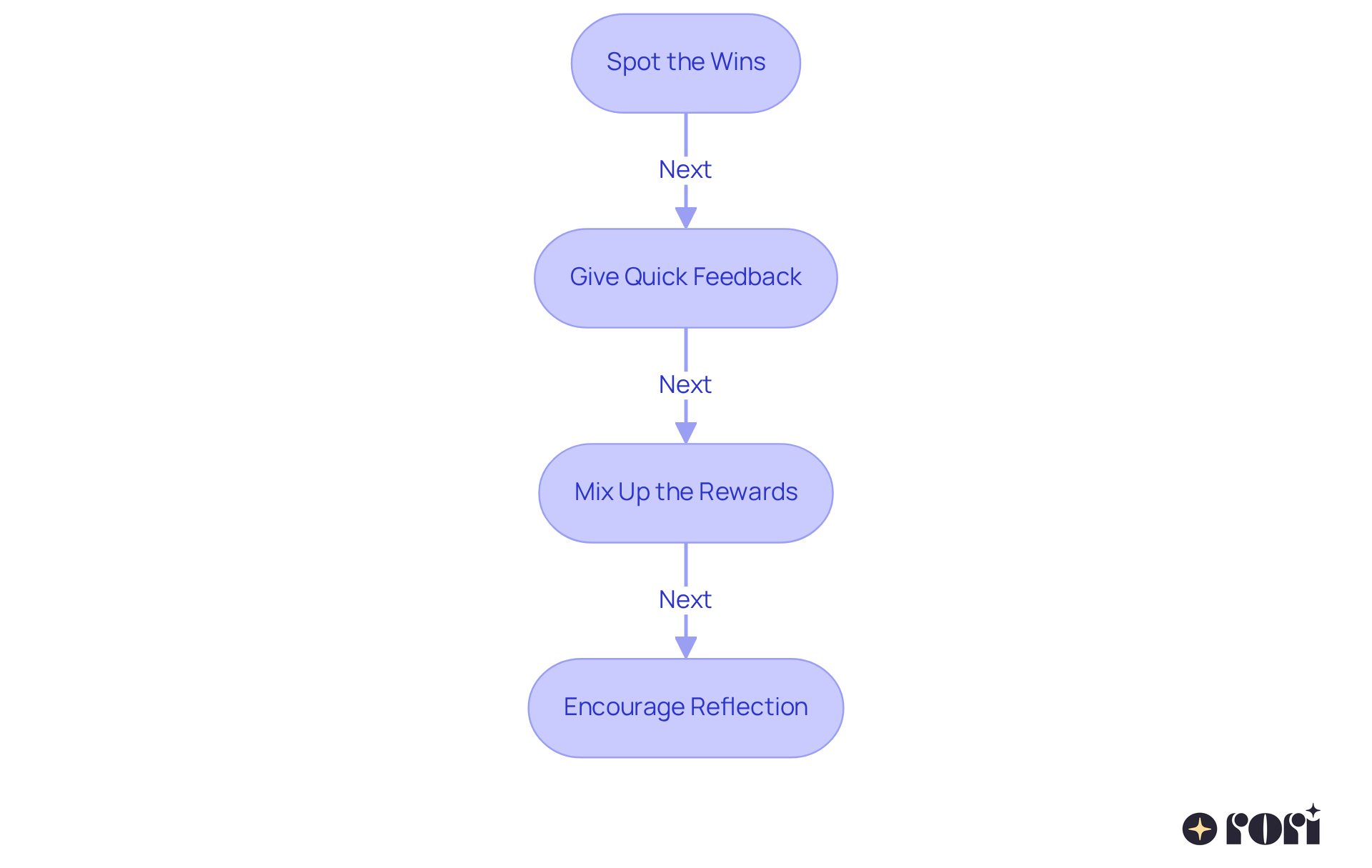
is such an important strategy for ! Let’s dive into how you can implement it effectively:
- Spot the Wins: Celebrate both the little victories and the big ones! Whether it’s joining a social event or finishing a task on their own, helps kids feel accomplished.
- Give : . Studies show that immediate reinforcement really boosts the chances of them repeating that behavior. This is essential for in public settings with autism, as it reinforces their sense of competence.
- Mix Up the Rewards: Every child is different, and they respond to various types of reinforcement. Try out verbal praise, fun stickers, or extra playtime to see what gets your child excited. to what they love makes it more effective and keeps them engaged.
- Encourage Reflection: After celebrating a success, ask your child how they feel about it. This helps them internalize their achievements, which is crucial for and for developing confidence for future challenges.
Also, can really enhance how effective these reinforcement techniques are. When caregivers understand how to , they can make informed choices that lead to better outcomes. This active involvement not only boosts professional interventions but also creates a nurturing environment that celebrates achievements and fosters lasting confidence in kids.
By consistently using these strategies, parents can create a supportive atmosphere that not only celebrates achievements but also nurtures lasting self-esteem in their children. Let’s explore this together!
Conclusion
Building self-esteem in public settings for individuals with autism is so important! It can really enhance their overall quality of life. When caregivers understand the value of self-worth, they can better support their children in navigating social challenges. This support ultimately helps foster confidence and positive interactions in various environments.
Let’s talk about some key strategies!
- Recognizing the impact of social situations
- Creating a nurturing home environment
- Implementing practical strategies for public interactions
Plus, using positive reinforcement to celebrate achievements can make a big difference. Each of these elements plays a vital role in helping children with autism develop a positive self-image, reduce anxiety, and improve their social skills. By focusing on these areas, parents and caregivers can provide the support that empowers children to thrive in public settings.
But remember, building self-esteem isn’t just about individual strategies. It’s also about cultivating a supportive community that celebrates every achievement, no matter how small. By actively engaging with and encouraging their children, caregivers can create an environment that boosts self-esteem and fosters a sense of belonging and acceptance. Embracing these principles can lead to amazing changes, enabling individuals with autism to confidently navigate public spaces and build meaningful relationships.
So, let’s explore this journey together! Your involvement can make all the difference, and we’re here to help you every step of the way!
Frequently Asked Questions
Why is self-esteem important for young people, especially those on the autism spectrum?
Self-esteem is crucial for young people's overall well-being, particularly for those on the autism spectrum, as it helps them face social challenges and enhances their confidence in public settings.
How do social situations impact kids with autism?
Kids with autism often feel anxious in public spaces, which can lead to feelings of inadequacy. Recognizing this helps caregivers prepare their children for social interactions, which is essential for building self-esteem.
What strategies can help build self-esteem in public settings for children with autism?
Using ABA strategies, such as role-playing, can help children practice social interactions and feel more comfortable in public settings, thereby boosting their confidence.
What is the connection between personal worth and behavior in children with autism?
Low self-worth can lead to behavioral issues, withdrawal, and increased anxiety. Understanding this connection is vital for developing effective strategies that encourage positive behavior and social engagement.
How can caregivers support the development of a positive self-image in children with autism?
Caregivers can help children develop a positive self-image by recognizing their unique strengths, celebrating their abilities, and creating a nurturing environment that affirms their capabilities.
What role do caregivers play in helping children thrive in social situations?
By focusing on building self-esteem and encouraging participation in activities that highlight their strengths, caregivers can help children improve their emotional well-being and social skills.
List of Sources
- Understand the Importance of Self-Esteem in Public Settings
- The Importance of Building Self-Esteem in Children with Autism | Advanced Autism Services (https://advancedautism.com/post/the-importance-of-building-self-esteem-in-children-with-autism)
- Explicit and implicit self-esteem in youth with autism spectrum disorders - PMC (https://pmc.ncbi.nlm.nih.gov/articles/PMC7874369)
- Influence of self‐esteem on health‐related quality of life in children and adolescents with autism spectrum disorders - PMC (https://pmc.ncbi.nlm.nih.gov/articles/PMC11903494)
- Understanding Low Self-Esteem in Autistic Individuals (From a Clinician’s Perspective) (https://paautism.org/resource/understanding-low-self-esteem)
- Create a Supportive Home Environment
- Supporting Parents in Creating an Autism-Friendly Home Environment | Advanced Autism Services (https://advancedautism.com/post/supporting-parents-in-creating-an-autism-friendly-home-environment)
- Building Self-Esteem in Kids with Autism (https://totalcareaba.com/autism/how-to-build-self-esteem-in-autism)
- Explicit and implicit self-esteem in youth with autism spectrum disorders - PMC (https://pmc.ncbi.nlm.nih.gov/articles/PMC7874369)
- The Role of ABA Therapy in Building Self-Esteem for Children (https://supportivecareaba.com/statistics/the-role-of-aba-therapy-in-building-self-esteem-for-children)
- How ABA Therapy Helps Children with Autism Build Self-Esteem and Confidence (https://yellowbusaba.com/post/how-aba-therapy-helps-children-with-autism-build-self-esteem-and-confidence)
- Implement Practical Strategies for Public Interactions
- research.aota.org (https://research.aota.org/ajot/article/69/5/6905180010p1/6042/Effectiveness-of-Interventions-to-Improve-Social)
- The Role of Visual Supports in Enhancing Learning for Autism | Advanced Autism Services (https://advancedautism.com/post/the-role-of-visual-supports-in-enhancing-learning-for-autism)
- supportivecareaba.com (https://supportivecareaba.com/statistics/using-visual-aids-in-autism)
- pmc.ncbi.nlm.nih.gov (https://pmc.ncbi.nlm.nih.gov/articles/PMC11527399)
- Use Positive Reinforcement to Celebrate Achievements
- Positive Reinforcement and ABA Therapy (https://goldenstepsaba.com/resources/positive-reinforcement-in-aba-therapy)
- thetreetop.com (https://thetreetop.com/aba-therapy/aba-reinforcement-methods)
- Strategies for Effective Positive Reinforcement in ABA Therapy | Links (https://linksaba.com/positive-reinforcement-in-aba-therapy)
- How ABA Therapy Fosters Self-Esteem and Independence in Young Minds | Step Ahead ABA (https://stepaheadaba.com/blog/the-impact-of-aba-therapy-on-building-self-confidence-in-children)