Play isn’t just about having fun for kids; it’s a fantastic way to learn and grow, especially when it comes to Applied Behavior Analysis (ABA) therapy for autism. By weaving play into therapy, caregivers can open up a world of excitement and development for their children, boosting their cognitive, social, and emotional skills. But here’s the thing: figuring out how to implement these playful strategies to fit each child’s unique needs can be a bit tricky.
So, how can caregivers create a fun and educational approach that helps their child flourish in a nurturing environment? Let’s explore this together! By sharing experiences and insights, we can find ways to make learning through play not only effective but also enjoyable for everyone involved.
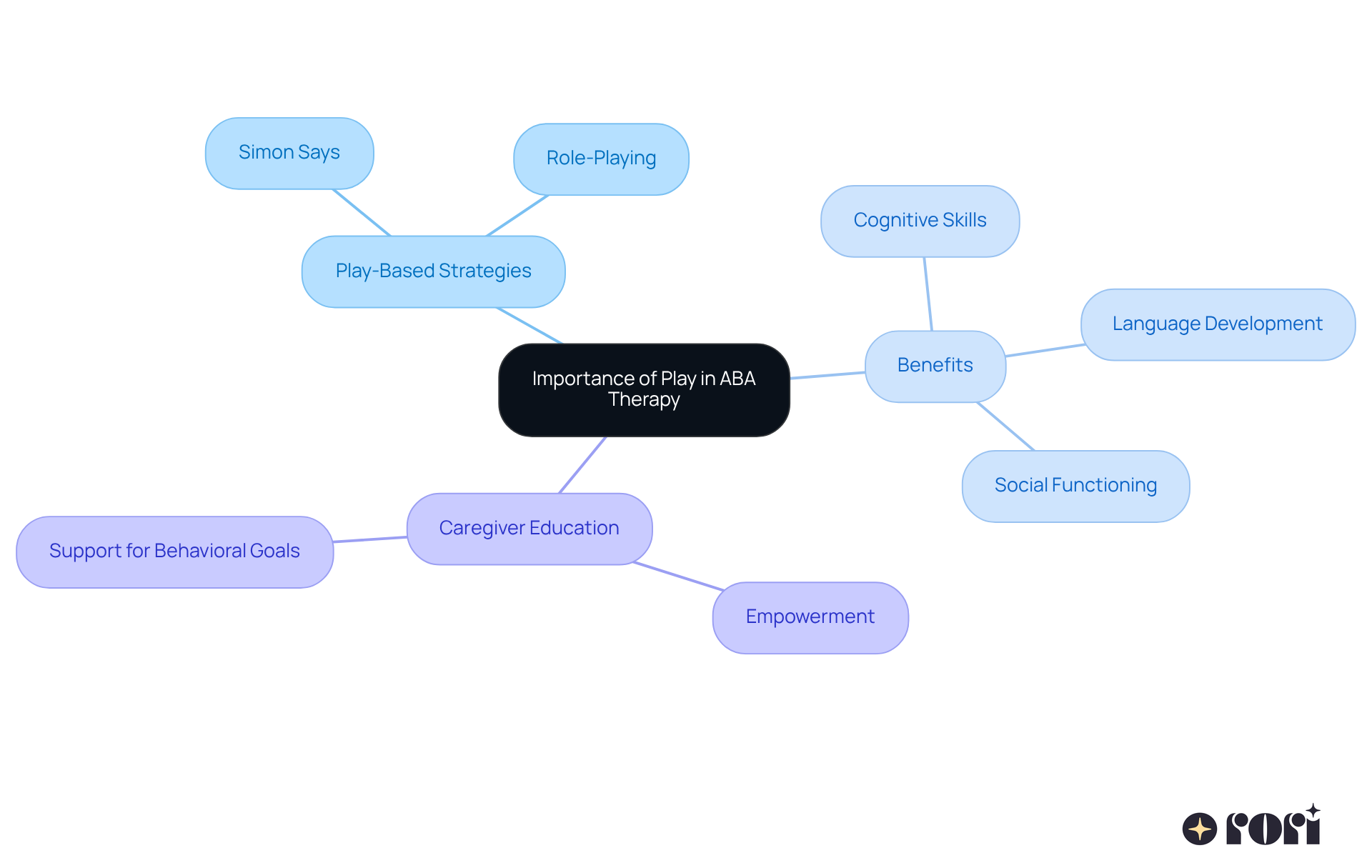
Play is such a vital part of childhood development, and implementing serves as a fantastic tool in treatment! It allows kids to engage in fun activities that spark their interest, leading to . In ABA, implementing play-based ABA strategies for autism isn’t just about having a good time; it’s a . For instance, games like 'Simon Says' teach kids how to follow directions and take turns, while role-playing can really .
And let’s not forget about ! When led by a trained professional, these sessions can really , helping kids build better relationships with their peers. Research shows that kids who receive based on implementing play-based ABA strategies for autism often see significant improvements in cognitive skills, language development, and social functioning. In fact, studies indicate that the is an impressive 89%!
By understanding the and the benefits of - like better support and informed decision-making - parents can create a more engaging and effective therapeutic environment for their little ones. This empowerment allows them to actively support their child’s behavioral goals, making a real difference in their journey. Let’s explore this together!
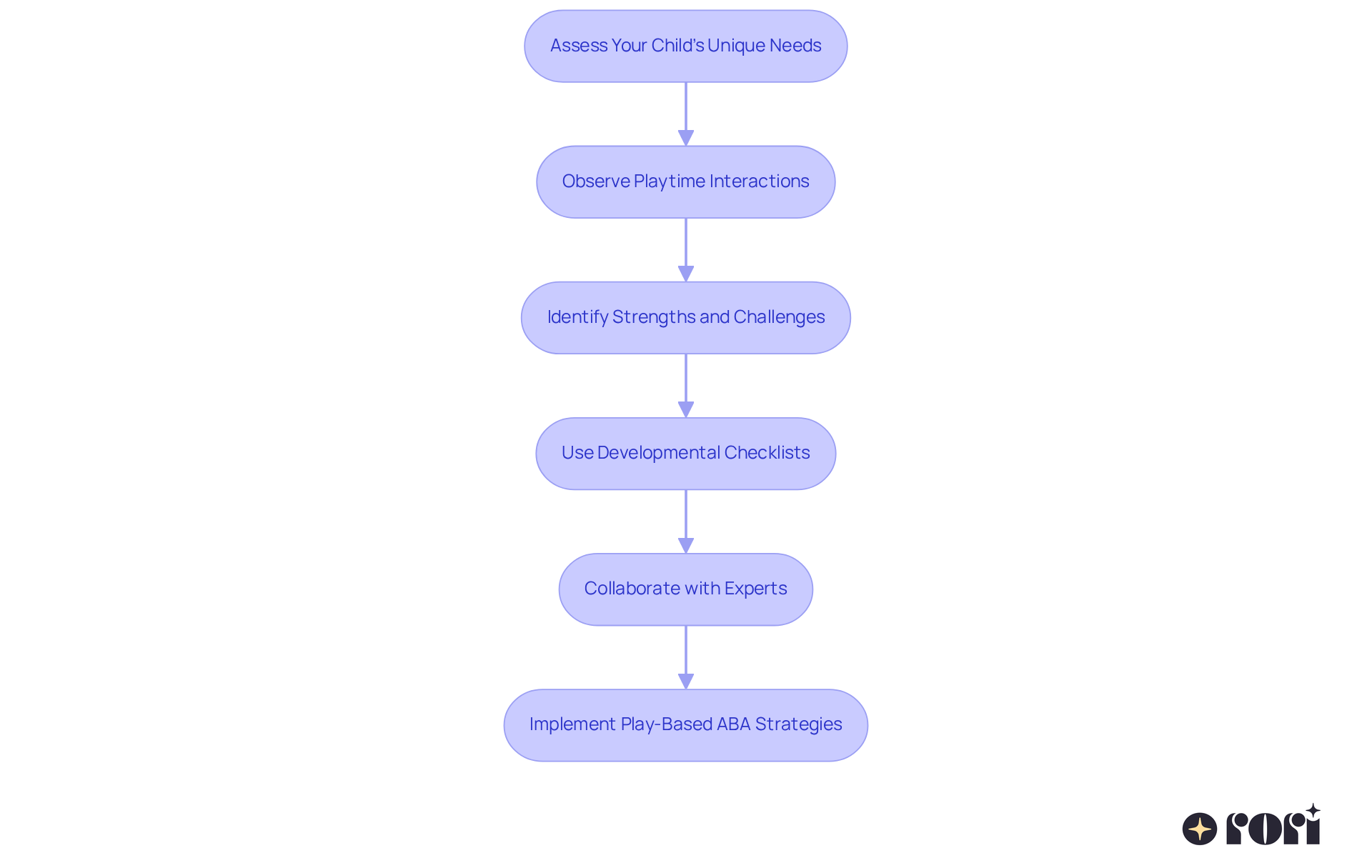
To effectively implement , it’s important to assess your child’s . Start by observing how they interact during playtime. What do they enjoy? What are their strengths? And where might they face challenges? Using , like the , can really help. These tools focus on key areas such as .
Working with experts, like at Rori Care, can provide valuable insights tailored to your loved one’s specific needs. Involving parents in this process is key! Your participation not only boosts the effectiveness of the treatment but also equips you with .
This thorough assessment will guide you in implementing play-based ABA strategies for autism by selecting activities that resonate with your child’s interests and developmental goals. By understanding ABA principles, you can make informed decisions that positively impact your child’s progress. This leads to better and a more . Let’s explore this together!
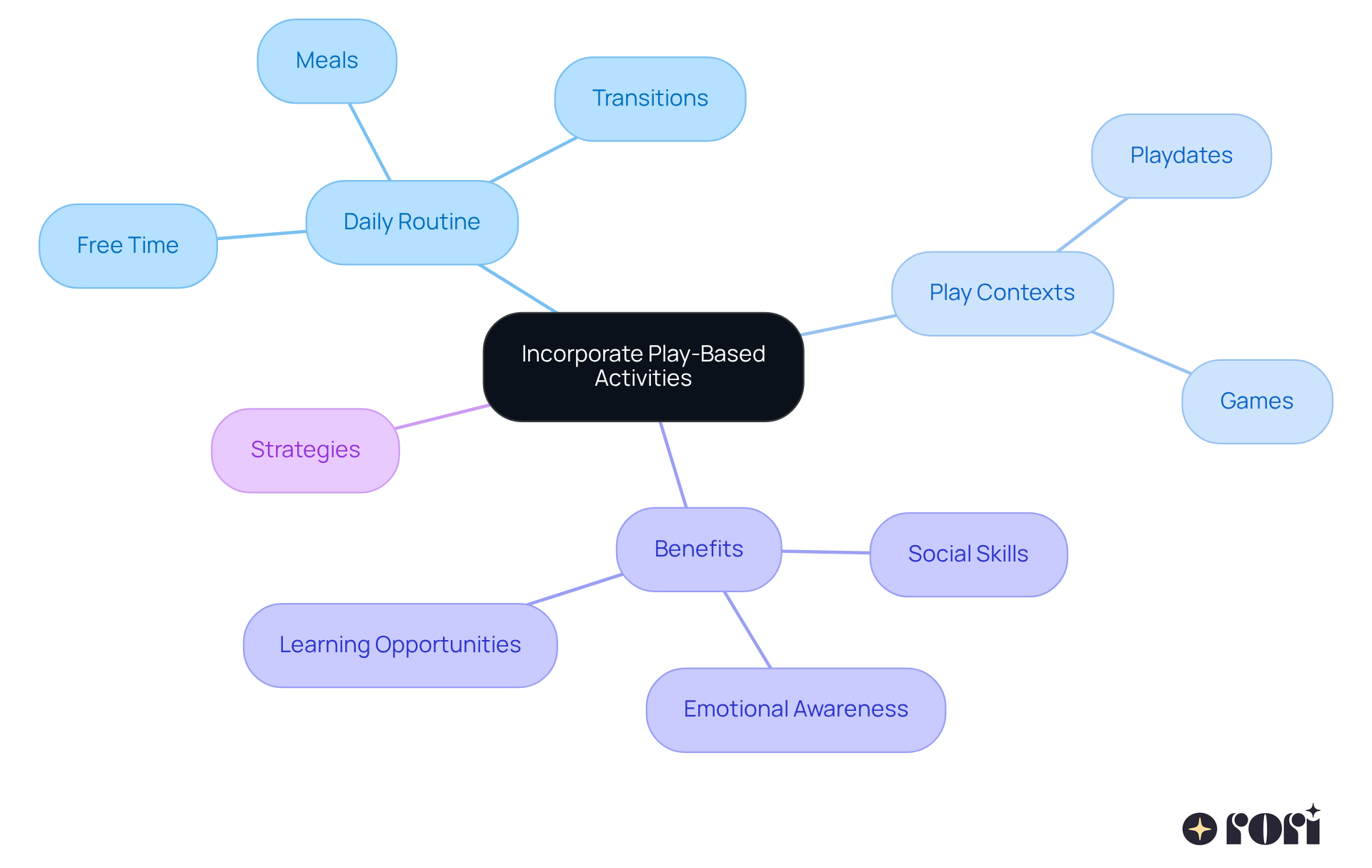
To really make the most of implementing , it’s important to incorporate these fun activities into your child’s daily routine. Start by spotting those little moments throughout the day where play can fit in naturally - think during meals, transitions, or free time. You can use familiar games your child loves, like building blocks or , to help reinforce . For instance, during snack time, why not join in a game where your little one practices sharing by passing snacks back and forth?
And let’s not forget about playdates! Organizing these can really boost social interaction. Did you know that ? Playdates not only create but also give kids a chance to practice their in a friendly environment. It’s encouraging to see that individuals with ASD have shown an , highlighting their potential for meaningful connections.
By making play a regular part of your child’s day, you’re opening up valuable opportunities for learning and growth. This helps foster social skills and emotional awareness in a . can lead to significant improvements in these areas, making it vital to focus on implementing play-based ABA strategies for autism as early as possible. Plus, empowering caregivers with ABA principles boosts their ability to support their child’s behavioral goals, making learning and development even more effective. Let’s explore this together!
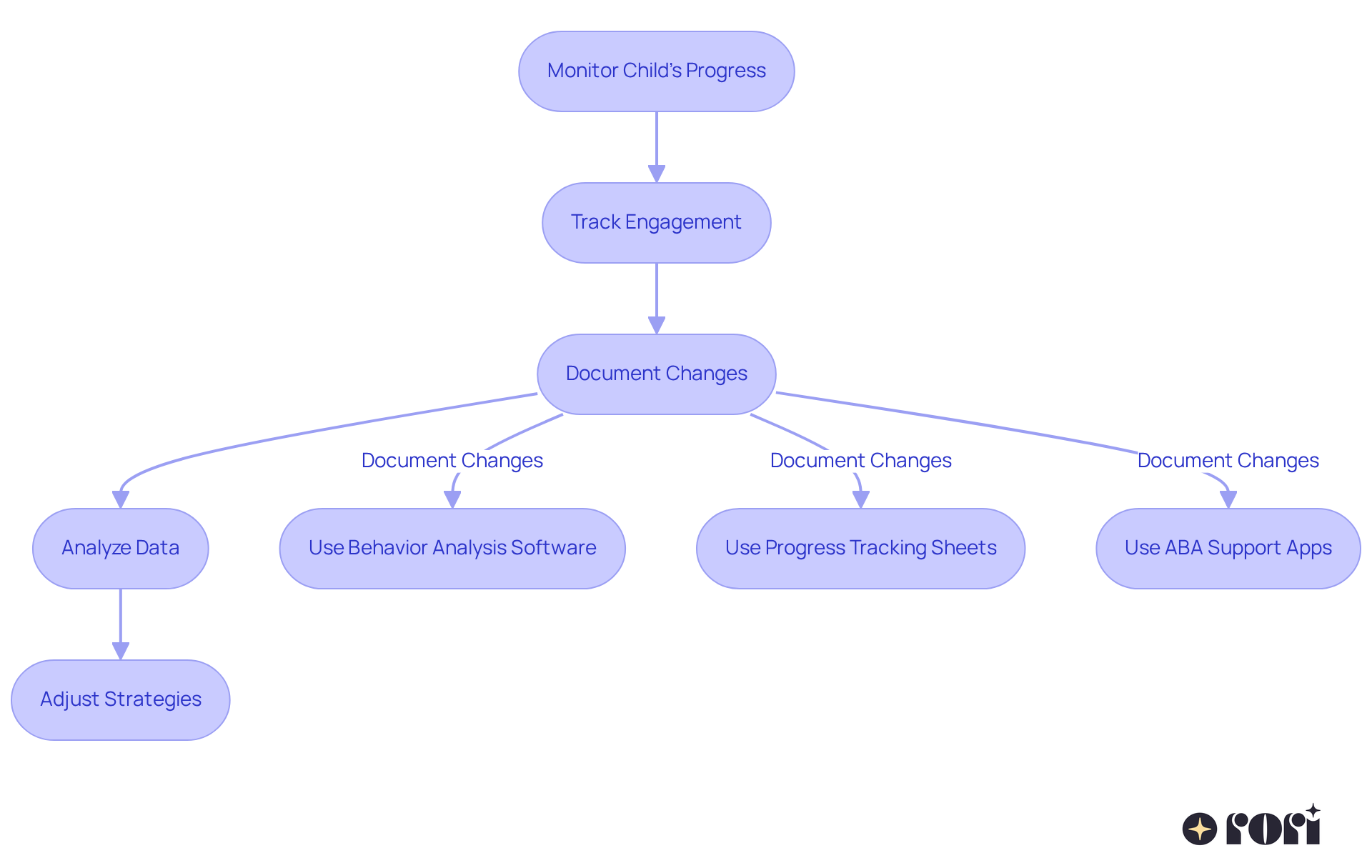
Keeping an eye on your child's progress is so important when implementing ! 🧸 It’s all about and noticing those little improvements in . You might find it helpful to use tools like:
to document changes over time. At Rori Care, we make it easy with , so our team is always there for your child without interrupting their treatment journey. Plus, this data is securely stored, anonymized, and deleted after analysis, giving you peace of mind.
Regularly checking in on this data can help you . If you notice that some strategies aren’t hitting the mark, don’t hesitate to switch things up! This could mean:
By staying focused on your child's progress and being flexible in your approach, you can significantly enhance the effectiveness of implementing play-based ABA strategies for autism therapy. With Rori Care's , you’ll have 50% more time to dedicate to your child’s treatment, empowering you to make informed decisions that fit their evolving needs. And don’t forget, chatting regularly with your child's BCBA and involving family members in data collection can really support your child's development. Let’s explore this together!
Implementing play-based ABA strategies for autism is such a wonderful way to tap into the natural joy of play, helping kids learn and grow. By weaving structured play into therapy, caregivers can create fun environments that not only boost learning but also nurture vital social and communication skills. This approach really highlights how essential play is in childhood development, making therapy both enjoyable and effective.
Throughout this journey, it’s crucial to recognize each child's unique needs. Incorporating play into daily routines can make a big difference, and keeping an eye on progress is key. By assessing individual strengths and challenges, we can tailor strategies that truly resonate with each child. Plus, embedding play-based activities into everyday life opens up so many opportunities for reinforcing skills. And don’t forget, tracking progress and adjusting strategies as needed keeps therapy responsive and effective, leading to better behavioral outcomes.
In essence, integrating play into ABA therapy isn’t just a method; it’s a powerful philosophy that values fun in learning. When caregivers are actively involved and a supportive environment is fostered, children with autism can really thrive, developing skills that will benefit them throughout their lives. Embracing this approach invites a more compassionate, effective, and joyful journey in autism therapy. Let’s prioritize play as a vital tool for growth and connection-together, we can make a difference!
Why is play important in ABA therapy for autism?
Play is crucial in ABA therapy because it supports childhood development and enhances learning outcomes through engaging activities that spark children's interest.
How do play-based ABA strategies work?
Play-based ABA strategies integrate learning goals into play scenarios, using structured activities like games and role-playing to teach skills such as following directions, taking turns, and improving social interactions.
What are some examples of activities used in play-based ABA therapy?
Examples include games like 'Simon Says' that teach direction-following and turn-taking, as well as role-playing activities that enhance social skills and communication.
How do social skills group sessions contribute to ABA therapy?
Social skills group sessions, led by trained professionals, help enhance peer interactions and build better relationships among children, fostering their social development.
What improvements can children expect from play-based ABA therapy?
Research indicates that children receiving early intensive behavioral intervention through play-based ABA strategies often see significant improvements in cognitive skills, language development, and social functioning.
What is the success rate of ABA therapy for treating autism?
The success rate for treating autism with ABA therapy is approximately 89%, highlighting its effectiveness.
How can caregiver education benefit children in ABA therapy?
Caregiver education empowers parents to provide better support and make informed decisions, creating a more engaging and effective therapeutic environment for their children.