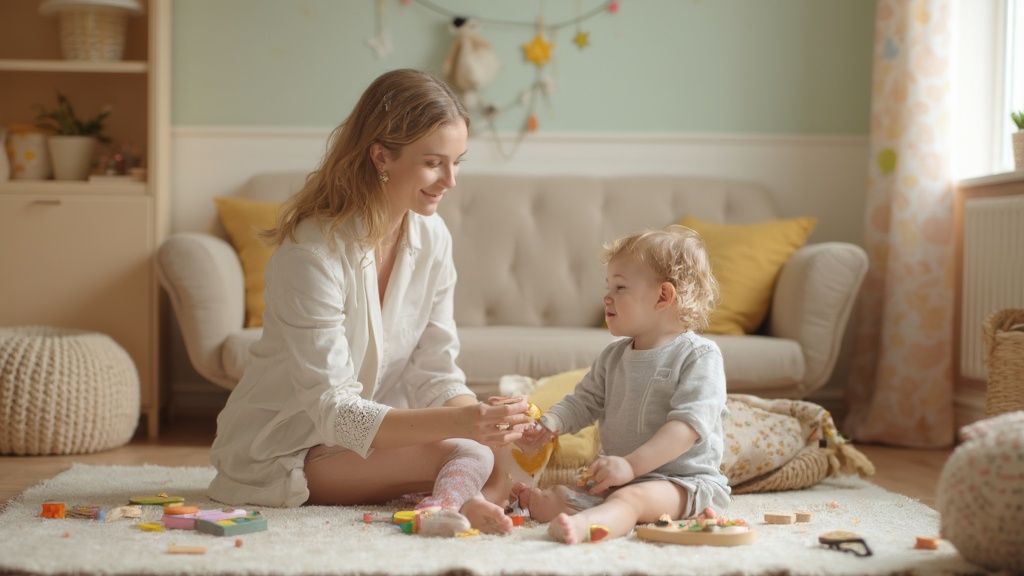
Understanding the unique communication needs of autistic individuals is so important for fostering meaningful interactions. Many autistic children are nonverbal or use alternative communication methods, which can make it a bit tricky to adapt to their diverse ways of expressing themselves.
In this article, we’ll explore effective strategies for promoting communication. We’ll share insights into tailored approaches, visual supports, and the vital role of collaboration among caregivers and educators. How can these innovative techniques reshape the way we engage with autistic individuals? Let’s ensure their voices are heard and understood!
Let’s dive in together!
Autistic individuals express themselves in a variety of ways that can be quite different from what we might expect. Did you know that ? This means they might not develop . Some may use a few words here and there, while others might rely on to get their messages across.
Understanding these unique ways of interacting is crucial for promoting . For instance, some kids might engage in echolalia or struggle with abstract language, which can make conversations a bit tricky. Plus, sensory sensitivities can really shape how an autistic person processes both verbal and . By recognizing and adapting to these differences, caregivers and educators can create a nurturing environment that focuses on promoting , encouraging meaningful interactions and expressions.
At Rori Care, our clinical leadership team is made up of seasoned experts in , and we’re dedicated to empowering caregivers with practical strategies. We focus on . These methods not only help achieve behavioral goals but also focus on for individuals with autism, creating a space where productive interactions can thrive. Let’s explore this together! We’re here to help you every step of the way!

To promote effective interaction, it’s crucial to focus on by using . By using clear and simple language, steering clear of idioms, and giving enough time for processing, we can significantly contribute to . Tools like are vital in , enabling kids to express their needs and ideas more easily. For instance, the is an example of , as it allows children to visually share what they want, which is especially helpful for those who find verbal communication challenging.
Regularly checking in on and making adjustments as needed is key to keeping them effective and ensuring ongoing progress. Plus, can really enhance these interaction strategies by incorporating the , which focuses on a . By actively involving caregivers and , parents can significantly boost their child’s learning, verbal, and social skills, which is essential for promoting effective communication strategies for individuals with autism.
Let’s explore this together! We’re here to !

can really make a difference for autistic individuals. They help turn abstract ideas into something concrete and understandable. For example, , which often eases anxiety and brings a sense of predictability. Research shows that when these visual tools are used consistently, students feel more comfortable and confident.
And let’s not forget about technology! Tools like the offer tailored communication solutions for nonverbal or preverbal kids. Imagine a child using an iPad with a speech-generating app to pick images or symbols that express their thoughts and needs. It’s a game-changer! By blending visual aids with tech resources, caregivers can craft a , thereby , including those with ADHD and learning challenges. This approach not only promotes greater independence but also encourages active participation.
At Rori Care, we’re all about providing and empowering caregivers with . We want to ensure you have the for . Let’s explore this together!

Cooperation among parents, therapists, and educators is so important for helping autistic youth thrive. At Rori Care, our passionate clinicians are here to guide your family through the journey of . By keeping the lines of communication open, everyone can stay on the same page about your child’s needs and progress.
Regular meetings and updates are a great way to share insights and strategies that work best for your child. For example, parents often have valuable insights about their child’s preferences at home, while therapists can share effective methods from their sessions. Research shows that when , about 90% of young individuals make significant progress. This really highlights how in .
Structured models like the can help guide these , ensuring everyone is aligned in their approach. Of course, challenges like scheduling conflicts and different interaction styles can pop up. That’s why it’s essential to set .
By creating a , caregivers can build a consistent and supportive framework that boosts the child’s communication skills, thus promoting in various settings. Let’s explore this together! We’re here to !

Understanding the unique communication needs of autistic individuals is so important for fostering effective interactions. By embracing tailored strategies and tools, caregivers and educators can create supportive environments that really help facilitate meaningful communication. This approach not only acknowledges the diverse ways in which autistic individuals express themselves but also empowers them to engage more fully in their interactions with the world around them.
Let’s dive into some key strategies!
Collaboration among parents, therapists, and educators is a must. Each of these elements plays a crucial role in promoting effective communication strategies for individuals with autism. By using clear language, visual aids, and fostering teamwork, we can make significant progress in enhancing the communication skills of autistic individuals.
Ultimately, the journey toward effective communication with autistic individuals is a collaborative effort that requires dedication and understanding from everyone involved. By implementing these strategies and staying committed to ongoing support, caregivers can help unlock the potential of autistic individuals. This paves the way for more inclusive and meaningful interactions. Embracing this approach not only benefits the individuals themselves but also enriches the lives of those around them, creating a more connected and understanding community.
So, let’s explore this together! Remember, you’re not alone on this journey. We’re here to help you every step of the way!
What are the unique communication needs of autistic individuals?
Autistic individuals may express themselves in varied ways, which can differ significantly from typical communication. About 25% to 30% of autistic children are nonverbal, meaning they might not develop functional spoken language and may use alternative methods like sign language or picture exchange systems.
How do some autistic individuals communicate if they are nonverbal?
Nonverbal autistic individuals may use a few spoken words, sign language, or picture exchange systems to convey their messages.
What challenges do autistic individuals face in communication?
Some autistic individuals may engage in echolalia, struggle with abstract language, and have sensory sensitivities that affect how they process verbal and non-verbal cues, making conversations more challenging.
How can caregivers and educators support effective communication for autistic individuals?
By recognizing and adapting to the unique communication styles of autistic individuals, caregivers and educators can create a nurturing environment that promotes effective communication strategies and encourages meaningful interactions.
What strategies does Rori Care use to empower caregivers in supporting autistic individuals?
Rori Care employs practical strategies such as reinforcement and visual supports to help achieve behavioral goals and promote effective communication strategies for individuals with autism.