Navigating the emotional ups and downs of children with autism spectrum disorder (ASD) can feel like a rollercoaster for many parents. Knowing the difference between meltdowns and tantrums can really help you figure out how to support your child during those tough times.
Did you know that up to 20% of toddlers have daily outbursts? That’s why finding effective coping techniques is so important!
So, how can you tell these reactions apart and arm yourself with the right tools to help your child manage their emotions?
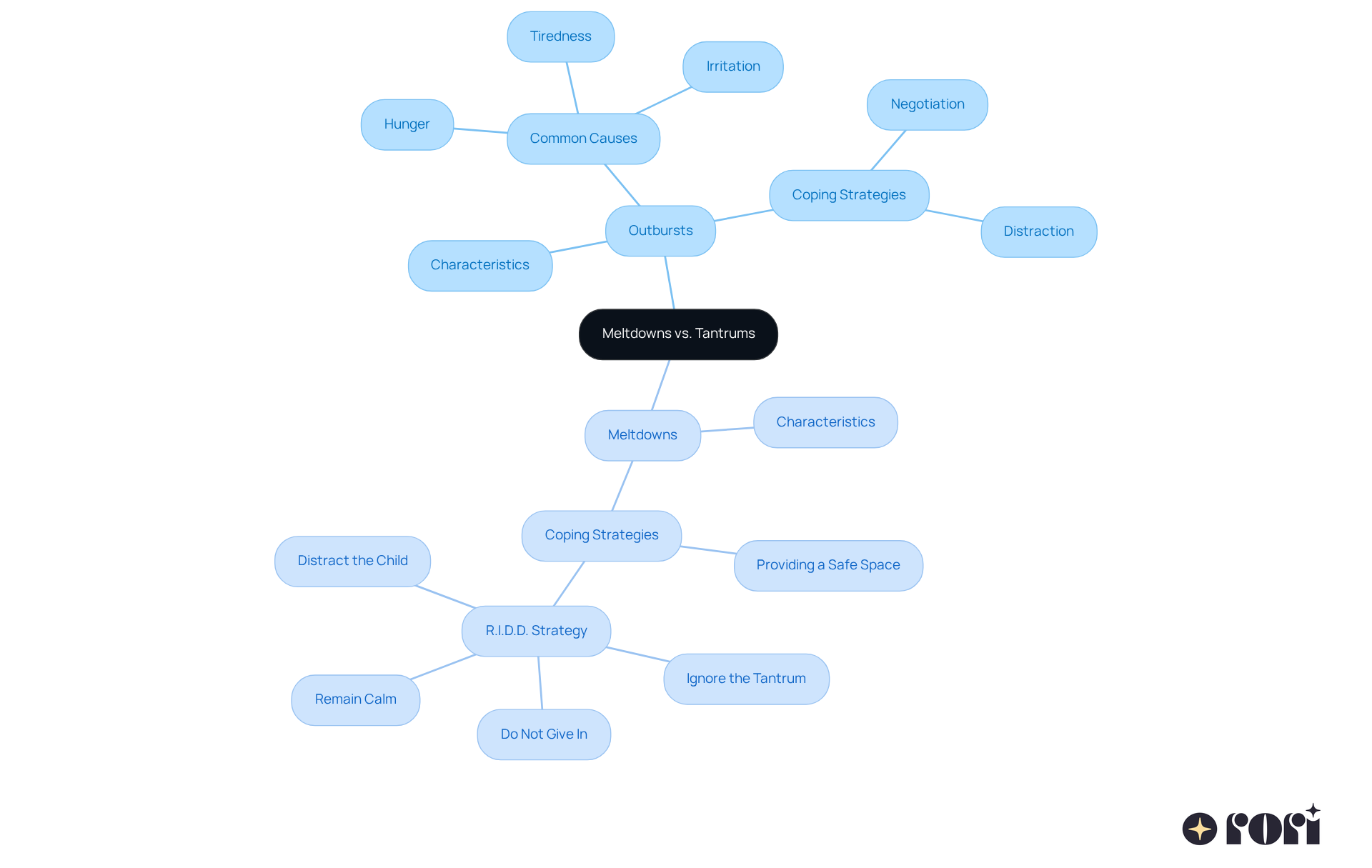
Understanding the difference between meltdowns and outbursts can feel overwhelming, but learning techniques for parents to cope with meltdowns in children with asd is essential for every parent navigating these challenging moments. An outburst usually happens when a child is frustrated or wants something, and they might still have a bit of control over their actions. Did you know that about 20% of 2-year-olds, 18% of 3-year-olds, and 10% of 4-year-olds have outbursts at least once a day? It’s more common than you might think! Typical reasons for these outbursts include:
These can often be tackled in advance.
On the other hand, a meltdown is when a child feels completely overwhelmed by their feelings or the world around them, highlighting the importance of techniques for parents to cope with meltdowns in children with asd. Understanding this distinction is crucial for caregivers, as it impacts the techniques for parents to cope with meltdowns in children with asd. For instance, during an outburst, you might try distraction or negotiation, while during a meltdown, it is important to focus on providing a safe space and using techniques for parents to cope with meltdowns in children with asd.
Using the R.I.D.D. strategy - stay calm, ignore the outburst, distract your little one, and don’t give in to demands - can really help when managing those outbursts. Identifying these differences can greatly enhance your ability to support your child and improve their emotional regulation. By recognizing these differences, you can create a more supportive environment for your child, making those tough moments a little easier to handle. If you find that your child’s tantrums are atypical, consulting an interprofessional team might be necessary to ensure comprehensive care and support. We’re here to help you every step of the way!
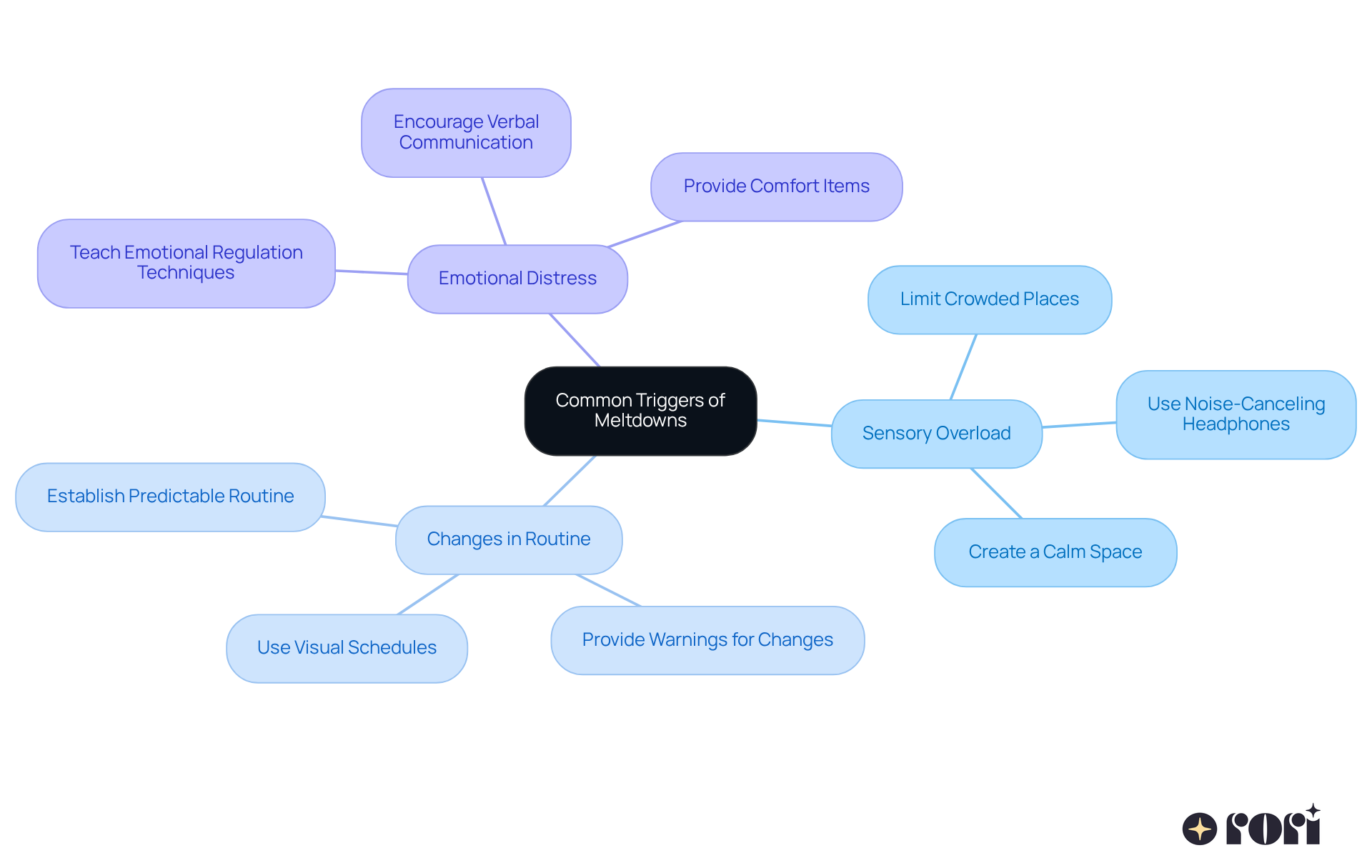
Ever wonder why meltdowns happen so often for kids with autism and what techniques for parents to cope with meltdowns in children with ASD can help? It can be tough to figure out! Frequent causes of meltdowns, such as sensory overload from loud sounds and bright lights, along with changes in routine and distress, emphasize the importance of techniques for parents to cope with meltdowns in children with ASD. You might be surprised to learn that many kids with autism face sensory processing challenges. Studies show that nearly all evaluated youths had at least one sensory issue, which can really affect their behavior and emotional regulation.
Keeping a log of your child’s behaviors can really help you spot those tricky triggers. For instance, if your little one often has meltdowns in crowded places, it might be a good idea to limit those situations or prepare them ahead of time for what’s coming up. Plus, establishing a predictable routine is one of the techniques for parents to cope with meltdowns in children with ASD, as it can work wonders in reducing anxiety. When you recognize these triggers, you’re creating a more supportive space for your child, which can lead to happier moments together.
And here’s something to consider: utilizing the principles of Applied Behavior Analysis (ABA) therapy can significantly enhance this process. ABA is a flexible, patient-centered method that has shown great results for autism treatment. In fact, many individuals see notable progress when the recommended hours are fully implemented with active caregiver involvement. It’s also worth noting that ABA therapy is the only scientifically validated treatment for autism that’s covered by insurance. This empowers you as a caregiver, giving you the tools and knowledge to support your child effectively at home, leading to better behavioral outcomes. Let’s explore this together!
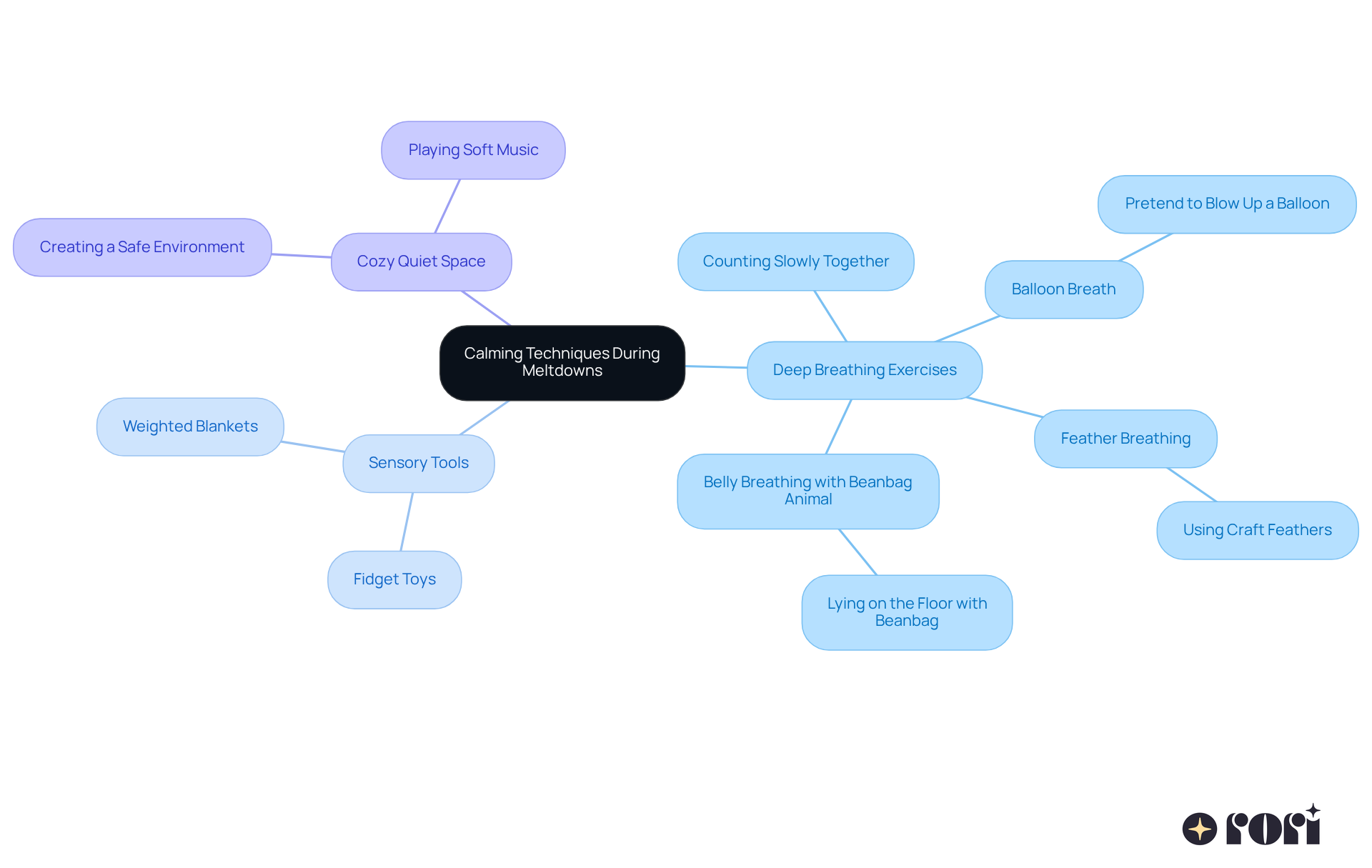
Seeing your little one in distress can be heart-wrenching, but there are ways to help them find their calm again. Some great techniques for parents to cope with meltdowns in children with ASD include:
For instance, you can guide your child through deep breathing by counting slowly together, which can really help calm those racing thoughts and feelings!
And guess what? Deep breathing can really help calm those racing thoughts and feelings! Providing a comforting sensory item can also enhance their ability to self-soothe. By consistently using techniques for parents to cope with meltdowns in children with ASD, you’ll notice your child becoming more independent in managing their emotions.
With the right tools and support, you can help your child navigate their emotions and thrive.
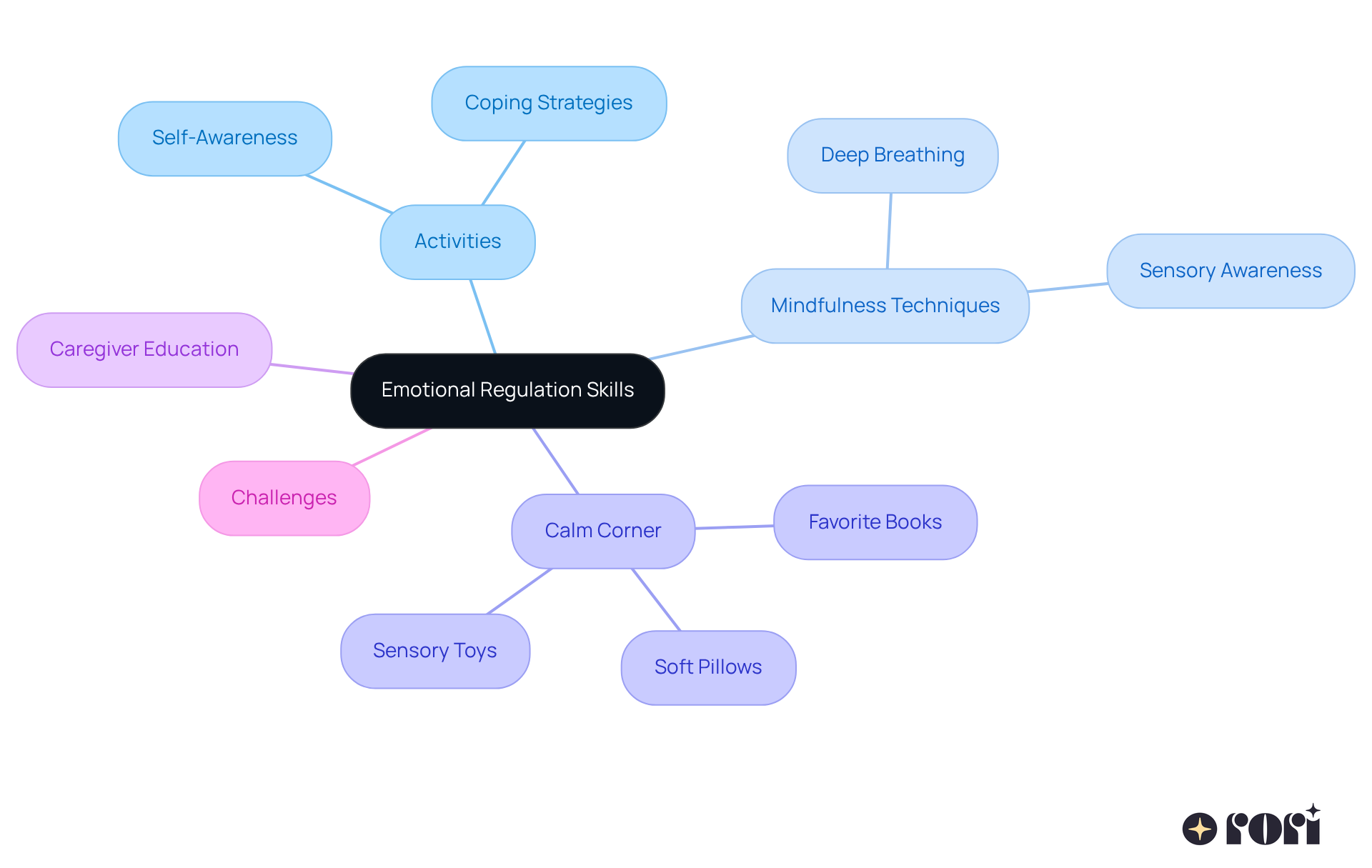
Helping our kids develop emotional regulation skills can feel overwhelming at times, can’t it? One great way to start is by involving them in activities that boost self-awareness and coping strategies. Kids on the autism spectrum sometimes have a tough time recognizing their feelings. That’s where emotion charts can really help them express what they’re going through.
Mindfulness activities, like deep breathing and being aware of their senses, can really help kids manage their feelings better. Studies show that these techniques work! Creating a 'calm corner' at home can be a game-changer! Fill it with soft pillows, favorite books, and sensory toys to give your child a cozy spot to retreat to when they’re feeling overwhelmed.
Practicing these skills when things are calm helps kids use them when things get tough. This way, they can become more independent and emotionally resilient! Plus, educating caregivers on techniques for parents to cope with meltdowns in children with asd is super important! It provides techniques for parents to cope with meltdowns in children with asd, enabling them to support their kids better and make choices that significantly assist in their development.
When caregivers understand ABA principles, they can better support their kids with strategies that really work! But it’s important for parents to know that there might be challenges, like kids resisting new practices or finding it hard to stick with them. When parents recognize these challenges, they can better help their kids build those important emotional regulation skills!
Navigating meltdowns in children with autism can feel like a rollercoaster ride for parents. Understanding the difference between meltdowns and tantrums is key to supporting your child's emotional needs. When you get the hang of this, along with some handy techniques, you’ll feel more confident and compassionate during those tough moments.
Throughout this article, we’ve explored some practical strategies. Identifying common triggers, using calming techniques, and fostering emotional regulation skills can make a world of difference. Recognizing when your child is melting down versus throwing a tantrum allows you to respond in ways that truly help, whether it’s distracting them during an outburst or creating a safe space during a meltdown. Plus, tools like emotion charts and mindfulness activities can really boost your child’s ability to manage their feelings over time.
By learning effective coping techniques, you’re not just handling the moment; you’re building a strong foundation for your child’s emotional growth. When you create a supportive environment and engage with your child’s feelings, you’re turning tough moments into chances for growth and deeper understanding. Embracing these strategies means you’re not just helping your child; you’re creating a nurturing space where everyone can flourish.
What is the main difference between meltdowns and tantrums in children?
A tantrum typically occurs when a child is frustrated or wants something, and they may still have some control over their actions. In contrast, a meltdown happens when a child feels completely overwhelmed by their feelings or the environment, resulting in a loss of control.
How common are outbursts in young children?
Outbursts are quite common, with about 20% of 2-year-olds, 18% of 3-year-olds, and 10% of 4-year-olds experiencing them at least once a day.
What are typical triggers for outbursts in children?
Common triggers for outbursts include tiredness, hunger, and irritation.
What techniques can parents use to cope with outbursts?
Parents can use techniques such as distraction or negotiation to manage outbursts effectively.
What should parents focus on during a meltdown?
During a meltdown, it is important for parents to provide a safe space for the child and utilize specific coping techniques tailored for children with ASD.
What is the R.I.D.D. strategy for managing outbursts?
The R.I.D.D. strategy stands for: Stay Calm, Ignore the Outburst, Distract Your Little One, and Don't Give In to Demands. This approach can help effectively manage outbursts.
Why is it important to identify the differences between meltdowns and tantrums?
Recognizing the differences helps caregivers provide appropriate support and techniques, enhancing the child's emotional regulation and creating a more supportive environment.
When should parents consider consulting an interprofessional team?
Parents should consider consulting an interprofessional team if their child's tantrums are atypical, to ensure they receive comprehensive care and support.