Helping our kids with autism navigate their feelings can feel like a tough road to travel. The good news? There are simple calming strategies that can really help our kids manage their emotions. By finding techniques that fit each child’s needs, we can create spaces that help them grow emotionally.
So, how do we find the right strategies among so many options? And what part do safe spaces play in all this?
As parents, we often find ourselves searching for ways to help our kids navigate their emotions, right? At Rori Behavioral Innovations, we understand that every child is unique, and we’re here to help find easy to use calming strategies for autism that work best for them! Our approach in ABA therapy is all about using data to tailor strategies that fit each young person's needs.
Through thorough evaluations, our clinicians identify specific triggers and preferences, enabling us to develop easy to use calming strategies for autism. These might include:
Studies show that easy to use calming strategies for autism can significantly help kids feel more in control and less anxious.
The ultimate goal? We want to empower young individuals to manage their emotions independently. Just imagine the relief of seeing your child thrive emotionally, equipped with the right tools to handle life's ups and downs! We’re here to help you every step of the way!
Creating a calming environment for your child with autism can feel like a daunting task, but using easy to use calming strategies for autism makes it so worthwhile! Establishing secure spaces at home can really help ease anxiety and provide comfort during those overwhelming moments. You might consider setting up a special calming area, filled with sensory-friendly items like soft lighting, noise-canceling headphones, and cozy textures.
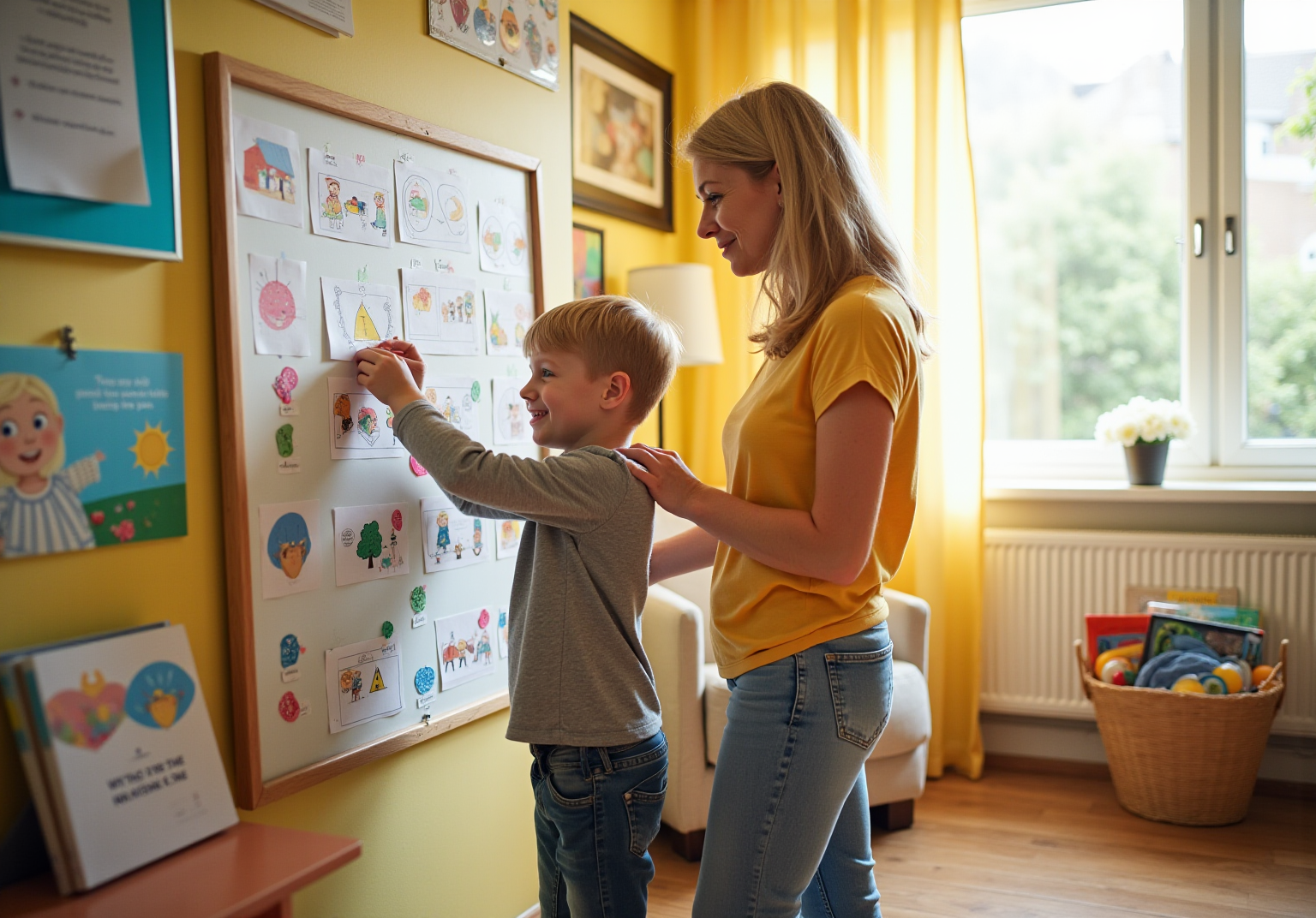
Did you know that schools with sensory rooms have seen a huge boost in student relaxation? It’s amazing how effective these spaces can be! Your calming area should utilize easy to use calming strategies for autism, ensuring it is accessible and familiar for your child to retreat there when they need a break. Adding visual aids, like pictures or labels, can also help them recognize that this space is all about relaxation and self-regulation.
Experts agree that having a safe space is crucial for emotional well-being, demonstrating how easy to use calming strategies for autism can help your child manage their feelings in a nurturing environment. By using principles of Applied Behavior Analysis (ABA), like positive reinforcement and structured routines, you can play an active role in creating these safe havens. When you take the time to create these spaces, you’re not just helping your child; you’re also building a foundation for emotional growth and resilience.
Imagine the peace of mind you’ll feel knowing your child has a safe haven to retreat to when the world feels overwhelming. Let’s explore this together!

Have you ever noticed your child getting overwhelmed in noisy places? You're not alone! Identifying sensory overload is so important for parents of youth with autism. Common triggers like loud noises, bright lights, and crowded spaces can really affect them. By paying attention to how they react, you can spot specific sensitivities and find ways to ease those triggers.
For instance, using noise-canceling headphones in loud environments or providing sunglasses in bright settings can make a big difference. Plus, encouraging your child to express their feelings when they start to feel overwhelmed can help them use calming techniques before reaching a breaking point. When you get involved, you’re helping your child learn to manage their feelings and discover easy to use calming strategies for autism before things get too overwhelming.
This not only supports their ability to handle sensory overload but also empowers you as a caregiver to make informed decisions that can lead to better outcomes for your family. By taking these steps, you’re not just helping your child; you’re also creating a more peaceful environment for your family.

Many parents feel overwhelmed when trying to help their children cope with anxiety, especially when it comes to autism. But there are some wonderful techniques that can really help! Through the lens of Applied Behavior Analysis (ABA) therapy, we can focus on what each child uniquely needs.
Techniques such as:
are examples of easy to use calming strategies for autism that can help ease anxiety. For example, teaching your little ones to take slow, deep breaths can really help calm those nerves! You know, studies show that practicing slow breathing regularly can significantly reduce stress.
Creating a visual schedule is another example of easy to use calming strategies for autism, as it provides structure and predictability that can help alleviate anxiety. Plus, encouraging physical activities like yoga or simple stretching can be a fun outlet for all that extra energy and stress.
When parents get involved and learn about ABA principles, they can really enhance their ability to support their child's behavioral goals. And guess what? About 90% of children show notable progress when parents are actively engaged in these strategies. So, not only do these techniques empower your child, but they also create a more harmonious family environment. Let’s explore this together!

Navigating the emotional landscape of a child with autism can feel overwhelming for many parents. By finding the right techniques that fit your child’s needs, you can create a warm space where they feel safe to express themselves.
Throughout this article, we’ve explored practical approaches like:
Creating calming environments filled with sensory-friendly items, understanding triggers, and employing strategies like deep breathing and mindfulness can significantly reduce anxiety and enhance emotional resilience in children with autism.
These strategies do more than just help in the moment; they set the stage for your child’s emotional journey ahead. By actively engaging in these techniques and fostering a supportive atmosphere, you can help your child thrive, paving the way for a more harmonious family life. By embracing these calming strategies, you’re not just helping your child; you’re creating a more peaceful home for everyone.
What is Rori Care's approach to ABA therapy for autism?
Rori Care's approach to ABA therapy focuses on using data to tailor calming strategies that fit each child's unique needs.
How does Rori Care identify triggers and preferences for children?
Clinicians at Rori Care conduct thorough evaluations to identify specific triggers and preferences for each child.
What are some calming strategies offered for autism?
Some calming strategies include fun sensory integration activities, deep breathing exercises, comforting tools like weighted blankets, and fidget toys.
How do calming strategies help children with autism?
Easy to use calming strategies can significantly help kids feel more in control and less anxious.
What is the ultimate goal of Rori Care's calming strategies?
The ultimate goal is to empower young individuals to manage their emotions independently.