Navigating the transition from childhood to adolescence can be quite a journey, especially for autistic individuals. They often face unique cognitive and emotional challenges that can feel overwhelming. As caregivers and educators, it’s essential to understand these complexities to empower our teens with effective strategies.
So, how can families and support networks help autistic teens not just cope, but truly thrive during this pivotal time? 🤔 Let’s explore five empowering strategies that can make a real difference. These tools are all about fostering independence and building confidence in our adolescents, ensuring they feel supported every step of the way.
We’re here to help you every step of the way! Let’s dive in together!
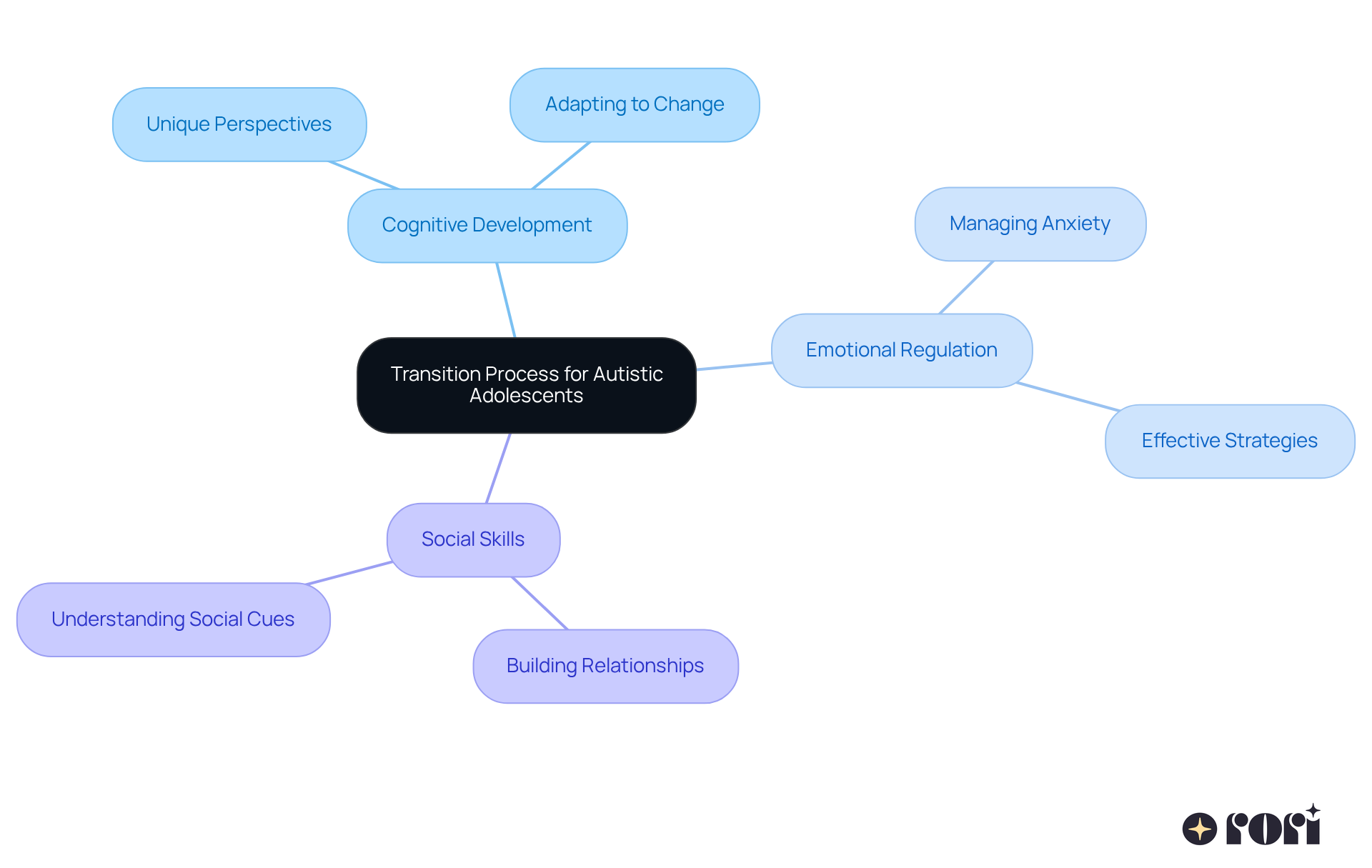
The journey of transitioning from childhood to adolescence and eventually to adulthood can be significantly improved by through effective . It’s not just about growing up; it’s about navigating that come with their distinct cognitive and emotional profiles. Let’s take a closer look at some key aspects of this :
By recognizing these factors, caregivers can provide tailored support that is focused on empowering autistic adolescents through effective transitioning strategies, helping them feel secure and ready for the changes ahead. It’s all about making that transition into adulthood a smoother experience. Let’s explore this together!
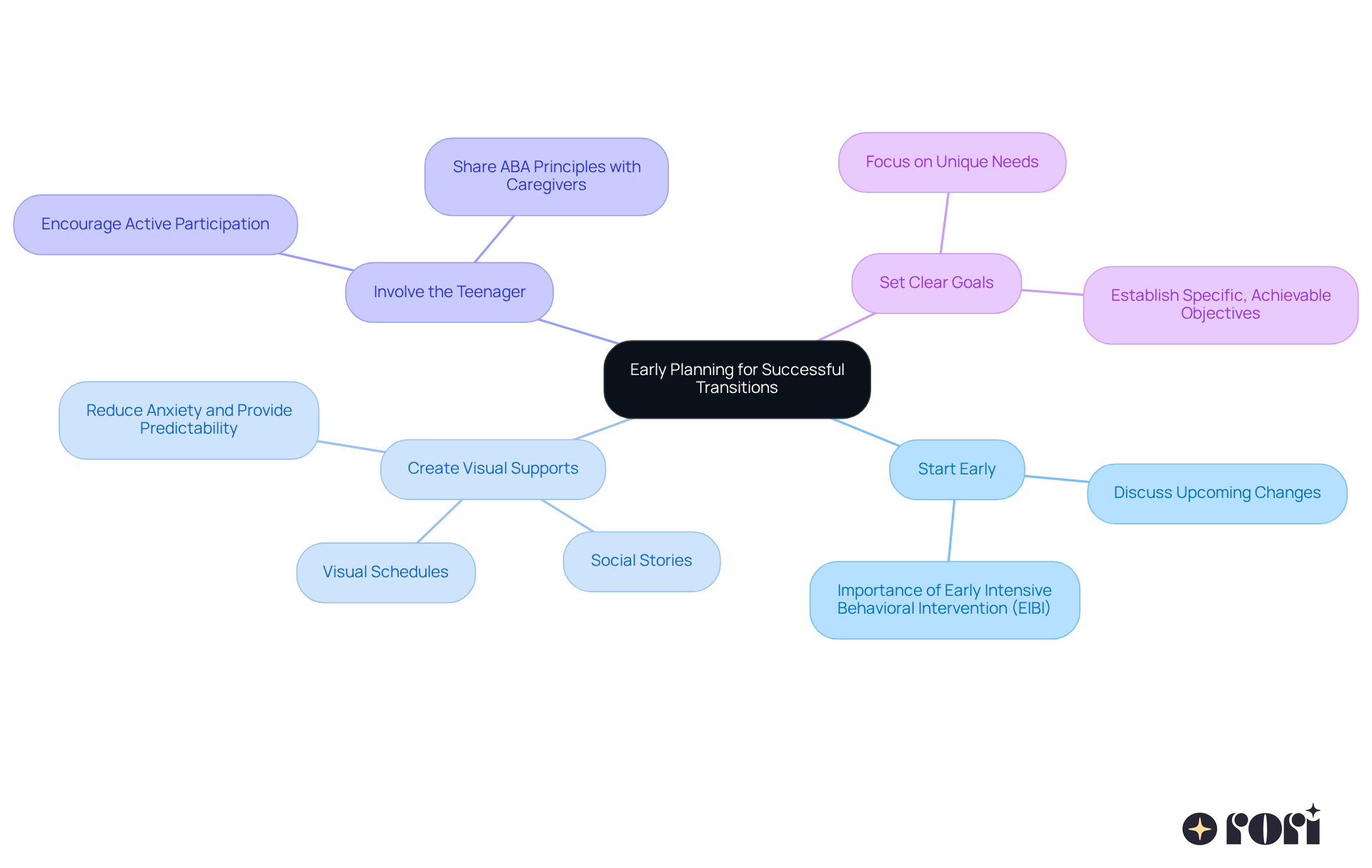
Planning for autistic teenagers can feel overwhelming, but with a few proactive strategies, it can be a lot simpler! Here are some key approaches to consider:
By embracing these strategies, families can foster a supportive environment that focuses on empowering autistic adolescents through effective transitioning strategies for . Let’s explore this together and enhance their independence and confidence!
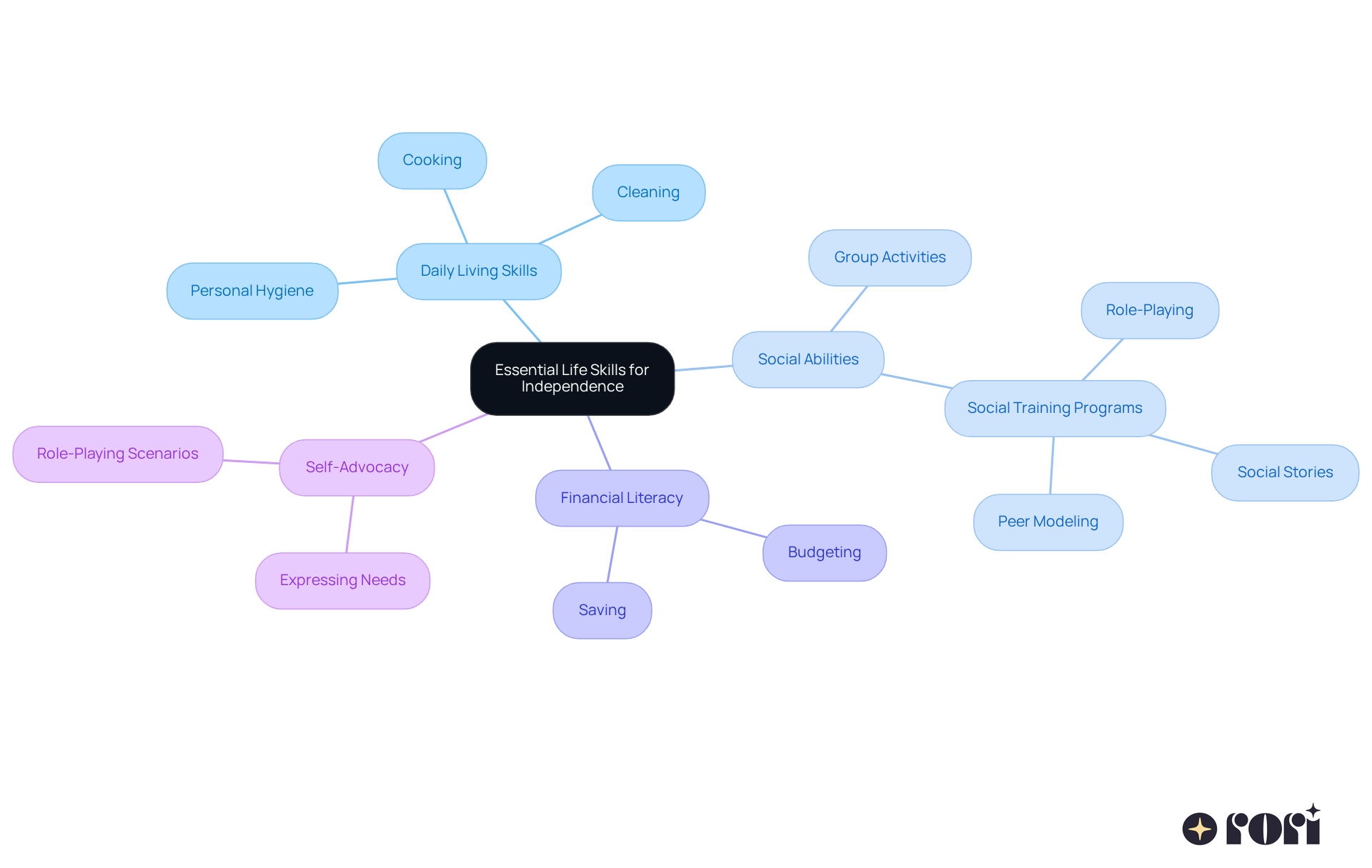
Encouraging autonomy in autistic teenagers is centered around empowering autistic adolescents through that focus on to support them throughout their journey. Let’s dive into some key areas to prioritize:
By focusing on these life skills, families can play a vital role in empowering autistic adolescents through effective transitioning strategies, helping them gain the confidence and competence needed for successful independent living. Let’s explore this together!
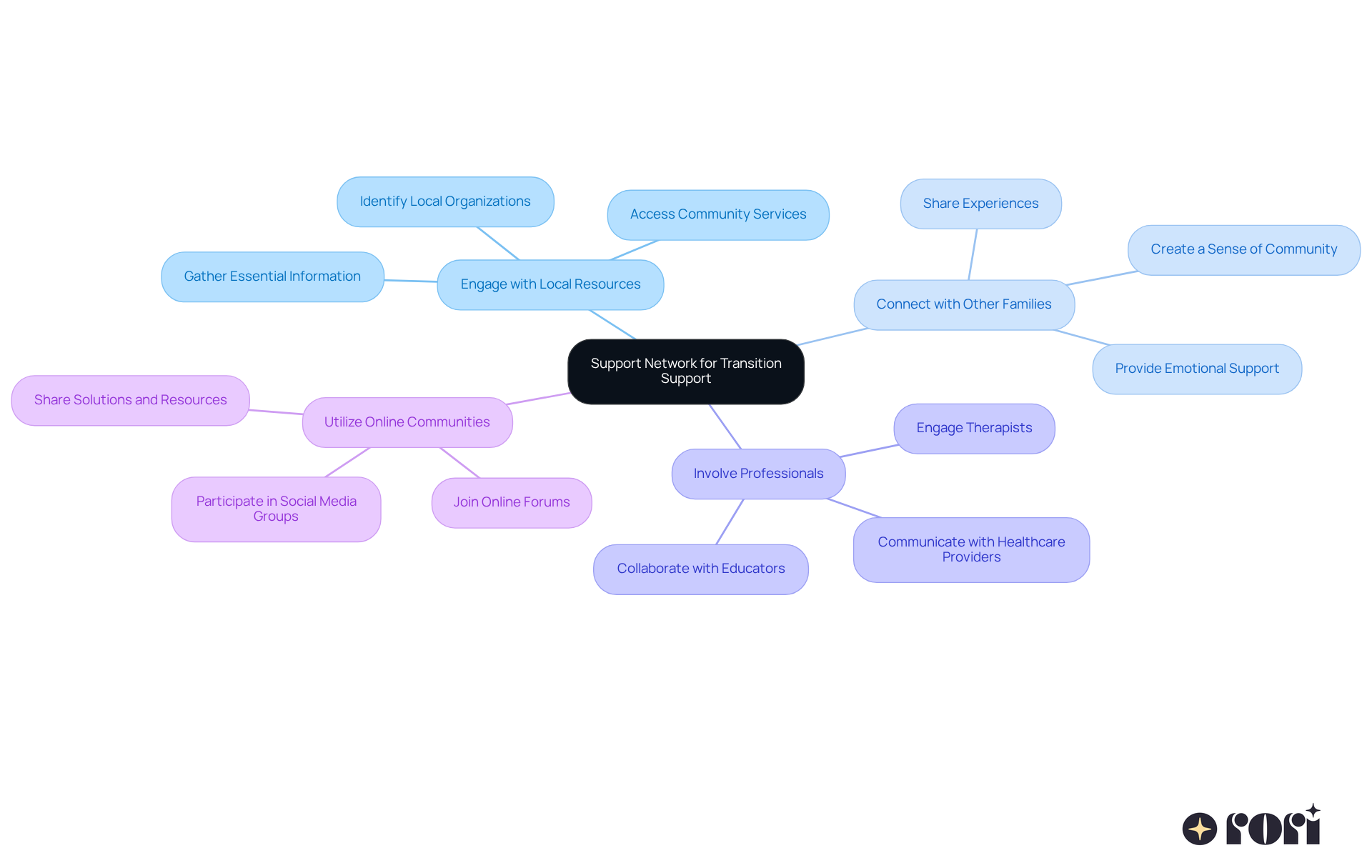
A strong can really make a difference for young individuals on the spectrum. Let’s explore some to build this network together:
By fostering a supportive network, families can focus on empowering autistic adolescents through effective , providing them with the motivation and resources they need for successful changes. Remember, you’re not alone in this journey! We’re here to !
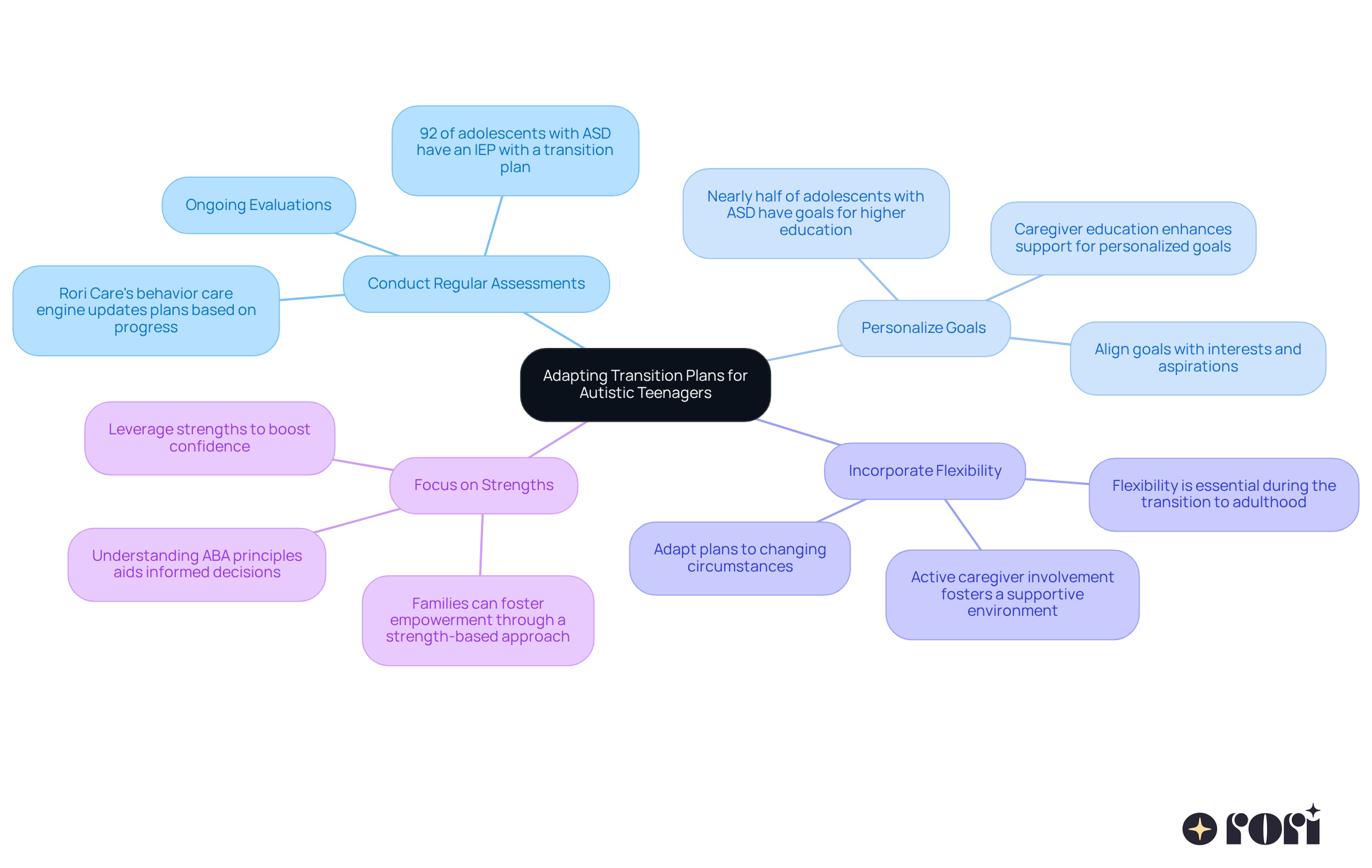
Every autistic teenager is unique, and their plans for moving forward should reflect their individual strengths, challenges, and preferences. Let’s explore some effective strategies for adapting transition plans:
By personalizing transition plans and actively involving caregivers, families create a supportive framework that is focused on to thrive during this critical period. This ultimately leads to more successful outcomes in adulthood. We’re here to !
Empowering autistic adolescents through effective transitioning strategies is so important for helping them move from childhood to adulthood. This transition isn’t just about getting older; it’s about navigating a unique mix of cognitive, emotional, and social challenges that each individual faces. When caregivers understand this process, they can offer the tailored support that builds confidence and independence in these young people.
Some key strategies we’ll explore include:
Each of these elements plays a crucial role in empowering autistic adolescents, helping them manage anxiety, develop social skills, and gain autonomy. By involving the adolescents in the planning process and focusing on their strengths, families can create a more effective and personalized approach to transitions.
Ultimately, the significance of these strategies lies in their potential to transform the transition experience for autistic adolescents. As they step into adulthood, it’s vital to prioritize their unique needs and aspirations. By implementing these empowering techniques, families and caregivers can ensure that autistic adolescents are not just prepared for the challenges ahead but also equipped to thrive in their future endeavors. The journey may be complex, but with the right support and strategies, it can lead to fulfilling and independent lives. Let’s explore this together!
What is the significance of the transition process for autistic adolescents?
The transition process is crucial for autistic adolescents as it involves navigating unique challenges related to their cognitive and emotional profiles, helping them move from childhood to adolescence and eventually to adulthood.
How does cognitive development affect autistic adolescents during transitions?
Autistic adolescents often perceive the world differently than their neurotypical peers, which can make adapting to changes in routine or surroundings challenging during this transition period.
Why is emotional regulation important for autistic adolescents during transitions?
Many autistic individuals experience heightened anxiety during transitions, making it essential to equip them with emotional regulation strategies to help manage their feelings and reactions effectively.
What role do social skills play in the transition process for autistic adolescents?
Developing social skills is essential as adolescents enter more complex social environments, helping them build relationships and understand social cues during this critical period.
What are some proactive strategies for planning successful transitions for autistic teenagers?
Key strategies include starting early discussions about transitions, creating visual supports like schedules and social stories, involving the teenager in the planning process, and setting clear, achievable goals tailored to their unique needs.
How can early planning benefit autistic adolescents?
Early planning helps prepare autistic adolescents mentally and emotionally for upcoming changes, laying a solid foundation for their learning, verbal, and social skills through early intensive behavioral intervention (EIBI).
What are visual supports, and how do they help during transitions?
Visual supports, such as visual schedules and social stories, clarify what to expect during transitions and reduce anxiety by providing a sense of predictability.
Why is it important to involve the teenager in the transition planning process?
Involving the teenager gives them a sense of control and ownership over their transition, which can boost their confidence as they navigate changes.
What should be considered when setting goals for autistic adolescents during transitions?
Goals should be specific, achievable, and cater to the teen's unique needs, focusing on areas such as social skills, academic expectations, and daily living abilities to create a structured path to success.