Creating an engaging learning environment for children with autism isn’t just beneficial; it can truly change lives! 🌟 Think about it: innovative approaches that include structured settings, visual aids, sensory activities, positive reinforcement, and personalized instruction can really enhance the educational experience. But here’s the big question: how can caregivers and educators effectively put these strategies into action to meet the unique needs of each child?
In this article, we’ll explore five effective methods that promise to foster engagement and support for children with autism. Together, we can pave the way for a more fulfilling learning journey. Let’s dive in and discover how we can make a difference!
Creating structured environments can really make a difference for our kids! It’s all about setting up predictable routines and clear expectations. You can start by arranging the physical space to minimize distractions and using to outline daily tasks. For example, think about a classroom divided into cozy areas for different activities - like a quiet reading corner and a fun sensory play area.
Did you know that studies show individuals with autism thrive in environments where they know what to expect? This understanding can significantly boost their ability to learn and engage. Plus, when we implement consistent routines, it not only helps our children feel secure but also encourages them to take the initiative in their learning.
Let’s explore this together! By creating these structured spaces, we’re not just helping our kids; we’re fostering a sense of belonging and support that can make all the difference.

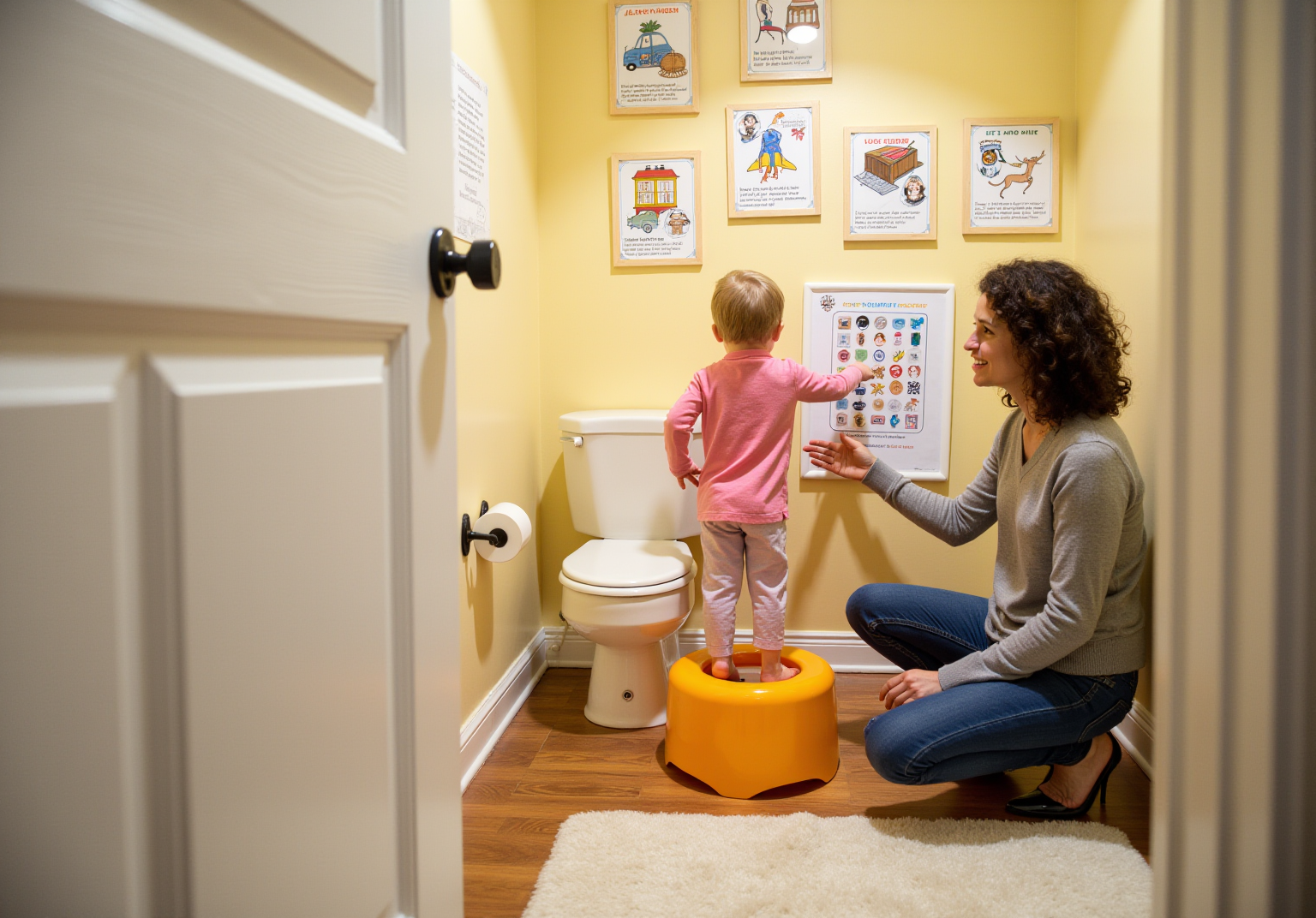
Visual aids like charts, images, and symbols can be fantastic tools in the educational journey for kids with autism, especially when utilizing innovative approaches to engaging children with autism who might be facing some behavioral challenges or skill gaps. For example, think about a visual timetable that lays out the day's events. This can really help kids anticipate transitions and ease anxiety-something that's super important for those with Autism Spectrum Disorders and ADHD.
Plus, when we incorporate visual supports during lessons, like using images to illustrate concepts or actions, it can make understanding and engagement so much better! Research shows that kids who interact with visual aids are more likely to follow directions and get involved in tasks, leading to improved learning outcomes.
This approach really aligns with Rori Care's commitment to providing innovative approaches to engaging children with autism through personalized support and adaptive strategies that empower our youth and help track their progress effectively. Let’s explore this together! We’re here to !

Integrating sensory experiences into daily routines can really make a difference for kids with autism! 🌟 Think about it: hands-on activities like playing with textured materials, splashing around in water, or using fidget tools can be so engaging. For instance, creating a sensory bin filled with rice or beans not only offers tactile stimulation but also sparks imaginative play, encouraging creativity and exploration.
Studies show that innovative approaches to engaging children with autism, like , can boost attention spans and reduce anxiety, making it a fantastic way to involve them in learning activities. Plus, caregivers can use ABA techniques, like positive reinforcement, during these sensory moments to encourage desired behaviors and improve educational outcomes. Sensory play, through innovative approaches to engaging children with autism, allows children to explore their senses in a safe and structured environment, nurturing curiosity and cognitive growth while enhancing their overall learning experience.
And here’s the thing: when caregivers are equipped with the knowledge and skills to support their child’s behavioral goals through ABA principles, it really enhances the effectiveness of these sensory activities. Active participation in gathering data and aligning objectives creates a consistent and supportive atmosphere, which further amplifies the impact of sensory play. So, let’s explore this together! We’re here to help you every step of the way!

Positive reinforcement is such a powerful strategy! It’s all about offering rewards or incentives to encourage those desired behaviors in our kiddos with autism. This can look different for everyone - think verbal praise, fun tokens, or even access to their favorite activities. For instance, when a little one successfully completes a task, they might earn a sticker or some extra playtime. How exciting is that?
Research shows that kids with autism really respond well to positive reinforcement. It can lead to increased motivation and involvement in learning. Isn’t that what we all want? It’s super important to recognize what drives each child and tailor our support methods, including innovative approaches to engaging children with autism, to fit their unique needs. This way, we can really enhance the effectiveness of our innovative approaches to engaging children with autism.
And let’s not forget about empowering caregivers! When they have a deeper and strategies, they can implement these techniques more effectively. Engaging in caregiver education programs can be a game-changer. It helps caregivers make informed choices that positively impact their child’s progress. This ultimately leads to better behavioral outcomes and a more supportive home environment.
So, let’s explore this together! We’re here to help you every step of the way!

Personalized instruction is so important for tailoring teaching strategies and resources to meet the unique needs of every student. This approach means adjusting lesson plans, setting individual goals, and weaving in the interests of each young person. For instance, if a child loves animals, lessons can revolve around that theme, making learning much more engaging!
At Rori Care, we implement innovative approaches to engaging children with autism through individualized behavior intervention plans, ensuring that personalized learning strategies not only improve educational outcomes but also foster a sense of ownership and motivation in their learning journey. By recognizing each child's unique strengths and preferences, educators can create a supportive environment that encourages active participation and eases anxiety. This ultimately leads to a more .
Let’s explore this together! By focusing on what excites your child, we can make learning a joyful adventure!

Creating an engaging learning environment for children with autism isn’t just beneficial; it’s essential! By using innovative approaches like:
caregivers and educators can really enhance the educational experiences of these amazing kids. Each strategy plays a vital role in fostering a sense of security, understanding, and motivation, paving the way for successful learning outcomes.
It’s so important to establish predictable routines and use visual supports to ease transitions and reduce anxiety. Sensory activities spark creativity and exploration, while positive reinforcement techniques motivate those desired behaviors. Individualized instruction tailors learning to each child’s unique strengths and interests, making education a more fulfilling experience. These insights highlight the significance of adopting diverse strategies to meet the varied needs of children with autism.
Embracing these innovative methods not only benefits children with autism but also empowers caregivers and educators to create a supportive and effective learning environment. By actively seeking out and applying these strategies, we can contribute to a more inclusive educational landscape that recognizes and celebrates the unique abilities of every child. The journey toward enhancing engagement and learning for children with autism is ongoing, and every step we take toward understanding and implementing these practices makes a meaningful difference. Let’s explore this together! We’re here to help you every step of the way!
What are structured environments for learning, and why are they important?
Structured environments involve setting up predictable routines and clear expectations, which can significantly enhance children's learning experiences. They help minimize distractions and provide a sense of security, encouraging children to take initiative in their learning.
How can physical space be arranged to support structured learning?
The physical space can be arranged by creating cozy areas for different activities, such as a quiet reading corner and a sensory play area, to help children focus and engage effectively.
How do structured environments benefit children with autism?
Studies show that individuals with autism thrive in environments where they know what to expect. Structured routines can boost their ability to learn and engage, providing them with a sense of security.
What role do visual aids play in enhancing understanding for children with autism?
Visual aids, such as charts, images, and symbols, help children with autism anticipate transitions and reduce anxiety. They enhance understanding and engagement during lessons, leading to improved learning outcomes.
How can visual timetables be used effectively in educational settings?
Visual timetables can outline the day's events, helping kids anticipate transitions and easing anxiety, which is particularly important for children with Autism Spectrum Disorders and ADHD.
What are the benefits of incorporating visual supports during lessons?
Using visual supports, like images to illustrate concepts, can improve understanding and engagement, as research shows that children who interact with visual aids are more likely to follow directions and participate in tasks.
How does Rori Care approach the education of children with autism?
Rori Care is committed to providing innovative approaches to engage children with autism through personalized support and adaptive strategies, empowering youth and effectively tracking their progress.