As a caregiver, have you ever felt that heart-stopping moment when your child with autism suddenly runs off? It’s important to know why this happens - did you know that nearly half of children on the spectrum might wander away from safe spaces?
Let’s explore some proactive strategies that can help keep your child safe while also encouraging them to explore their surroundings confidently!
So, what can we do to keep our kids safe while helping them grow? And how can teaming up with professionals make this journey easier?
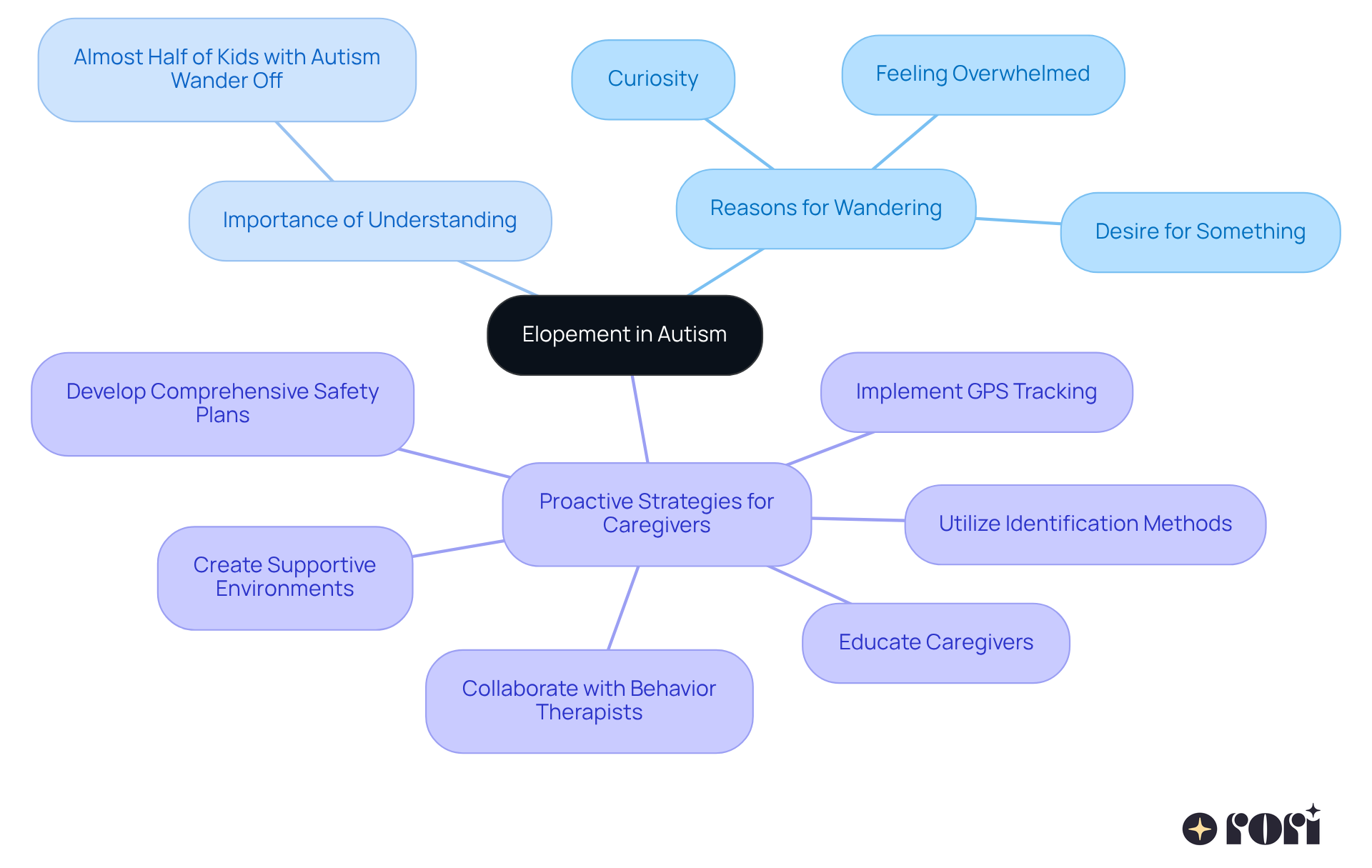
Have you ever felt that heart-stopping moment when your child suddenly runs off? Elopement, or wandering, happens when a child leaves a safe space without anyone knowing. It can be really scary!
Kids might wander off for different reasons, like feeling overwhelmed, being curious, or wanting something they really like. For caregivers, understanding why kids wander is essential to implement proactive strategies for elopement. It helps you take steps to keep them safe and sound.
Did you know that almost half of kids with autism might wander off? That’s why it’s so important to tackle this issue head-on! With the right knowledge and tools, you can feel more confident in using proactive strategies for elopement to keep your child safe.
Rori Care provides caregivers with proactive strategies for elopement to better support their kids’ needs. When caregivers are educated, they can make better choices, creating a more supportive environment for kids with autism. Let’s explore this together!
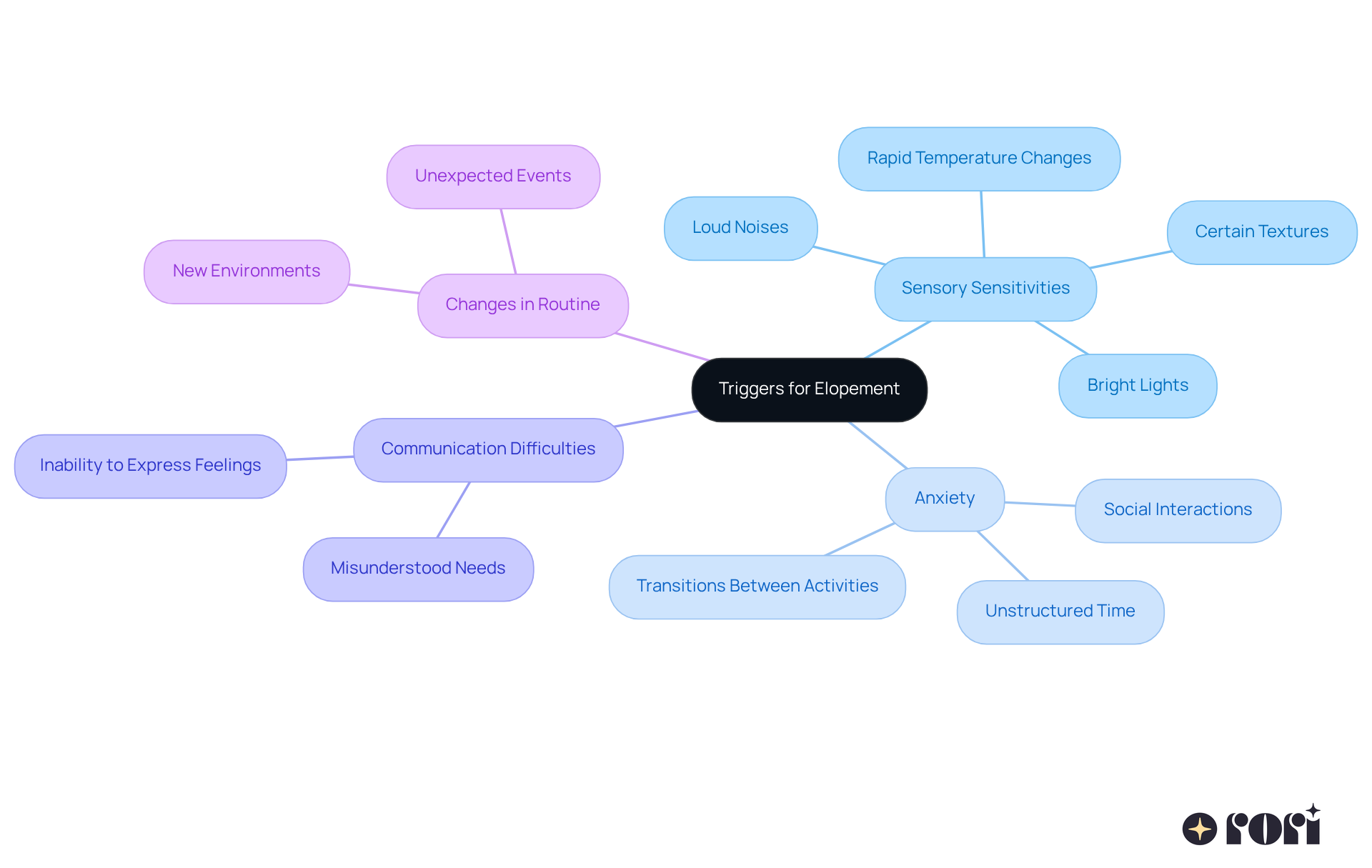
Have you ever noticed your child suddenly darting away? It’s a common challenge for many parents of kids with autism. Elopement behaviors can be triggered by a variety of factors, like sensory sensitivities, anxiety, and communication difficulties. For example, your child might run off to escape loud noises or to find something they really enjoy doing.
It can be tough for caregivers to pinpoint what exactly sets off these behaviors. Changes in routine or surroundings can ramp up anxiety, leading to fleeing as a coping strategy. Observing your child closely can help you identify specific triggers, whether it’s unstructured time, social interactions, or transitions between activities. When caregivers understand these triggers, they can take proactive steps to keep their loved ones safe.
By utilizing Applied Behavior Analysis Therapy, which adapts to each individual’s unique needs and involves active participation, you can create effective intervention plans. Studies show that 90% of young individuals make significant progress when these strategies are fully applied. Plus, ABA therapy is the only scientifically validated treatment for autism that’s covered by insurance. By understanding these triggers and using the right strategies, you can help your child thrive and feel more secure in their environment.
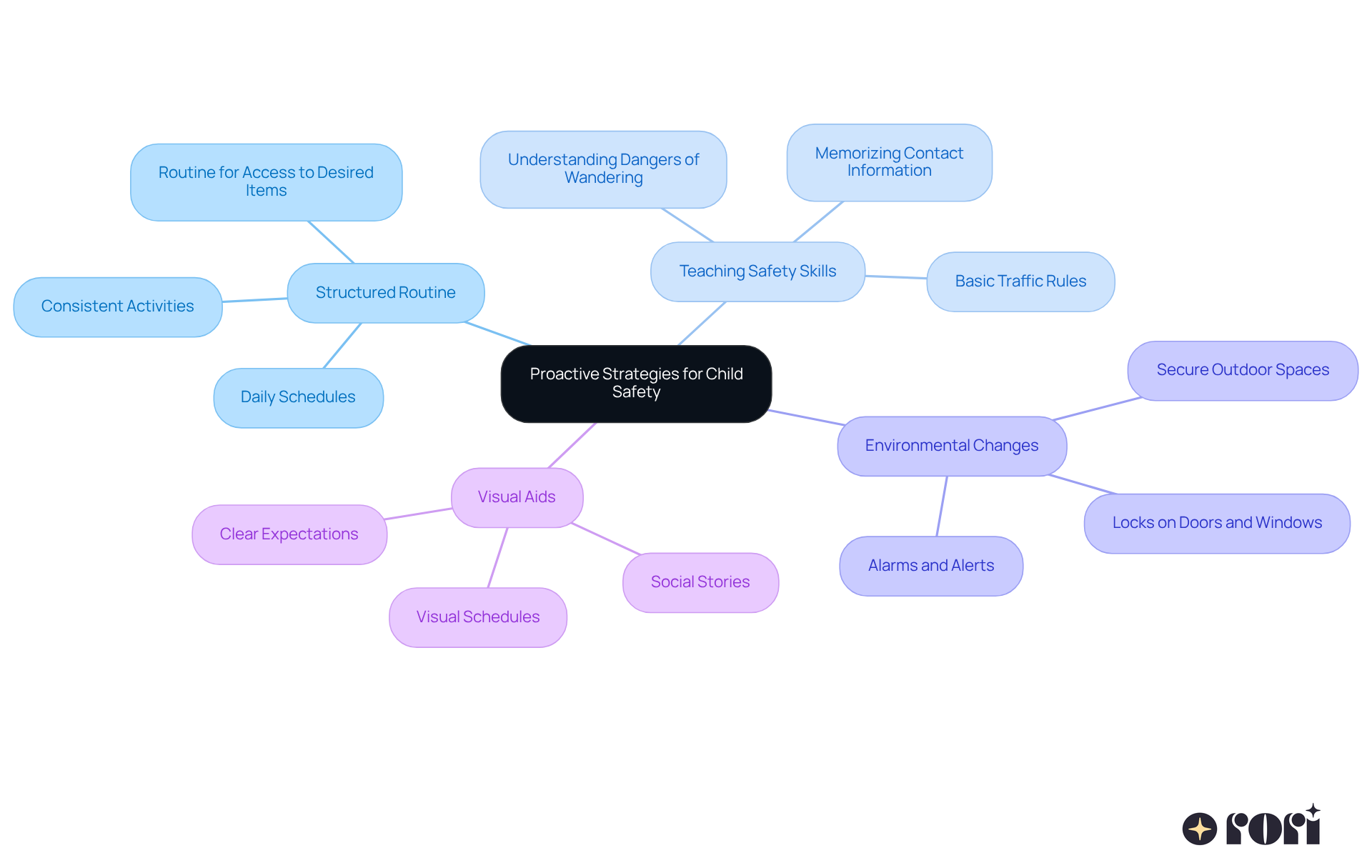
As a parent, the thought of your child wandering off can be terrifying, but there are ways to help keep them safe and secure. A structured routine can be a game-changer! It gives kids a sense of security and predictability, which helps ease their anxiety about wandering off. Did you know that 49% of parents with children on the autism spectrum reported their kids tried to wander away at least once after turning four? That’s why it’s so important to implement proactive strategies for elopement.
Teaching safety skills is super important! Parents should help kids understand why it’s crucial to stay close and the dangers of wandering off. Plus, showing kids basic traffic rules can help them know when and where it’s safe to cross the street. Environmental changes can also make a big difference. Simple things like installing locks on doors and windows, using alarms, and creating secure outdoor spaces can enhance safety.
Using visual aids like social stories and visual schedules can clarify expectations for kids, reducing the chances of them running away. And remember, it’s essential to stay calm if your child does wander off. Getting overly angry can unintentionally reinforce that behavior. By embracing proactive strategies for elopement, you’re not just protecting your child; you’re empowering them to explore their world with confidence. Let’s explore this together!
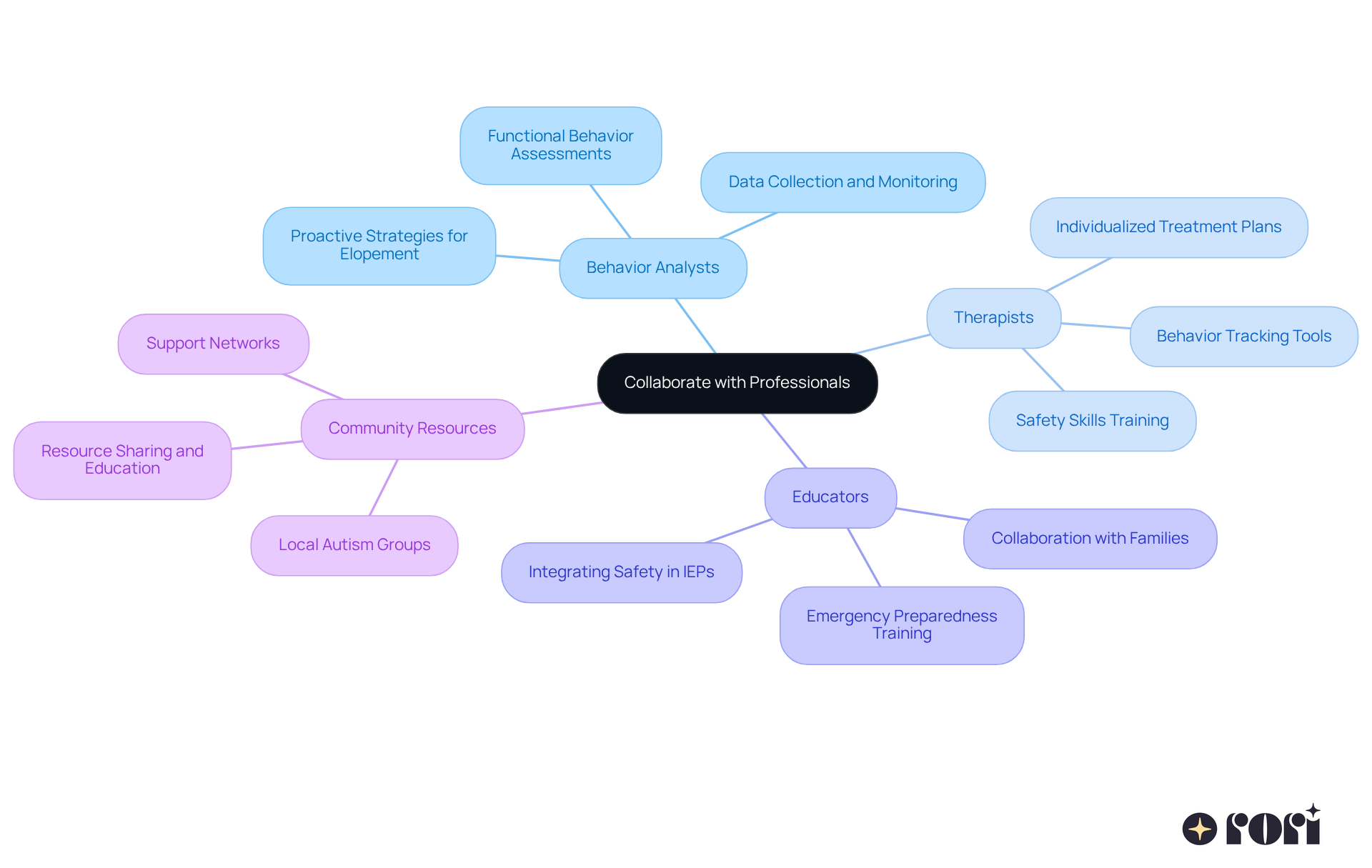
Imagine the worry that comes with knowing your child might wander off at any moment. Engaging with behavior analysts, therapists, and educators can really help in developing proactive strategies for elopement to keep your child safe from wandering off. Did you know that almost half of autistic kids might wander off after they turn four? That’s a big deal! These experts can help figure out what makes your child tick and develop proactive strategies for elopement to manage any triggers that might lead them to wander.
At Rori Care, we’ve got a cool tool that helps track your child’s behavior and skills, making it easier for you to see their progress. Working with local autism groups and community resources can give you even more tools to help your family. Keeping in touch with these professionals means you can tweak your strategies as your child grows and changes.
When we work together, we can effectively implement proactive strategies for elopement and put solid safety measures in place. By working together with professionals, you can create a safer environment for your child and peace of mind for yourself.
Many parents feel anxious about their child wandering off, and it’s a valid concern. Understanding and addressing elopement in children with autism is key to ensuring their safety and well-being. By recognizing the behaviors and triggers associated with wandering, caregivers can implement effective strategies that not only protect their children but also empower them to navigate their environment confidently.
Let’s look at some key strategies:
Collaborating with professionals, like behavior analysts and therapists, can help tailor interventions to each child's unique needs. These proactive measures not only reduce the risks of elopement but also foster a supportive and secure atmosphere for children with autism.
By taking these proactive steps, you’re not just keeping your child safe; you’re also giving them the freedom to explore their world with confidence. Caregivers are encouraged to seek out resources, engage with professionals, and stay vigilant in their efforts to create a safe and nurturing environment. Together, we can help our children thrive!
What is elopement in the context of autism?
Elopement, or wandering, refers to a situation where a child leaves a safe space without anyone knowing, which can be particularly concerning for caregivers.
Why do children with autism elope?
Children may wander off for various reasons, including feeling overwhelmed, being curious, or wanting something they particularly like.
How common is elopement among children with autism?
Almost half of children with autism may experience elopement, highlighting the importance of addressing this issue.
What can caregivers do to prevent elopement?
Caregivers can implement proactive strategies by understanding the reasons behind wandering, which helps in taking steps to keep children safe.
How does Rori Care support caregivers in managing elopement?
Rori Care provides caregivers with proactive strategies and education to better support their children's needs and create a safer environment for kids with autism.