Navigating the world of Autism Spectrum Disorder (ASD) can feel like a daunting journey for many parents. With about 1 in 31 children diagnosed with ASD, it’s easy to feel overwhelmed and unsure of where to turn for help. Let’s explore five friendly strategies that can help you tackle these challenges head-on, enhancing your child’s development and well-being. Together, we can discover how to foster growth and connection, even when the road gets tough!
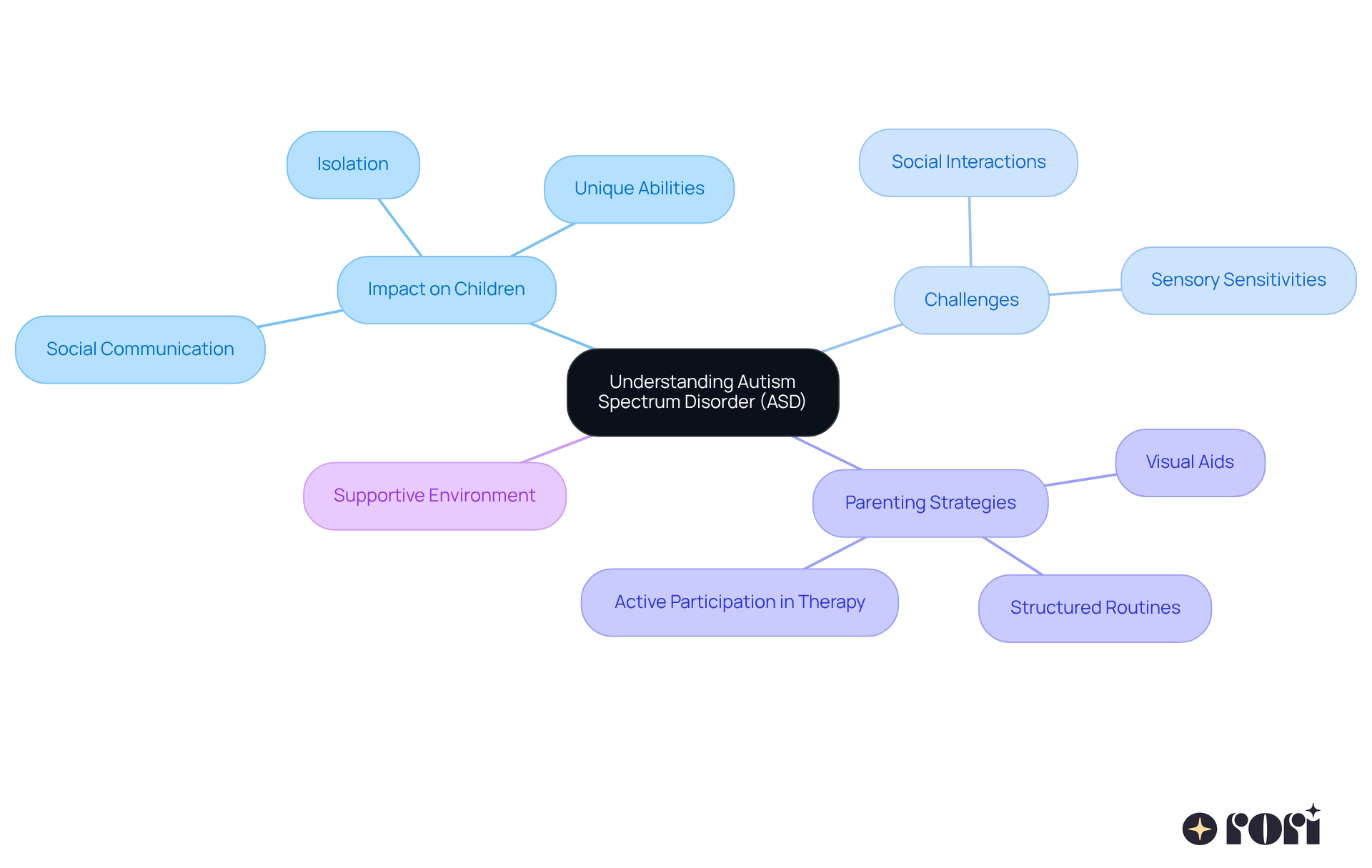
Understanding Autism Spectrum Disorder (ASD) can feel overwhelming, but it’s the first step toward supporting your child effectively. ASD can make social communication tricky, and kids might have specific interests or repeat certain behaviors. Every child with autism is unique, showing a wide range of abilities and challenges. That’s why it’s so important for parents to grasp these nuances in parenting a child with autism to create a nurturing environment for their growth.
Did you know that about 1 in 31 kids around 8 years old are diagnosed with ASD? That’s a lot of families navigating similar challenges! Kids with ASD often find social interactions tough, which can lead to feelings of isolation and frustration for both of you. It’s tough to see your child struggle to connect with others, particularly when you are parenting a child with autism, isn’t it? But understanding the challenges involved in parenting a child with autism can open doors to new strategies that help your child thrive, making family life a bit easier.
For instance, using visual aids and setting up structured routines can really help your child manage daily activities and social situations. Plus, being aware of the sensory sensitivities that often come with ASD can significantly assist in parenting a child with autism by helping you create a more supportive home environment, reducing anxiety and the chances of meltdowns.
When you understand ASD, you’re not just helping your child; you’re also preparing for parenting a child with autism by advocating for them in school and therapy settings. By fostering an informed and supportive atmosphere while parenting a child with autism, you can significantly impact your child’s development and overall well-being. Active participation in your child’s therapy, supported by Rori Care's expertise, leads to improved behavioral outcomes and enhances overall family dynamics. By embracing this journey together, you can truly make a difference in your child's life and well-being when parenting a child with autism.
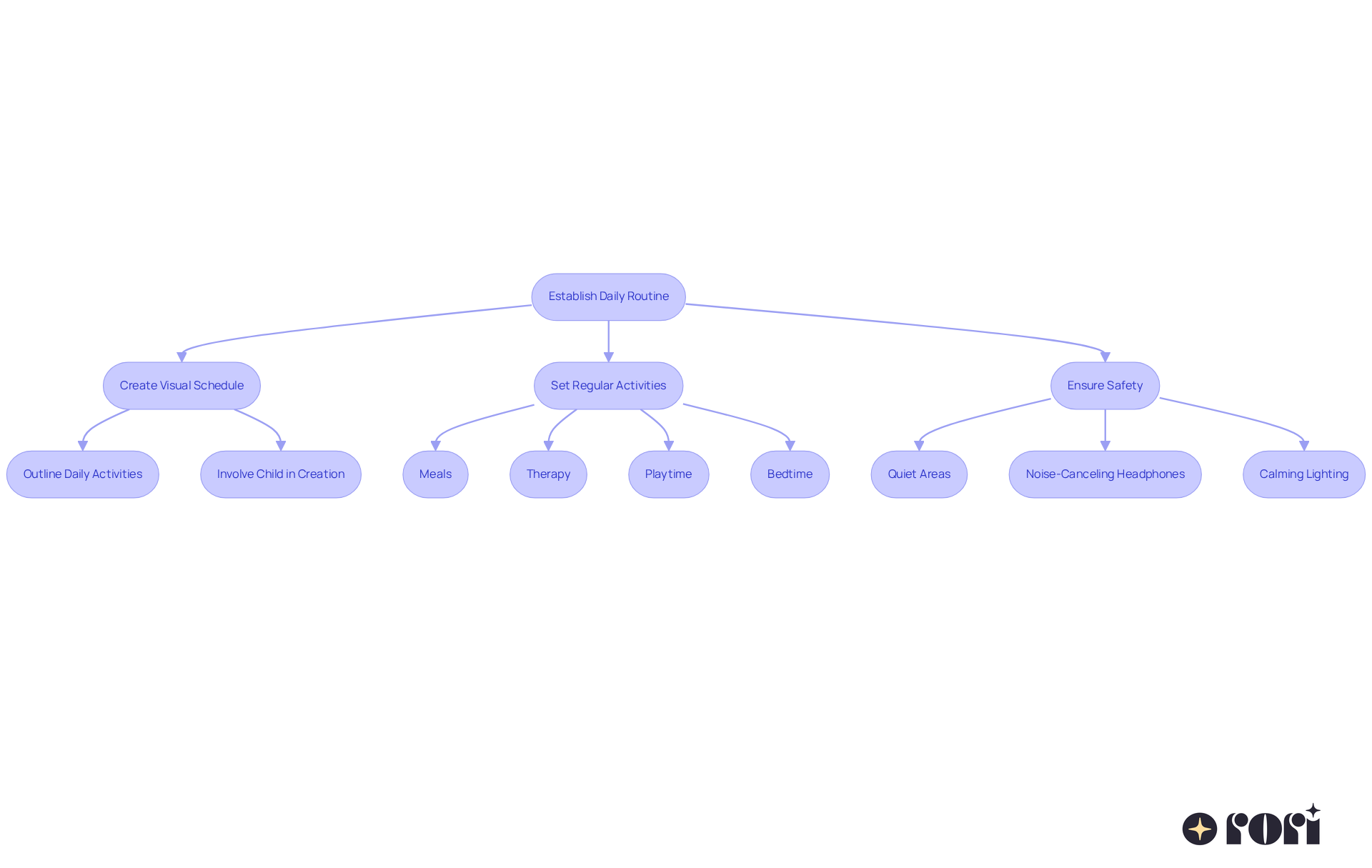
Creating a daily routine can feel like a daunting task for many parents, particularly when parenting a child with autism. Routines provide a consistent structure that helps young ones understand what to expect throughout the day, which can really ease anxiety and behavioral challenges. It’s a good idea to set up regular schedules for daily activities like meals, therapy sessions, playtime, and bedtime, just like Rori Care suggests with Applied Behavior Analysis (ABA).
One fun way to get started is by using visual schedules that outline the day's activities, making it easier for your little one to follow along! For instance, a visual schedule might show a morning routine that includes:
By mapping out the day visually, kids can anticipate transitions and feel more in control. Plus, visual schedules can really help nonverbal children or those with limited language skills express their needs and preferences more effectively.
Creating a safe environment is also key to minimizing sensory overload. Think about:
Involving your child in creating the schedule can boost their engagement and ownership of the routine, making it even more effective. By focusing on structure and safety, you’re helping your child thrive in a warm and nurturing environment!
Many behavioral therapists have seen how visual schedules can ease those daily conflicts, making routines smoother and more manageable for everyone! By prioritizing these strategies, you’re empowering your child to navigate daily routines with confidence, which is essential in parenting a child with autism. And remember, you can always reach out for extra support through Rori Care's complimentary consultations with Board Certified Behavior Analysts, who can provide tailored strategies and insights for your unique situation. We’re here to help you every step of the way!
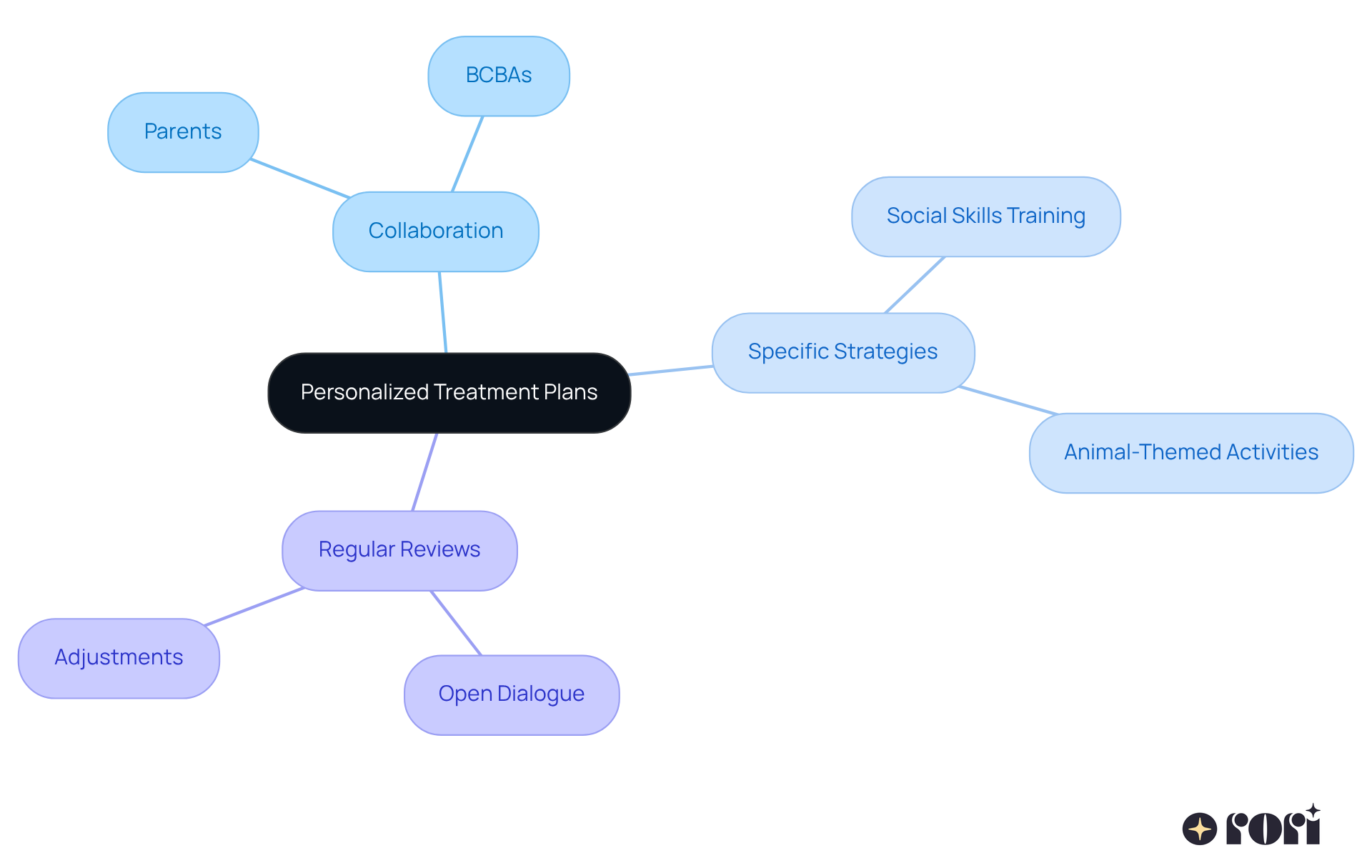
Every child is unique, and that’s why personalized treatment plans are so important! At Rori Care, our caring team truly values neurodiversity and is dedicated to assisting families in parenting a child with autism to help them succeed. We know that collaboration between parents and clinicians, including Board Certified Behavior Analysts (BCBAs), is key to effectively supporting parenting a child with autism by creating a roadmap that outlines specific goals and strategies tailored just for your child.
For instance, if your child struggles with social interactions, we might include targeted social skills training in their plan. Imagine them practicing appropriate responses through fun role-playing scenarios! And if they love animals, we can incorporate animal-themed activities to make learning even more enjoyable and relatable.
It can be tough to keep up with your child's changing needs as they grow. That’s why regular reviews and adjustments of the treatment plan are crucial. Keeping an open dialogue with our therapy team ensures that the strategies we use remain effective and relevant. Starting early can make a world of difference in your child's development! Research shows that beginning therapies around ages 2 or 3 can lead to significant improvements in communication and social skills.
Did you know that about 1 in 31 youth in the U.S. are impacted by autism spectrum disorder (ASD)? This highlights just how important customized treatment plans are when it comes to parenting a child with autism to meet the varied needs of this group. At Rori Care, we’re here to help you every step of the way with parenting a child with autism, empowering you with ABA principles and strategies to support your child’s behavioral goals. Let’s work together to help your child thrive and reach their full potential!
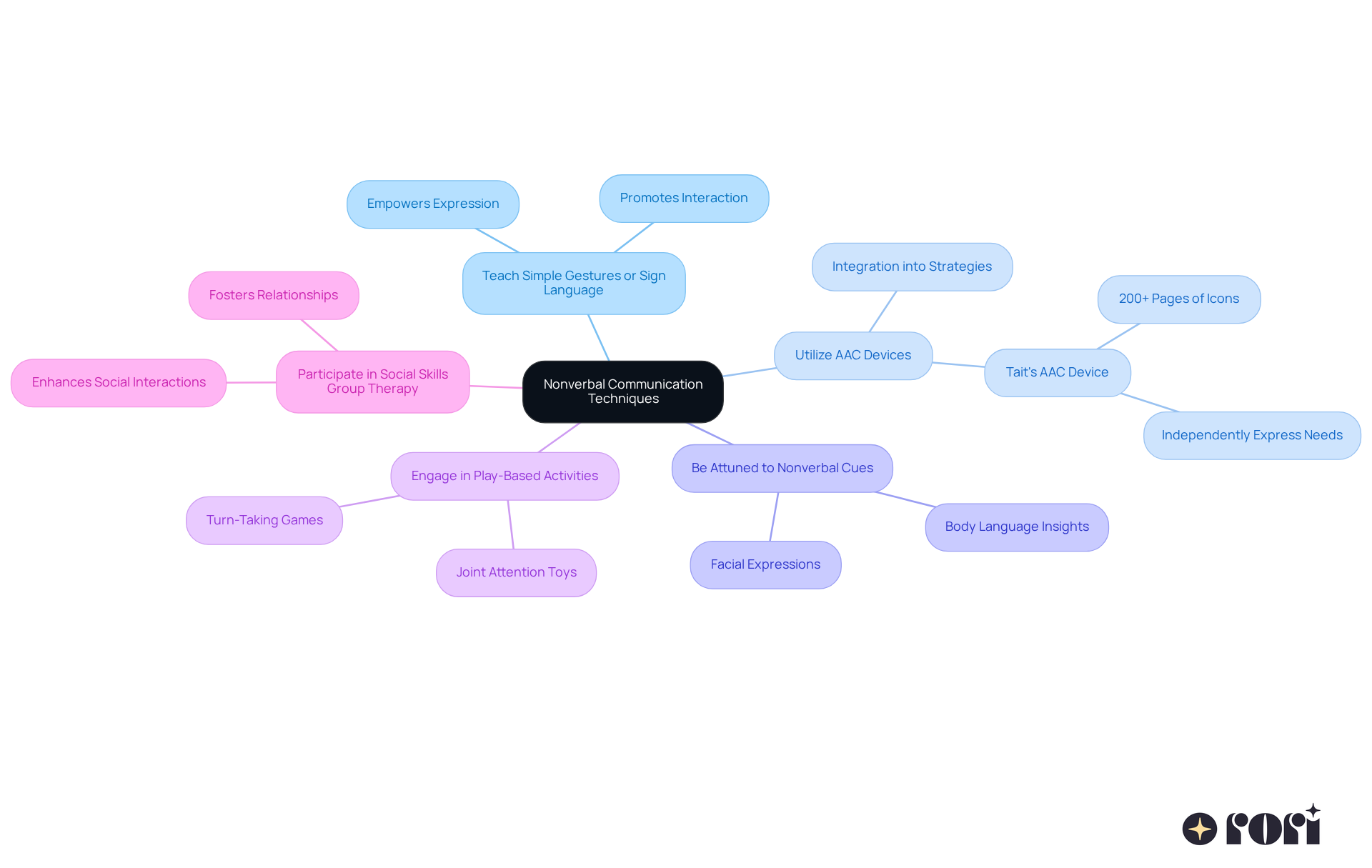
Many parents feel overwhelmed when parenting a child with autism who struggles to communicate, especially when words just don’t seem to come. For numerous young individuals with autism, parenting a child with autism can involve recognizing that verbal expression can be especially difficult, making nonverbal interaction methods essential for building connection and understanding. By adding gestures, facial expressions, and visual supports, parents can really boost their interactions with their kids! These strategies are emphasized in Applied Behavior Analysis (ABA) therapy for parenting a child with autism.
Effective Strategies for Nonverbal Communication:
When caregivers focus on nonverbal communication and use ABA principles in the context of parenting a child with autism, they create a warm environment that helps strengthen connections and boosts communication skills. Imagine the joy of seeing your child express themselves more freely - let’s explore these strategies together!
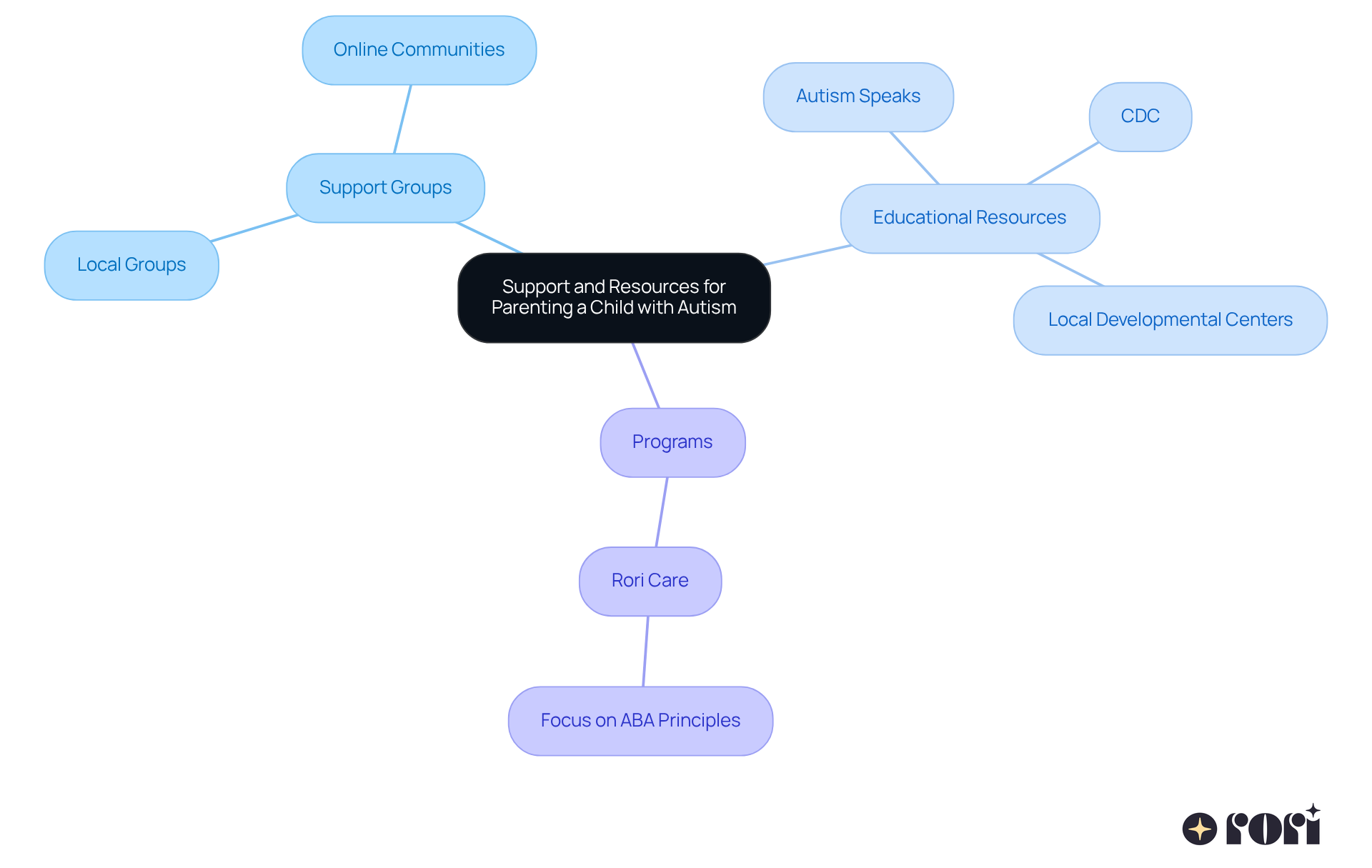
Are you feeling overwhelmed while parenting a child with autism? You're not alone! Navigating the journey of parenting a child with autism can be tough, and it’s essential to seek support and resources. Joining local and online support groups can really help! You’ll find a community where parents share their experiences and effective strategies related to parenting a child with autism. Did you know that families who connect in support groups often stick to therapy recommendations better? This can lead to quicker skill development when parenting a child with autism!
Don’t forget to tap into educational resources from organizations like Autism Speaks, the CDC, and local developmental centers. These resources offer valuable insights into the latest research, effective interventions, and practical tips for managing daily challenges. For instance, workshops and training sessions can enhance your understanding of autism, equipping you with new skills essential for parenting a child with autism effectively.
Programs like those from Rori Care can really empower you with ABA principles and strategies, which are essential for parenting a child with autism and helping you support your child at home. This active engagement not only leads to better behavioral outcomes but also encourages you to make informed decisions that positively impact your child’s development. When you seek support and use the resources available, you’re not just helping yourself; you’re creating a nurturing environment that is essential for parenting a child with autism. Remember, seeking support isn't just about managing challenges; it's about unlocking your child's potential together.
Navigating the world of Autism Spectrum Disorder (ASD) can feel like a rollercoaster ride for parents, filled with ups and downs. It takes knowledge, patience, and the right strategies to support your child effectively. By embracing the unique characteristics of autism and implementing proven techniques, you can create a nurturing environment that fosters growth and development.
This article has highlighted the significance of:
Key strategies discussed include the use of visual aids and structured schedules to ease anxiety. Tailored treatment plans that evolve with your child’s needs are crucial, as well as the effectiveness of nonverbal communication techniques to enhance interactions.
These approaches not only empower you as a parent but also significantly improve your child’s ability to navigate daily life and social situations. When you connect with resources and support networks, you’re not just learning; you’re building a community that understands your journey.
At the end of the day, parenting a child with autism is all about teamwork and discovering what works best for your family. By prioritizing understanding, structure, personalized care, and community support, you can unlock your child's potential and create a loving, supportive environment. Embracing these strategies means you’re not just managing challenges; you’re paving the way for a brighter future for your child.
What is Autism Spectrum Disorder (ASD)?
Autism Spectrum Disorder (ASD) is a developmental disorder that affects social communication and behavior. Children with ASD may have specific interests, repeat certain behaviors, and face challenges in social interactions.
How common is ASD among children?
Approximately 1 in 31 children around the age of 8 are diagnosed with Autism Spectrum Disorder (ASD).
What are some challenges faced by children with ASD?
Children with ASD often struggle with social interactions, which can lead to feelings of isolation and frustration.
How can understanding ASD help parents support their child?
Understanding ASD allows parents to implement strategies that help their child thrive, such as using visual aids and structured routines, which can improve family life and the child's overall well-being.
What role do visual aids play in supporting a child with ASD?
Visual aids help children with ASD manage daily activities and social situations by providing clear expectations and reducing anxiety.
How can structured routines benefit children with ASD?
Structured routines provide consistency and predictability, helping children understand what to expect throughout the day, which can ease anxiety and behavioral challenges.
What are some examples of daily activities to include in a routine for a child with ASD?
Daily activities can include meals, therapy sessions, playtime, and bedtime, all organized in a regular schedule.
How can visual schedules assist children with limited language skills?
Visual schedules allow nonverbal children or those with limited language skills to express their needs and preferences more effectively by providing a clear outline of daily activities.
What are some strategies to create a safe environment for a child with ASD?
Strategies include setting up quiet areas for retreat, using noise-canceling headphones, and adjusting lighting to create a calming atmosphere.
How can parents involve their child in creating a daily schedule?
Involving the child in creating the schedule can increase their engagement and ownership of the routine, making it more effective.
How can Rori Care assist parents in supporting their child with ASD?
Rori Care offers complimentary consultations with Board Certified Behavior Analysts who can provide tailored strategies and insights for unique situations, supporting parents in their journey.